landmark
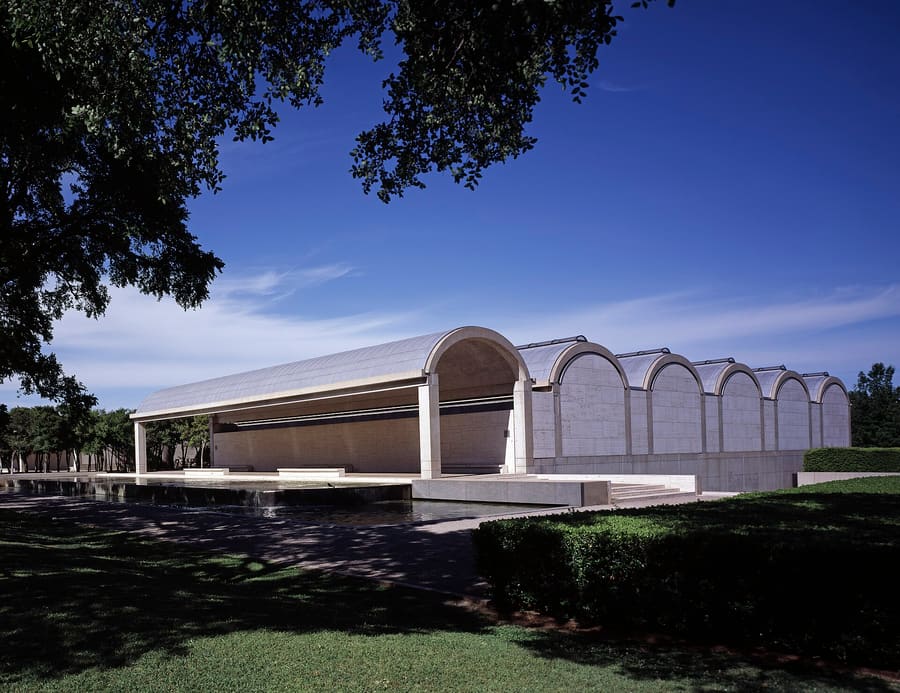
Kimbell Art Museum
Louis Kahn's architectural masterpiece houses a small but exceptional permanent collection with free admission.
Ask ParleyUnited States
Cowtown culture, modern art, and zero Dallas pretense.
introduction
Fort Worth operates at a distinct pace from neighboring Dallas, trading slick corporate polish for livestock heritage and world-class museum architecture. You navigate the city across three distinct hubs: Downtown's Sundance Square, the Stockyards National Historic District, and the Cultural District. A car is necessary for jumping between these pockets, though Downtown itself is easily walkable on foot. Expect high temperatures in summer, unpretentious dining, and a strict respect for local traditions.
Airport transit trick
TEXRail trains run directly from DFW Airport Terminal B to Fort Worth Central Station for $2.50. It takes 52 minutes and avoids highway traffic.
World-class architecture
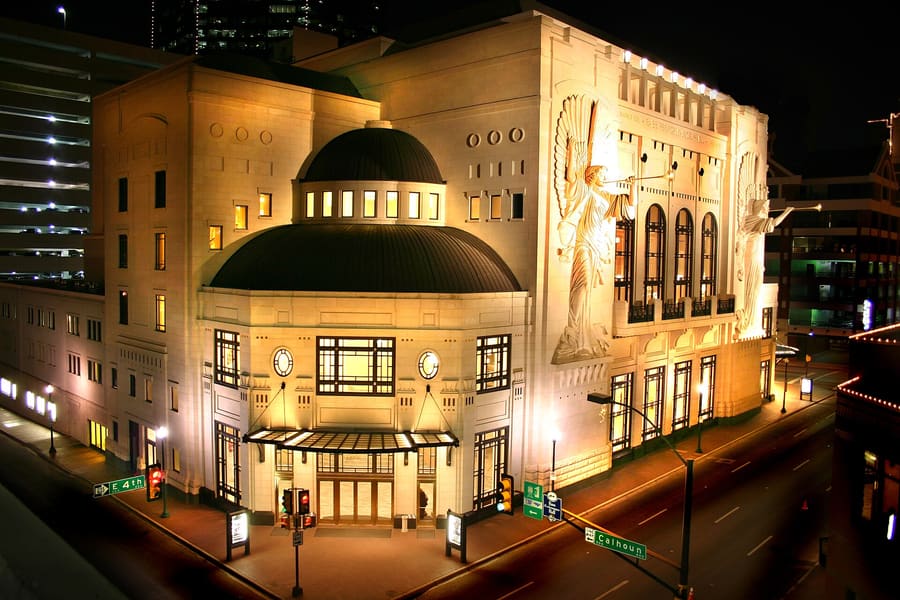
The Cultural District houses buildings designed by Louis Kahn, Tadao Ando, and Renzo Piano. All three stand within a short walk of each other.
Cattle drive timing
The Fort Worth Herd drives Texas Longhorns down East Exchange Avenue daily at 11:30 and 16:00. Arrive fifteen minutes early for a spot on the curb.
Fort Worth
Phlyr at English Wikipedia · CC BY-SA 3.0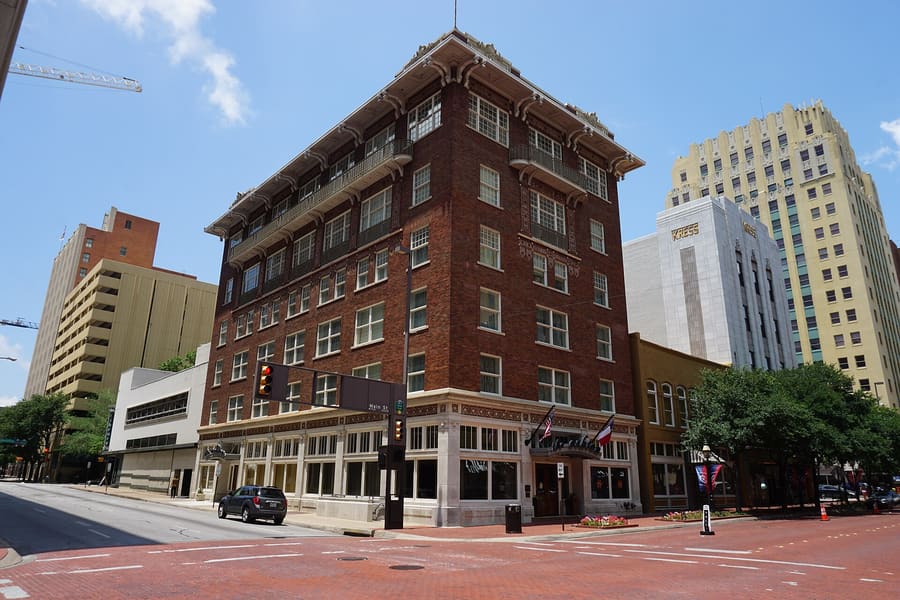
Downtown — Clean, historic brick streets anchored by Sundance Square plaza and restored turn-of-the-century facades.
Michael Barera · CC BY-SA 4.0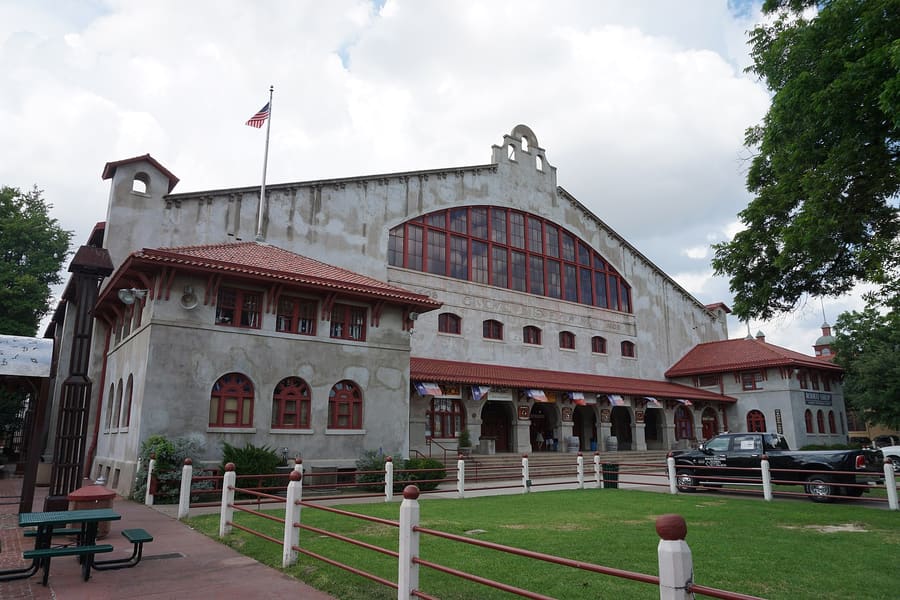
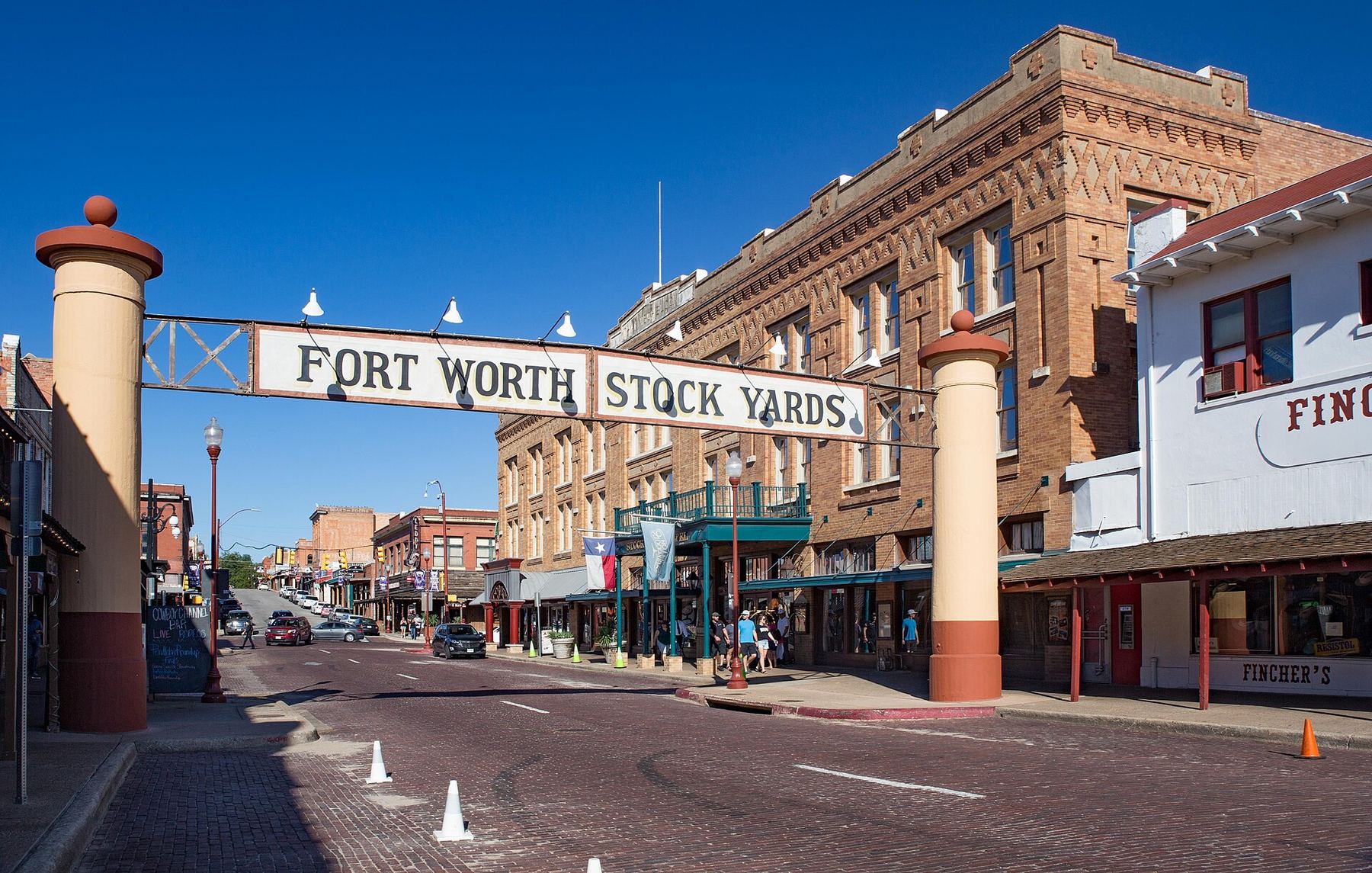
Stockyards — Unapologetic Western atmosphere with wooden boardwalks, saloons, and daily cattle drives.
Michael Barera · CC BY-SA 4.0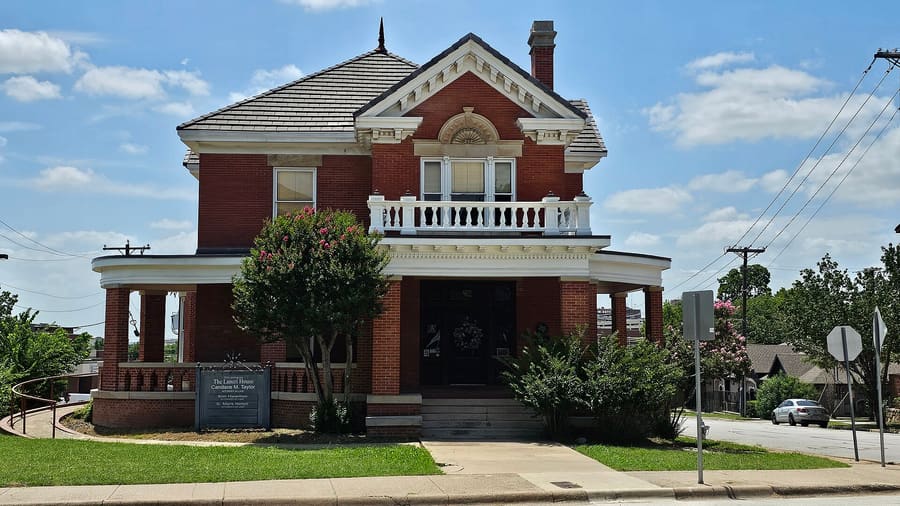
Near Southside — Low-rise craft brewery hub along Magnolia Avenue, favoured by locals for indie coffee and tacos.
HominyGrits007 · CC0
Smoked beef brisket served on butcher paper with pickles and onions.
Scott Bauer, USDA ARS · Public domainhighlights
landmark
Louis Kahn's architectural masterpiece houses a small but exceptional permanent collection with free admission.
Ask Parley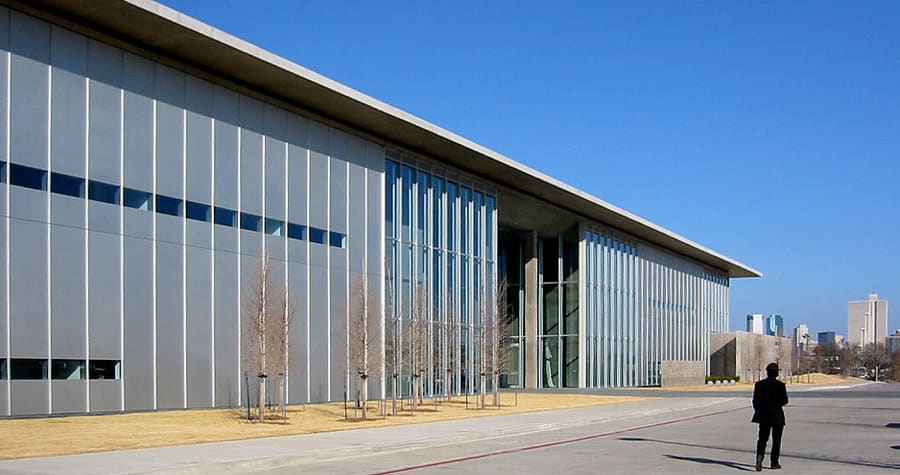
landmark
Tadao Ando's glass-and-concrete building sits on a reflecting pond, showcasing post-WWII international art.
Ask Parley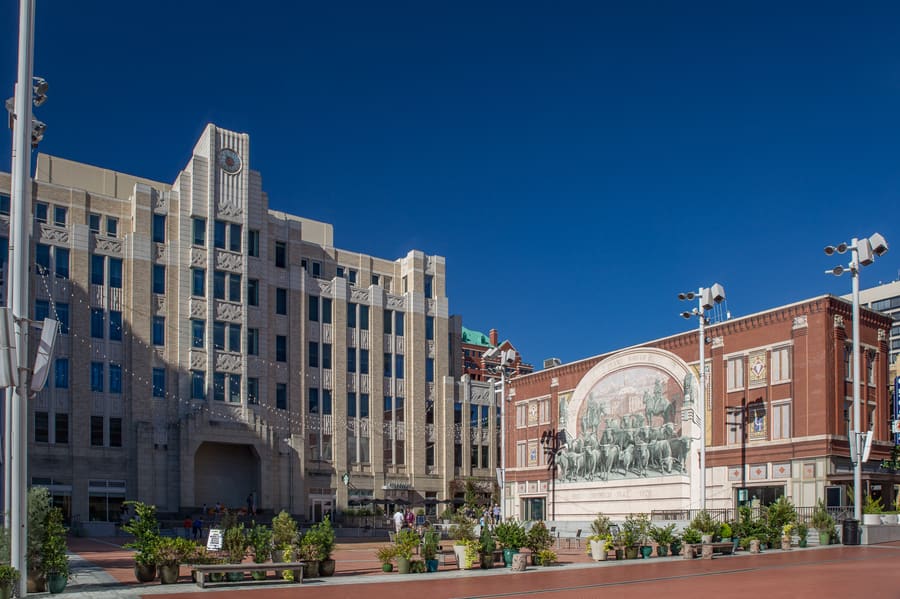
landmark
A 35-block downtown district centred on a pedestrian plaza with giant umbrella shades and restored brick buildings.
Ask Parley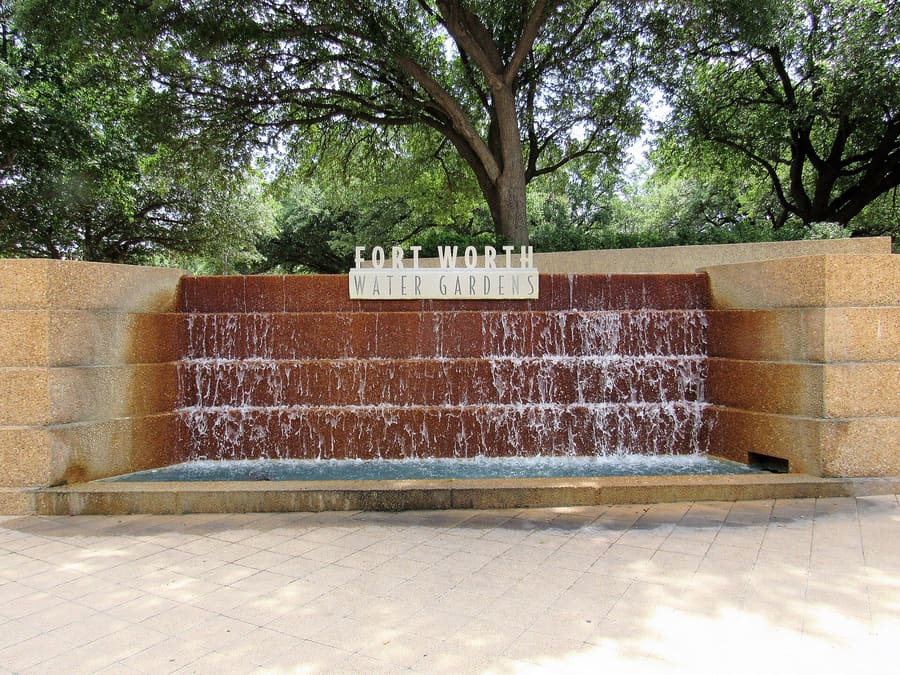
landmark
Philip Johnson's 1974 concrete urban park features three distinct water pools, including an active vortex canyon.
Ask Parley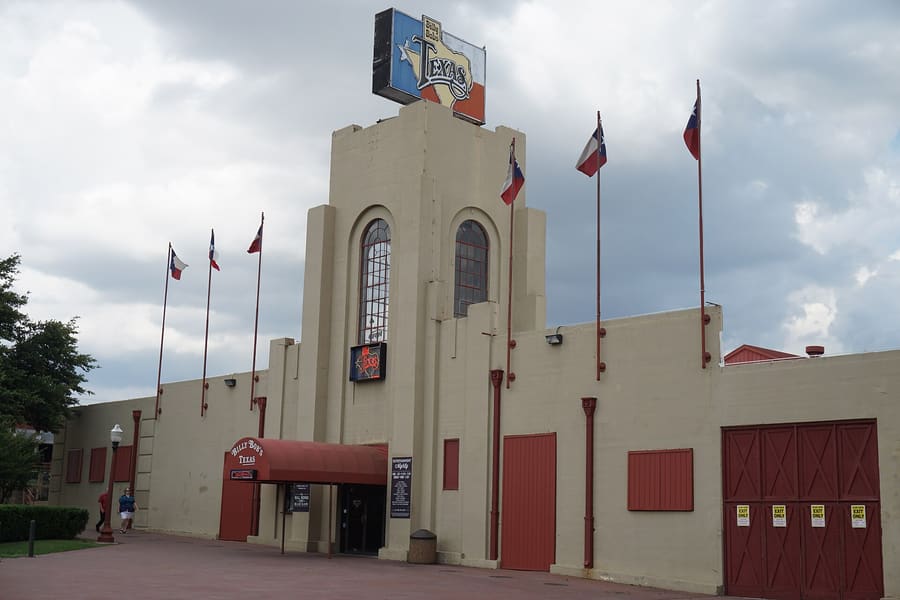
landmark
The world's largest honky-tonk holds 6,000 people, featuring live indoor bull riding and real country music.
Ask Parleyattractions
areas
Clean, historic brick streets anchored by Sundance Square plaza and restored turn-of-the-century facades.
NearbySundance Square, Water Gardens, Central Station.
Ask ParleyUnapologetic Western atmosphere with wooden boardwalks, saloons, and daily cattle drives.
NearbyBilly Bob's, Cowtown Coliseum, Mule Alley.
Ask ParleyLow-rise craft brewery hub along Magnolia Avenue, favoured by locals for indie coffee and tacos.
NearbyMagnolia Avenue, local microbreweries, craft coffee shops.
Ask ParleySerene, green expanse packed with premier art museums, botanical gardens, and modern architecture.
NearbyKimbell, Modern Art Museum, Amon Carter Museum.
Ask Parleyfood
Fort Worth sits squarely in the Central Texas barbecue tradition, where post oak smoke and heavy black pepper define the brisket. You order smoked meats by the pound at butcher counters like Goldee's or Panther City BBQ. Tex-Mex here relies on rich chili con carne and lard-fried tortillas rather than interior Mexican coastal flavors. Longstanding family spots like Joe T. Garcia's draw massive patio crowds, though locals come specifically for the atmosphere and margaritas.
Smoked beef brisket served on butcher paper with pickles and onions.
Scott Bauer, USDA ARS · Public domainTop-ranked barbecue spots like Goldee's sell out before 13:00. Arrive by 10:00 on weekends to secure a spot in line.
Joe T. Garcia's accepts cash or local checks only. An on-site ATM charges fees, so carry paper currency.
Specify 'moist' or 'fatty' brisket for maximum flavor and tenderness; 'lean' dries out quickly under heat lamps.
history
Fort Worth began in 1849 as an army outpost on the Trinity River to protect the Texas frontier. The arrival of the Chisholm Trail turned it into a major stop for cattle drives, earning the nickname Cowtown. Railroad links in 1876 cemented its role as a meatpacking hub before 1920s oil booms funded its downtown architecture and world-class museums.
Military outpost founded
Major Ripley Arnold establishes a garrison along the Trinity River to secure the Texas frontier border.
Chisholm Trail peak
Millions of cattle pass through Fort Worth, establishing saloons, hotels, and the infamous Hell's Half Acre.
Railroad arrival
The Texas and Pacific Railway arrives, securing Fort Worth as the regional livestock shipping centre.
Kimbell Museum opens
Louis Kahn's building opens in the Cultural District, launching Fort Worth as a global arts destination.
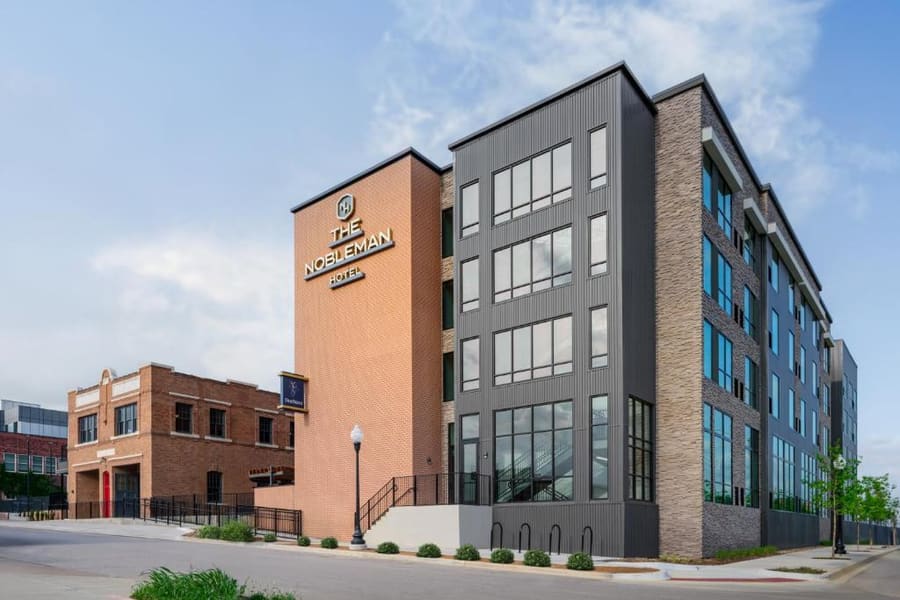
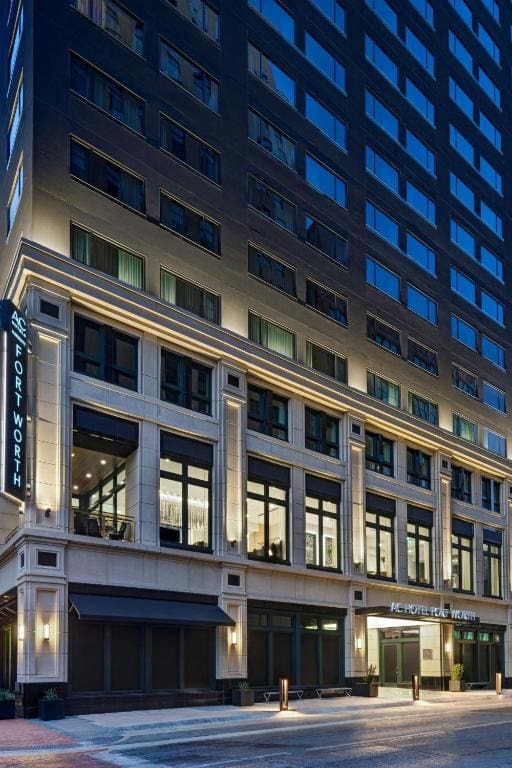
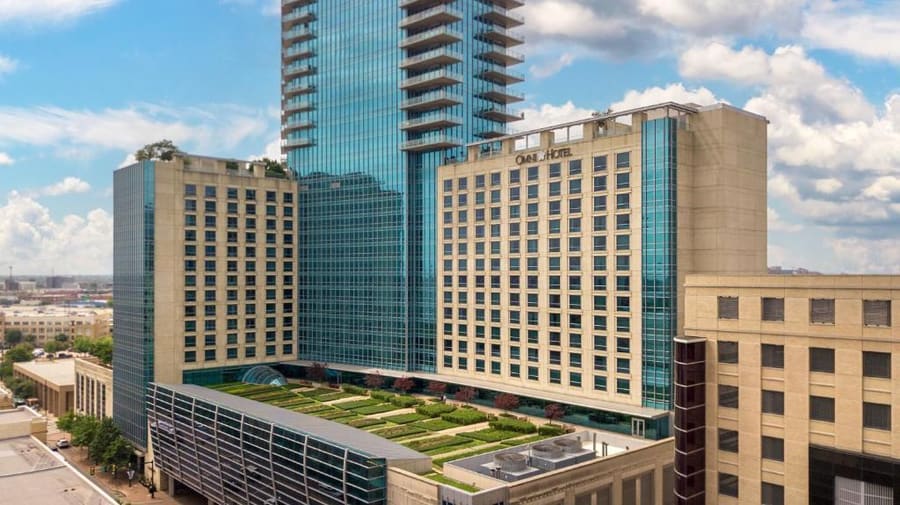
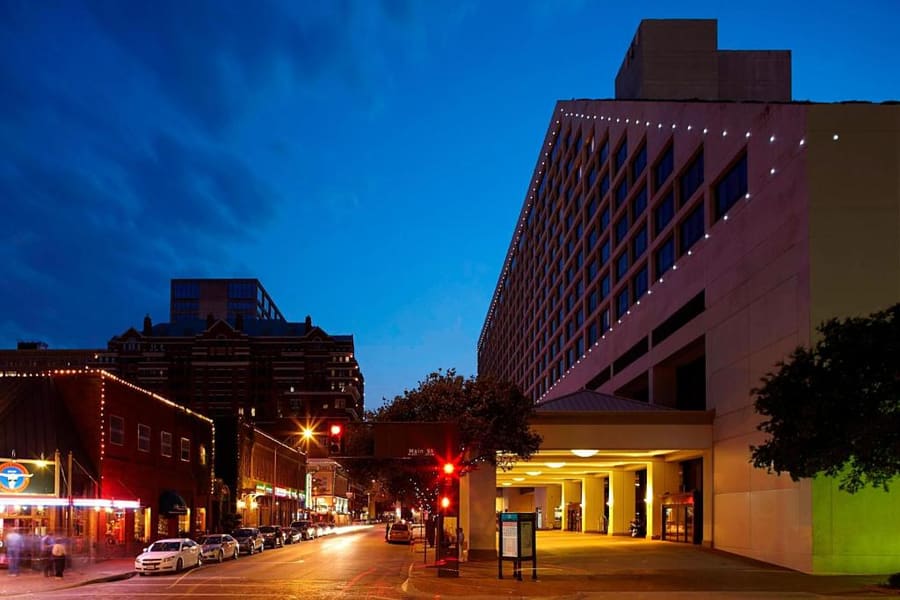
where to stay
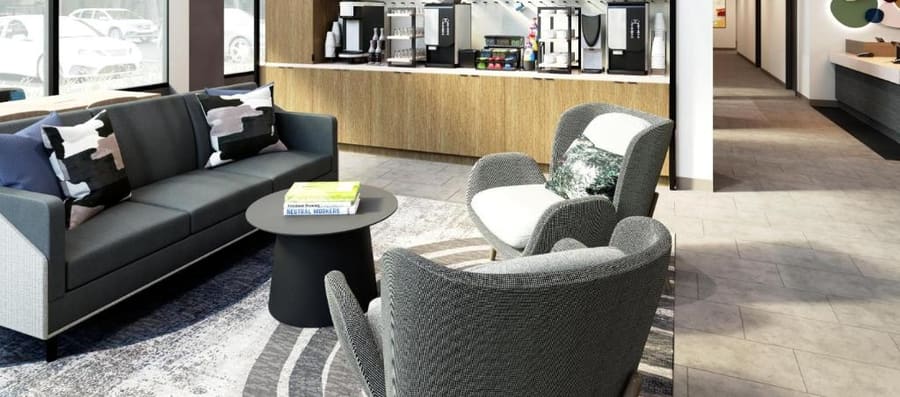
Choose your base based on how you want to move. Downtown places you on walkable streets near rail connections to DFW Airport. The Stockyards offers rustic heritage hotels steps from nightlife, though weekend noise is real. The Cultural District caters to museum travelers wanting quiet green spaces.
Live rates, matched to the areas above.
transport
Fort Worth spans a large geographic footprint, making automobiles the primary transport mode. Downtown itself is compact and easily traversed on foot, while public transit like TEXRail and Trinity Metro connects key nodes effectively.
From DFW Airport (DFW)
TEXRail runs directly from DFW Terminal B to Fort Worth Central Station every 30-60 minutes.
Surge pricing applies during peak commuting hours (07:00–09:00 and 16:00–18:30).
Flat rates do not apply from DFW to Fort Worth; fares run strictly on metered pricing.
A $5 day pass grants unlimited rides on TEXRail and local Trinity Metro buses for the entire calendar day.
Download the GoPass app to purchase train and bus tickets on your phone without waiting at station kiosks.
cost
Fort Worth remains more affordable than major coastal US cities, though hotel prices spike during major events like the Fort Worth Stock Show & Rodeo in January. Museum admission is often free or low-cost compared to national averages.
A standard two-meat plate with sides at top-tier barbecue spots costs under $30.
One-way fare from DFW Airport directly into Downtown Fort Worth.
The Kimbell Art Museum's permanent collection is completely free to access year-round.
Local Texas lagers or craft pints at Stockyards venues.
seasonality
MAR – MAY
Mild temperatures between 65°F and 82°F make spring ideal for patio dining and walking between museums.
JUN – AUG
Daily high temperatures regularly exceed 95°F. Outdoor activity is limited to early mornings.
SEP – NOV
Warm days and cool nights return. October offers comfortable weather and active weekend events.
DEC – FEB
Crisp winter weather with occasional cold snaps. January brings the popular 23-day Stock Show & Rodeo.
practicalities
Summer heat index routinely passes 100°F (38°C). Carry water when walking between museum buildings.
Most Cultural District museums, including the Kimbell and Modern, close on Mondays.
Cards are accepted almost everywhere except for a few legacy cash-only spots like Joe T. Garcia's.
Book hotels months in advance if visiting during the Stock Show & Rodeo between mid-January and early February.
Even fine dining establishments welcome high-end Western wear or neat casual attire.