
landmark
Zumiao Temple
A 900-year-old complex honoring the Northern God. Arrive before 10:00 to catch the morning lion dance and martial arts demonstration.
China
The martial arts hearth and culinary soul of Guangdong.
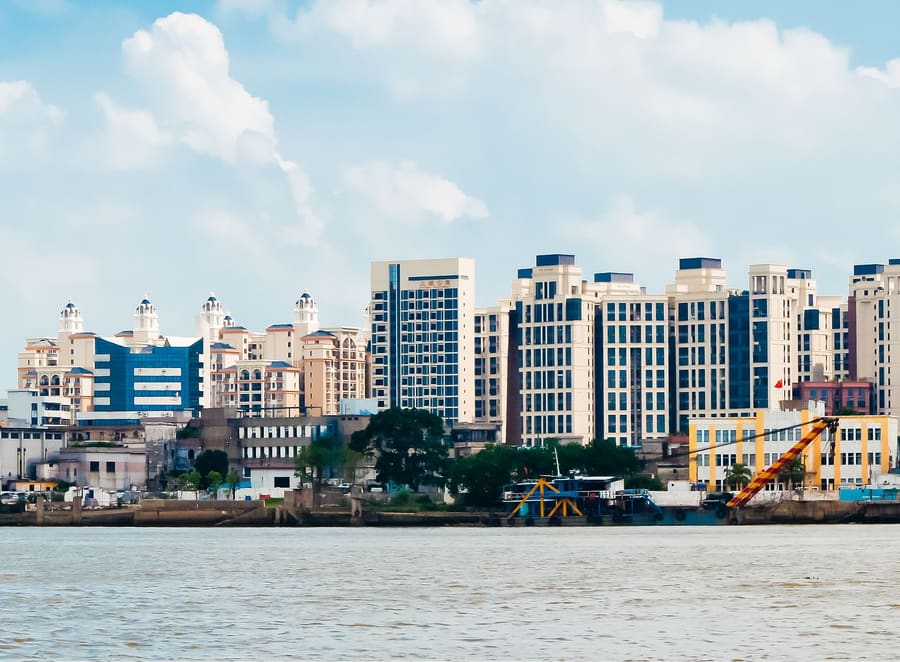
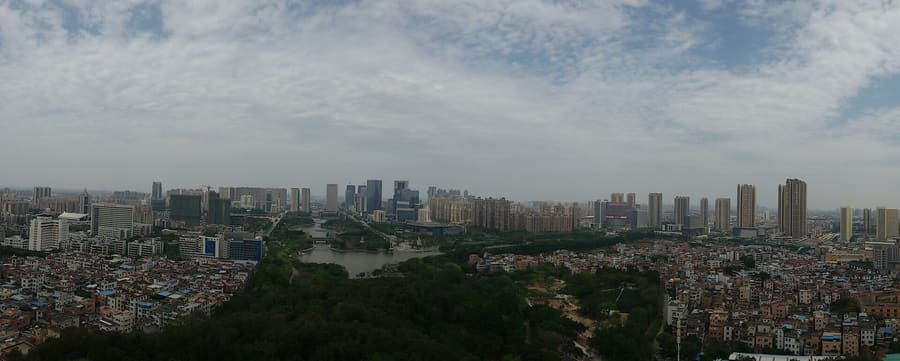
Foshan sits directly west of Guangzhou in the Pearl River Delta. Connected by a seamless underground transit line, it operates as a distinct cultural engine driven by martial arts traditions, Cantonese gastronomy, and historic ceramic production. You travel here by train or metro, moving through quiet scholar gardens and ancient kilns without the high-rise congestion of larger hubs. Expect focused food culture in Shunde and living craft heritage in Chancheng.
Shunde — A sprawling suburban food capital famous for double-skin milk and roast goose.
Nanhai — Modern high-rises around Qiandenghai Lake flanked by martial arts school grounds.
Gaoming — Rural hills, tea plantations, and quiet reservoir parks away from urban noise.
01
landmark
A 900-year-old complex honoring the Northern God. Arrive before 10:00 to catch the morning lion dance and martial arts demonstration.
landmark
A wood-fired dragon kiln burning continuously since 1506. Walk the rear workshop alleys to watch local potters throwing clay.
landmark
One of Lingnan's four classic gardens, built during the Ming dynasty. Stroll the shaded corridors after lunch when crowds thin out.
landmark
A tranquil 19th-century scholar garden with detailed woodwork. Combine it with Zumiao in a single walking loop through Chancheng.
landmark
Restored Qing dynasty brick homes now hosting cafes and shops. Visit in the late afternoon as lanterns light up the stone alleyways.
landmark
An extinct volcano featuring a 62-metre Guanyin statue. Take the shuttle bus to the upper plateau to skip two hours of stair climbing.
02
03
The ancient core with Qing architecture, tea houses, and walkable craft streets.
NearbyZumiao and Lingnan Tiandi
Ask ParleyA sprawling suburban food capital famous for double-skin milk and roast goose.
NearbyQinghui Garden and Daliang street food
Ask ParleyModern high-rises around Qiandenghai Lake flanked by martial arts school grounds.
NearbyQiandenghai Lake and Foshan Financial City
Ask ParleyRural hills, tea plantations, and quiet reservoir parks away from urban noise.
NearbyZaomu Mountain and rural farmland
Ask Parley04
Foshan is where Cantonese master chefs train. Shunde district in particular supplies the technique and discipline behind Hong Kong and Guangzhou's top dining rooms. The focus here sits on ingredient freshness and temperature control rather than heavy seasoning.River fish and buffalo milk anchor the regional menu. Local cooks source fish live from river nets minutes before steaming them with ginger and scallions. Steaming times are measured to the second to preserve tender texture.You order by ingredient at traditional neighbourhood eateries. Point to live fish or seafood in tanks, specify the cooking method, and pair it with fresh greens steamed with lard.
Eat this dessert at Minxin or Huanxie in Shunde. Local water buffalo milk is steamed twice to create a silky, skin-topped custard served hot or chilled.
Thinly sliced grass carp dressed with oil, garlic, peanuts, and lemon leaves. Eat it at established specialty restaurants with high turn-over for safety.
A fermented rice flour cake with a spongy grid interior and subtle sour sweetness. Buy it fresh in the morning before heat changes the texture.
Yum cha in Chancheng starts at 07:00. Local elders claim tables early; order fresh shrimp dumplings and chicken feet straight from the kitchen.
05
Nanfeng Kiln built
Construction finishes on the Nanfeng dragon kiln. It fires ceramics continuously through five centuries of political changes.
Martial arts boom
Foshan becomes the training ground for Wing Chun and Hung Ga masters, supplying security personnel for Canton trade routes.
Guangfo metro opens
China's first intercity subway line links Foshan directly to Guangzhou, sparking rapid cross-city economic integration.
06
Choose your hotel based on whether your primary focus is historic sightseeing or culinary exploration. Foshan is physically large, and traffic between northern and southern districts can double transit times during rush hours.Chancheng offers immediate access to temples, pedestrian alleys, and metro connections to Guangzhou. Shunde puts you on the doorstep of legendary street food stalls and gardens, and is fully integrated into the regional metro and high-speed rail networks.
Highly rated hotels in Foshan.


07
Foshan integrates seamlessly into the Pearl River Delta transit web. Most travelers arrive via Guangzhou Baiyun Airport or Guangzhou South Railway Station before taking the subway or a taxi into central Foshan.The metro system expanded rapidly with Foshan Metro Lines 2 and 3 complementing the original Guangfo Line. You tap in using Alipay or WeChat Pay transport QR codes, eliminating cash ticket purchases.
From Guangzhou Baiyun International Airport (CAN)
Buses depart hourly from Terminal 1 and 2 directly to Chancheng Central Bus Station.
Tolls are added to the meter fare. Ensure the driver turns on the meter before departing.
Book via DiDi in Alipay for clear pickup points at airport parking zones.
Trains run every 4 minutes during peak hours. The line connects directly to Guangzhou Line 1 at Xilang station without gate exits.
Activate the Foshan Metro ride code inside the Alipay app under the Transit tab to tap through turnstiles instantly.
Use Line 3 to travel between Chancheng and Shunde quickly, bypassing congested surface highway traffic.
Street-hailing taxis in outer Shunde is difficult. Rely on DiDi rideshare through smartphone apps instead.
08
Foshan offers lower daily expenses than neighboring Guangzhou or Shenzhen. Museum entry fees remain modest, and casual dining delivers high quality at low prices.Digital payment accounts for nearly all transactions. Carry a small amount of cash only for minor temple donations or rural market vendors.
Includes access to the martial arts hall, lion dance arena, and Ip Man Memorial Hall.
Standard price for a bowl at classic Shunde dessert shops.
Fare is calculated by distance traveled across the Guangfo metro system.
Covers steamed fish, roast goose, vegetables, and rice at local dining establishments.
09
OCT – DEC
Dry autumn days with temperatures around 20–25°C. Ideal condition for walking through gardens and temple grounds.
JAN – FEB
Cool weather with heavy domestic crowds around Chinese New Year. Lion dance events peak during this festival window.
MAR – MAY
Humid spring weather with frequent fog and light rain. Bring umbrella and light layers for damp conditions.
JUN – SEP
Hot, humid summer with temperatures exceeding 33°C. Frequent afternoon typhoons and downpours require indoor planning.
10
Link an international credit card to Alipay or WeChat Pay before arrival. Foreign physical cards are rarely accepted outside international hotels.
Cantonese is spoken locally, though Mandarin is universal. Download a translation app with camera text translation for local menus.
Google Maps data in China is offset or outdated. Download Amap (Gaode) or Apple Maps for accurate Foshan transit routes.
Contents
Your trip
Going to Foshan?
Tell Parley when you’re going and what you enjoy, and it plans the days around this guide.
Plan with Parley


