landmark
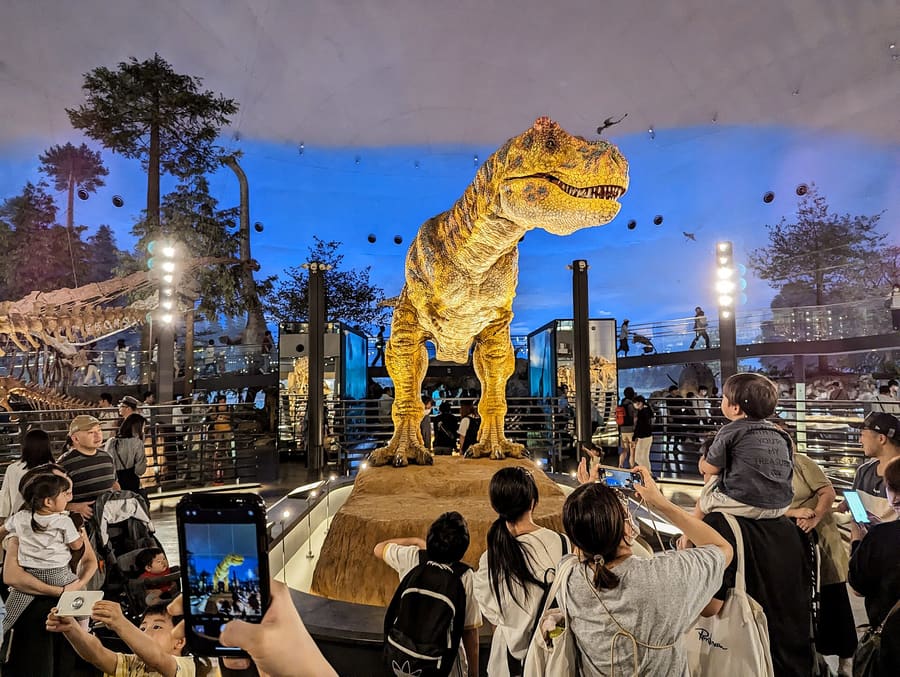
Fukui Prefectural Dinosaur Museum
Four floors of fossil halls and full skeletons. Reserve timed tickets online at least two weeks ahead to guarantee morning entry.
Ask ParleyJapan
Dinosaur paleontology, Zen heritage, and Sea of Japan seafood.
introduction
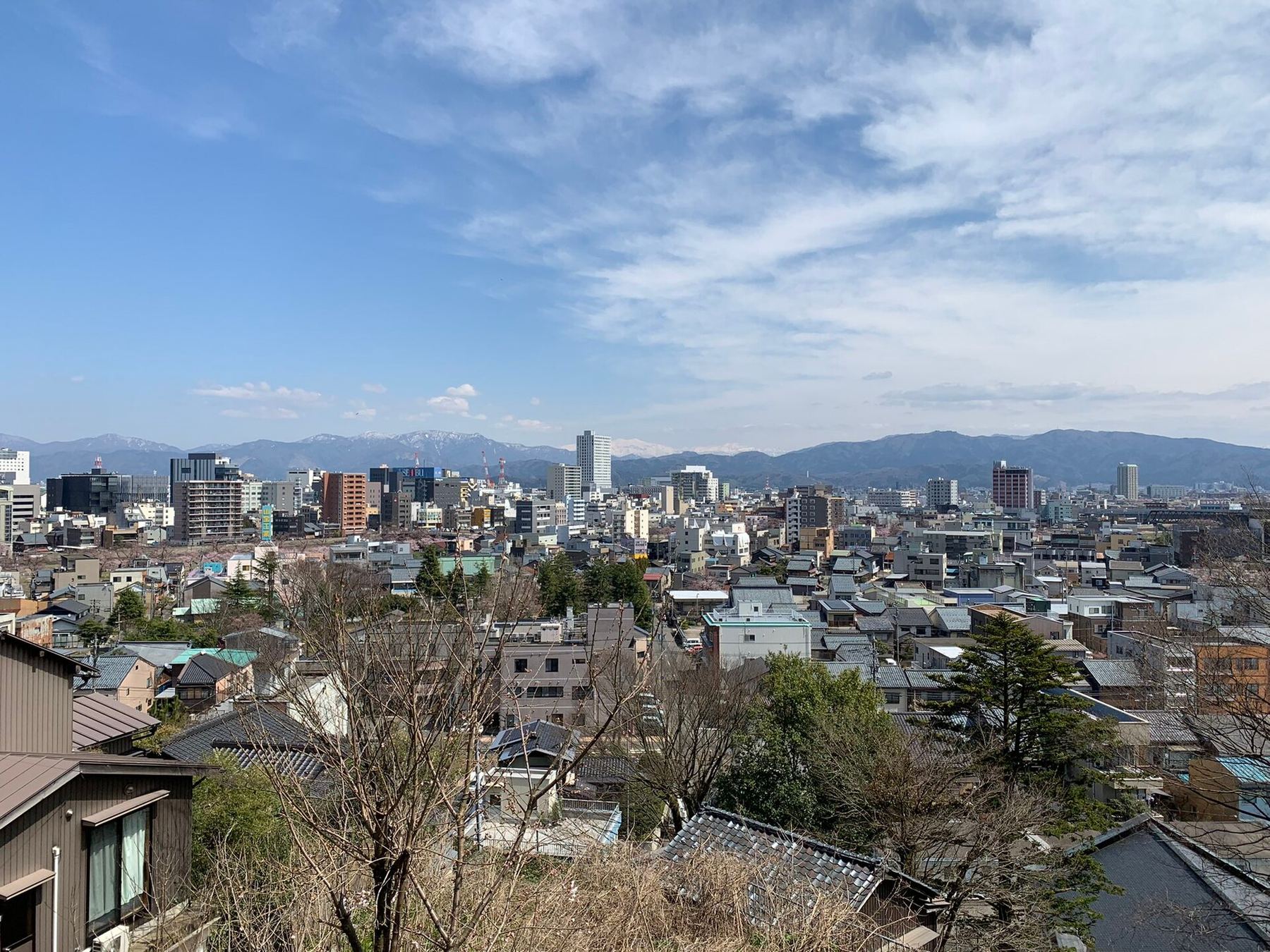
Fukui sits along the Sea of Japan coast, buffered by mountains and steep valleys. The 2024 Hokuriku Shinkansen extension linked the city directly to Tokyo, replacing complex rail transfers with a single high-speed ride. You use Fukui Station as a transit hub before branching out on local rail lines to distant temples, fossil dig sites, and coastal cliffs. The city feels practical and spacious, serving as a gateway to deep regional crafts and seasonal seafood.
Arrival by high-speed rail
The Hokuriku Shinkansen runs straight from Tokyo to Fukui Station in under three hours. You avoid changing trains at Kanazawa.
Global paleontology hub
Fukui Prefectural Dinosaur Museum ranks among the top paleontology research centers globally. Over 80 percent of Japanese dinosaur fossils come from this prefecture.
Fukui
HarueFukuiJapan · Public domain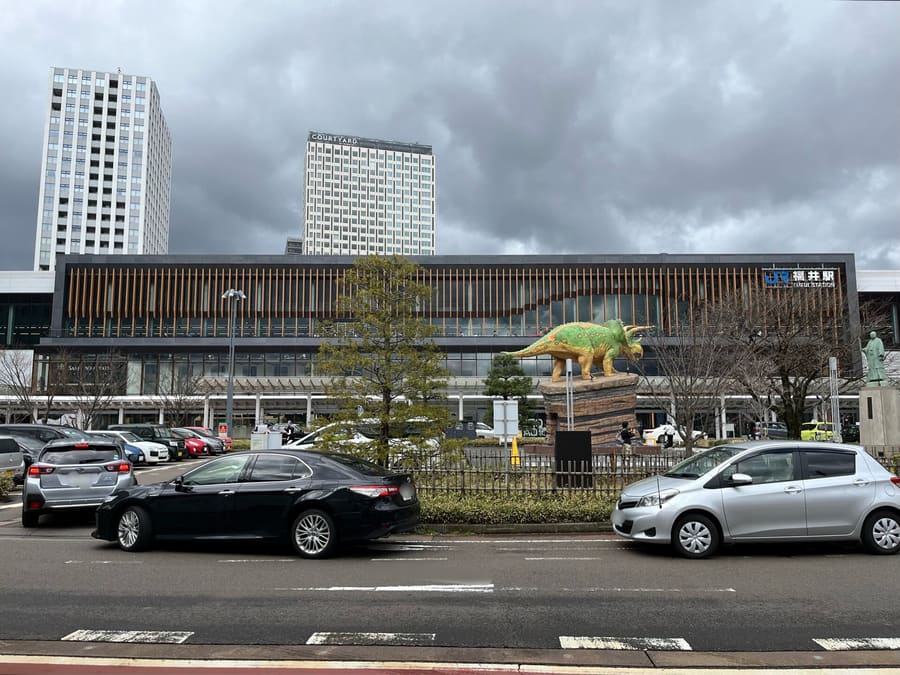
Fukui Station Area — Modern transit hub with hotels, dining avenues, and dinosaur sculptures.
Act clipper2024 · CC0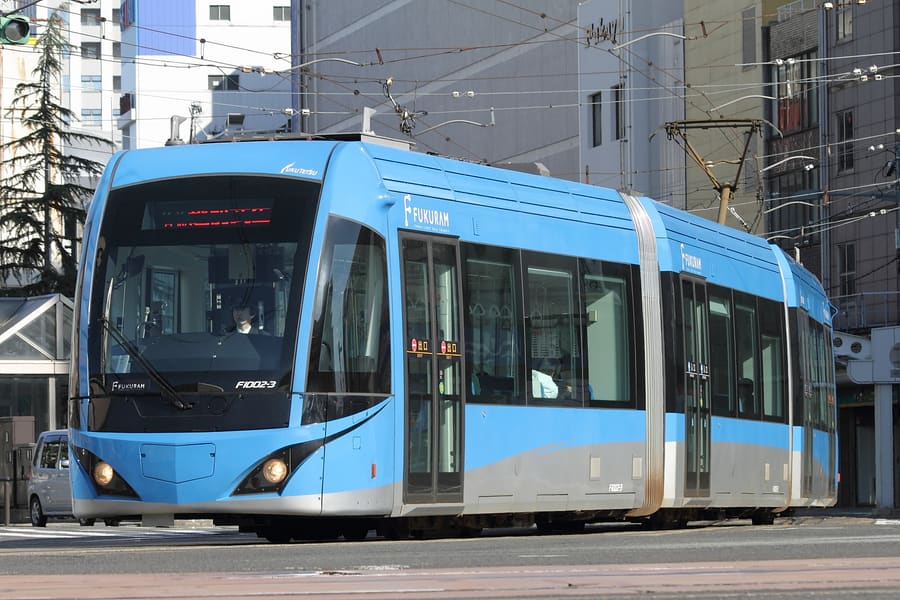
Katamachi — Fukui's primary nightlife district with izakayas, local bars, and noodle shops.
継之助 · CC BY-SA 3.0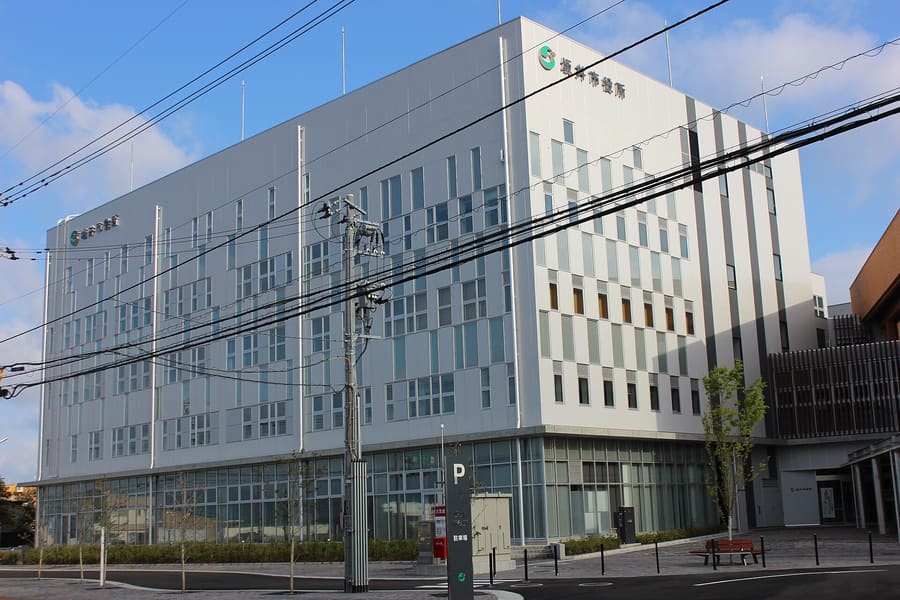
Sakai Maruoka Area — Quiet historical enclave dominated by Maruoka Castle and rice fields.
SONIC BLOOMING · CC BY-SA 4.0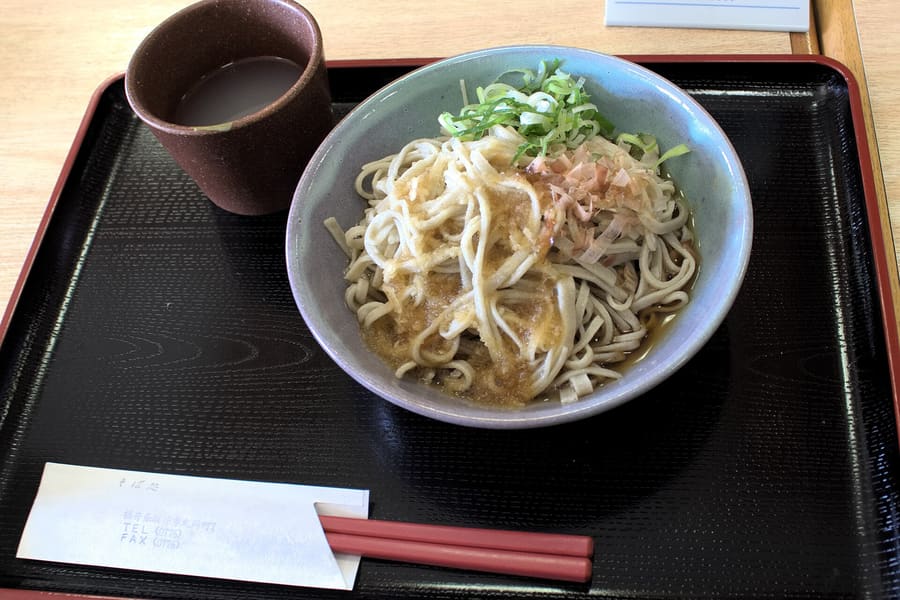
Echizen Oroshi Soba served with cold broth and grated daikon radish
藤谷良秀 · CC BY-SA 4.0highlights
landmark
Four floors of fossil halls and full skeletons. Reserve timed tickets online at least two weeks ahead to guarantee morning entry.
Ask Parley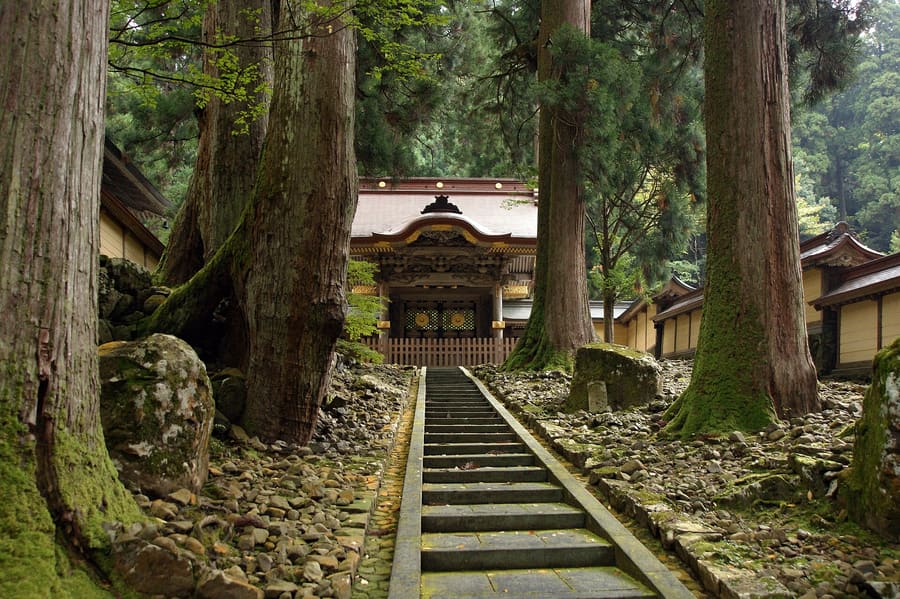
landmark
Active Soto Zen monastery founded in 1244. Walk quiet cedar-shaded corridors; keep voice low and stay clear of practicing monks.
Ask Parley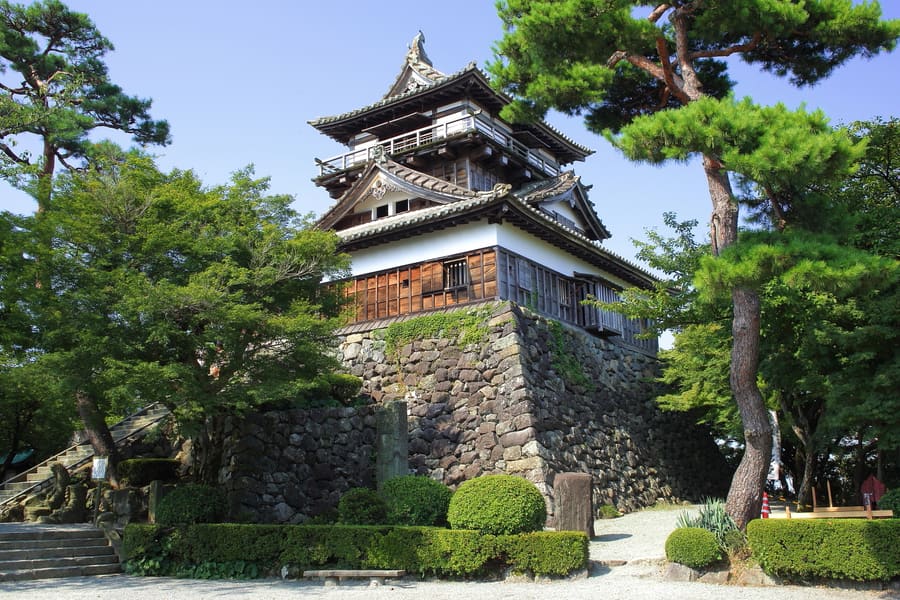
landmark
One of Japan's twelve surviving original wooden keeps. Climb the steep internal wooden ladders using the mounted ropes.
Ask Parley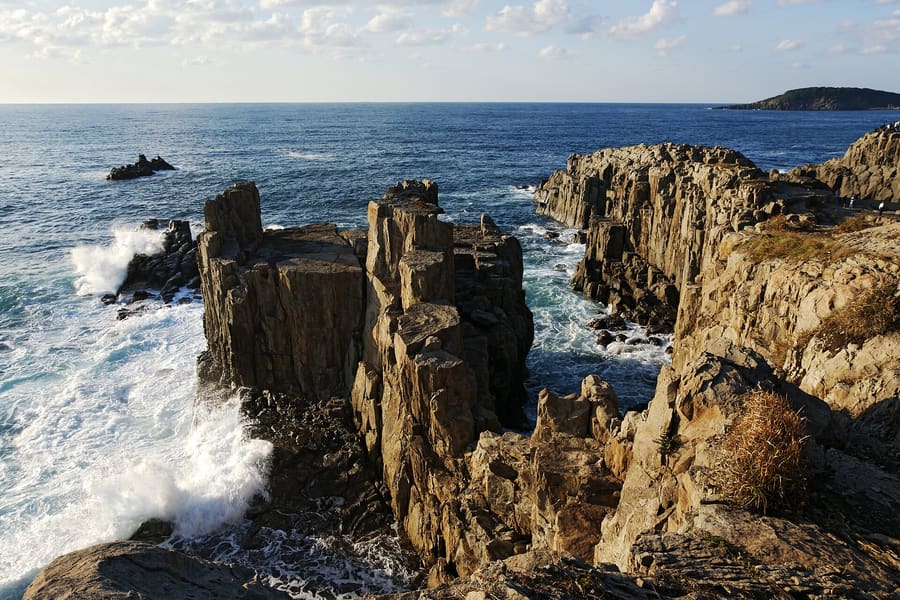
landmark
Basalt cliffs shaped by Sea of Japan waves. Take the local bus from Mikuni Station; wear flat shoes for uneven rock ledges.
Ask Parley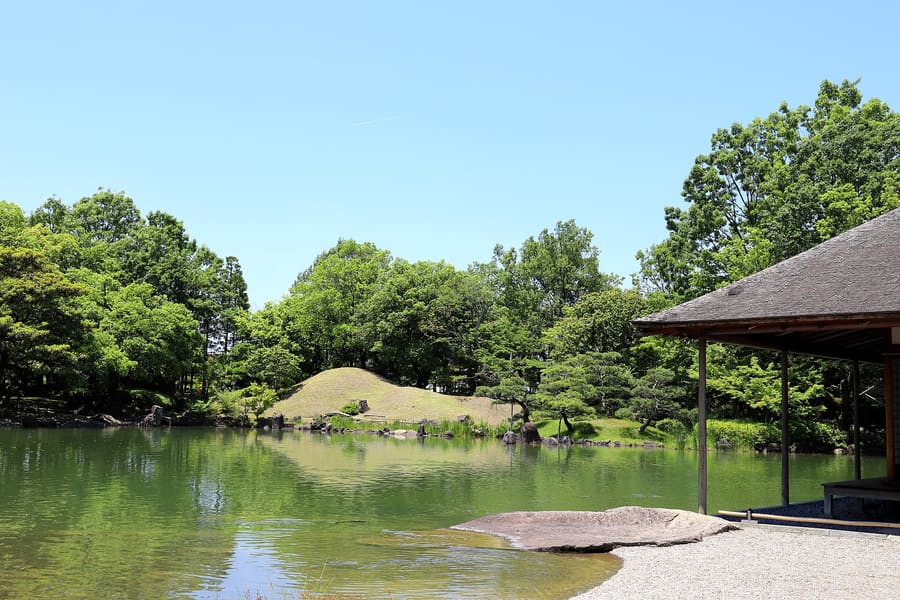
landmark
Former Matsudaira clan villa surrounding a large carp pond. Sit on the open tatami pavilion edge overlooking the water.
Ask Parley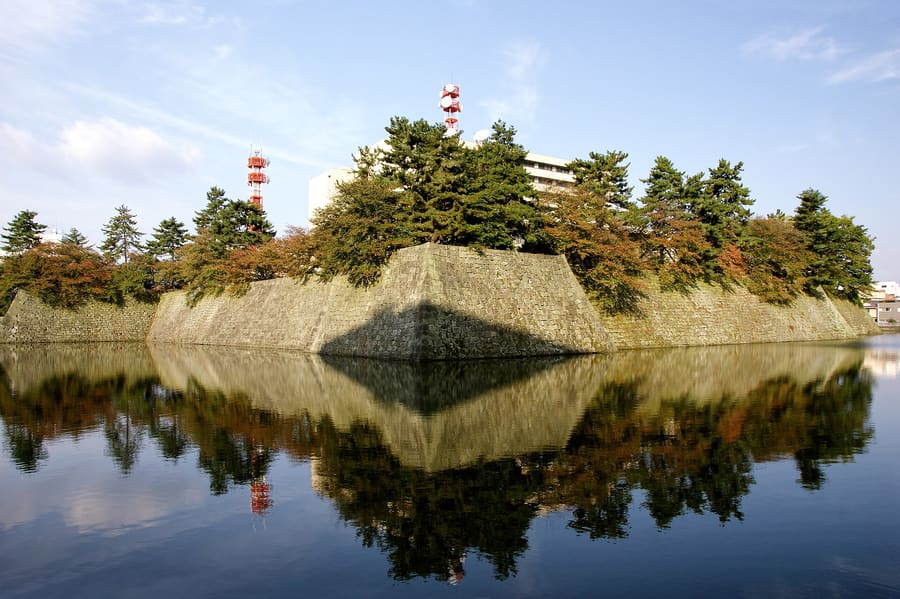
landmark
Stone moats and walls surrounding the modern prefectural government office. Walk the perimeter path five minutes from the station.
Ask Parleyattractions
areas
Modern transit hub with hotels, dining avenues, and dinosaur sculptures.
NearbyFukui Castle Ruins and Yokokan Garden.
Ask ParleyFukui's primary nightlife district with izakayas, local bars, and noodle shops.
NearbyAsuwa River and central shops.
Ask ParleyQuiet historical enclave dominated by Maruoka Castle and rice fields.
NearbyMaruoka Castle and rural craft villages.
Ask ParleyHistoric coastal town known for Edo-period merchant houses and crab fishing.
NearbyTojinbo Cliffs and Mikuni Sunset Beach.
Ask Parleyfood
Fukui's signature dish is Echizen Oroshi Soba, cold buckwheat noodles topped with shaved daikon radish, bonito flakes, and a chilled dashi broth. Local restaurants grind native buckwheat seeds on stone mills, creating firm noodles with a distinct nuttiness. Between November and March, the culinary focus shifts entirely to Echizen Gani, male snow crabs harvested from local coastal waters.
Echizen Oroshi Soba served with cold broth and grated daikon radish
藤谷良秀 · CC BY-SA 4.0Order your Echizen Oroshi Soba with spicy daikon broth poured directly over the bowl rather than dipping.
Echizen Gani crab season runs strictly from November 6 to March 20. Expect market prices to rise around New Year.
Try Fukui-style sauce katsudon at Yamatoya or Europe-ken, where thin fried pork cutlets are dipped in Worcestershire-based sauce.
history
Fukui developed as a power base for the Matsudaira clan during the Edo period, though the city was renamed Fukui in 1624, meaning it was called Fukui rather than Kitanosho for almost all of the era. Extensive fires, the 1945 air raids, and a devastating earthquake in 1948 destroyed almost all traditional timber structures in the city core. The modern city rebuilt itself as an industrial center for textiles, synthetic fabrics, and spectacle frame manufacturing.
Kitanosho Castle built
Shibata Katsuie constructs Kitanosho Castle, laying the groundwork for Fukui's urban layout.
Fukui Earthquake
A 7.1 magnitude earthquake levels reconstructed postwar structures, prompting modern grid planning.
Shinkansen expansion
The Hokuriku Shinkansen line extends to Fukui Station, opening direct travel from Tokyo.
where to stay
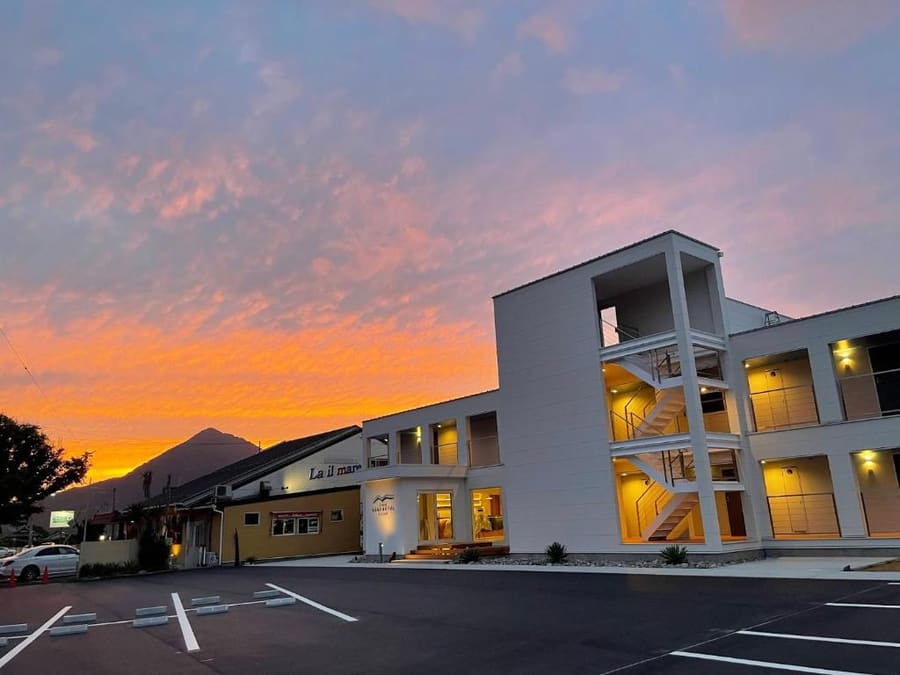
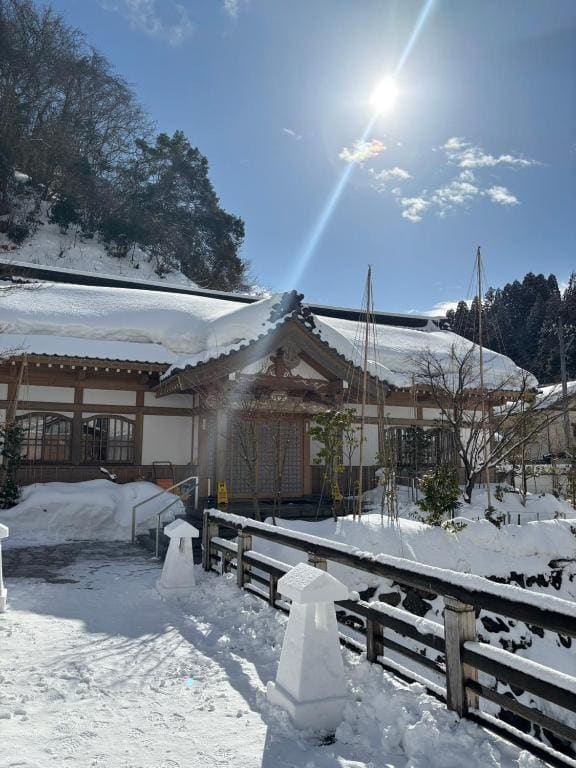
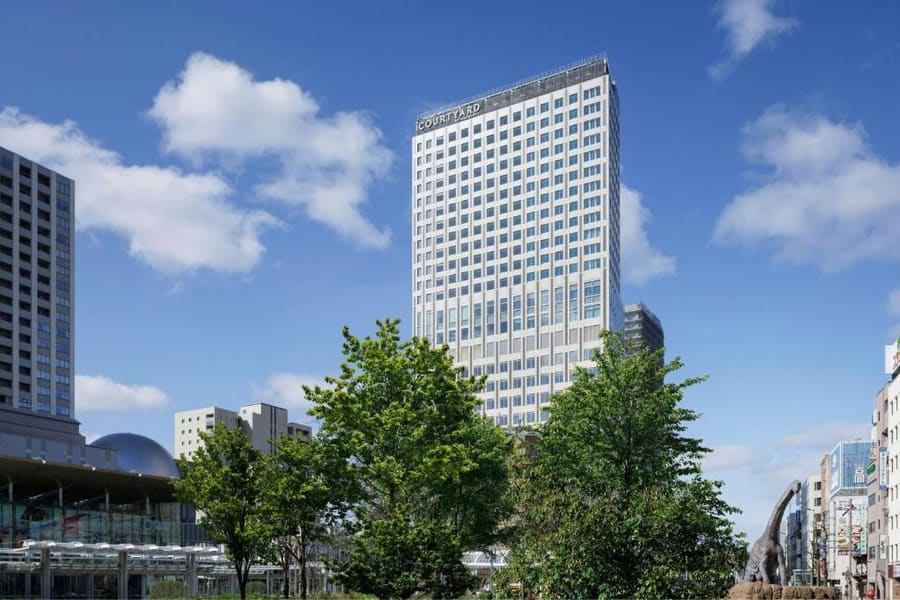
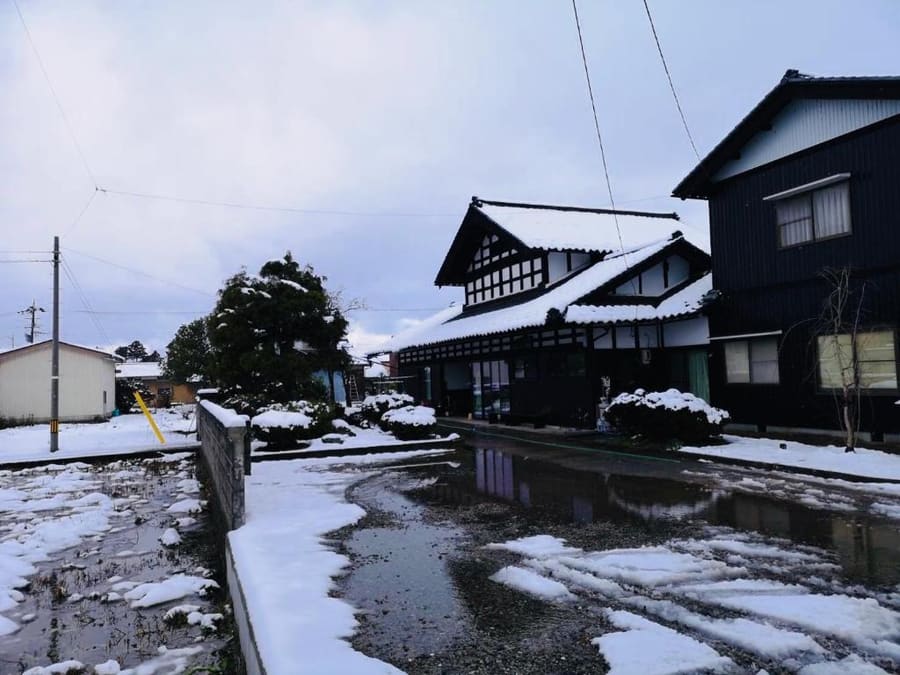
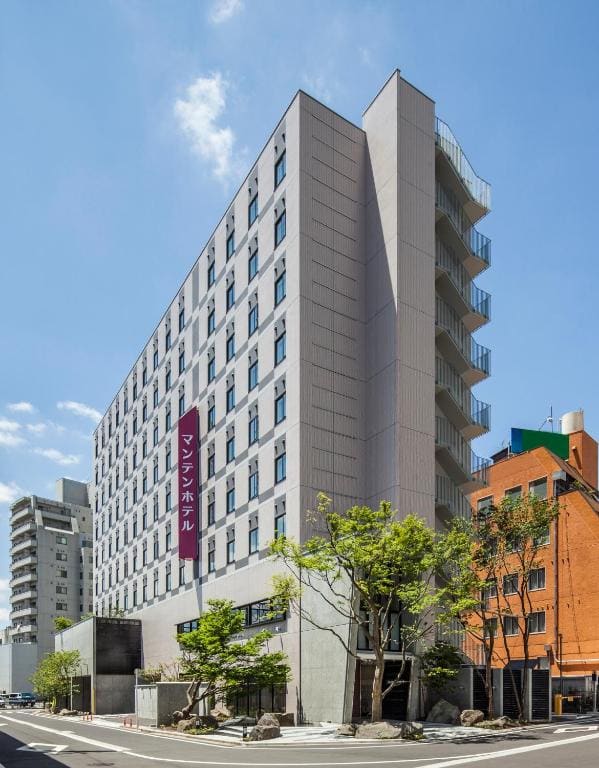
Choose your accommodation based on how early you intend to board regional transit. Staying near Fukui Station maximizes flexibility for morning train trips to Katsuyama or Mikuni. If you prefer walking to local bars and seafood izakayas at night, position yourself near Katamachi.
Live rates, matched to the areas above.
transport
Fukui functions as a central focal point for regional train and bus lines. Echizen Railway handles routes northeast to Katsuyama and northwest to Mikuni Port. Within the city core, Fukui Railway operates a streetcar tram system running south toward Takefu.
From Komatsu Airport (KMQ)
Keifuku Airport Bus runs direct from Komatsu Airport to Fukui Station East Exit.
Fixed-rate options available if reserved prior to arrival.
Use Echizen Railway for visits to Eiheiji Temple and Katsuyama Dinosaur Museum. Buy paper tickets at station counters.
Fukukou Tram Line connects Fukui Station to Takefu. Tram cars share street lanes in the city center.
IC cards work on JR lines and Fukui Railway trams, but Echizen Railway requires cash or local train passes.
Rent bicycles at the Fukui Tourist Information Center inside Fukui Station for city-center navigation.
cost
Fukui is noticeably cheaper for dining and transport than Tokyo or Kyoto. However, high-end seasonal snow crab dinners in winter can significantly raise your daily spending.
A standard bowl of cold radish buckwheat noodles at local shops.
Market prices vary daily based on catch size and crab weight.
Includes unlimited local train rides; higher price tier covers museum buses.
Standard adult entry fee; advance online booking required.
seasonality
MAR – MAY
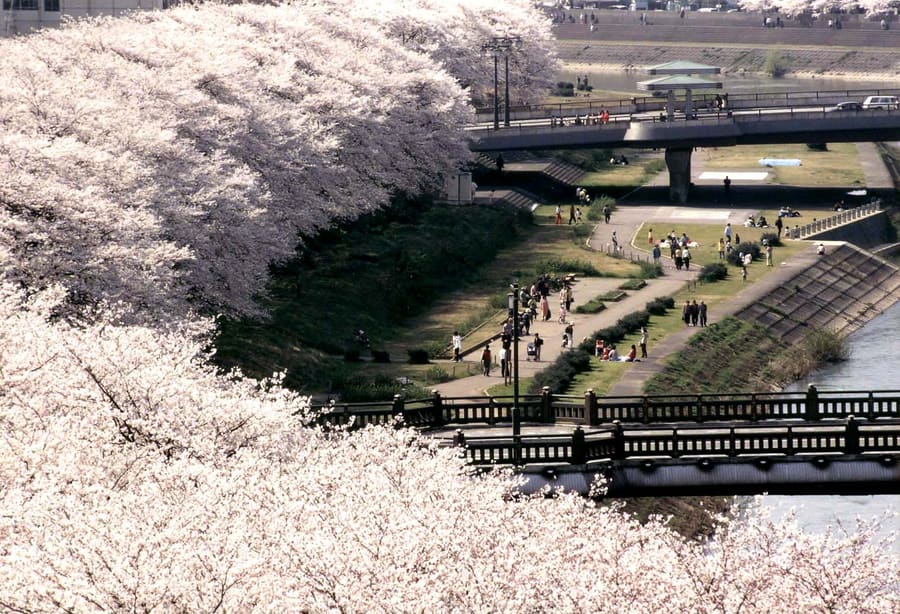
Cherry blossoms bloom along Asuwa River in early April. Mild weather makes walking comfortable.
JUN – AUG
Humid heat peaks. Tojinbo coastal breezes offer relief, but expect summer family crowds at the dinosaur museum.
SEP – NOV
Cool autumn weather and foliage around Eiheiji Temple. Snow crab season opens November 6.
DEC – FEB
Heavy snowfall hits mountain routes. Prime season for Echizen crab dining, but dress for wet freezing conditions.
practicalities
Fukui Prefectural Dinosaur Museum requires timed reservation slots purchased online in advance.
Remove shoes at the entrance and put on provided slippers. Do not photograph monks in training.
Small eateries and rural bus lines outside Fukui Station accept cash only.
City streets use warm groundwater sprinklers to melt snow. Wear waterproof shoes with good rubber grip.
The basalt cliffs have no guard rails or fences along the water edge. Stay well back from wet ledges.