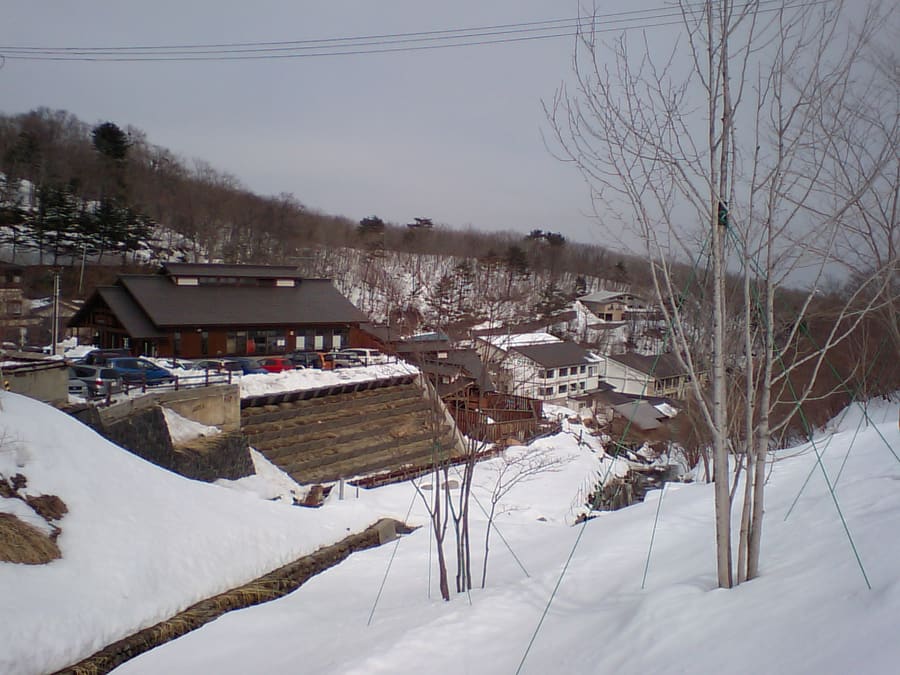

landmark
Hanamiyama Park
Private floral hillsides open to the public. Shuttle buses run during peak April bloom.
Japan
Volcanic peaks, hot springs, and regional peach orchards.
Fukushima sits in a wide valley framed by the Azuma volcanic range. High-speed Shinkansen trains run straight through the centre, connecting rural hot spring villages to urban dining hubs. Moving through the region requires choosing between frequent trains along the valley floor and rental cars for high-altitude passes. Expect volcanic landscapes, thermal bath cultures, and distinct regional food hubs.
Takayu Onsen — Quiet alpine retreat with milky sulfur thermal springs.
Enban gyoza served crisp in a traditional circular frying pattern.
01
landmark
Private floral hillsides open to the public. Shuttle buses run during peak April bloom.
landmark
High-altitude acidic sulfur baths on Mount Azuma slopes. Bring a small towel and cash for entry.
landmark
A symmetrical volcanic crater with a walkable rim path. Wear sturdy shoes against loose gravel.
landmark
One of Tohoku's oldest bath towns, accessible by local train. Water temperatures routinely exceed 44°C.
landmark
The only horse racing track in the Tohoku region. Races run during specific spring, summer, and autumn meets.
landmark
Reconstructed samurai stronghold featuring red-tiled roofs. Walk the moat grounds freely at night.
02
03
Historic river valley bath district connected by light rail.
NearbyIizaka Line terminus and Sabako-yu bathhouse.
Ask ParleyQuiet alpine retreat with milky sulfur thermal springs.
NearbyBandai-Azuma Skyline scenic highway.
Ask ParleyTransport hub filled with local izakayas and dumpling bars.
NearbyShinkansen platforms and local bus terminals.
Ask Parley04
Fukushima City specializes in Enban Gyoza, pan-fried dumplings arranged in a full circular disk. Diners order plates of twenty or thirty crisp dumplings served with local draft beer. In nearby Kitakata, breakfast ramen features flat hand-kneaded noodles in light pork-soy broth.
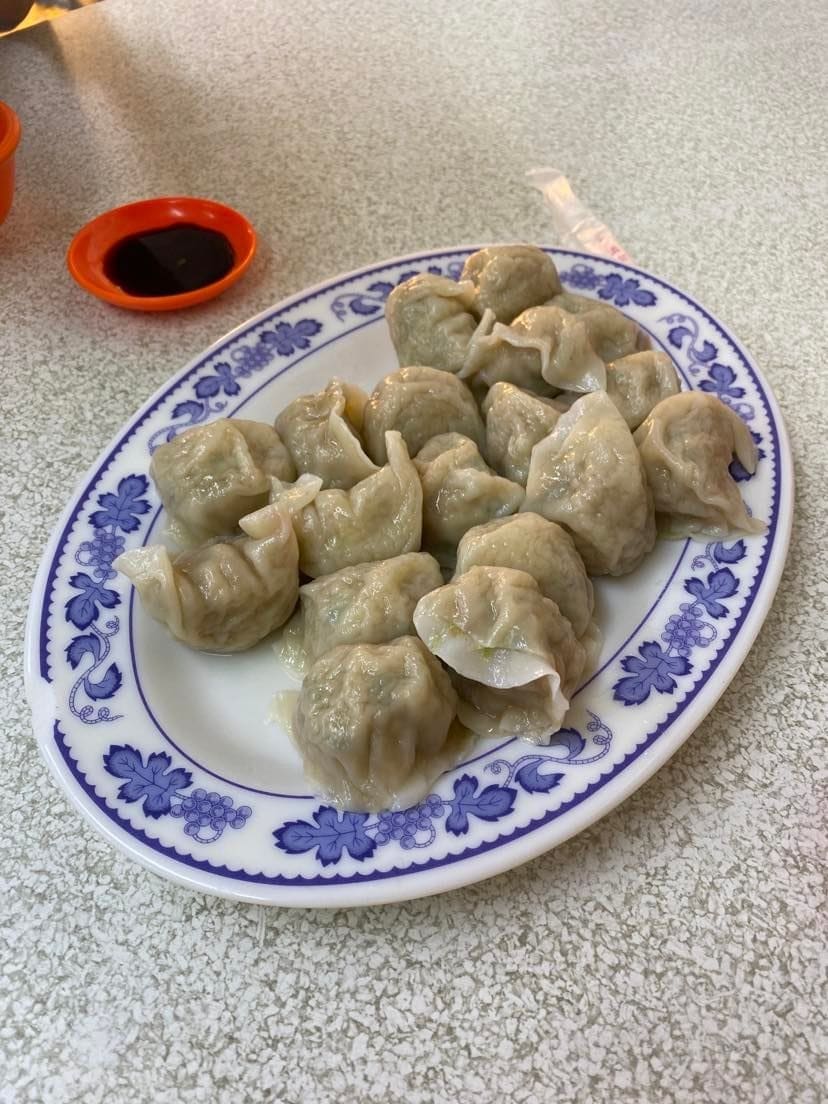
Enban gyoza served crisp in a traditional circular frying pattern.
Enban gyoza shops usually open around 17:00. Arrive early or prepare to stand in queue with local office workers.
Single orders of circular gyoza usually contain 20 or more dumplings. Most diners order one full wheel per person.
Traditional gyoza and ramen shops near the station operate on cash-only ticket vending machines.
05
Fukushima developed as a trade intersection along the Abukuma River during the Edo period. The region supported powerful samurai clans centred in Aizu-Wakamatsu to the west. Rail construction in 1887 established Fukushima Station as a regional transit axis for northern Japan.
Castle built
Tsuruga Castle is constructed. Aizu becomes a major military stronghold in northern Honshu.
Poet visits
Matsuo Basho visits Iizaka Onsen during his travel north, recording his stay in travel diary accounts.
Boshin War
Aizu-Wakamatsu sees intense conflict during the Boshin War before local samurai forces surrender.
Rail arrival
Tohoku Main Line reaches Fukushima Station, turning the agricultural valley into a transportation hub.
Skyline highway
Bandai-Azuma Skyline highway opens, providing vehicular access to volcanic crater landscapes.
06
Choose your base by your transit style. Station hotels put you steps from high-speed trains and night dining. Mountain ryokans require planning around bus schedules or rental cars, but offer direct access to volcanic hot springs.
Highly rated hotels in Fukushima.


07
Fukushima Station acts as the regional hub. While local train lines (the Iizaka Line) directly connect Fukushima Station to , reaching Aizu-Wakamatsu by train requires transferring at Koriyama Station onto the Ban-etsu West Line. Reaching mountain passes and remote sulfur baths requires public buses or a rental car.
From Fukushima Station (Shinkansen hub)
Fukushima Transportation Iizaka Line runs every 15-20 minutes to Iizaka Onsen.
Fukushima Kotsu bus from West Exit to Takayu Onsen runs several times daily.
Station to Fukushima Racecourse or central downtown points.
IC cards work on Shinkansen and main JR lines, but local Iizaka Line trains require paper tickets.
Trains run twice an hour off-peak from Platform 1 at Fukushima Station.
Buses to run infrequently. Check departure times at the West Exit bus terminal before heading out.
Rental car desks operate outside Fukushima Station West Exit. Winter drivers need 4WD and snow tires.
08
Fukushima offers standard regional Japanese pricing. Dining and bath entry cost significantly less than in Tokyo, though transit between rural towns adds up quickly.
A full plate of 20 dumplings plus a draught beer at local station joints.
Communal baths like Sabako-yu in Iizaka cost ¥300; high-end day baths cost up to ¥800.
Per person per night including multi-course dinner and breakfast.
Standard compact car including insurance and GPS navigation.
09
MAR – MAY
Cherry blossoms bloom at Hanamiyama in April. Mountain snow clears on high passes.
JUN – AUG
Peach harvest peaks in July and August. Warm weather suits mountain hiking around crater lakes.
SEP – NOV
Autumn foliage peaks on the Bandai-Azuma Skyline in October. Crisp, dry weather.
DEC – FEB
Heavy snowfall in mountain passes. High scenic roads close, but hot springs reach peak appeal.
10
Fruit orchards along the Fruit Line highway allow entry and self-picking from July through September.
public baths run extremely hot. Dip your feet first before committing your whole body.
Small hot spring facilities in Takayu and Iizaka do not accept credit cards or IC tap cards.
Do not let your washcloth touch bath water in communal hot springs. Keep it folded on top of your head.
Shops in onsen towns often close by 17:00 once ryokan guests check in for dinner.
Contents
Your trip
Going to Fukushima?
Tell Parley when you’re going and what you enjoy, and it plans the days around this guide.
Plan with Parley


