
landmark
Old Bazaar Crossroads
Five cobbled streets meet at Qafa e Pazarit. Artisans work wood and stone in street-level workshops.
Albania
Slate roofs, steep limestone lanes, and Ottoman stonework.
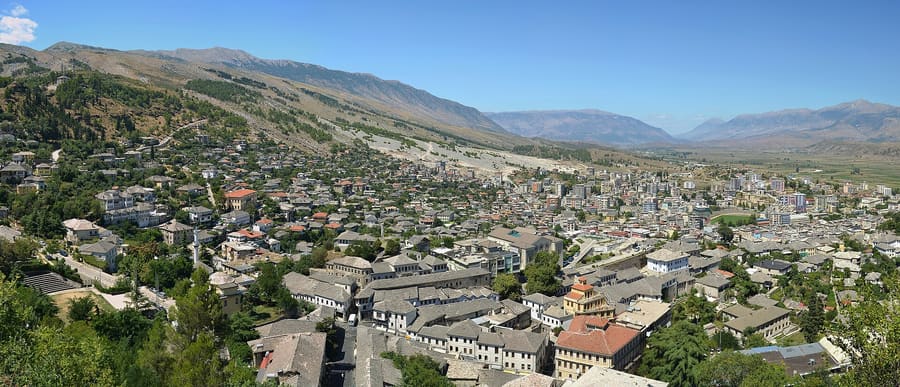
Gjirokastër clings to the eastern slope of the Mali i Gjerë mountains above the Drino river valley. Its multi-story stone tower-houses line polished limestone lanes that climb sharply from the valley floor. Navigating the town requires steady footwork and stamina for steep inclines. Expect quiet historic quarters, distinct regional dishes, and wide valley views.
Varosh — Lower historic district below the fortress walls.
Dunavat — Highland neighborhood on the upper ridges above the town.
Qifqi frying in a traditional cast-iron mold in the Old Bazaar.
01
landmark
Five cobbled streets meet at Qafa e Pazarit. Artisans work wood and stone in street-level workshops.
landmark
Built in 1812, this twin-towered Ottoman mansion shows wealthy clan life. Pay 200 ALL cash to the family at the door.
landmark
Constructed on the birthplace of dictator Enver Hoxha. Exhibits detail traditional 19th-century domestic interiors.
02
03
Central, lively, packed with stone storefronts and open-air cafes.
NearbyOld Bazaar crossroads and Cold War Tunnel entrance.
Ask ParleyQuiet residential alleys climbing steep hills above the town center.
NearbyZekate House and Ismail Kadare's house.
Ask ParleyLower historic district below the fortress walls.
NearbyGjirokastër Castle slope and lower town shops.
Ask ParleyHighland neighborhood on the upper ridges above the town.
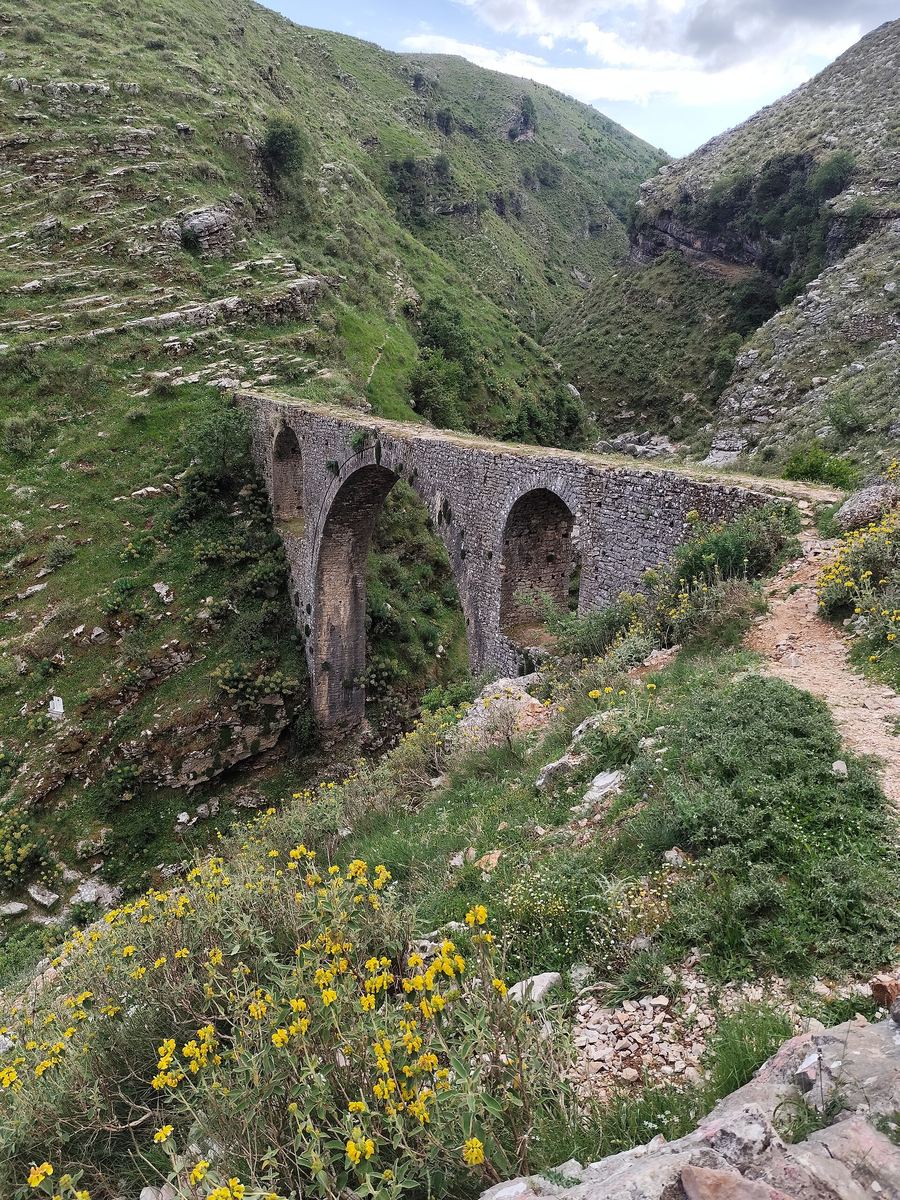
NearbyAli Pasha Bridge and upper hiking trails.
Ask Parley04
Gjirokastër cuisine relies on dairy, rice, and mountain herbs unique to southern Albania. The city's signature dish is qifqi, seasoned rice balls bound with egg and spearmint, fried in a specialized multi-pitted iron pan. Oshmar, a savory cornmeal dish mixed with fresh salted curd, reflects pastoral tradition. Dinner usually begins with local goat cheeses and pickled green tomatoes.
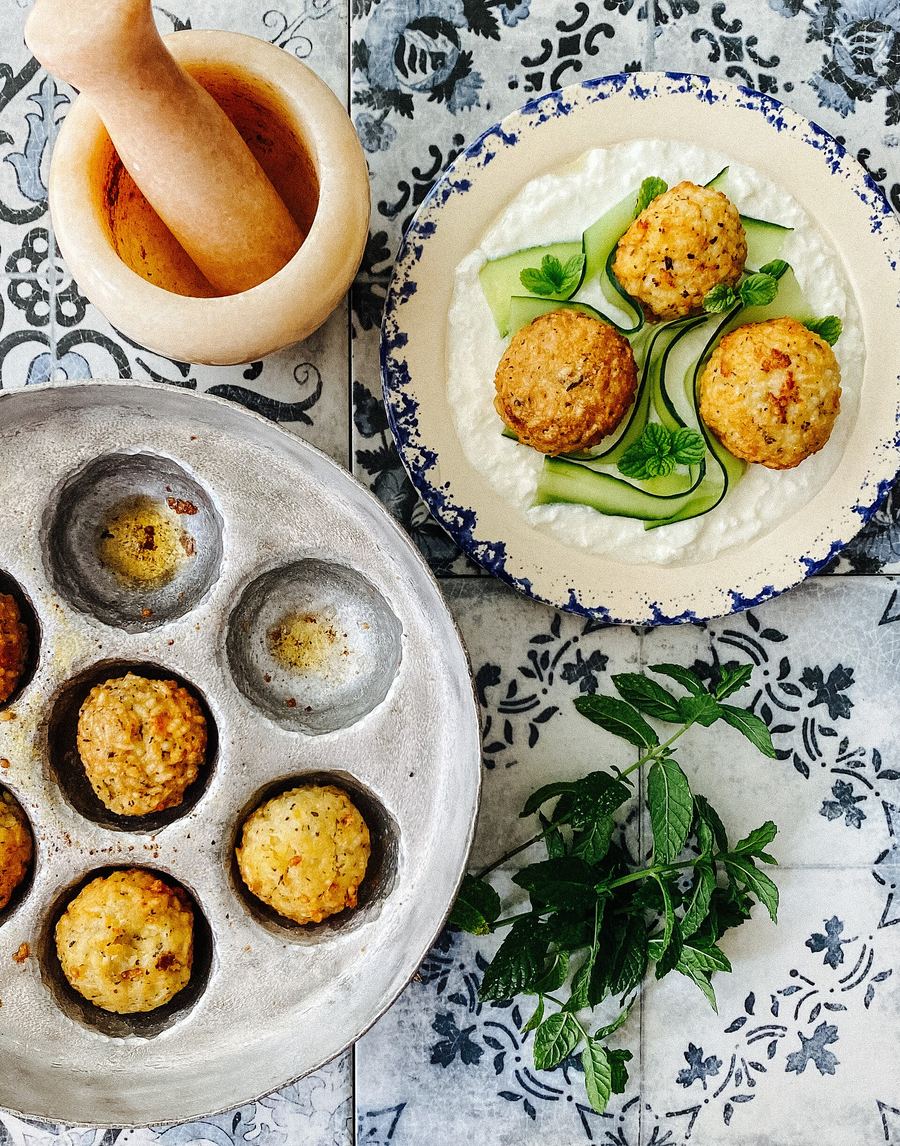
Qifqi frying in a traditional cast-iron mold in the Old Bazaar.
Taverna Kuka serves qifqi made fresh to order rather than reheated batch portions.
Order this rich garlic and meatball soup at Taverna Tradicionale during cooler autumn evenings.
Eat spinach and cornmeal pie (shapkat) at breakfast while it is hot from the oven.
05
Gjirokastër developed around its hilltop fortress in the 12th century, expanding significantly under Ottoman rule in the 17th century. Wealthy landowners built grand fortified stone tower-houses known as kulla to resist regional conflict and banditry. During the 20th century, the town produced two contrasting figures: world-famous author Ismail Kadare and dictator Enver Hoxha. Designated a museum town in 1961, its Ottoman core escaped modern redevelopment.
First historical record
Byzantine documents first mention the fortress under the Greek name Argyrokastro.
Ottoman conquest
Ottoman forces capture the town, turning it into a regional administrative seat.
Ali Pasha expansions
Ruler Ali Pasha of Tepelena fortifies the castle and constructs an aqueduct.
Birth of Enver Hoxha
Future dictator Enver Hoxha is born in the Palorto neighborhood.
UNESCO inscription
UNESCO designates Gjirokastër a World Heritage Site for Ottoman architectural heritage.
06
Choose your accommodation based on how well your knees handle steep inclines. The Old Bazaar offers immediate access to dining but carries street noise until 22:00. Upper quarters like Palorto offer restored tower-houses and wide views, but require uphill climbs at night. Lower Varosh provides flatter access to transportation.
Highly rated hotels in Gjirokastër.
See more Gjirokastër hotels07
Old Gjirokastër is entirely walkable, provided you can handle polished cobbles and steep inclines. No public transport runs inside the cobblestone heritage zone. Taxis take visitors between the lower modern town along the SH4 highway and upper bazaar.
From Tirana Airport (TIA) or Sarandë Ferry Port
Buses depart Tirana South Regional Terminal roughly hourly.
Frequent minibuses run from Sarandë central bus stop.
Negotiate or confirm fixed fare before departure.
Useful if arriving via ferry from Corfu.
A taxi from the lower bus stop to the upper bazaar costs a fixed 300 ALL.
Minibuses to Sarandë leave every hour until 16:00 from the highway terminal.
Drivers accept only Albanian Lek cash; pay when boarding the minibus.
08
Gjirokastër remains very affordable by European standards. Almost all transactions in historic guesthouses and local tavernas take place in cash using Albanian Lek.
Available at most traditional tavernas in the Old Bazaar.
Valid for Skenduli or Zekate historic houses.
Covers two main dishes, shared salad, and local wine.
09
MAR – MAY
Mild temperatures around 18°C make climbing limestone hills comfortable. Wildflowers bloom along mountain paths.
JUN – AUG
Temperatures exceed 35°C at noon. Stone alleys absorb heat, making midday sightseeing exhausting.
SEP – OCT
Ideal conditions with warm days, cool evenings, and local autumn grape harvests.
NOV – FEB
Cold and rain render slippery cobbles treacherous. Many tourist guesthouses close for winter.
10
Use Raiffeisen or OTP ATMs in the modern lower town to avoid high withdrawal fees.
Do not wear high heels or smooth-soled shoes on stone alleyways.
Historic houses close around 17:00 or 18:00 in spring and summer.
Public fountains in the upper bazaar provide free drinkable mountain spring water.
The hike to the bridge takes 30 minutes from Dunavat along narrow mountain tracks.
Contents
Your trip
Going to Gjirokastër?
Tell Parley when you’re going and what you enjoy, and it plans the days around this guide.
Plan with Parley


