landmark
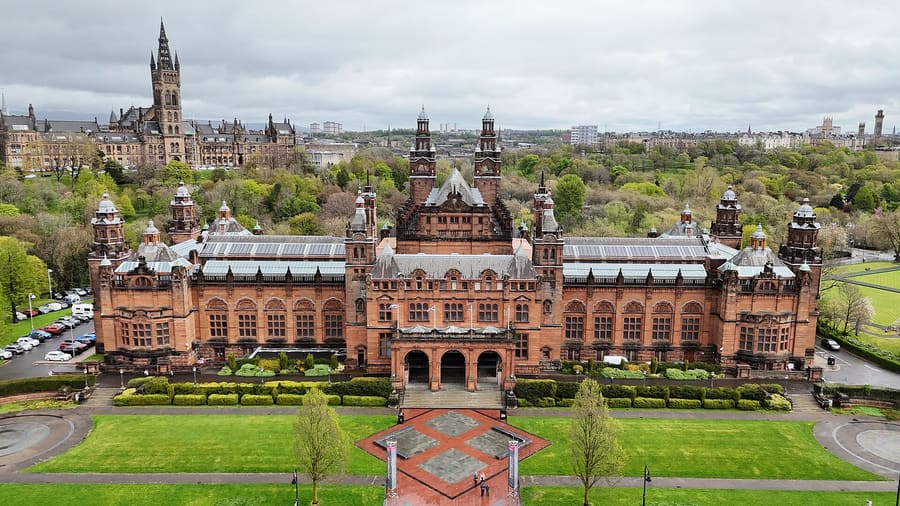
Kelvingrove Art Gallery and Museum
A sprawling red-sandstone cathedral of art and natural history. Visit at 1pm daily for the free pipe organ recital in the central hall.
Ask ParleyUnited Kingdom
Gritty architecture, world-class music, and unvarnished pride.
introduction
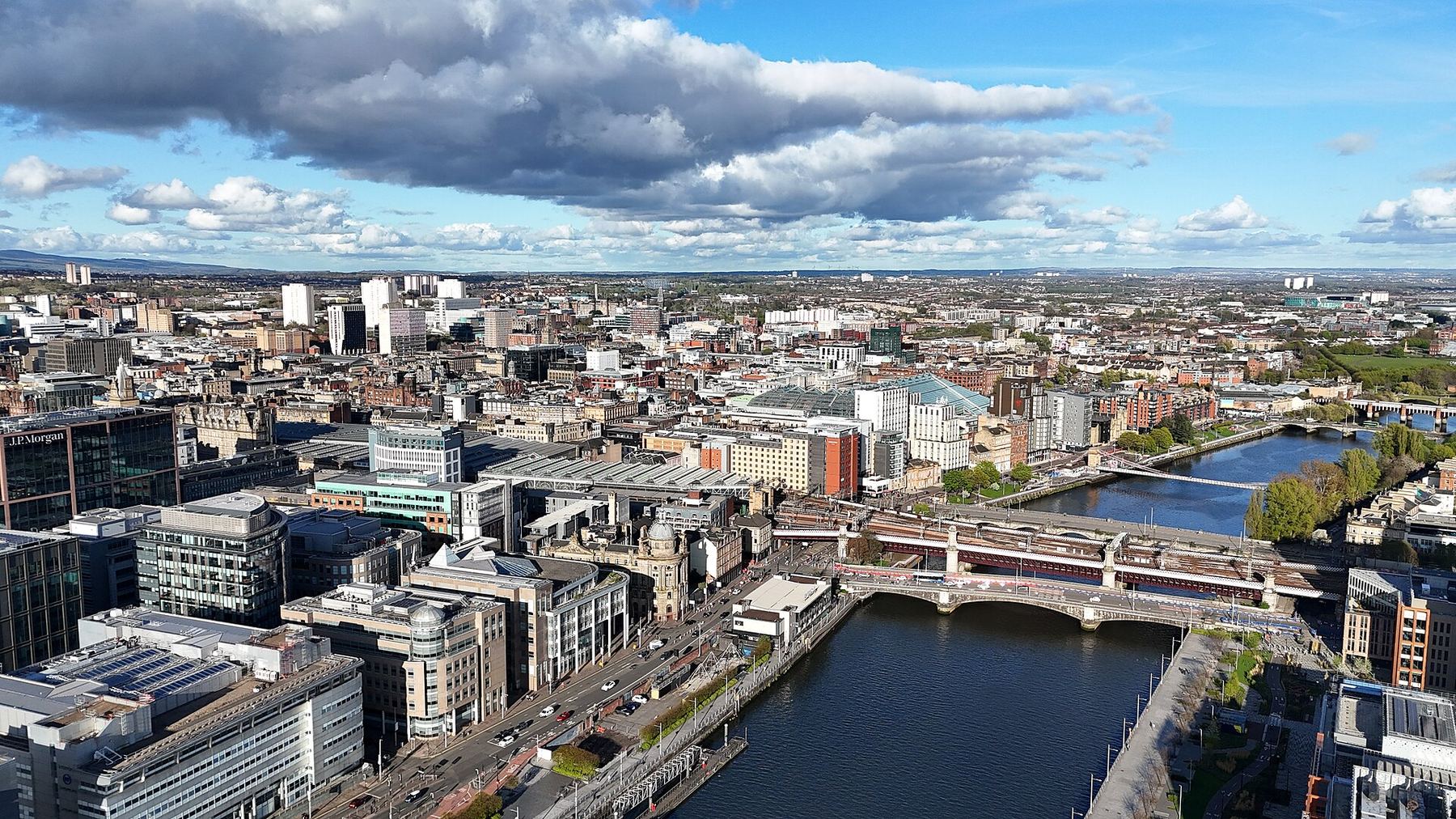
Glasgow built its wealth on heavy industry along the River Clyde before reinventing itself through culture and design. You navigate a strict grid of Victorian sandstone in the centre, wrapped by distinct neighbourhoods with clear identities. Expect unpredictable rainfall, raw warmth from locals, and a live music landscape that runs every night of the week.
Airport transit hack
The 500 Express bus runs 24/7 from GLA to Buchanan Bus Station for £10.40 single. Buying a return ticket on the First Bus app saves £5.80 compared to two singles.
UNESCO City of Music
Glasgow became a UNESCO City of Music in 2008. It hosts over 130 music events each week across legendary venues like King Tut's and Barrowland Ballroom.
Museum entry strategy
Civic museums like the Kelvingrove and Burrell Collection are free to enter. Reserve paid exhibition slots online early to bypass afternoon queues.
Glasgow
Michael Gallacher · CC BY-SA 2.0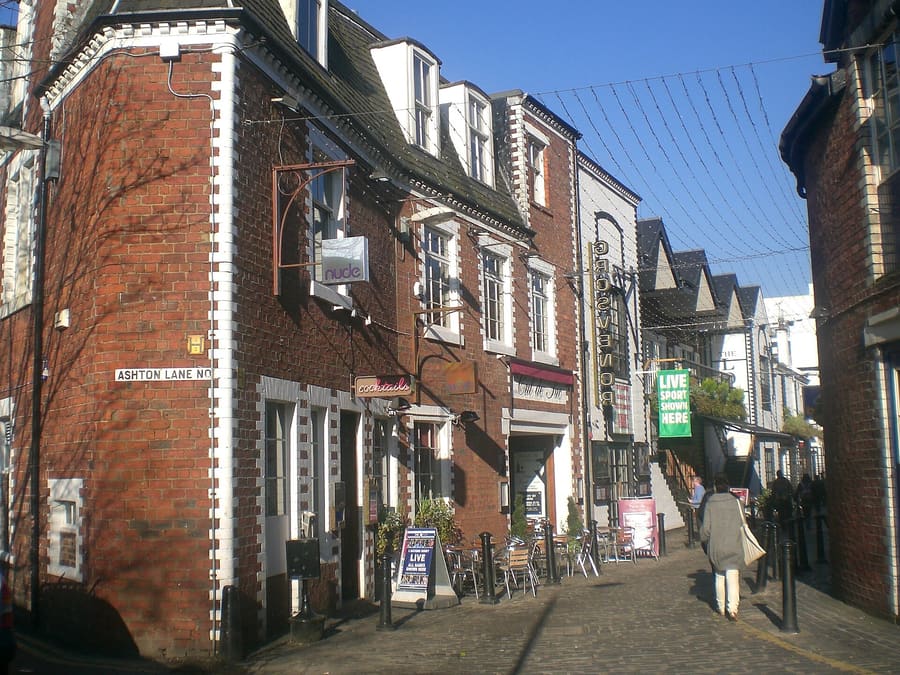
West End — Tree-lined sandstone avenues, university towers, vintage shops, and leafy parks.
No machine-readable author provided. Whancam assumed (based on copyright claims). · CC BY 3.0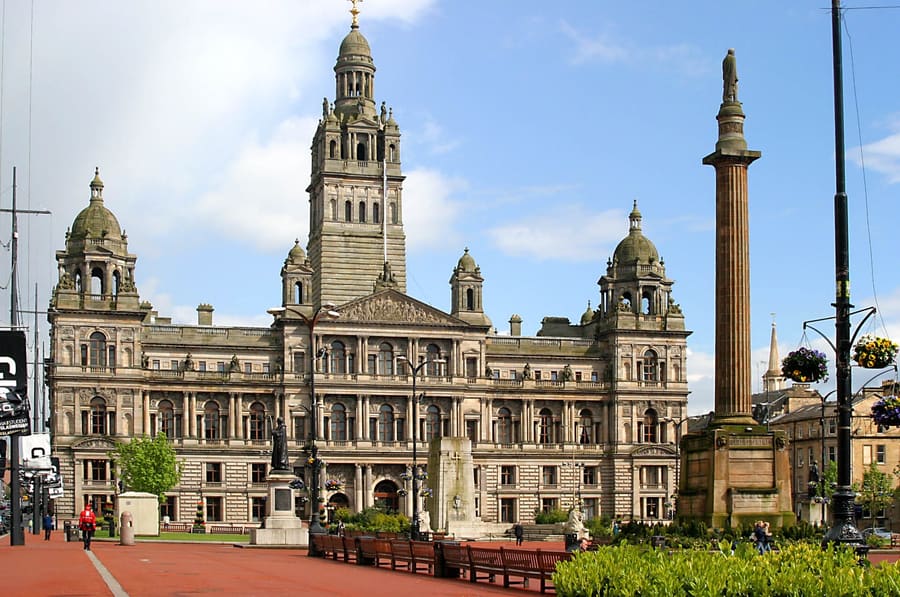
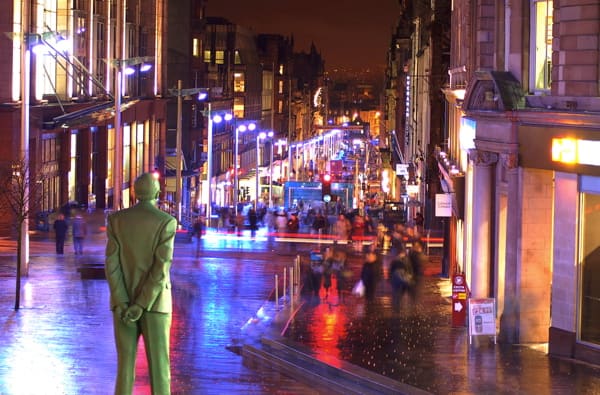
City Centre — Grid-pattern streets filled with Victorian commercial architecture, shoppers, and transit hubs.
W. Bulach · CC BY-SA 4.0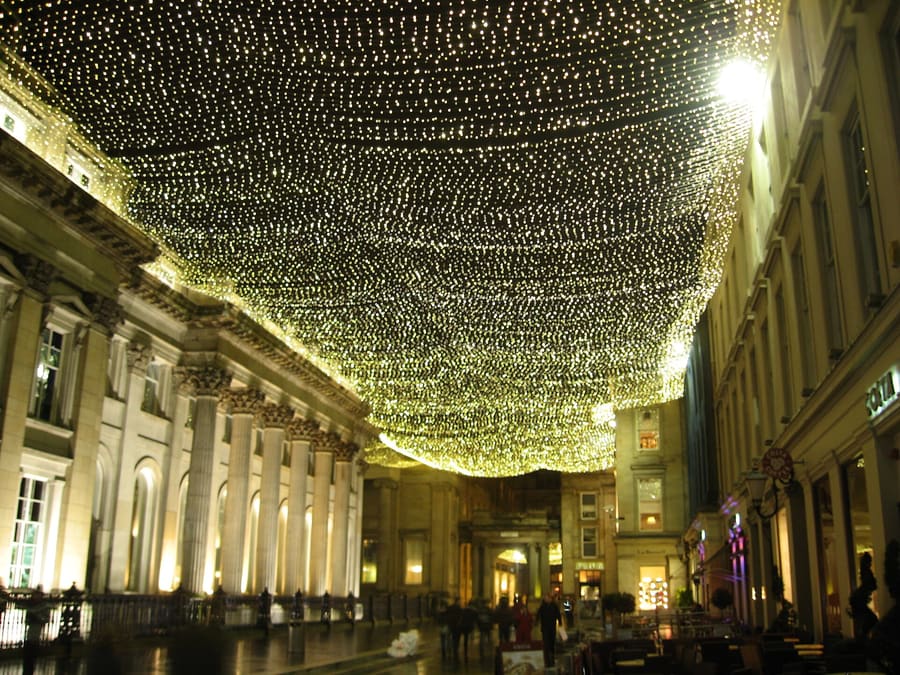
Merchant City — Former 18th-century trading warehouses converted into stylish bars, restaurants, and galleries.
User:Vishnumukundan · Public domain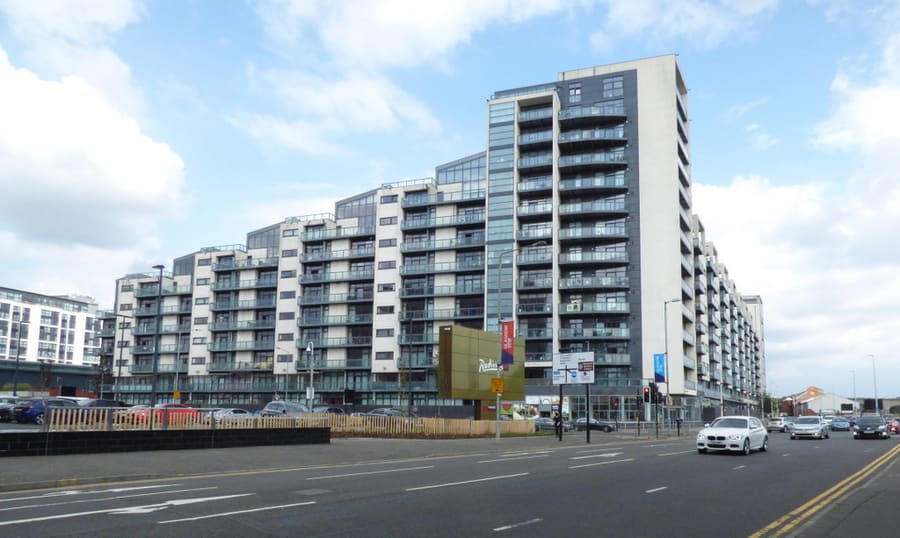
Finnieston — An industrial corridor turned dining hotspot along Argyle Street.
Thomas Nugent · CC BY-SA 2.0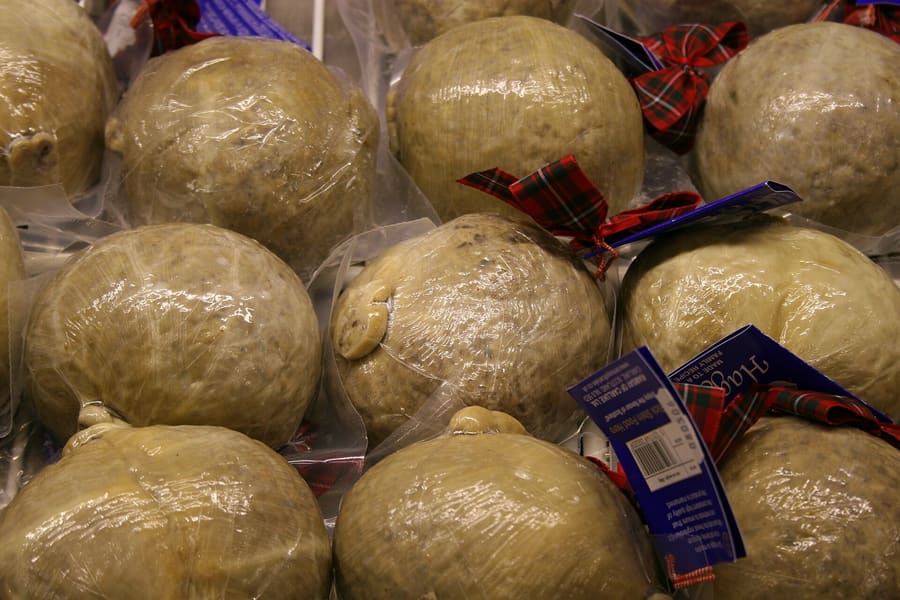
Traditional Scottish haggis served with mashed turnips and potatoes.
Chris Brown · CC BY 2.0highlights
landmark
A sprawling red-sandstone cathedral of art and natural history. Visit at 1pm daily for the free pipe organ recital in the central hall.
Ask Parley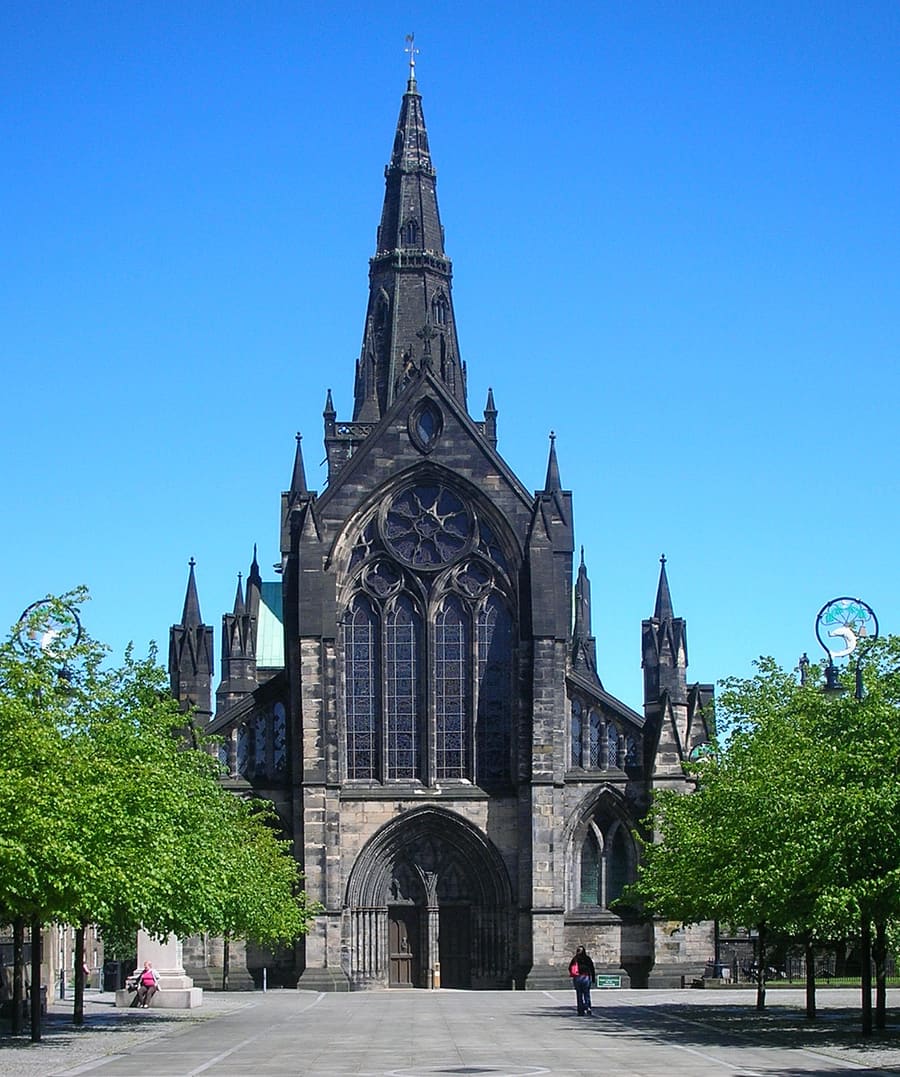
landmark
One of Scotland's few medieval cathedrals to survive the Reformation. Walk down into the 13th-century crypt to see Saint Mungo's tomb.
Ask Parley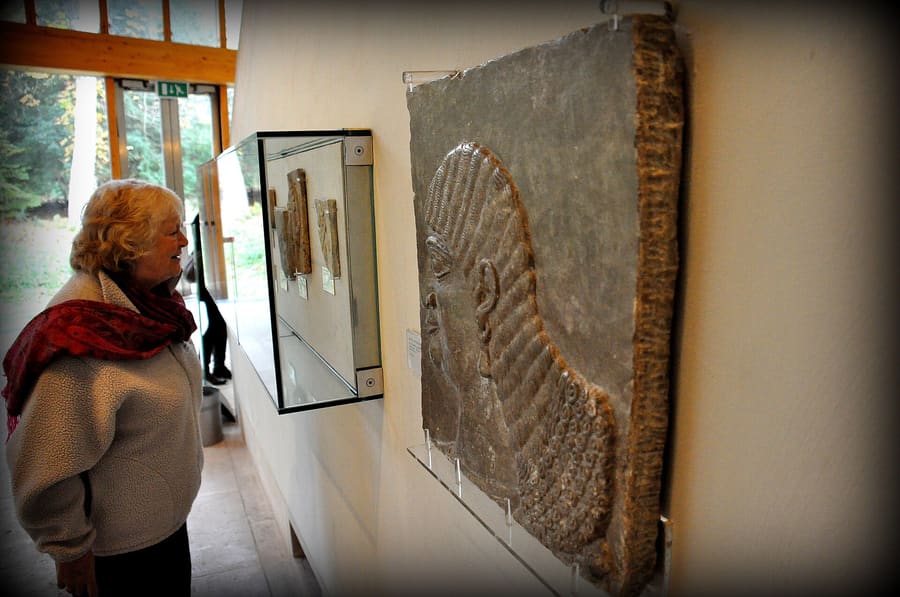
landmark
Nine thousand artworks housed in a purpose-built glass museum inside Pollok Country Park. Entrance is completely free.
Ask Parley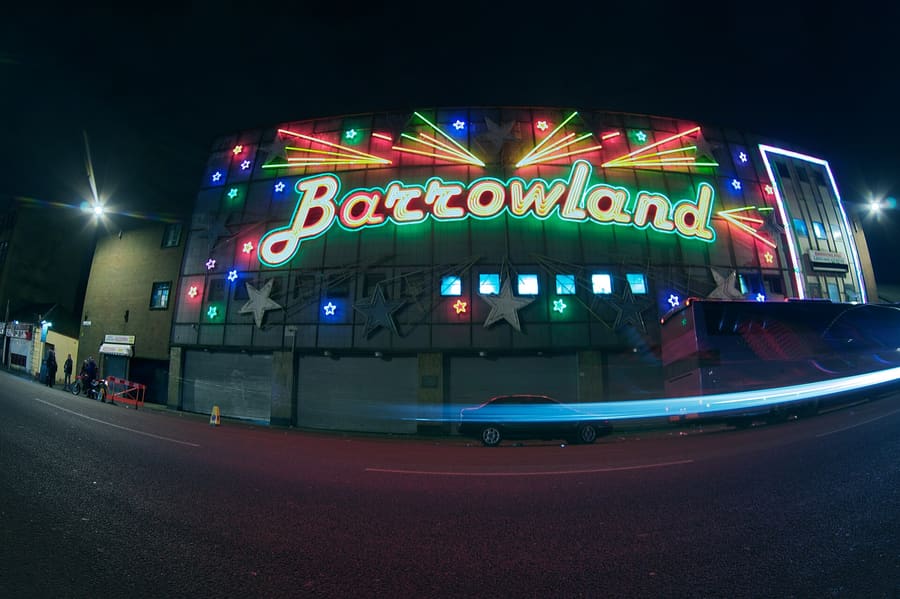
landmark
A legendary East End music venue famous for its sprung wooden floor and electric atmosphere. Book gig tickets weeks in advance.
Ask Parley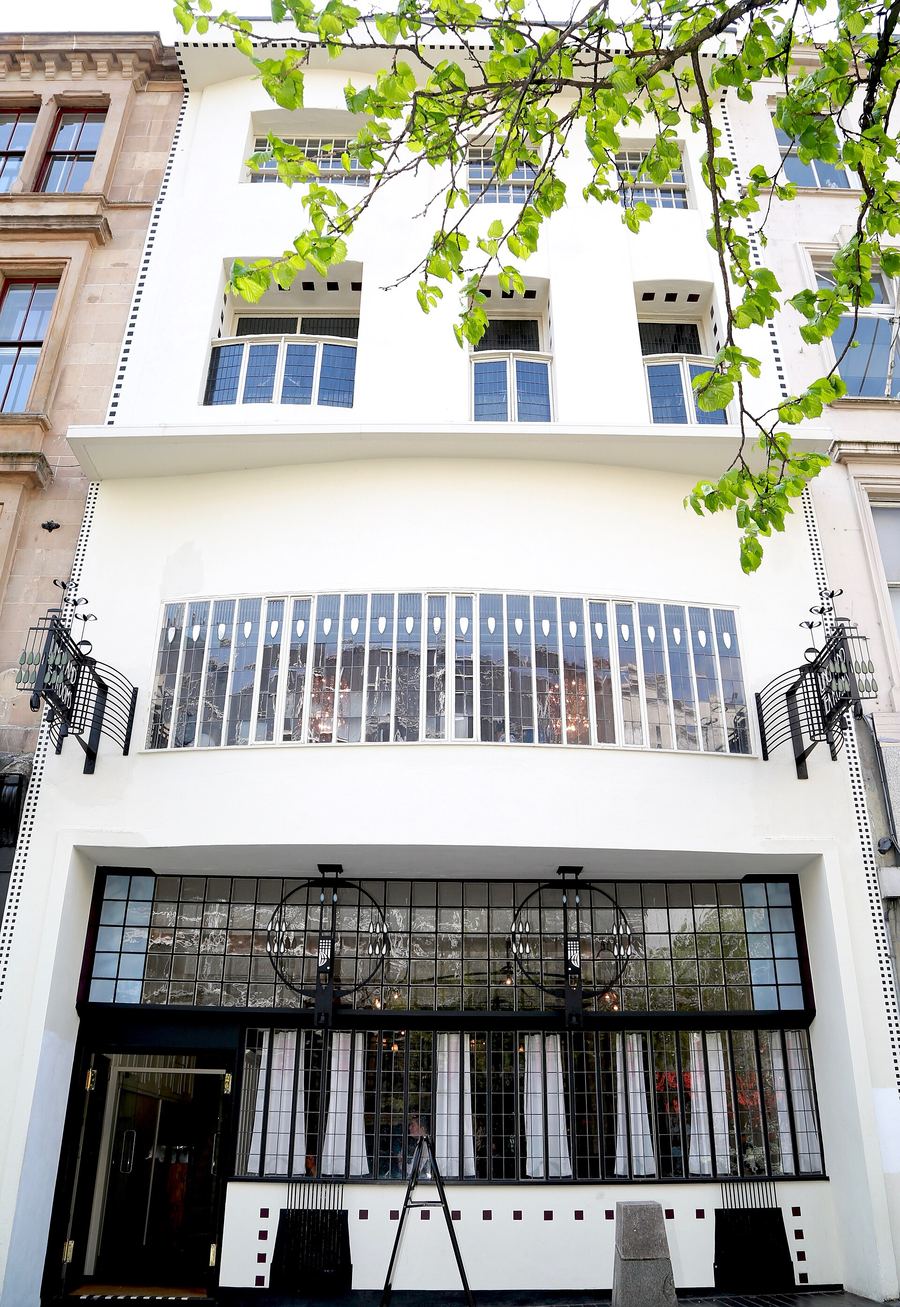
landmark
Charles Rennie Mackintosh's 1903 tearoom on Sauchiehall Street. Book high tea online to guarantee a table in the Salon de Luxe.
Ask Parley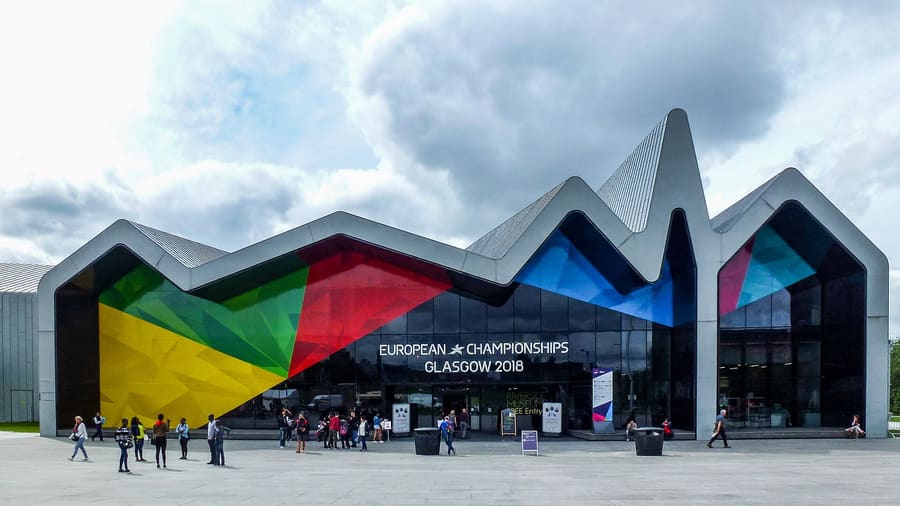
landmark
Zaha Hadid’s wave-roofed transport museum on the Clyde. Walk the cobbled historic street inside before touring the Tall Ship anchored outside.
Ask Parleyattractions
areas
Tree-lined sandstone avenues, university towers, vintage shops, and leafy parks.
NearbyKelvingrove Park, Glasgow University, Ashton Lane
Ask ParleyGrid-pattern streets filled with Victorian commercial architecture, shoppers, and transit hubs.
NearbyBuchanan Street, Central Station, George Square
Ask ParleyFormer 18th-century trading warehouses converted into stylish bars, restaurants, and galleries.
NearbyGlasgow Green, Strathclyde University, Old Fruitmarket
Ask ParleyAn industrial corridor turned dining hotspot along Argyle Street.
NearbyOVO Hydro, SEC Centre, Riverside Museum
Ask Parleyfood
Glasgow is famous for its curry culture and contemporary Scottish cooking. Longstanding South Asian dining traditions sit alongside small-plates restaurants in Finnieston. Haggis appears on both high-end tasting menus and pub counters served with neeps and tatties.
Traditional Scottish haggis served with mashed turnips and potatoes.
Chris Brown · CC BY 2.0Chicken tikka masala was reportedly created in Glasgow during the 1970s. Try traditional South Asian cooking at Shish Mahal or Mother India.
Cafes in the West End fill fast by 10:00 on Saturdays. Arrive before 09:30 or prepare for outdoor queues.
A 10% tip for sit-down meal service is standard. Check your bill first, as service charges are increasingly added automatically.
history
Glasgow grew from a 6th-century religious settlement founded by Saint Mungo into a major maritime trading hub. The Industrial Revolution turned the Clyde into a global centre for shipbuilding and heavy engineering. Late-20th-century industrial decline yielded a successful pivot toward culture, art, and service industries.
St Mungo's Monastery
Saint Mungo establishes a religious community on the Molendinar Burn, founding modern Glasgow.
University Founded
Bishop William Turnbull establishes the University of Glasgow, making it Scotland's second-oldest university.
Tobacco Trade Boom
The Act of Union grants open access to British colonial trade, turning local merchants into international tycoons.
City Chambers Built
The grand Victorian City Chambers opens on George Square, reflecting the empire's second city wealth.
European Cultural Capital
Glasgow earns European Capital of Culture status, cementing its transition from heavy industry to arts.
where to stay
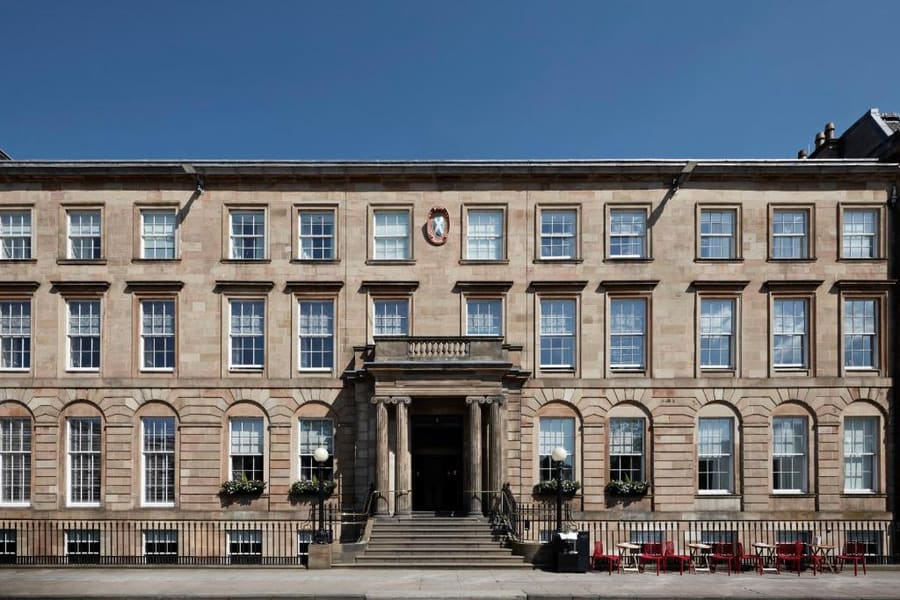
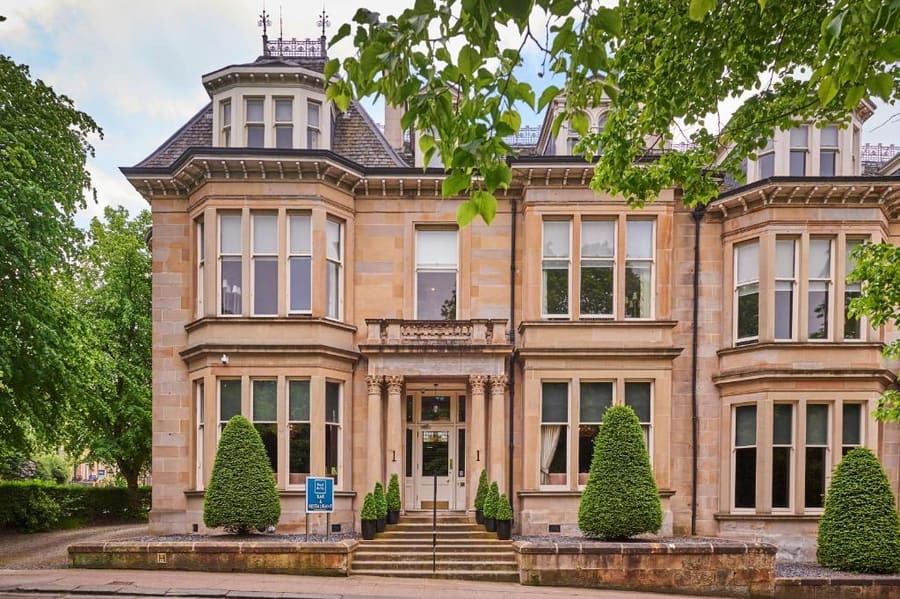
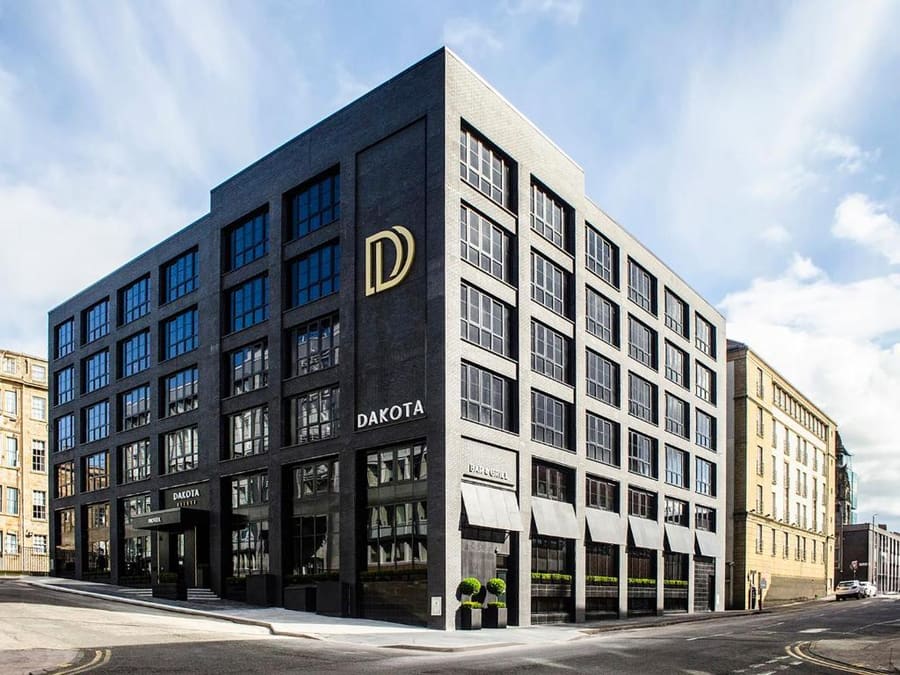
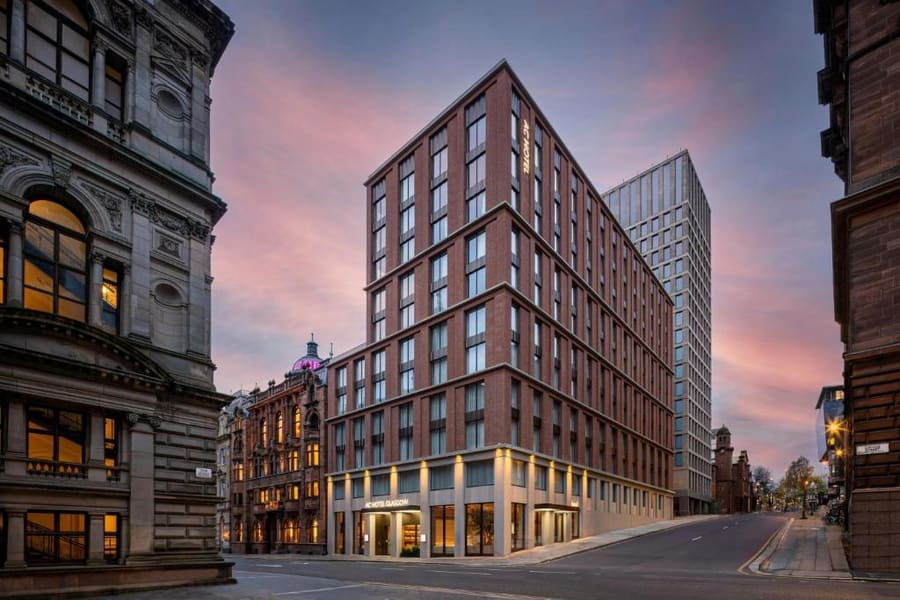
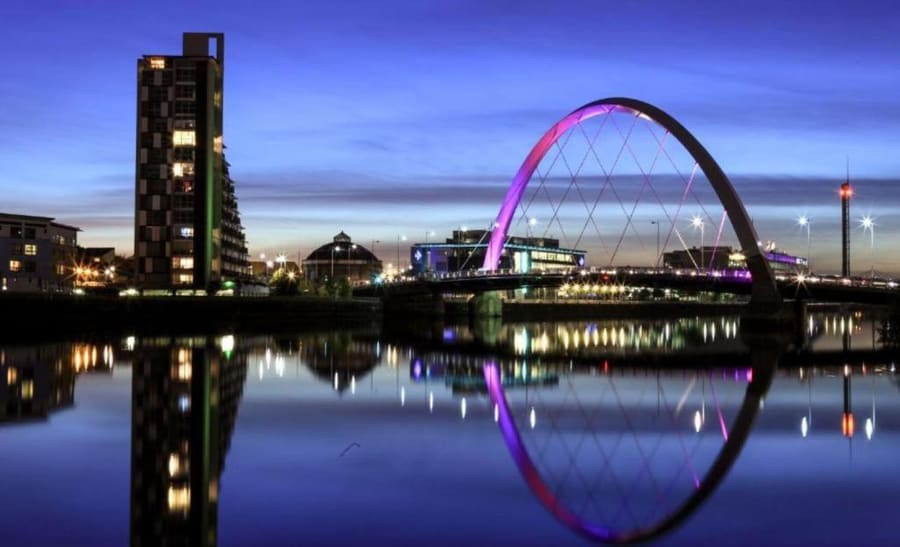
Choose your base by transit priorities and evening noise tolerance. City Centre offers direct train links and easy walking to attractions, while West End provides quiet residential streets and parks. Finnieston puts you steps from dining but comes at a premium on concert nights.
Live rates, matched to the areas above.
transport
Glasgow's city centre is built on a straightforward grid, making walking easy despite occasional steep hills. The Subway operates a simple circular loop connecting the centre with the West End. Local trains and First Bus routes fill the gaps for southern and eastern districts.
From Glasgow Airport (GLA)
The Glasgow Citylink 500 Express runs directly to Buchanan Bus Station 24 hours a day.
Official airport taxis operate outside the arrivals hall with fixed meters.
Uber operates from designated pickup zones in the short-stay car park.
The Glasgow Subway runs on two concentric circular tracks. A day ticket costs £4.70 on a Smartcard and covers unlimited city underground travel.
First Bus accepts contactless tap-on, tap-off payments. Fare capping automatically applies the cheapest day rate for your routes.
Subway trains stop running surprisingly early on Sunday evenings, around 18:00. Plan night transit via bus or taxi instead.
cost
Glasgow is generally more affordable than London and Edinburgh, particularly for cultural sights and pub food. However, hotel rates spike significantly during major events at the OVO Hydro or SEC exhibition centres.
Single underground rides are cheap when loaded onto a reusable Smartcard.
Expect higher prices in West End bars compared to traditional Southside pubs.
Quality seafood and Scottish beef dishes command premium dining prices.
All civic-run museums across Glasgow offer free permanent collection entry.
seasonality
MAR – MAY
Spring brings blooming parks and mild weather. Rain remains frequent, so pack waterproof layers for daily sightseeing.
JUN – AUG
Long daylight hours stretch past 22:00. Festival season brings high hotel prices and crowded West End streets.
SEP – NOV
Autumn foliage illuminates Kelvingrove Park. Student arrivals fill local pubs, creating an energetic evening mood.
DEC – FEB
Cold, dark days with daylight ending by 16:00. Cosy pub fires and lower hotel rates make winter appealing for quick city breaks.
practicalities
Scottish weather changes within minutes. Carry a rain-proof jacket even when morning skies look completely clear.
Most restaurants, venues, and transit options prefer card or phone payments over cash.
Kitchens in neighborhood bistros often close by 21:00 or 21:30. Book early tables for sit-down dining.
Traffic flows on opposite sides compared to continental Europe. Look both ways when crossing grid streets.
Black cabs can be hailed on the street or picked up at stances near Central Station and George Square.