
landmark
Gorakhnath Temple
Sprawling math dedicated to Nath tradition founder Guru Gorakhnath. Morning aarti starts at 04:00.
India
Eastern Uttar Pradesh's railway hub and Nath heritage centre.
Gorakhpur sits along the Rapti River as the administrative capital of eastern Uttar Pradesh. The city pivots around two focal points: the precinct to the north and the commercial circuit of Golghar to the south. Electric rickshaws and auto-rickshaws dominate transport, carrying commuters between the central railway junction and outer artisan villages. Expect early morning temple rituals, busy daytime trade, and steady transit traffic heading north to the Nepal border.
Freshly roasted baati dipped in ghee, served with spicy eggplant chokha.
01
landmark
Sprawling math dedicated to Nath tradition founder Guru Gorakhnath. Morning aarti starts at 04:00.
landmark
A 1,700-acre natural lake with a modern walking promenade. Sunset boat rides run daily until 19:00.
landmark
One of the longest train platforms in the world at 1,366 metres. Access requires a platform ticket.
02
03
Spiritual hub dominated by the monastery grounds and pilgrim lodging houses.
NearbyGorakhnath Temple
Ask ParleyDense retail district packed with apparel shops, street vendors, and traditional sweet houses.
NearbyGorakhpur Railway Station
Ask ParleyBroad avenues hosting government quarters, business hotels, and regional transit stops.
NearbyNorth Eastern Railway Museum
Ask ParleyOpen green spaces, wide paths, and newer upscale dining along the lake perimeter.
NearbyVeer Bahadur Singh Planetarium
Ask Parley04
Gorakhpur food blends rural Purvanchal staples with Awadhi street influences. Charcoal-baked wheat balls filled with spiced sattu powder, served alongside mashed roasted eggplant, form the core regional lunch. Sweet shops line Bank Road, using concentrated cow milk solids to craft dense pedas and seasonal halwa. Meat dishes skew toward Lucknow-style minced rolls and slow-cooked mutton stews in eateries behind Golghar.
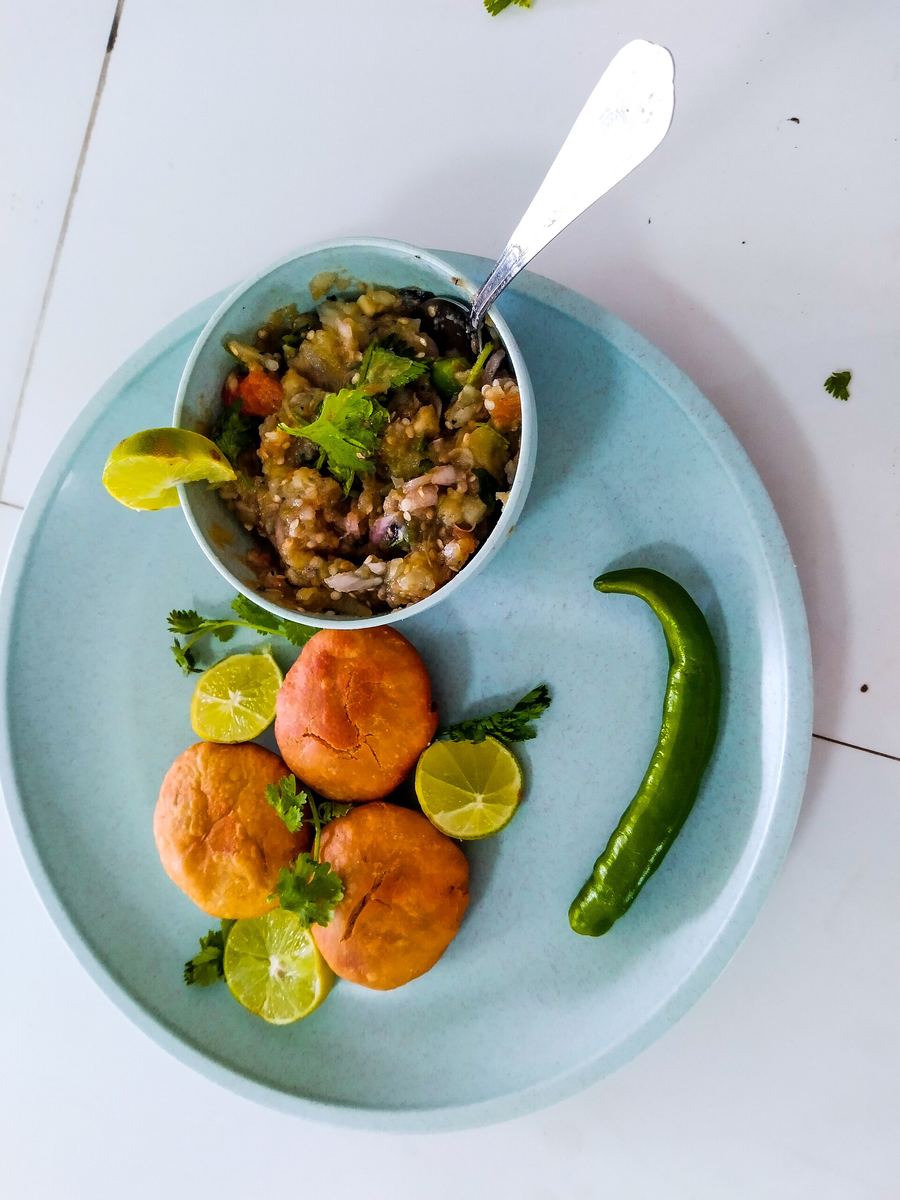
Freshly roasted baati dipped in ghee, served with spicy eggplant chokha.
Street carts near the railway station serve chilled roasted gram flour beverages topped with cumin and salt.
Major sweet shops stay open past 22:00, selling hot rabri directly from large brass vats.
Eateries around enforce strict pure-vegetarian menus with no onion or garlic.
05
The city takes its name from Guru Gorakhnath, a medieval yogi who consolidated the Nath monastic order. Its geographic location made it an crucial trade post between the Gangetic Plains and the Nepalese Tarai. During British rule, Gorakhpur was the headquarters of predecessor entities such as the Bengal and North Western Railway, prior to the post-independence establishment of the North Eastern Railway in 1952, transforming its urban footprint around rail yards and depot workshops.
Nath Order Establishment
Guru Gorakhnath builds his monastic seat, creating the religious foundation for the modern city.
Cession to East India Company
The Nawab of Awadh cedes Gorakhpur district to the British, who set up a military cantonment.
Chauri Chaura Incident
Protesters clash with police in nearby Chauri Chaura, prompting Mahatma Gandhi to halt the Non-Cooperation Movement.
Gita Press Founded
Jaydayal Goyandka opens the press to print standardized, low-cost Hindu scriptures.
Railway Zone Headquarters
Gorakhpur becomes the official headquarters for the North Eastern Railway zone.
06
Choose your location based on your transport needs. Stay in Civil Lines or near the railway station if you have early morning train departures or border buses. Choose for modern hotels with lake views and lower street noise. Select Gorakhnath if your trip centers on temple rituals.
Highly rated hotels in Gorakhpur.


07
Gorakhpur operates without an underground rail network. Shared e-rickshaws cover short inner-city hops along fixed main corridors. Unmetered auto-rickshaws handle custom trips; negotiate prices before boarding. App-based cab services operate across central quarters and airport routes.
From Gorakhpur Airport (GOP) / Gorakhpur Junction (GKP)
App cabs pick up directly outside the airport terminal building.
State buses connect the city bus stand to border points like Sonauli.
Hop-on electric rickshaws charge ₹10–20 per seat along standard routes like Station to Golghar.
Auto drivers double quotes for travellers carrying heavy luggage outside transit hubs.
Auto-rickshaw availability decreases significantly after 22:30 outside the train station area.
Most auto and e-rickshaw drivers prefer UPI QR payments over cash or credit cards.
08
Gorakhpur is significantly cheaper than tier-one Indian metros. Food and short trips cost little, while mid-range and business hotels maintain steady rates due to border trade travellers.
Street stalls charge around ₹50, while sit-down restaurants charge ₹90.
Private auto trip across central districts like Golghar to Civil Lines.
Three-course meal at a air-conditioned family restaurant in Golghar.
Price varies by size when purchased directly at Aurangabad artisan stalls.
09
OCT – FEB
Cool weather with clear daytime skies. Peak season for temple festivals and city exploration.
MAR – MAY
Temperatures cross 40°C. Outdoor sightseeing is uncomfortable between 11:00 and 16:00.
JUN – SEP
Heavy monsoon rains lead to temporary waterlogging on low-lying inner-city roads.
10
opens before dawn. Morning prayer services fill the main hall quickly on Tuesdays and Sundays.
Remove shoes at designated counters outside Gorakhnath Temple and Gita Press archives before entering.
Scan-to-pay UPI apps work at almost every small retail counter and sweet shop.
Avoid lower market lanes around station roads during heavy rain due to rapid drainage overflow.
Buses to Sonauli border take 3 hours. Keep physical passport copies and Indian rupees ready for border checks.
Contents
Your trip
Going to Gorakhpur?
Tell Parley when you’re going and what you enjoy, and it plans the days around this guide.
Plan with Parley

