
landmark
Haga Nygata
19th-century landshövdingehus timber houses now host bakeries. Visit Husaren for oversized kanelbullar cinnamon buns.
Sweden
Tram-lined avenues, working harbour roots, and archipelago access.
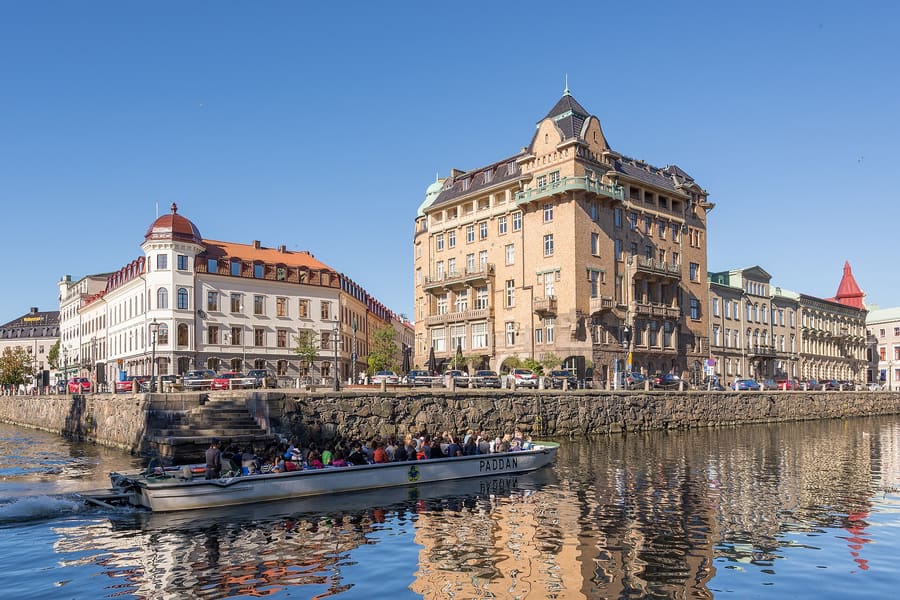
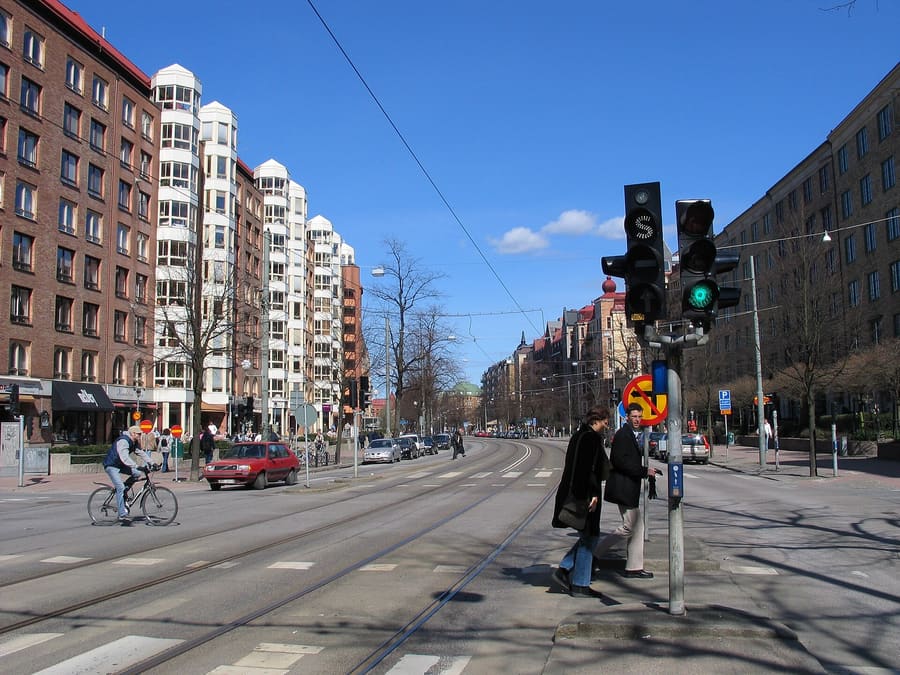
Gothenburg runs along the Göta River on Sweden's west coast. Blue trams connect quiet 19th-century timber districts with a massive commercial port. You trade Stockholm's royal grandeur for unpretentious fish halls, coastal winds, and island ferries attached to the local transit grid.
Innomstaden — The central grid surrounded by the inner canal moat, packed with boutiques, hotel bars, and markets.
Linnéstaden — Wide boulevard Linnégatan lined with outdoor alfresco dining, wine bars, and coffee houses.
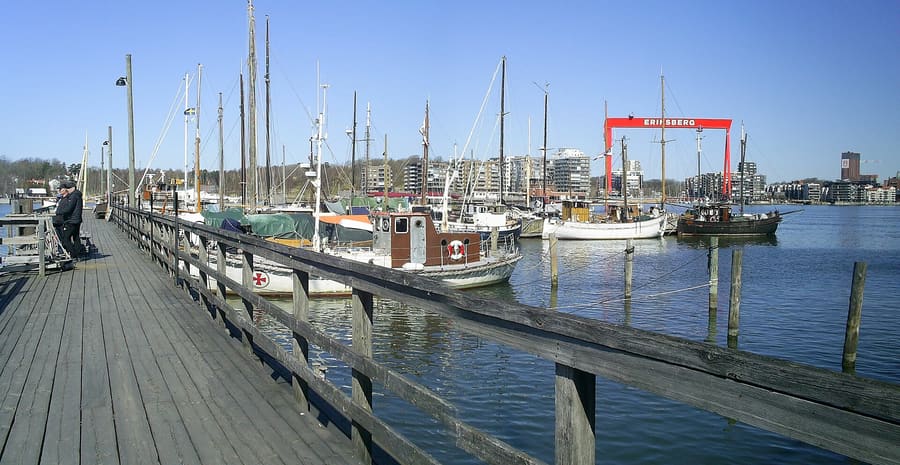
Eriksberg — Modern waterfront redevelopment built around historic shipyard cranes across the Göta River.
Freshly baked kanelbullar cinnamon buns served during afternoon fika.
01
landmark
19th-century landshövdingehus timber houses now host bakeries. Visit Husaren for oversized kanelbullar cinnamon buns.
landmark
Take line 11 tram to the coast, then board car-free archipelago ferries using standard Västtrafik city tickets.
landmark
The 1874 fish hall shaped like a neo-Gothic church features fresh seafood counters and casual riverfront dining.
landmark
The cultural hub anchored by Carl Milles's Poseidon fountain and the Gothenburg Museum of Art.
landmark
A public park housing native Scandinavian wildlife including elk and harbor seals. Entry is free year-round.
landmark
Indoor market operating since 1889 with dozens of local food stalls, cheese counters, and quick lunch counters.
02
03
Former working-class enclave with timber apartments, vinyl record shops, and neighbourhood pubs.
NearbySlottsskogen park and the Göta River banks.
Ask ParleyThe central grid surrounded by the inner canal moat, packed with boutiques, hotel bars, and markets.
NearbyCentral Station and Stora Saluhall.
Ask ParleyWide boulevard Linnégatan lined with outdoor alfresco dining, wine bars, and coffee houses.
NearbyHaga district and Slottsskogen.
Ask ParleyModern waterfront redevelopment built around historic shipyard cranes across the Göta River.
NearbyGöta riverfront promenade.
Ask Parley04
Gothenburg eats directly from the North Sea. Cold-water shrimp, raw oysters, and pickled herring dominate menus across the city. Midday dining centres on fixed-price plates, while afternoons revolve around the unhurried coffee break known as fika.
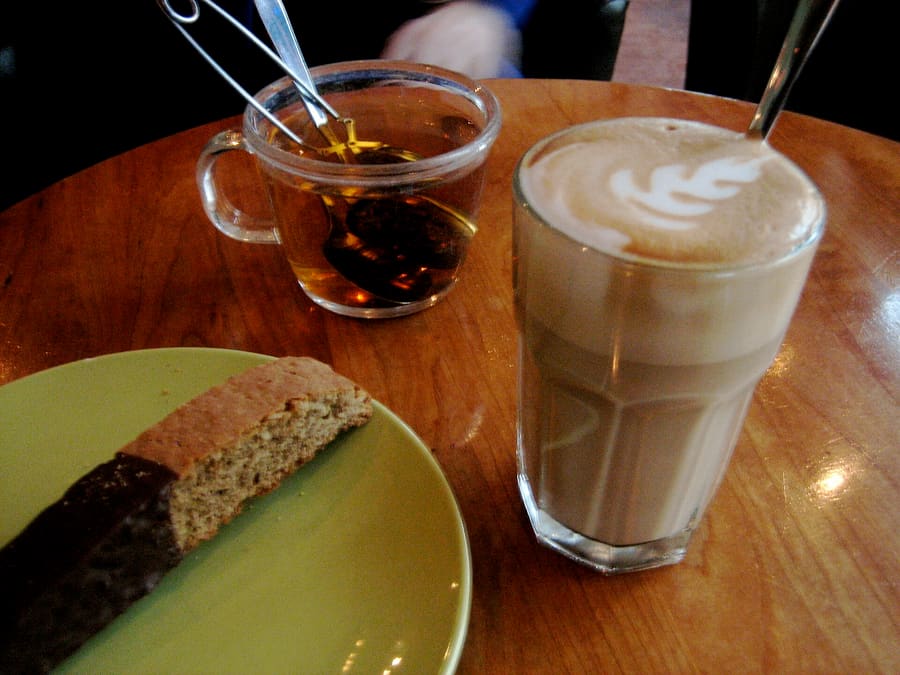
Freshly baked kanelbullar cinnamon buns served during afternoon fika.
The city's iconic open-faced shrimp sandwich sits on dark rye or sourdough, loaded with mayo, egg, and fresh dill.
Local eateries offer daily fixed lunch deals (dagens lunch) around 120–150 SEK including bread, salad, and filter coffee.
Pan-fried Baltic herring served over creamed potatoes with lingonberries is a staple fast meal at street kiosks.
05
King Gustav II Adolf chartered Gothenburg in 1621, bringing Dutch engineers to build canals and defense works along the river. Maritime trade expanded rapidly under the Swedish East India Company, turning the settlement into the country's primary gateway to the Atlantic Ocean.
City Charter
Dutch planners construct a fortified canal city at the mouth of the Göta River under Swedish royal decree.
East India Company
The Swedish East India Company sets up headquarters here, driving massive merchant wealth and global import trade.
Jubilee Exhibition
Gothenburg hosts a landmark world fair, constructing Götaplatsen, Liseberg park, and the Gothenburg Museum of Art.
Volvo Founded
The first Volvo automobile leaves the local factory line, establishing the city's modern industrial identity.
06
Choose your base by balancing immediate walking access to the rail terminal against quiet residential riverfronts.
Highly rated hotels in Gothenburg.
See more Gothenburg hotels07
Gothenburg relies on its blue tram grid operated by Västtrafik. Trams, city buses, and public harbour ferries operate on a unified single ticket system.
From Landvetter Airport (GOT)
Confirm a fixed rate with major licensed operators before entering the cab.
App pickups collect passengers right outside the main arrival hall exit.
Buy 90-minute zone A single tickets or 24-hour passes through the Västtrafik To Go mobile application.
Board trams through any set of doors. On city buses, enter at the front door and scan your digital ticket.
Ferry line 286 (Älvsnabbare) crossing between Stenpiren and Lindholmen is free for all passengers.
Core tram lines run through the night on Friday and Saturday, avoiding late taxi surcharges.
08
Gothenburg uses the Swedish Krona (SEK). Cash is rarely accepted; merchants and transit outlets operate digitally.
A filter coffee (bryggkaffe) paired with a fresh cardamom or cinnamon bun in Haga.
A warm plate special including a salad buffet, bread, and tap water across central dining spots.
Unlimited rides across Zone A trams, city buses, and southern archipelago passenger ferries.
A draft beer at neighbourhood bars along Linnégatan or nearby Andra Långgatan.
09
MAY – AUG
Long daylight hours, open outdoor patios, and warm swimming conditions off the archipelago islands.
SEP – OCT
Crisp autumn weather, autumn lobster season kickoff, and uncrowded galleries.
NOV – DEC
Liseberg amusement park converts to a large Christmas market; short daylight hours.
JAN – APR
Cold coastal winds and quiet streets; ideal for indoor museum visits and daily fika.
10
Do not exchange physical cash before arrival. Many shops, buses, and market counters reject paper notes completely.
Alcohol above 3.5% ABV is only sold at state-run Systembolaget outlets, which close early Saturday and stay closed Sunday.
Sweden's right to roam allows free walking and swimming across archipelago islands, provided you pack out your trash.
Sea breezes make rain and temperature drops common; carry a windproof shell jacket even in midsummer.
Trams, tours, and restaurant reservations operate strictly on time. Plan to arrive a few minutes ahead of schedule.
Contents
Your trip
Going to Gothenburg?
Tell Parley when you’re going and what you enjoy, and it plans the days around this guide.
Plan with Parley


