landmark
Hammamet Medina
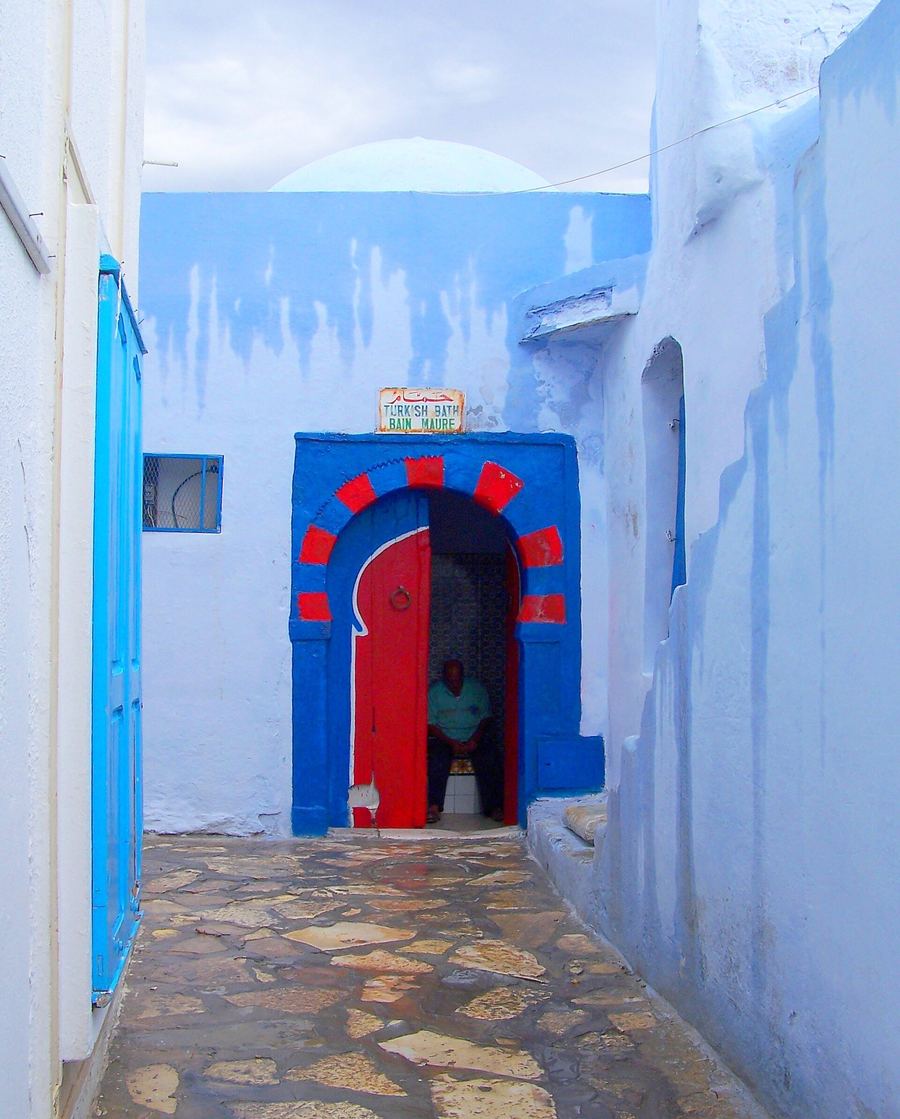
Car-free alleyways lined with blue doors and white walls. Shopkeepers expect bargaining on leather and textiles.
Ask ParleyTunisia
A 15th-century medina, Gulf views, and southern resorts.
introduction
Hammamet divides neatly into two worlds along the Gulf coast. In the north, a 15th-century fortified medina sits directly over the water, flanked by modest commercial streets. Ten kilometers south lies Yasmine Hammamet, a modern enclave built specifically for large resorts and marine recreation. Moving between them requires clear transport choices, but staying grounded in the local rhythm gives you both historical depth and sea access.
Louage station strategy
Shared taxis depart from the station near Avenue Habib Bourguiba. Pay the fixed fare inside before boarding.
Medina architecture
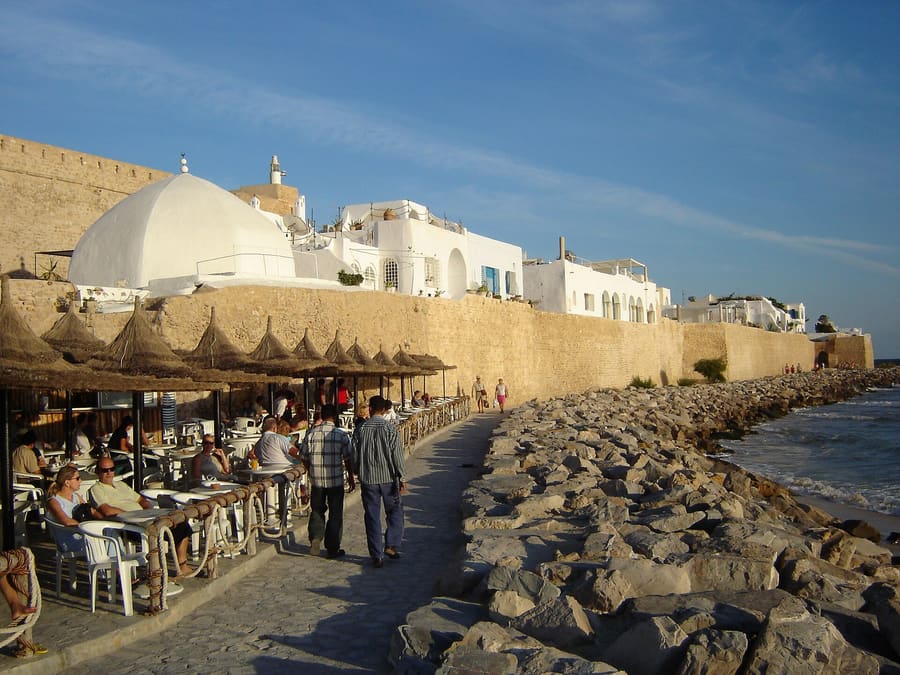
The 15th-century ramparts feature whitewashed walls built directly against the Mediterranean shoreline.
Airport transfers
Enfidha-Hammamet Airport sits 40 kilometers south. Taxis charge standard fixed fares to the central zone.
Hammamet
No machine-readable author provided. BishkekRocks assumed (based on copyright claims). · Public domain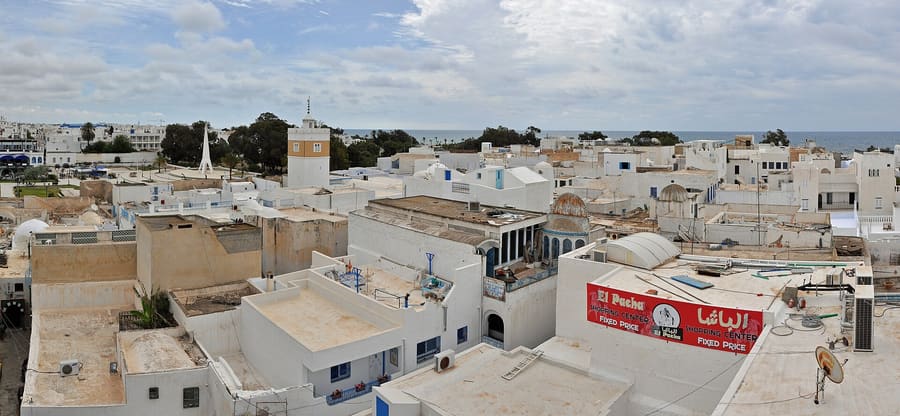
Medina — Quiet residential passages inside whitewashed 15th-century fortress walls.
Marc Ryckaert (MJJR) · CC BY 3.0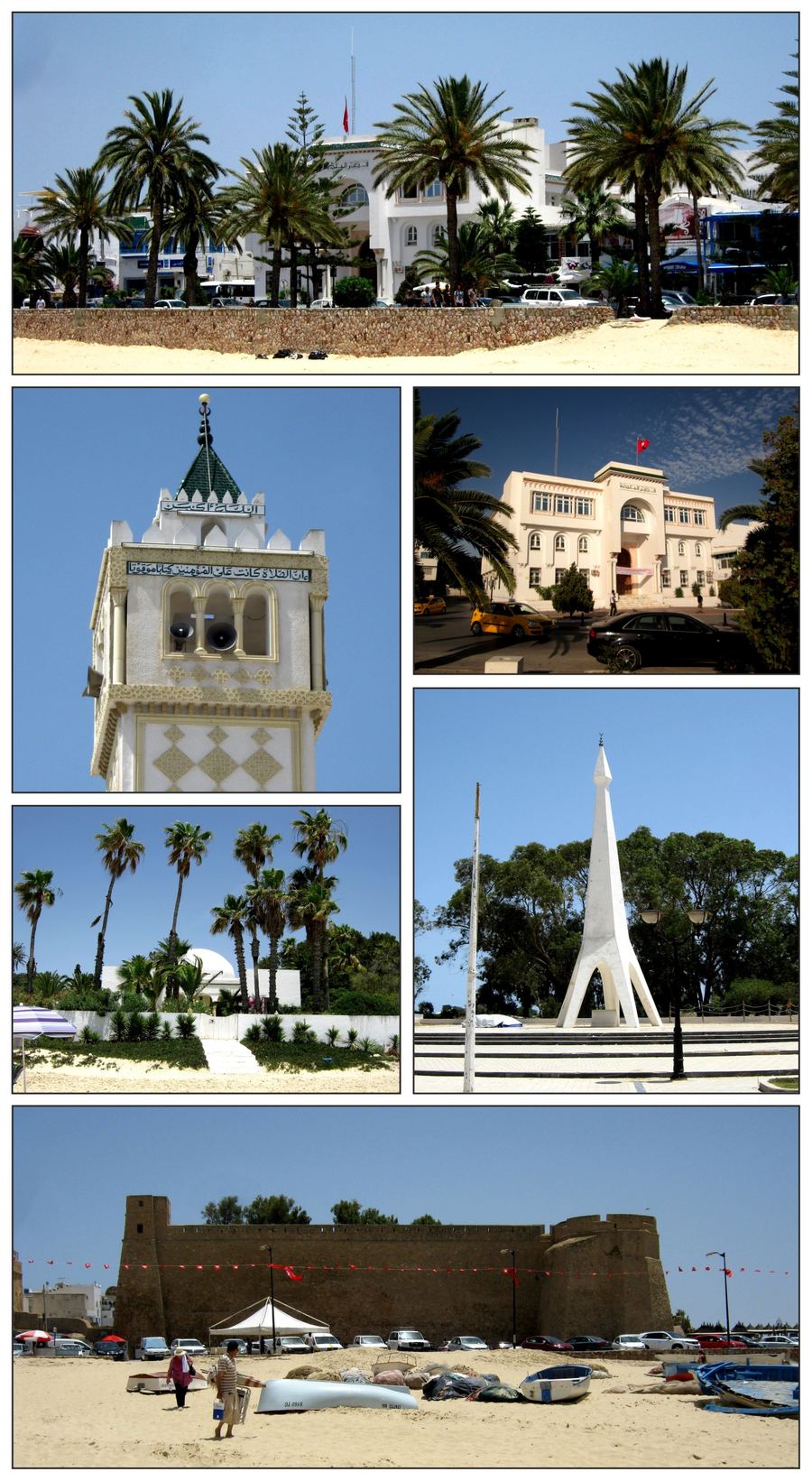
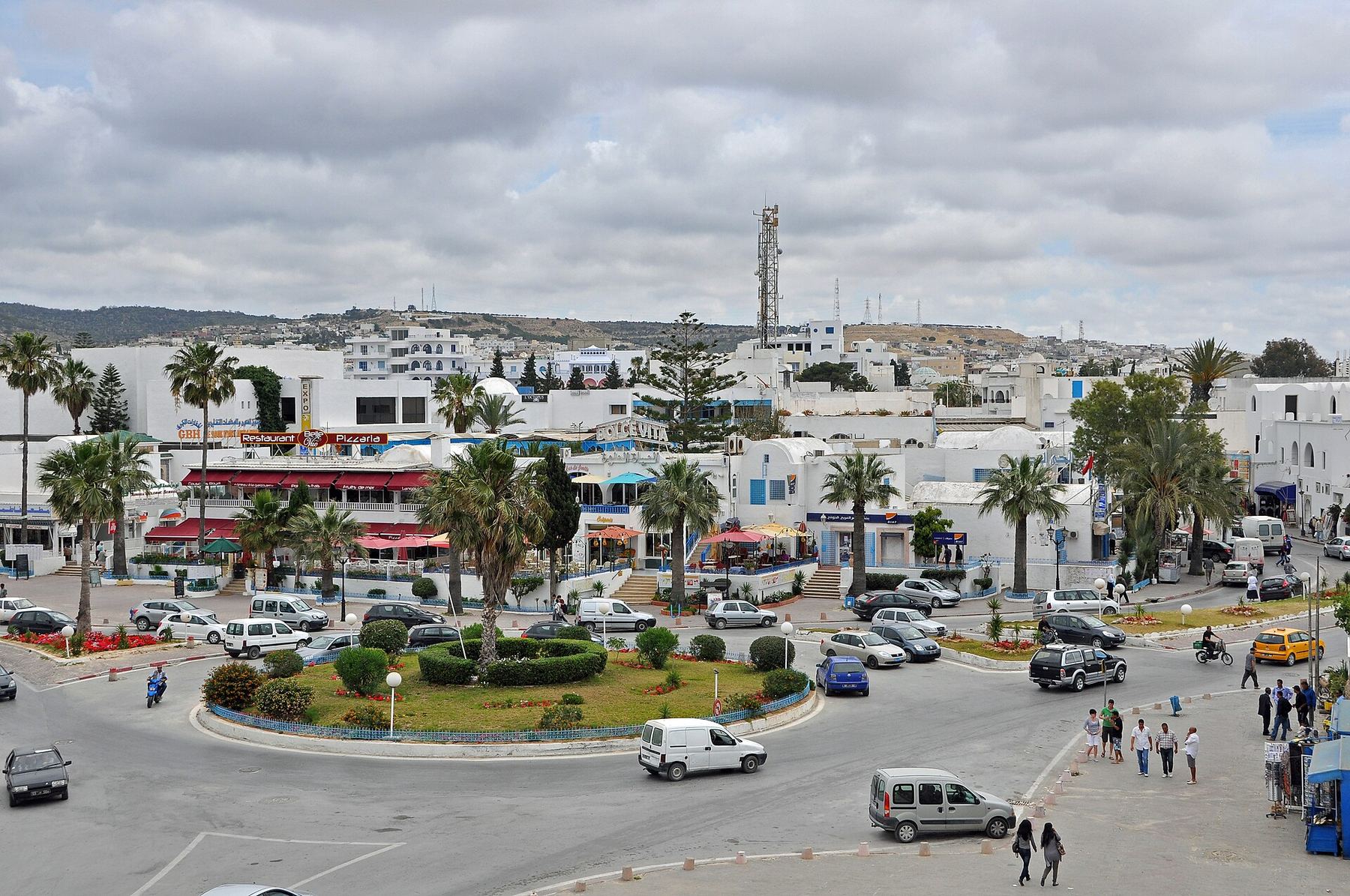
Centre Ville — Commercial heart with local cafes, daily markets, and the main bus stops.
Георгий Долгопский · CC BY-SA 3.0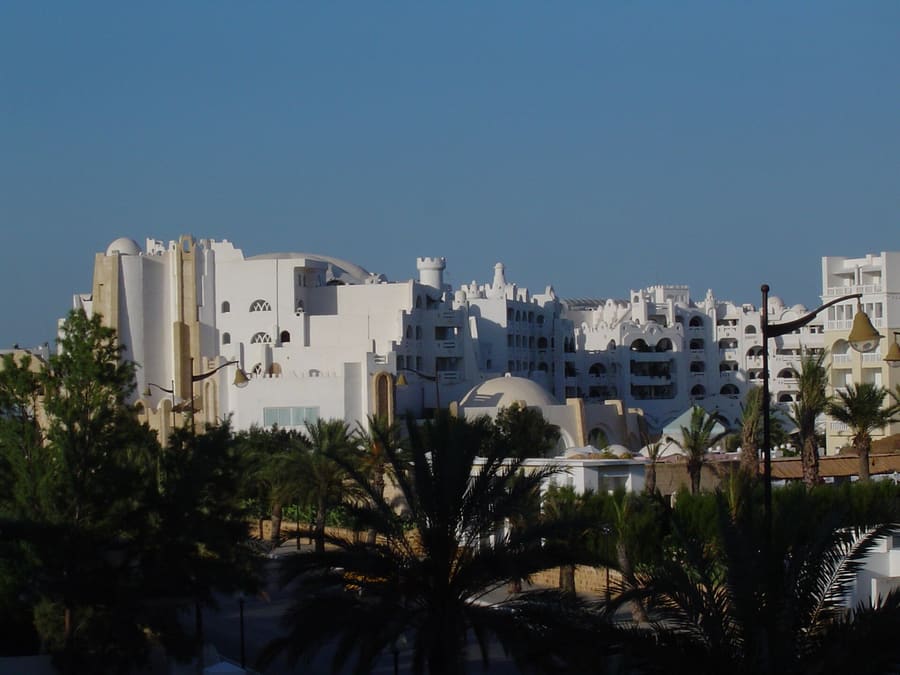
Yasmine Hammamet — Purpose-built resort district with wide avenues and large hotel complexes.
PetarCrnojevic · CC BY-SA 3.0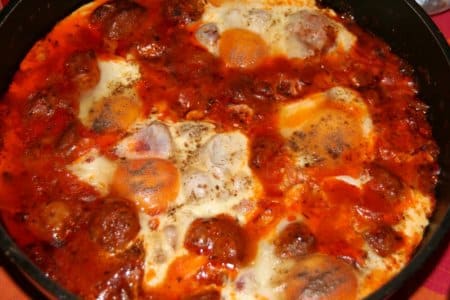
Ojja served hot with peppers, olive oil, and poached eggs.
Maherdz · Public domainhighlights
landmark
Car-free alleyways lined with blue doors and white walls. Shopkeepers expect bargaining on leather and textiles.
Ask Parley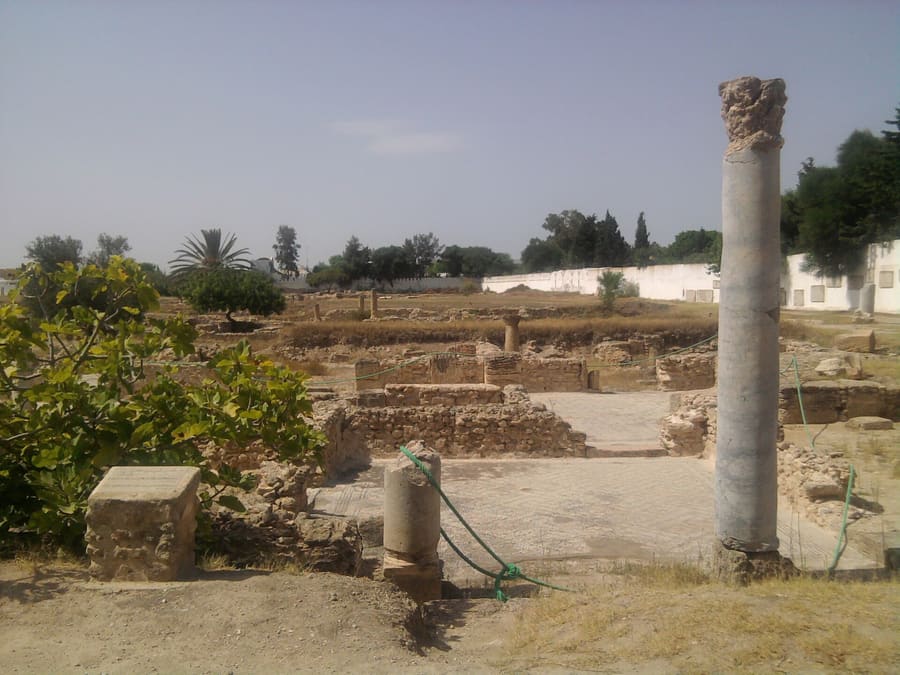
landmark
Roman settlement ruins including 5th-century mosaic floors. Located just south of the main resort stretch.
Ask Parley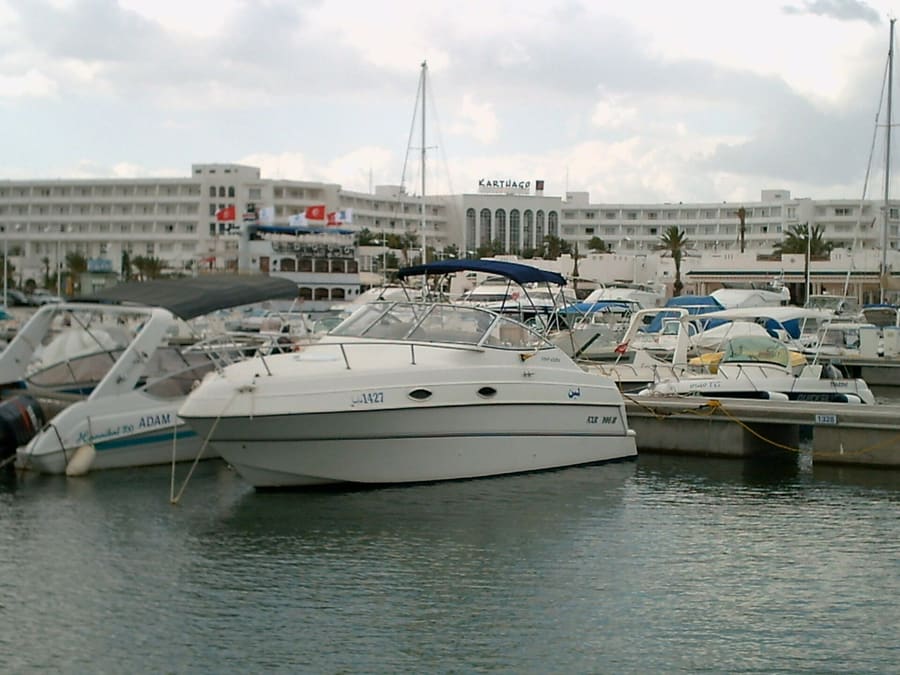
landmark
Purpose-built harbor filled with motor yachts and seafood spots. Modern promenade walkable late into the evening.
Ask Parleyattractions
areas
Quiet residential passages inside whitewashed 15th-century fortress walls.
NearbyKasbah fort and the central sea-facing promenade.
Ask ParleyCommercial heart with local cafes, daily markets, and the main bus stops.
NearbyMedina gate and the local louage taxi terminal.
Ask ParleyPurpose-built resort district with wide avenues and large hotel complexes.
NearbyYasmine Marina and South Hammamet beach clubs.
Ask ParleySuburban beach area popular for quiet residential stays and long stretches of sand.
NearbyNorth Hammamet beaches and the road to Nabeul.
Ask Parleyfood
Hammamet dining revolves around fresh Mediterranean seafood served with Tunisian spices. Local restaurants near the fishing port serve grilled sea bream, sea bass, and octopus salad drizzled with olive oil and harissa. Small diners downtown offer quick portions of ojja, a spiced tomato and egg stew often cooked with merguez sausage.
Ojja served hot with peppers, olive oil, and poached eggs.
Maherdz · Public domainPortside fish spots display the morning catch on ice. Weigh your fish before ordering to avoid surprises on the bill.
This grilled pepper and tomato salad accompanies most fish dishes in Hammamet establishments.
Traditional seafood spots serve lunch between 12:30 PM and 3:00 PM; kitchens close until dinner.
history
Hammamet developed from the Roman settlement of Pupput into a medieval fortress town under Islamic rule. Its strategic position along the Cap Bon peninsula made it a key defensive node against Mediterranean piracy and European invasions. In the 20th century, international artists transformed it into a quiet coastal sanctuary before mass tourism took hold.
Roman Pupput
Pupput grows as an agricultural colony before vandal raids destroy much of the early settlement.
Medina Ramparts
The modern walls and medina street grid take shape under Hafsid rule.
where to stay
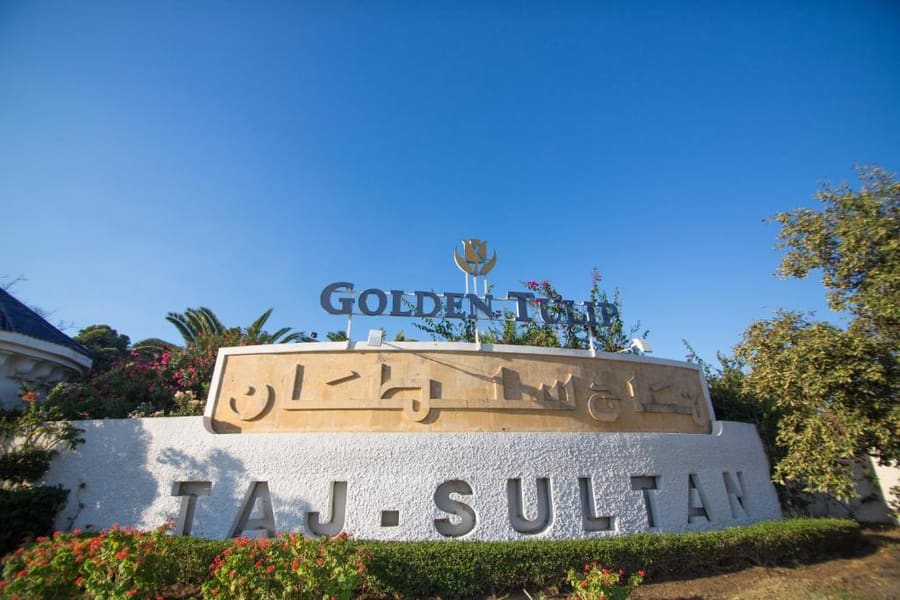
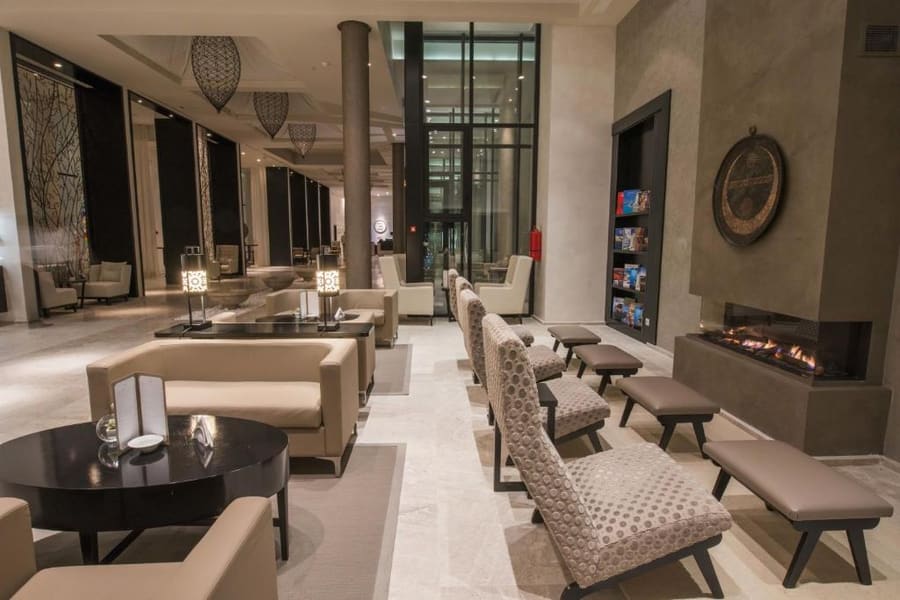
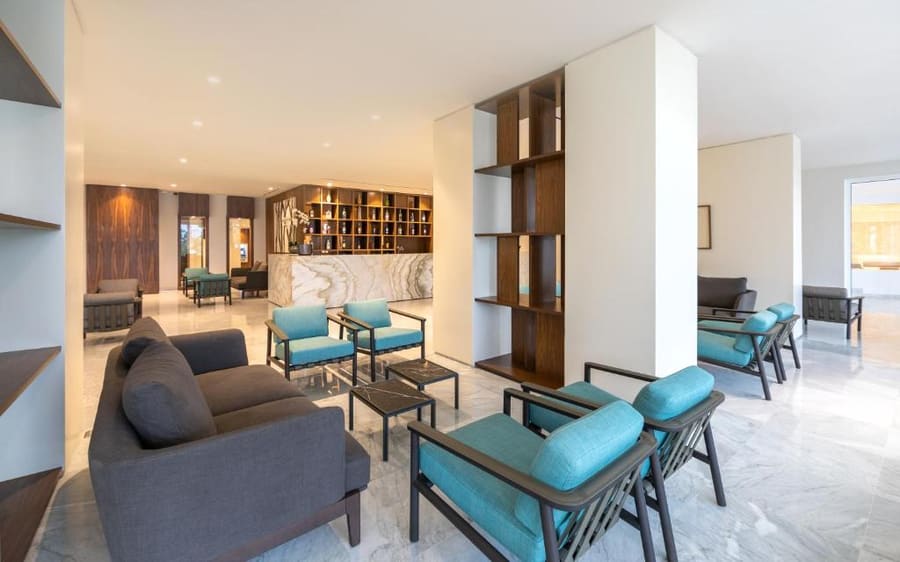
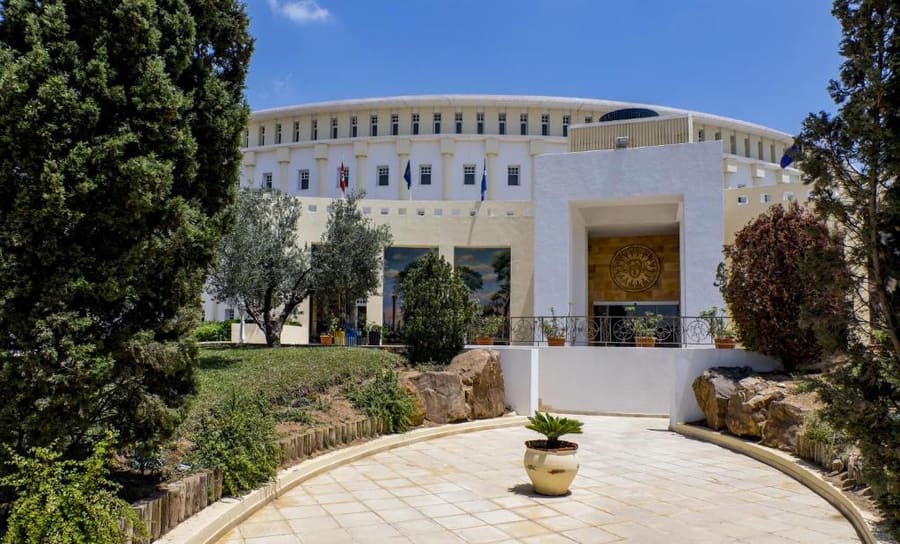
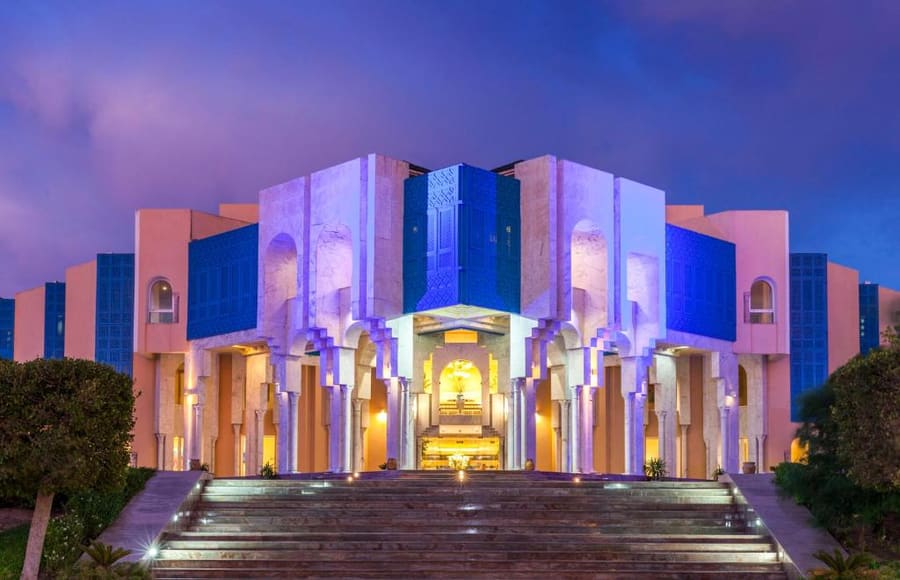
Choose your accommodation based on whether you prefer historical walking access or full-service beach resorts.
Live rates, matched to the areas above.
transport
Hammamet spans several kilometers along the shore. Yellow metered taxis move people between Centre Ville and Yasmine Hammamet quickly, while louage vans handle intercity routes.
From Enfidha-Hammamet International Airport (NBE)
Confirm fare before departing; airport rates run higher at night.
Regional bus line connects NBE to Hammamet central station.
Pre-book for hotel door service without negotiating.
Local taxis use meters within city limits. Insist on the meter turning on before starting.
Hammamet rail station has limited daily departures toward Tunis or Sousse.
cost
Hammamet operates on Tunisian Dinar (TND). Local cafes accept cash while large resorts take international credit cards.
Local cafes outside resort zones offer cheap coffee.
Fresh seafood meal at standard town restaurants.
Trips between Medina and Centre Ville remain cheap.
Includes access to the ramparts and museum room.
seasonality
MAR – MAY
Mild weather perfect for medina walks; sea water remains cold.
JUN – AUG
Hot summer days bring busy beaches and high hotel rates.
SEP – OCT
Warm waters and thinner crowds make autumn an ideal time to visit.
NOV – FEB
Quiet winters mean cheap rooms, though some resort venues close.
practicalities
Summer sun reflects off whitewashed medina walls; bring hats and sunblock.
Small shops, street markets, and yellow taxis rarely accept credit cards.
Offer half the initial asking price in the medina and negotiate up from there.
Some family businesses in the medina close briefly on Friday afternoons.
Resort beaches offer loungers while public strips get crowded on summer weekends.