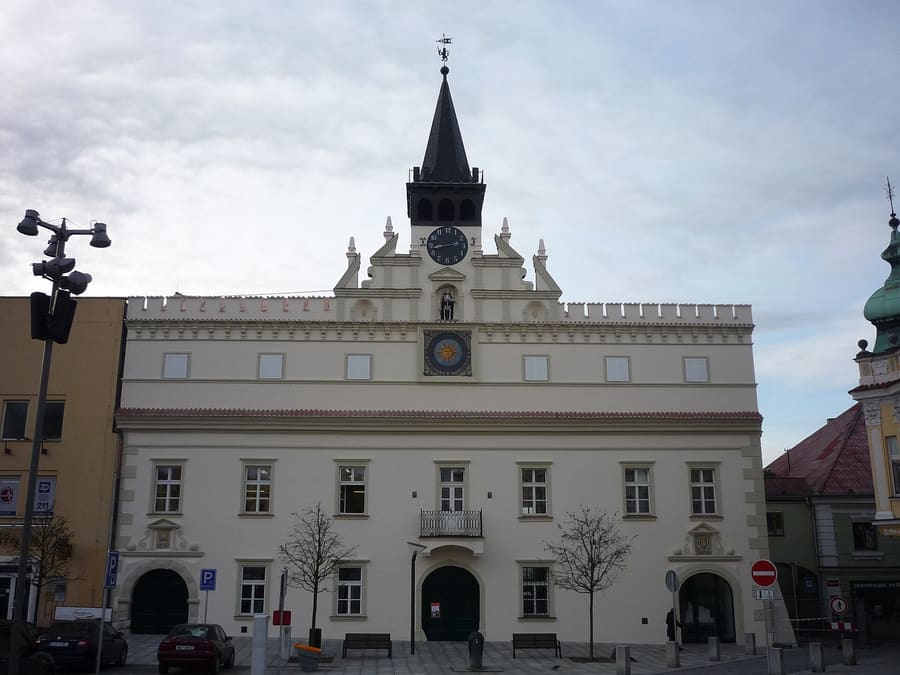
landmark
Havlíčkovo náměstí
Sloping central square ringed by Renaissance facades and home to the town's central fountain.
Ask Parley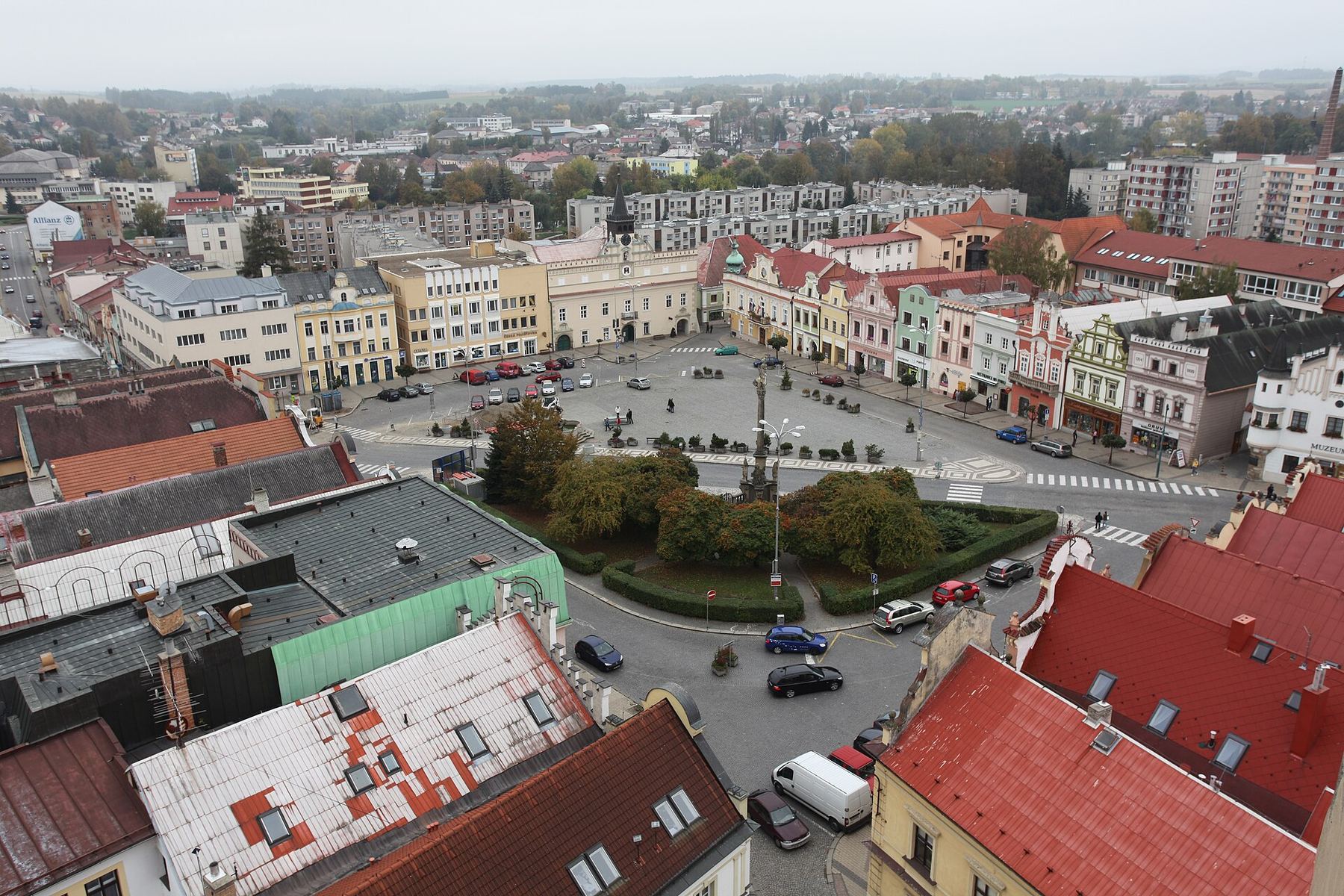
Czechia
A historic Vysočina rail hub known for silver and beer.
introduction
Havlíčkův Brod sits on the Sázava River in the rolling hills of the Vysočina region. It operates as a quiet provincial centre and a major train junction connecting Bohemia and Moravia. You can easily walk the compact medieval core within two hours. Expect traditional Czech brewing culture, restored gothic architecture, and peaceful parks without heavy tourist crowds.
Town square layout
The main square features intact Renaissance gables and a central fountain. You can cross the entire old town on foot in ten minutes.
Local brewing tradition
Rebel beer has been brewed near the town center since 1834. Local pubs serve unpasteurized lagers directly from brewery tanks.
Havlíčkův Brod
Ben Skála, Benfoto · CC BY-SA 3.0
Staré Město — Cobblestone historic square, Renaissance arcades, and traditional pub dining.
JirKla · CC BY 4.0
Park Budoucnost District — Quiet residential streets border a linear park with ponds and walking trails.
Pohled 111 · CC BY-SA 4.0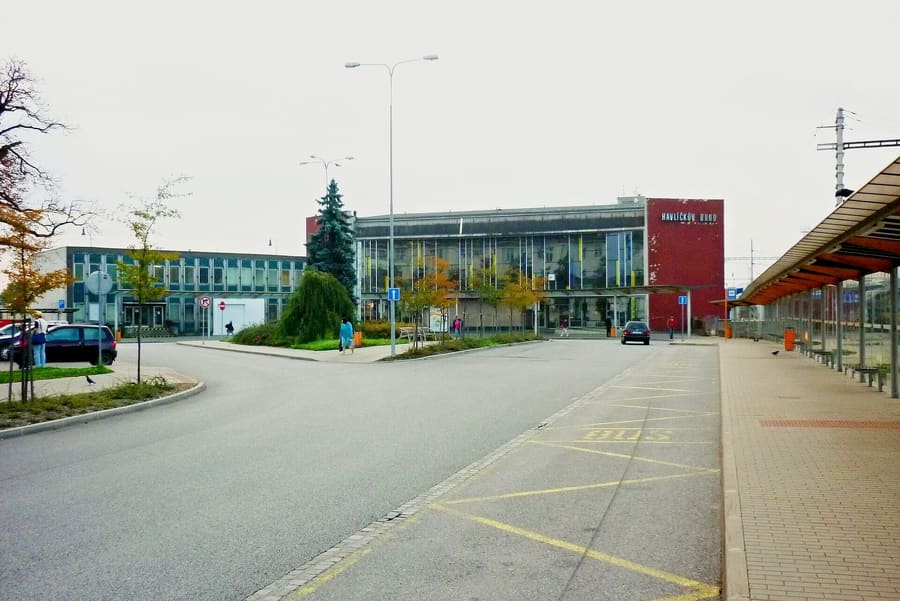
Nádražní Station Quarter — Transit hub area with practical shops, budget pubs, and direct rail platforms.
Fojsinek · CC BY-SA 3.0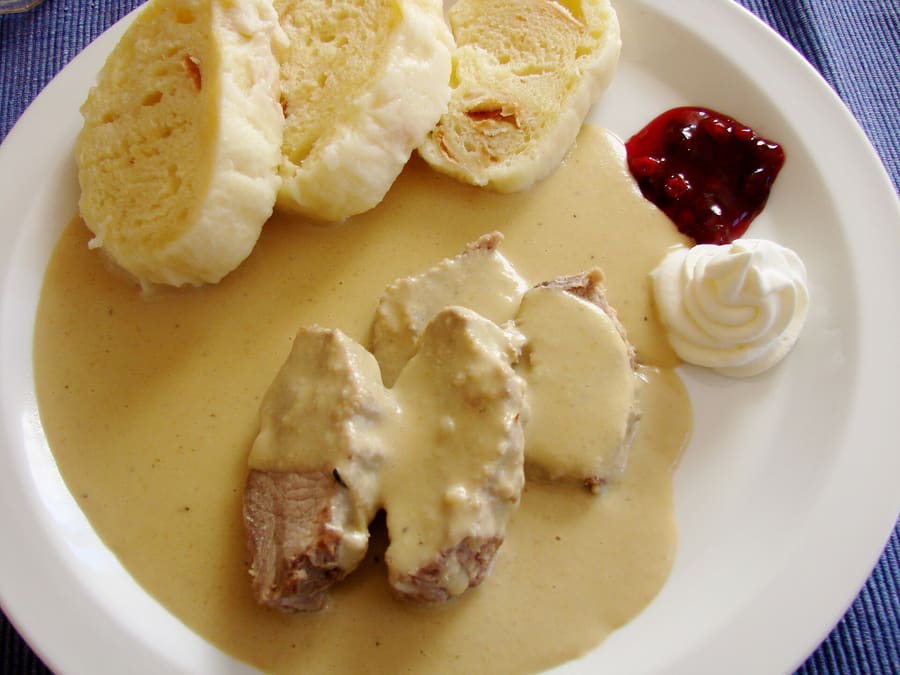
A classic Czech meal served with locally brewed Rebel unpasteurized draft beer.
Matyáš Havel · CC BY-SA 3.0highlights
landmark
Sloping central square ringed by Renaissance facades and home to the town's central fountain.
Ask Parley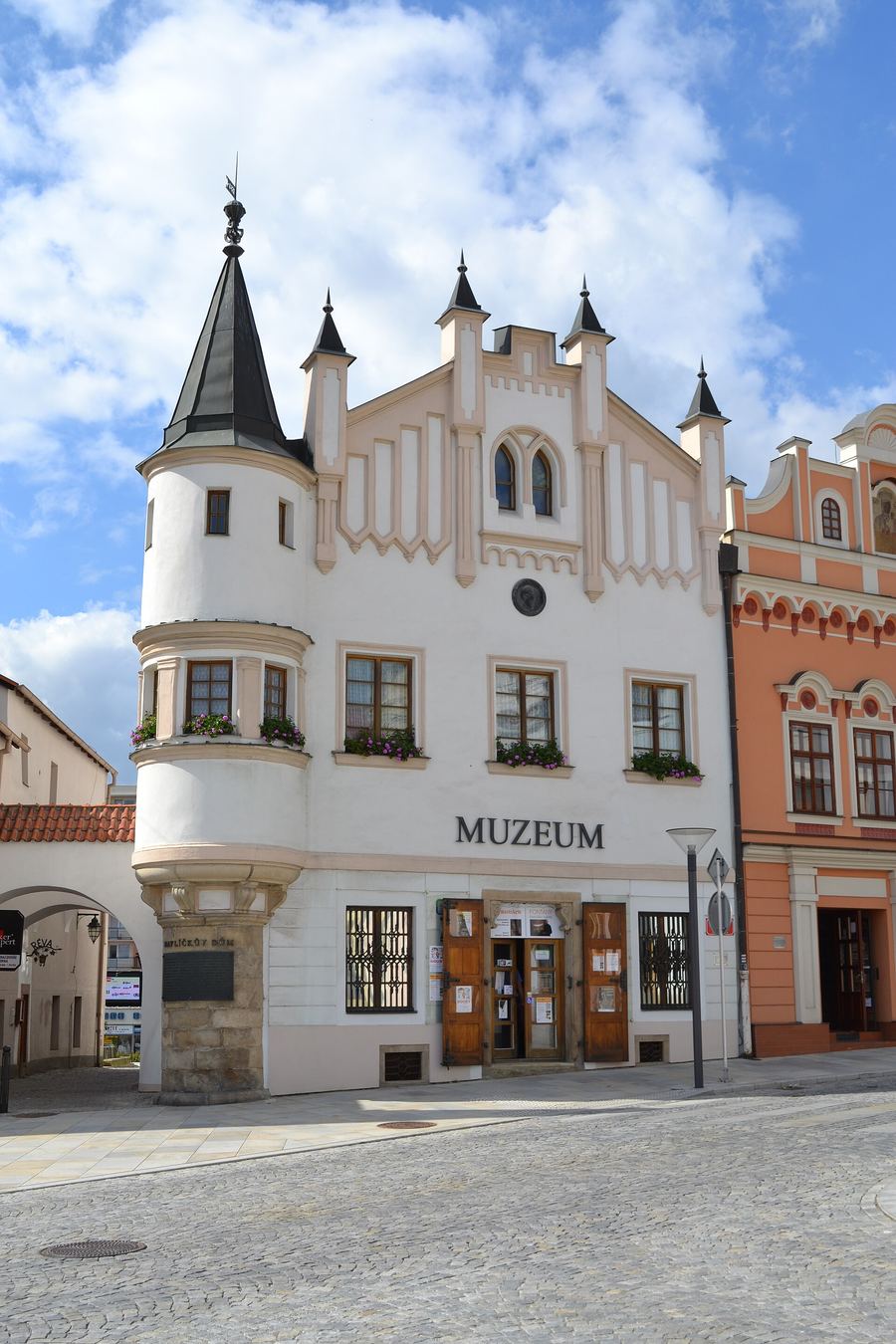
landmark
Historic home of publisher Karel Havlíček Borovský, displaying 19th-century political history.
Ask Parley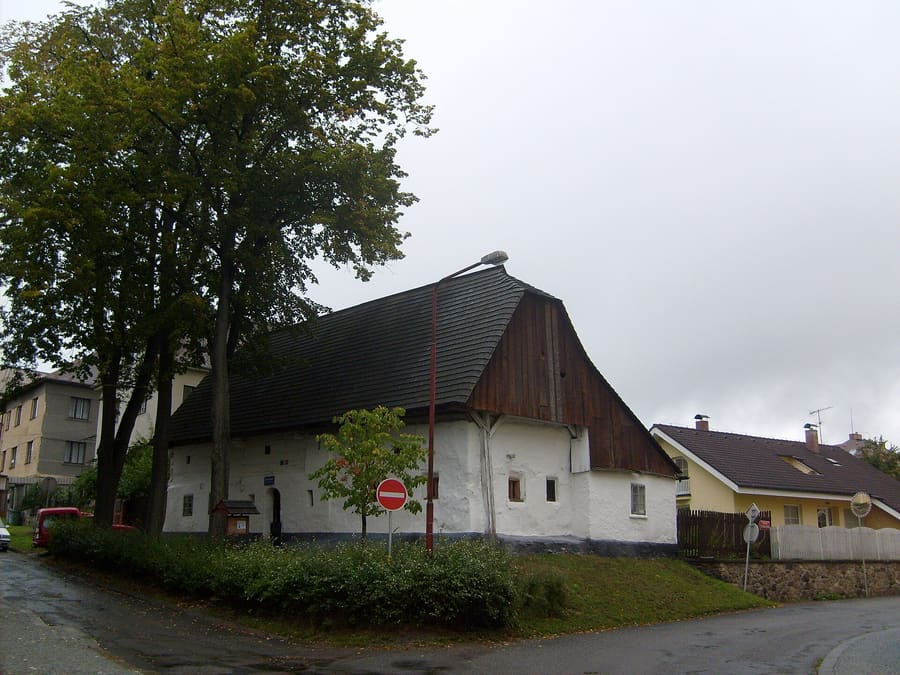
landmark
A rare surviving 16th-century vernacular timber cottage located just outside the old walls.
Ask Parley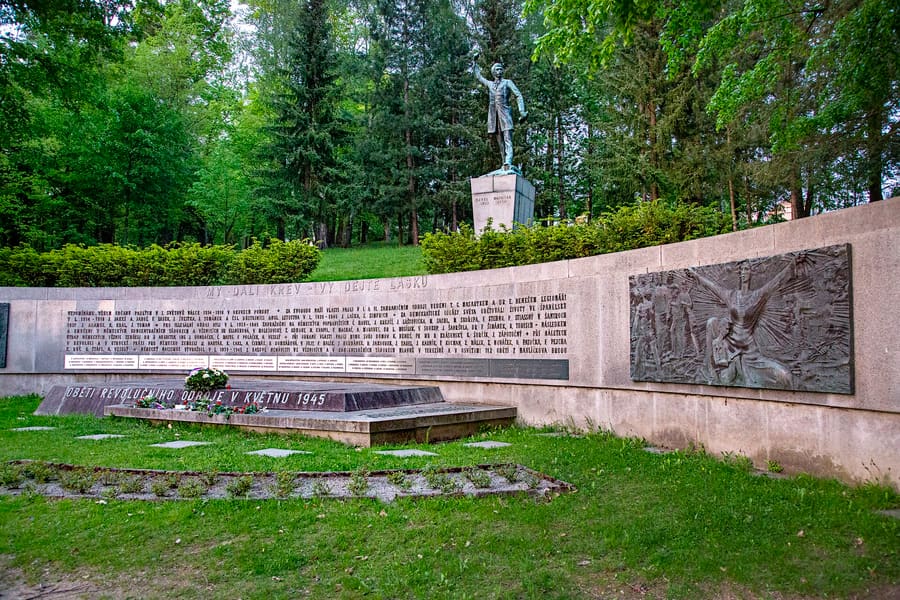
landmark
Expansive green park featuring a chain of ponds, shaded paths, and outdoor walking trails.
Ask Parley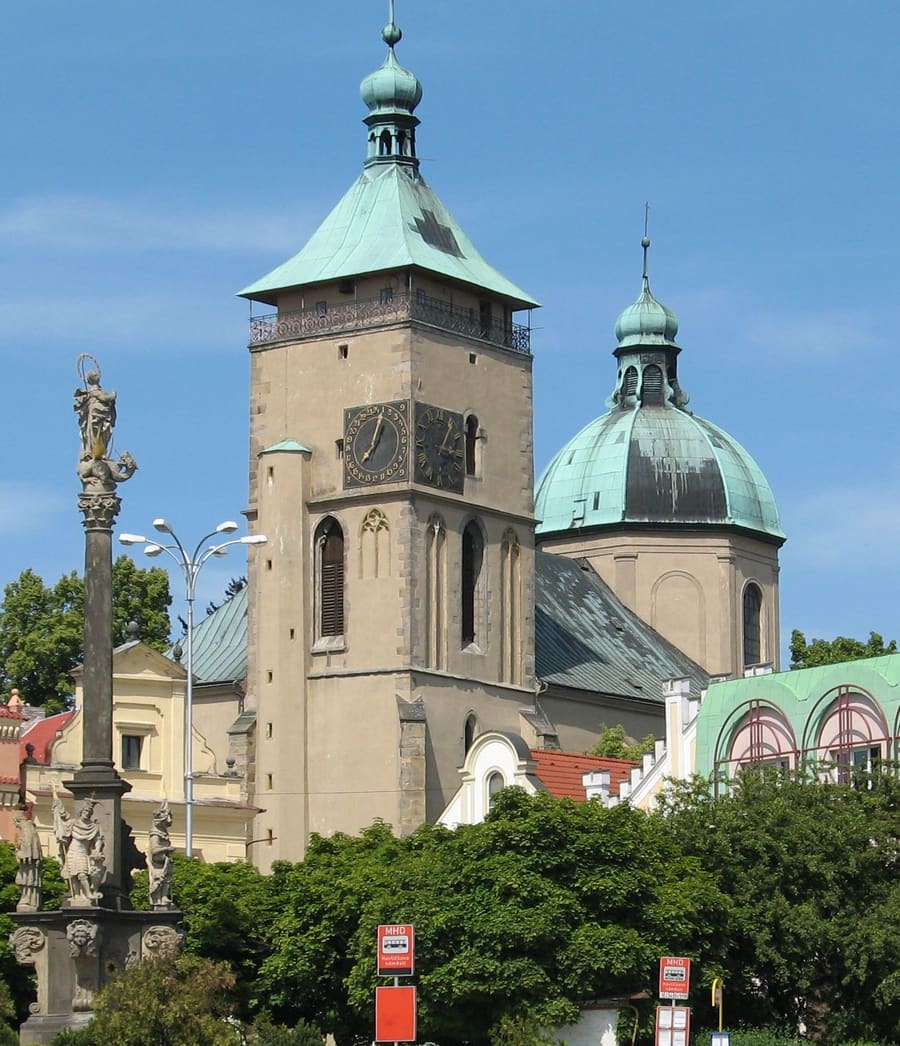
landmark
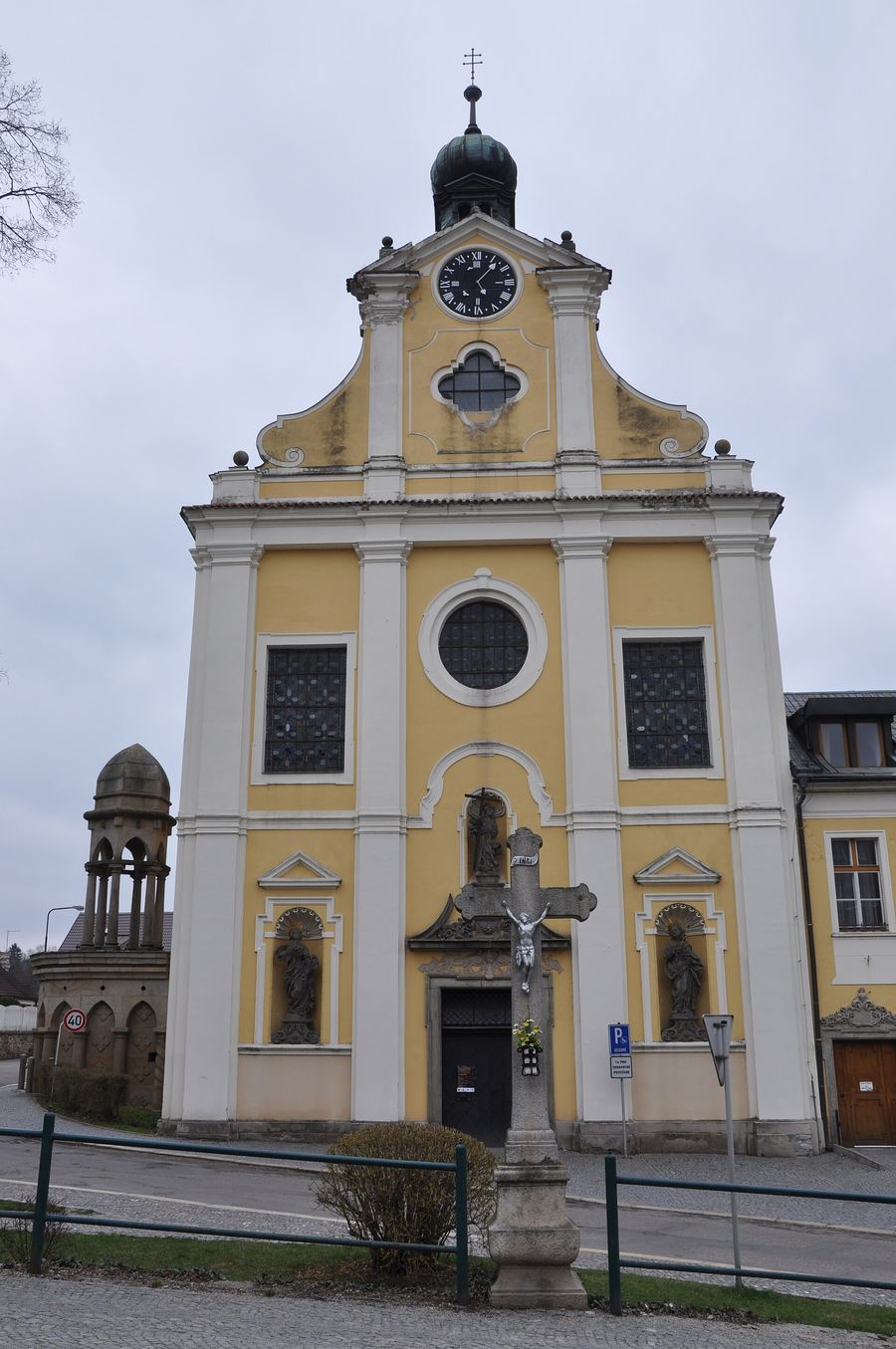
Gothic parish church with an iconic bell tower offering open views across the town rooflines.
Ask Parley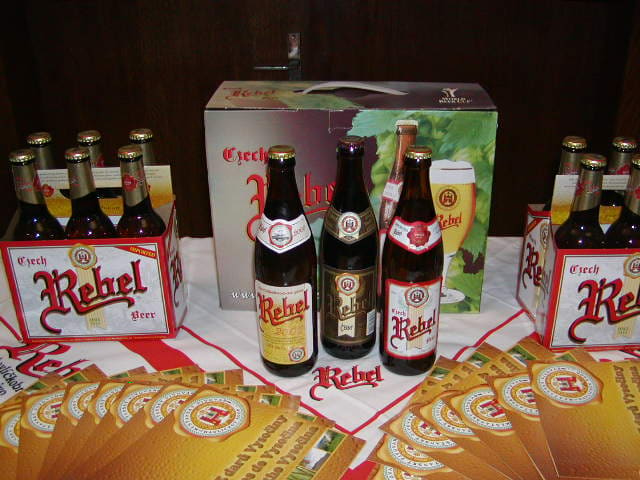
landmark
Independent town brewery producing traditional Czech lagers on site since the early 19th century.
Ask Parleyattractions
areas
Cobblestone historic square, Renaissance arcades, and traditional pub dining.
NearbyHavlíček House and central shops
Ask ParleyQuiet residential streets border a linear park with ponds and walking trails.
NearbyBudoucnost ponds and nature trails
Ask ParleyTransit hub area with practical shops, budget pubs, and direct rail platforms.
NearbyMain train and bus terminals
Ask ParleyGreen river trail corridor connecting the city center to surrounding forests.
NearbySázava bike paths and Rebel Brewery
Ask Parleyfood
Dining in Havlíčkův Brod centers on hearty regional Czech cuisine and local draft beer. The city's food culture is deeply tied to Měšťanský pivovar (Burgher Brewery), a private joint-stock company that produces Rebel lager directly in town. Potato dishes feature heavily on menus across the region, reflecting Vysočina's agricultural history.Lunch menus (denní nabídka) offer the best value between 11:00 and 14:00. Local pubs serve classics like roasted pork loin with dumplings, beef goulash, and potato soup. Dinner service is generally casual, with most establishments closing kitchen operations by 21:00.
A classic Czech meal served with locally brewed Rebel unpasteurized draft beer.
Matyáš Havel · CC BY-SA 3.0Pivovarská Hostinec at the brewery compound serves fresh Rebel lager straight from the cellar tanks.
Midday menus on weekdays cost significantly less than dinner orders, typically around 140 CZK to 180 CZK.
Smaller traditional pubs around the square still expect cash payment for orders under 200 CZK.
history
Founded in the 13th century as Brod (meaning 'ford'), the settlement grew rapidly due to silver mining along the Sázava River. German miners initially settled the area, giving it its historical German name, Deutschbrod. During the Hussite Wars in 1422, the town was largely destroyed by Jan Žižka's forces before being rebuilt.In 1945, the town was renamed Havlíčkův Brod to honor Karel Havlíček Borovský, a 19th-century political writer who lived here. The town evolved into a key rail transport hub in the 19th and 20th centuries, connecting regional trade routes across central Bohemia and Moravia.
Silver Rush Settlement
Brod is established as a mining town along the Sázava river trade route.
Hussite Conquest
Jan Žižka captures and burns the town; reconstruction begins decades later.
Brewery Founded
Local burghers establish the town brewery, precursor to the modern Rebel brand.
City Renaming
Německý Brod is officially renamed Havlíčkův Brod after patriot Karel Havlíček Borovský.
where to stay
Choose your base depending on your travel style: stay near Havlíčkovo náměstí for historic charm and quick access to dining, or near the main train station if you plan daily regional excursions by rail.
transport
Havlíčkův Brod is easily navigated on foot. The distance between the main rail station and the central square is under one kilometer. Local city buses serve outer neighborhoods, but visitors rarely need them.
From Havlíčkův Brod main train station (Nádraží Havlíčkův Brod)
Local city buses run frequently from the forecourt outside the main train station.
Taxis wait outside the main station exit; cash is preferred.
Havlíčkův Brod connects directly to Jihlava, Brno, and Prague without requiring transfers.
You can reach all central city sights on foot within fifteen minutes from the square.
Purchase train tickets via the Můj Vlak mobile app to skip queues at station counters.
cost
Havlíčkův Brod is significantly cheaper than major Czech tourist hubs like Prague or Český Krumlov. Food and drink costs remain domestic and budget-friendly.
Local Rebel lager costs notably less in neighborhood pubs than national brands in capital cities.
Includes soup and a main course during weekday midday service hours.
Standard adult admission for Havlíček House and regional exhibits.
Single ride ticket valid on municipal bus routes across town.
seasonality
MAR – MAY
Mild spring weather ideal for park walking and regional train trips.
JUN – AUG
Warmest weather for Sázava river cycling; outdoor brewery terraces operate at full capacity.
SEP – NOV
Cool autumn temperatures and colorful foliage in Budoucnost Park.
DEC – FEB
Cold conditions with quiet streets; ideal for warm pub dining and historical exhibits.
practicalities
Most central retail shops close by midday on Saturday and remain shut all day Sunday.
Carry small Czech koruna cash for local bakeries, markets, and smaller pubs.
Older locals often speak basic German; younger service staff usually speak basic English.
Marked bike route 19 runs along the Sázava river right through the center.
Use the train station as a launching point for day trips across Vysočina.