
landmark
Palace of Culture
Neo-Gothic complex housing four regional museums. One combo ticket grants access to all indoor exhibit halls.
Romania
Moldavia's academic capital built across seven green hills.
Iași operates as Romania's primary eastern academic hub and historic Moldavian seat. The city layout spans seven hills along the Bahlui River, anchored by a broad central pedestrian boulevard. You can walk most key sites within twenty minutes, though reaching suburban hilltop monasteries requires taking a bus, taxi, or walking, as trams do not run up to them. Expect lower prices than Bucharest alongside a steady student energy.
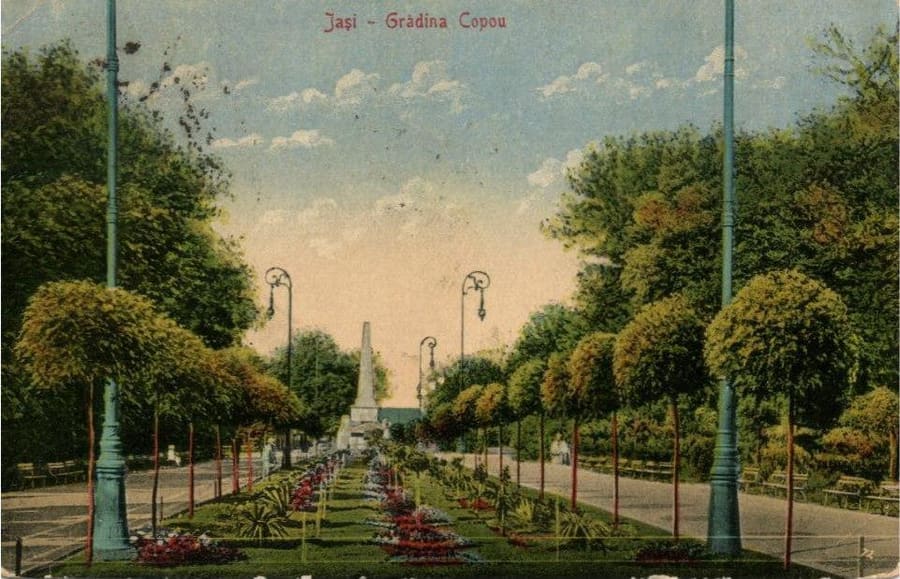
Copou — Leafy academic avenue packed with university halls, historic parks, and quiet coffee shops.
Tătărași — Residential district with mid-century blocks, local food markets, and Ciric park nearby.
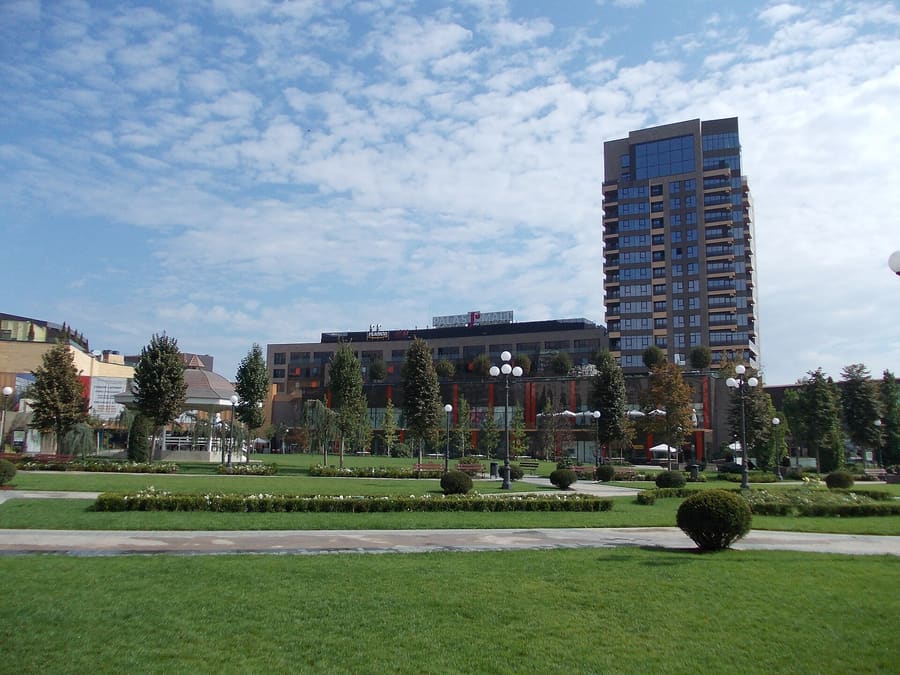
Palas — Modern commercial quarter featuring manicured gardens, open-air dining, and office towers.
Tochitură moldovenească served with hot polenta, fried egg, and salted cheese.
01
landmark
Neo-Gothic complex housing four regional museums. One combo ticket grants access to all indoor exhibit halls.
landmark
Seventeenth-century church covered in carved stone lace. Cover shoulders and knees before entering the nave.
landmark
Oldest public park in Moldavia, home to Eminescu's 500-year-old linden tree. Benches fill quickly on sunny afternoons.
landmark
Hilltop fortified monastery offering clear views across the southern city. Take tram 9 to the base of the hill.
landmark
Central square lined with 19th-century hotels and trams. Connects direct to the main pedestrian artery.
02
03
Broad stone pedestrian boulevard lined with grand churches, outdoor cafes, and civic buildings.
NearbyPalace of Culture, Metropolitan Cathedral
Ask ParleyLeafy academic avenue packed with university halls, historic parks, and quiet coffee shops.
NearbyBotanical Garden, Copou Park
Ask ParleyResidential district with mid-century blocks, local food markets, and Ciric park nearby.
NearbyCiric Leisure Park, Tătărași Market
Ask ParleyModern commercial quarter featuring manicured gardens, open-air dining, and office towers.
NearbyPalace of Culture, Sfântul Andrei
Ask Parley04
Dining in Iași focuses on regional Moldavian comfort foods served in generous portions. Garlic, sour cream, and cornmeal feature in most traditional main courses. You pay significantly less here than in Cluj or Bucharest for full sit-down meals.Local restaurants emphasize slow-cooked pork, regional cheeses, and sour soups called ciorbă. Moldavia excels at rich broths seasoned with fermented wheat bran or vinegar. Pair meals with local Cotnari white wines produced in the nearby hills.
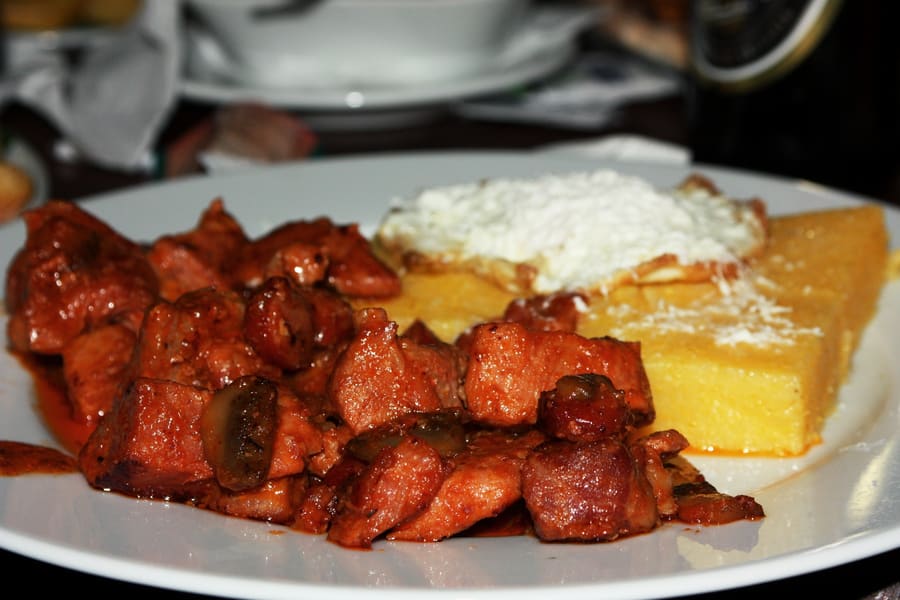
Tochitură moldovenească served with hot polenta, fried egg, and salted cheese.
This staple dish combines pan-fried pork, sausage, polenta, a fried egg, and sharp sheep cheese.
Traditional places near Cuza University offer weekday daily specials (meniul zilei) for under 35 RON.
Contactless card payments work at all central restaurants and cafes. Keep small cash for bakeries.
05
Iași became the capital of Moldavia in 1564 when Prince Alexandru Lăpușneanu moved the court from Suceava. Its location provided weaker defense, as the Ottomans specifically required an unfortified, easily controlled capital in the plain, while fostering trade along eastern European routes.In 1860, the city established Romania's first university, solidifying its role as an intellectual hub. During World War I, Iași briefly served as Romania's national capital when southern territories fell under occupation.
Capital of Moldavia
Prince Alexandru Lăpușneanu transfers the Moldavian court to Iași.
Three Hierarchs Built
Prince Vasile Lupu constructs the monastery, introducing stone carving mastery.
First Romanian University
Alexandru Ioan Cuza University opens, launching Iași's academic profile.
Wartime Capital
Iași hosts the Romanian royal court and government during World War I.
Palace Completed
The Neo-Gothic Palace of Culture opens after two decades of construction.
06
Choose your location based on elevation and mobility. Centru puts you within immediate walking distance of major monuments and the pedestrian zone. Copou offers quiet, tree-lined streets near parks, though it sits higher up the hill. Palas provides modern hotel buildings with immediate access to complex parking and modern dining options.
Highly rated hotels in Iași.


07
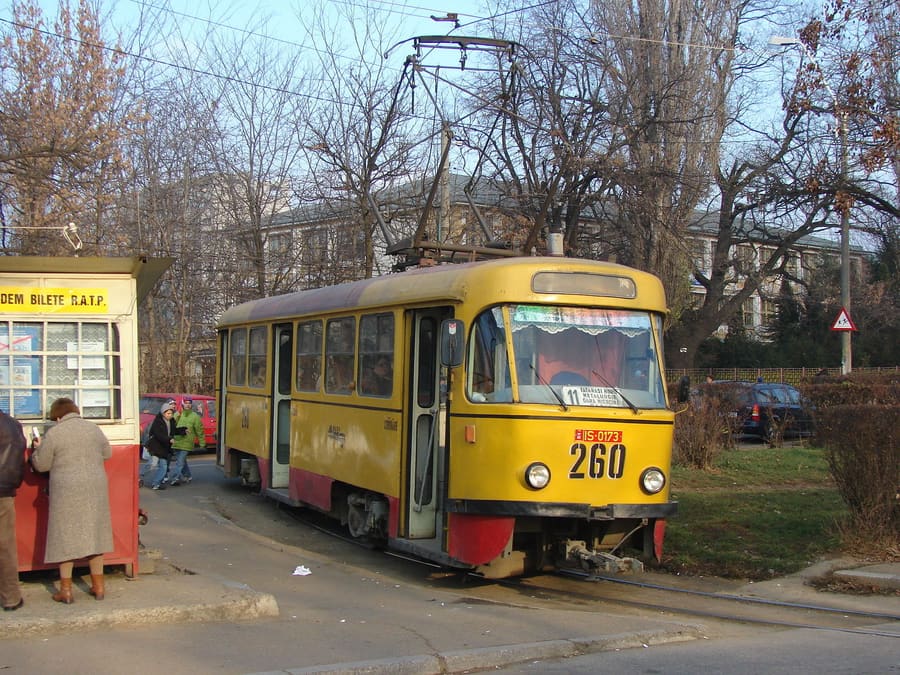
Iași features an extensive tram and bus network managed by CTP Iași. Central sights along Ștefan cel Mare Boulevard are strictly pedestrianized. Trams move efficiently between the lower city, the train station, and Copou hill.
From Iași International Airport (IAS)
Use official airport taxi ranks or dispatch apps to prevent overcharging.
Uber and Bolt pick up in designated lanes outside the passenger terminal.
Buy a 24-hour pass for 12 RON at automated street kiosks for unlimited rides.
The route from down to the is completely car-free.
Buses cross the Bahlui bridges slowly during 08:00–09:00 and 17:00–18:30 rush hours.
08
Iași remains significantly cheaper than Western European destinations and larger Romanian cities. Currency is the Romanian Leu (RON). Major card networks are accepted universally, but small amounts of cash help in markets.
Specialty coffee shops in Copou charge standard rates across all espresso drinks.
Grants access to four distinct museum galleries inside the .
Includes main meat courses, polenta sides, and local Moldavian wine.
09
MAR – MAY
Mild temperatures around 18°C. Botanical gardens bloom fully in late April.
JUN – AUG
Hot days reaching 32°C. Students leave for summer, making the city quiet.
SEP – NOV
University restarts in October. The Saint Parascheva pilgrimage brings hundreds of thousands.
DEC – FEB
Freezing conditions with frequent snow. Outdoor exploration requires heavy winter gear.
10
Around October 14, over 300,000 pilgrims visit the cathedral. Book hotels months ahead if travelling then.
Active Orthodox sites require covered shoulders and skirts or trousers below the knee.
Anastasie Fătu Botanical Garden covers 100 hectares. Wear walking shoes for dirt trails.
Euros are not accepted for cash transactions. Use ATMs to withdraw Romanian Lei (RON).
Walking between non-adjacent districts involves steep incline climbs. Use trams for uphill legs.
Contents
Your trip
Going to Iași?
Tell Parley when you’re going and what you enjoy, and it plans the days around this guide.
Plan with Parley


