
landmark
Kek Lok Tong
A natural cavern housing Buddhist statues that opens onto a landscaped garden. Arrive before 10:00 to beat the heat.
Malaysia
Tin-mining legacy, limestone hills, and Malaysia's coffee capital.
Ipoh built its fortune on British tin mining along the Kinta River, leaving behind wide colonial avenues and a formidable food culture. Limestone cliffs ring the valley, sheltering centuries-old cave temples just beyond the urban grid. You navigate Old Town on foot for noodles and white coffee, then rely on rideshares to reach the outer caves. The city moves at a relaxed pace compared to Kuala Lumpur, closing early outside the main dining strips.
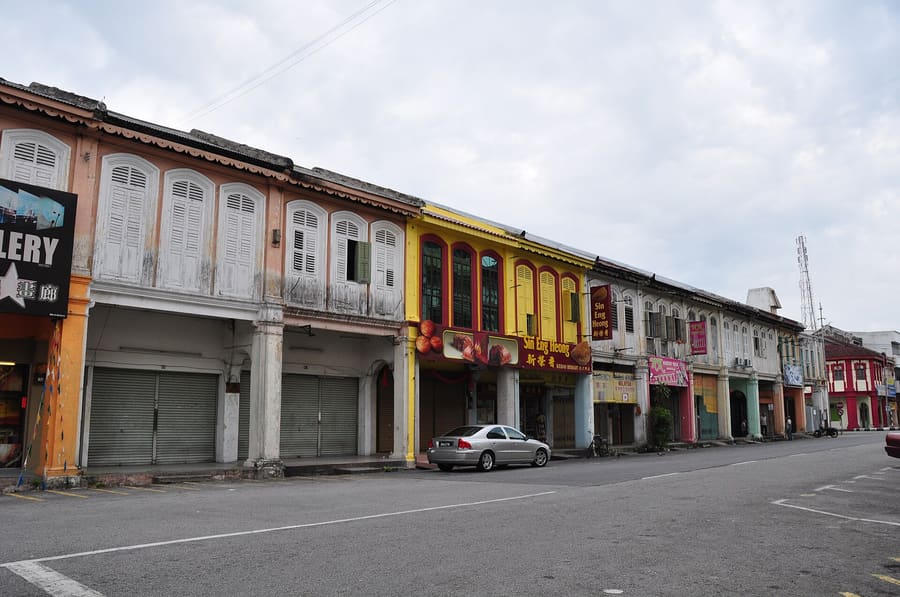
New Town — A grid of late-night bean sprout chicken shops, dessert parlours, and souvenir bakeries.
Tambun — A quiet eastern suburb set against limestone peaks, famous for resorts and pomelo orchards.
Traditional Ipoh white coffee served in a classic thick-rimmed porcelain cup.
01
landmark
A natural cavern housing Buddhist statues that opens onto a landscaped garden. Arrive before 10:00 to beat the heat.
landmark
A cliffside temple featuring vivid interior murals and a 450-step climb to a valley lookout. Wear shoes with reliable grip.
landmark
A 1917 colonial landmark blending British and Mughal design. Walk the front plaza in late afternoon for optimal light.
landmark
Ipoh's oldest cave temple features a secluded turtle pond and a red pagoda. Enter early before tour buses arrive.
02
03
Colonial arcades, mural alleys, and traditional coffee shops west of the Kinta River.
NearbyIpoh Railway Station and Concubine Lane
Ask ParleyA grid of late-night bean sprout chicken shops, dessert parlours, and souvenir bakeries.
NearbyJalan Yau Tet Shin dining strip
Ask ParleyModern commercial hub filled with business hotels, modern cafes, and office blocks.
NearbyIpoh Parade Mall and administrative buildings
Ask ParleyA quiet eastern suburb set against limestone peaks, famous for resorts and pomelo orchards.
NearbyLost World of Tambun and thermal springs
Ask Parley04
Ipoh's culinary reputation rests on its mineral-rich limestone water, which locals credit for silky rice noodles and crunchy bean sprouts. Coffee beans here are roasted with palm oil margarine, creating a caramelised base served with condensed milk as Ipoh white coffee. Dining centers around traditional kopitiam coffee shops where individual stall owners operate under one roof.
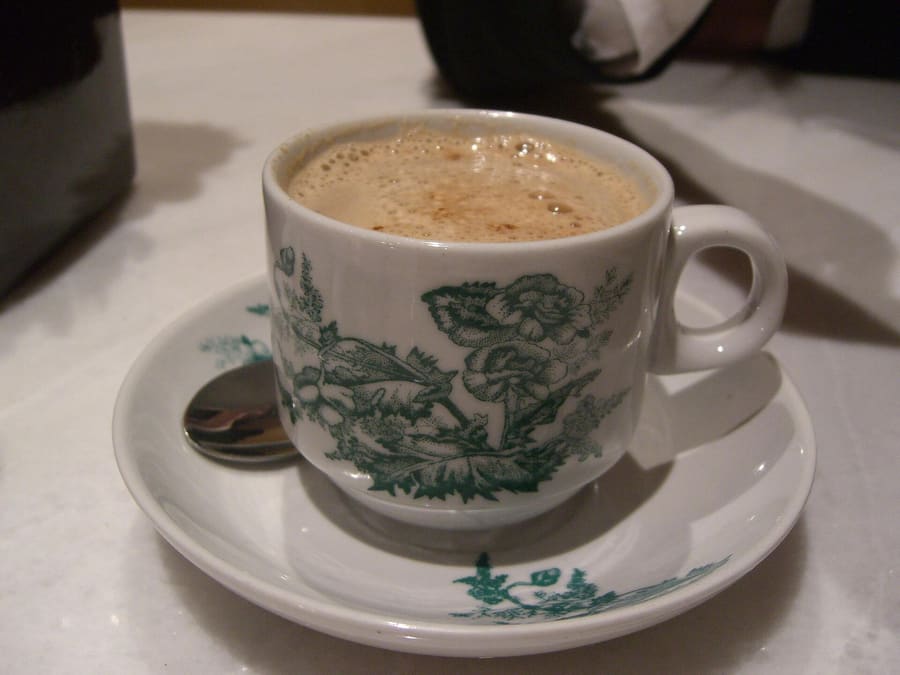
Traditional Ipoh white coffee served in a classic thick-rimmed porcelain cup.
Ipoh white coffee originated at Kedai Kopi Sin Yoon Loong on Jalan Treacher. Expect long morning queues; arrive before 08:30 for a seat.
At Lou Wong or Ong Kee, bean sprout chicken is served as two separate plates: poached chicken in light soy sauce and crisp sprouts sprinkled with pepper.
05
Ipoh transformed from a quiet Malay village on the Kinta River into the tin capital of the world during the late 19th century. Chinese miners and British capital created vast wealth, financing the Victorian and Art Deco architecture that still lines Old Town.
Tin Boom Begins
The discovery of massive tin deposits along the Kinta Valley attracts thousands of Chinese immigrants and British mining firms.
The Great Fire
A fire destroys much of the wooden village. The town is rebuilt on a grid pattern with brick and plaster shophouses.
Taj Mahal of Ipoh
The grand Ipoh Railway Station opens, marking the city's status as a major administrative hub of British Malaya.
06
Choose your base by your preferred mode of exploration. Stay in Old Town if you want to walk to historic kopitiams and mural alleys straight from your lobby. Choose New Town for evening food markets, or Tambun if you want hot springs and mountain views.
Highly rated hotels in Ipoh.


07
Ipoh Old Town is compact enough to explore on foot, but high temperatures make walking challenging past midday. E-hailing services are fast, reliable, and inexpensive for reaching outer cave temples.
From Ipoh Railway Station (IPH)
ETS train from KL Sentral directly to Old Town. Book seats weeks ahead.
Grab cars pick up directly at the station exit for central hotels.
Intercity buses arrive at Amanjaya Terminal, 10 km north of central Ipoh.
Public buses to outer sites like are infrequent. Grab rides anywhere within the city grid typically cost RM 8 to RM 15.
Traffic jams choke Jalan Sultan Iskandar and Jalan Raja Ekram between 17:30 and 19:00.
If driving, display physical paper parking coupons or use the Park@Perak smartphone application on weekdays.
08
Ipoh remains significantly cheaper than Kuala Lumpur and Penang. Eating at traditional hawker stalls and taking short rideshares keep daily expenses low.
A standard glass of hot or iced white coffee at historic Old Town cafes.
Shredded chicken flat rice noodle soup at central morning eateries.
One-way fare connecting Old Town and New Town hotels.
Most historic cave temples like and do not charge admission, though donation boxes are present.
09
DEC – FEB
Dryer weather coincides with Chinese New Year celebrations. Expect heavy crowds, closed family stalls, and peak hotel room rates.
MAR – MAY
Rising heat and humidity with afternoon showers. Old Town walkability drops after noon; cave exploration is best done at dawn.
JUN – AUG
Relatively dry months with consistent heat. Favorable conditions for cave climbing and outdoor photography.
SEP – NOV
Peak monsoon rainfall brings heavy afternoon downpours. Outdoor walks are frequently interrupted by 16:00.
10
Breakfast spots open by 07:00 and often sell out of signature dishes by 11:30.
Cover shoulders and knees when visiting active Buddhist and Hindu cave shrines.
Historic coffee shops, pomelo stalls, and street hawkers do not accept credit cards.
Cantonese and Bahasa Malaysia are widely spoken, and basic English is understood in tourist businesses.
Humidity inside unventilated limestone caves is high; carry bottled water during climbs.
Contents
Your trip
Going to Ipoh?
Tell Parley when you’re going and what you enjoy, and it plans the days around this guide.
Plan with Parley


