
landmark
Shiramizu Amida-do
Fukushima's only National Treasure building, constructed in 1160. Take the local bus from Uchigo Station.
Japan
Coal mines turned hot springs on the Fukushima coast.
Iwaki sprawls across Fukushima's southeastern coast, covering a massive geographic footprint formed by merging coal towns in 1966. You move through it by train or rental car, connecting hot spring resorts in Yumoto to coastal ports in Onahama. Expect an industrial base wrapped around thermal waters, devoid of crowded tourist corridors.
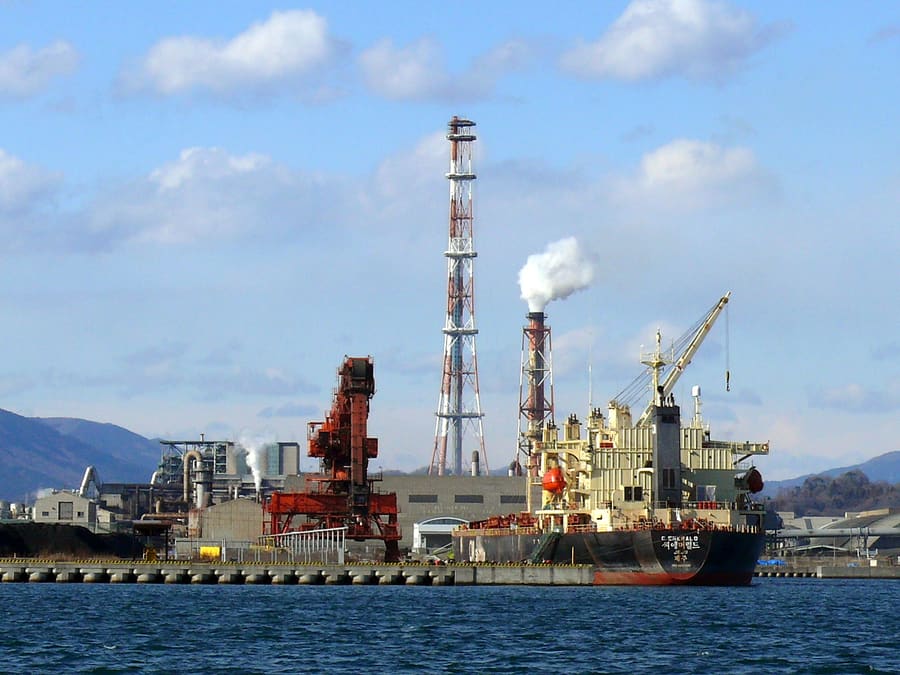
Onahama — Working fish port, industrial docks, glass-domed aquarium, and seafood markets.
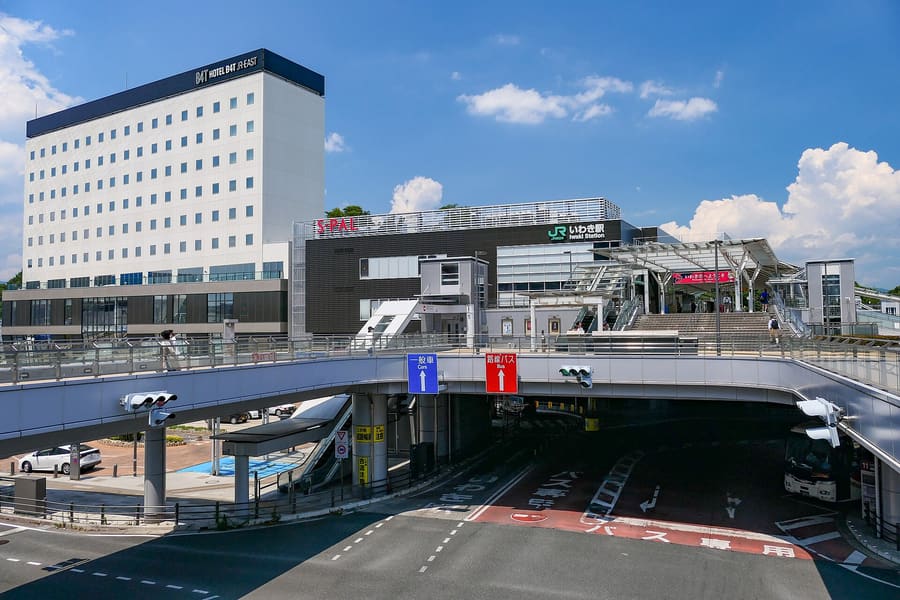
Taira — Commercial hub with izakayas, business hotels, and regional transit connections.
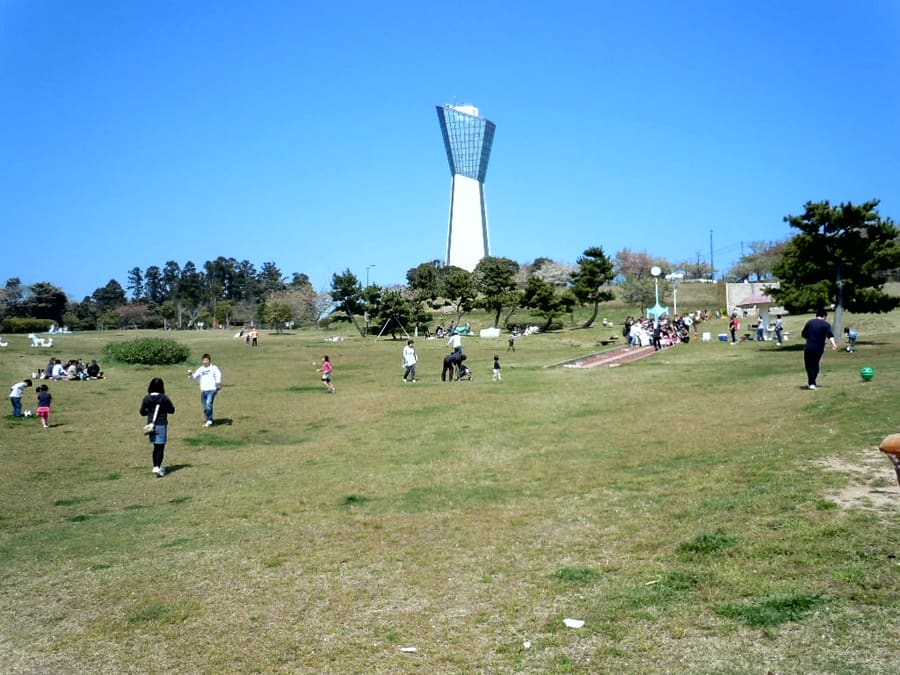
Misaki — Coastal parkland, clifftop views, and Pacific ocean breezes near Shioyasaki.
Deep-sea catches define the Joban coastline dining scene.
01
landmark
Fukushima's only National Treasure building, constructed in 1160. Take the local bus from Uchigo Station.
landmark
A glass-domed aquarium showcasing the Kuroshio and Oyashio ocean current collision zone. Visit before noon to avoid tour buses.
landmark
Sulfur-rich thermal baths fed by ancient groundwater. Public bathhouses charge around 300 yen per entry.
landmark
Displays local dinosaur fossils alongside restored 19th-century mining shafts. Walk 10 minutes west from Yumoto Station.
landmark
A climbable coastal beacon atop chalk cliffs facing the Pacific Ocean. Entrance costs 300 yen.
02
03
Thermal steam, bathhouse lanterns, and retro Showa architecture surrounding the central train station.
NearbySpa Resort Hawaiians and Horuru Museum.
Ask ParleyWorking fish port, industrial docks, glass-domed aquarium, and seafood markets.
NearbyAquamarine Fukushima and Iwaki Lalamew.
Ask ParleyCommercial hub with izakayas, business hotels, and regional transit connections.
NearbyIwaki Station and downtown izakaya alleys.
Ask ParleyCoastal parkland, clifftop views, and Pacific ocean breezes near Shioyasaki.
NearbyShioyasaki Lighthouse and Misaki Park.
Ask Parley04
Iwaki sits where cold and warm ocean currents merge, producing high fish density along the Joban coast. Local deep-sea catches like mehikari (greeneye fish) are deep-fried whole, skin and soft bones included. Winter brings ankō nabe (monkfish hotpot), using every part of the fish cooked in a rich miso and monkfish-liver broth.
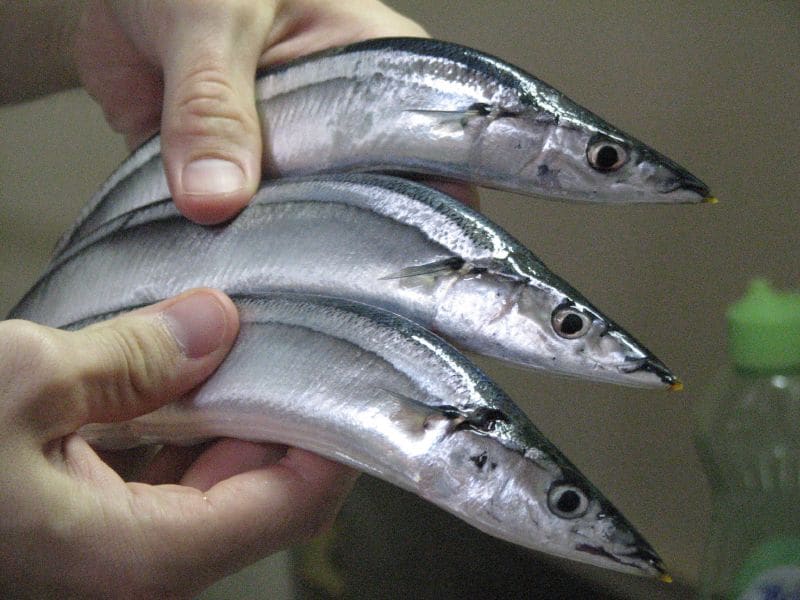
Deep-sea catches define the Joban coastline dining scene.
Order fried greeneye fish at izakayas near Iwaki Station; eat the head and tail whole.
Eat ankō nabe between November and March, when monkfish livers reach maximum fat density.
Pay cash at Onahama Port market stalls for grilled saury and raw sea urchin served on rice.
05
The discovery of coal in the 19th century transformed Iwaki into the Joban coalfield, fuel engine of Tokyo's industrial expansion. As oil replaced coal in the 1960s, local mine operators pumped hot spring water out of flooded shafts to build a tropical resort. The city consolidated 14 local municipalities in 1966 to create one unified industrial and tourism district.
Joban coalfield opens
Mining operations begin across the Joban seam, quickly supplying fuel to Tokyo markets.
The mega-city merge
Fourteen towns consolidate into Iwaki City, creating Japan's largest municipality by land area at the time.
Joban Hawaiian Center opens
Former miners retrain as performers as water pumped from shafts feeds Japan's first indoor tropical park.
Earthquake and recovery
Coastal areas rebuild after the Great East Japan Earthquake, restoring ports and marine research sites.
06
Choose your base based on transport and thermal baths. Stay in Yumoto for traditional hot spring inns with direct rail connections. Choose Taira near Iwaki Station if you rely on evening dining and late train arrivals. Select Onahama if you want coastal views and proximity to seafood markets.
Highly rated hotels in Iwaki.


07
Trains run north-south along the coastline and inland toward Koriyama. Moving between the station districts and coastal ports requires local buses or rental cars, as rail lines do not directly touch Onahama.
From Iwaki Station (JR Joban Line)
JR Hitachi or Tokiwa limited express directly from Tokyo Station to Iwaki.
Highway buses depart Tokyo Station Yaesu exit directly for Iwaki Station.
08
Iwaki offers regional Fukushima pricing, significantly lower than Tokyo for lodging and meals. Coastal seafood markets provide substantial meals for modest rates, while hot spring public baths cost very little.
Standard entry rate for public bathhouses like Sahako in Yumoto.
Fried greeneye set lunch with rice, soup, and pickles at port restaurants.
Full adult admission ticket to Spa Resort Hawaiians water complex.
One-way transit fare from the rail station to the port district.
09
MAR – MAY
Mild spring temperatures and cherry blossoms at Shiramizu Amida-do. Good walking weather.
JUN – AUG
Peak ocean swimming season and crowded water resorts. Book hotel rooms two months early.
SEP – NOV
Clear autumn skies and foliage in Natsuigawa Valley. Excellent monkfish season launch.
DEC – FEB
Chilly coastal winds but ideal conditions for hot spring bathing and monkfish hotpot.
10
Restaurant kitchens in Yumoto close by 20:00; eat early or dine in Taira.
Traditional public baths in Yumoto prohibit visible tattoos; check hotel bath rules.
Summer sea fog can reduce visibility along coastal routes around Shioyasaki.
Seafood vendors at Iwaki Lalamew generally take physical yen only.
Spa Resort Hawaiians operates direct free guest buses from Tokyo for overnight stayers.
Contents
Your trip
Going to Iwaki?
Tell Parley when you’re going and what you enjoy, and it plans the days around this guide.
Plan with Parley


