landmark
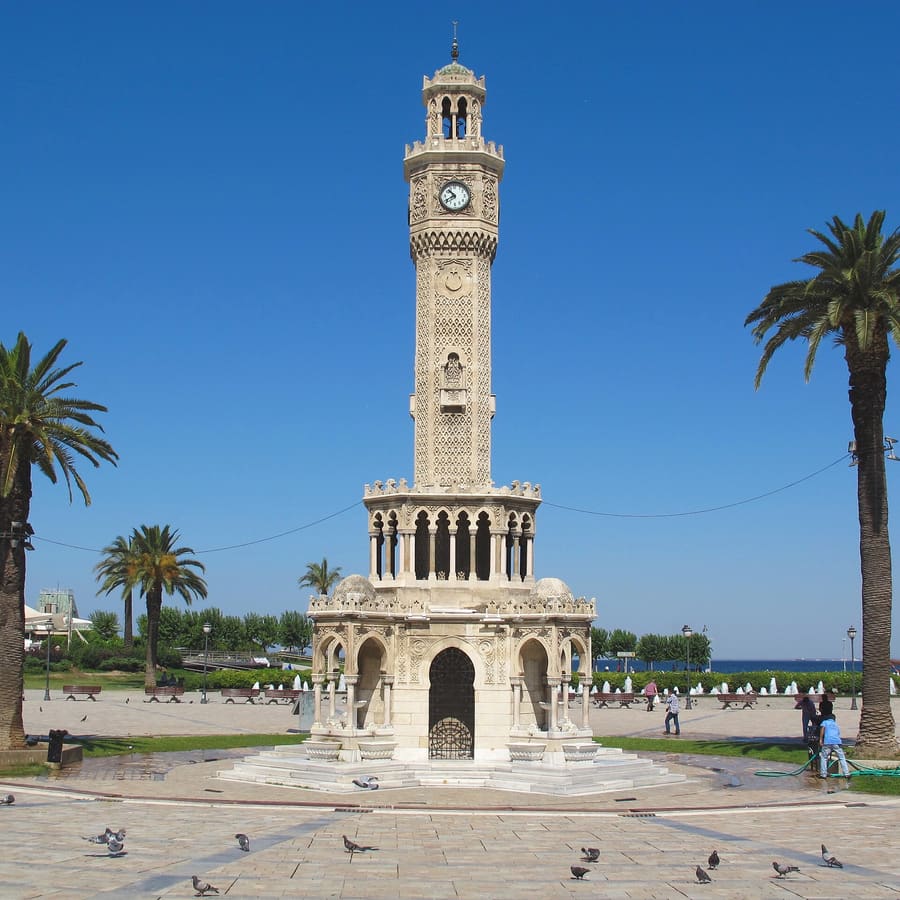
Izmir Clock Tower
Erected in 1901 at Konak Square. Visit early morning before heat and tour buses crowd the plaza.
Ask ParleyTürkiye
Turkey’s Aegean engine: coastal, secular, and relaxed.
introduction
Izmir stretches along a deep Aegean gulf, connected by long metro and commuter rail lines alongside its ferry service across the gulf. Life centers on the Kordon waterfront promenade, where residents gather at sunset with sunflower seeds and cold beer. The city trades imperial drama for Aegean ease, serving as an active port and gateway to ancient Ionian cities.
Izmirimkart transit pass
Buy an Izmirimkart at metro stations. It slashes fares across city ferries, buses, trams, and suburban trains.
Kemeraltı Market scale
Kemeraltı covers over 270 hectares. It remains one of the world's largest continuously active open-air bazaars.
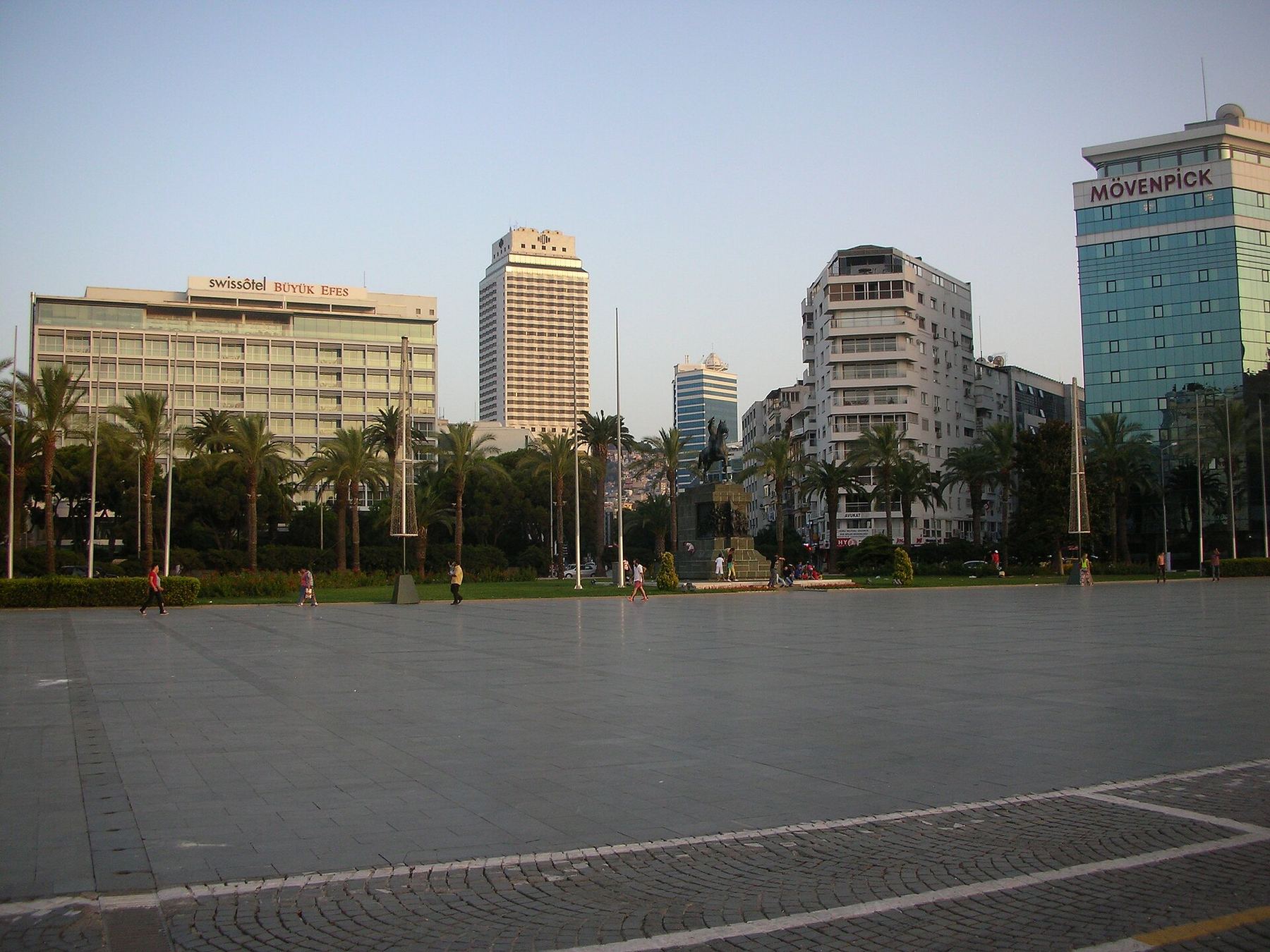
Izmir
Enderender at English Wikipedia · Public domain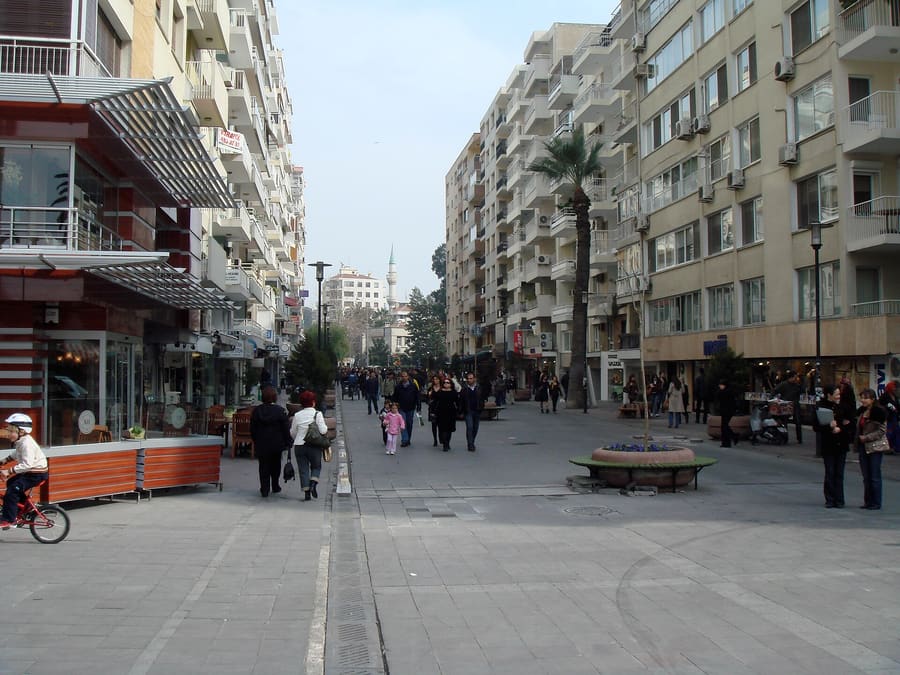
Alsancak — Pedestrian grid of outdoor bars, historic Levantine homes, and green lawns along the Kordon bay.
Inanç Bardakçıoğlu (IBausK at de.wikipedia) · CC BY-SA 3.0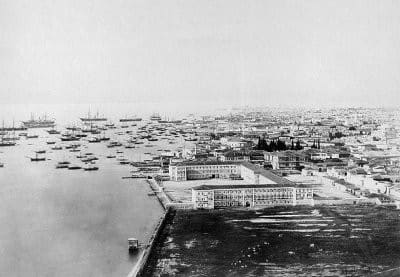
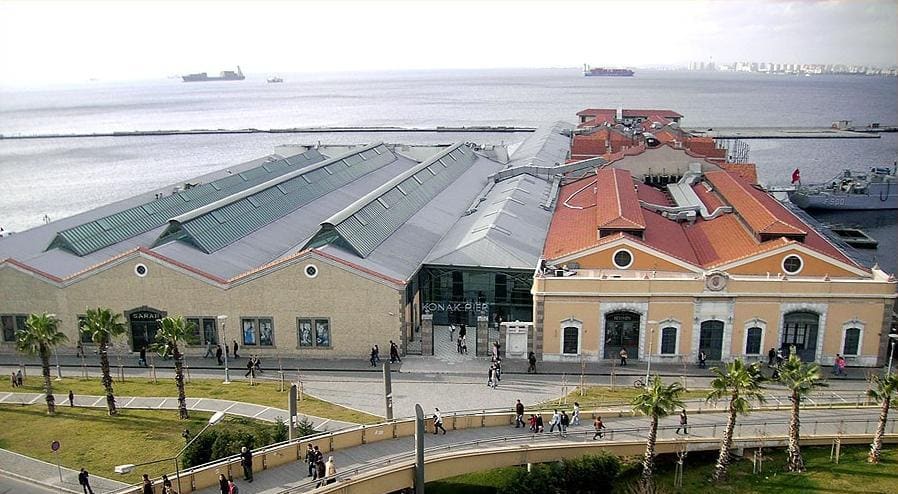
Konak — Civic core anchored by the clock tower, main transit piers, and the vast Kemeraltı bazaar.
Unknown authorUnknown author · Public domain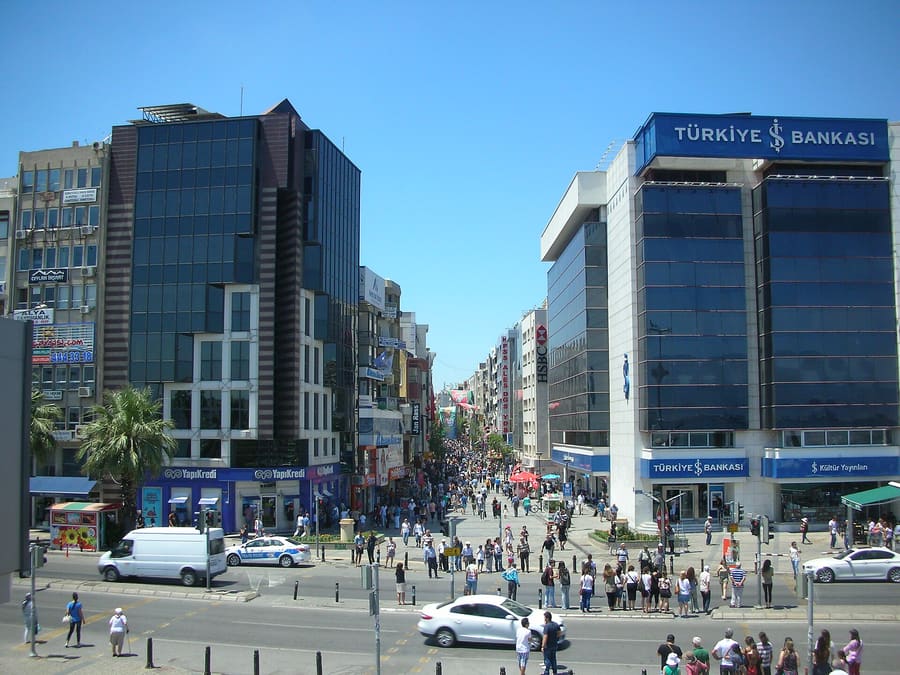
Karşıyaka — Residential northern shore with its own distinct identity, broad market street, and waterfront park.
Michael ksk · CC BY-SA 3.0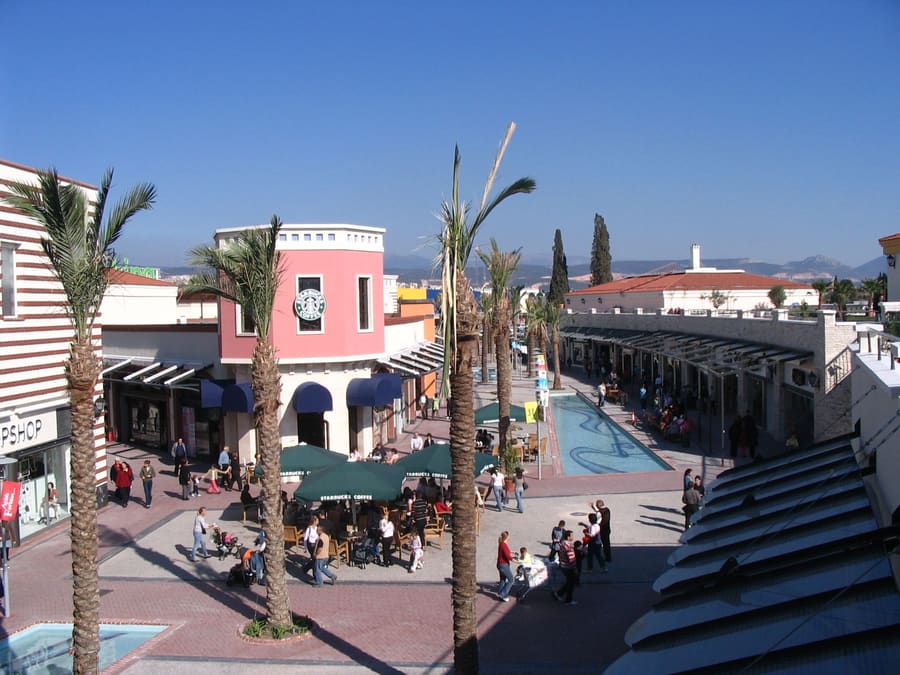
Bornova — Inland university hub featuring leafy parks, grand Levantine mansions, and inexpensive student eateries.
Enderender at English Wikipedia · Public domain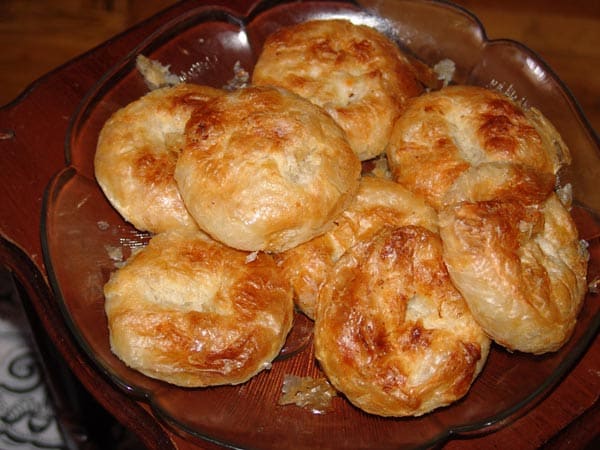
A classic Izmir breakfast: flaky baked boyoz served hot alongside a roasted hard-boiled egg.
Originally created and uploaded to the Turkish Wikipedia by tr:User:ZorCoCuK · CC0highlights
landmark
Erected in 1901 at Konak Square. Visit early morning before heat and tour buses crowd the plaza.
Ask Parley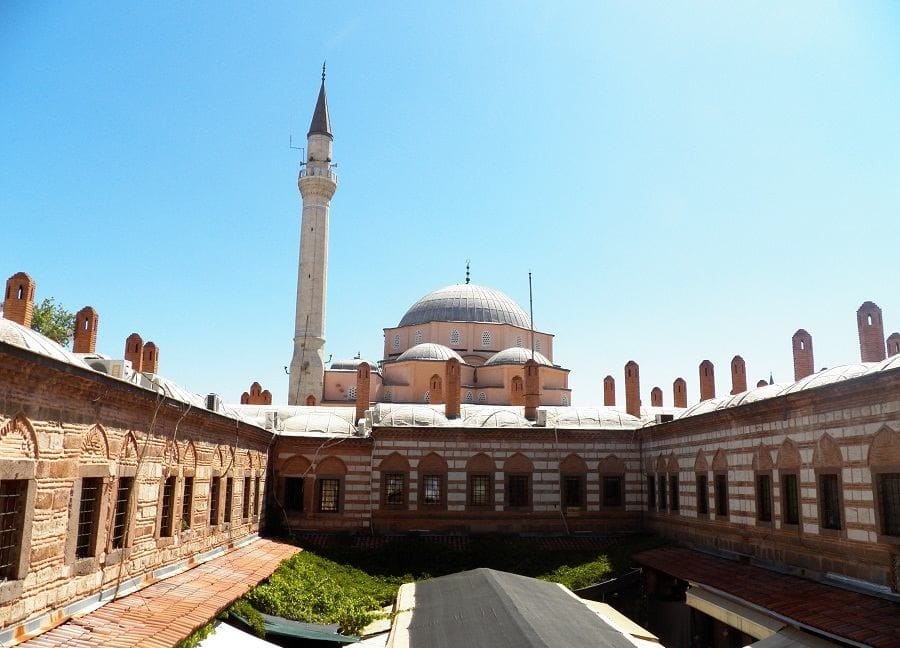
landmark
A sprawling 17th-century market. Enter from Konak and head toward Kizlaragasi Han for Turkish coffee brewed on hot sand.
Ask Parley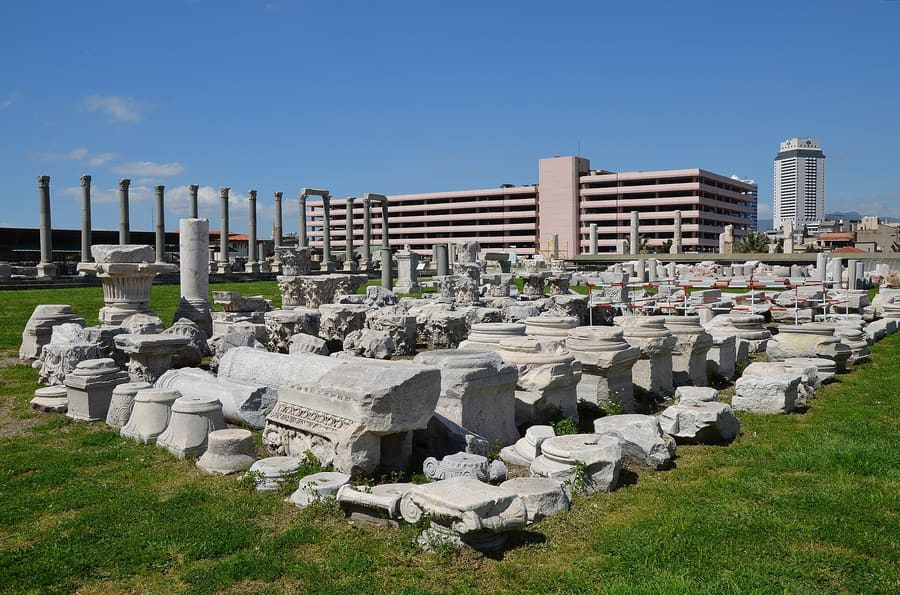
landmark
Open-air ruins of the Roman marketplace. Groundwater still flows through ancient vaulted stone basements below.
Ask Parley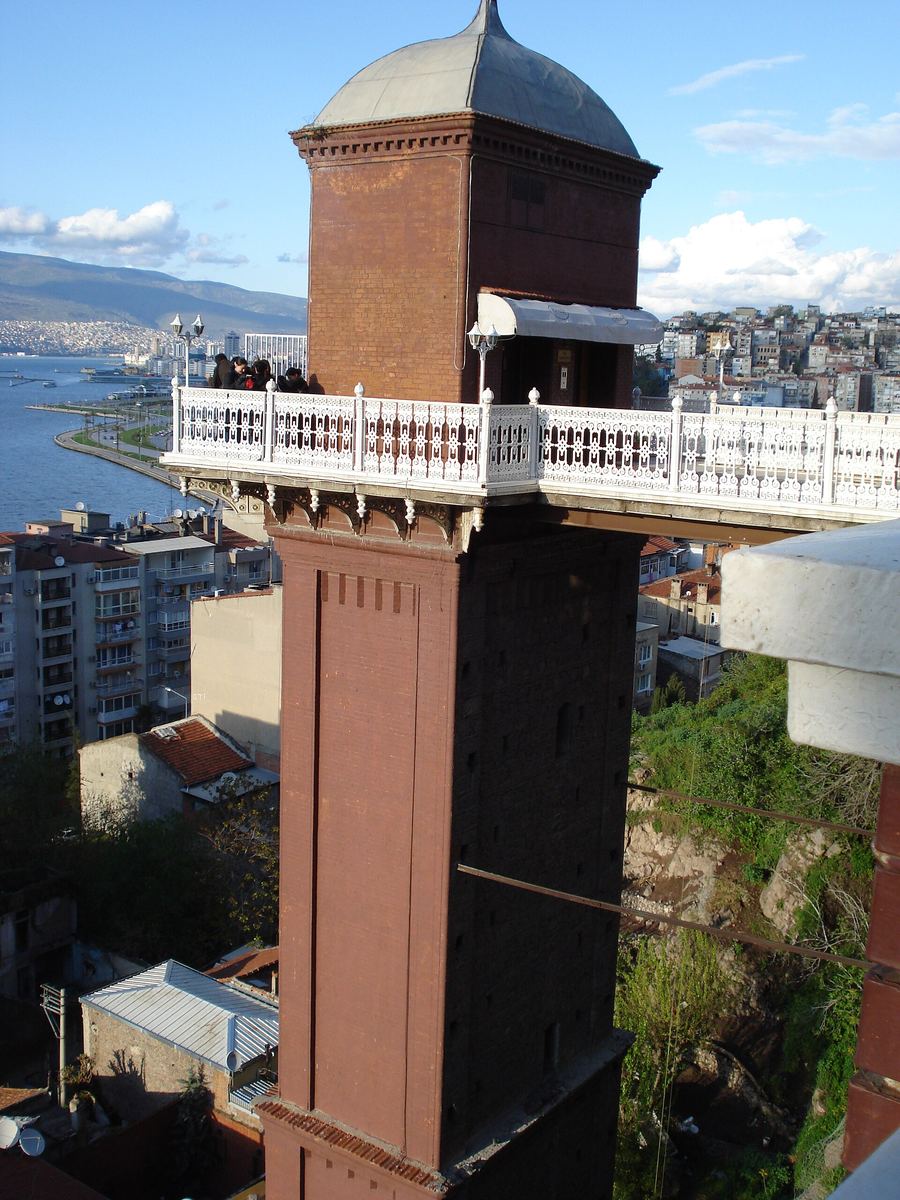
landmark
A brick elevator built in 1907 to bridge steep cliffs. Ride it for free to reach top-tier views of the gulf.
Ask Parley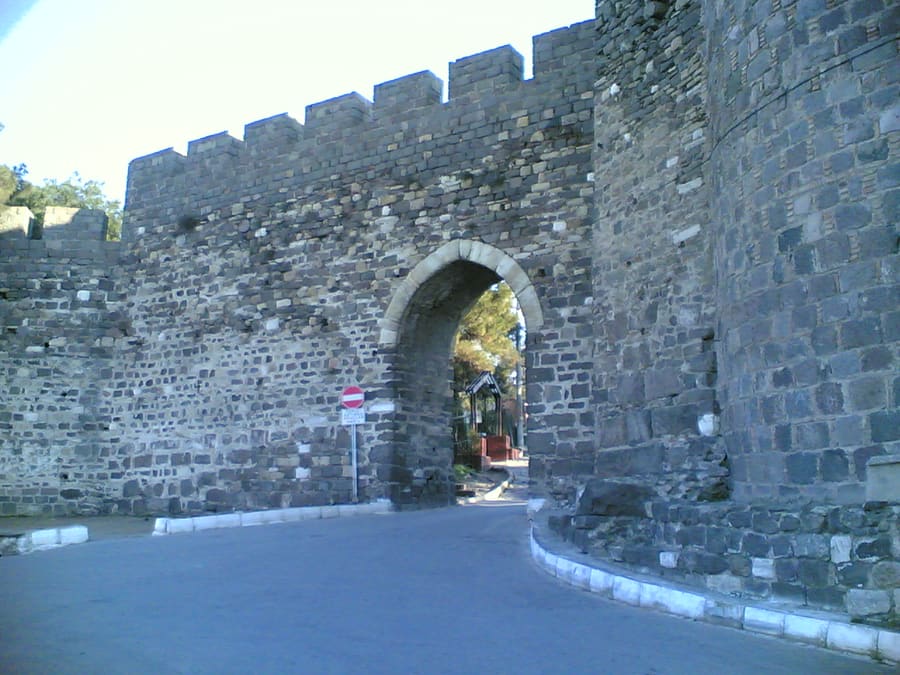
landmark
Mount Pagus castle ruins overlooking the city. Take a direct taxi up rather than walking the uphill roads.
Ask Parley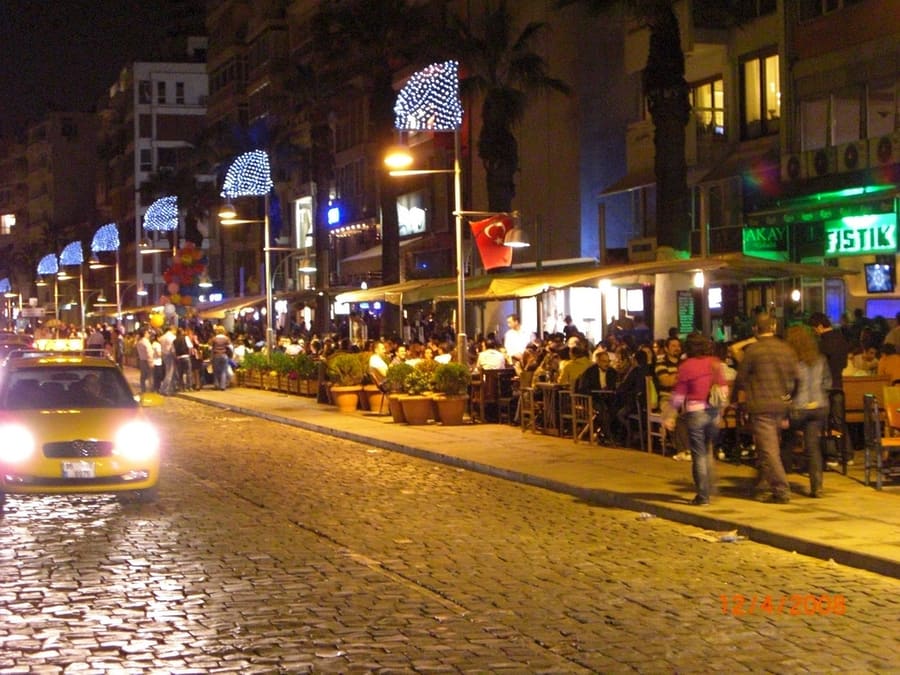
landmark
The city's coastal lawn and boardwalk. Rent a public bike or join locals sitting on the grass around sunset.
Ask Parleyattractions
areas
Pedestrian grid of outdoor bars, historic Levantine homes, and green lawns along the Kordon bay.
NearbyPasaport pier and Alsancak train terminal
Ask ParleyCivic core anchored by the clock tower, main transit piers, and the vast Kemeraltı bazaar.
NearbyKemeraltı market and Smyrna Agora
Ask ParleyResidential northern shore with its own distinct identity, broad market street, and waterfront park.
NearbyBostanlı pier and Karşıyaka bazaar
Ask ParleyInland university hub featuring leafy parks, grand Levantine mansions, and inexpensive student eateries.
NearbyEge University and Küçük Park
Ask Parleyfood
Izmir eats differently from interior Anatolia. Butter and red meat step back for olive oil, wild greens, and fresh seafood. Morning starts with boyoz, a Sephardic flaky pastry made with flour, sunflower oil, and tahini, eaten alongside hard-boiled eggs dusted with black pepper. Midday brings the kumru, a warm sandwich on a toasted sesame loaf filled with melted kaşar cheese, tomatoes, and grilled sausage, while tulum cheese is used in the traditional cold version.
A classic Izmir breakfast: flaky baked boyoz served hot alongside a roasted hard-boiled egg.
Originally created and uploaded to the Turkish Wikipedia by tr:User:ZorCoCuK · CC0Eat your morning boyoz warm at this 1957 bakery on Kıbrıs Şehitleri Avenue.
Order cold sliced offal cooked with cumin, parsley, and tomatoes wrapped in flatbread inside the market.
Look for esnaf lokantası places in Kemeraltı serving şevketi bostan (blessed thistle stewed with lamb).
history
Founded as ancient Smyrna, Izmir grew into a crucial Aegean port connecting East and West. Under Ottoman rule, its cosmopolitan mix of Turks, Greeks, Armenians, Levantines, and Sephardic Jews turned it into a wealthy commercial center. The tragic Great Fire of 1922 destroyed much of the historic fabric, shaping today's modern, grid-planned coastal city.
Aeolian and Ionian Smyrna
Early Greek settlers establish Smyrna, later rebuilt by Alexander the Great's successors on Mount Pagus.
Ottoman Rule Begins
Sultan Murad II incorporates Smyrna into the Ottoman Empire, developing it as a Mediterranean trade portal.
Sephardic Settlement
Jews expelled from Spain arrive in Izmir, bringing cultural traditions including boyoz pastry.
The Great Fire
Fire destroys the European and Christian quarters at the end of the Greco-Turkish War, reshaping urban layout.
where to stay
Choose your base based on your primary focus: nightlife and walks, historic bazaars, or quiet residential neighborhoods connected by ferry.
transport
Izmir possesses a well-integrated public transit net of ferries, light rail (Izban), metro, and coastal trams. Skip taxis during peak rush hours and take the commuter ferries across the gulf.
Buy a reloadable card at the airport Izban station to pay for all trains, buses, and ferries.
Ferries run frequently between Alsancak, Pasaport, Konak, and Karşıyaka. They offer cheaper sunset sea views than tour boats.
The Konak Tramway runs along the waterfront between Fahrettin Altay and Halkapınar.
cost
Prices in Izmir remain noticeably lower than in Istanbul. Dining out and public transit offer great value, though high inflation means menu prices update frequently.
seasonality
APR – MAY
Warm spring weather ideal for exploring ancient sites without severe heat.
JUN – AUG
Intense summer heat. City streets quiet down while coastal beach towns crowd.
SEP – OCT
Comfortable sea temperatures and warm days make this the best window.
NOV – MAR
Mild but rainy winter. Indoor bazaar explorations beat outdoor walking.
practicalities
Kemeraltı market corridors act as heat traps during July and August. Visit early.
Most stores accept credit cards, but market stalls in Kemeraltı prefer small bills for quick trades.
Many smaller shops inside Kemeraltı bazaar close completely on Sundays.
Locals call simit gevrek and core seeds çiğdem. Use local names for friendly reactions.
The İmbat is the famous afternoon sea breeze that cools the coastal promenade daily.