
landmark
Western Wall
The surviving retaining wall of the Second Temple complex. Security checks are strict, and the open plaza separates men and women.
Israel
A high-altitude city divided by faith, stone, and schedule.
Jerusalem sits 800 metres above sea level in the Judean Mountains, defined by pale limestone and contested territory. Moving through the city means navigating distinct political and religious zones that change character every few streets. Public life halts on Friday afternoon for Shabbat in Jewish areas, while Palestinian quarters remain open on Saturdays. You come here for dense historical stratification, intense street markets, and stark urban friction.
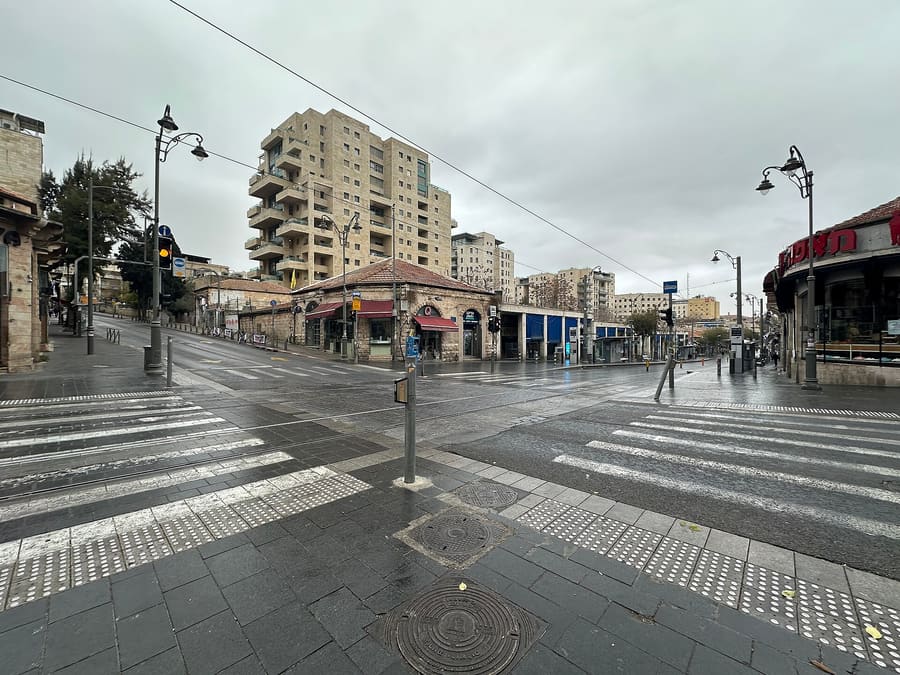
Mahane Yehuda & City Center — Pedestrian avenues, light rail tracks, market stalls, and late-night drinking.
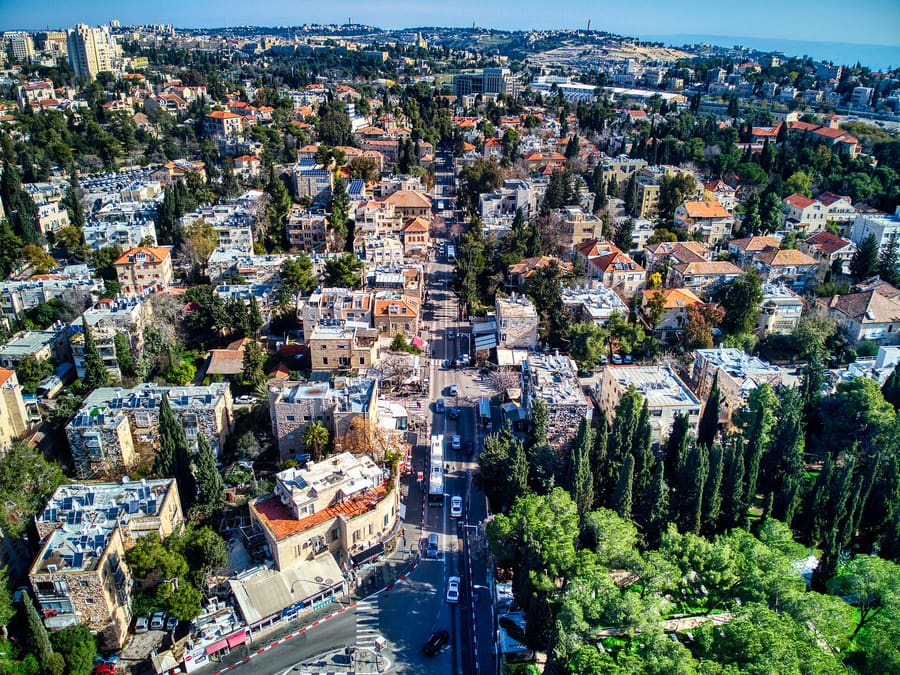
German Colony — Low-rise 19th-century Templer houses along shaded, quiet residential streets.
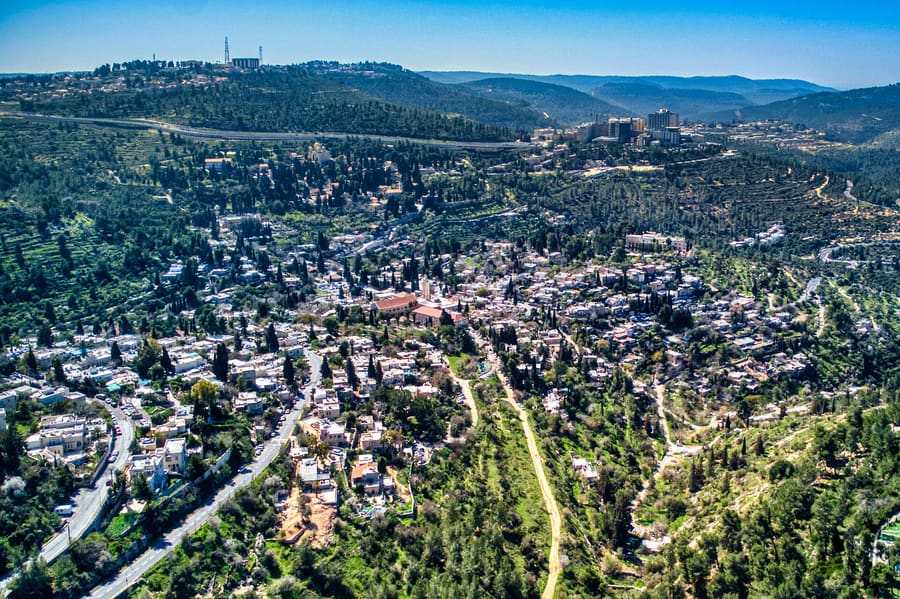
Ein Karem — Hillside village atmosphere with terraced valleys, monasteries, and small art studios.
Sabich: warm pita stuffed with fried eggplant, hard-boiled egg, tahini, and amba sauce.
01
landmark
The surviving retaining wall of the Second Temple complex. Security checks are strict, and the open plaza separates men and women.
landmark
Centuries of shared ownership split this site among six Christian denominations. Go at 06:30 opening to avoid tour groups.
landmark
Non-Muslim visitors access the Temple Mount plateau via the wooden Maghrabi ramp near the Western Wall during limited morning hours.
landmark
Produce and spice stalls trade by day. Shutters drop at night to reveal small bars and loud open-air eateries.
landmark
Houses the Dead Sea Scrolls in the Shrine of the Book alongside a scaled model of Second Temple Jerusalem.
landmark
Offers the classic western vista over the Old City walls. The steep descent passes ancient Jewish burial grounds.
02
03
Walled quarters packed with markets, shrines, and heavy security posts.
NearbyMount of Olives, City of David
Ask ParleyPedestrian avenues, light rail tracks, market stalls, and late-night drinking.
NearbyCentral Bus Station, Sacher Park
Ask ParleyLow-rise 19th-century Templer houses along shaded, quiet residential streets.
NearbyFirst Station, Rehavia
Ask ParleyHillside village atmosphere with terraced valleys, monasteries, and small art studios.
NearbyHadassah Medical Center, Mount Herzl
Ask Parley04
Jerusalem food divides strictly along cultural lines. Hummus here is served warm, whipped smooth, and eaten early in the day; traditional spots close as soon as the day's batch runs out around 14:00. Palestinian bakeries near Damascus Gate bake sesame-encrusted ka'ak rings served with dried za'atar in paper cones.Kosher laws govern Jewish establishments in West Jerusalem. Meat and dairy remain completely separate in kitchen preparation and service. Expect pork to be entirely absent from traditional menus across both sides of the city.
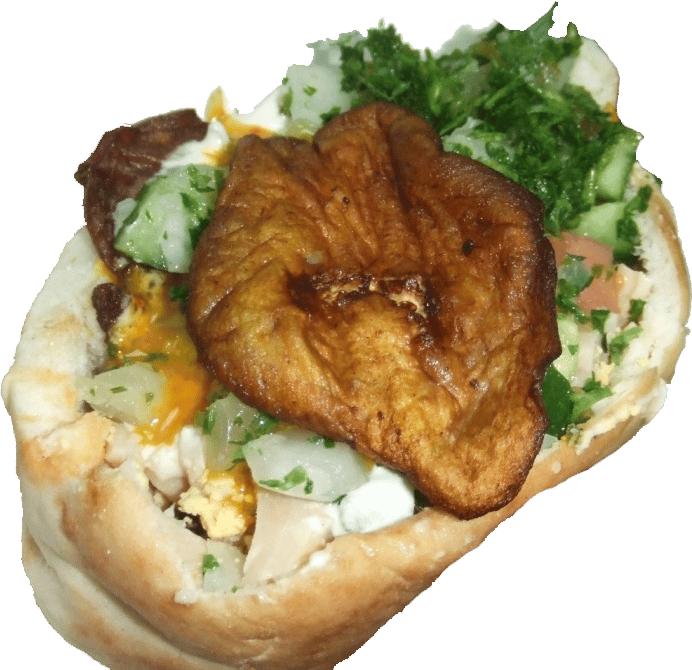
Sabich: warm pita stuffed with fried eggplant, hard-boiled egg, tahini, and amba sauce.
Order hummus before midday at classic spots like Lina in the Christian Quarter or Pinati downtown. Evening hummus is generally leftover or commercial.
Kosher meat restaurants serve no dairy products or butter-based desserts. Dairy places serve no meat products.
The market transitions from produce vendors to street-food stalls and craft beer spots after 19:00.
05
Jerusalem's recorded urban history spans four millennia, marked by repeatedly destroyed and rebuilt defensive walls. Its geographic position on the watershed ridge made it a contested fortress between coastal empires and desert powers.Modern control shifted from Ottoman rule to the British Mandate in 1917, followed by division between Israel and Jordan in 1948. Israeli forces captured East Jerusalem in 1967, bringing the entire city under unified Israeli civil administration.
City of David
King David establishes Jerusalem as the Israelite capital on the narrow ridge south of the Temple Mount.
Roman Destruction
Roman legions under Titus siege and burn Jerusalem, destroying the Second Temple complex.
Ottoman Walls
Sultan Suleiman the Magnificent constructs the current stone walls surrounding the Old City.
Six-Day War
Israeli forces gain control of East Jerusalem, opening the Old City to Jewish worshipers.
06
Choose your base based on your dependence on transit and weekend plans. Staying inside the Old City offers atmospheric evenings but forces you to carry luggage through pedestrian cobbles and stairs. West Jerusalem neighbourhoods provide light rail access and active dining scenes, but close down for Shabbat.
Highly rated hotels in Jerusalem.


07
Jerusalem uses a single Red Line light rail system along Jaffa Street, connecting the Central Bus Station to the Old City edge. East Jerusalem operates a separate network of white-and-blue buses departing from terminals near Damascus Gate.
From Ben Gurion Airport (TLV)
Runs directly to Navon Station. High speed and punctual.
Metered or fixed rate from official airport rank outside Arrivals.
Shared vans (Nesher) operate 24/7 and drop off at individual addresses.
Light rail and Israeli bus lines stop on Friday afternoon and resume Saturday after dark. Use Arab bus lines from Damascus Gate instead.
Ticket inspectors check riders constantly on the Red Line. Failure to validate before boarding results in instant fines.
08
Jerusalem is an expensive city, comparable to Northern European capitals. Dining out carries high costs due to local import tariffs and kosher certification overhead. Street food remains your best value option.
A standard street lunch containing falafel balls, tahini, and salad.
Covers two main courses and drinks at a sit-down restaurant.
Valid for 90 minutes of transfers on buses and light rail.
Pints at market bars carry heavy national alcohol excise taxes.
09
MAR – MAY
Mild temperatures and blooming hills. High hotel demand around Easter and Passover.
JUN – AUG
Hot dry days exceeding 30°C. Cool high-altitude breeze arrives after sunset.
SEP – NOV
Pleasant weather, but major Jewish High Holy Days disrupt business schedules.
DEC – FEB
Cold, rainy, and occasional brief snowfall. Clear light and lower accommodation rates.
10
Shoulders and knees must be covered at religious sites across all quarters. Keep a scarf or light layer in your bag.
Mahane Yehuda reaches intense density on Friday morning as locals stock up before Shabbat closures.
Credit and debit cards are accepted almost everywhere, except small East Jerusalem markets where cash is standard.
Jerusalem sits at 800m altitude. Temperatures fall quickly at night compared to coastal Tel Aviv.
Bag checks and metal detectors operate at the entrance to bus stations, train stops, and major plazas.
Contents
Your trip
Going to Jerusalem?
Tell Parley when you’re going and what you enjoy, and it plans the days around this guide.
Plan with Parley


