landmark
Sakurajima
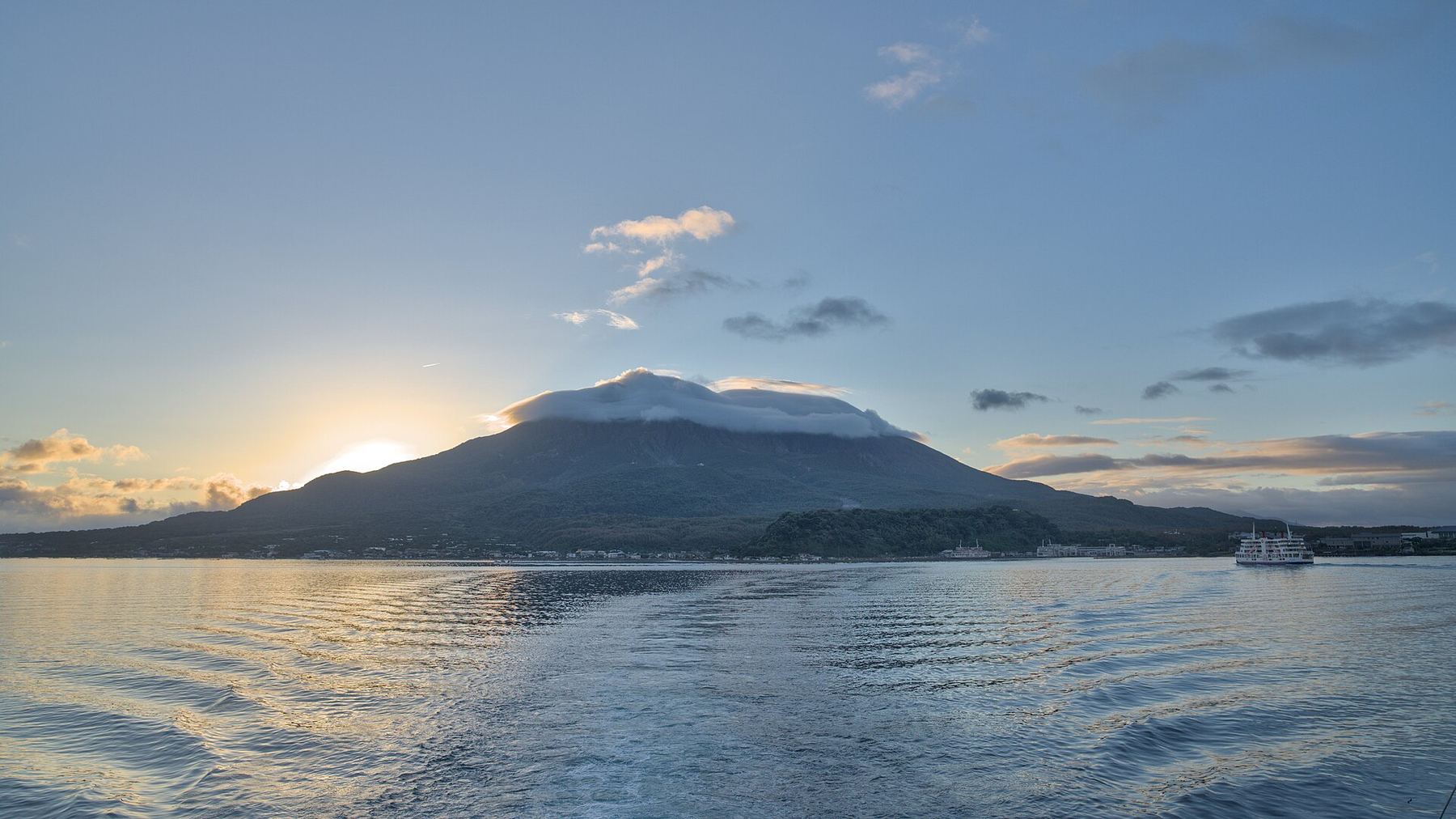
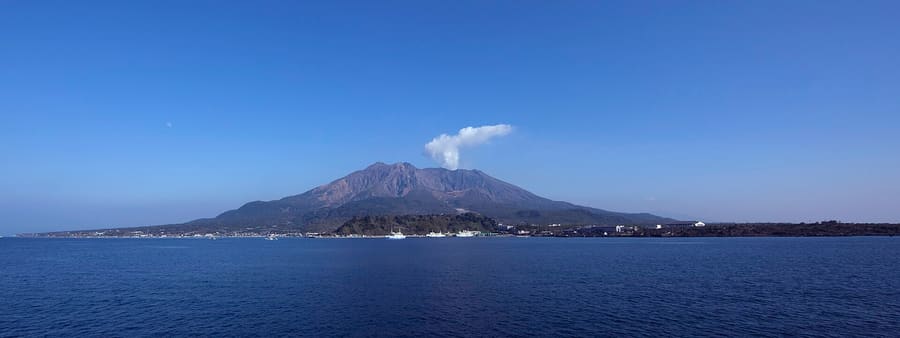
Active volcano across the bay emitting daily ash plumes. Take the 15-minute ferry from the city pier to explore the lava fields.
Ask ParleyJapan
Active volcano views, black pork cutlets, and bay ferries.
introduction
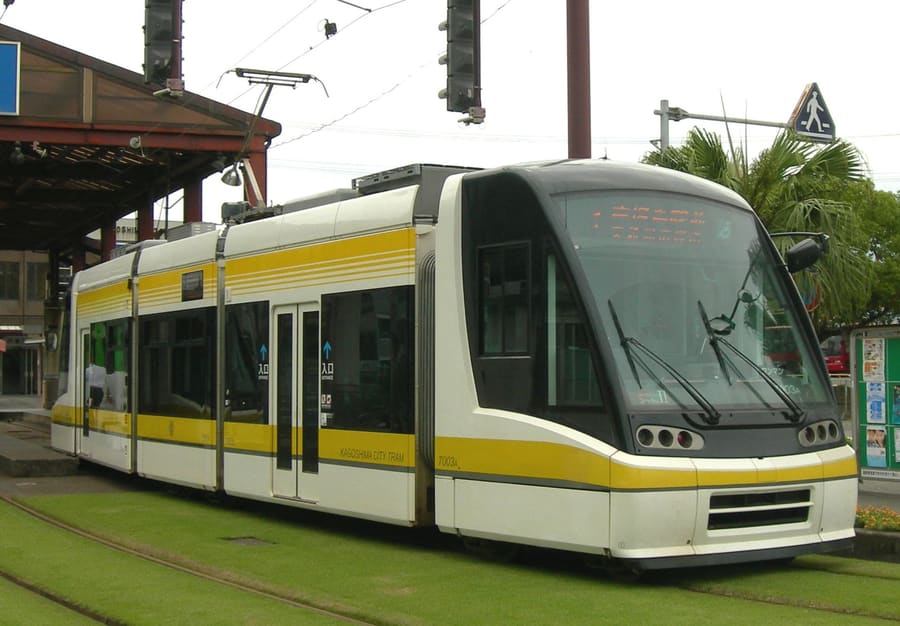
Kagoshima sits on the southern edge of Kyushu, facing active volcano Sakurajima across Kinko Bay. Daily ash plumes fall gently over the streetcar tracks and arcade roofs, shaping local habits from yellow ash disposal bags to covered shopping streets. You move through the city via flat-fare tram lines, with System 2 linking the Shinkansen terminus at Chuo Station to the waterfront area, while System 1 bypasses Chuo Station entirely.
Airport Bus Connection
Buses run every 10–15 minutes from Kagoshima Airport to Chuo Station, taking 40 minutes for ¥1,400. Buy tickets at the outdoor vending machines before boarding.
UNESCO World Heritage Site
Sengan-en includes component sites of the 2015 UNESCO World Heritage Meiji Industrial Revolution listing, including the Sekiyoshi Sluice Gate and Shuseikan furnace ruins.
Kagoshima
Rsa · CC BY-SA 3.0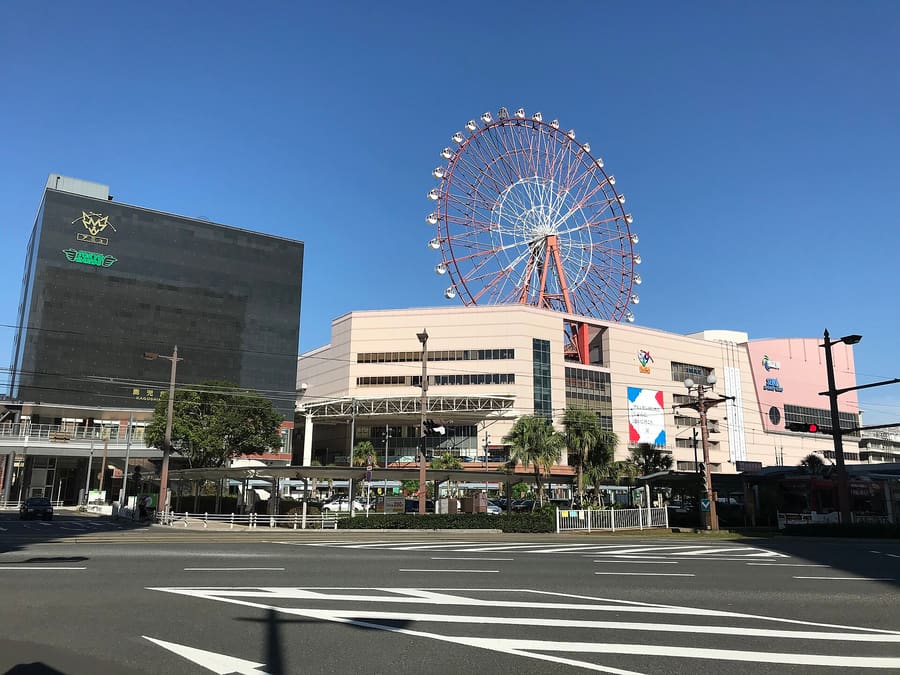
Chuo Station — Transit hub dominated by the Shinkansen terminal, department stores, and modern business hotels.
Tokyo-Good · CC BY-SA 4.0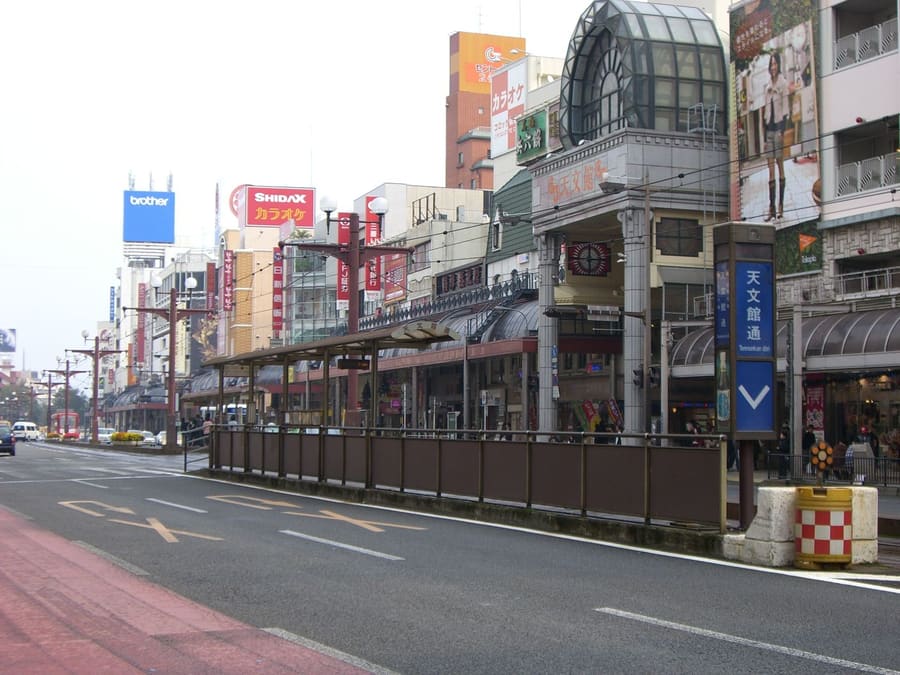
Tenmonkan — Pedestrian arcade network packed with izakayas, ramen shops, and retail stores.
Amoriver Information · CC BY-SA 3.0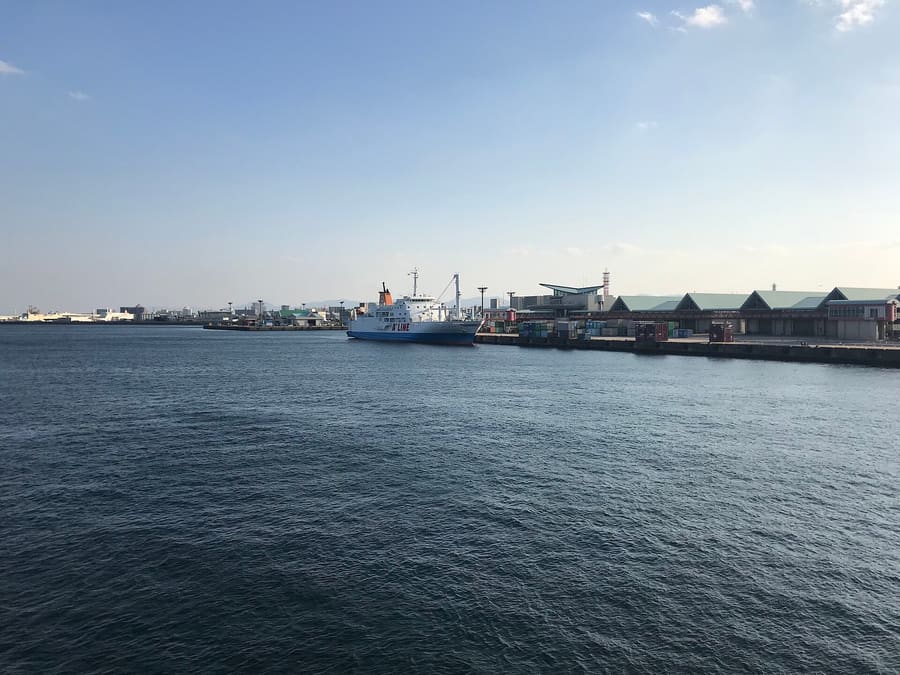
Kagoshima Bay — Waterfront district with ferry piers, grassy promenade parks, and wide sea views.
そらみみ · CC BY-SA 4.0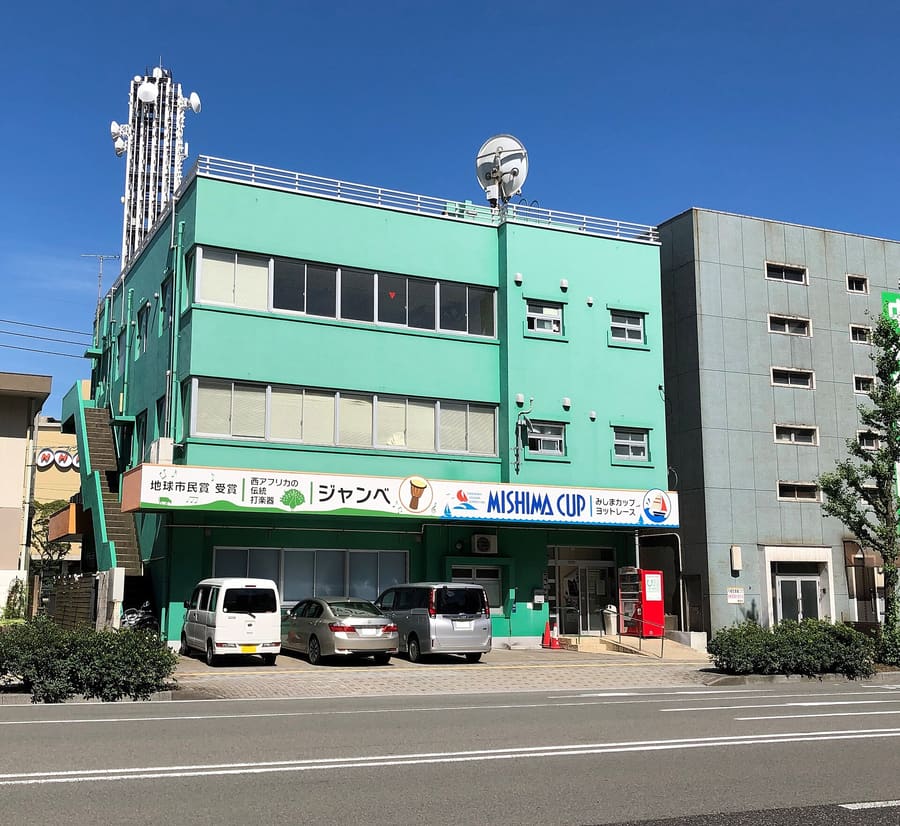
Meizan-cho — Low-rise retro neighborhood of Showa-era wooden buildings housing small bars and craft cafes.
Sakoppi · CC BY-SA 4.0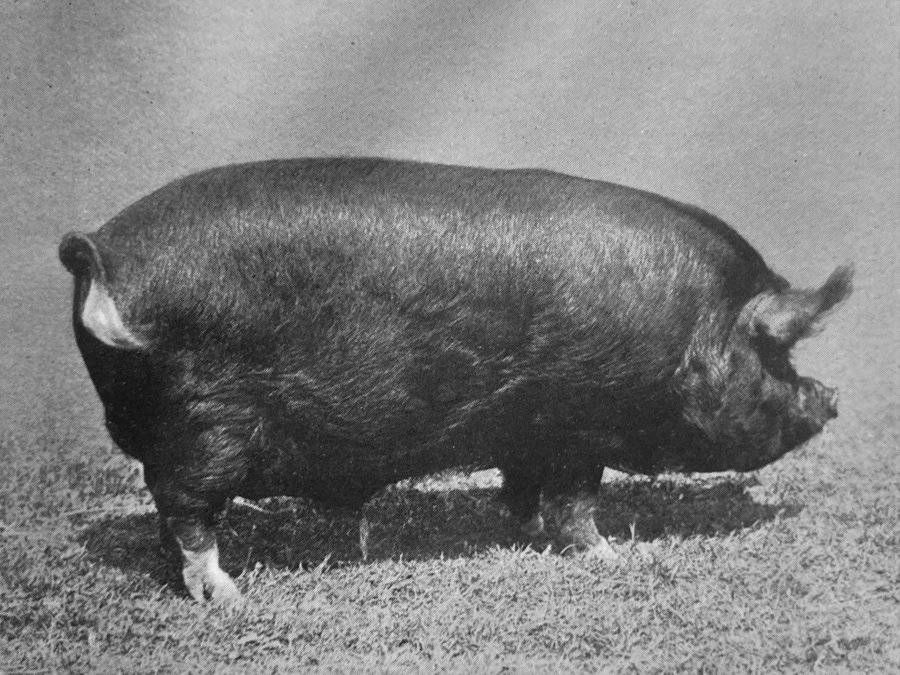
Kurobuta tonkatsu served with cabbage and house-made sauce in Tenmonkan.
F. Babbage · Public domainhighlights
landmark
Active volcano across the bay emitting daily ash plumes. Take the 15-minute ferry from the city pier to explore the lava fields.
Ask Parley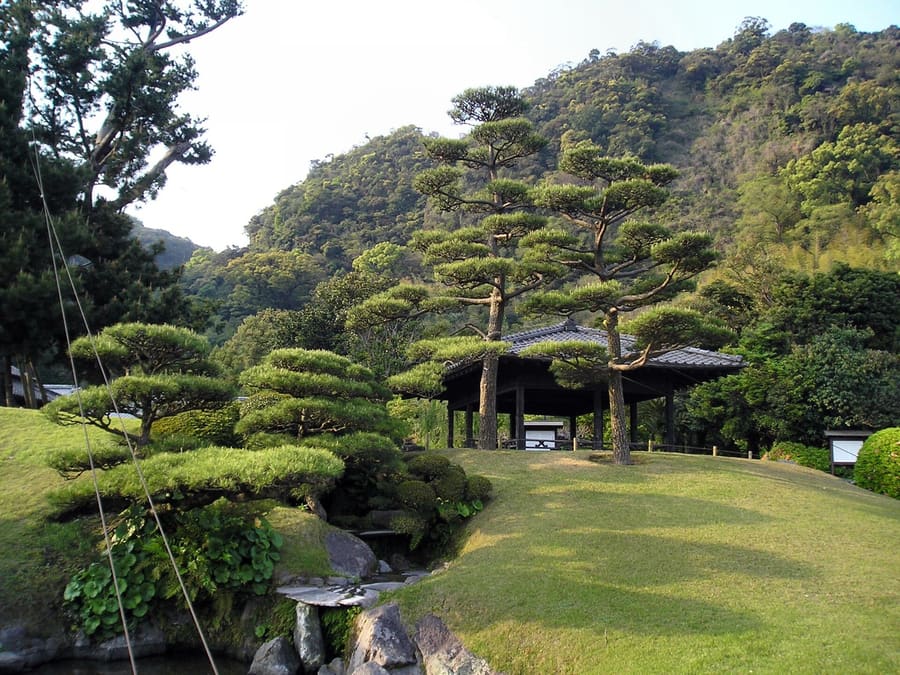
landmark
17th-century Shimazu clan villa with gardens framed by Sakurajima. Entrance includes access to the Shuseikan industrial museum.
Ask Parley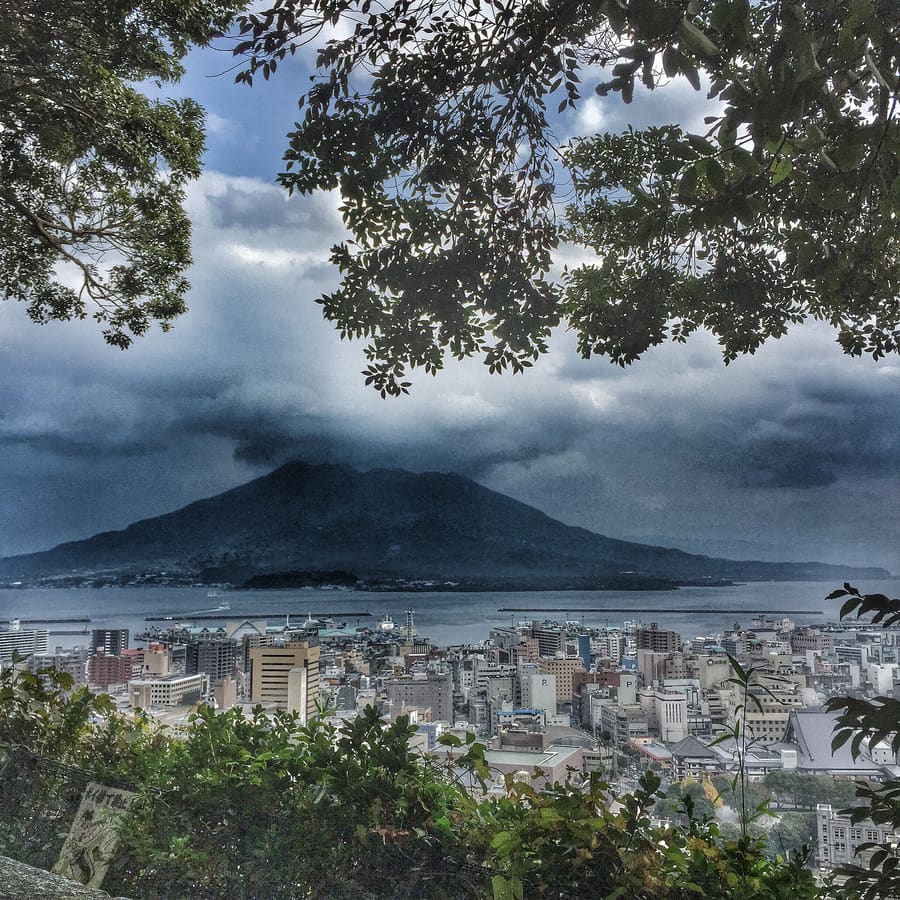
landmark
Elevated forest park offering direct views across the city to Sakurajima. Walk up from Terukuni Shrine in 20 minutes before sunset.
Ask Parley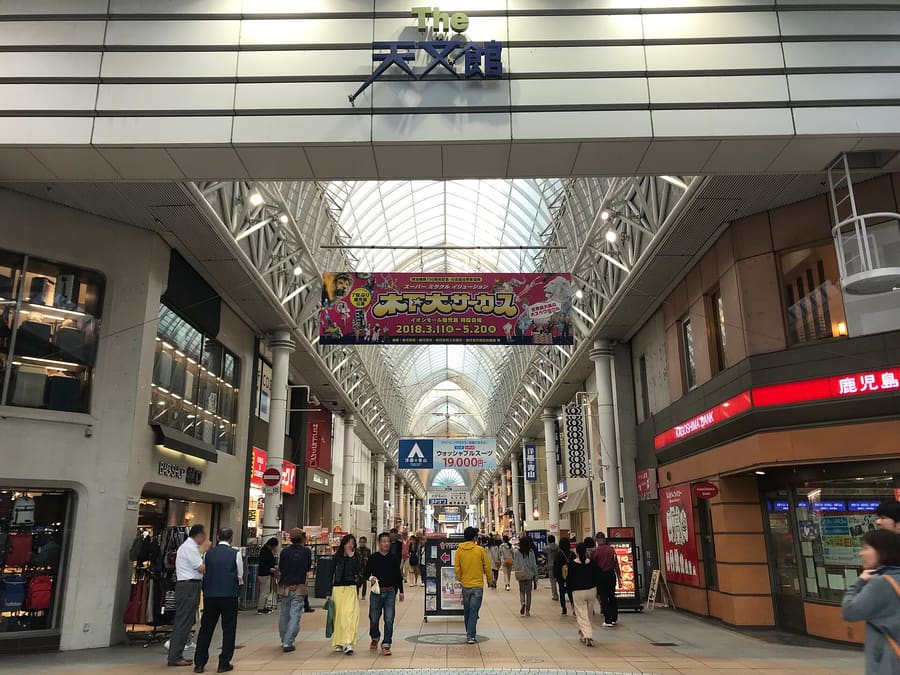
landmark
Covered commercial district housing local izakayas and shaved ice shops. Sheltered from sun, rain, and falling volcanic ash.
Ask Parley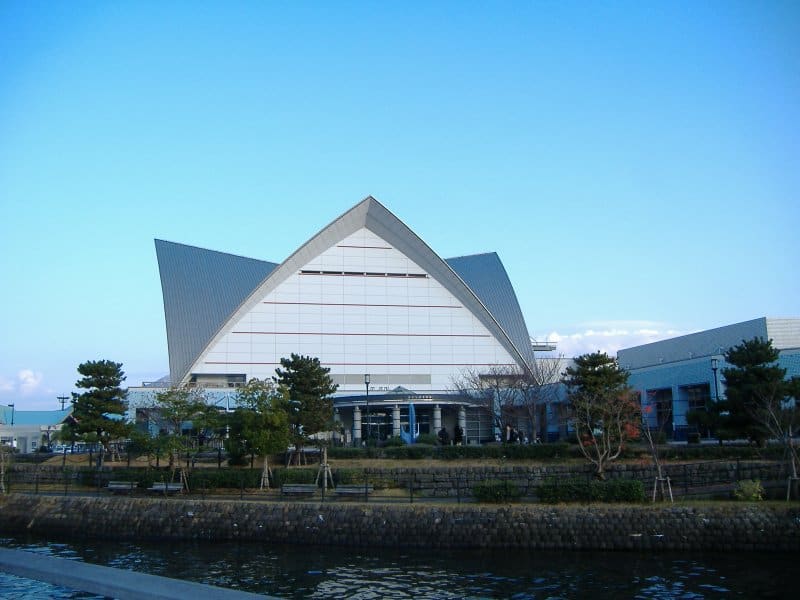
landmark
Seven-floor aquarium focusing on Kinko Bay ocean life and whale sharks. Located right beside the Sakurajima ferry terminal.
Ask Parleyattractions
areas
Transit hub dominated by the Shinkansen terminal, department stores, and modern business hotels.
NearbyKyushu Shinkansen, Amu Plaza, Kagoshima-Chuo bus terminal
Ask ParleyPedestrian arcade network packed with izakayas, ramen shops, and retail stores.
NearbyTerukuni Shrine, Shiroyama park trailheads, tram lines 1 and 2
Ask ParleyWaterfront district with ferry piers, grassy promenade parks, and wide sea views.
NearbySakurajima Ferry Terminal, City Aquarium, Dolphin Port site
Ask ParleyLow-rise retro neighborhood of Showa-era wooden buildings housing small bars and craft cafes.
NearbyCity Hall, Tenmonkan north edge, Sakurajima ferry pier
Ask Parleyfood
Kagoshima dining centers on Berkshire black pork (Kurobuta), bred locally for intense marbling and served as thin shabu-shabu slices or thick panko-crusted tonkatsu cutlets. Satsuma-age—deep-fried minced fish cakes seasoned with local sweet potato shochu—anchors izakaya menus across Tenmonkan. For dessert, Tenmonkan Mujaki shop invented Shirokuma, a mound of shaved ice drizzled with condensed milk and arranged with fruit to resemble a polar bear face.
Kurobuta tonkatsu served with cabbage and house-made sauce in Tenmonkan.
F. Babbage · Public domainKagoshima izakayas pour sweet potato shochu (Imo-jochu) mixed with warm water in a 6:4 ratio, known locally as roku-yon.
Popular spots like Ajimori or Tonkatsu Kawakyu draw 45-minute queues by 11:30; arrive 15 minutes before opening.
history
Kagoshima served for centuries as the power base of the Shimazu clan, rulers of the Satsuma domain who maintained lucrative trade routes with the Ryukyu Kingdom and Southeast Asia. This southern posture positioned the city at the leading edge of Japan's 19th-century industrial revolution and political transformation.
Francis Xavier Arrives
Jesuit missionary Francis Xavier lands at Kagoshima, introducing Christianity to Japan under the protection of the Shimazu clan.
Bombardment of Kagoshima
British Royal Navy warships shell Kagoshima after the Namamugi Incident, prompting Satsuma domain to modernize its navy and industry.
Satsuma Rebellion
Saigo Takamori leads samurai against the Meiji imperial government; his final stand occurs on Shiroyama hill above the city.
Taisho Eruption
Sakurajima erupts massively, releasing lava flows that solidify across the strait and permanently connect the island to Osumi Peninsula.
where to stay
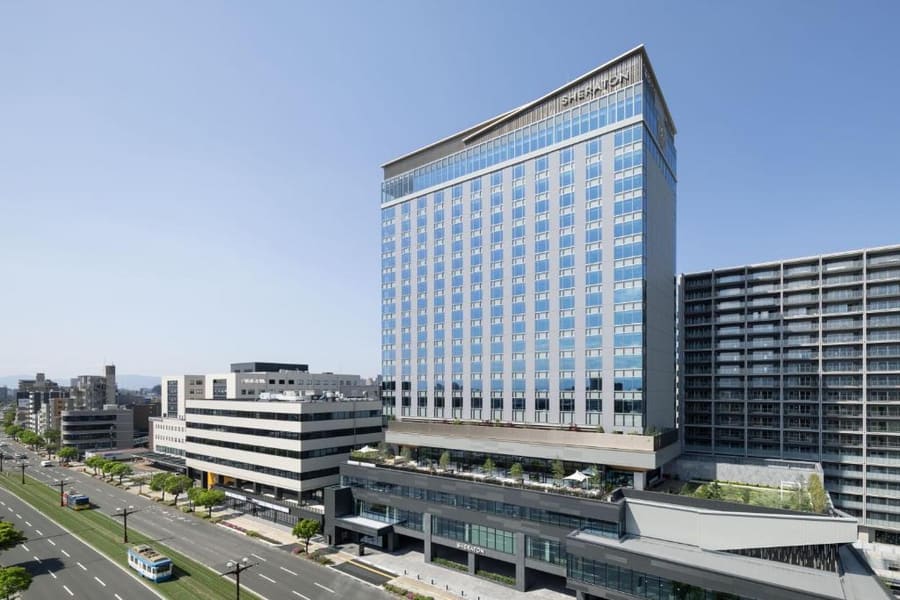
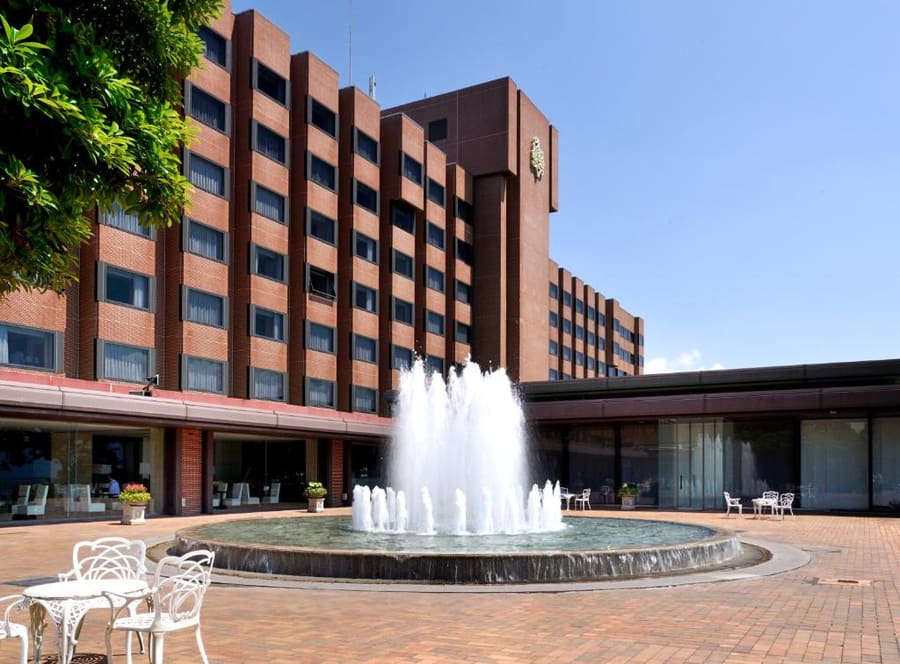
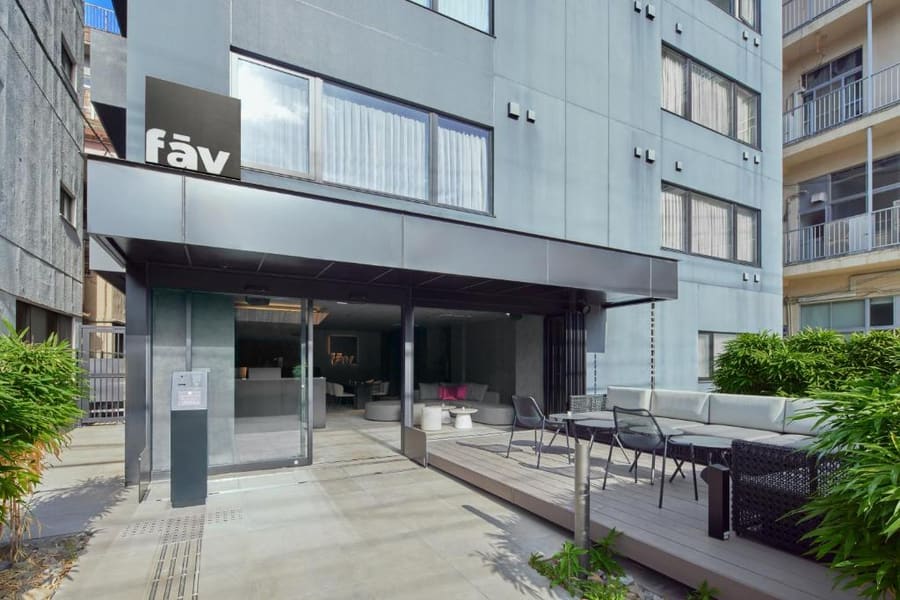
Choose your accommodation based on how you intend to enter and exit the city. Chuo Station puts bullet train travelers on top of their transport, while Tenmonkan keeps nightlife and dining within walking distance.
Live rates, matched to the areas above.
%20-%20Non-Smoking/4a822cad415f.jpg)
transport
Kagoshima's grid is straightforward. The Kyushu Shinkansen terminates at Kagoshima-Chuo Station, while the municipal streetcar network provides seamless transfers between Chuo, Tenmonkan, and the bayfront ferry docks.
From Kagoshima Airport (KOJ)
Non-stop airport shuttle buses run to Kagoshima-Chuo Station every 10–15 minutes.
Fixed-rate options are rare; metered taxis are expensive due to the 30km highway distance.
Kagoshima City Tram charges a flat ¥170 per ride regardless of distance; tap your IC card or pay cash on exit.
The Kagoshima City View bus connects Chuo Station, Sengan-en, and Shiroyama for ¥190 per ride or ¥600 for a day pass.
Ferries depart every 15 minutes during the day and hourly at night; pay at the Sakurajima side terminal upon arrival.
cost
Kagoshima is slightly more affordable than Tokyo or Osaka. Lunch sets and public transit offer excellent value, though high-end Kurobuta specialty dinners and private taxis carry standard mid-tier Japanese prices.
Includes deep-fried black pork cutlet, shredded cabbage, rice, and miso soup at specialty lunch spots.
Single pour served with cold ice or hot water at neighborhood izakayas.
Unlimited rides on city trams, city buses, and the tourist loop bus for one calendar day.
Covers entry to the landscaped gardens, historic villa courtyard, and the Shuseikan museum exhibits.
seasonality
MAR – MAY
Mild temperatures and blooming cherry blossoms at Sengan-en; excellent hiking weather on Sakurajima.
JUN – AUG
Hot and humid with frequent rain showers; ash plumes drift south toward downtown on summer wind patterns.
SEP – NOV
Warm days and crisp evenings; clear autumn skies provide the sharpest views across Kagoshima Bay.
DEC – FEB
Chilly but rarely freezes; winter sunshine makes exploring outdoor gardens comfortable with light jacket layer.
practicalities
Yellow ash-collection bags (Katsukubukuro) sit at street corners; do not throw regular garbage into them.
Wash thoroughly at stool stations before stepping into natural hot spring baths like Sakurajima Magma Onsen.
Satsuma Shochu Kan near Chuo Station offers free samples of local sweet potato spirits before purchase.
Tram stops and major tourist sites display clear English and QR codes, though small izakayas remain Japanese-only.
You do not buy a ticket before boarding the Sakurajima ferry in Kagoshima City; pay on the Sakurajima side when exiting.