landmark
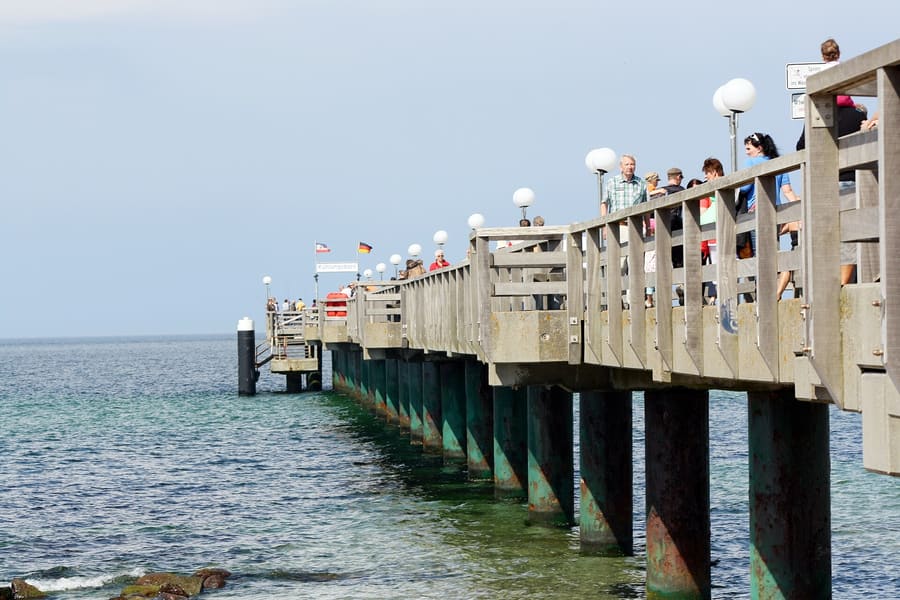
Seebrücke Kühlungsborn
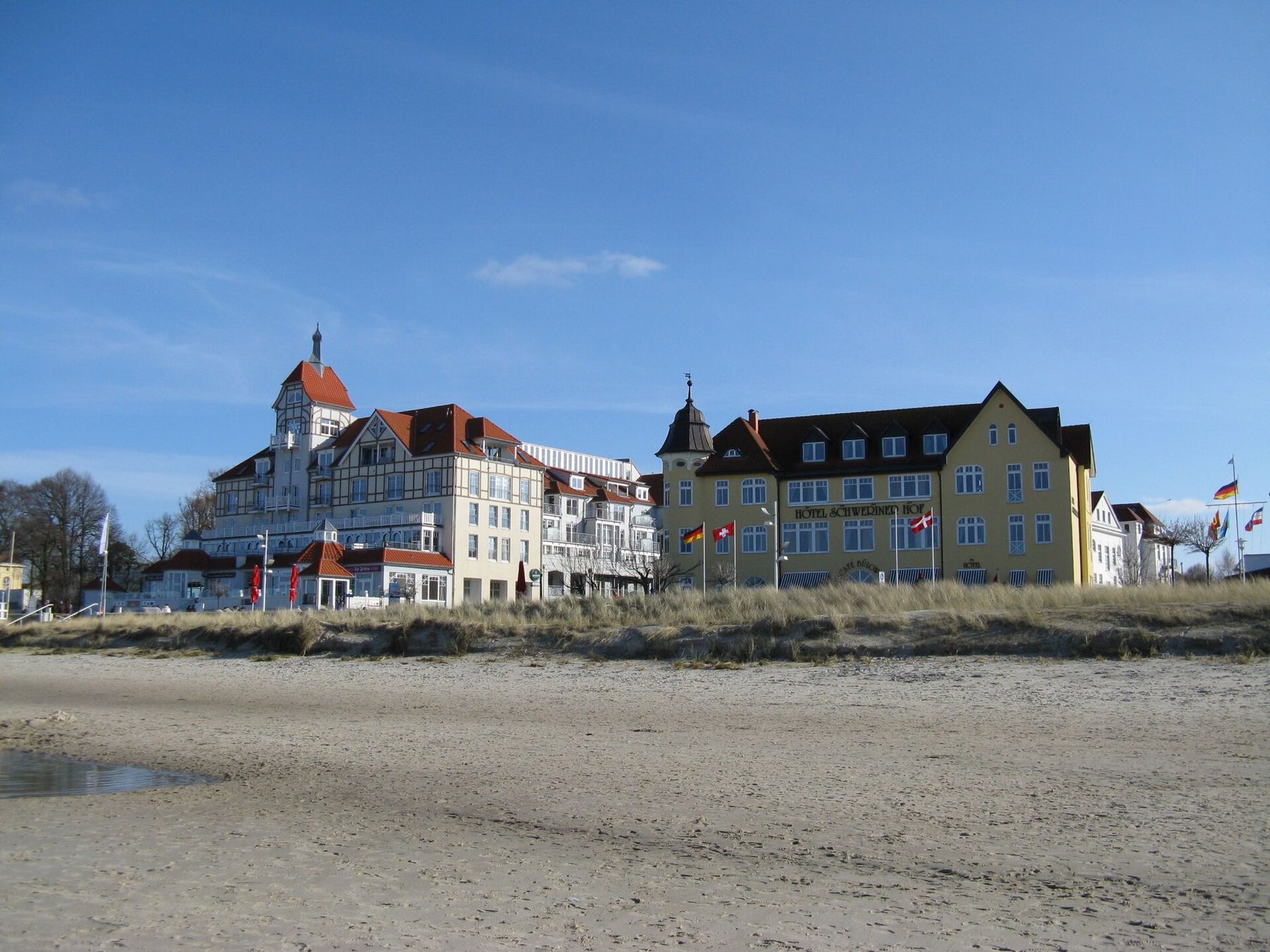
This 240-metre pier marks the heart of Kühlungsborn Ost. Excursion boats dock at the tip during summer.
Ask ParleyGermany
A long Baltic beach split by a woodland, joined by steam train.
introduction
Kühlungsborn stretches six kilometres along the Baltic coast in Mecklenburg-Vorpommern. The resort formed in 1938 when two separate villages, Brunshaupten and Arendsee, merged around a 133-hectare coastal forest that still splits the town today. You navigate either on foot along the unbroken promenade or via the historic Molli steam railway connecting both ends. Expect crisp Baltic air, whitewashed 19th-century resort villas, and a calm, orderly pace.
Arriving via Bad Doberan
Take the regional train to Bad Doberan and transfer to the Molli steam train. The narrow-gauge steam engine drops you directly at Kühlungsborn Ost or West.
Recognised resort status
Kühlungsborn holds official Seeheilbad status. Strict regulations limit noise and require verified air purity standards across the shoreline.
Kurkarte requirement
You must pay the daily resort fee (Kurtaxe) at your hotel or tourism office. Beach wardens inspect your printed Kurkarte at shoreline access points.
Kühlungsborn
Gabriele Delhey · CC BY-SA 3.0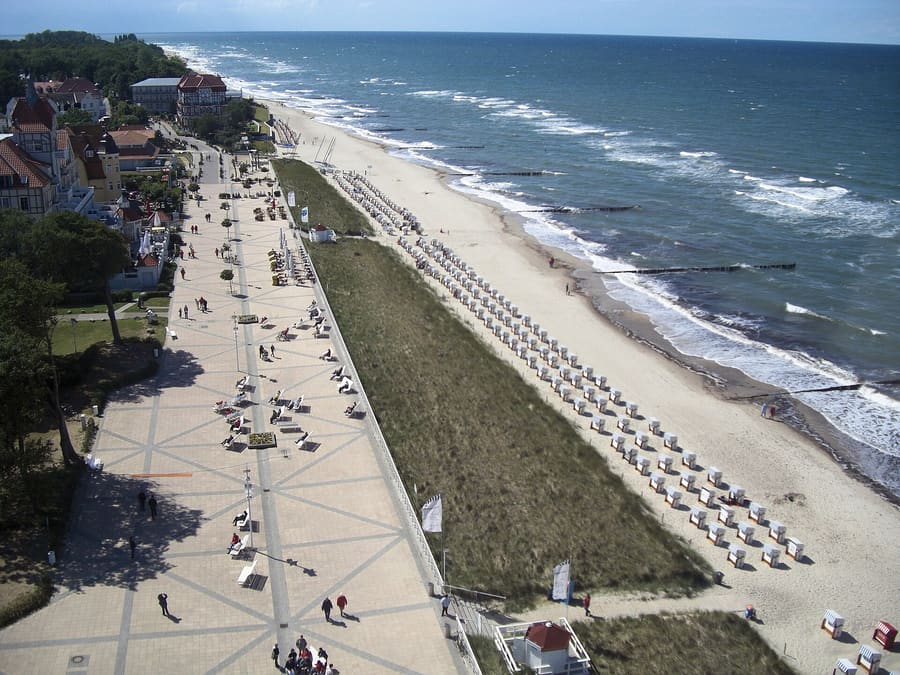
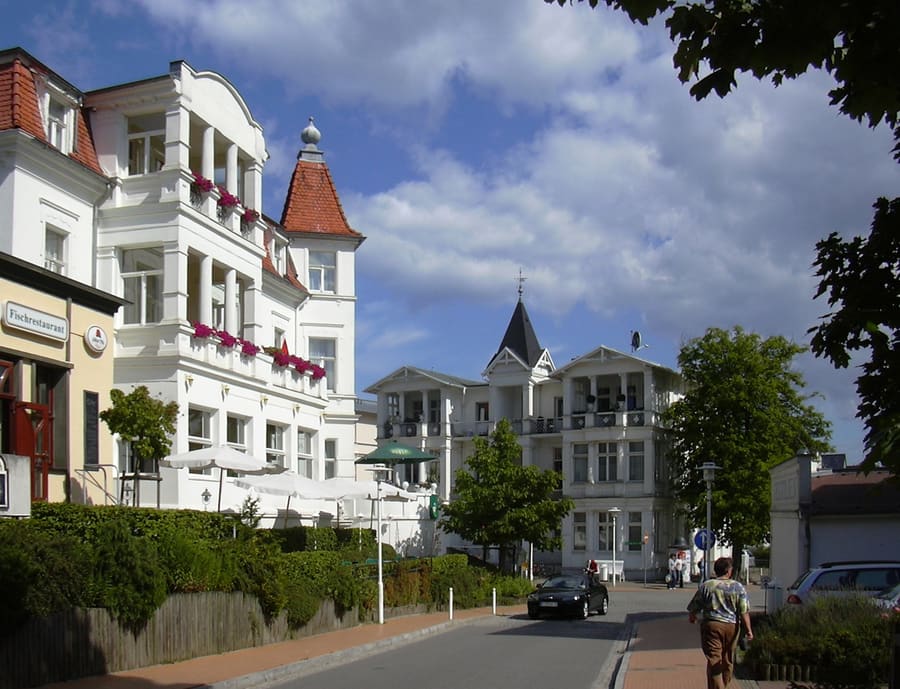
Kühlungsborn Ost — Lively hub around Strandstraße with heavy foot traffic, boutique shops, and classic spa villas.
Havelbaude · Public domain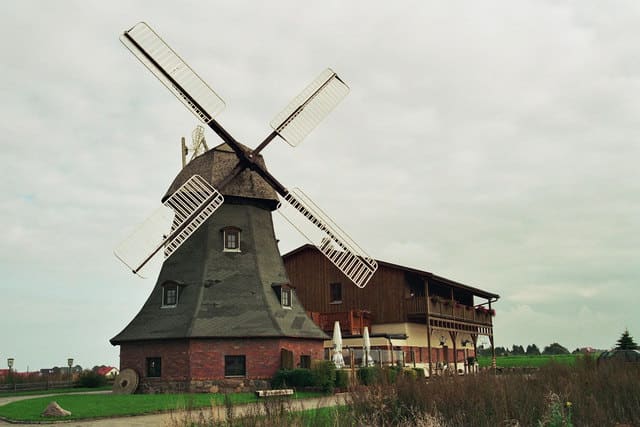
Kühlungsborn West — Relaunched spa district with wide plazas, an open-air concert garden, and wide sandy beaches.
Norbert Kaiser · CC BY-SA 2.0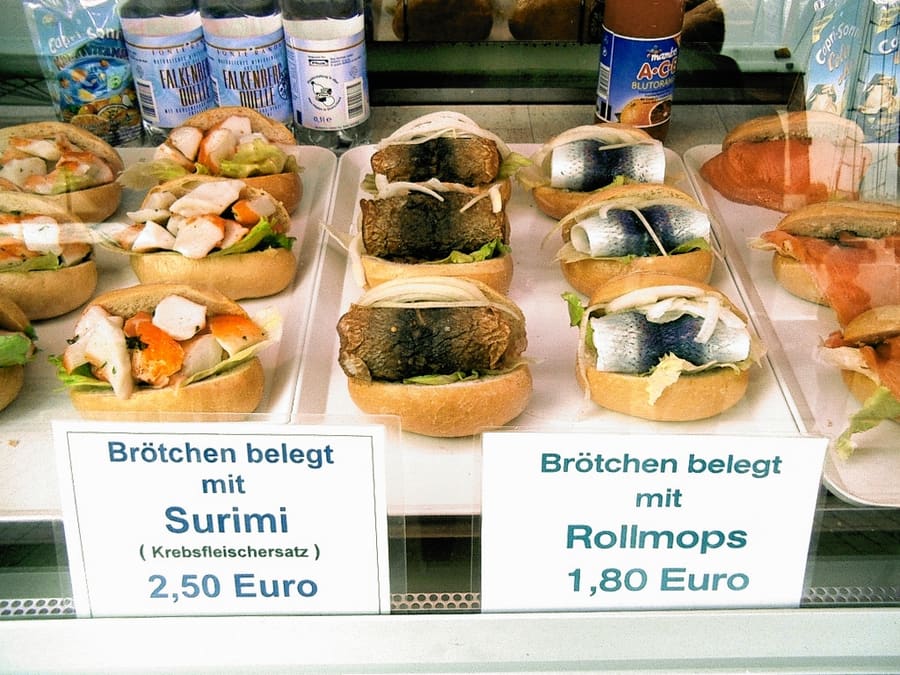
A classic Bismarck herring roll bought at the marina, best eaten fresh outdoors.
selbst fotographiert von User:Geoz · Public domainhighlights
landmark
This 240-metre pier marks the heart of Kühlungsborn Ost. Excursion boats dock at the tip during summer.
Ask Parley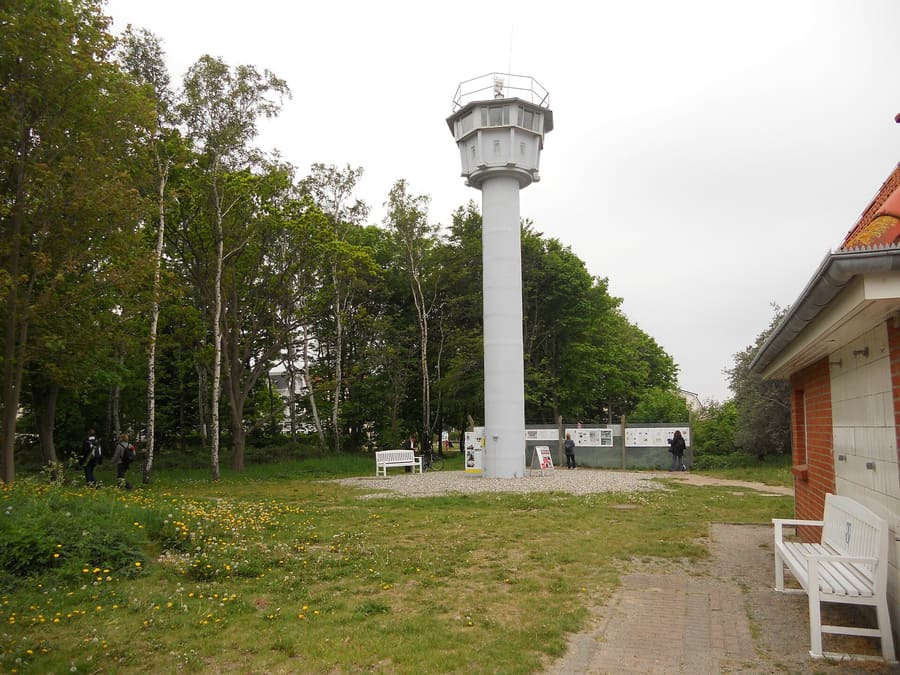
landmark
One of the last surviving East German border watchtowers. Climb the narrow ladder for the view.
Ask Parley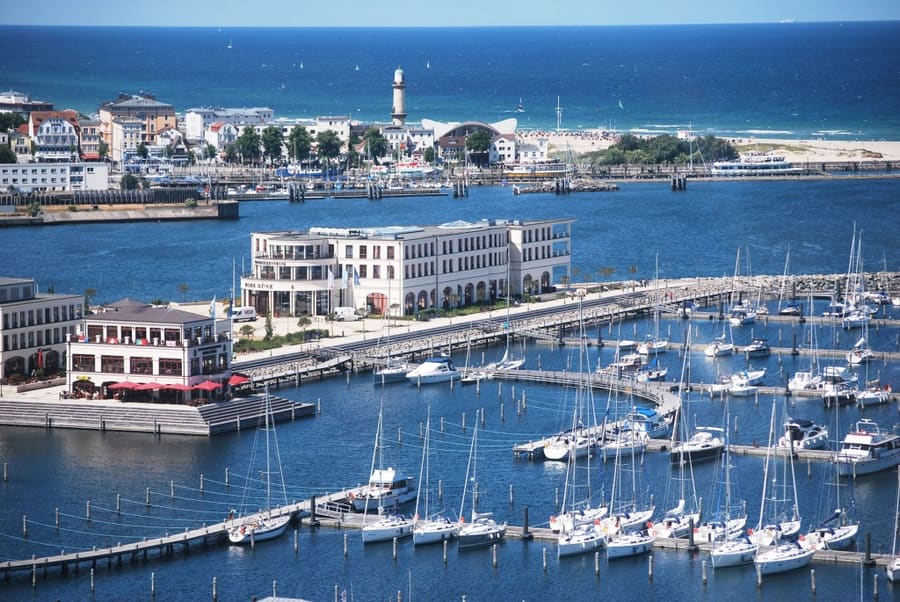
landmark
A modern 400-berth marina where local fishermen sell smoked fish right off the boats.
Ask Parley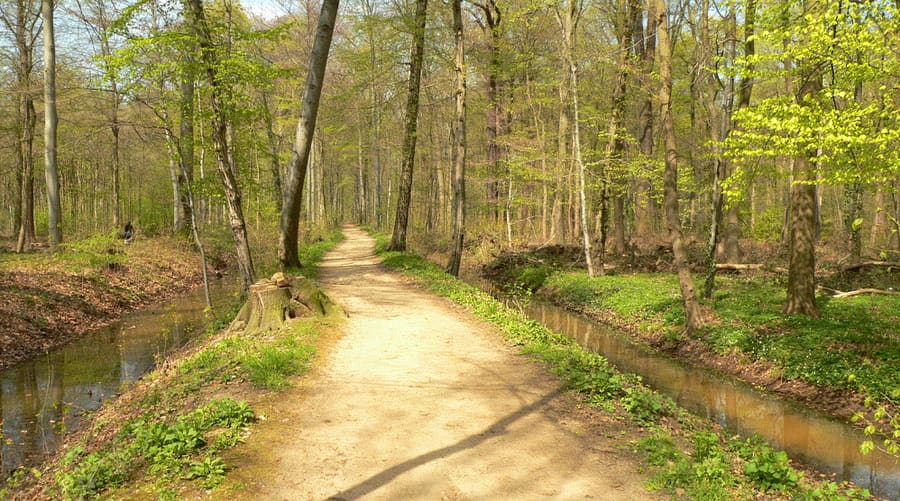
landmark
A preserved 133-hectare woodland inside the town. Keeps coastal winds off inner residential streets.
Ask Parleyattractions
areas
Lively hub around Strandstraße with heavy foot traffic, boutique shops, and classic spa villas.
NearbySeebrücke, Molli Ost Station, Strandstraße
Ask ParleyRelaunched spa district with wide plazas, an open-air concert garden, and wide sandy beaches.
NearbyConcert Garden West, Hermannstraße, Riedensee trail
Ask ParleyShaded woodland pocket providing quiet residential hotels protected from sea winds.
NearbyClimbing park, cross-town bike paths, Molli Mitte stop
Ask ParleyModern maritime quarter with yacht slips, seafood smokehouses, and clear harbour views.
NearbyMarina quay, eastern beach, coastal path to Heiligendamm
Ask Parleyfood
Coastal dining in Kühlungsborn revolves around fish brought into the marina and nearby Baltic ports. Local smokehouses prepare herring, mackerel, and trout daily over beech wood. You eat them tucked inside crusty bread rolls directly at harborfront stalls.Regional menus prominently feature Matjes (pickled young herring) served with fried potatoes and apples, alongside Baltic cod (Dorsch). Restaurants along Strandstraße tend toward formal dining, while the harbour offers casual counter service.Sea buckthorn (Sanddorn), a bright orange berry rich in vitamin C that grows wild on Baltic dunes, powers local desserts and liqueurs. Look out for Sanddorn cakes, ice cream, and hot grog served at beach cafes during cooler months.
A classic Bismarck herring roll bought at the marina, best eaten fresh outdoors.
selbst fotographiert von User:Geoz · Public domainBuy smoked fish directly from harbour vendors at Yachthafen around 11:00 when morning smoke cycles finish.
Sit-down restaurants in Kühlungsborn Ost book out early in July and August. Reserve two days ahead.
Try hot Sanddorn juice at beach kiosks. Local bakeries also make tart sea buckthorn tarts.
history
Kühlungsborn is a modern creation assembled from ancient coastal villages. Brunshaupten, Arendsee, and Fulgen catered to summer visitors separately from the late 19th century onward. The communities built grand lodging houses in the distinct white Baltic resort style known as Bäderarchitektur.In 1938, administrative authorities unified the three settlements and named the new town after the nearby Kühlung ridge. During the East German era, state trade unions ran the hotels as health retreats. The Baltic Border Tower stands as a reminder of strict Cold War coastal surveillance designed to stop escape attempts across the sea.
First seaside resort guests
Brunshaupten and Arendsee open guest houses as railway connections reach northern Germany.
Molli line opens
The narrow-gauge steam railway reaches the coast, connecting the twin villages directly to Bad Doberan.
Town unification
Brunshaupten, Arendsee, and Fulgen join into the unified resort town of Kühlungsborn.
Border tower constructed
East German border guards build a concrete observation tower on the beach promenade.
where to stay
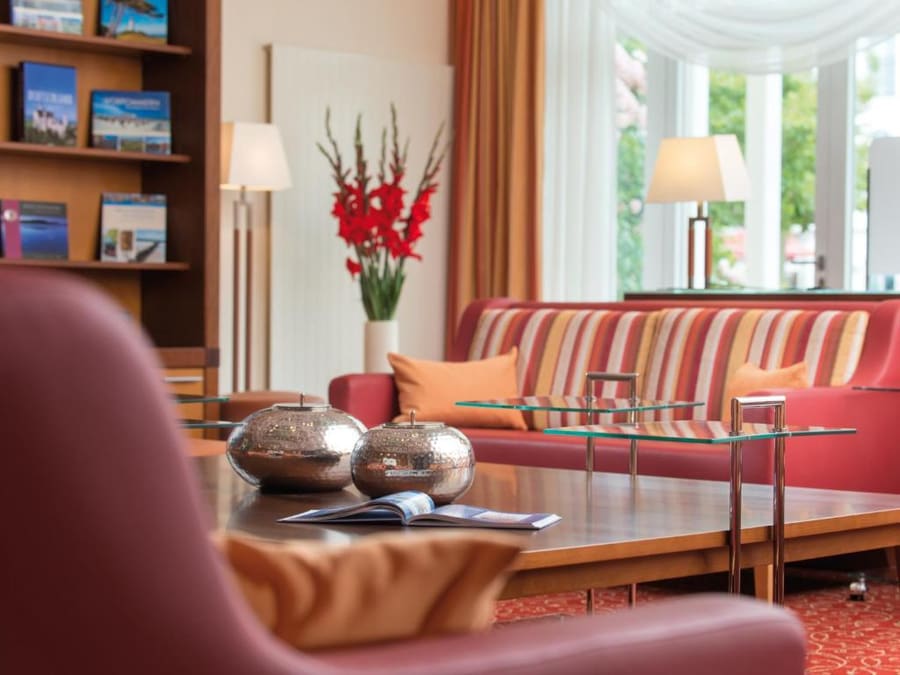
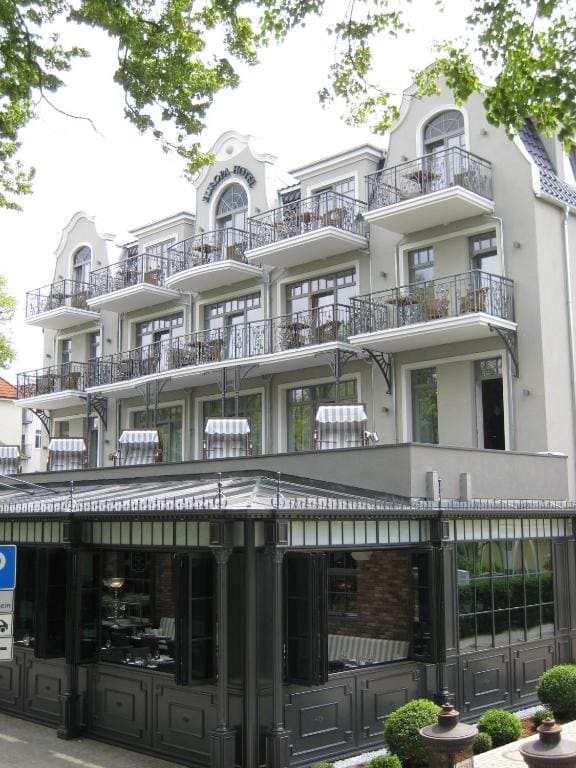
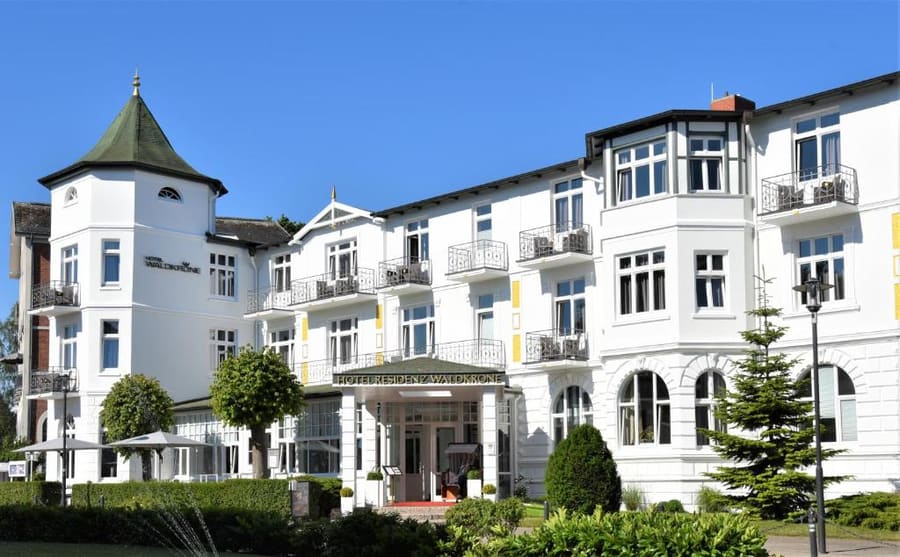
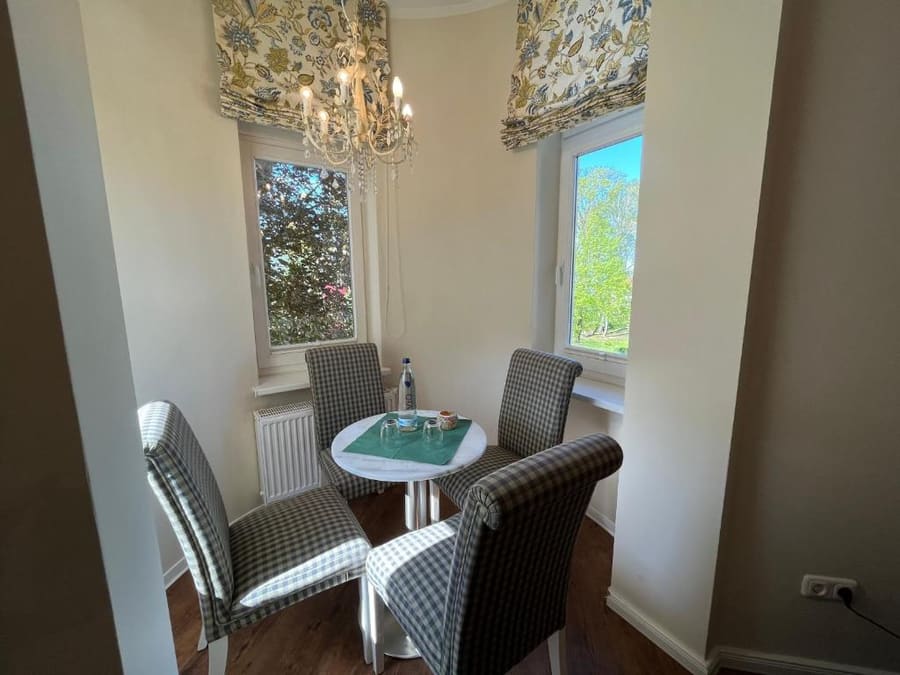
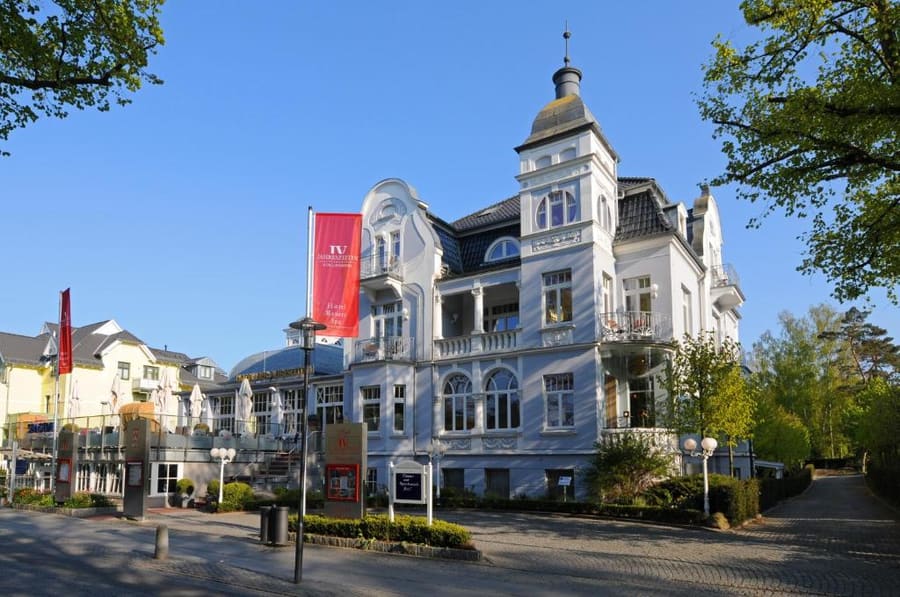
Choose your base based on your transit preference and desired noise level. Kühlungsborn Ost puts you right next to central shops, the main pier, and dining streets. Kühlungsborn West offers wider open spaces, quick dune access, and a quieter evening atmosphere.If you prefer shade and quiet sleep away from coastal winds, choose a villa hotel bordering the central Stadtwald forest. Coastal hotels in the Yachthafen area give you direct harbour views but come at a premium price during summer peak weeks.
Live rates, matched to the areas above.
transport
Kühlungsborn is designed for non-motorised travel. Cars are impractical inside town due to tight parking restrictions and paid zones. A flat, paved sea promenade runs about 3.15 continuous kilometres along the beach, making walking the default option as bicycles are banned on the promenade.For longer journeys across town, the Molli steam train operates as a practical transit link with three stations in Kühlungsborn. Local bus line 121 connects both ends of the resort to nearby Bad Doberan and Rostock Central Station.
From Rostock Hauptbahnhof (Rail Hub)
Take regional train RB11 to Bad Doberan, then transfer directly across the platform to Molli.
Bus 121 runs directly from Rostock Hauptbahnhof bus bay to Kühlungsborn Ost and West.
Useful for late arrivals after regional train services decrease frequency at night.
You can use the Molli steam train as a local transit shuttle between Kühlungsborn West, Mitte, and Ost.
Regional bus 121 runs along the inland edge of town, useful when returning uphill from the beach.
Your valid visitor card grants free or discounted trips on local bus lines within the municipality.
Rental stations sit near both Molli stations. Daily bicycle hires cost around €10 to €12.
cost
Prices reflect Kühlungsborn's status as a premium Baltic destination. Mid-range accommodation and restaurant dining spike significantly from June through August. Visiting in spring or autumn yields lower hotel rates while all core attractions remain operational.
Charged per adult per night. Collected by your accommodation or payable at tourist offices.
Traditional hooded wicker beach chairs rented directly from attendants on the sand.
Fresh fish sandwich bought at marina stalls or pier kiosks.
Fares depend on whether you ride one local stop or the full distance to Bad Doberan.
seasonality
MAR – MAY
Crisp sunny days ideal for coastal cycling. Sea temperature stays cold, but crowds remain small.
JUN – AUG
Peak swimming season. Long daylight hours, full beach chair rentals, and heavy hotel demand.
SEP – OCT
Baltic water remains swim-friendly until mid-September. Quiet walking weather with lower hotel rates.
NOV – FEB
Cold winds and quiet streets. High sea air iodine levels make winter walks popular with wellness travellers.
practicalities
The shoreline is numbered by beach access points (Aufgänge). Dedicated zones exist for dogs and naturists (FKK).
Beachfront snack stands and individual Strandkorb attendants frequently accept cash only.
Under resort town rules (Bäderregelung), food and souvenir shops open on Sunday afternoons during summer.
Seagulls at the marina swoop to grab food. Keep your fish roll covered until you sit down.
Cycling is strictly prohibited on the pedestrian promenade. Use the parallel dedicated bike lane behind the trees.