landmark
Tower of Hercules
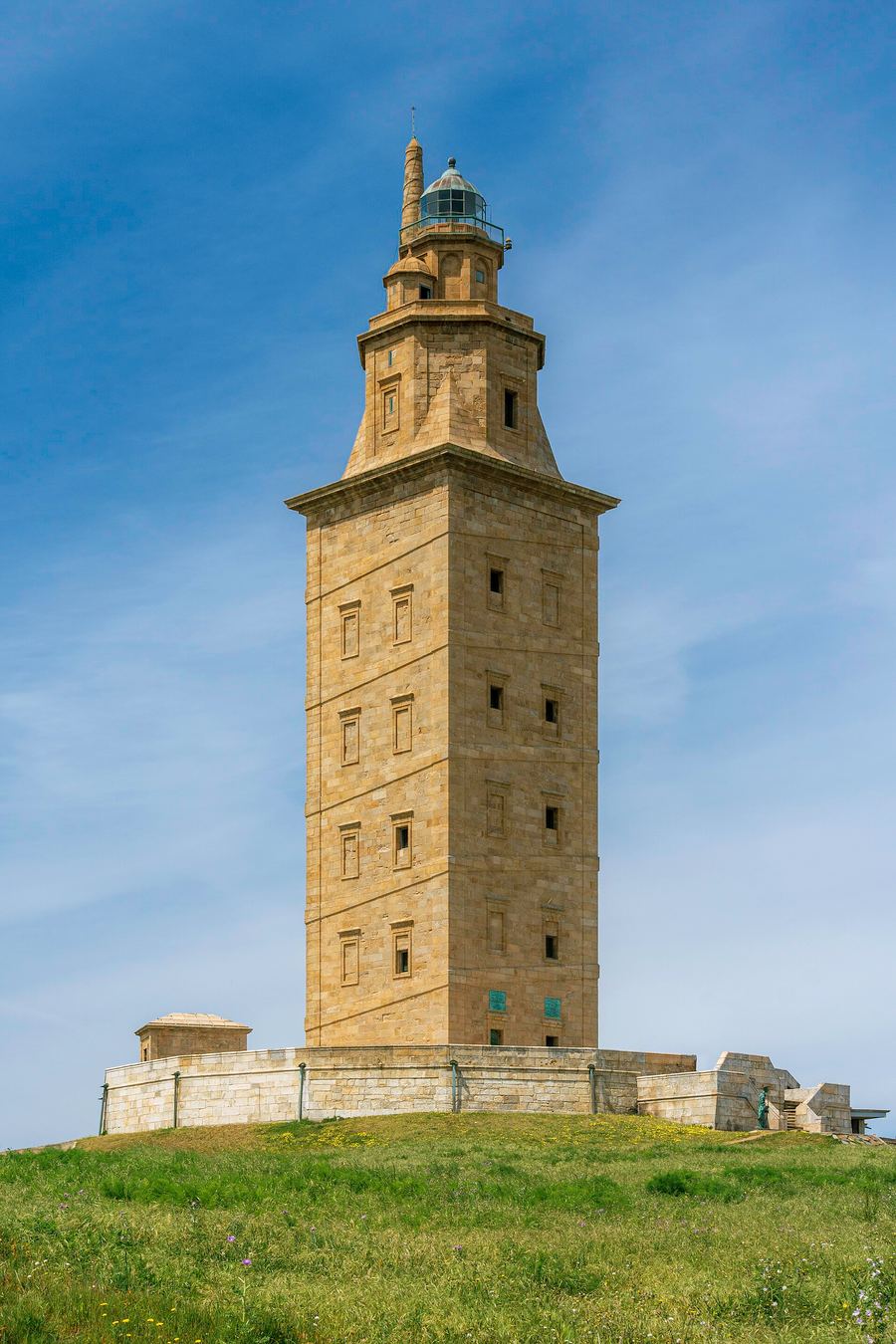
Roman lighthouse built in the 1st century. Climb the 234 steps early in the morning to beat tour buses.
Ask ParleySpain
Atlantic salt, glass facades, and deep seafood roots.
introduction
La Coruña sits on an Atlantic peninsula in northwest Spain, wrapped almost entirely by sea. A narrow neck of land connects the granite Old Town to the mainland, bounded by harbour basins on one side and surf beaches on the other. You move through the city on foot along the ocean promenade or along narrow, pedestrianised lanes lined with enclosed glass balconies. Wind and damp weather are constant companions, but so are exceptionally fresh shellfish and relaxed tapas bars.
Airport transit
Line 4051 buses connect A Coruña Airport to Plaza de Orense in 25 minutes for €1.55.
Roman lighthouse
The Tower of Hercules has stood on the northern promontory since the 1st century AD and holds UNESCO World Heritage status.
Free tapa tradition
Local taverns along Calle Galera serve a small dish of warm food with every glass of wine or draft beer.
La Coruña
Diego Delso · CC BY-SA 4.0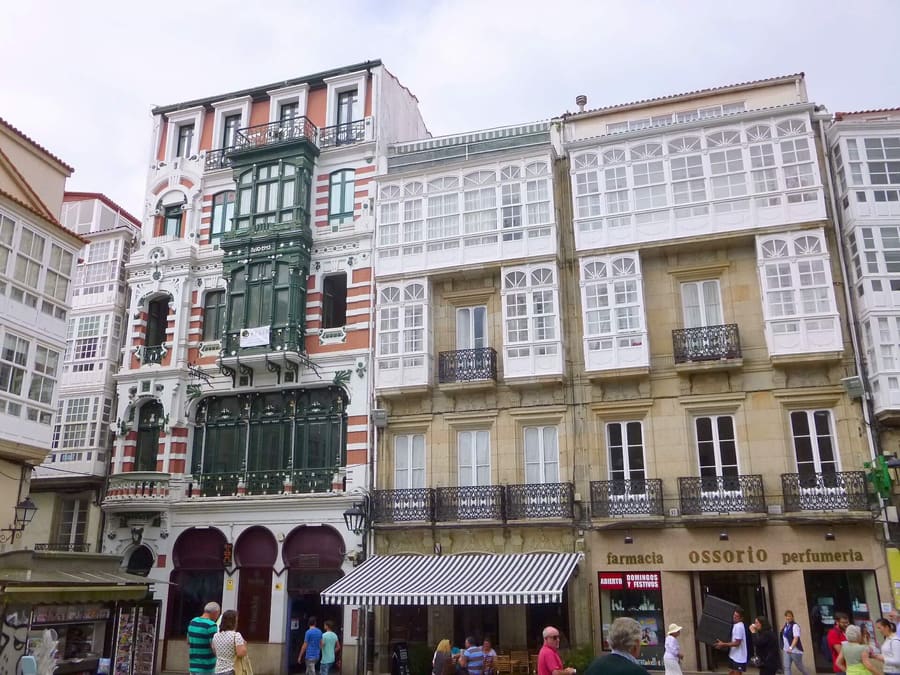
Pescadería — Dense grid of lanes sandwiched between the port and the ocean, famous for glass balconies and tapas bars.
Zarateman · CC0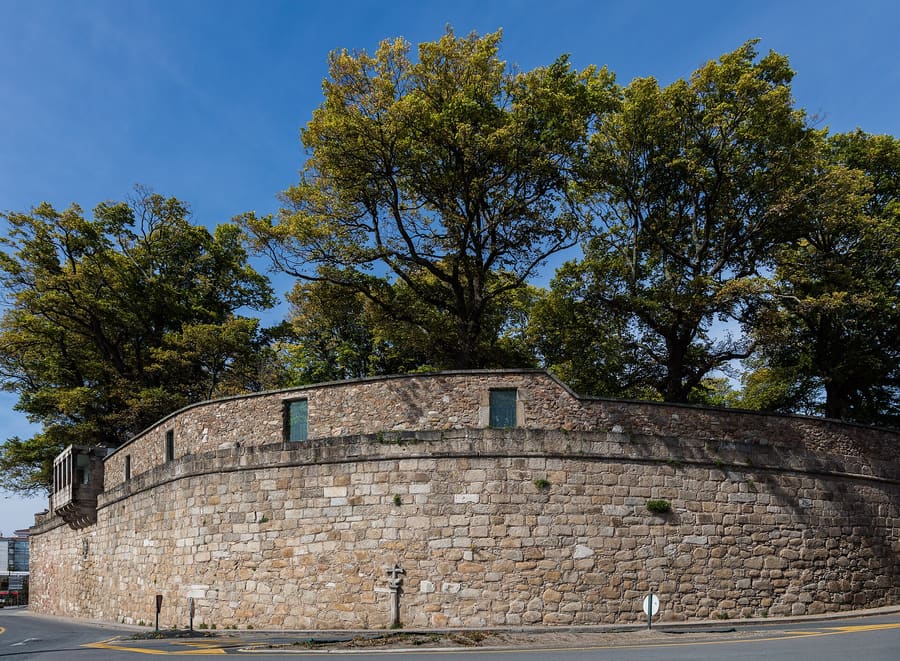
Ciudad Vieja — Quiet granite alleys, shady arcaded squares, and historic stone churches away from commercial traffic.
Diego Delso · CC BY-SA 4.0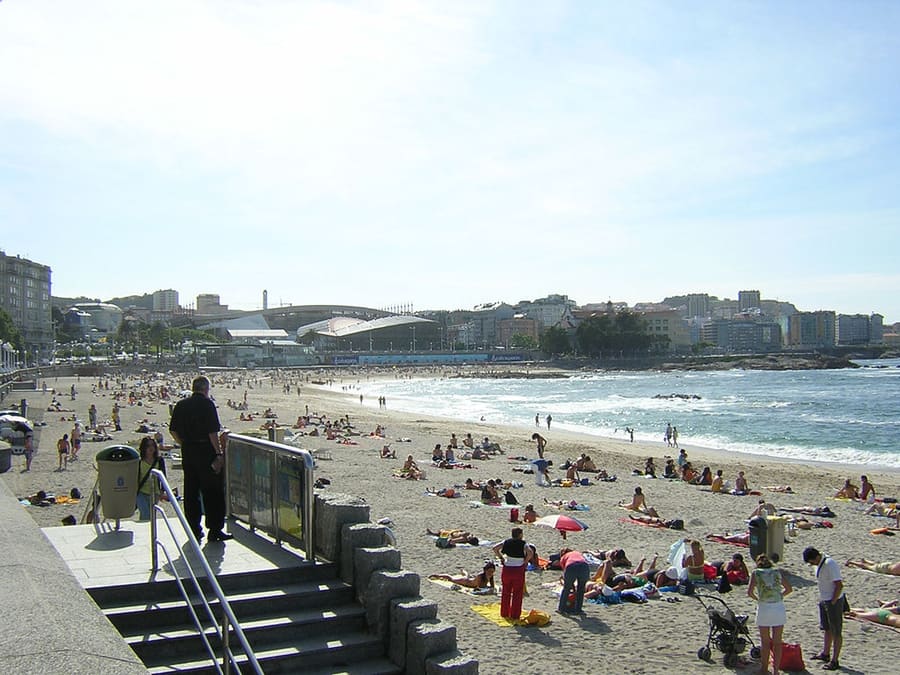
Riazor & Orzán — Oceanfront neighbourhood facing wide sandy beaches with a continuous paved promenade.
Roberto Abizanda from Zaragoza, Aragón · CC BY-SA 2.0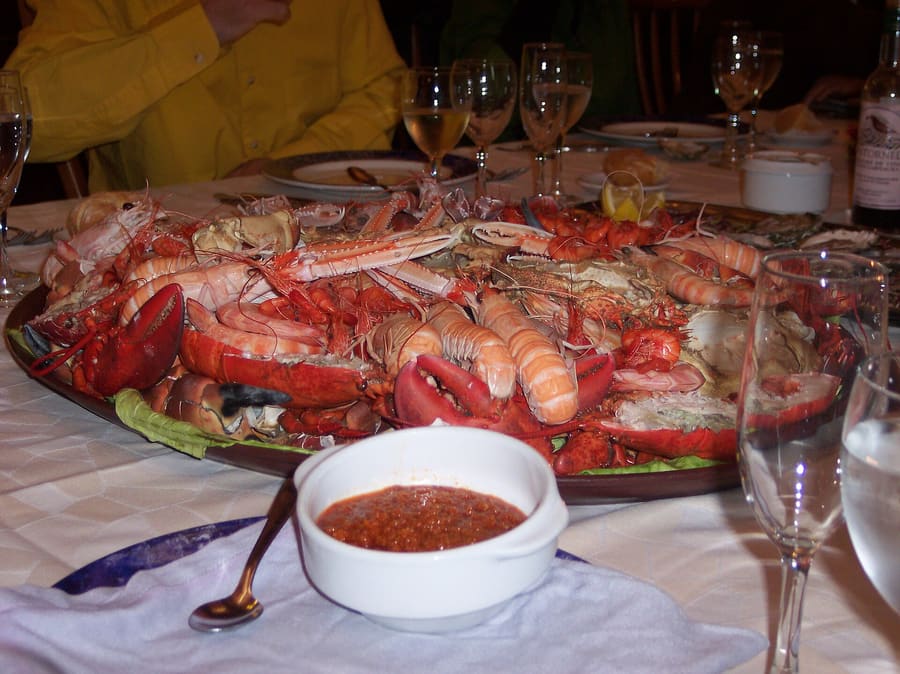
Galician octopus served with paprika, olive oil, and sea salt on a classic wooden platter.
MyName (Pedroserafin) · Public domainhighlights
landmark
Roman lighthouse built in the 1st century. Climb the 234 steps early in the morning to beat tour buses.
Ask Parley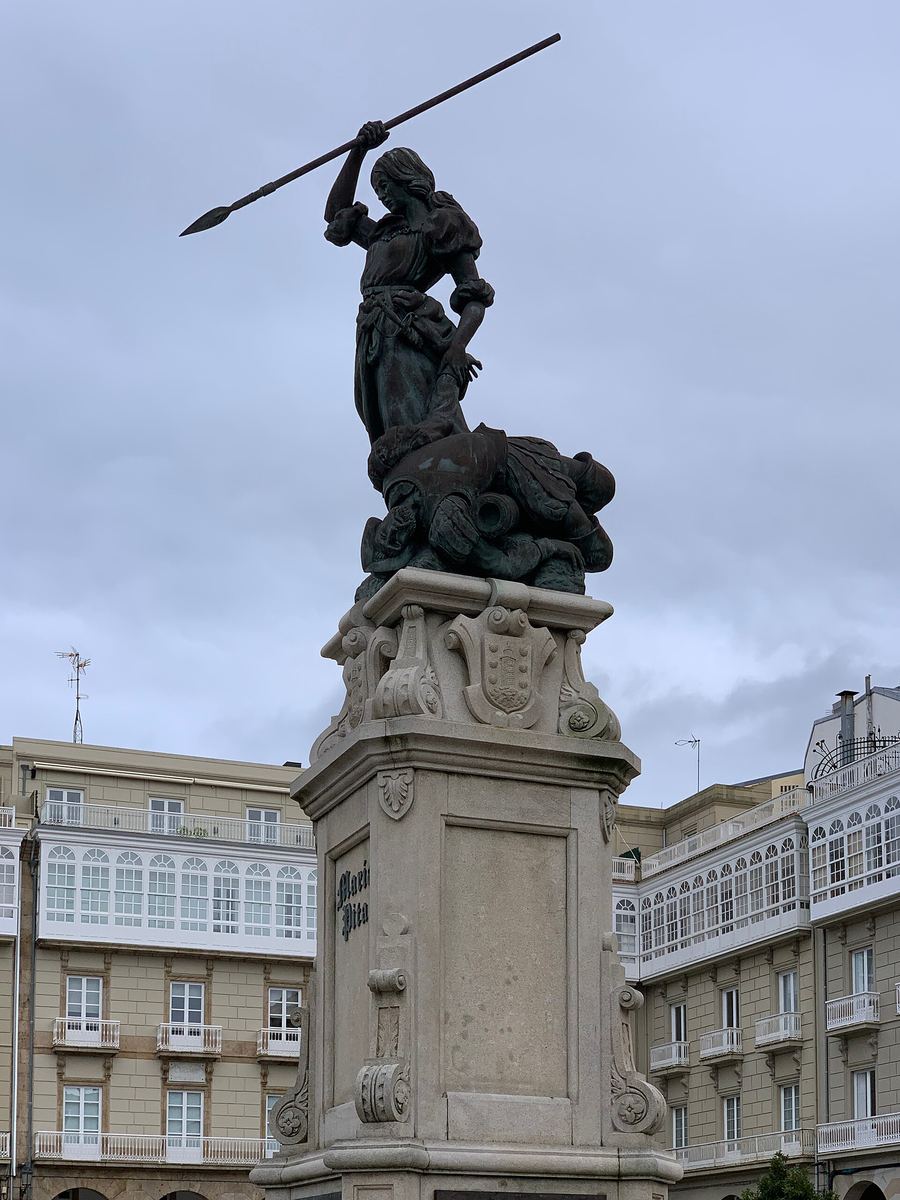
landmark
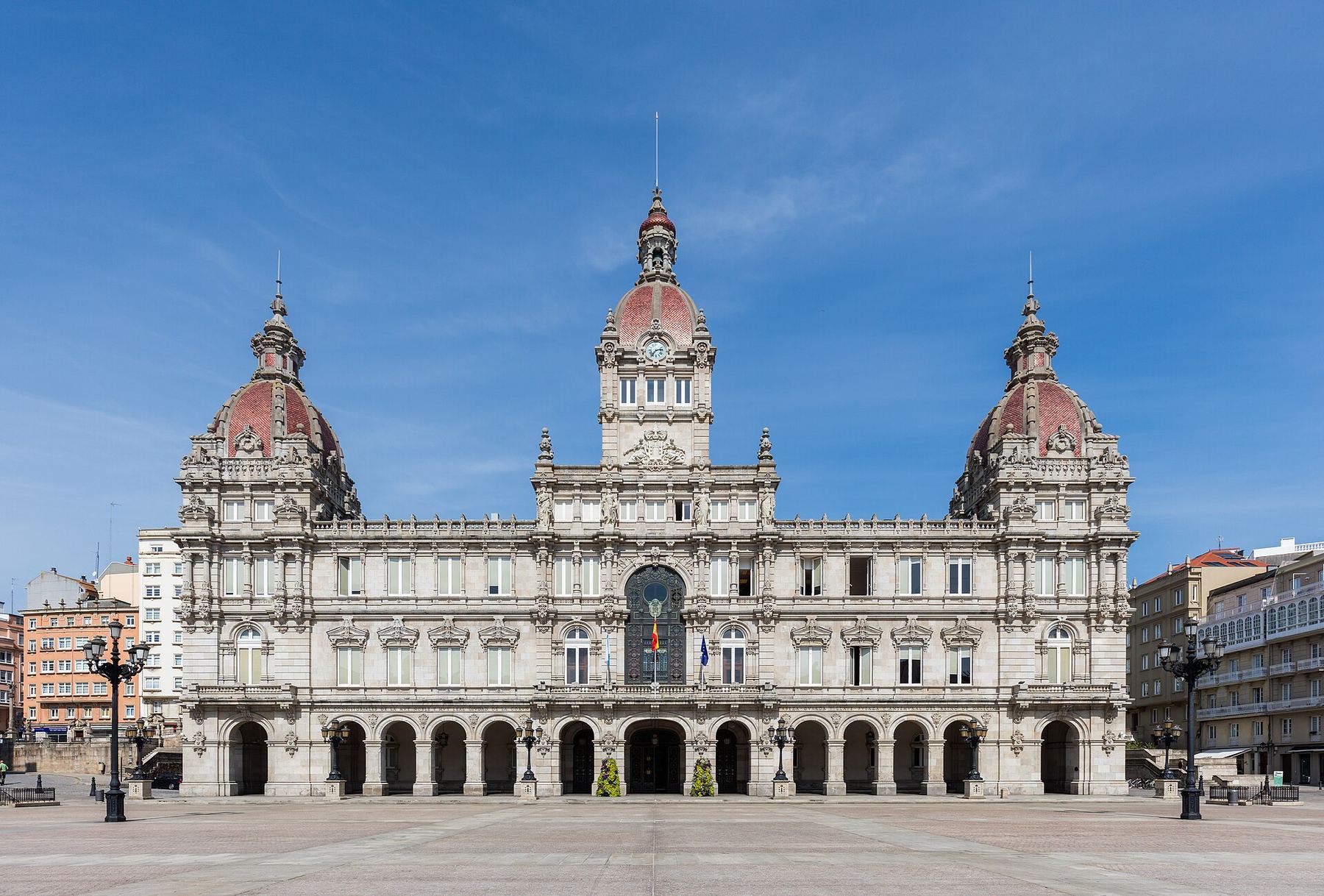
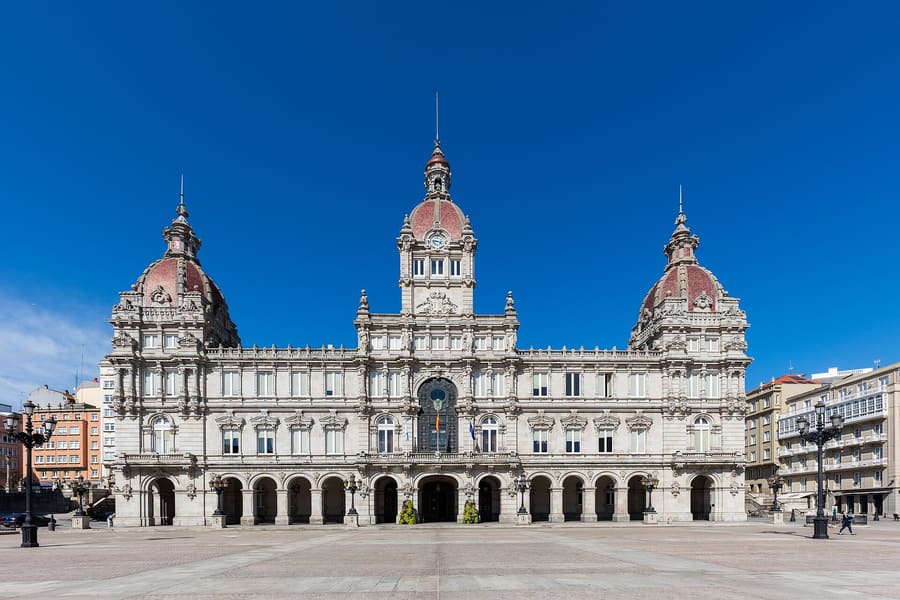
Grand central square dominated by the imposing city hall building. Terraces get sun during summer afternoons.
Ask Parley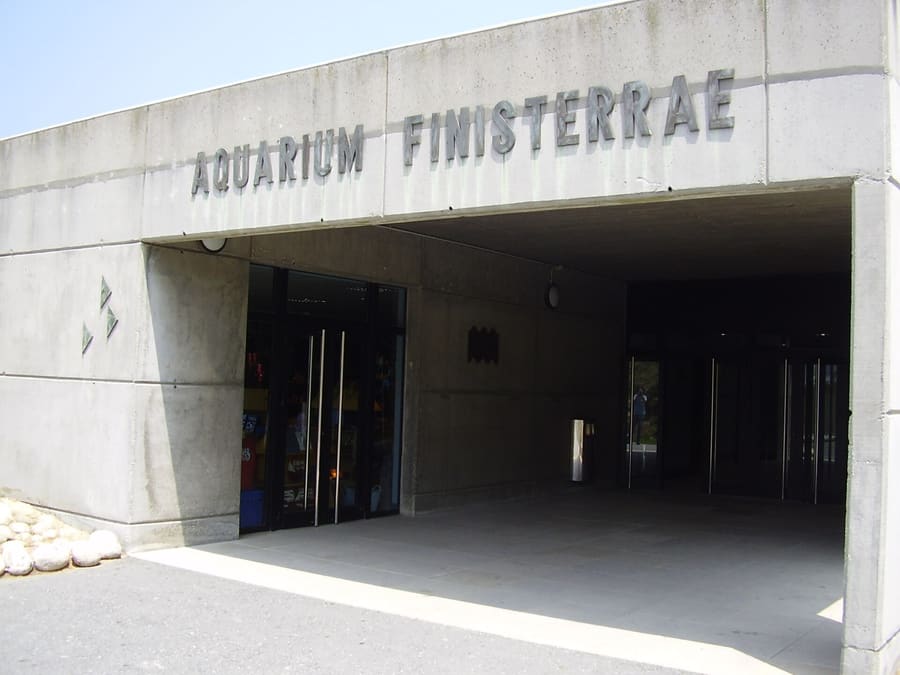
landmark
Coastal aquarium focused on Atlantic marine life. The outdoor seal pool opens directly to ocean waves.
Ask Parley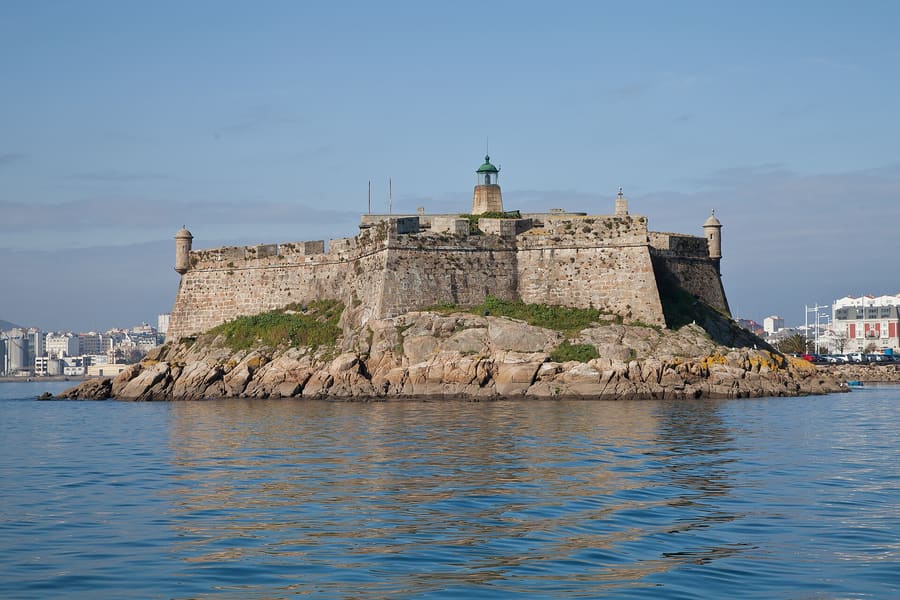
landmark
16th-century island fortress turned archaeological museum. Offers clear harbour views from the battery ramparts.
Ask Parley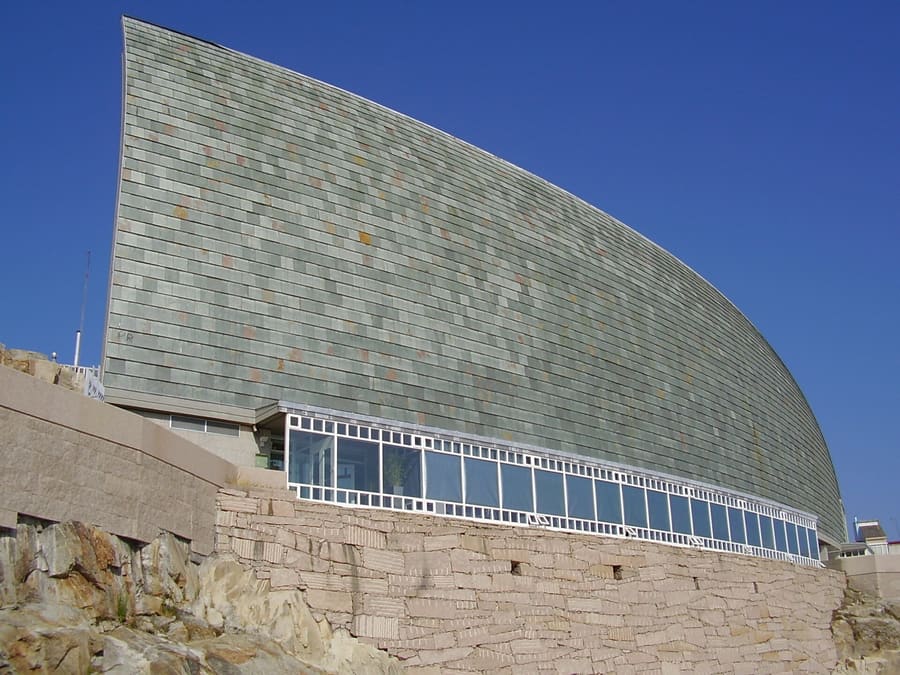
landmark
Interactive science museum devoted to human physiology. The slate facade was designed by architect Arata Isozaki.
Ask Parleyattractions
areas
Dense grid of lanes sandwiched between the port and the ocean, famous for glass balconies and tapas bars.
NearbyPlaza de María Pita and Orzán beach.
Ask ParleyQuiet granite alleys, shady arcaded squares, and historic stone churches away from commercial traffic.
NearbyCastillo de San Antón and the port.
Ask ParleyOceanfront neighbourhood facing wide sandy beaches with a continuous paved promenade.
NearbyDOMUS museum and Riazor stadium.
Ask ParleyModern residential hub centred around shopping streets, traditional octopus halls, and the train station.
NearbyEstrella Galicia brewery museum and bus station.
Ask Parleyfood
Galician cuisine centers on seafood harvested from cold Atlantic rias. In La Coruña, dining revolves around narrow lanes like Calle Galera and Calle Barrera, where bars serve octopus sliced over wooden plates with paprika and olive oil. White Ribeiro and Albariño wines are traditionally drunk from small ceramic bowls called cuncas.
Galician octopus served with paprika, olive oil, and sea salt on a classic wooden platter.
MyName (Pedroserafin) · Public domainPercebes (goose barnacles) are priced by the hundred grams. Check the daily market price before ordering at seafood specialist bars.
Tapas bars on Calle Olmos fill up between 14:00 and 15:30 for lunch, and again after 21:00 for dinner.
The original Estrella Galicia brewery taproom on Calle Concepción Arenal serves unpasteurised tank beer alongside hot empanada slices.
history
La Coruña developed as a strategic Atlantic port under Roman rule, guarded by its hilltop lighthouse. In 1589, English forces under Francis Drake besieged the city until local heroine María Pita rallied defenders to repel the assault. The 19th century brought industrial expansion, shipyards, and the famous glass-enclosed balconies built to protect sea-facing homes from Atlantic winds.
Roman harbour established
Romans construct the Tower of Hercules to guide trading ships entering the treacherous Atlantic cove.
Siege of María Pita
María Pita kills an English officer, rallying residents to defeat Francis Drake's invading fleet.
Battle of Corunna
British troops under Sir John Moore battle French forces during the Peninsular War; Moore dies in battle.
Estrella Galicia founded
Rivera family opens the first brewery in Cuatro Caminos, creating Galician beer culture.
where to stay
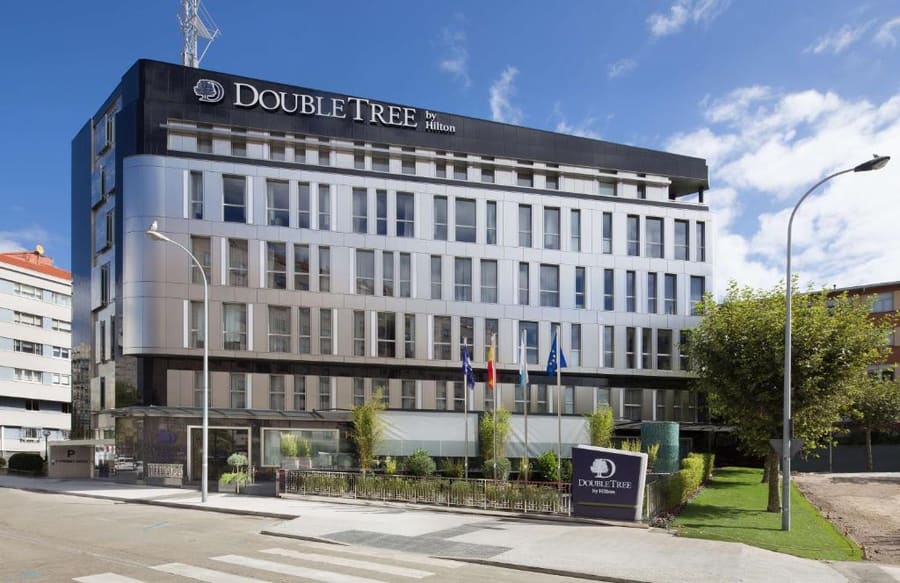
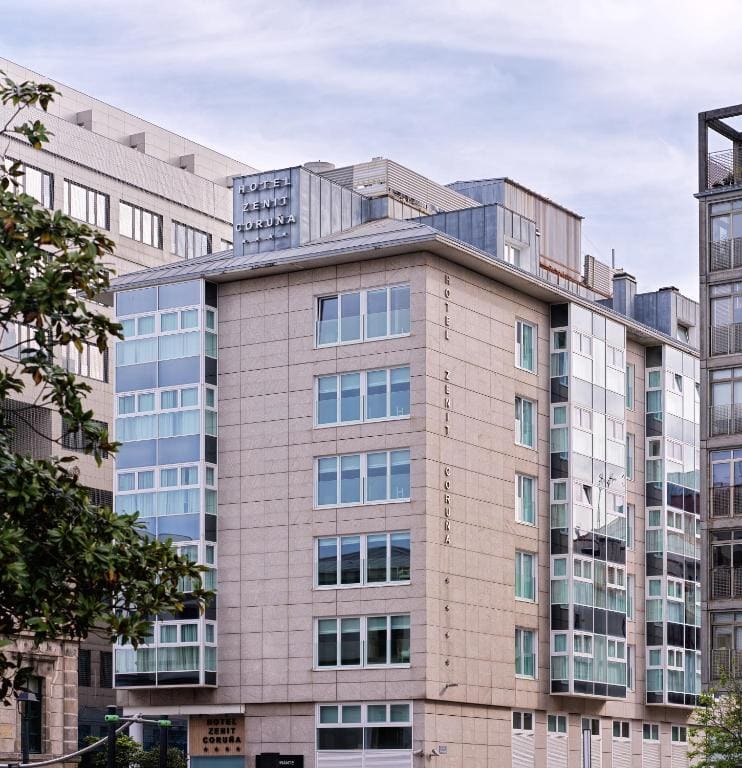
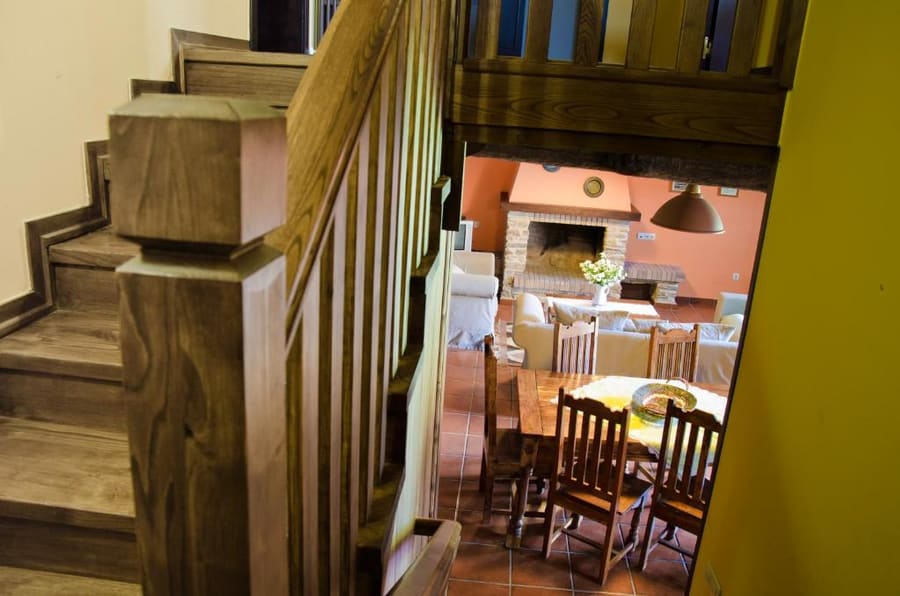
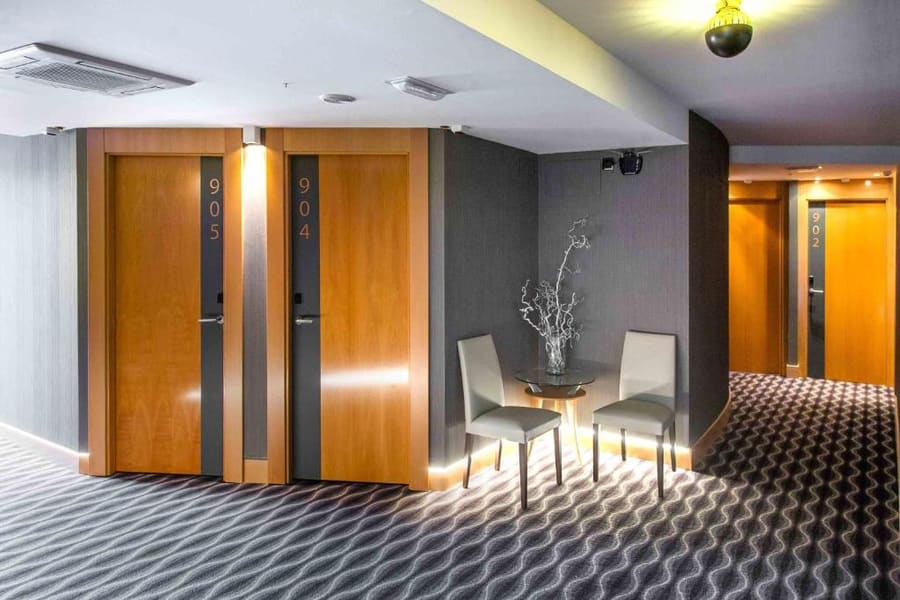
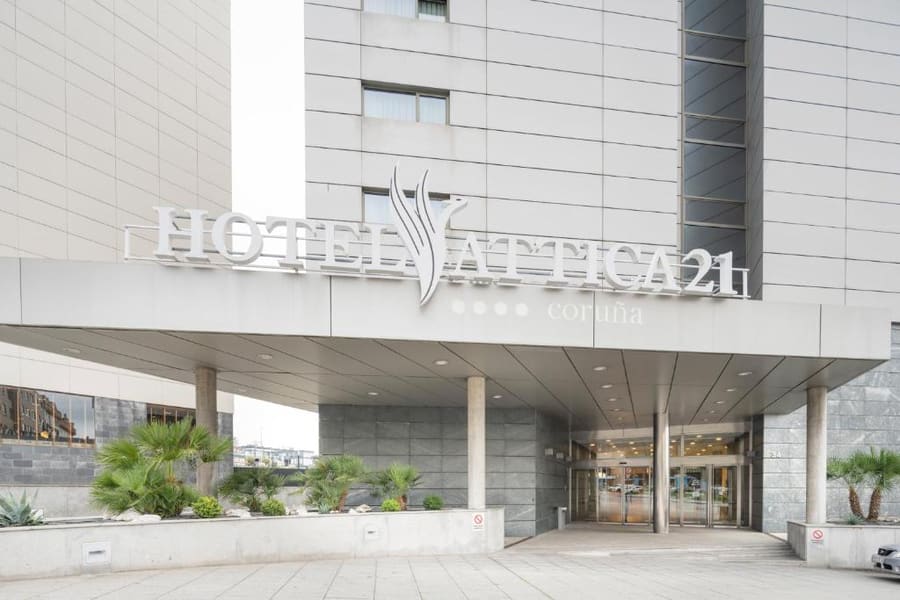
Choosing where to stay depends on whether you prefer Atlantic waves or quiet medieval stone. Pescadería keeps you steps from seafood bars and shopping streets. Riazor caters to beach walkers who want open sea views, while Ciudad Vieja suits travellers who prefer peaceful granite alleys.
Live rates, matched to the areas above.
transport
From A Coruña Airport (LCG)
Line 4051 runs every 30 minutes to Plaza de Orense in the city center.
Fixed airport supplement applies. Official ranks wait directly outside arrivals.
Uber operates in the city, pick-up is at the main terminal curb.
Single bus tickets cost €1.30 payable directly to the driver with small cash notes or coins.
Walking from Plaza de María Pita across to Riazor beach takes under ten minutes on foot.
Night buses run limited loops on Friday and Saturday nights from Plaza de Pontevedra.
cost
La Coruña offers reasonable prices compared to Madrid or Barcelona. Fresh seafood varies based on daily dock catches, while house wines and draft beers remain low-cost everyday staples. Museum admissions and urban transport stay budget-friendly year-round.
Midday menu del día includes two courses, bread, wine, and dessert at neighborhood eateries.
A draft Estrella Galicia includes a small complimentary tapa in most Pescadería bars.
Market price for a full wooden platter of boiled octopus drizzled with olive oil and paprika.
General admission ticket to climb the Roman lighthouse; free entry on Mondays.
seasonality
MAR – MAY
Crisp ocean breezes and frequent spring showers. Seafood markets are fully stocked and crowds are minimal.
JUN – AUG
Warmest beach weather with average highs around 24°C. Local summer festivals bring outdoor concerts and crowded terraces.
SEP – OCT
Milder ocean water and reduced tourist numbers. Autumn Atlantic swells bring strong waves to Riazor beach.
NOV – FEB
Heavy winter rains and strong Atlantic gales. Ideal time for cozying up inside tapas bars and visiting indoor museums.
practicalities
Always carry a windproof jacket, as weather conditions change quickly when crossing from port to ocean side.
Traditional shops close between 13:30 and 17:00, while main department stores remain open continuously.
Street signs use Galician (A Coruña, Rúa Galera). Both Galician and Spanish are spoken fluently.
Most city-run museums close on Mondays, though the Tower of Hercules park area remains accessible.
Orzán beach has strong undertows. Swim only when green flags fly and lifeguards are on duty.