
landmark
Scafell Pike
England's highest peak requires rocky scrambles and solid footwear. Clear weather vanishes fast, so bring a physical Ordnance Survey map.
United Kingdom
Glacial valleys, sharp fell ridges, and slate towns.
The Lake District is England's largest national park, built around sixteen major lakes and steep glacial fells. Moving through the region requires a clear strategy, as narrow single-lane roads slow summer traffic to a crawl. You navigate best by combining local Stagecoach buses, lake steamers, and boots. Expect sharp weather changes within minutes on any fell summit.
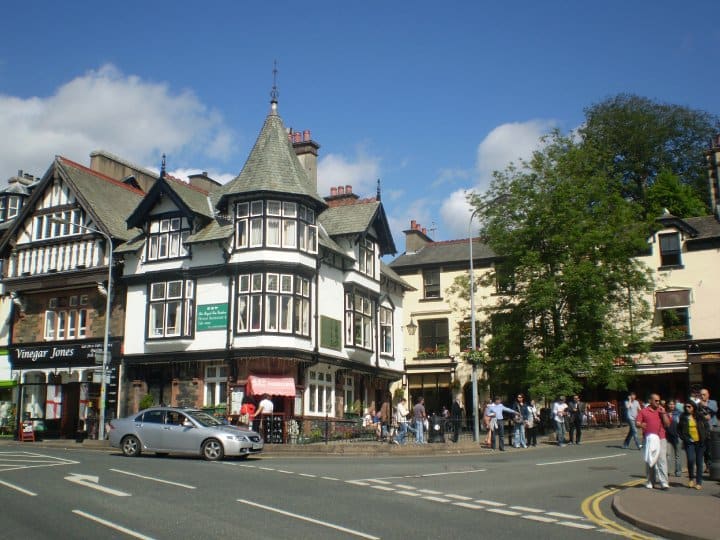
Windermere & Bowness — Busy transport hub with lake cruises, shops, and direct rail ties.
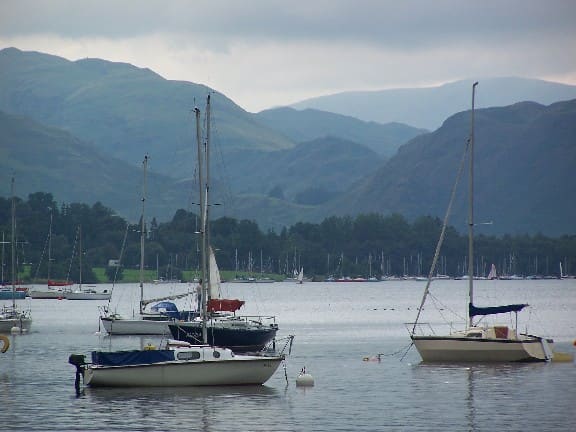
Ullswater Valley — Quiet eastern valley of fell summits and lake steamers.
Traditional coiled Cumberland sausage served with onion gravy.
01
landmark
England's highest peak requires rocky scrambles and solid footwear. Clear weather vanishes fast, so bring a physical Ordnance Survey map.
landmark
The 10.5-mile lake offers wooden launch cruises and kayak rentals. Ferries from Ambleside let you bypass clogged shore roads.
landmark
A quieter serpentine lake served by historic heritage steamers. Use the Ullswater Way walking route to link boat stops along the shore.
landmark
William Wordsworth lived here from 1799 to 1808 in Grasmere. Pre-book timed entry tickets online to secure morning access slots.
landmark
England's last working slate mine sits at the top of Honister Pass. Tour underground caverns or climb the original miner via ferrata.
landmark
Thirty-eight stones stand above Keswick with unobstructed views of Blencathra peak. Entry is free and dawn visits avoid peak crowds.
02
03
Outdoor capital with gear shops, pubs, and direct fell access.
NearbyDerwentwater boat landings and Skiddaw mountain trailhead.
Ask ParleyCentral stone villages with literary history and fell trails.
NearbyRydal Mount, Dove Cottage, and Fairfield Horseshoe ridge trail.
Ask ParleyBusy transport hub with lake cruises, shops, and direct rail ties.
NearbyOrrest Head viewpoint and Windermere train terminal.
Ask ParleyQuiet eastern valley of fell summits and lake steamers.
NearbyAira Force waterfall and Glenridding fell routes.
Ask Parley04
Lake District food reflects its agricultural climate and centuries of trade through Westmorland ports. Spices like nutmeg and ginger arrived in spice ships at Whitehaven, creating distinct baked specialties. Herdwick sheep graze on the open fells, producing meat with protected origin status. Local pubs serve hearty dishes made to sustain long days on the fells.
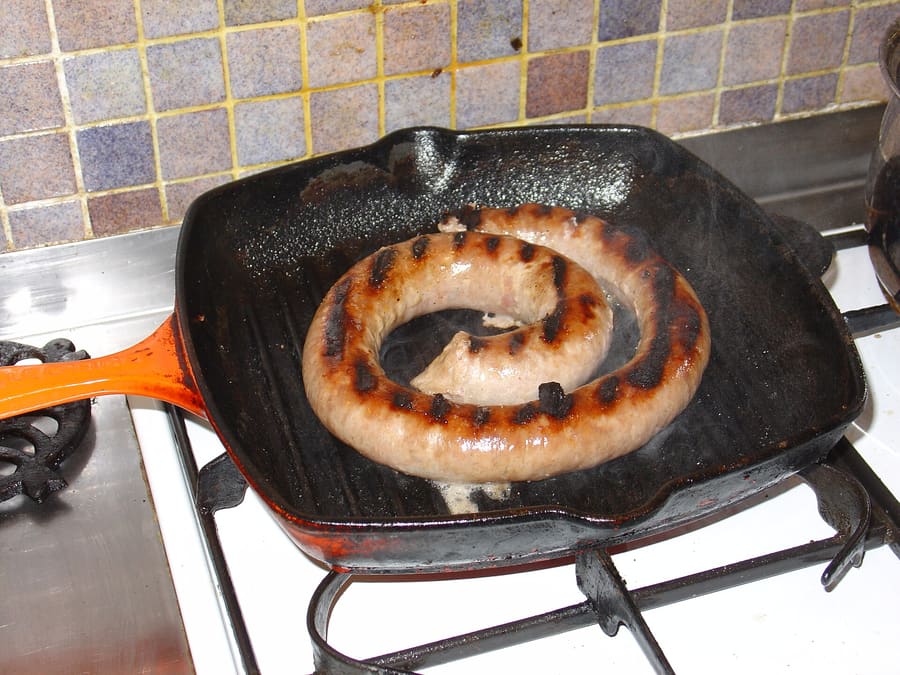
Traditional coiled Cumberland sausage served with onion gravy.
Herdwick sheep graze on heather and wild grasses above 1,000 feet. Look for PGI-certified Herdwick lamb on menus in Keswick and Grasmere gastropubs.
Sarah Nelson created this spicy cross between cake and biscuit in 1854. Buy it fresh from the original Church Cottage shop in Grasmere village.
Cartmel Village Shop popularized this spiced date sponge cake. The village bakery produces the dessert daily alongside local cheeses.
05
Glaciers carved the steep troughs and high tarns during the last ice age, leaving sharp ridges and deep lakes. Bronze Age communities built stone circles, followed by Norse settlers who introduced hill sheep and dialect words like fell, beck, and force. Industrial mining extracted lead, copper, and slate before 19th-century poets transformed the region into a destination for nature travel.
Neolithic quarrying
Langdale axe factories produced polished greenstone tools traded across prehistoric Britain.
Norse settlement
Norse farmers introduced Herdwick sheep and language terms still used for local terrain features.
Wordsworth settles
William Wordsworth moved to Dove Cottage, anchoring the Romantic poetry movement in the area.
Railway arrives
The Kendal and Windermere Railway opened, connecting urban visitors directly to the central lakes.
National Park status
The Lake District received official National Park designation to protect landscapes from development.
06
Choose your base by how you intend to travel through the park. Non-drivers should stay in Windermere or Ambleside along the main 555 bus route. Serious fell walkers do best in Keswick or Glenridding to reach major mountain ridges without morning transfers. Drive-focused visitors seeking peace can pick smaller eastern or western valleys like or Wasdale.
07
Driving gives you route freedom, but summer parking and narrow roads add friction. Public transport links key valley bottoms efficiently. Stagecoach open-top buses offer panoramic valley views on primary routes. Combining public buses with lake ferries lets you design linear walk routes without returning to a car.
From Oxenholme Lake District Railway Station
Hourly Northern Railway direct service to Windermere connecting off West Coast Main Line trains.
Stagecoach buses run via Kendal to Windermere and Grasmere; £2 single fare cap applies.
Taxi rank located outside station entrance. Fares increase for further valley destinations.
Pick up near station. Summer parking is competitive and valley roads are narrow.
The 555 bus connects Lancaster, Kendal, Windermere, Ambleside, Grasmere, and Keswick. Runs hourly through the central valley.
Northern Railway operates hourly train services from Oxenholme Lake District station on the West Coast Main Line straight to Windermere.
Water buses link key lakeside piers year-round. Connect boat sailings with footpaths to complete circle walks without driving.
08
The Lake District operates at a premium compared to surrounding northern English towns. Peak summer accommodation prices rise sharply, while pub meals and parking fees stay consistent across valleys. Booking rooms months ahead saves money, especially in popular hubs like Ambleside.
A classic pub lunch or dinner dish of Cumberland sausage or steak pie costs between £15 and £25 across central valleys.
Unlimited single-day travel pass on Stagecoach buses costs around £9.50 per adult.
National Park and National Trust parking lots charge between £8 and £12 for full-day parking.
09
MAR – MAY
Spring brings wild daffodils and lambing season. Weather varies quickly, but crowds remain manageable before summer holidays.
JUN – AUG
Longest daylight hours and warm temperatures attract heavy traffic. Book accommodation and restaurant tables weeks in advance.
SEP – OCT
Autumn foliage colors the oak woods and fell slopes red. Crisp hiking weather makes this a top season for fell walking.
NOV – FEB
Snow coats high peaks while lower valleys turn wet and quiet. Daylight ends early around 16:00, requiring early start times on hikes.
10
Mountain weather shifts rapidly regardless of morning forecasts. Always pack a windproof waterproof jacket, extra fleece, and sturdy boots.
Card and contactless payments work across nearly all buses, pubs, parking meters, and shops in the region.
Mobile phone coverage drops completely in deep valleys and high fells. Download offline mapping or carry an OS Explorer paper map.
Keep dogs on leads near hill livestock, leave farm gates as found, and carry all trash out of the fells.
Contents
Your trip
Going to Lake District?
Tell Parley when you’re going and what you enjoy, and it plans the days around this guide.
Plan with Parley


