
landmark
Piazza Grande
The main paved square framed by pastel arcades. Skip overpriced terrace coffees; come at dusk when locals gather for aperitivo.
Switzerland
Swiss precision meets Italian microclimate on Lake Maggiore.
Locarno sits on the northern tip of Lake Maggiore, where Italian language and culture blend with Swiss infrastructure. You move through a compact grid of cobblestone alleys and wide plazas, framed by steep granite peaks. Expect palm trees, humid Mediterranean summers, and immediate access to alpine valleys via mountain railways.
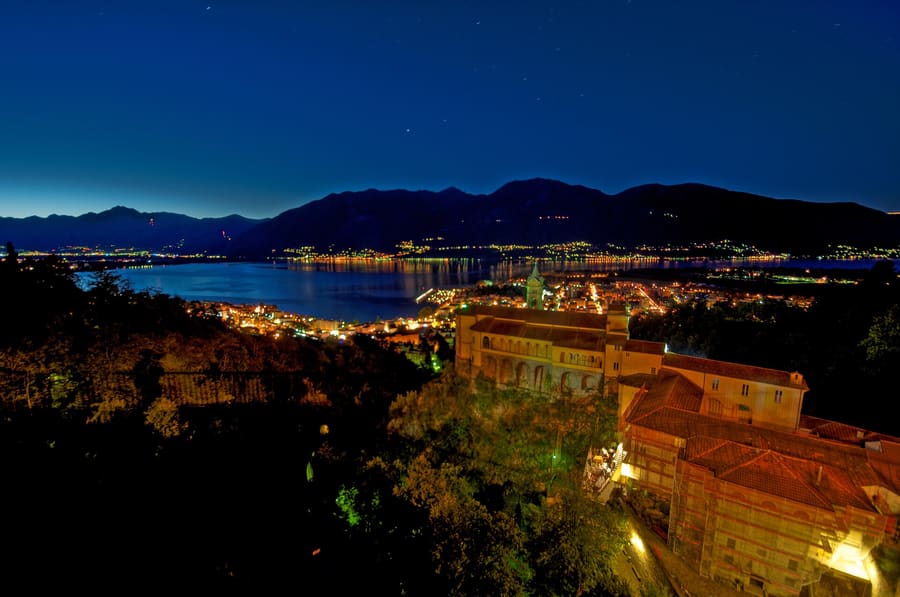
Orselina — Quiet hillside village with steep footpaths and broad lake vistas.
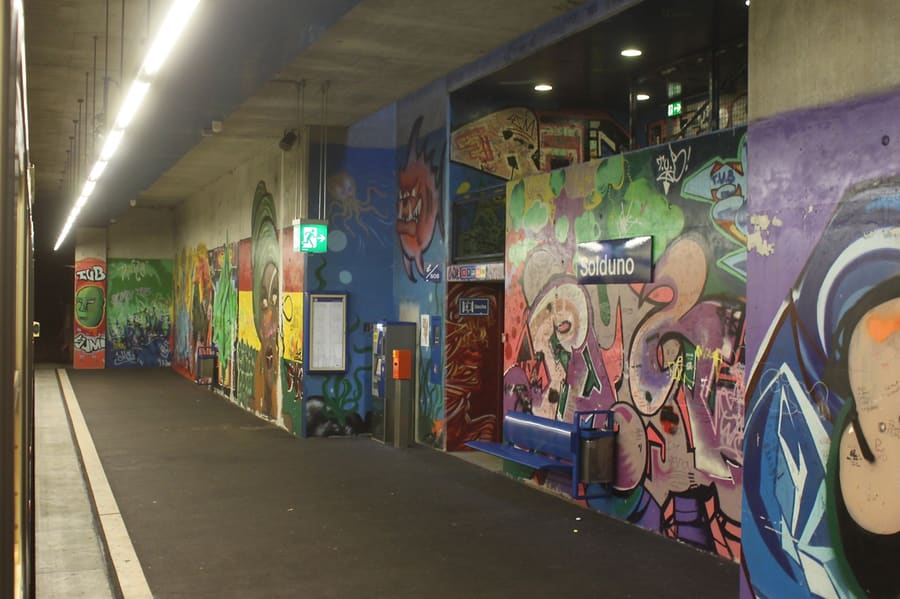
Solduno — Low-key residential area close to river banks and mountain valley transit.
Polenta slow-cooked in traditional copper pots
01
landmark
The main paved square framed by pastel arcades. Skip overpriced terrace coffees; come at dusk when locals gather for aperitivo.
landmark
A 15th-century pilgrimage church on a rocky crag. Ride the funicular up from Muralto; walk down through the wooded ravine path.
landmark
A medieval fortification housing archaeological finds. Check the Leonardo da Vinci courtyard attribution before paying museum entry.
landmark
Mountain viewpoint accessible via Botta-designed cable car. Take the chairlift to Cimetta at 1,670 metres for a 360-degree panorama.
02
03
Cobbled pedestrian alleys, historic archways, and dining spots around major plazas.
NearbyPiazza Grande, Castello Visconteo
Ask ParleyLakefront promenades, rail connections, and grand nineteenth-century hotels.
NearbyLocarno Railway Station, Ferry Pier
Ask ParleyQuiet hillside village with steep footpaths and broad lake vistas.
NearbyMadonna del Sasso, Cardada Cable Car
Ask ParleyLow-key residential area close to river banks and mountain valley transit.
NearbyMaggia River, Centovalli Rail Line
Ask Parley04
Ticinese cuisine reflects its Lombard heritage, relying heavily on slow-cooked yellow polenta. You eat braised beef shank or local luganighe sausage served over steaming polenta. Grotti — rustic stone restaurants hidden in shaded valleys — serve cured cold cuts, alpine cheeses, and local Merlot poured into small ceramic cups called boccalini.
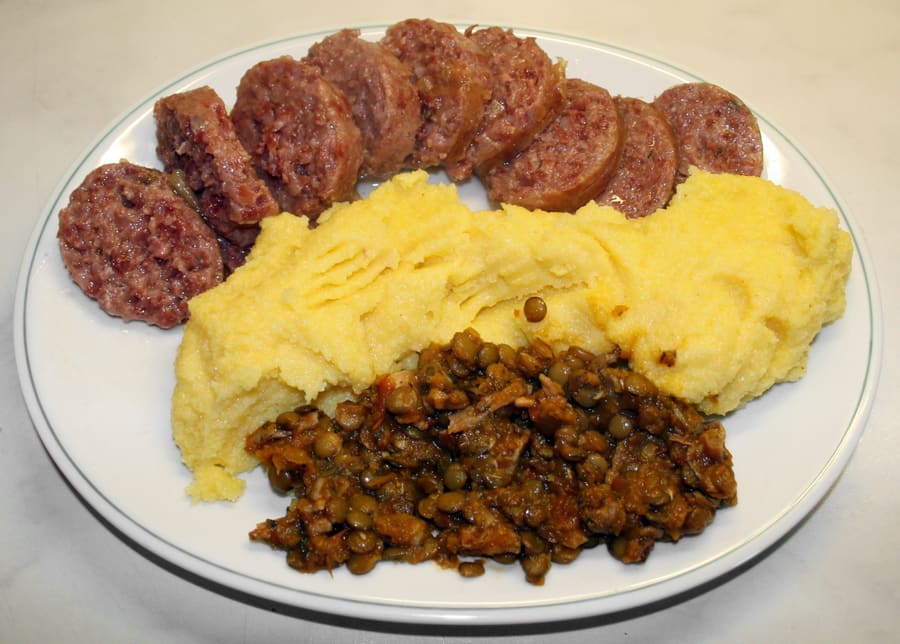
Polenta slow-cooked in traditional copper pots
Locals head into Vallemaggia or Centovalli for real grotti. City-centre spots charge premium rates for smaller portions.
Grotto kitchens open strictly from 12:00 to 14:00. Arrive late and you get only cold meats and cheese.
Ticino produces exceptional dry white Merlot along with dark reds. Ask for Merlot Bianco by the glass.
05
Locarno traded hands between Lombardy feudal lords and the Swiss Confederation for centuries. Italian architecture defines its streets, while Swiss administration governs its services. The city entered world diplomatic history in 1925, hosting European powers to secure post-WW1 Western borders with the Locarno Treaties.
Visconti Rule
The Visconti family of Milan captures Locarno, expanding the castle fortification to control trade routes.
Locarno Treaties
Major European nations meet at the town hall to sign peace accords aimed at stabilizing post-war territorial borders.
First Film Festival
The Locarno International Film Festival launches on open-air screens, becoming a top global festival.
06
Choose by your willingness to climb hills and your travel schedule. Stay near Muralto if you rely on trains and boats. Choose Orselina for quiet mornings and lake views, provided you mind funicular schedules.
Highly rated hotels in Locarno.


07
Locarno is compact enough to navigate on foot, but steep topography makes funiculars and cable cars essential for higher vantage points. Regional buses and trains run reliably across the entire lake basin.
Hotel guests receive free travel on all regional trains and buses across Canton Ticino.
Connects the rail station directly to every 15-30 minutes.
Swiss Travel Pass and Ticino Ticket give discounts on Navigazione Lago Maggiore lake ferries.
Narrow-gauge scenic train to Domodossola operates hourly from platform 1 underground.
08
Locarno operates on Swiss Francs. While regional transit is free with hotel stays, dining out and alpine cable cars remain expensive.
Drinking standing at the bar costs less than sitting on terraces.
Polenta with braised meat or risotto is standard heart fare.
Discounts apply if you show your Ticino Ticket at the lower station ticket desk.
Includes access to heated indoor/outdoor pools and lake beach.
09
MAR – MAY
Camellias bloom and spring temperatures arrive early. Cable cars reopen on reduced schedules.
JUN – AUG
Peak heat and high humidity. Film festival in August fills all accommodations months ahead.
SEP – OCT
Ideal hiking weather and wine harvest season. Grotti serve chestnut specialties.
NOV – FEB
Quiet off-season with cold winter fog on the lake. Many lakefront hotels close.
10
Italian is the primary official language. German is widely understood in service sectors.
Locarno logs over 2,300 sunshine hours yearly. Bring high-factor sunscreen in summer.
Cards are accepted almost everywhere, but small rustic grotti in deep valleys take cash only.
Lake Maggiore stays cold until June. Pay attention to safety flags at the Lido.
Valley temp can be 28°C while Cardada peak feels chilly. Pack a layer for cable car rides.
Contents
Your trip
Going to Locarno?
Tell Parley when you’re going and what you enjoy, and it plans the days around this guide.
Plan with Parley


