
landmark
St. Mary's Church
The model for Baltic Brick Gothic architecture. The smashed WWII church bells lie untouched on the stone floor.
Germany
Brick Gothic towers, Hanseatic trade, and almond paste.
Lübeck sits within a oval loop of the River Trave, built on medieval maritime trade. You navigate the old town entirely on foot, passing red-brick churches and hidden residential passageways called Gänge. The city combines high Gothic brickwork with a working northern port atmosphere. Expect cobblestones, fresh fish rolls near the harbour, and cold Baltic breezes.
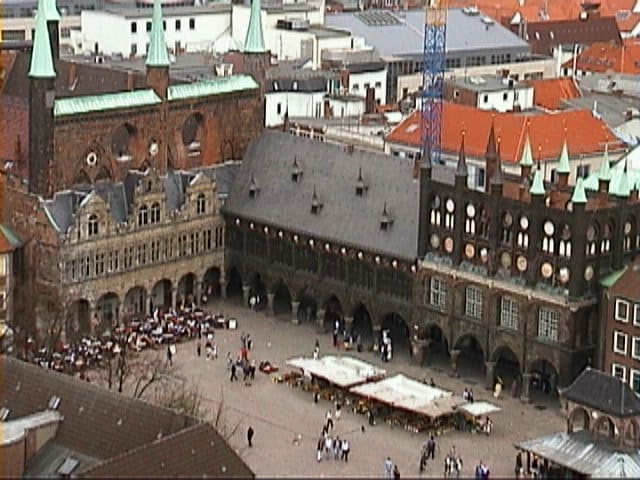
Marien-Quartier — Central, commercial, and framed by grand Gothic church towers and town hall arches.
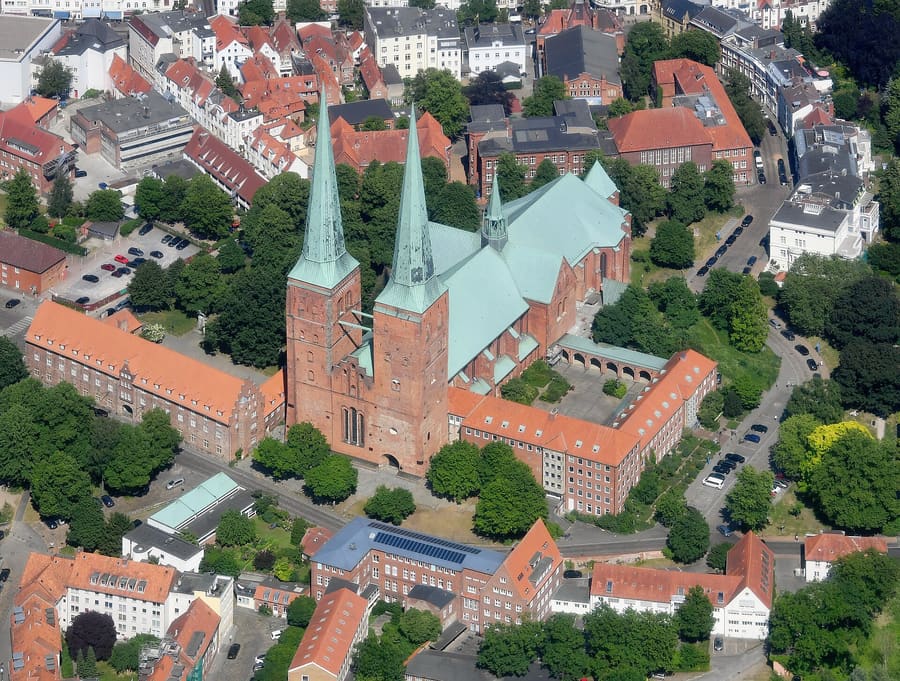
Dom-Quartier — Peaceful southern end of the island with leafy canals and historic residential courts.
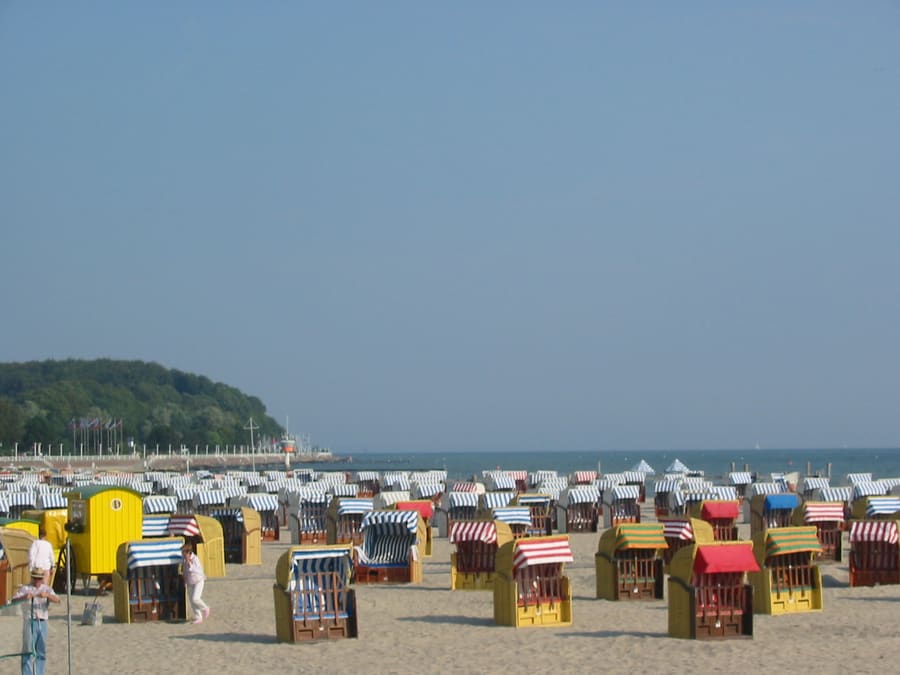
Travemünde — Baltic seaside district with wide promenades, sandy beaches, and large ferry terminals.
Café Niederegger serves 100% almond-grade marzipan gateaux opposite the Rathaus.
01
landmark
The model for Baltic Brick Gothic architecture. The smashed WWII church bells lie untouched on the stone floor.
landmark
Dark glazed bricks and ornate Renaissance loggias line the market square. Guided tours reveal high-vaulted council halls.
landmark
Dedicated to the Nobel laureate who lived nearby. Exhibits pair his literary drafts with his original prints and sculptures.
landmark
Interactive staging covers 800 years of northern trade strategy. The top deck overlooks the working Trave harbour.
landmark
Built in 1286 to house the sick and aged. Small wooden cubicles called Kabäuschen line the interior nave.
02
03
Cobbled lanes, maritime gild halls, and narrow residential alleys around Koberg square.
NearbyEuropean Hansemuseum and Castle Gate
Ask ParleyCentral, commercial, and framed by grand Gothic church towers and town hall arches.
NearbyRathaus and St. Mary's Church
Ask ParleyPeaceful southern end of the island with leafy canals and historic residential courts.
NearbyLübeck Cathedral and Museum Quarter St. Annen
Ask ParleyBaltic seaside district with wide promenades, sandy beaches, and large ferry terminals.
NearbyPassat museum ship and Travemünde beach
Ask Parley04
Lübeck built its culinary fame on imported almonds and Baltic seafood. Lübecker Marzipan carries EU protected status, dictating that the 30 percent maximum limit applies to additional sugar added to the raw paste in the finished product, not to the raw paste itself. Local restaurants serve Lübecker Rotspon, a French Bordeaux imported in oak barrels and aged in maritime cellars to alter its flavour profile.
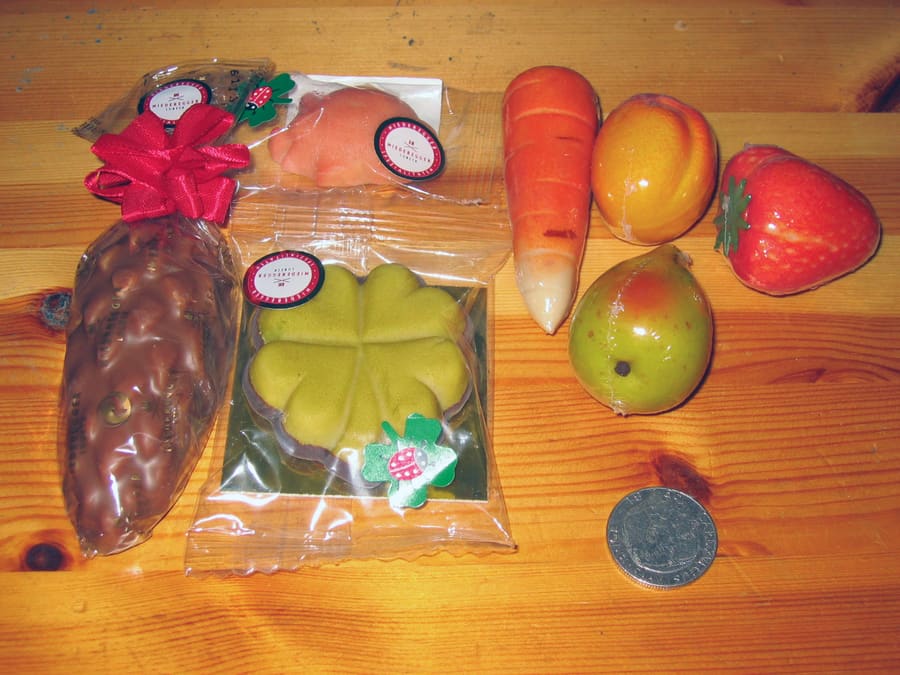
Café Niederegger serves 100% almond-grade marzipan gateaux opposite the Rathaus.
Head upstairs to the second-floor salon for traditional marzipan cake. Ground-floor counter lines get long in mid-afternoon.
Order Pannfisch along An der Obertrave for pan-fried Baltic fish served with crispy roast potatoes and mustard sauce.
Eat under hanging ship models in this 1535 guildhall. Book dinner tables two weeks in advance for weekend seatings.
05
Founded in the 12th century, Lübeck grew into the headquarters of the Hanseatic League, controlling Baltic grain, timber, and salt routes for centuries. Wealth financed massive red-brick Gothic structures that set architectural standards across Northern Europe.
City foundation
Count Adolf II of Schauenburg establishes the modern German settlement on the river peninsula.
Imperial Free City status
Emperor Frederick II grants Lübeck imperial immediacy, securing tax autonomy and self-rule.
Hanseatic League capital
First general Hansetag assembly convenes in Lübeck, cementing its role as leader of Northern European trade.
Raid and reconstruction
A bomb raid damages one-fifth of the historic city. Rebuilders restore Gothic spires and residential courtyards.
06
Choose your area by your evening priorities. Staying inside the Altstadt loop puts all major sites within a fifteen-minute walk. Staying in Travemünde places you directly on the Baltic shoreline.
Highly rated hotels in Lübeck.


07
The old town island measures two kilometers north to south. Walking is faster than public transit within the island. City buses operated by Stadtwerke Lübeck run frequently from Hauptbahnhof to outer districts.
Regional trains run twice hourly from Lübeck Hauptbahnhof to Lübeck-Travemünde Strand in 21 minutes.
Old town streets use uneven basalt stones. Choose firm walking shoes over thin-soled footwear.
Pedestrian ferries connect Travemünde promenade to Priwall peninsula in 4 minutes for €1.80.
08
Lübeck is moderately priced compared to nearby Hamburg. Admission fees to medieval churches and municipal museums are straightforward and predictable.
Entry to the costs €14; Holstentor museum entry costs €8.
A slice of traditional almond cake at major cafes costs around €4.50.
Matjes or smoked salmon rolls sold at harbour stalls cost around €5.00.
Small entry fee covers entrance and maintenance of the historic brick nave.
09
MAR – MAY
Crisp spring air with quiet residential streets. Museum venues operate without long queues.
JUN – AUG
Warm daylight hours. Travemünde beach fills up, and harbour tour boats operate full schedules.
SEP – NOV
Autumn winds bring maritime fog along the river Trave. Perfect weather for interior museum visits.
DEC
Historic Christmas market fills the Markt square with roasted almonds and hot spiced wine.
10
Retail shops in the Altstadt close by 19:00 or 20:00 on weekdays and are closed on Sundays.
The hidden historic residential courtyards are private living spaces; keep voices low when entering.
Coastal winds blow inland along the Trave river. Pack a windproof layer even during summer months.
Lübeck Museums offer a day pass for €15 covering multi-museum entry including Holstentor and St. Annen.
One-hour Trave river round trips depart frequently from the Holstentor bridge dock.
Contents
Your trip
Going to Lübeck?
Tell Parley when you’re going and what you enjoy, and it plans the days around this guide.
Plan with Parley


