landmark
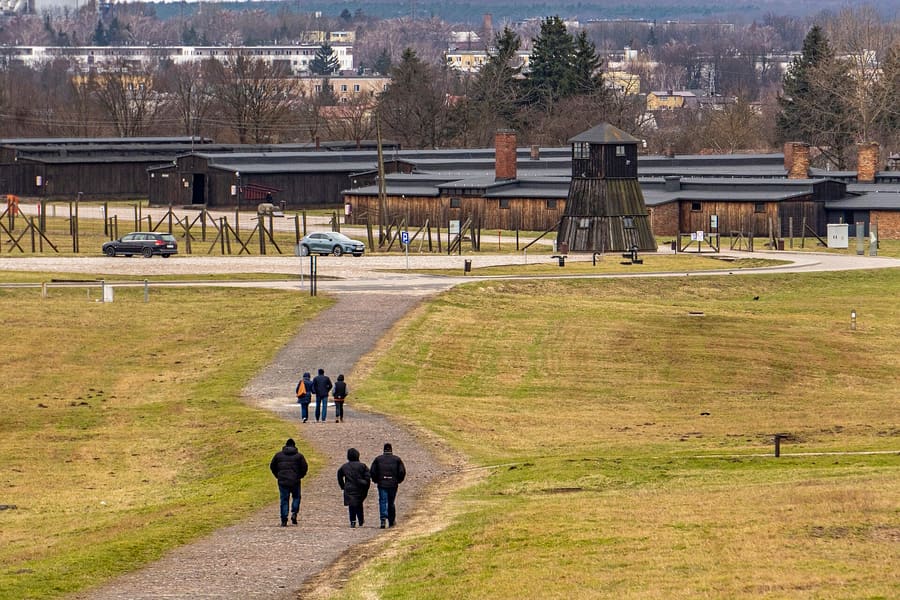
Majdanek State Museum
A preserved Nazi concentration camp 4 km from the centre. Bus line 158 stops right at the entrance gate.
Ask ParleyPoland
Eastern Poland's historic capital of culture and academia.
introduction
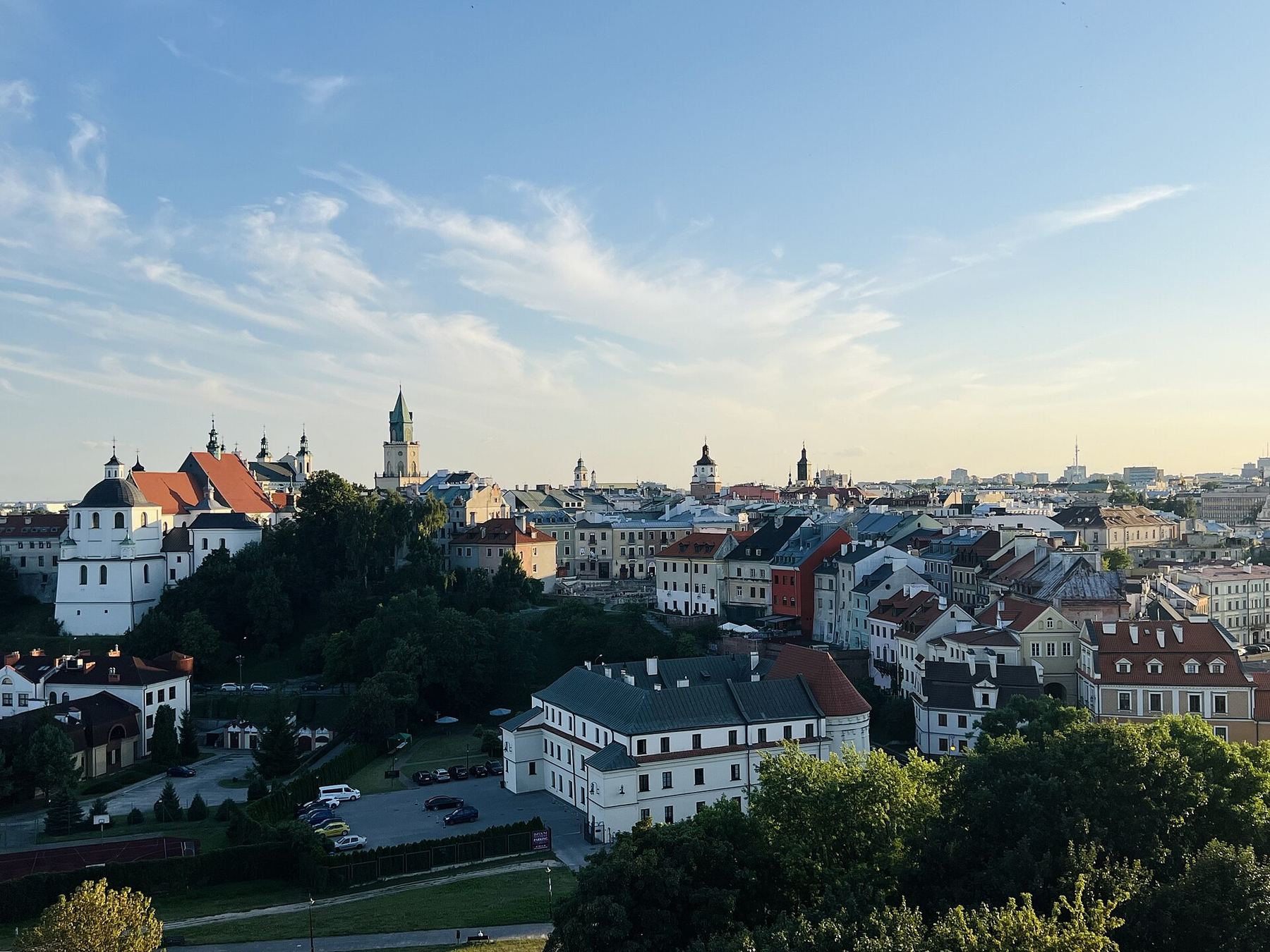
Lublin offers intact Renaissance architecture without the Krakow-sized crowds. You move through the city largely on foot, shifting from cobblestone alleys in the Old Town to Soviet-era brutalism and modernist cultural centres further west. Expect steep gradients around the castle hill and cobblestones that tax thin soles. The city runs on student energy for nine months of the year, dropping into quiet routine during summer break.
Lublin
This file was created and uploaded by User:Szater Ten plik został stworzony i dodany przez Wikipedystę:Szater Szater · CC BY-SA 3.0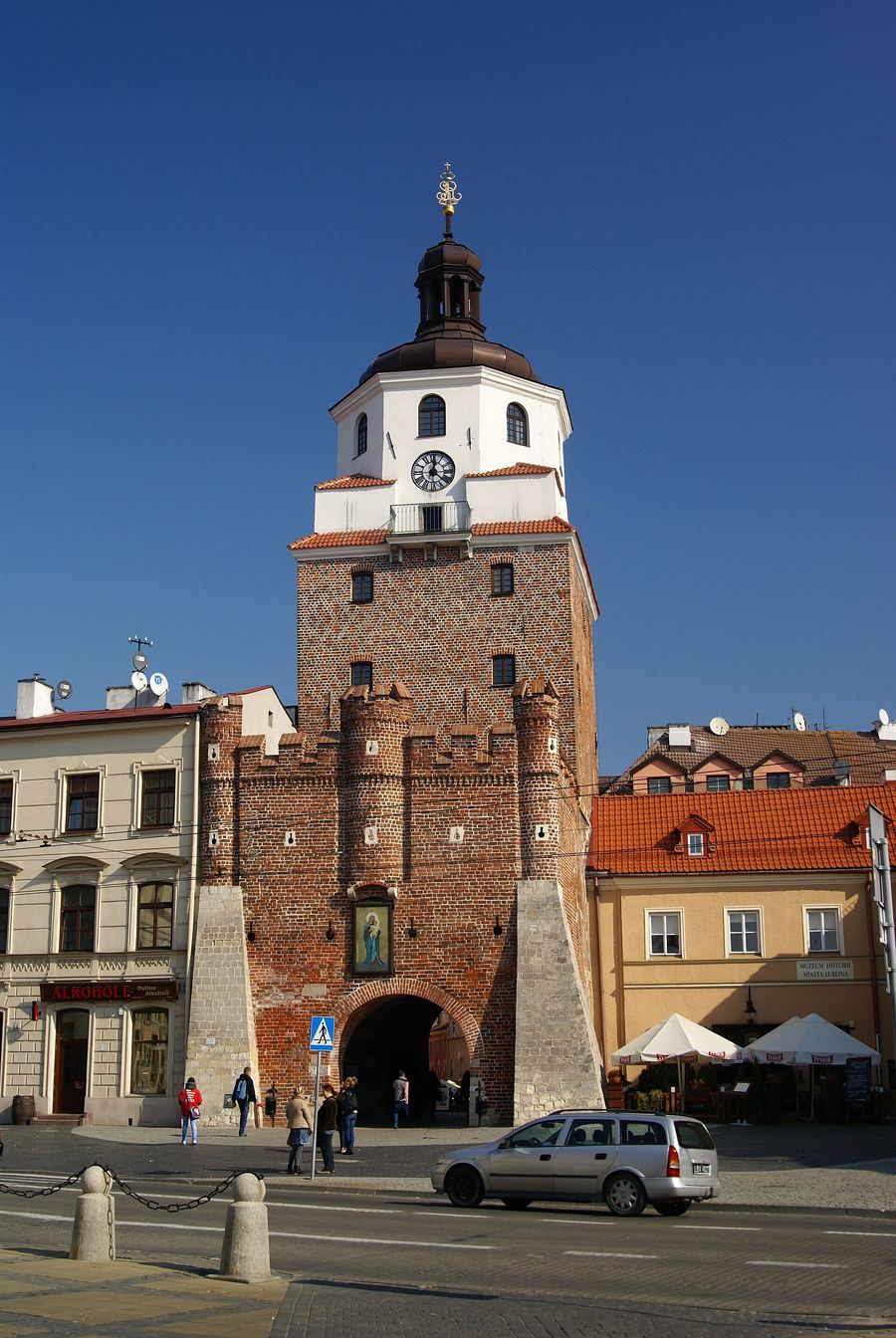
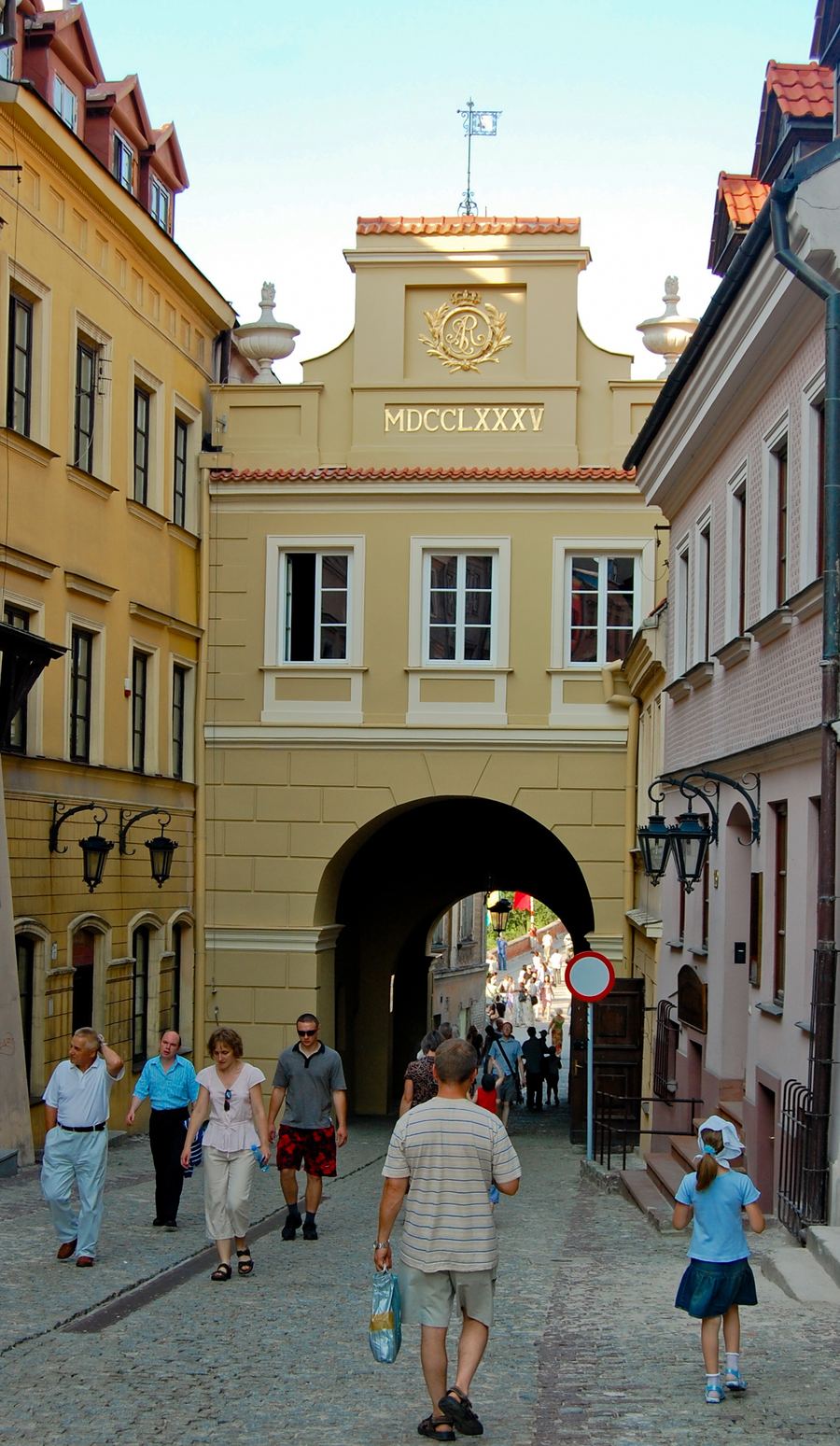
Stare Miasto — Pedestrian medieval core built on a hill with narrow tenements and cobblestone alleys.
Przemysław Podwapiński · CC BY-SA 4.0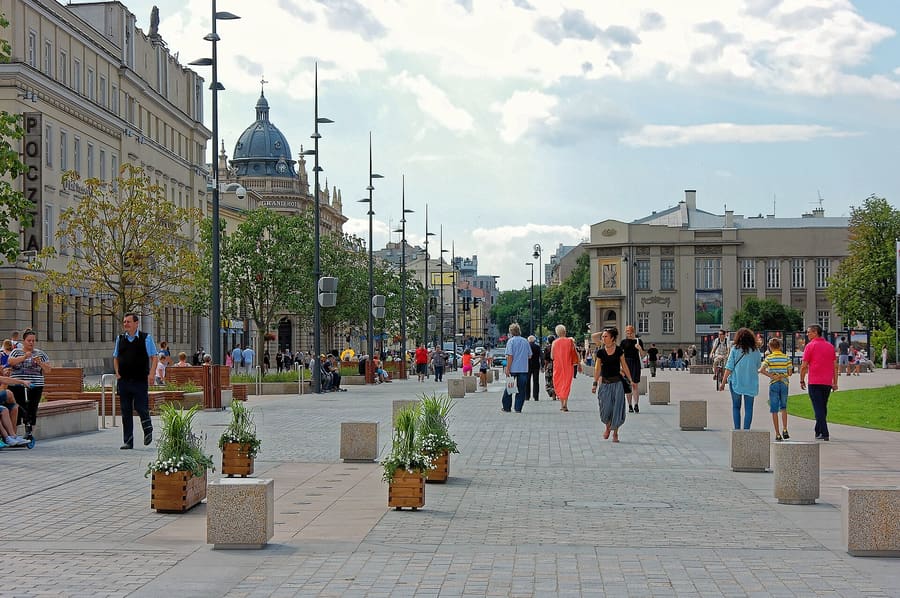
Śródmieście — 19th-century commercial district centred around Krakowskie Przedmieście boulevard.
Szater · CC BY-SA 4.0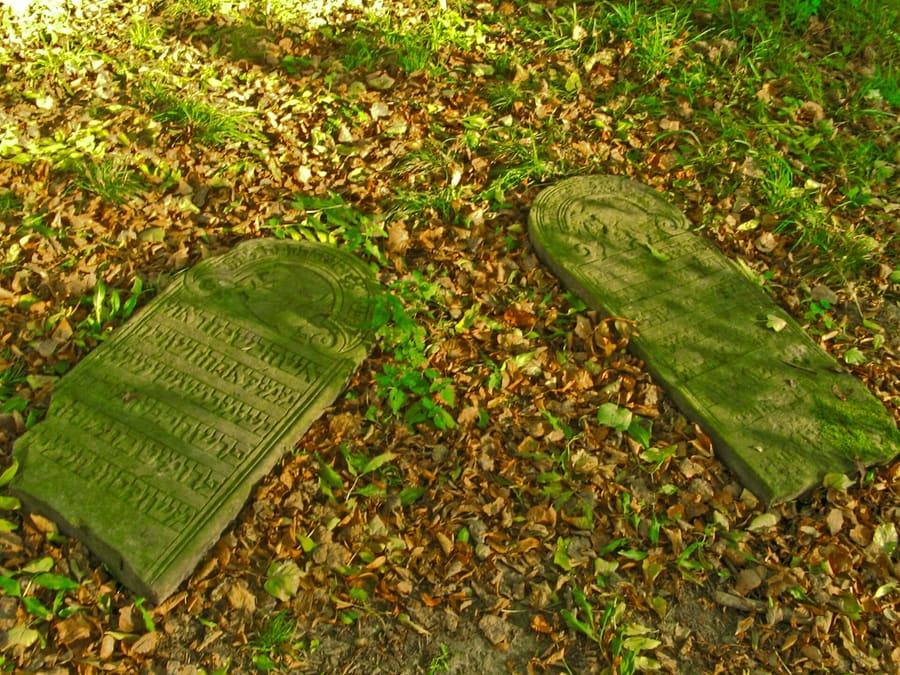
Kalinowszczyzna — Residential district northeast of the castle holding Jewish heritage sites.
This file was created and uploaded by User:Szater Ten plik został stworzony i dodany przez Wikipedystę:Szater Szater · Public domain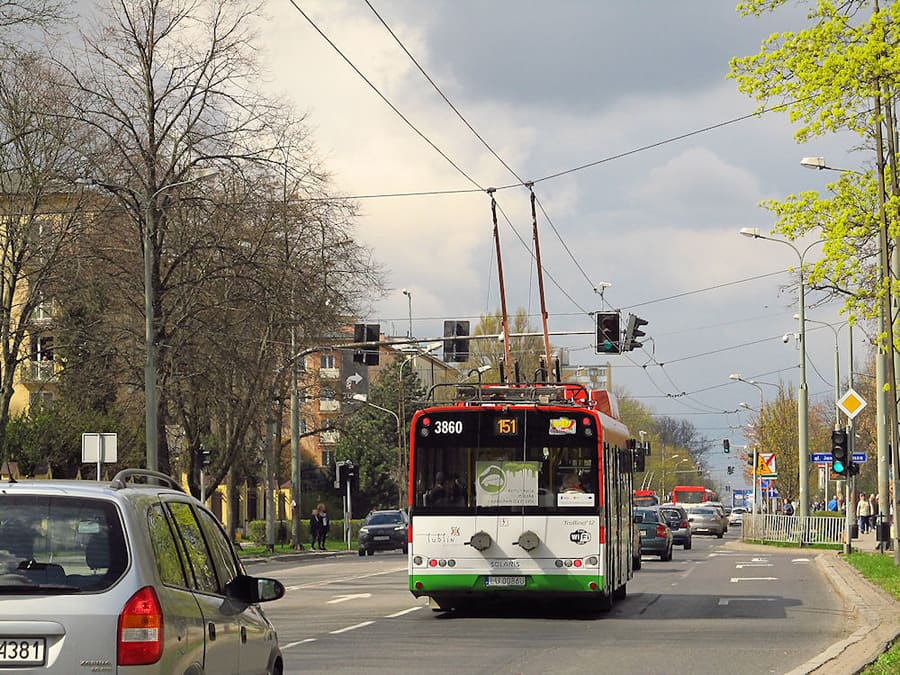
Wieniawa — University district with leafy streets, modern venues, and affordable dining.
Janusz Jakubowski from Warsaw, Poland · CC BY 2.0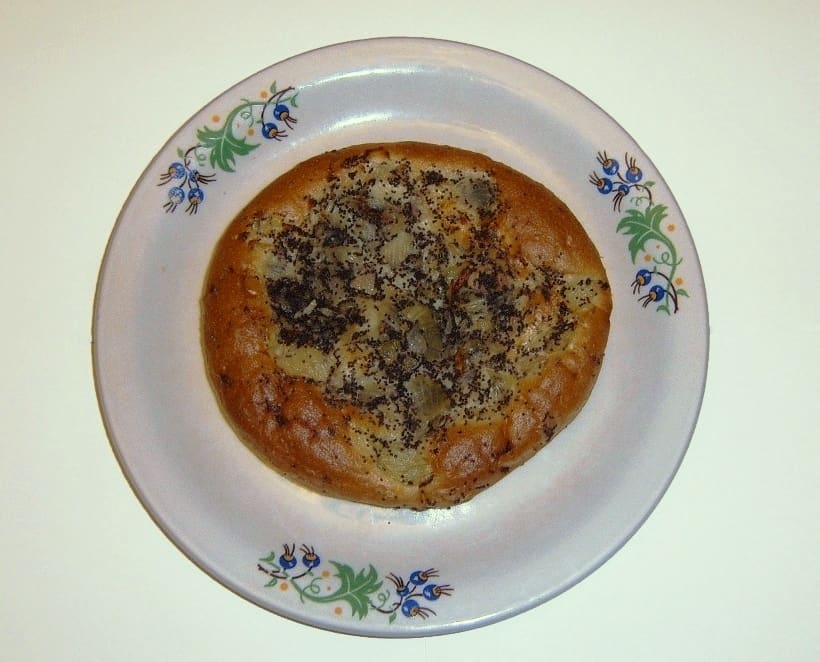
Cebularz, the protected regional onion flatbread baked daily throughout Lublin.
MaKa~commonswiki · CC BY-SA 4.0highlights
landmark
A preserved Nazi concentration camp 4 km from the centre. Bus line 158 stops right at the entrance gate.
Ask Parley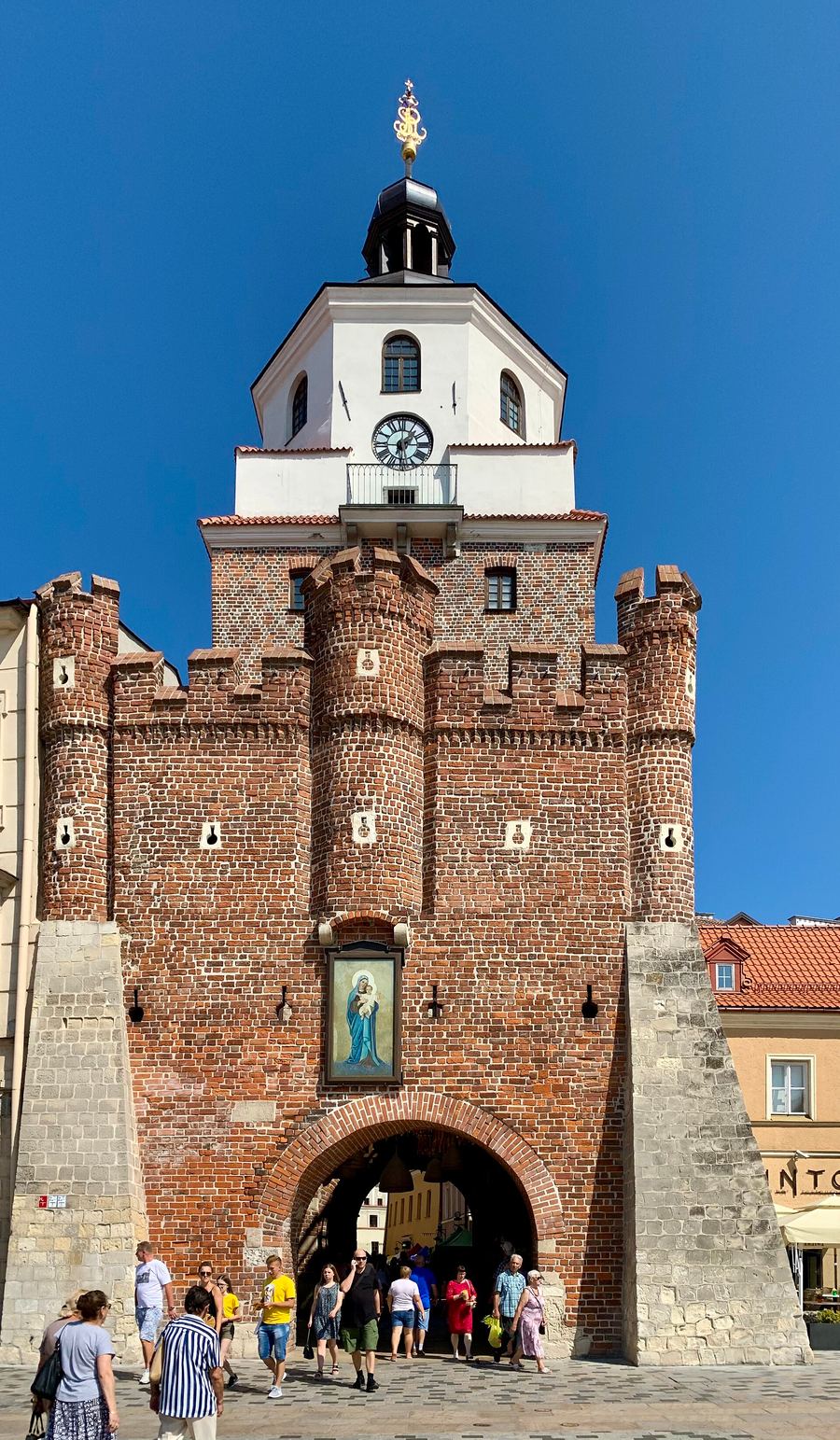
landmark
14th-century city gate that houses the Museum of Lublin History. Climb to the upper floor for a direct line of sight down Rynek.
Ask Parley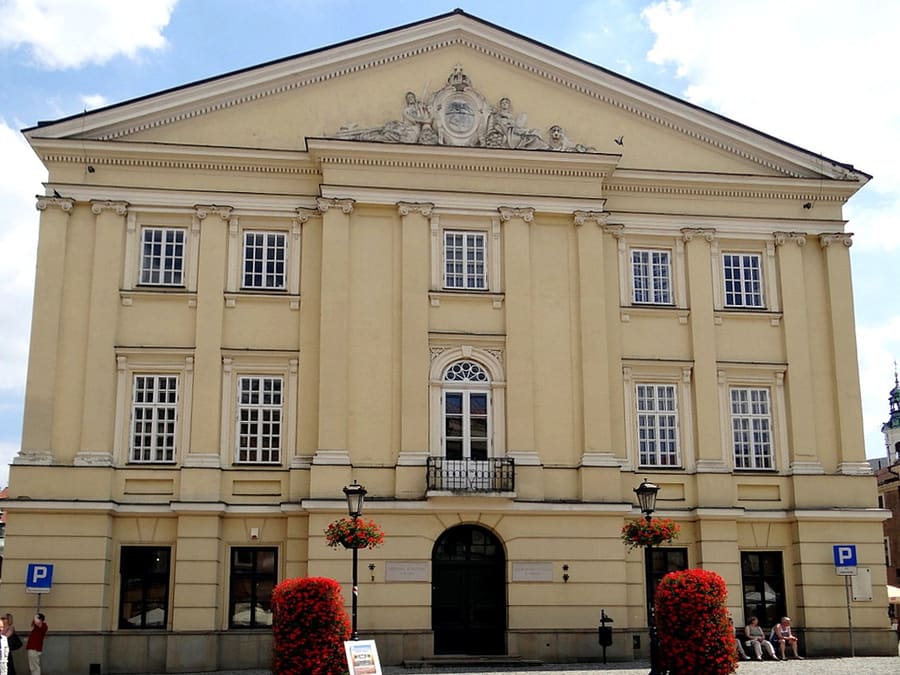
landmark
Former highest court for Polish nobility standing at the centre of Rynek. The basement forms the entry to the Underground Trail.
Ask Parley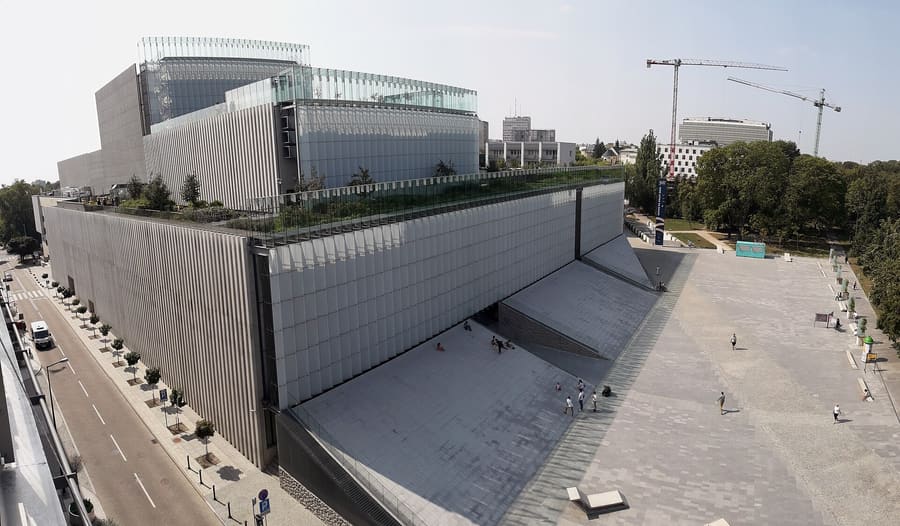
landmark
Striking contemporary complex with rooftop gardens and glass walkways. Access to the green roof trails is free.
Ask Parley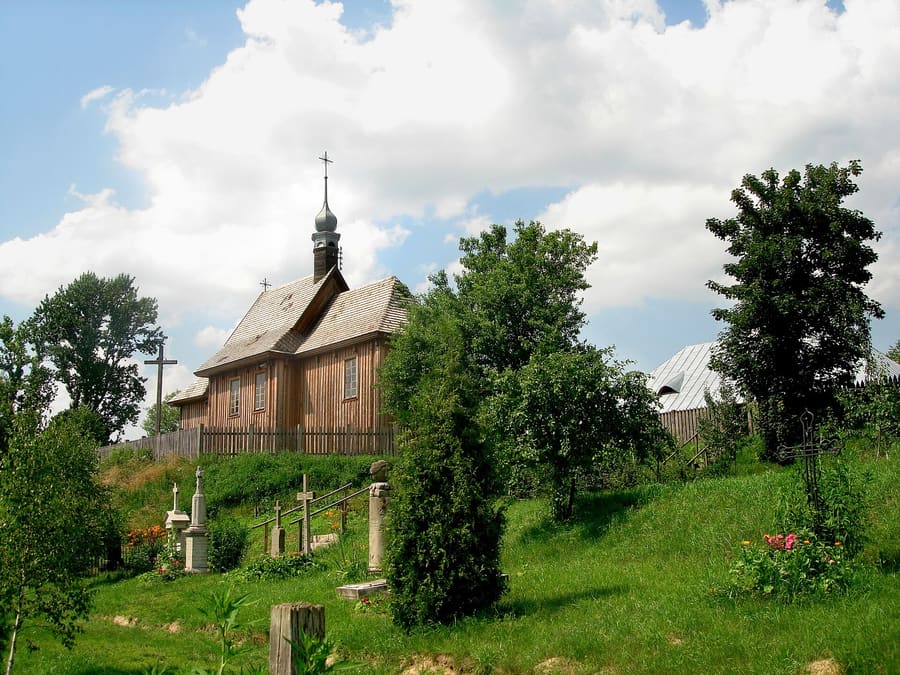
landmark
Expansive outdoor museum showcasing wooden architecture and rural crafts from eastern Poland. Allow two hours to walk the grounds.
Ask Parleyattractions
areas
Pedestrian medieval core built on a hill with narrow tenements and cobblestone alleys.
NearbyKrakow Gate, Castle, Crown Tribunal
Ask Parley19th-century commercial district centred around Krakowskie Przedmieście boulevard.
NearbySaxon Garden, CSK, City Hall
Ask ParleyResidential district northeast of the castle holding Jewish heritage sites.
NearbyOld Jewish Cemetery, Castle Hill
Ask ParleyUniversity district with leafy streets, modern venues, and affordable dining.
NearbySaxon Garden, UMCS Campus, CSK
Ask Parleyfood
Lublin food relies heavily on regional agricultural staples: onions, buckwheat, and cottage cheese. The essential local snack is cebularz, a round wheat flatbread topped with diced onions and poppy seeds, protected by EU traditional regional status. You find bakeries selling them hot every morning across the centre. Traditional restaurants in the Old Town focus on pierogi filled with buckwheat and cheese (pierogi lubelskie) alongside regional craft beers produced by local regional breweries.
Cebularz, the protected regional onion flatbread baked daily throughout Lublin.
MaKa~commonswiki · CC BY-SA 4.0Buy cebularz early from dedicated bakeries like Regionalne Muzeum Cebularza or Rynek bakeries. Stale afternoon ones lose their soft texture.
Old Town kitchens peak between 18:00 and 20:00 on weekends. Table reservations are necessary on Friday and Saturday nights.
Contactless card and mobile payments are standard everywhere, including small market stalls and bakery counters.
history
Lublin developed at the crossroads of trade routes linking Poland, Lithuania, and Ruthenia. Its position made it a crucial political hub, culminating in the 1569 Union of Lublin that formed the Polish-Lithuanian Commonwealth. The city became a center of Jewish scholarship, earning the moniker 'Jerusalem of the Kingdom of Poland.' Nazi occupation destroyed the Jewish community and left the Majdanek concentration camp at the city border. Today, Lublin serves as eastern Poland's primary academic and cultural administrative seat.
City Rights Granted
King Władysław I the Elbow-high grants Lublin city rights under Magdeburg law, accelerating trade growth.
Union of Lublin
The Polish-Lithuanian Commonwealth is created during a joint parliament held inside Lublin Castle.
Crown Tribunal Established
King Stephen Báthory selects Lublin as the seat of the highest appellate court for the Crown of the Kingdom.
Majdanek Camp Built
German forces construct Majdanek concentration camp on the city's outskirts during the WWII occupation.
Temporary Capital
Lublin serves briefly as the provisional capital of Poland following Soviet liberation from German forces.
where to stay
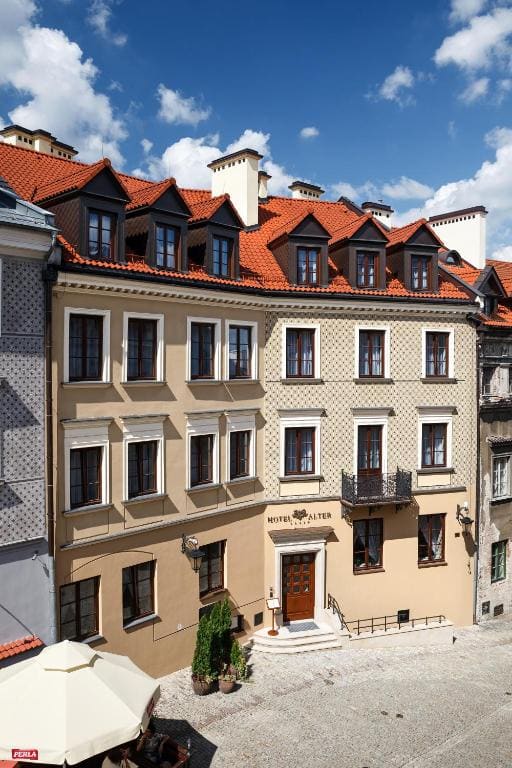
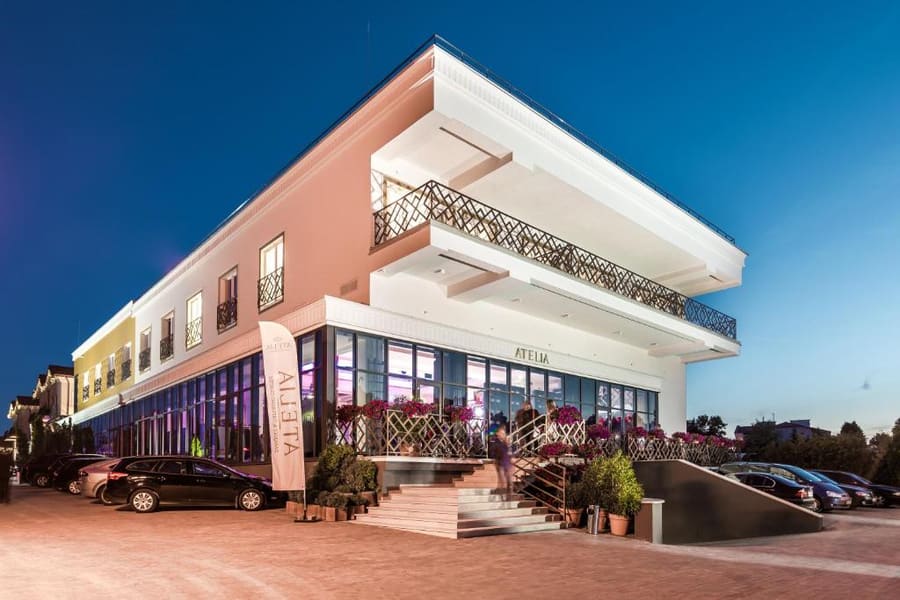
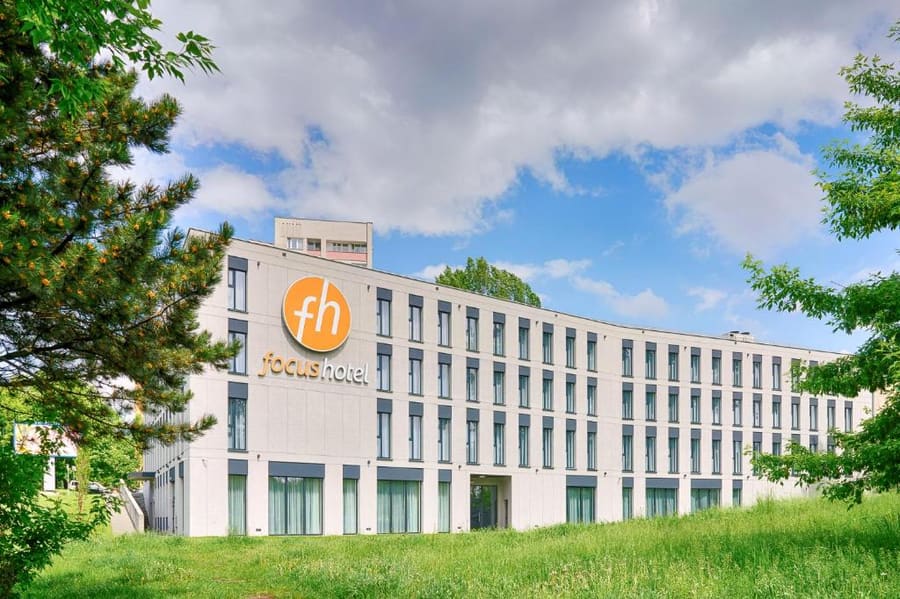
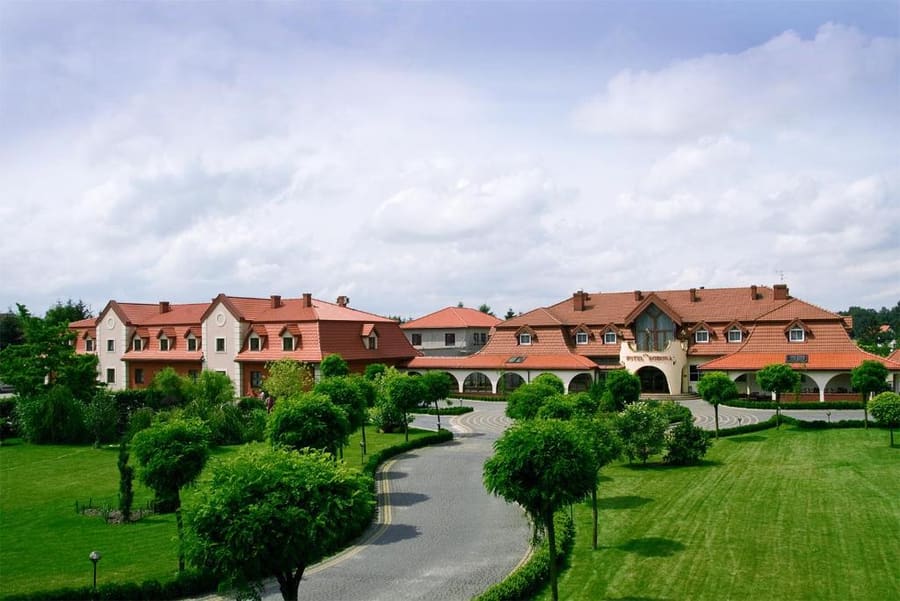
Choose your stay based on transit needs and noise tolerance. Stare Miasto puts you inside historic streets, but taxi access is limited and cobblestones complicate bags. Śródmieście offers standard access, lifts, and immediate transit links.
Live rates, matched to the areas above.
transport
Lublin's public transit consists of buses and zero-emission trolleybuses managed by ZTM Lublin. The historic centre is entirely vehicle-restricted, meaning you walk once inside the city gates. Tap-to-pay validators inside vehicles accept contactless cards directly.
From Lublin Airport (LUZ)
POLREGIO regional train runs directly from airport terminal to Lublin Główny station.
Line 005 connects the airport directly to the central transit hub.
Official airport taxis line up outside arrivals; price depends on exact destination zone.
Pickup point is at the designated passenger drop-off zone outside the main hall.
Tap your contactless card on the card reader onboard to purchase a single fare. No paper ticket prints out.
Standard single tickets allow 30 minutes of travel including transfers between lines.
Trolleybuses run on overhead wires; lines 150 through 162 serve all major urban arteries.
Old Town from Krakow Gate to Grodzka Gate takes only 7 minutes on foot.
cost
Lublin remains one of Poland's most affordable regional capitals. Prices for food and accommodation run roughly 20-30% lower than in Warsaw or Krakow.
Fresh onion flatbread from an authentic bakery.
Main dish with a local beer in a mid-range restaurant.
seasonality
MAR – MAY
Mild spring weather with student activity at full volume. Outdoor dining setups open along Krakowskie Przedmieście in late April.
JUN – AUG
Warm summer months feature night street festivals like Carnaval Sztukmistrzów. Students depart, leaving city buses emptier.
SEP – NOV
Crisp autumn conditions and vibrant foliage in Saxon Garden. University sessions restart in October.
DEC – FEB
Freezing temperatures and occasional snowfall. Christmas lights decorate Rynek throughout December.
practicalities
Large retail shops and supermarkets close on most Sundays due to Polish national regulations.
English is widely spoken by university students and hospitality staff, but less common among elderly transport staff.
Poland uses the Polish Złoty (PLN). Euros are not accepted for cash transactions.
Stare Miasto pavement is uneven stone; wear flat walking shoes rather than heels.
The museum grounds cover vast open space; bring water and dress appropriately for solemn, exposed conditions.