landmark
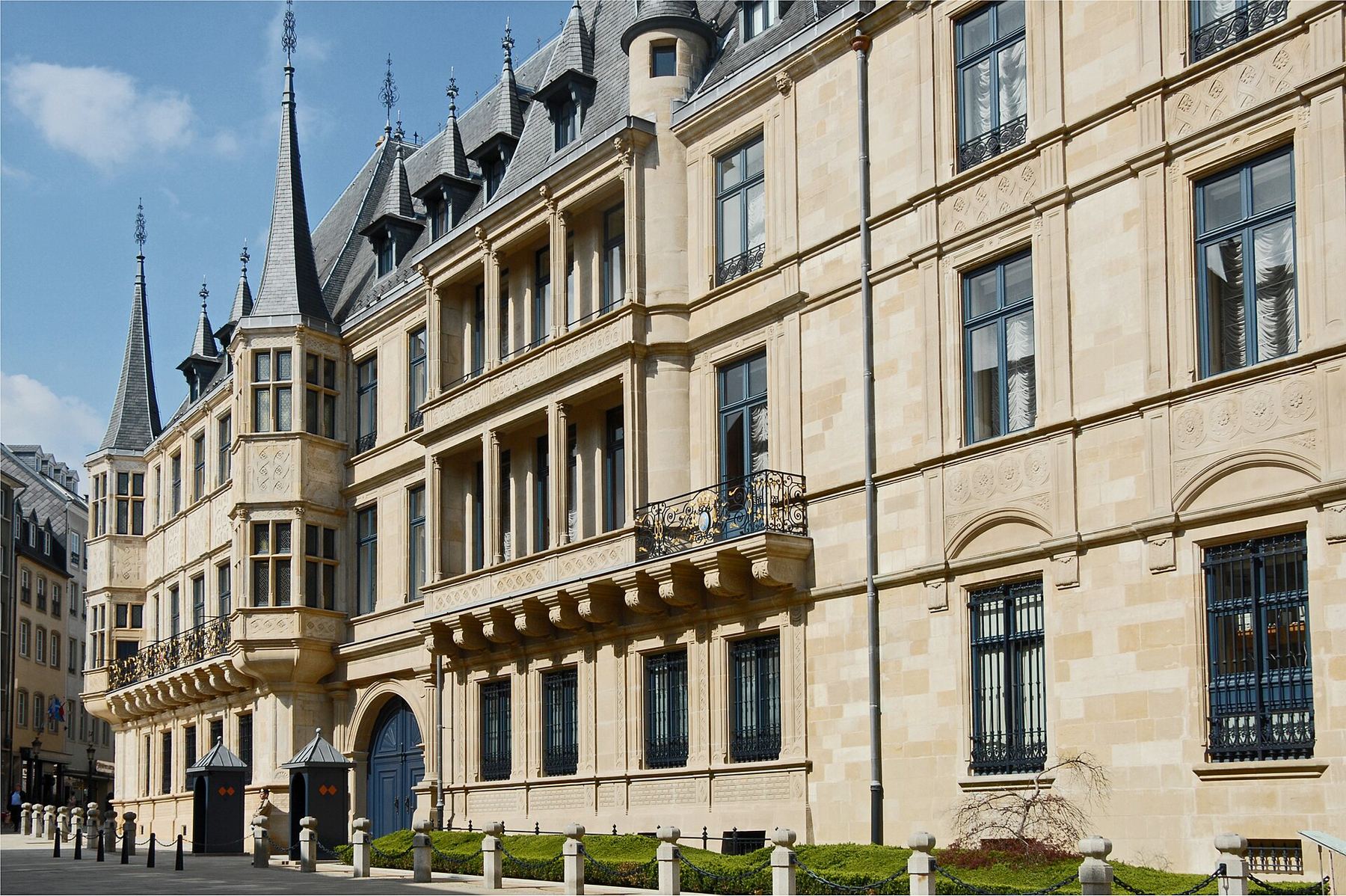
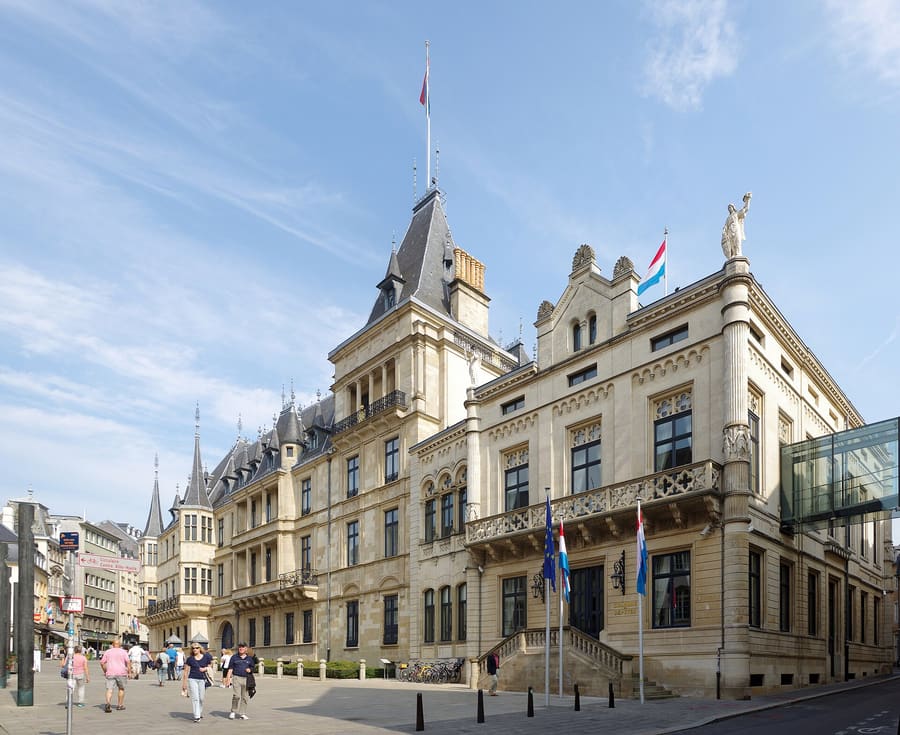
Grand Ducal Palace
The official city residence of the Grand Duke features a Renaissance facade. Guided tours run exclusively during summer months.
Ask ParleyLuxembourg
High finance above, open-air gorges and subterranean casemates below.
introduction
Luxembourg City sits on a dramatic sandstone promontory carved by the Alzette and Pétrusse rivers. You navigate the city across two distinct tiers: the upper historic centre and the deep ravine valleys below. Vertical glass lifts and funiculars connect the high plateau to the low quarters without a fee. It operates as both an international financial centre and a compact medieval fortress town.
Arrival trick
Public transport across all of Luxembourg is entirely free. You walk out of Luxembourg Airport onto bus 16 or 29 without buying a ticket.
UNESCO recognition
The ancient fortifications and old quarters of Luxembourg City became a UNESCO World Heritage site in 1994.
Planning trick
Museums close on Mondays. Visit the Casemates du Bock early on Tuesday morning to avoid tour groups crowding the narrow stone tunnels.
Luxembourg
Berthold Werner · CC BY-SA 4.0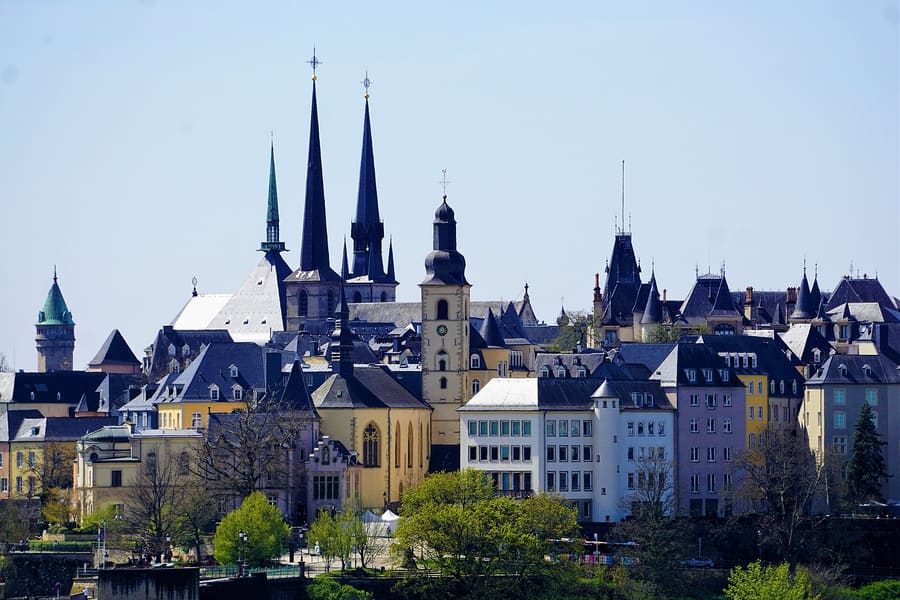
Ville Haute — The walled upper city with stone pedestrian streets, government buildings, and central squares.
GilPe · CC BY-SA 4.0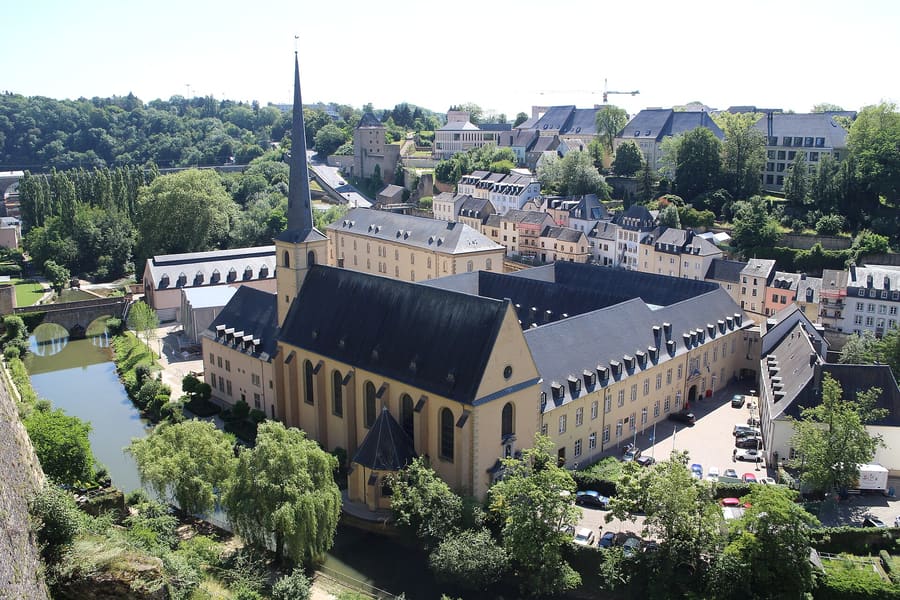
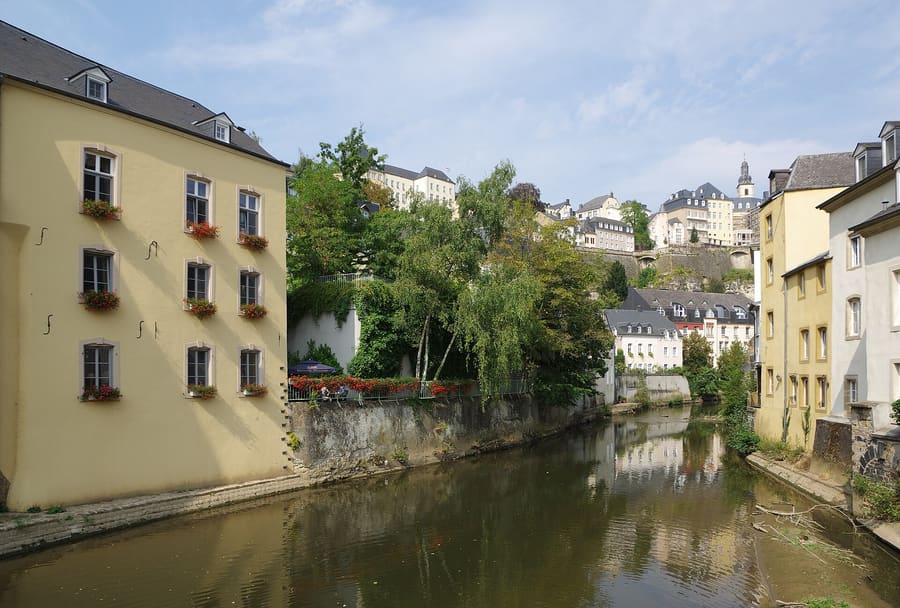
Grund — A quiet valley neighbourhood beside the Alzette river with stone cottages and waterside pubs.
Suicasmo · CC BY-SA 4.0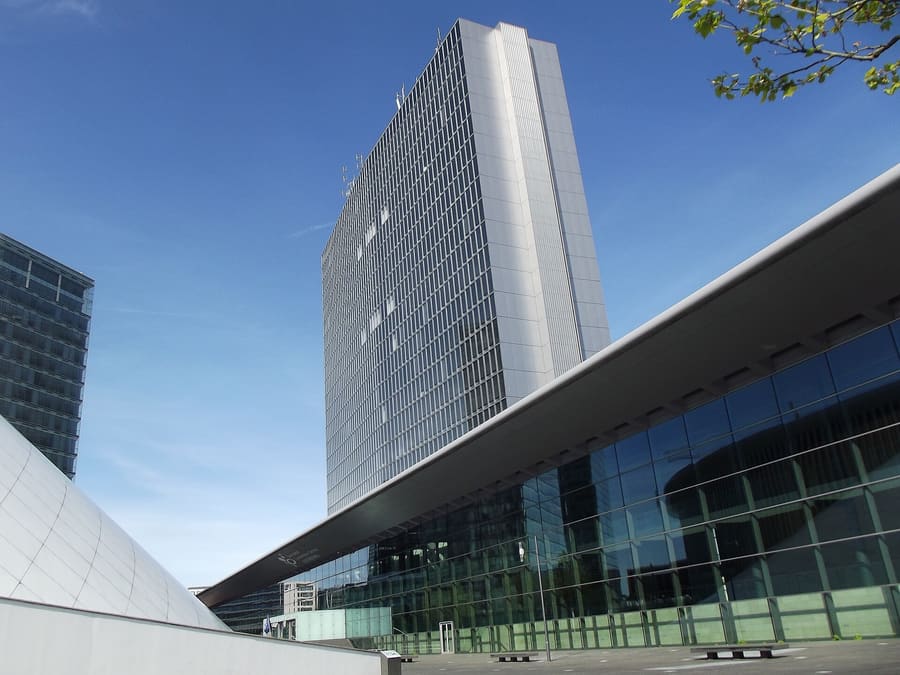
Kirchberg — The modern financial district housing EU institutions, contemporary museums, and glass towers.
Etienne Baudon · Public domain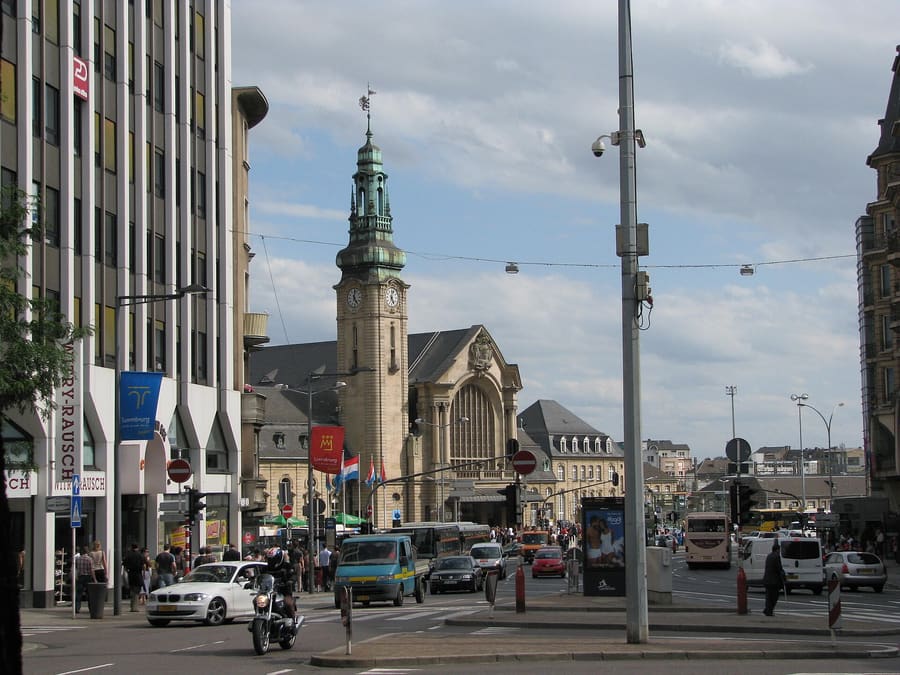
Gare — The transport hub south of the centre, lined with 19th-century facade buildings and transit connections.
Ex13 · CC BY-SA 3.0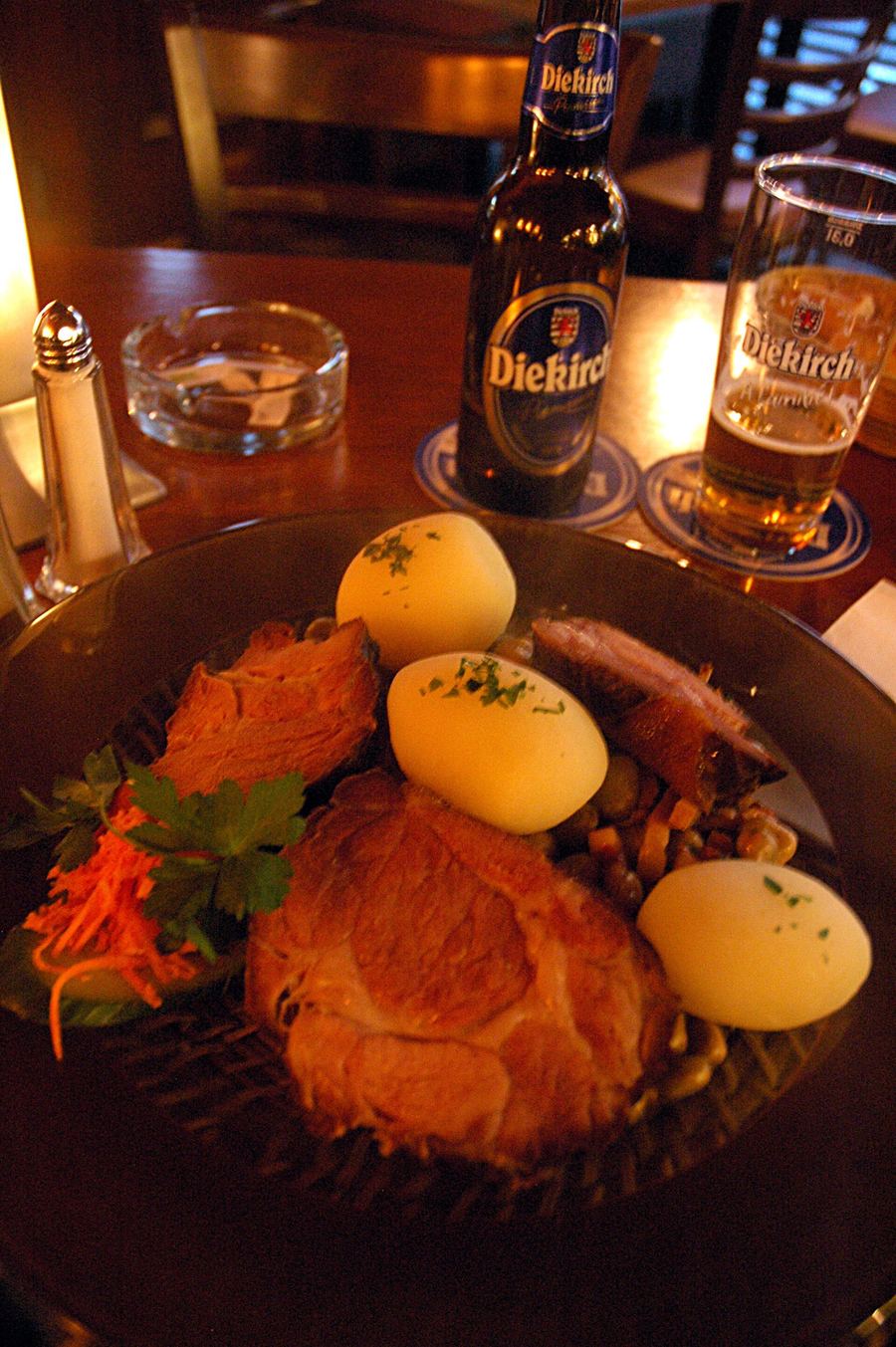
Judd mat Gaardebounen served with boiled potatoes.
Jpatokal · CC BY-SA 3.0highlights
landmark
The official city residence of the Grand Duke features a Renaissance facade. Guided tours run exclusively during summer months.
Ask Parley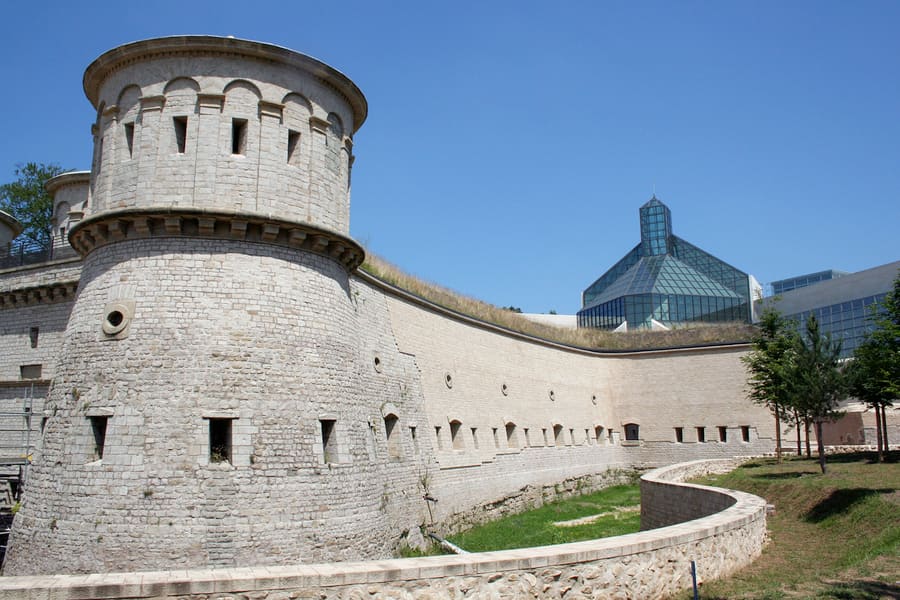
landmark
Pei-designed glass museum housing contemporary art on old fortress ruins. Entry costs €12 and is free on Wednesday evenings.
Ask Parley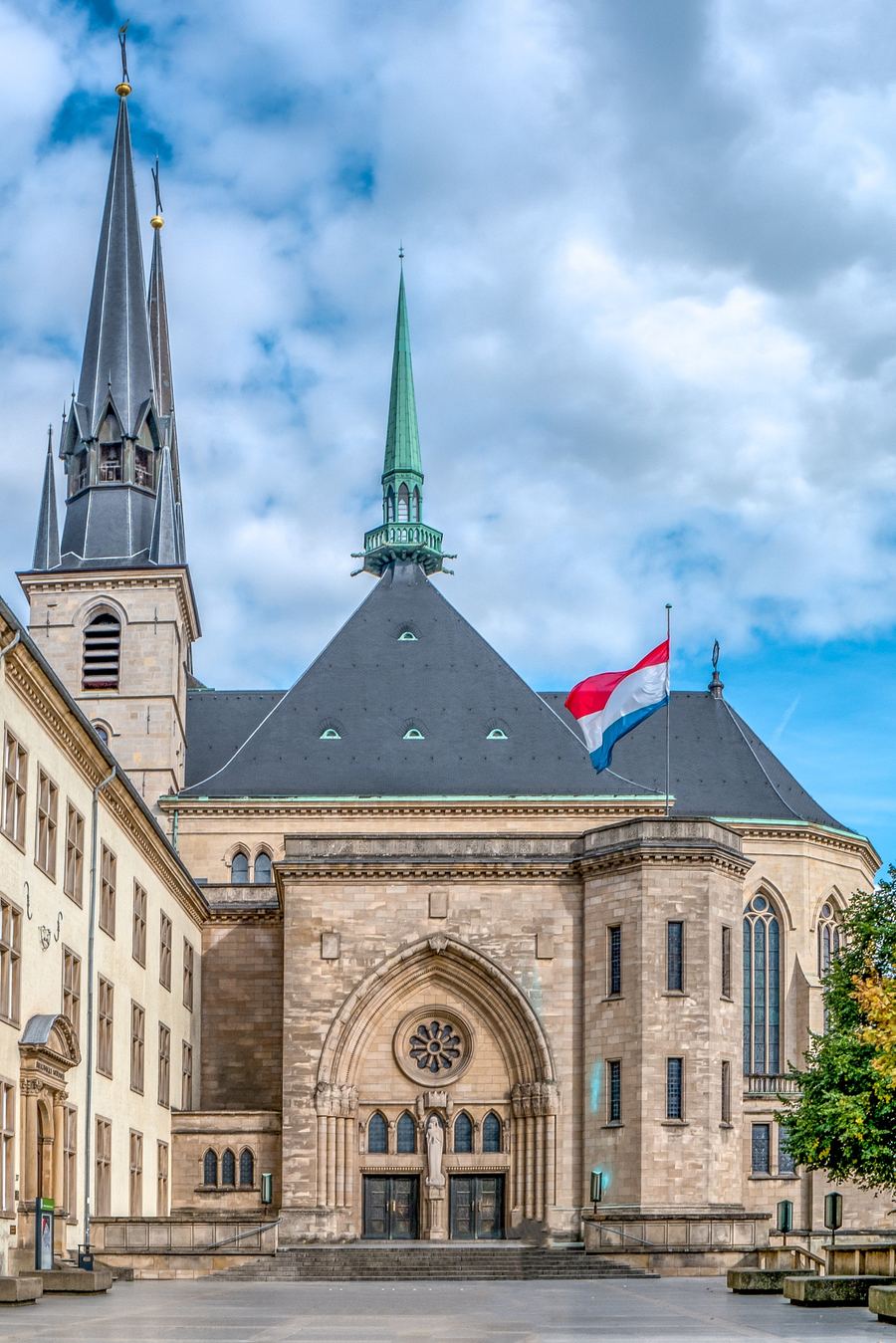
landmark
A 17th-century Jesuit church with Gothic and Renaissance spires. Free entry outside religious services.
Ask Parley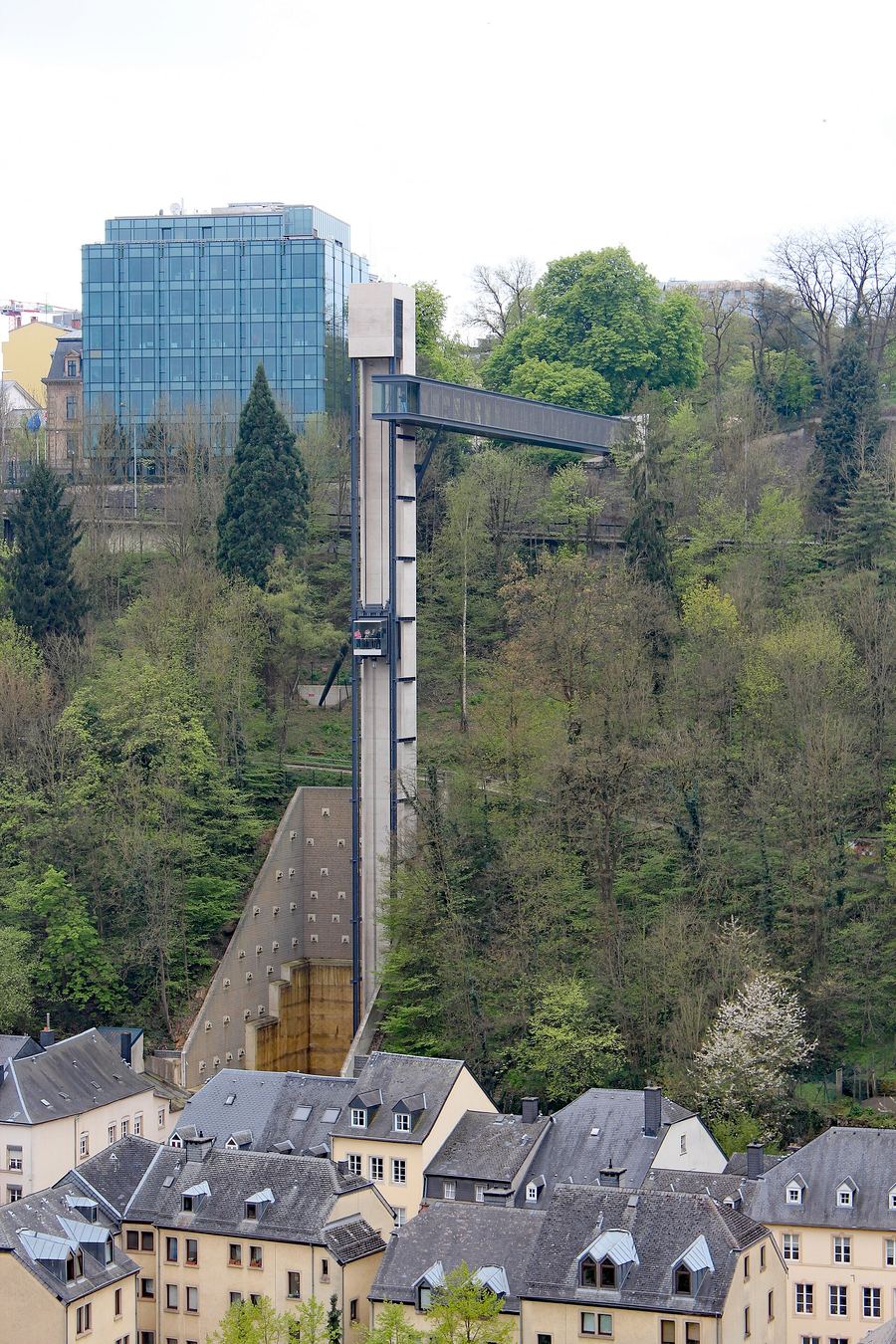
landmark
A glass elevator descending 71 metres from Ville Haute to the valley floor. Riding it is completely free and offers river views.
Ask Parley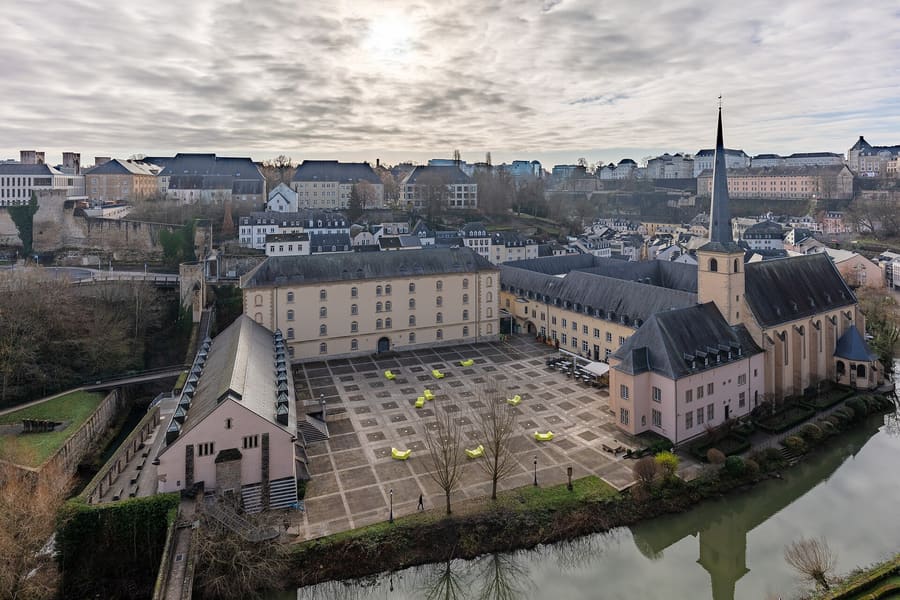
landmark
A former Benedictine abbey turned cultural venue in the Grund valley. Public courtyard and art exhibits are free to enter.
Ask Parleyattractions
areas
The walled upper city with stone pedestrian streets, government buildings, and central squares.
NearbyGrand Ducal Palace and Place d'Armes.
Ask ParleyA quiet valley neighbourhood beside the Alzette river with stone cottages and waterside pubs.
NearbyNeimënster Abbey and Alzette River.
Ask ParleyThe modern financial district housing EU institutions, contemporary museums, and glass towers.
NearbyMudam and Philharmonie Luxembourg.
Ask ParleyThe transport hub south of the centre, lined with 19th-century facade buildings and transit connections.
NearbyLuxembourg Central Station and Tram line 1.
Ask Parleyfood
Luxembourgish cuisine sits at the intersection of German hearty portions and French culinary technique. The signature dish is Judd mat Gaardebounen, a plate of smoked collar of pork served with broad beans in a thick cream sauce. Pair your meal with dry white wine from the nearby Moselle valley, such as Auxerrois or Riesling. For lunch, local bakeries serve Rieslingspaschtéit, a pork pâté baked in a wine-infused pastry crust.
Judd mat Gaardebounen served with boiled potatoes.
Jpatokal · CC BY-SA 3.0Try Gromperekichelcher, fried potato pancakes seasoned with parsley and onions, sold hot at city markets.
Lunch runs strictly from 12:00 to 14:00. Kitchens close by 21:30 in most traditional taverns.
Taxes and service are included in menu prices by law. Leaving an extra euro or two in small change is customary.
history
Luxembourg City began in 963 when Count Siegfried acquired a rocky promontory named Lucilinburhuc. Over centuries, European powers turned the site into one of the strongest fortifications on the continent. The fortress endured repeated sieges by Burgundians, Spaniards, French, and Prussians. The 1867 Treaty of London ordered the dismantling of the ramparts, transforming the city into an open capital.
Founding of Lucilinburhuc
Count Siegfried builds a small castle on the Bock rock, establishing the foundation of the town.
Vauban's Fortifications
French military engineer Vauban expands the city walls and builds deep subterranean casemate tunnels.
Treaty of London
Luxembourg gains neutral status and demolishes 24 kilometres of fort ramparts over sixteen years.
UNESCO Designation
The historic quarters and surviving fortifications enter the World Heritage list.
where to stay
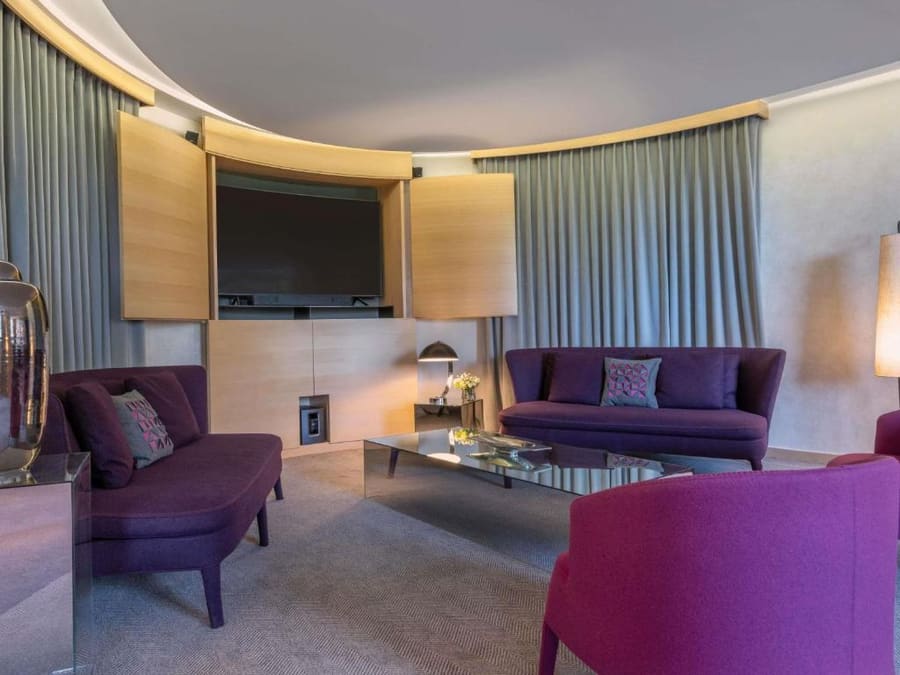
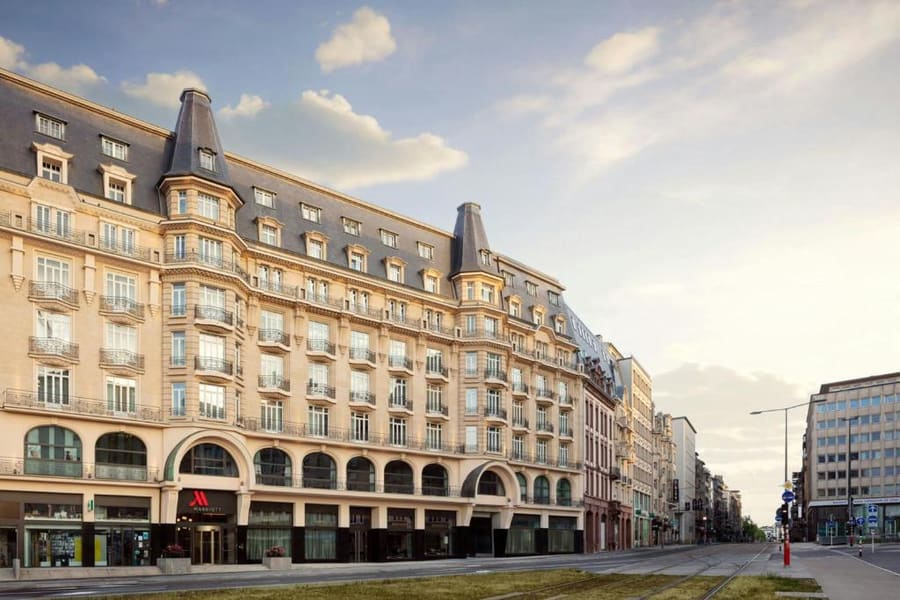
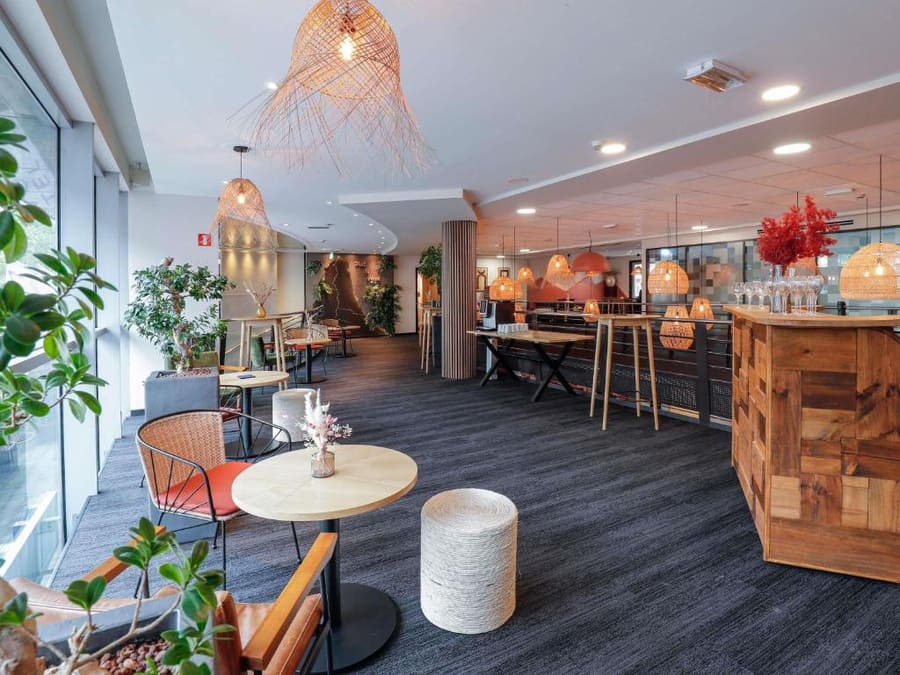
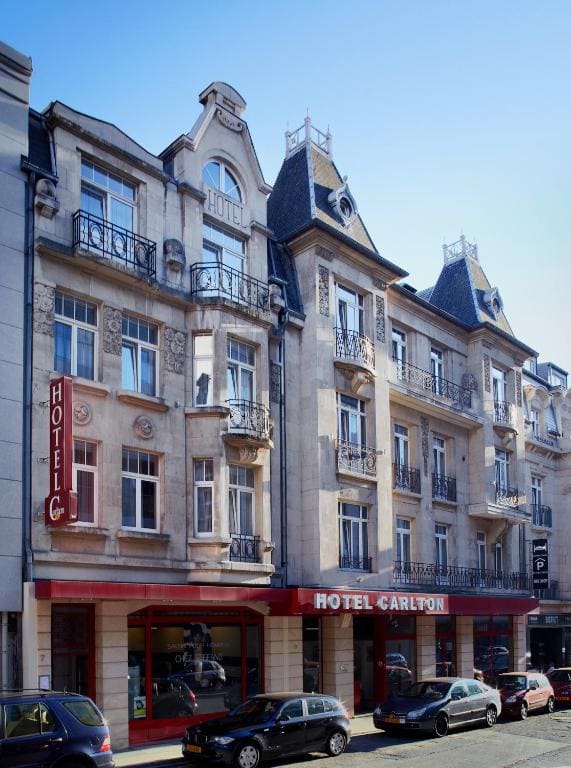
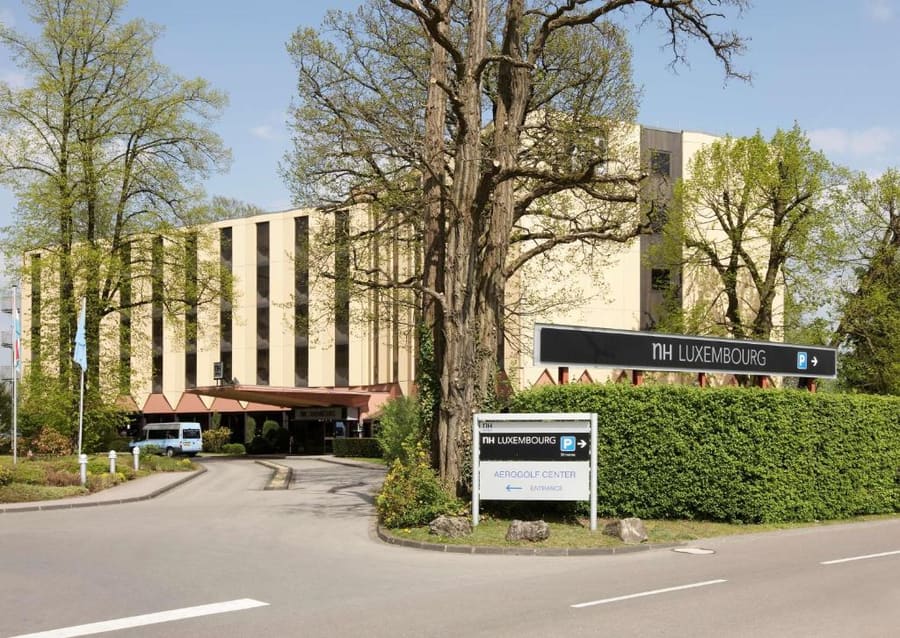
Choose your neighbourhood by vertical tier and weekday activity. Ville Haute puts you steps from historic monuments and high-end dining, but commands premium hotel rates. Kirchberg offers sleek modern hotels with lower rates on weekends when business travelers head home. Gare provides convenient train access and affordable rooms, though night atmosphere is less polished.
Live rates, matched to the areas above.
transport
Luxembourg introduced zero-fare public transport across the entire country in 2020. You board buses, trams, and standard train carriages without buying tickets or tapping payment cards. The main transit backbone is Tram Line T1, connecting Luxembourg Airport through Kirchberg to Gare Central.
From Luxembourg Airport (LUX) / Luxembourg Central Station (Gare Central)
Bus 16 or 29 connects Luxembourg Airport to the city centre. No ticket required.
Available directly outside the airport terminal. Metered pricing applies.
Tram Line T1 runs from Luxembourg Airport through Kirchberg to Gare Central.
All public buses, trams, and standard second-class trains across Luxembourg are free for all passengers.
If you prefer first-class seating on domestic trains, you must buy a ticket at a station kiosk.
Weekend night buses (CN1-CN7) run every half hour until early morning without charge.
Use the Pfaffenthal lift or Saint-Esprit lift to travel between river valleys and upper town for free.
cost
Luxembourg is one of Europe's wealthiest capitals, reflected in dining and accommodation prices. However, zero transit costs offset daily spending significantly. Budget around €120–180 per day for food and hotel stay if dining in casual taverns.
A traditional main plate like Judd mat Gaardebounen at a local brasserie.
Local Bofferding or Diekirch pilsner draft in Grund pubs.
Standard adult entry ticket to the Bock subterranean tunnels.
Zero cost for all trams, city buses, and local trains.
seasonality
MAR – MAY
Spring brings mild weather and blooming valley trees. High-season accommodation rates have not yet peaked.
JUN – AUG
Warmest months for walking valley trails. Book casemate tickets in advance as tourist crowds reach peak.
SEP – NOV
Autumn foliage fills the Pétrusse valley. Wine harvesting festivals run along the Moselle river nearby.
DEC – FEB
Cold and damp with occasional snow. Winter markets occupy Place d'Armes through late December.
practicalities
Most retail shops in Ville Haute close on Sundays, except during scheduled autumn shopping days.
Locals switch fluently between Luxembourgish, French, and German. English is widely spoken by service staff.
Credit cards are accepted nearly everywhere, though small bakery purchases under €5 may require cash.
Expect significant vertical walking. Wear comfortable shoes or use public glass elevators.
Free trains take you to the French or Belgian borders in under 40 minutes.