
attraction
Prado Museum
Pre-book a timed slot to skip the main queue. The museum houses masterworks by Velázquez, Goya, and Hieronymus Bosch.
Spain
High-altitude late-night culture and serious art collections.
Madrid sits at 650 metres above sea level on the central Iberian plateau. The city operates on a delayed diurnal cycle where dinner starts after 21:00 and night life stretches into dawn. You navigate primarily by neighbourhood rather than by monuments, moving between world-class art galleries and dense tapeo quarters on foot.
La Latina — Narrow medieval streets packed with traditional vermut bars and Sunday tapas crowds.
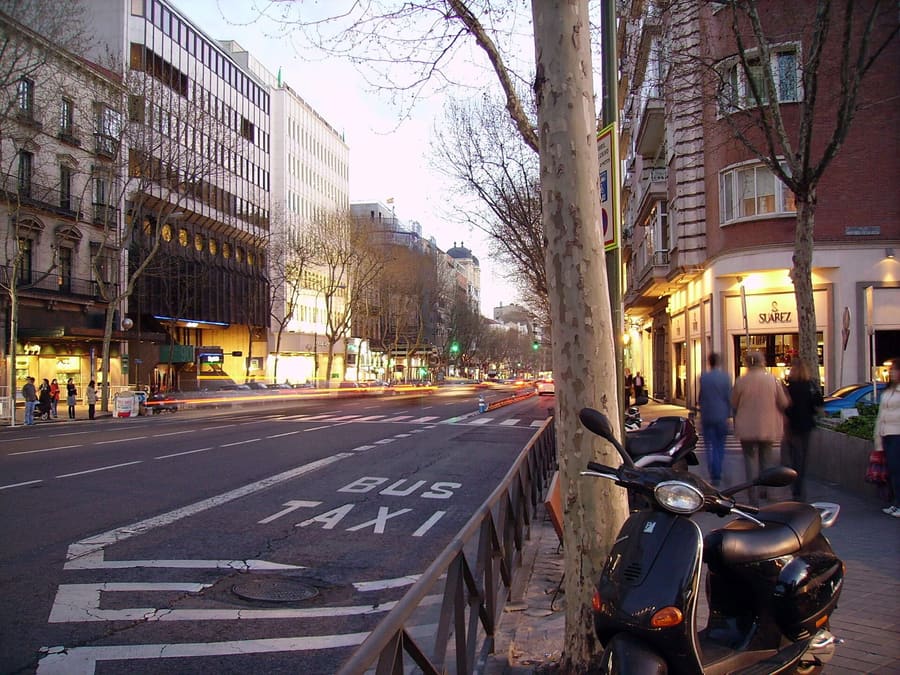
Salamanca — Upmarket grid system of 19th-century avenues, high-end fashion boutiques, and fine dining.
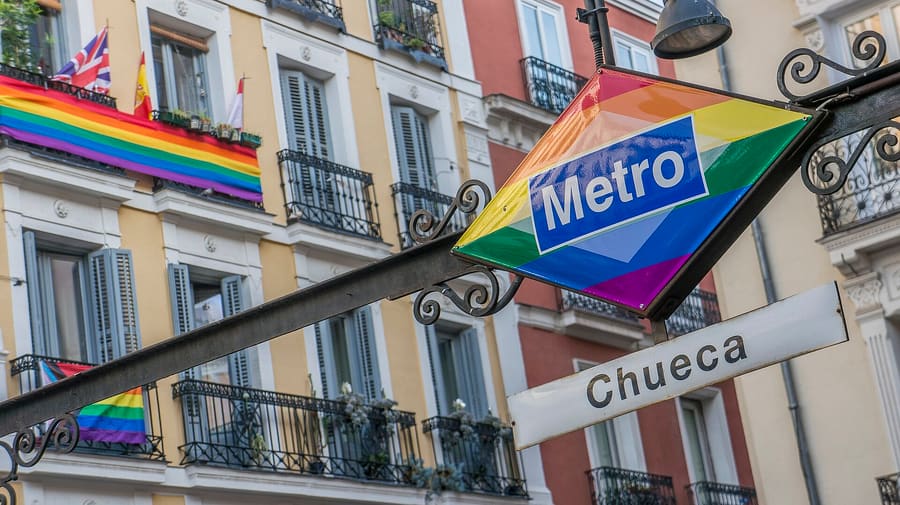
Chueca — Pedestrian-friendly quarter known for inclusive cocktail lounges, terraces, and modern markets.
Bocadillo de calamares served at a traditional bar near Plaza Mayor.
01
attraction
Pre-book a timed slot to skip the main queue. The museum houses masterworks by Velázquez, Goya, and Hieronymus Bosch.
landmark
The official residence contains 3,418 rooms. Book digital tickets in advance to bypass ticket office lines.
landmark
A 125-hectare public park featuring the glass Palacio de Cristal and a rowing lake near the northern entrance.
landmark
Fills the historical gaps between the Prado and Reina Sofía. Covers Western art from the 13th to late 20th century.
landmark
The 17th-century arcaded square hosts historical arcades. Eat fried squid baguettes at surrounding side-street bars.
02
03
Craft beer bars, vintage clothing shops, and historic plazas defined by 1980s counterculture.
NearbyGran Vía and Chueca
Ask ParleyNarrow medieval streets packed with traditional vermut bars and Sunday tapas crowds.
NearbyPlaza Mayor and Royal Palace
Ask ParleyUpmarket grid system of 19th-century avenues, high-end fashion boutiques, and fine dining.
NearbyEl Retiro Park and Golden Mile
Ask ParleyPedestrian-friendly quarter known for inclusive cocktail lounges, terraces, and modern markets.
NearbyMalasaña and Gran Vía
Ask Parley04
Food in Madrid centres on historic taverns, market halls, and long dinner hours. You eat tapas standing at zinc counters or share larger portions called raciones at wooden tables. Regional dishes from across Spain collect in the capital, alongside native specialties like offal stews and fried seafood snacks.
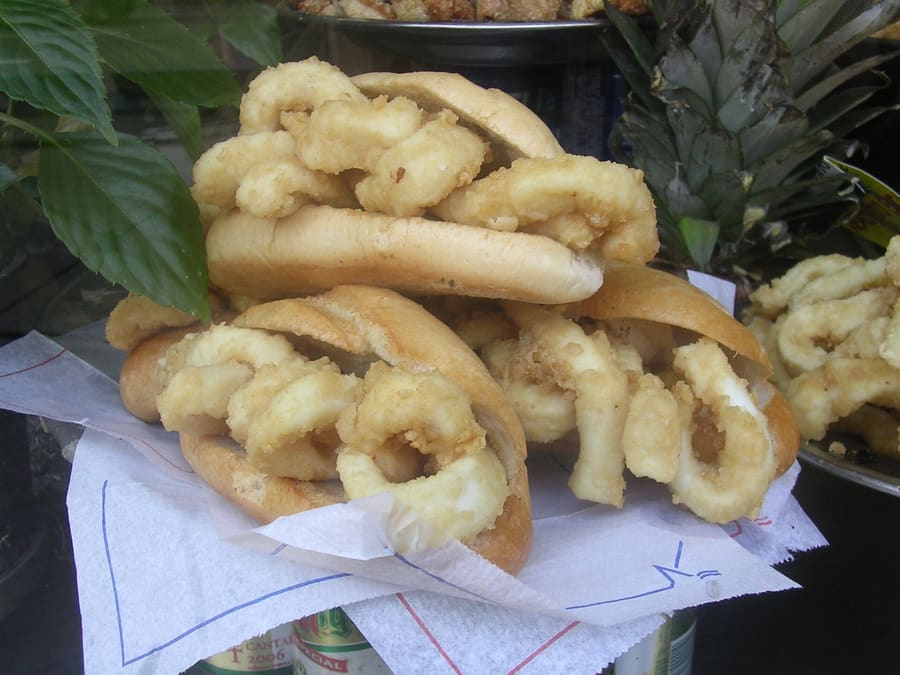
Bocadillo de calamares served at a traditional bar near Plaza Mayor.
Kitchens close between 16:00 and 20:30. Arrive at 21:00 for prime tavern seating.
Crispy fried squid inside a crusty baguette is a classic local lunch bite near .
A traditional three-course chickpea and meat stew served during cooler months across classic taverns.
Order at the bar and pay when you finish your drink, or open a tab for food.
05
Madrid grew from a 9th-century Moorish fortress named Mayrit into the capital of a global empire. King Philip II moved the royal court here in 1561, establishing the city as Spain's political administrative centre.
Fortress Founded
Emir Muhammad I builds a military outpost along the Manzanares River.
Capital Established
Philip II transfers the Spanish court from Toledo to Madrid.
Dos de Mayo Uprising
Citizens revolt against Napoleon's troops, triggering the Peninsular War.
Spanish Civil War
Madrid endures a three-year siege before falling to Francoist forces in 1939.
La Movida Madrileña
Post-Franco countercultural movement transforms the city's music and art scene.
06
Choose your neighbourhood based on evening preferences. Staying in the central grid puts major museums within walking distance, while northern or eastern districts offer quieter residential nights.
Highly rated hotels in Madrid.


07
Madrid operates an efficient public transit network consisting of the Metro, Cercanías commuter rail, and EMT buses. The central historic districts are compact enough to navigate on foot.
From Madrid-Barajas Airport (MAD)
Cercanías C1 line runs directly from Terminal 4 to Atocha and Chamartín stations.
Línea Exprés Aeropuerto operates 24/7 to Cibeles and Atocha stations.
Fixed rate applies to all official white taxis with diagonal red stripes.
Buy a Multi card for €2.50 at stations and load 10 rides for cheaper central travel.
A €3 airport supplement fee applies when entering or exiting airport Metro stations.
Trains run daily from 06:00 until 01:30, with trains arriving every 3 to 5 minutes peak.
Use Cercanías red trains for fast connections between major stations like Atocha and Sol.
08
Madrid offers competitive value compared to other major West European capitals. Eating lunch at neighborhood bars and using multi-ride transit passes keeps expenses low.
Standard cost at non-tourist neighbourhood coffee bars across the city.
Three-course lunch menu including bread, drink, and dessert served weekdays.
Small draft pale lager usually served with a small complimentary snack.
Standard adult ticket for major galleries like the Prado or Thyssen-Bornemisza.
09
MAR – MAY
Mild temperatures around 18–22°C with pleasant park afternoons. Book popular museum slots early.
JUN – AUG
Extreme summer heat topping 38°C. Many local businesses close in August for annual holidays.
SEP – NOV
Warm days and crisp evenings return. Ideal conditions for outdoor dining and walking tours.
DEC – FEB
Cold, dry winter days with sunshine. Clear skies, festive markets, and minimal museum lines.
10
Smaller independent stores and supermarkets close on Sundays, though major chains remain open.
Contactless card payments are accepted almost everywhere, including street kiosks and taxis.
Bars do not fill up before 23:00, and nightclub peak hours run from 02:00 to 06:00.
Schedule outdoor activities before 12:00 or after 19:00 during July and August.
Major art galleries offer free entry windows on specific weekday evenings, though queues build early.
Contents
Your trip
Going to Madrid?
Tell Parley when you’re going and what you enjoy, and it plans the days around this guide.
Plan with Parley


