
landmark
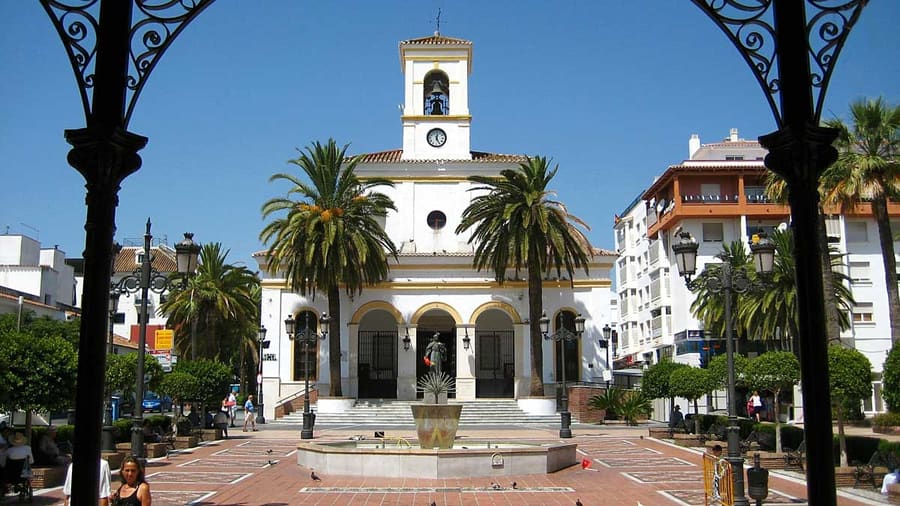
Plaza de los Naranjos
The center of old Marbella, shaded by orange trees. Visit early morning before outdoor restaurant tables occupy the paving.
Spain
Two distinct worlds split between old stone and yacht slips.
Marbella runs on a six-mile coastal spine anchored by two opposite poles. The historic center packs 15th-century plazas inside Moorish stone walls, while trades heritage for superyachts and high-end shopping. Public buses link these strips continuously along the Golden Mile, making private cars unnecessary for daily movement. Expect premium prices near the water and a quieter, traditional pace three blocks inland.
San Pedro de Alcántara — A residential neighborhood with a wide boulevard park, local tapas bars, and a laid-back pace.
Sardines roasting over olive wood in a beachside chiringuito boat.
01
landmark
The center of old Marbella, shaded by orange trees. Visit early morning before outdoor restaurant tables occupy the paving.
landmark
A marina built in 1970 for deep-draft yachts and luxury retail. Walk the outer pier at sunset to view the boats without store crowds.
landmark
10th-century Moorish castle walls incorporating Roman stones into their base. View the defensive masonry along Calle Arte.
landmark
A 16th-century church housing a massive Soler-built pipe organ. Step inside to see baroque altarpieces and quiet lime-washed vaults.
landmark
One of Spain's first modern mosques, built in 1981 in Andalusian-Saudi style. The white exterior overlooks the Golden Mile.
02
03
Superyachts, designer boutiques, and late-night clubs built around a white Mediterranean dock.
NearbyPlaya de Levante and Ocean Club
Ask ParleyA residential neighborhood with a wide boulevard park, local tapas bars, and a laid-back pace.
NearbyBulevar San Pedro and Roman Baths
Ask Parley04
Marbella dining revolves around the espetero. Cooks skewer fresh sardines on bamboo sticks and roast them over olive-wood coals inside sand-filled wooden boats right on the beach sand. Inland tapas bars focus on cold garlic soup and fried seafood eaten standing up.
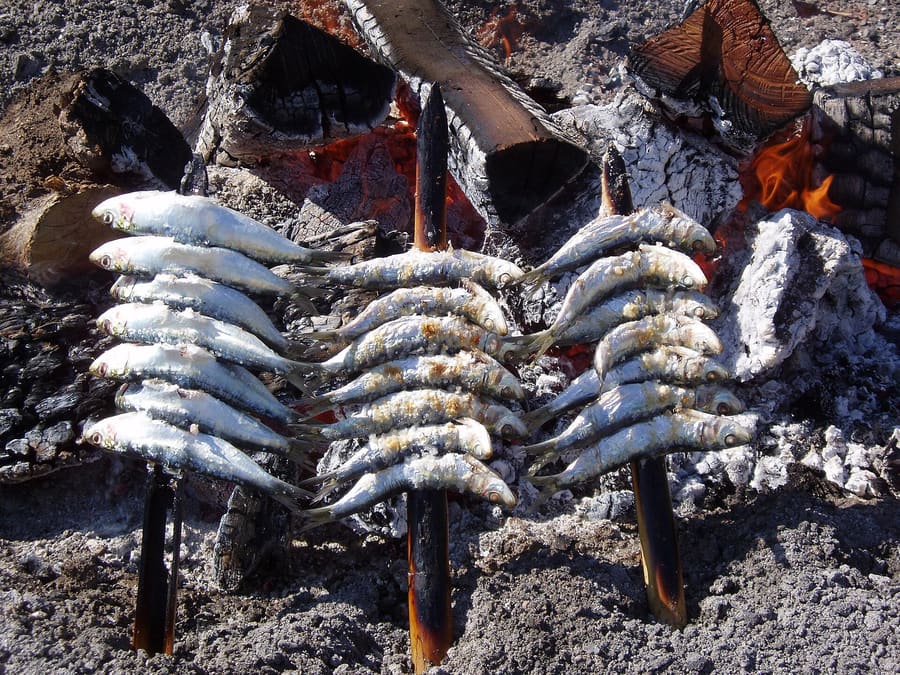
Sardines roasting over olive wood in a beachside chiringuito boat.
Order sardine skewers at beach chiringuitos where wood fires burn brightest during daylight hours.
Kitchens in Casco Antiguo open for dinner around 20:30, but local tables remain empty until 21:30.
Ask for ajoblanco, a cold soup made from blended almonds, garlic, olive oil, and white grapes.
05
Marbella evolved from a Roman agricultural settlement into a fortified Moorish town under the Caliphate of Córdoba. Its modern identity transformed in 1954 when Prince Alfonso von Hohenlohe converted his family estate into the Marbella Club hotel, drawing international high society to the Costa del Sol.
Roman Settlement
Romans construct bath complexes and fish-salting installations at Río Verde and San Pedro.
Moorish Fortification
Islamic rulers build a heavy citadel and surrounding city walls using salvaged Roman masonry.
Castilian Conquest
King Ferdinand receives the keys to Marbella, transforming the main mosque into a Catholic church.
Resort Era Begins
Prince Alfonso von Hohenlohe opens the Marbella Club, turning an agricultural village into an elite haven.
06
Choose your base by your mobility needs and evening preferences. Casco Antiguo offers historic character and easy walking, while suits late nights and luxury retail. The Golden Mile splits the distance with beach resort grounds.
Highly rated hotels in Marbella.


07
Marbella has no passenger railway station. The city relies on regional Avanza buses and local taxis to move residents along the coastal highway corridor.
From Málaga-Costa del Sol Airport (AGP)
Direct Avanza express bus from T3 to Marbella terminal; avoids local urban stops.
Metered fare. Higher rates late at night and on weekends. Board at marked T3 rank.
Uber and Cabify available. Pickup at designated area in P2 Express Parking.
Shared or private transfers. Must be booked online prior to arrival.
Take the direct Avanza express bus from Málaga Airport to Marbella bus terminal. The ride takes 45 minutes and avoids local urban stops.
Line L-79 runs every 30 minutes between Marbella center, , and San Pedro along the N-340 route.
Taxis use fixed meters but charge higher rates late at night. Flagging on streets works poorly; use marked taxi ranks.
08
Prices in Marbella diverge sharply based on location. Old Town markets and San Pedro cafes offer standard Andalusian rates, while beach clubs along the Golden Mile and add heavy markups.
Beachside chiringuitos cook these directly over wood fires on sandy shorelines across Marbella.
Single cash fares paid directly to the driver on local Avanza urban routes.
Three courses with local wine in Casco Antiguo dining venues.
Standard price in Old Town plazas like .
09
MAR – MAY
Mild temperatures around 20°C. Ideal for walking the Old Town and hiking La Concha before summer heat arrives.
JUN – AUG
Peak summer crowds and hot days averaging 30°C. Beach clubs operate at full capacity; book tables weeks in advance.
SEP – OCT
Warm sea water and smaller crowds. Air temperatures settle into a pleasant 24°C, making outdoor dining effortless.
NOV – FEB
Quiet season with day highs around 16°C. Some beach chiringuitos close, but Old Town shops remain open.
10
Independent Old Town shops close between 14:00 and 17:00 for afternoon rest, reopening late into the evening.
Virtually all restaurants, buses, and taxis accept contactless cards. Carry minimal cash for small tips or beach snacks.
Tap water in Marbella is safe to drink, though many locals prefer bottled water due to high mineral content.
Lifeguards fly red flags when offshore currents make swimming unsafe along exposed coastal stretches.
Contents
Your trip
Going to Marbella?
Tell Parley when you’re going and what you enjoy, and it plans the days around this guide.
Plan with Parley


