landmark
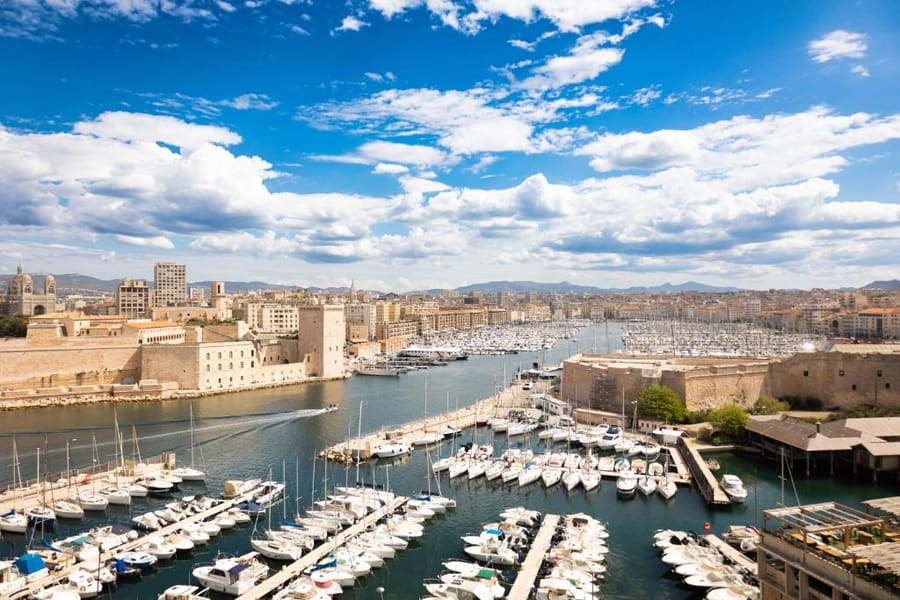
Vieux-Port
The natural harbour since 600 BC. Ferry boat crossings cost €0.90 and cut straight across the water.
Ask ParleyFrance
France’s gritty, sun-soaked Mediterranean gateway.
introduction
Marseille runs on Mediterranean light, sea air, and unvarnished urban energy. It is a working port city divided into 16 arrondissements, stretching from rocky calanques to dense North African market streets. You explore it best by combining Metro line 1 with coastal walking paths and shuttle boats across the Vieux-Port. Expect steep limestone hills, bold flavours, and absolute straightforwardness from locals.
Airport transit trick
Take the bus shuttle Ligne 91 from Marseille Provence Airport directly to St-Charles station. It takes 30 minutes and departs every 10 minutes during peak hours.
Oldest city in France
Greek settlers founded Massalia around 600 BC in the cove today called the Vieux-Port. It remains France's oldest city and largest commercial seaport.
Calanques access rules
To visit Sugiton calanque in summer, you must reserve a free permit online days in advance. Forest fire risk checks close access roads during dry winds.
Marseille
Bertrand SOUBEYRAND · CC BY-SA 4.0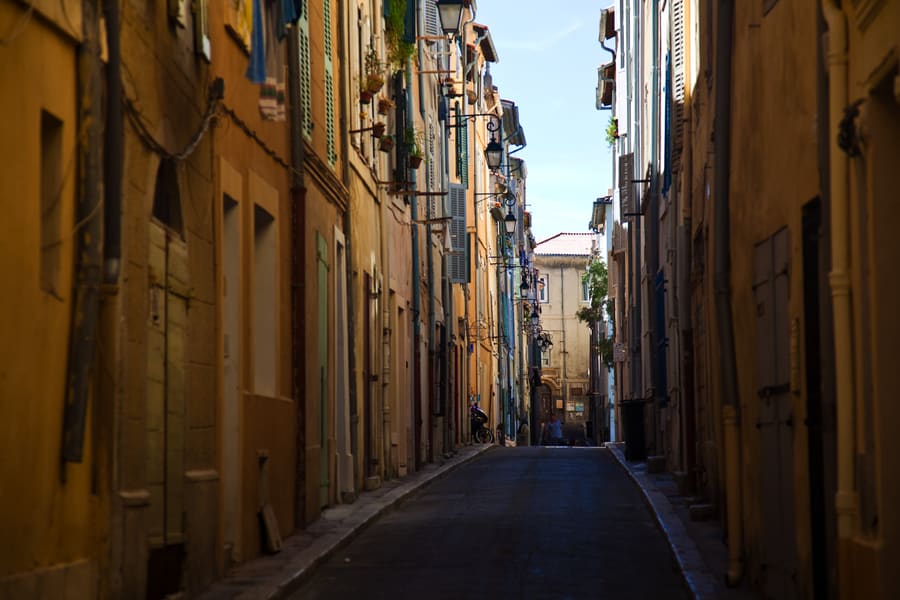
Le Panier — Steep alleys, ochre facades, artisan soap shops, and quiet squares north of the port.
phgaillard2001 · CC BY-SA 2.0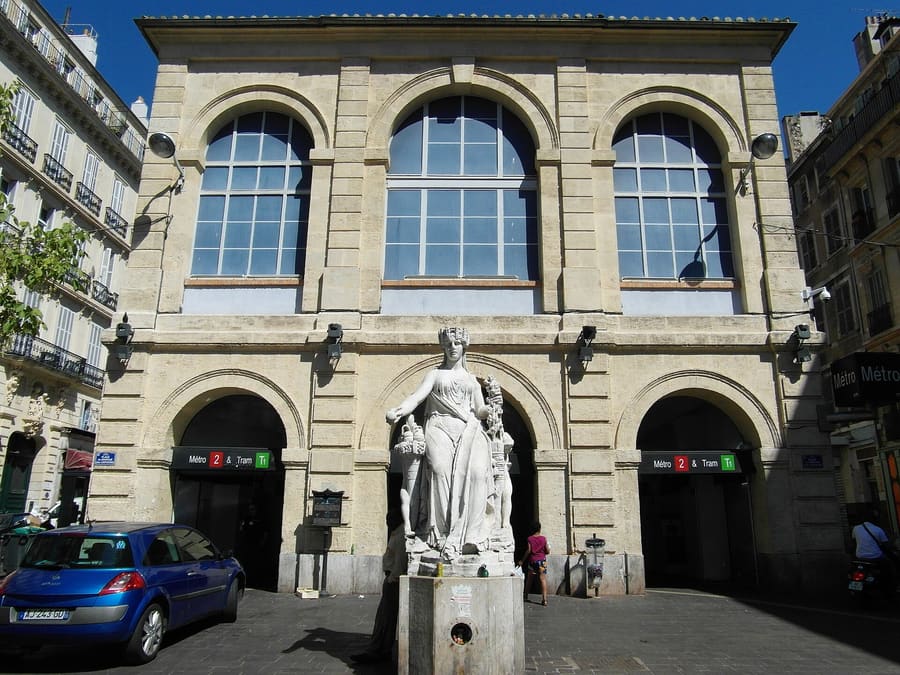
Noailles — Dense, energetic district driven by North African spice shops, tea houses, and street stalls.
IngolfBLN · CC BY-SA 2.0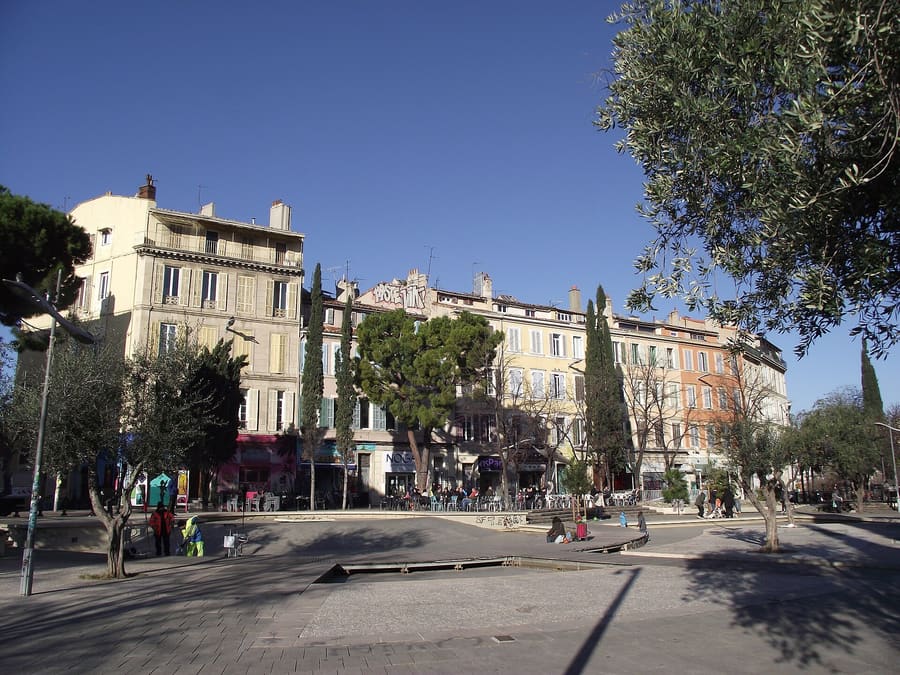
Cours Julien — Hilltop enclave filled with street art murals, independent record shops, and terrace bars.
Fred Romero from Paris, France · CC BY 2.0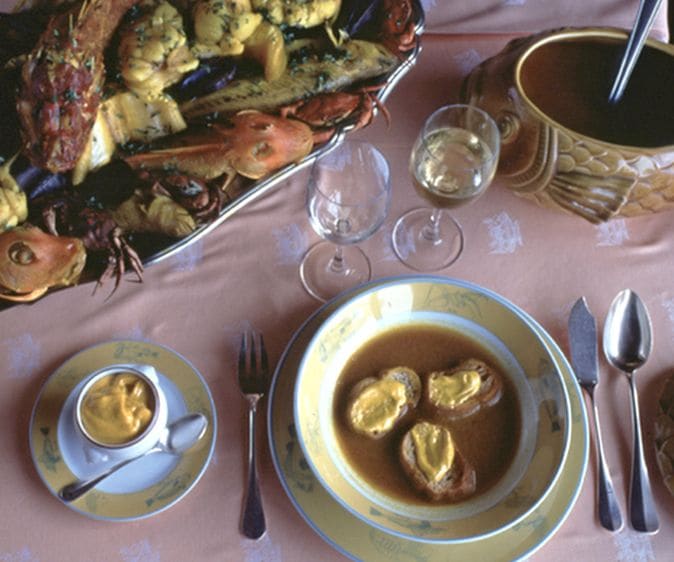
Authentic bouillabaisse served with saffron broth, rouille, and rockfish.
Slastic · CC BY 3.0highlights
landmark
The natural harbour since 600 BC. Ferry boat crossings cost €0.90 and cut straight across the water.
Ask Parley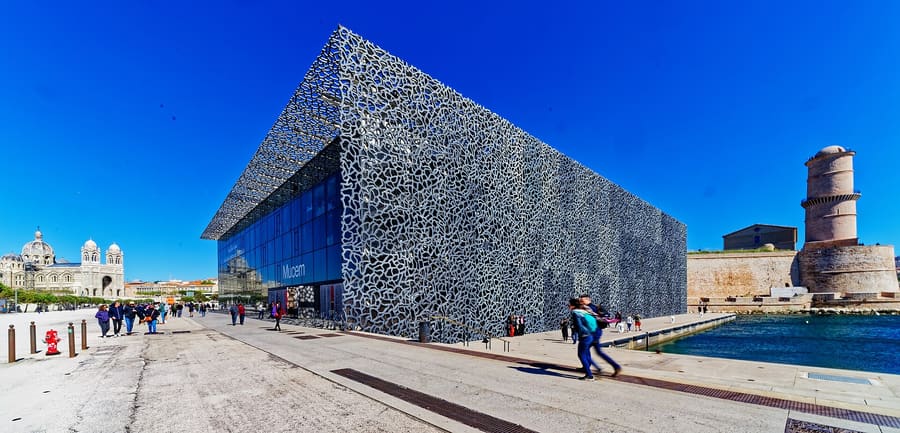
landmark
Junction of modern lattice concrete and 17th-century Fort Saint-Jean. Closed Tuesdays.
Ask Parley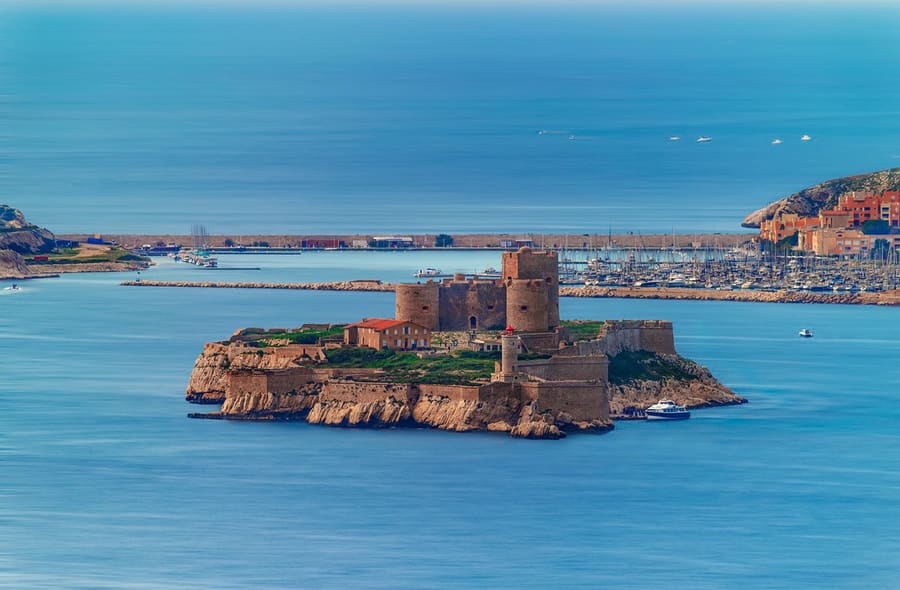
landmark
The island prison made famous by Dumas. Boats run daily from Quai des Belges when wind allows.
Ask Parley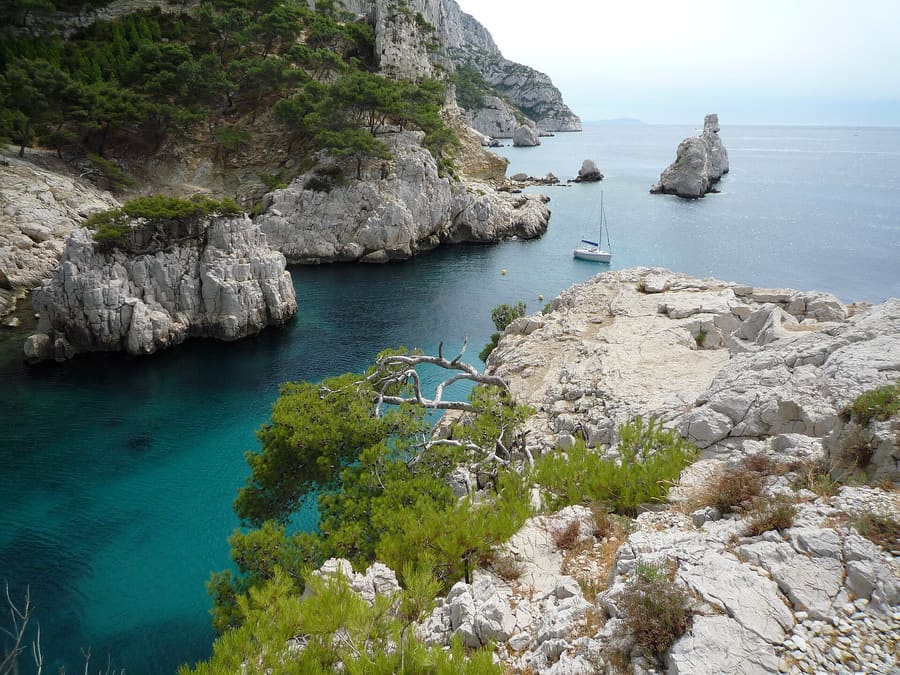
landmark
Dramatic fjord-like limestone inlet. Summer entry requires a free advance online reservation.
Ask Parleylandmark
Sprawling market packed with North African spices, flatbreads, and fresh fish off Rue d'Aubagne.
Ask Parleyattractions
areas
Steep alleys, ochre facades, artisan soap shops, and quiet squares north of the port.
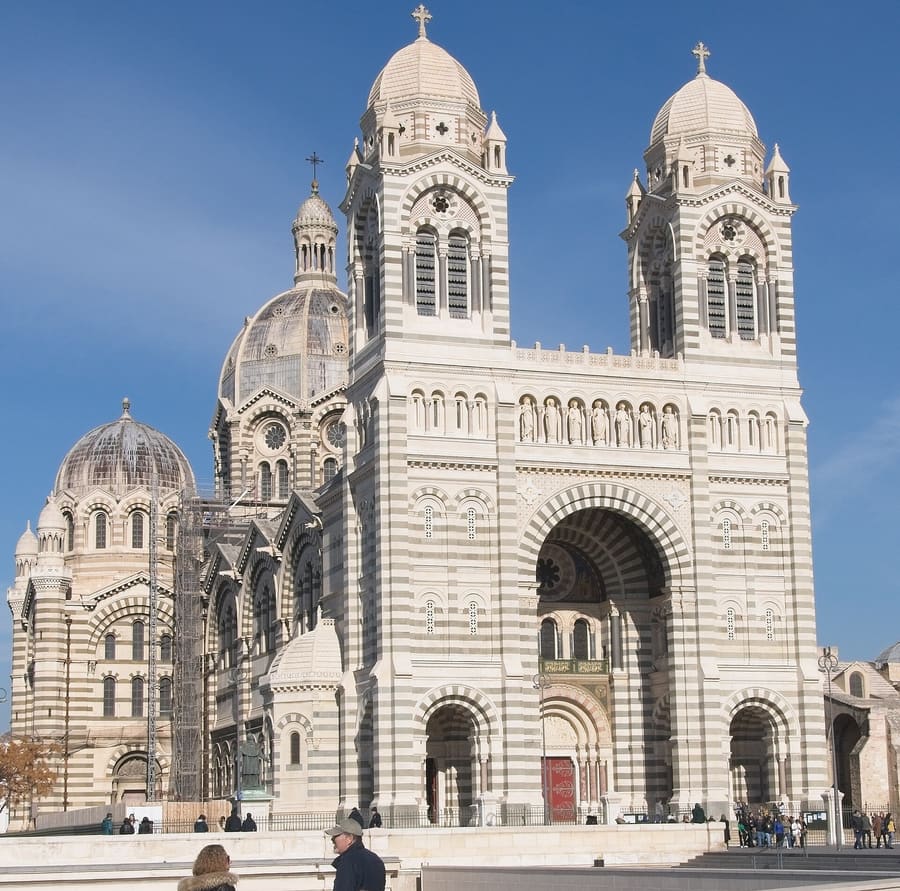
NearbyMuCEM and Cathédrale de la Major
Ask ParleyDense, energetic district driven by North African spice shops, tea houses, and street stalls.
NearbyVieux-Port and Gare Saint-Charles
Ask ParleyHilltop enclave filled with street art murals, independent record shops, and terrace bars.
NearbyPlace Jean-Jaurès and La Plaine market
Ask Parley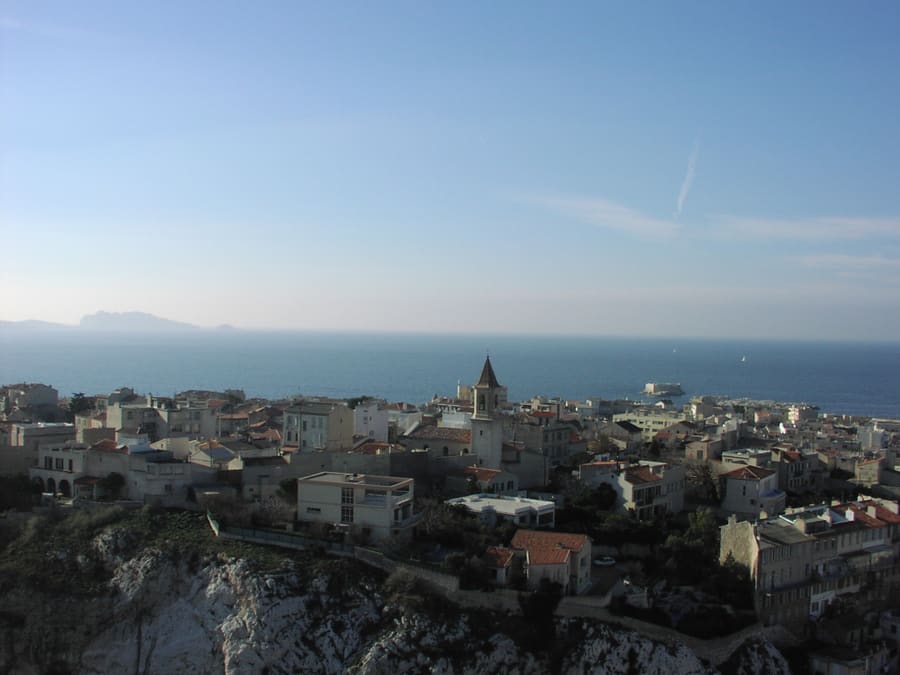
Coastal village atmosphere with tiny fishing coves, rocky swimming spots, and seafood bistros.
NearbyCorniche Kennedy and Vallon des Auffes
Ask Parleyfood
Real Marseille bouillabaisse is not a simple fish soup. Authentic versions follow the Charte de la Bouillabaisse, serving saffron broth first, followed by at least four whole local rockfish carved at your table with rouille and garlic croutons. Beyond the port, local dining centers on North African pastry shops in Noailles and fresh grilled sardine stands along the Corniche.
Authentic bouillabaisse served with saffron broth, rouille, and rockfish.
Slastic · CC BY 3.0Order bouillabaisse only at restaurants that prepare it to order, like Chez Fonfon in Vallon des Auffes. Expect to pay €60 to €90 per person.
Take boat shuttle RTM to L'Estaque for chichi frégi (fried churro dough) and panisses (chickpea flour fritters) at beachfront kiosks.
Kitchens open for dinner at 19:30. Portside spots serving food continuously all afternoon cater almost exclusively to tourists.
history
Founded around 600 BC by Phocaean Greeks, Marseille built its wealth as a trade link between the Mediterranean and inland Gaul. Its history is marked by a fiercely independent streak, often standing in opposition to central royal authority in Paris.
Greek Massalia
Phocaean settlers establish a trading port at the natural harbour of Massalia.
Great Plague
The merchant ship Grand-Saint-Antoine arrives carrying plague, killing half the city's population.
La Marseillaise
Volunteers from Marseille march to Paris singing the war hymn that becomes France's national anthem.
Cultural Capital
European Capital of Culture designation spurs urban redevelopment and the opening of MuCEM.
where to stay
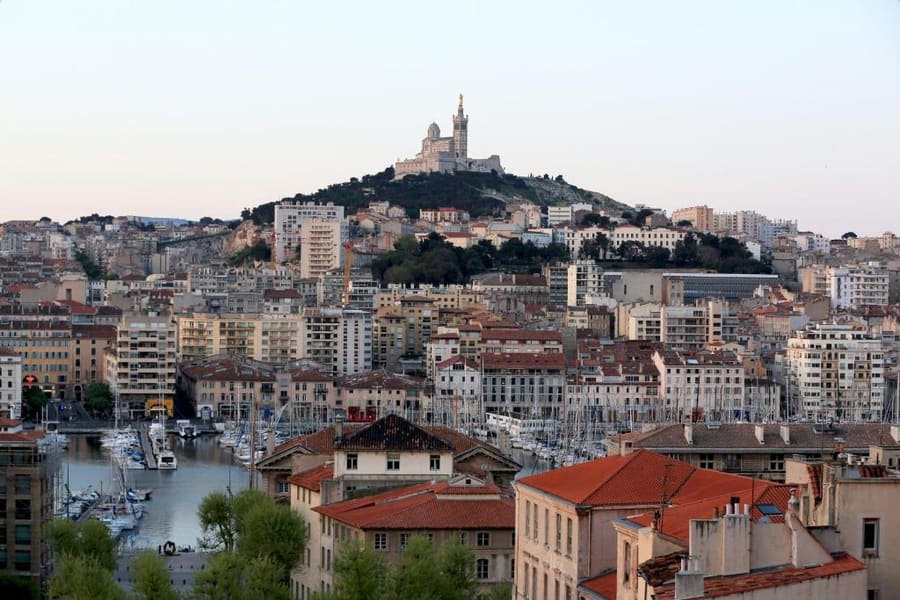
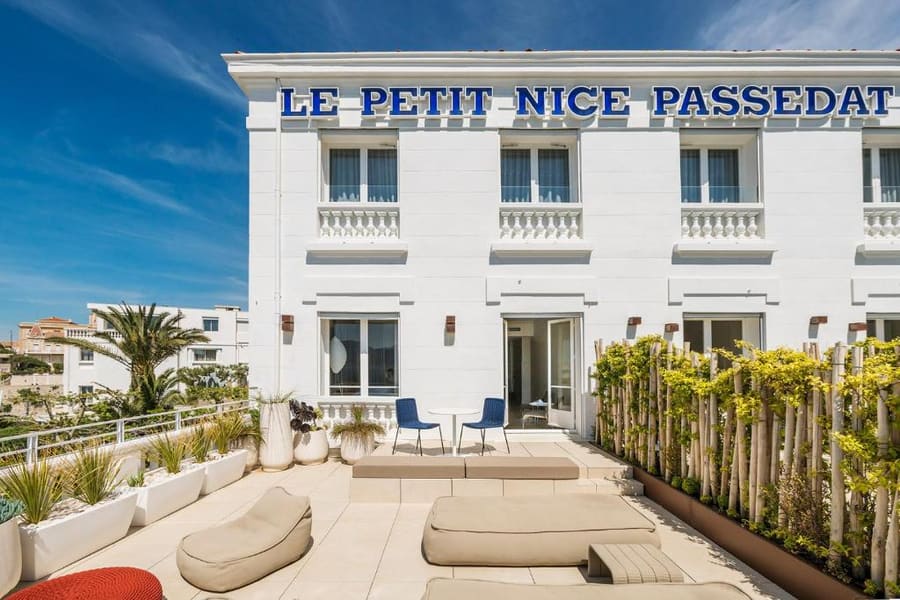
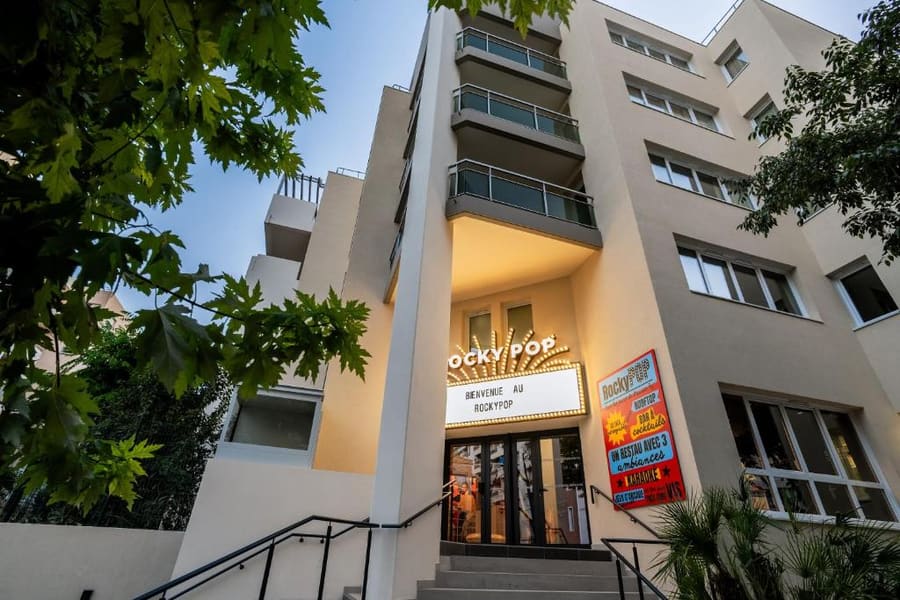
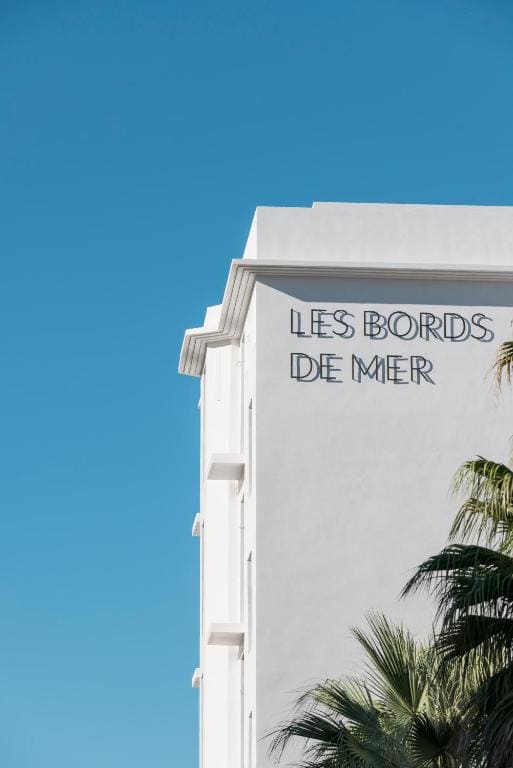
Choose your base based on transport links and noise tolerance. Staying around Vieux-Port puts you within walking distance of boat launches and metro lines, while Endoume offers sea swimming and quiet nights at the expense of metro access.
Live rates, matched to the areas above.
transport
Marseille operates two metro lines, three tram lines, and an extensive bus network managed by RTM. The RTM ferry boat crosses the Vieux-Port continuously, and maritime shuttles run to Frioul islands and coastal districts.
From Marseille Provence Airport (MRS)
Ligne 91 direct shuttle to Gare Saint-Charles. Runs every 10-15 minutes.
Fixed-rate options vary by day/night. Night rates apply from 19:00 to 07:00.
Take free shuttle bus to Vitrolles Aeroport station, then TER train to Saint-Charles.
A 24-hour RTM pass costs €5.20 and covers all metro, tram, and city bus lines.
Seasonal RTM boats connect Vieux-Port to Pointe Rouge and L'Estaque for €7 one way.
Metros run until 00:30 nightly. Night buses (La Linea) take over major routes after midnight.
cost
Marseille is noticeably cheaper than Paris or Nice for food and transit, though premium seafood and high-season accommodation bring high prices.
Drinking standing at the bar costs less than sitting at an outdoor terrace table.
Served hot in paper cones at Noailles markets and coastal kiosks.
Price per person at certified seafood establishments along the port or Vallon des Auffes.
Valid for 60 minutes with transfers across metro, tram, and bus networks.
seasonality
MAR – MAY
Mild temperatures and blooming hills. Calanques trails are fully open before summer fire restrictions.
JUN – AUG
Hot weather and high sea temperatures. Sugiton calanque requires advance booking and fire bans close trails.
SEP – OCT
Warm sea water and smaller tourist crowds. Excellent window for hiking and outdoor dining.
NOV – FEB
Crisp winter light and strong Mistral winds. Clear skies but cold sea breezes require heavy coats.
practicalities
The strong northern Mistral wind clears humidity and pollution but brings sudden temperature drops and choppy seas.
Access to Sugiton calanque requires booking on the national park website 3 days ahead in July and August.
Independent shops in Le Panier and Noailles close on Sundays. Major supermarkets close by 13:00.
Card payments are accepted nearly everywhere, but carry cash for small purchases at Noailles market stalls.
Keep valuables secure around Gare Saint-Charles and inside crowded metro cars, especially late at night.