
landmark
Matsumoto Castle
Six-story black wooden keep completed in 1594. Buy tickets before 10:00 AM to avoid hour-long queues for steep internal stairs.
Japan
Black-lacquered timber, alpine air, and local craft.
Matsumoto sits in a flat basin below the Japan Alps. The city center is compact and walkable, anchored by its 16th-century black wooden castle. Most sights lie within a twenty-minute walk of Matsumoto Station, connected by flat pedestrian streets and four local loop buses. It works best as an active two-day stop before heading higher into the mountains.
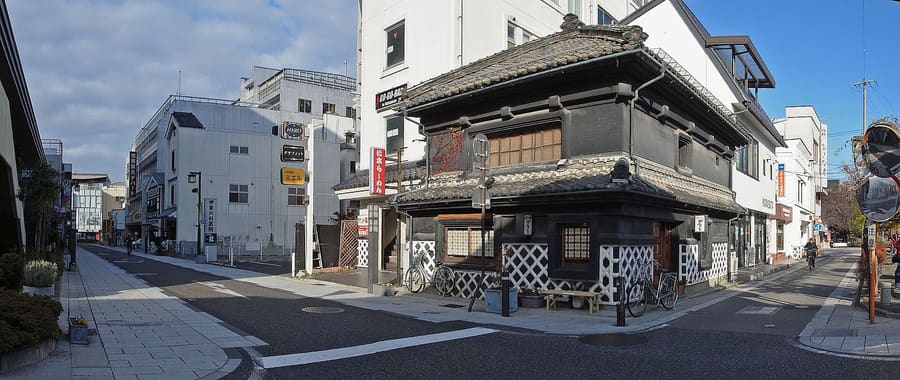
Nakamachi & Nawate — Pedestrian riverfront, storehouse architecture, craft cafes, and bakeries.
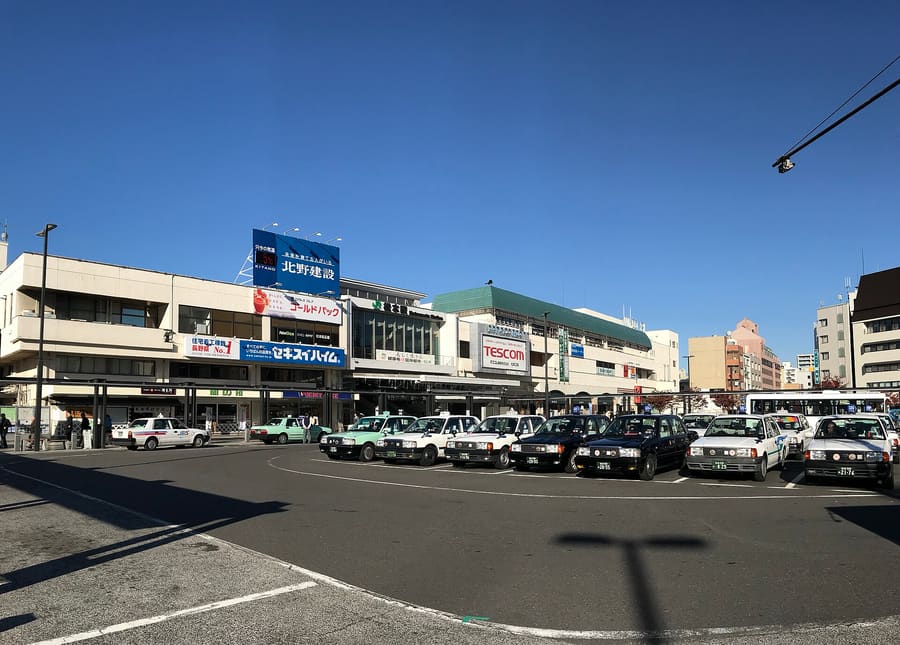
Station Area — Izakaya alleys, commuter convenience, and transit terminals.
Asama Onsen — Hot spring village setting twenty minutes uphill from the center.
A fresh tray of Shinshu hand-cut buckwheat soba with dipping broth.
01
landmark
Six-story black wooden keep completed in 1594. Buy tickets before 10:00 AM to avoid hour-long queues for steep internal stairs.
landmark
Hometown museum dedicated to Yayoi Kusama. Outdoor sculptures and permanent galleries showcase her polka-dot works and early paintings.
landmark
Pedestrian street alongside the Metoba River themed around frogs. Stallholders sell senbei crackers, taiyaki, and antique wooden toys.
landmark
One of Japan's oldest Western-style primary schools built in 1876. Displays woodwork techniques blending Asian and European architecture.
02
03
Wide avenues, clear moat views, and traditional lacquerware workshops.
NearbyMatsumoto Castle and Kaichi School.
Ask ParleyPedestrian riverfront, storehouse architecture, craft cafes, and bakeries.
NearbyMetoba River and Yohashira Shrine.
Ask ParleyIzakaya alleys, commuter convenience, and transit terminals.
NearbyJR Matsumoto Station and Alpico Bus Terminal.
Ask ParleyHot spring village setting twenty minutes uphill from the center.
NearbyPublic baths and mountain viewpoints.
Ask Parley04
Cold meltwater from the Northern Alps feeds Nagano's soil, making Matsumoto a primary center for buckwheat soba.Local soba restaurants serve handmade noodles with dashi dip or served hot as toji soba, where you dip baskets of noodles into steaming broth.Sanzoku-yaki is Matsumoto's signature pub food: chicken thigh marinated in garlic, soy, and onion, then coated in potato starch and deep-fried.
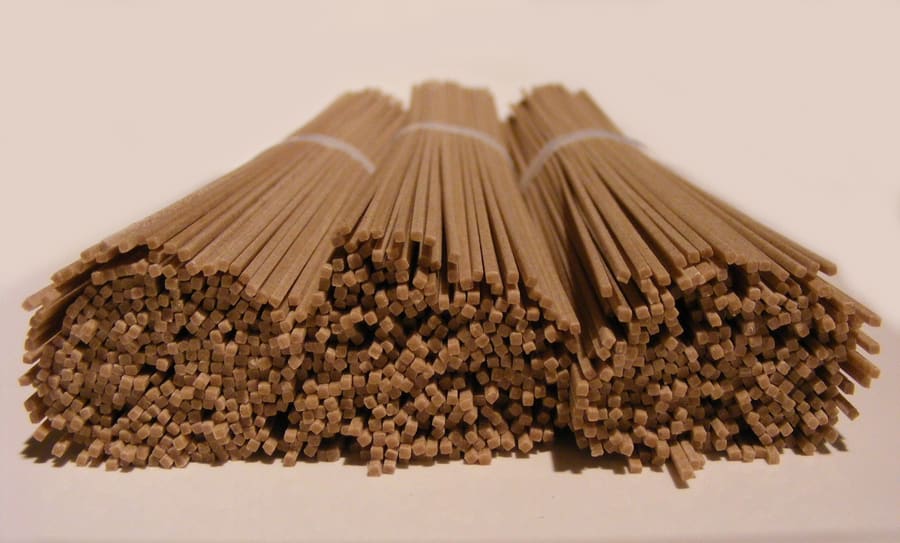
A fresh tray of Shinshu hand-cut buckwheat soba with dipping broth.
Look for soba shops advertising 10割 (ju-wari), which indicates 100 percent pure buckwheat flour without wheat binders.
Top soba houses prepare a limited daily batch of fresh dough. Arrive by 11:30 AM before daily dough allocations sell out.
Sanzoku-yaki pieces are cut thick and served over raw cabbage. Order one portion to share at an izakaya along Nakamachi.
05
Matsumoto developed as a stronghold under the Ogasawara and Ishikawa clans during the 16th century.Its castle survived Meiji-era demolition decrees because local residents pooled funds to buy back the keep from developers.
Fukashi Castle Built
The Ogasawara clan establishes Fukashi Fort on the flat plains of Nagano.
Wooden Keep Completed
Ishikawa Kazumasa constructs the six-story black keep as a military fortress.
Kaichi School Opens
Townspeople open one of Japan's first Western-style primary schools.
National Treasure Status
The castle keep receives highest protection status, preserving original 16th-century timber.
06
Choose your location based on transit needs. Station hotels allow early bus departures for alpine trails. Nakamachi and Castle District properties put you within walking distance of evening izakaya and morning sightseeing. Asama Onsen offers traditional hot spring ryokan lodging outside the center.
Highly rated hotels in Matsumoto.
See more Matsumoto hotels07
Matsumoto's flat city center makes walking straightforward. Local Town Sneaker loop buses connect major landmarks for short hops across town.
From Matsumoto Station
JR Limited Express Azusa from Tokyo's Shinjuku Station.
JR Limited Express Shinano from Nagoya Station.
Town Sneaker local loop bus connecting Matsumoto Station to castle and museums.
Connecting Shinshu Matsumoto Airport (MMJ) to Matsumoto Bus Terminal.
A day pass costs ¥500 and gives unlimited rides on all four Town Sneaker loop bus routes.
Buy the combined train-and-bus ticket at Matsumoto Station before boarding the Kamikochi Line to Shin-Shimashima.
Free city rental bicycles (Sui-Sui Town) are stationed near the castle and central parks until 5:00 PM.
Suica IC cards work on Town Sneaker buses, but local Kamikochi Line trains require physical tickets at rural stations.
08
Matsumoto is less expensive than Tokyo or Kyoto, though transport into surrounding mountain valleys adds travel expenses.
Covers access to the main inner keep grounds and historical museum displays inside.
A standard basket of handmade cold soba with dipping sauce and tempura.
Covers unlimited city bus travel across central loop lines.
09
MAR – MAY
Cherry blossoms peak around the castle grounds in mid-April. Cool weather requires jacket layers.
JUN – AUG
Pleasant mountain air brings summer hikers. High altitude offers relief from lowland heat.
SEP – NOV
Autumn foliage turns mountain slopes bright orange in October. Crisp mornings bring clear views of snowy peaks.
DEC – FEB
Snow covers castle roofs and gardens. Asama Onsen baths are best during cold winter evenings.
10
Stairs inside keep reach 61-degree inclines. Remove shoes and carry them in provided plastic bags.
Alpine weather changes rapidly. Pack waterproof shells even during clear city mornings.
Smaller Nakamachi artisans and soba houses do not process credit cards.
Public trash bins are rare along pedestrian streets. Carry wrappers back to hotel rooms.
Wash thoroughly before entering shared pools in Asama Onsen. Cover tattoos where required.
Contents
Your trip
Going to Matsumoto?
Tell Parley when you’re going and what you enjoy, and it plans the days around this guide.
Plan with Parley


