landmark
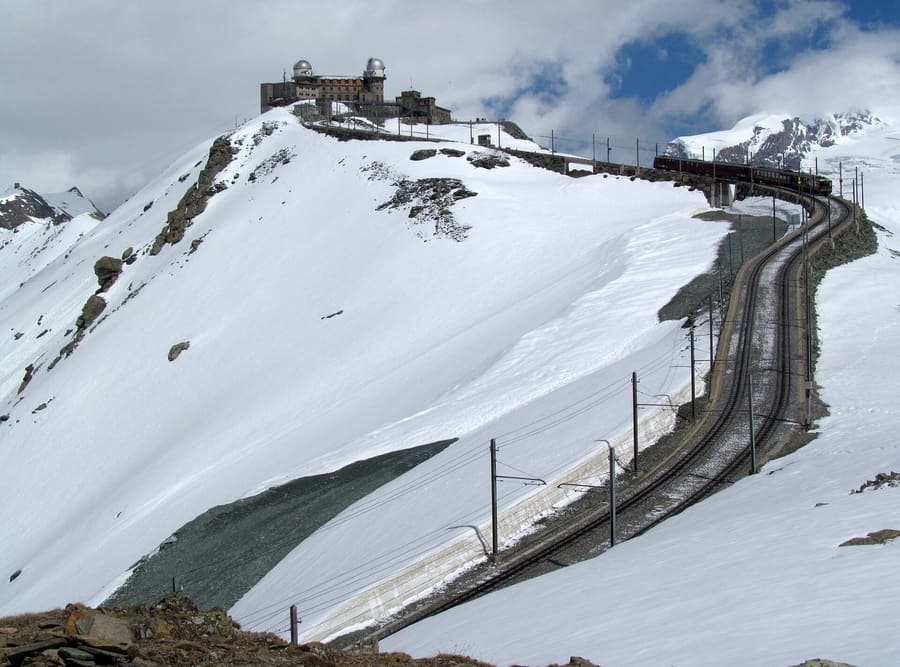
Gornergrat Railway
An electric cog railway climbs to 3,089 meters. Sit on the right side going up for direct Matterhorn views.
Ask ParleySwitzerland
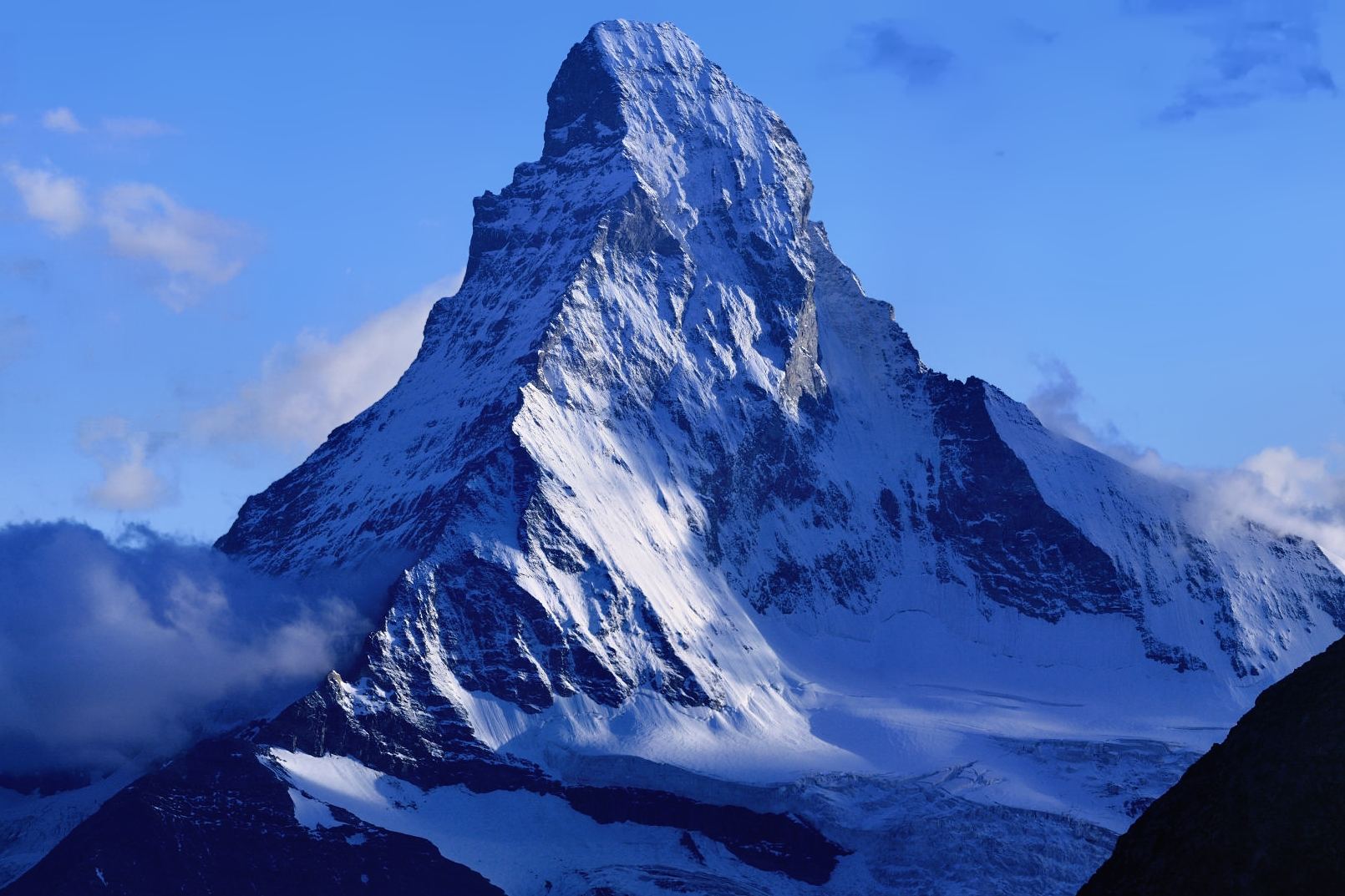
Car-free alpine trails beneath Switzerland's sharpest peak.
introduction
Zermatt sits at the head of the Mattertal valley at 1,608 meters. The village strictly bans internal combustion vehicles, leaving transportation to electric buses, small taxis, and mountain cog trains. You move through the region by climbing upward: three distinct cable car and railway networks link the car-free valley floor to high altitude ridges and glaciers.
Car-free access
Private cars must park at Täsch, four miles down the valley. Shuttle trains depart every 20 minutes directly to Zermatt.
Historic railway
The Gornergrat Railway opened in 1898 as Europe's first electric rack railway. It reaches 3,089 meters above sea level.
Lift ticket pass
A Peak Pass gives unlimited summer access to all mountain lifts and local buses. Buying multi-day passes saves money.
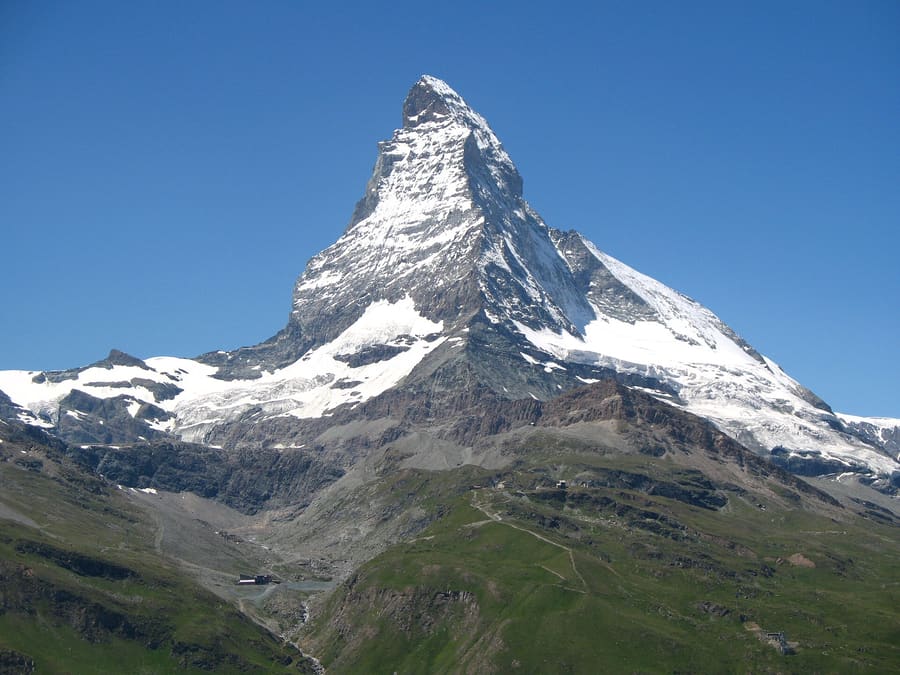
Matterhorn
Andrew Bossi · CC BY-SA 2.5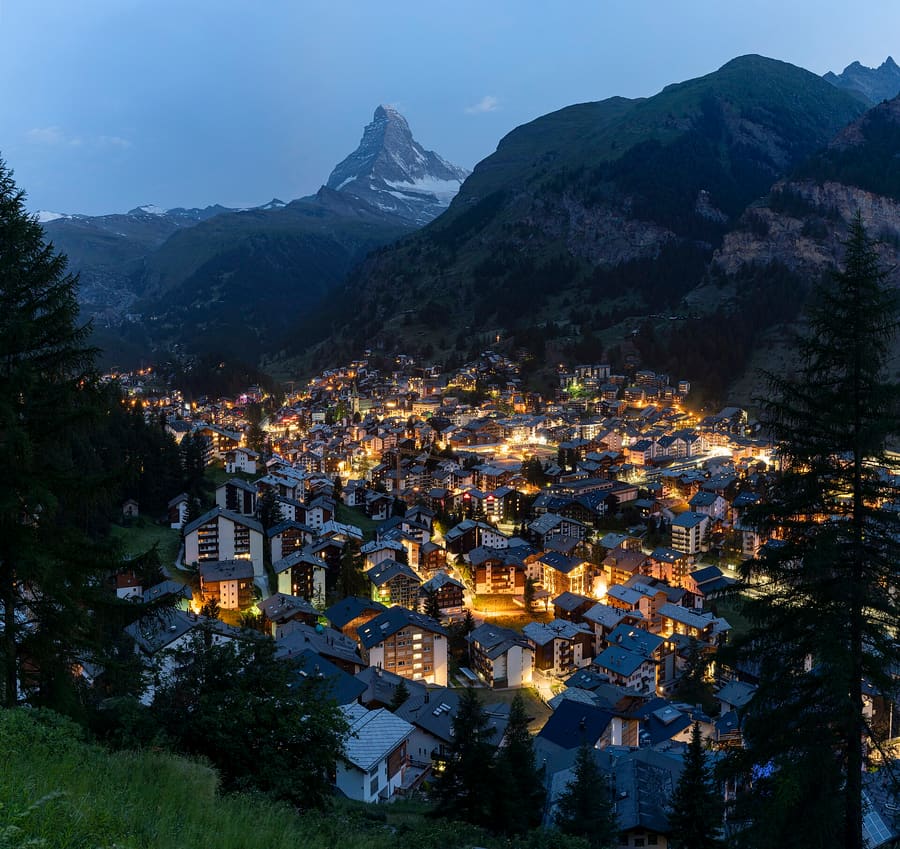
Village Center — Pedestrian thoroughfare lined with bakeries, ski shops, electric taxis, and train connections.
Chensiyuan · CC BY-SA 4.0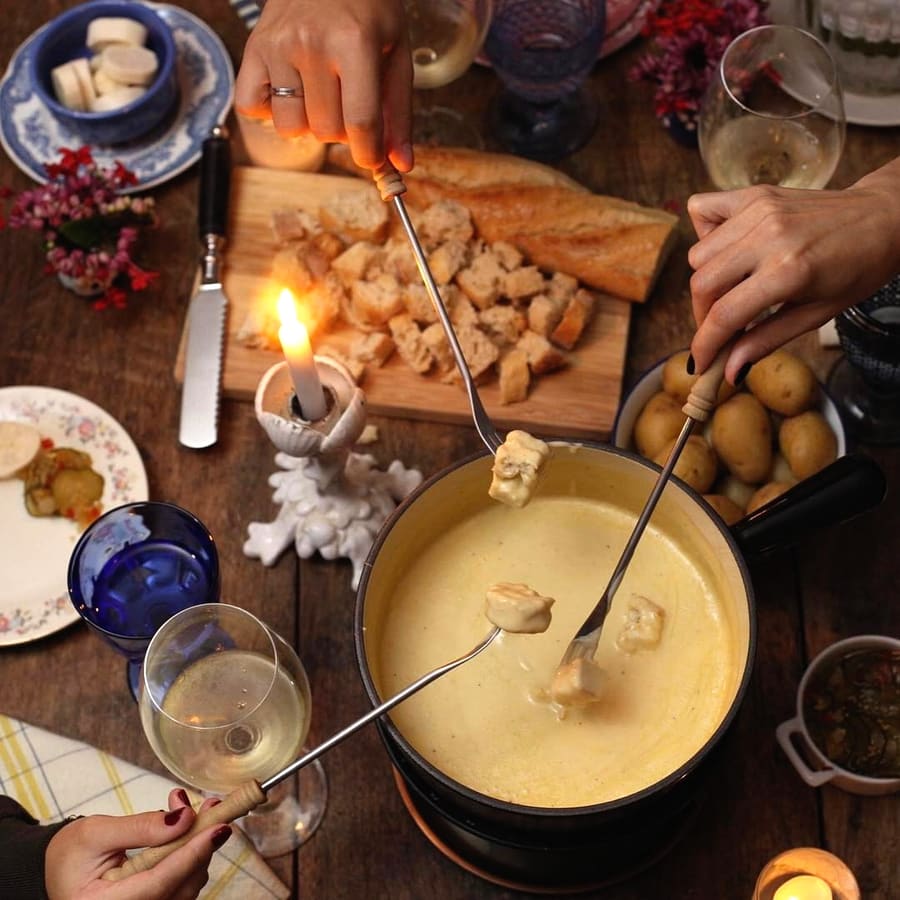
Traditional Swiss fondue served with bread and boiled potatoes in Zermatt.
Juliano Mendes · CC BY 2.0highlights
landmark
An electric cog railway climbs to 3,089 meters. Sit on the right side going up for direct Matterhorn views.
Ask Parley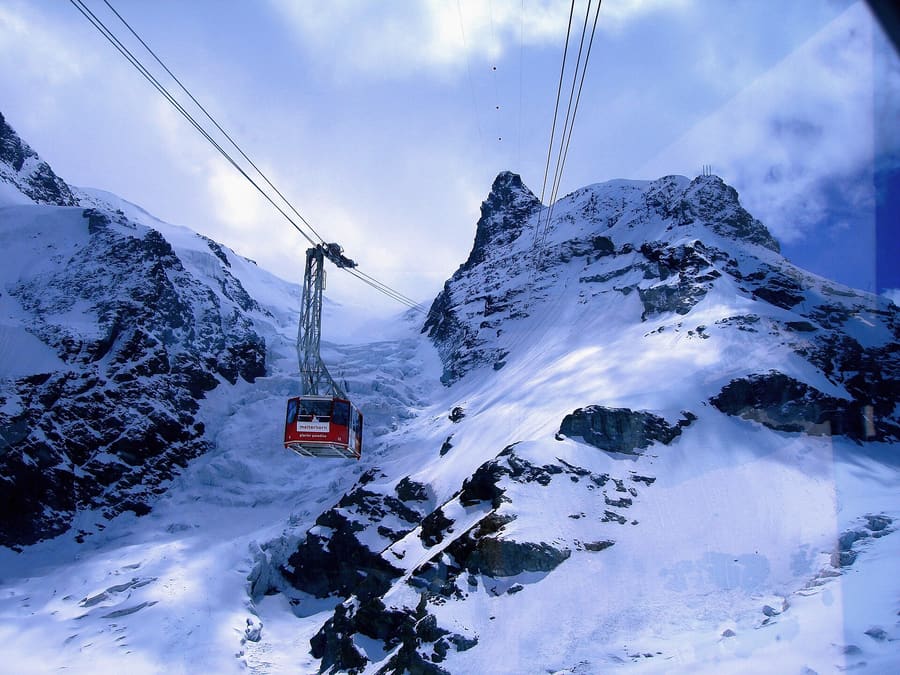
landmark
Europe's highest cable car station sits at 3,883 meters. Bring heavy layers even in mid-July.
Ask Parley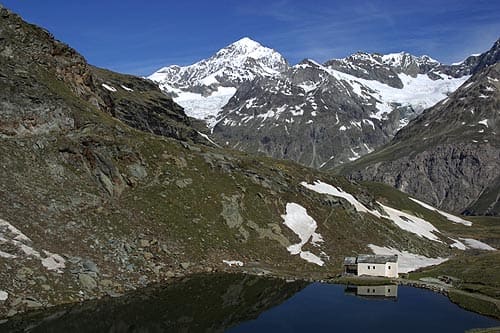
landmark
A mountain lake located directly at the foot of the Matterhorn. The cable car station serves as the base for climbing routes.
Ask Parley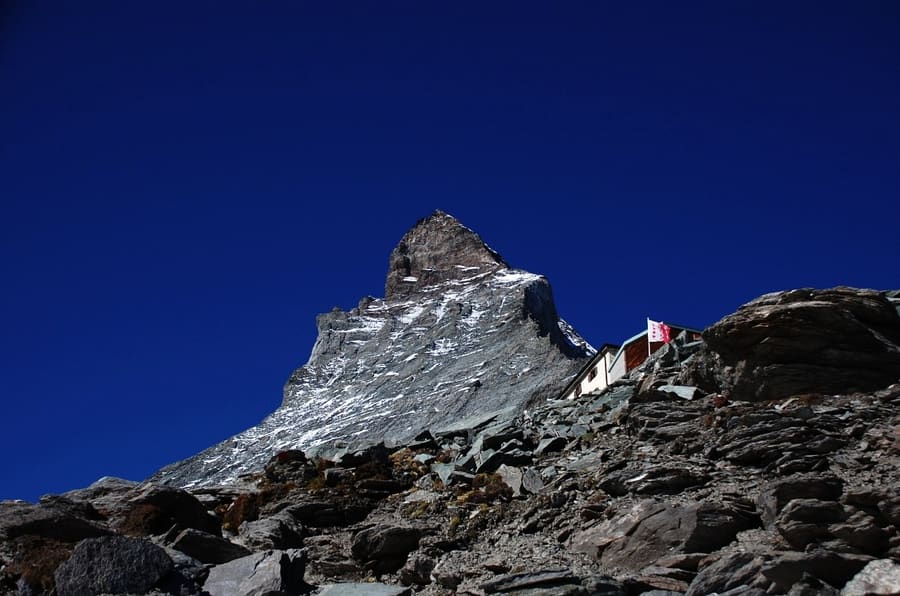
landmark
The base camp for Matterhorn summit attempts sits at 3,260 meters. Day hikers can reach it via a steep trail from Schwarzsee.
Ask Parley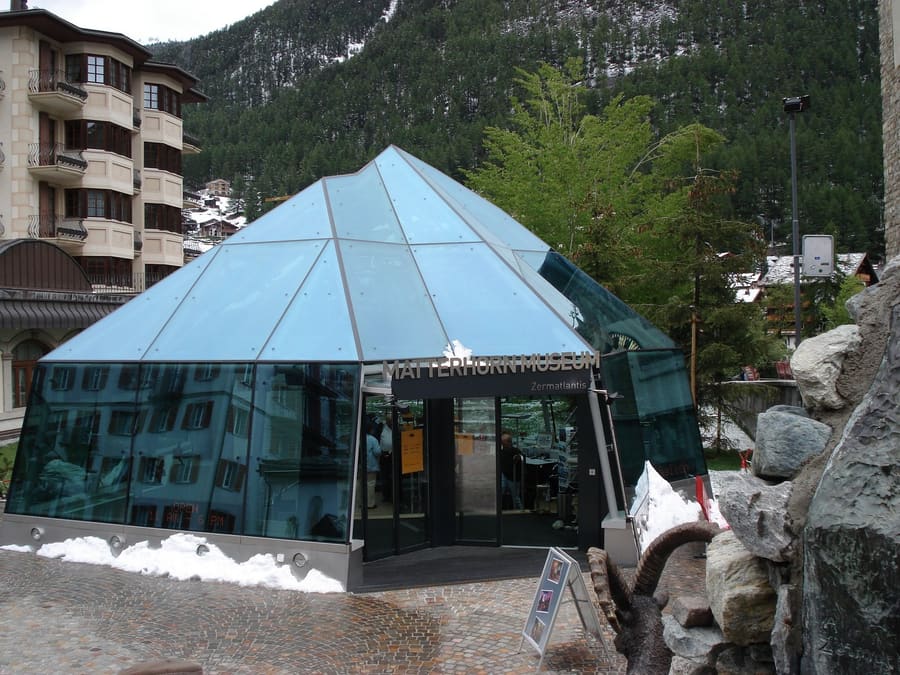
landmark
An underground museum built as a sunken mountain village. Displays include the original snapped rope from the 1865 first ascent.
Ask Parleyattractions
areas
Pedestrian thoroughfare lined with bakeries, ski shops, electric taxis, and train connections.
NearbyZermatt Railway Station and Gornergrat station
Ask ParleyQuiet residential hillside sector offering unobstructed mountain views.
NearbyMatterhorn Glacier Paradise cable car base
Ask ParleyCentral yet residential quarter positioned south of the main strip along the river.
NearbyForest trails and Sunnegga lift station
Ask ParleyHistoric core featuring preserved larchwood barns and storehouses raised on stone stilts.
NearbyMatterhorn Museum Zermatlantis
Ask Parleyfood
Mountain dining in Zermatt is defined by heavy Valais specialties designed for cold weather. Walliser Trockenfleisch (air-dried beef salted with alpine herbs) appears on almost every starter platter. Melted Raclette cheese cooked over open grates dominates mountain huts along the skiing and hiking routes.
Traditional Swiss fondue served with bread and boiled potatoes in Zermatt.
Juliano Mendes · CC BY 2.0Order local white Fendant (Chasselas) or red Dôle with cheese dishes; house wines are priced reasonably across mountain huts.
Village restaurant kitchens operate strictly between 18:30 and 21:30; late dining is rare outside hotel bars.
history
Zermatt evolved from an isolated agricultural valley into a global mountaineering center following Edward Whymper's fateful 1865 conquest of the Matterhorn. The arrival of the Visp-Zermatt railway in 1891 originally brought tourism only during the summer months—year-round train service was not established until 1933—while strict local ordinances preserved the valley's car-free status.
First Ascent
Edward Whymper reaches the summit, but four climbers die on the descent.
Railway Line Opens
The Visp-Zermatt Railway connects the isolated mountain valley to the national Swiss rail network.
Gornergrat Line
Europe's first electric rack railway begins transporting tourists above 3,000 meters.
Car Ban Enforced
Zermatt residents vote to ban combustion engine cars to protect local air quality.
where to stay
Choose by lift proximity and walking tolerance. Zermatt is compact, but steep inclines make carrying ski gear challenging.
transport
Zermatt permits no private internal combustion cars. You navigate the town on foot, by electro-bus, or by small electric taxis.
From ZRH
Requires train change at Visp; arrives at Zermatt main station.
Drive to Täsch, park at Matterhorn Terminal (16 CHF/day), take 12-min train to Zermatt.
Vehicle drops at Täsch Terminal; must transfer to shuttle train or electric taxi into Zermatt.
Air Zermatt direct charter flight landing directly at Zermatt helipad.
Park your car at the Matterhorn Terminal Täsch and take the 12-minute shuttle train running every 20 minutes.
Two electric bus routes connect the train station to all major lift terminals; rides are included in mountain lift passes.
Walking from end to end takes 20 minutes across flat or gently sloping paved streets.
Multi-day Peak Pass tickets cover all cable cars, funiculars, and local electric buses.
cost
Zermatt ranks among the most expensive mountain destinations in Europe. High transportation costs reflect complex alpine infrastructure.
Fares vary by season, with peak summer and winter pricing at the upper end.
Served hot in mountain huts with potatoes and pickled onions.
Standard espresso or café crème across local bakeries.
Includes two main courses and local wine at village restaurants.
seasonality
DEC – APR
Peak ski season. Snow conditions are reliable and slopes are fully operational. Book accommodation months ahead.
MAY – JUN
Low season transition. High trails remain snow-bound while cable cars undergo annual maintenance checkups.
JUL – SEP
Prime hiking season. Mountain passes clear and wildflowers bloom along high alpine trails.
OCT – NOV
Quiet shoulder period. Autumn colours appear, but many lifts pause operations before winter.
practicalities
The highest stations reach 3,883 meters. Walk slowly for your first hour to avoid altitude sickness.
High altitude UV radiation is strong year-round; wear SPF 50 sunscreen even on overcast days.
Most mountain lifts close between 16:00 and 17:00; missing the final run leaves you stranded.
Credit cards and contactless payments are accepted everywhere, including high mountain huts.
Tap water throughout Zermatt comes directly from alpine springs and is safe and pristine.