
landmark
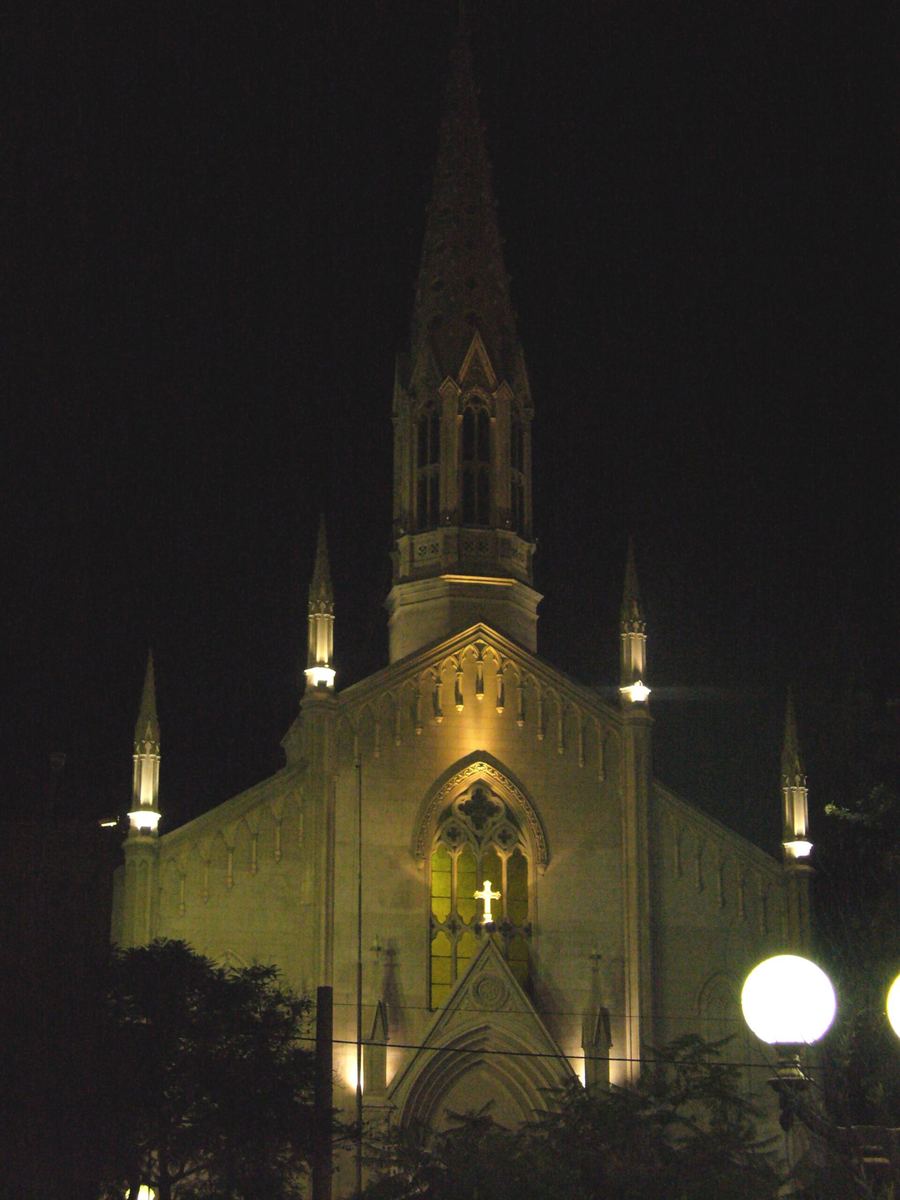
Plaza Independencia
The central hub covers four blocks. Walk beneath the main fountain to reach the subterranean MMAMM art museum.
Argentina
An irrigated desert city built on wine, shade, and stone.
Mendoza sits on an arid plateau at the foot of the Andes, sustained by concrete irrigation ditches called acequias. The city was rebuilt on a wide grid after an 1861 earthquake, giving it spacious plazas and tree-canopied avenues. Most visitors split time between urban parrillas and regional wineries in the Luján de Cuyo and Uco valleys. You will need to adapt to afternoon quiet hours, though commerce does not pause completely, as major retail chains, shopping centers, supermarkets, and restaurants remain open.
Bombal — Low-rise residential district south of downtown with residential calm and art deco houses.
Grilled beef cuts served over wood embers in a city center parrilla.
01
landmark
The central hub covers four blocks. Walk beneath the main fountain to reach the subterranean MMAMM art museum.
landmark
A 400-hectare park designed by Carlos Thays. Visit on Sunday afternoons when main drives close to motor traffic.
landmark
A hill crowned by a massive bronze monument. Take bus line 200 to the park loop and walk the final paved incline.
landmark
A three-block pedestrian passage lined with plane trees. Coffee is pricey here, but sidewalk seating is steady.
02
03
Wide avenues, bank headquarters, commercial plazas, and heavy daytime bus traffic.
NearbyPlaza Independencia and Mercado Central.
Ask ParleyLow-rise residential district south of downtown with residential calm and art deco houses.
NearbyBarrio Cívico and Metrotranvía stops.
Ask ParleyLeafy residential streets with boutique guesthouses and high-end dining spots.
NearbyParque General San Martín and Avenida Arístides Villanueva.
Ask ParleySuburban wine village 15 kilometres south of the city center with country estates.
NearbyLuján de Cuyo wineries and bike rentals.
Ask Parley04
Mendoza eats on a late schedule aligned with its desert climate. Dinner rarely begins before 21:00. The local kitchen revolves around wood-fired grills, slow-braised beef, and baked empanadas cooked in clay ovens. Regional specialties include tomaticán, a classic stew made of fried tomatoes, sweet corn, eggs, and breadcrumbs.Vineyard lunch tastings run long and require planning. Wineries in Luján de Cuyo and Valle de Uco book multi-course pairings weeks in advance. In the city, informal neighborhood parrillas serve flank steak and ribs with house wine poured from penguin-shaped ceramic pitchers called pingüinos.
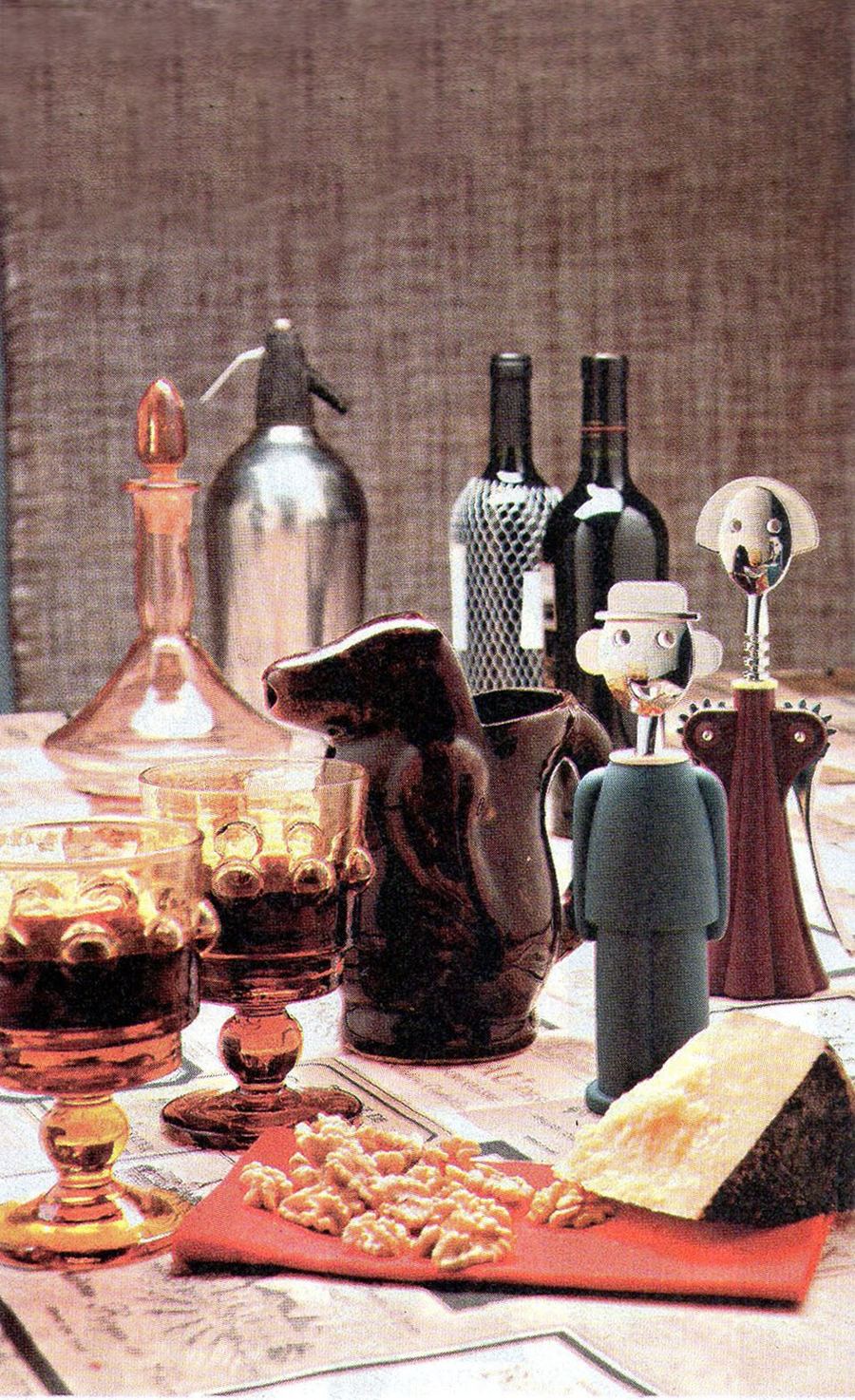
Grilled beef cuts served over wood embers in a city center parrilla.
City restaurants open for dinner at 20:30 or 21:00. Arriving earlier usually means finding closed doors.
Vineyard restaurants require credit card prepayments online. Cancellations made under 48 hours incur full charges.
Local empanadas contain hand-cut beef, onions, cumin, and hard-boiled egg. They are baked in brick ovens rather than fried.
05
Indigenous Huarpe communities built the first irrigation canals in this valley before Spanish colonization. In 1561, Pedro de Castillo established the Spanish city. Water management remained the central condition for survival in the dry terrain.In 1861, a violent earthquake flattened the original settlement. Reconstruction planners laid out wide streets and public squares to prevent future building collapse from trapping residents. Late 19th-century European immigrants introduced modern winemaking techniques, turning the irrigated desert into Argentina's primary wine region.
Spanish foundation
Pedro de Castillo establishes Mendoza, relying on Huarpe canal networks for irrigation.
Andean campaign
José de San Martín organizes the Army of the Andes in Mendoza before crossing the mountain pass.
The Great Earthquake
A massive quake destroys the colonial city. Planners design a grid with wide avenues and five open plazas.
Railway connection
The rail line links Mendoza to Buenos Aires, accelerating European immigration and commercial wine transport.
06
Choose your base based on your primary focus. Staying downtown puts you near urban bus lines, banks, and open plazas. Quinta Sección suits travelers seeking residential quiet within walking distance of evening dining. If your primary goal is visiting wineries without driving, book a vineyard lodge in Chacras de Coria or Luján de Cuyo.
Highly rated hotels in Mendoza.


07
Mendoza is flat and walkable in the central grid. Public transit relies on the SUBE smart card, which works on both buses and the Metrotranvía light rail line. Taxis and rideshares are reliable for trips across town and out to near suburb wineries.
Buy a SUBE transport card at kiosk shops downtown before attempting to ride city buses or light rail.
The light rail runs along Belgrano Avenue south to Maipú. It is useful for visiting Maipú wineries.
Watch your step along sidewalks. Uncovered irrigation trenches run along street edges throughout the city.
Taxis are easy to flag on Avenida Arístides and after midnight.
08
Inflation affects local peso prices regularly. Credit cards are widely accepted in hotels, upscale restaurants, and major wineries. Carry cash in local currency for small kiosks, taxis, and counter markets.
09
MAR – MAY
Grape harvest season ends in autumn. Warm days, cool nights, and golden foliage across vineyard valleys.
JUN – AUG
Winter brings cold weather and snow in the nearby Andes. City crowds drop and winery bookings are easier.
SEP – NOV
Spring brings clear skies and blooming trees. Ideal conditions for outdoor wine tours and cycling.
DEC – FEB
Summer heat often tops 35°C with occasional heavy afternoon rain storms. High summer tourist activity.
10
Small shops, pharmacies, and offices close between 13:30 and 17:00. Plan errands for early morning.
The dry, warm Zonda wind blows down from the Andes occasionally. It raises temperatures rapidly and brings dust.
Acequias run alongside street curbs and are often deep. Step carefully when getting out of parked vehicles.
Do not show up at wineries without a reservation. Security gates deny entry to unbooked visitors.
Mendoza sits at 750 meters elevation. Drink water frequently due to low humidity and dry air.
Contents
Your trip
Going to Mendoza?
Tell Parley when you’re going and what you enjoy, and it plans the days around this guide.
Plan with Parley


