landmark
Plaza Grande
The main square hosts free cultural dances on Sunday mornings. Sit on a bench under the laurel trees to escape midday heat.
Ask ParleyMexico
White limestone streets, Maya heat, and Yucatecan pork.
introduction
Mérida is a flat grid built from Maya limestone and colonial plaster. Streets run on numbers rather than names, with even numbers running north to south and odd numbers running east to west. You move on foot through shaded squares or ride buses north along tree-lined avenues. Expect midday heat that clears the pavements until sunset brings concerts to the plazas.
Airport transit trick
Take the Va-y-Ven airport bus route directly to Centro for 45 MXN. Taxis inside the terminal charge four times as much for the same journey.
UNESCO gastronomy status
Mérida is a UNESCO City of Gastronomy due to Maya-Spanish fusion cooking. Dishes rely on sour orange, habanero pepper, and recado paste.
Street orientation rule
Even-numbered streets run north-south; odd-numbered streets run east-west. Address numbers increase as you head south or west across the grid.
Mérida
Ecamposs · CC BY-SA 3.0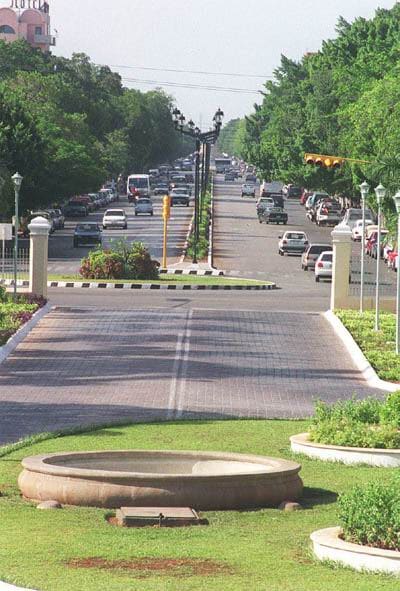
Paseo de Montejo — Wide boulevard flanked by 19th-century henequen mansions and shade trees.
Comvaser · CC BY-SA 4.0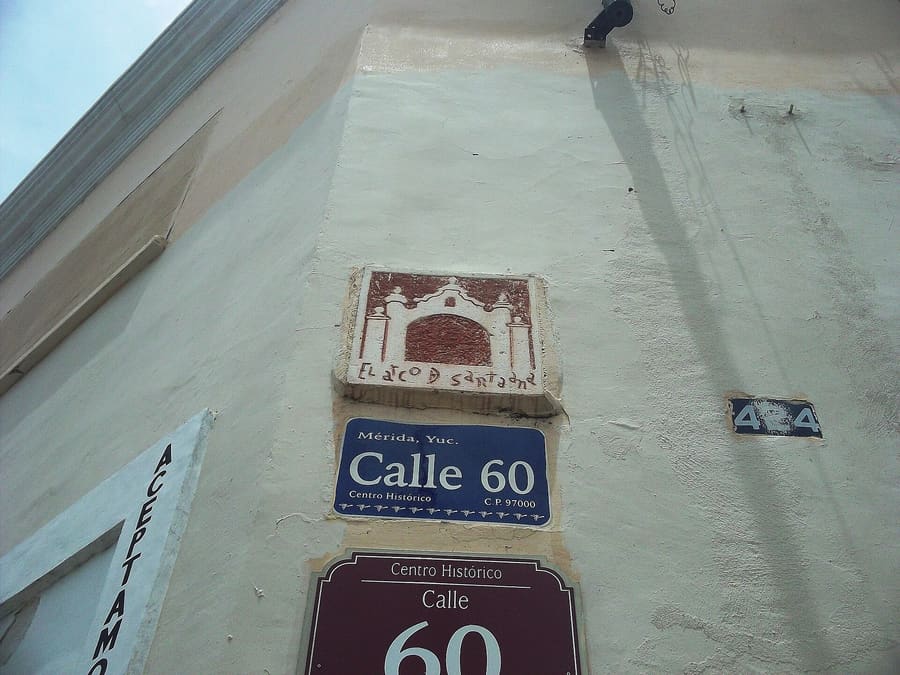
Santa Ana — Quiet residential streets bridging Centro with Paseo de Montejo.
Inri · CC0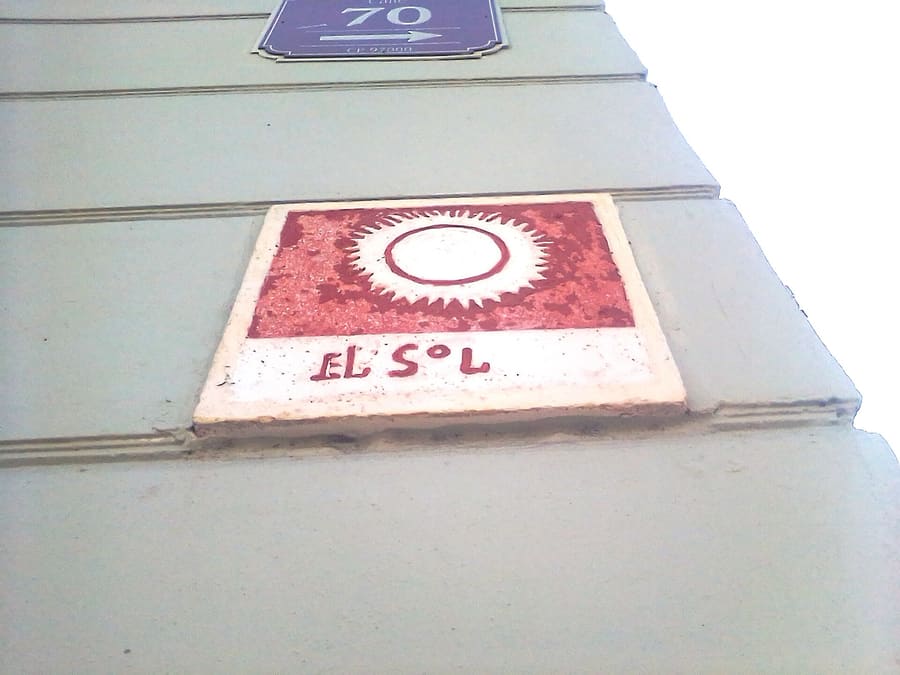
Santiago — Traditional barrio life centered around a leafy square and produce market.
Inri · CC0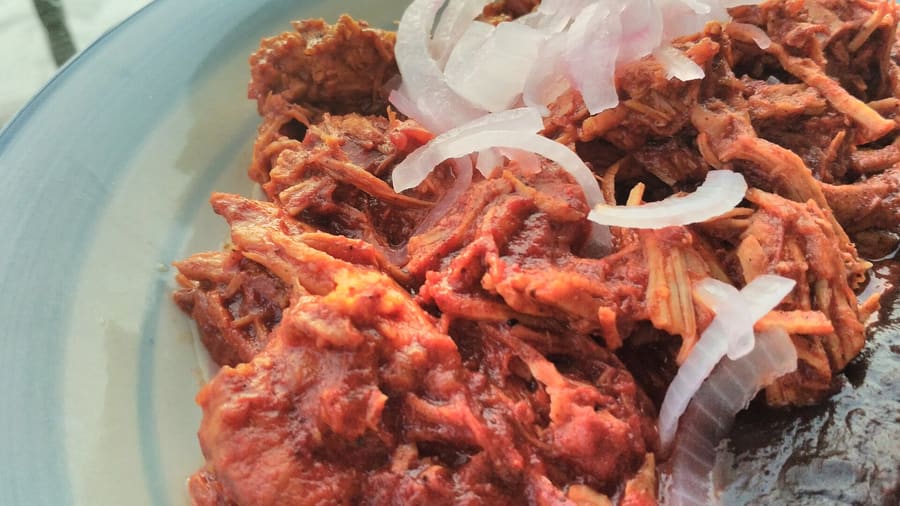
Cochinita pibil served with pickled red onions and handmade tortillas.
Popo le Chien · CC BY-SA 3.0highlights
landmark
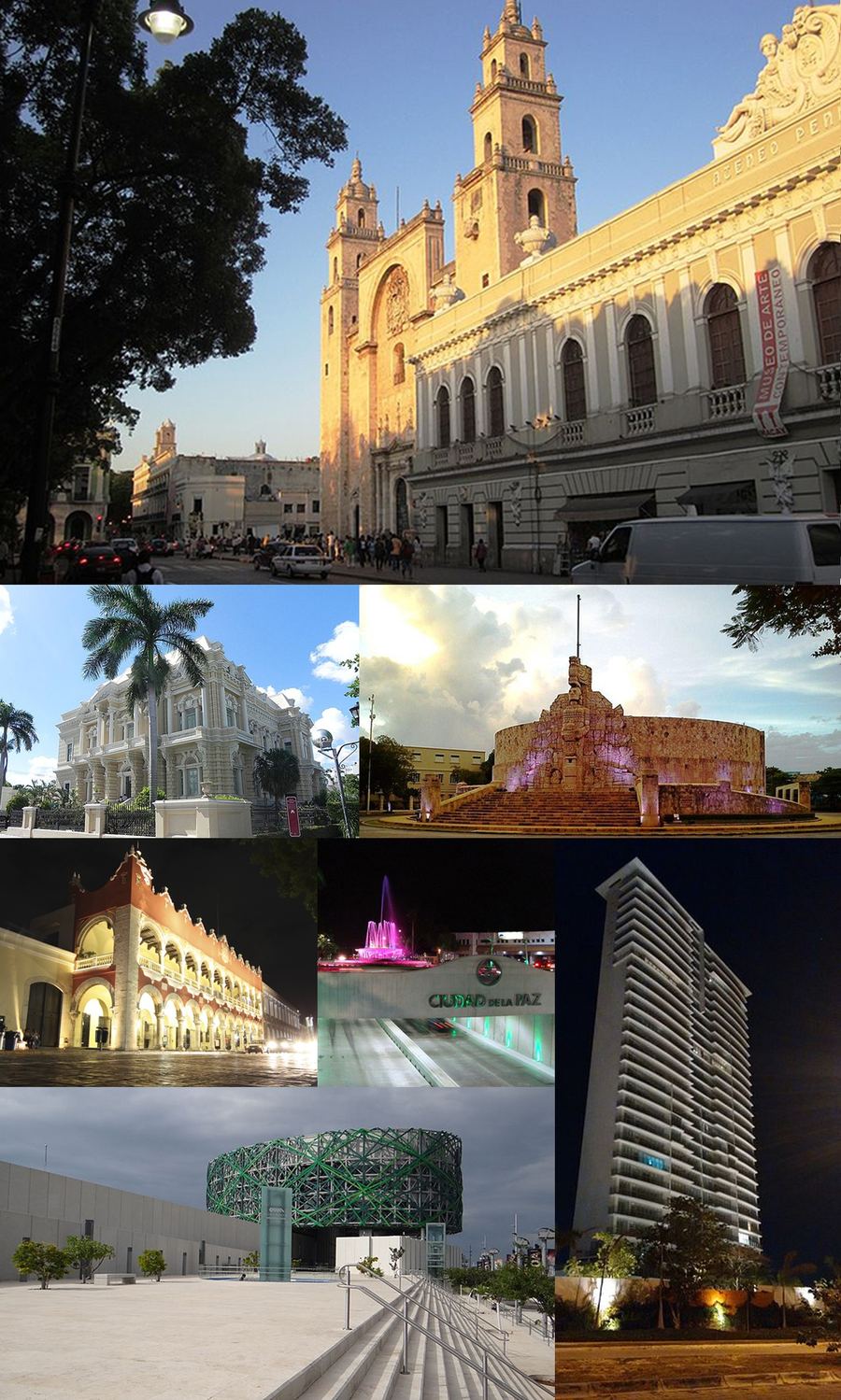
The main square hosts free cultural dances on Sunday mornings. Sit on a bench under the laurel trees to escape midday heat.
Ask Parley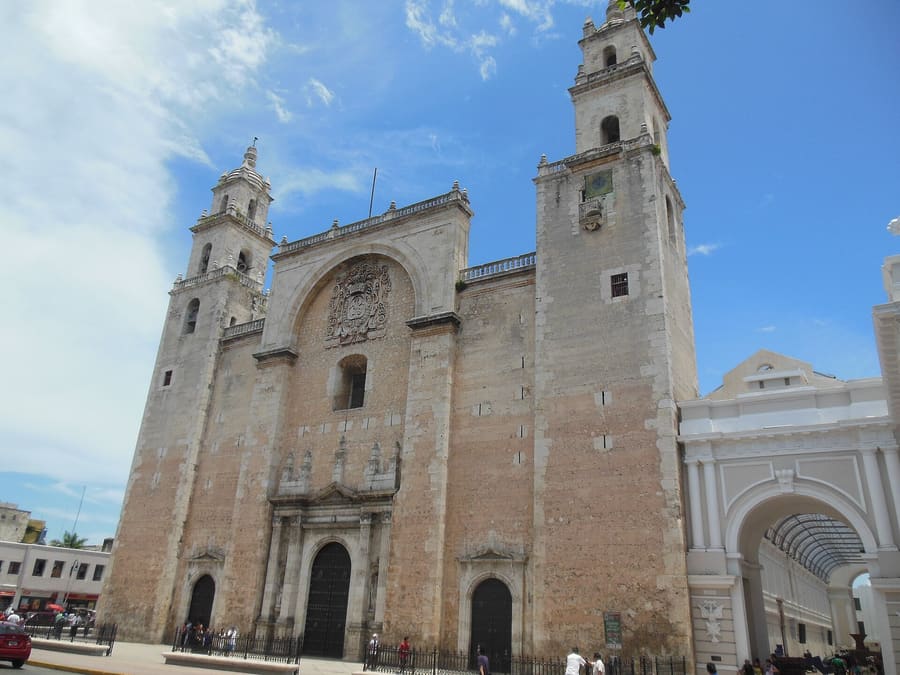
landmark
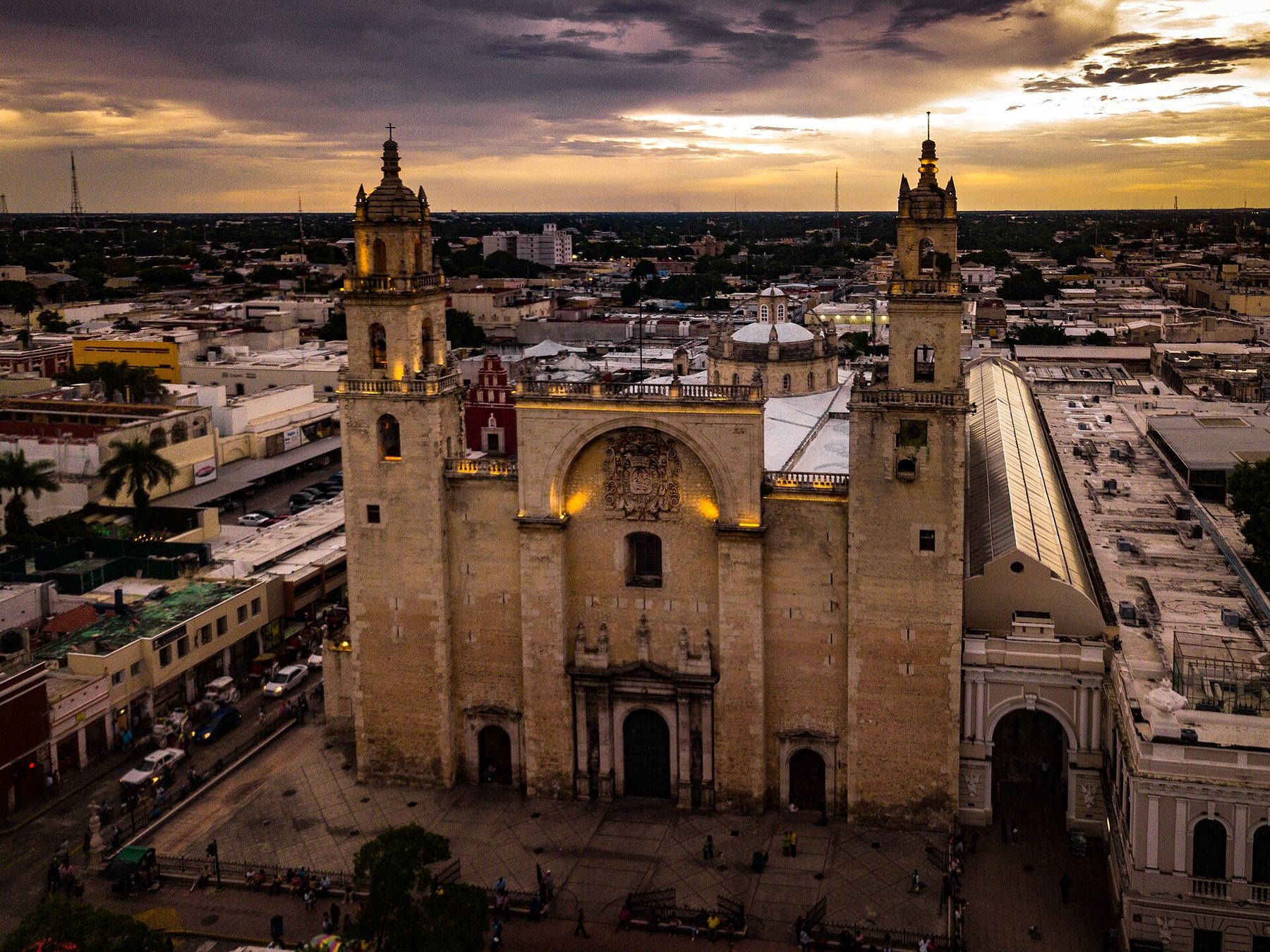
Built in 1598 with stones from destroyed Maya pyramids. Step inside before 12:00 when doors close until late afternoon.
Ask Parley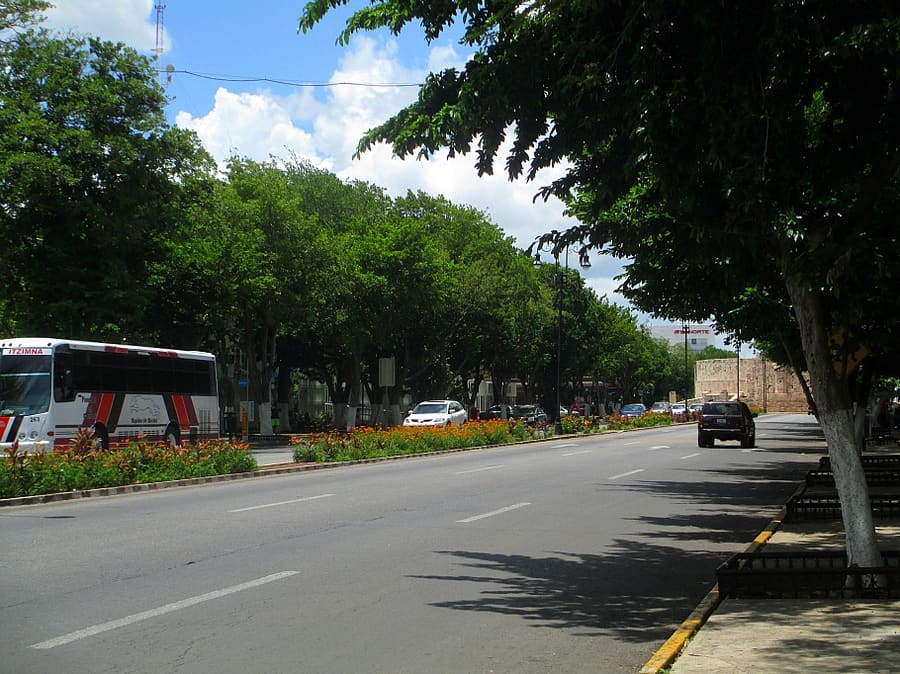
landmark
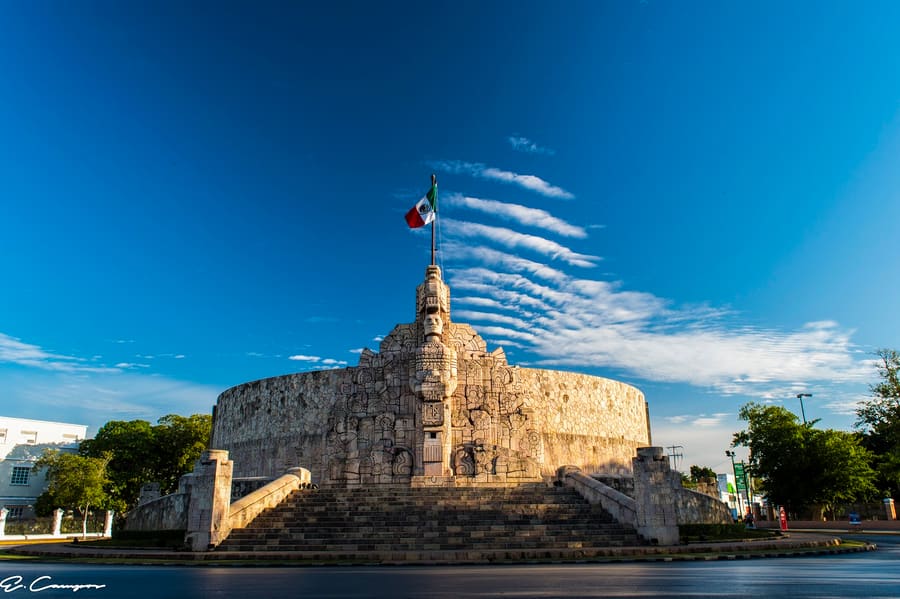
Carved by Rómulo Rozo, this stone sculpture depicts Mexican history. Visit early morning before traffic encircles the roundabout.
Ask Parley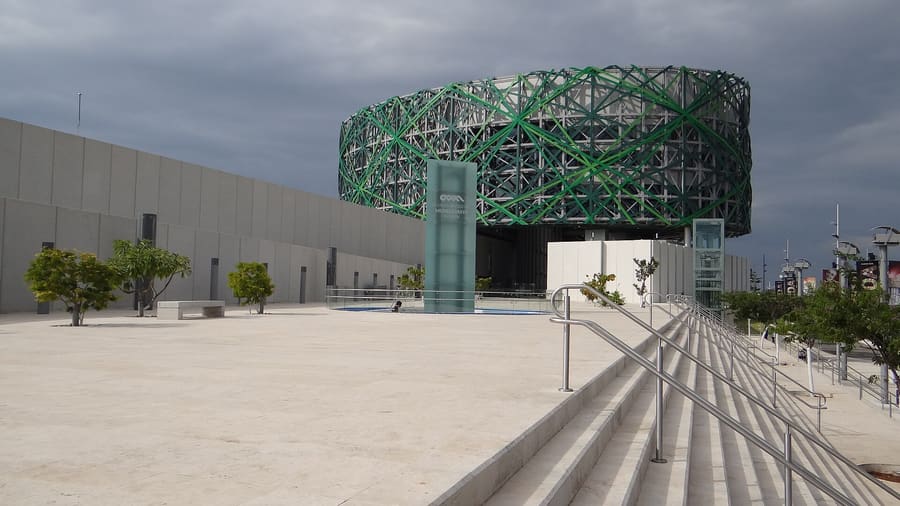
landmark
Houses over 1,100 Maya artifacts in a green steel nest building. Take an Uber north or ride the Va-y-Ven Route 70 bus.
Ask Parley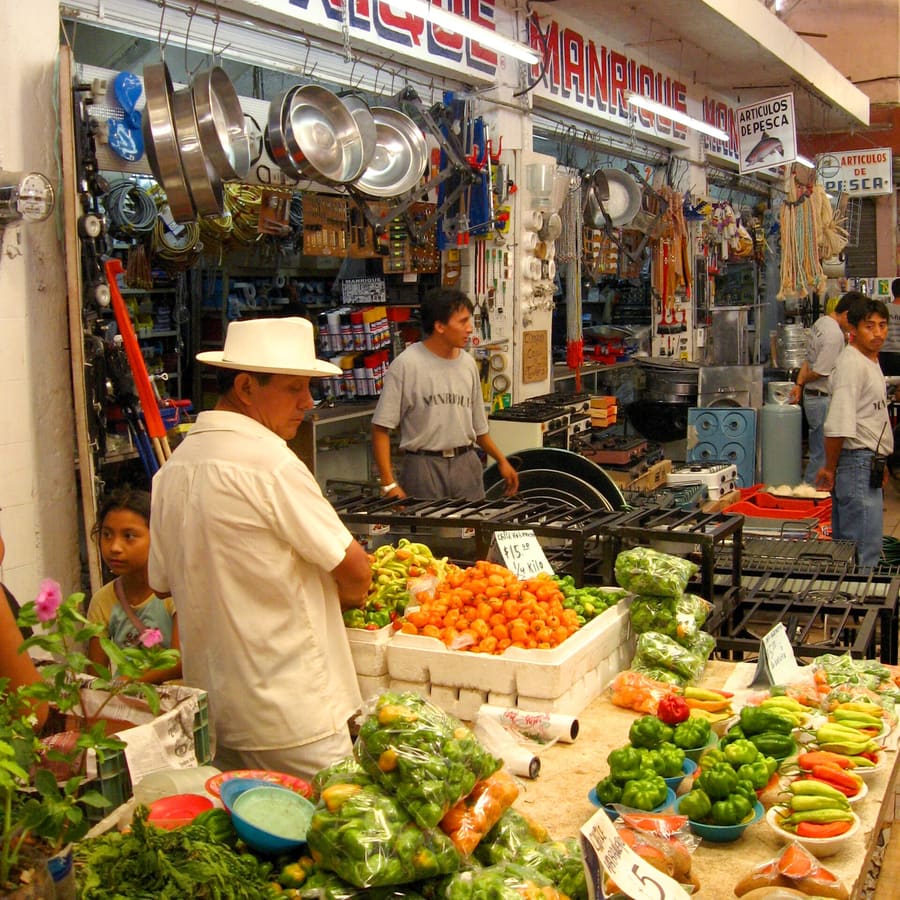
landmark
The primary wholesale market for spices, tropical fruit, and hammocks. Keep cash handy and watch your step on uneven stairs.
Ask Parley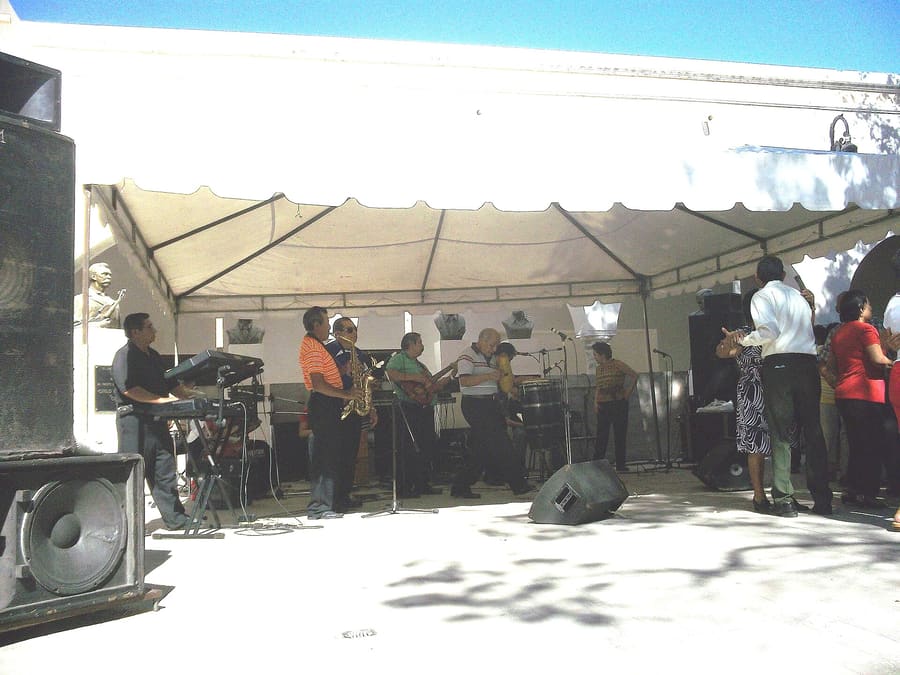
landmark
Every Thursday night hosts serenades with traditional Yucatecan music. Book restaurant tables two days ahead to get front seats.
Ask Parleyattractions
areas
Wide boulevard flanked by 19th-century henequen mansions and shade trees.
NearbyMonumento a la Patria, Casa Thurbide
Ask ParleyQuiet residential streets bridging Centro with Paseo de Montejo.
NearbySanta Ana Market, Paseo de Montejo south end
Ask ParleyTraditional barrio life centered around a leafy square and produce market.
NearbySantiago Market, Parque de Santiago
Ask ParleyColonial architecture, busy sidewalks, and stone plazas.
NearbyPlaza Grande, Cathedral, Mercado Lucas de Gálvez
Ask Parleyfood
Yucatecan food differs sharply from mainland Mexican cuisine. Spanish citrus and spices blend with Maya subterranean pit roasting called pibil. Expect dishes built around sour orange, achiote paste, and fierce habanero peppers served on the side.Breakfast centers on cooked egg dishes or tamales wrapped in banana leaves. Dinner starts late, often around 20:00, with cold draft beer and botanas at traditional cantinas.
Cochinita pibil served with pickled red onions and handmade tortillas.
Popo le Chien · CC BY-SA 3.0Pork marinated in achiote and sour orange, slow-cooked in banana leaves. Eat it on Sunday mornings at Mercado Lucas de Gálvez before stalls sell out.
Chicken broth infused with local sweet lime and shredded turkey, topped with crispy tortilla strips. Order it at La Chaya Maya for a consistent baseline.
Thin charcoal-grilled pork slices cured in sour orange juice. Eat it with red onion salsa and black beans at Mercado de Santiago.
Panuchos have fried tortillas stuffed with black bean paste; salbutes use puffed fried tortillas. Buy them freshly made at Santa Ana market stalls for under 25 MXN each.
history
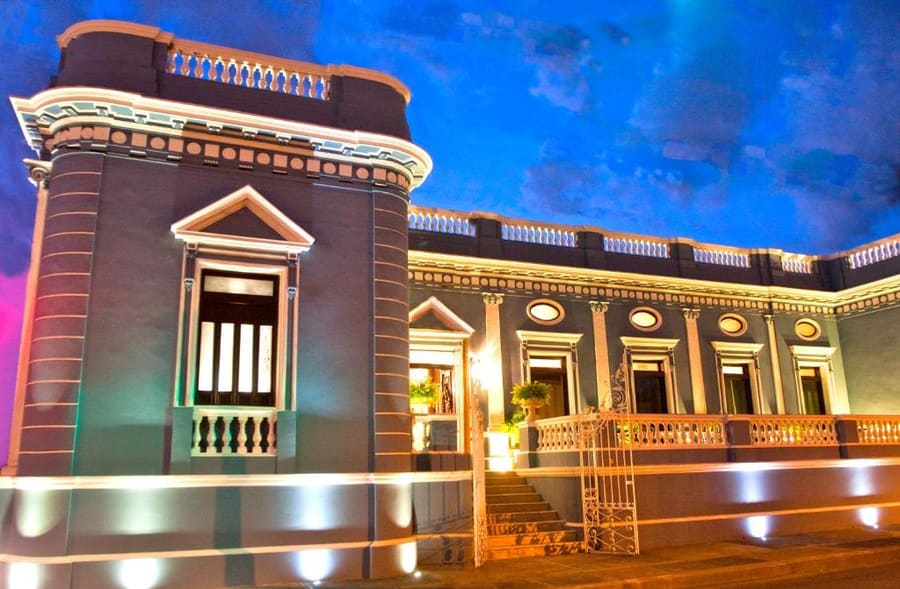
Mérida sits on the site of the ancient Maya city of T'hó. Spanish conquistador Francisco de Montejo dismantled Maya temples in 1542 to build cathedral walls and colonial homes. The city grew rich in the late 19th century from henequen fiber export, financing opulent mansions along Paseo de Montejo.
Spanish Founding
Francisco de Montejo establishes Mérida over the Maya city of T'hó, using temple stones to construct Spanish colonial edifices.
Mexican Independence
Yucatán joins independent Mexico, maintaining a distinct cultural and trade identity tied closely to Cuba and Europe.
Henequen Boom
Fiber exports turn Mérida into a center of extreme wealth, funding European architecture along Paseo de Montejo.
Cultural Renaissance
Historic restoration projects transform derelict colonial homes into hotels, galleries, and private residences.
where to stay
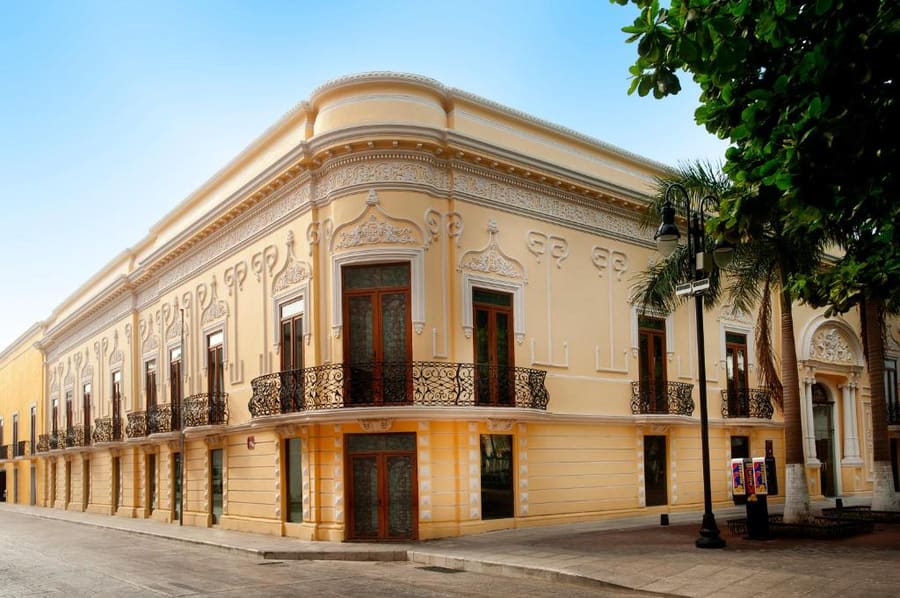
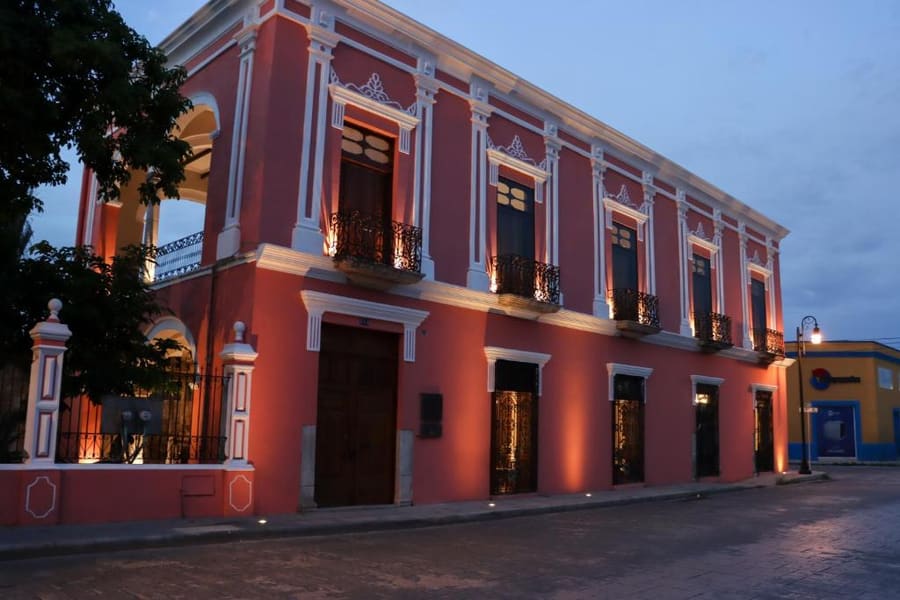
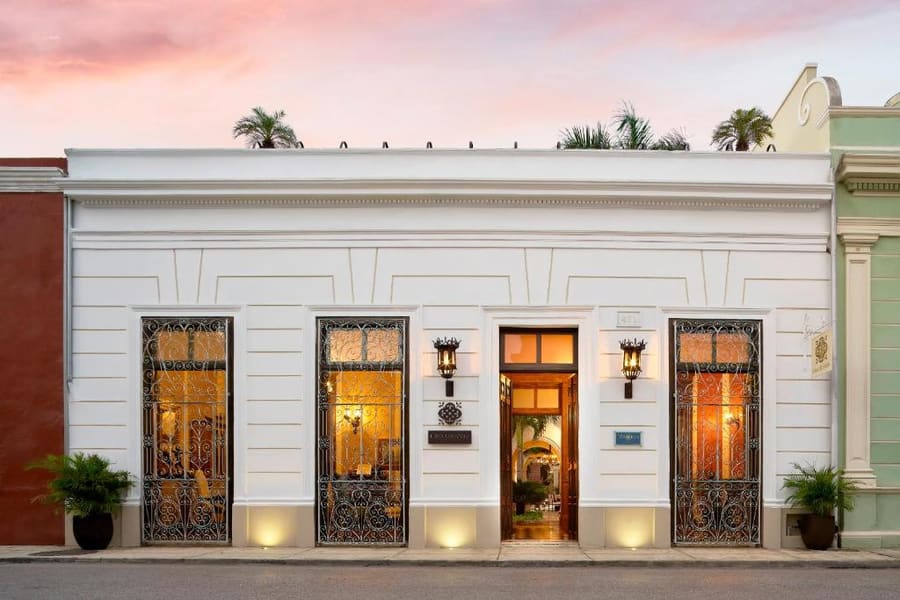
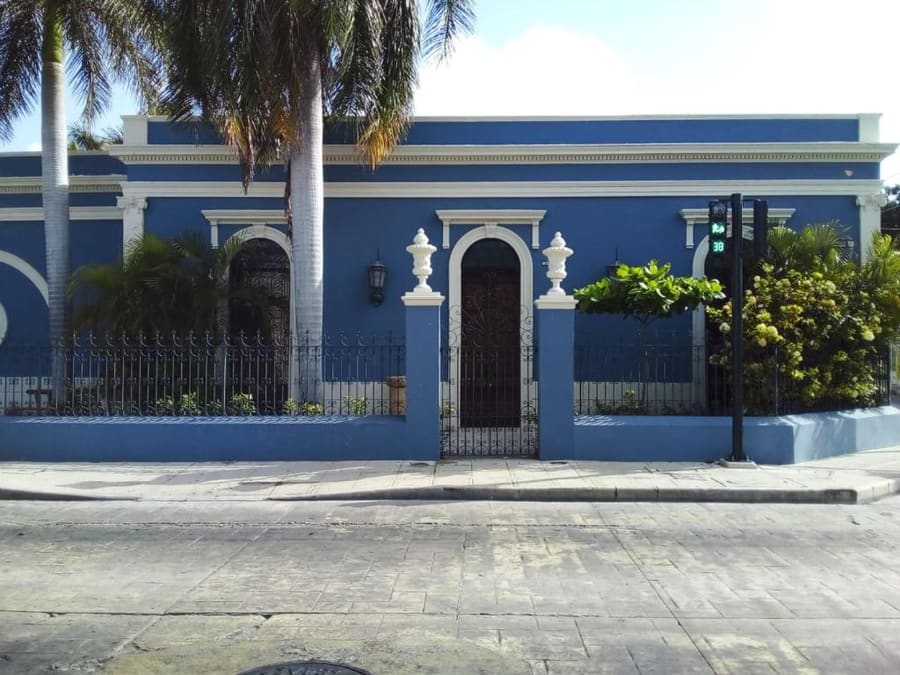
Choose by street atmosphere and walking range. Centro puts you steps from daily plaza events but brings bus noise. Paseo de Montejo offers quieter, wider avenues and mansion hotels at the cost of longer walks to southern markets.
Live rates, matched to the areas above.
transport
Central Mérida is strictly walkable on its grid system. Buses and rideshares handle longer trips north toward museums and shopping centers.
From Mérida International Airport (MID)
Va-y-Ven airport route connects terminal directly to Santa Lucía and Centro.
Buy fixed-rate ticket inside arrivals hall before exiting.
Walk outside airport property gates across the main street to board.
Modern turquoise buses run fixed routes north-south. Pay using a rechargeable Va-y-Ven smart card bought at kiosks for 25 MXN.
Rideshare apps like Uber operate smoothly throughout the city. City buses require smart cards; keep cash in small bills for combis.
Streets have narrow sidewalks and high curbs. Watch your footing when stepping around parked delivery trucks and street poles.
Every Sunday morning from 08:00 to 12:30, Paseo de Montejo closes to cars for cyclists and walkers.
cost
Mérida offers low daily costs compared to Mexican beach resorts. Street food and public transit remain very cheap, while high-end dining and boutique hotels reach international pricing.
Covers Yucatecan dishes like poc chuc and craft beers at traditional restaurants.
Single panucho or salbut at market stalls in Santiago or Santa Ana.
Single ride on the Va-y-Ven network with card.
Standard adult ticket for major state museums like Gran Museo del Mundo Maya.
seasonality
NOV – FEB
Mildest temperatures around 28°C with low humidity. Peak season for travellers, so book boutique hotels weeks ahead.
MAR – MAY
Extreme heat often exceeding 40°C. Midday sightseeing becomes difficult; schedule all walking before 10:00.
JUN – AUG
High heat paired with heavy afternoon downpours. Rain showers clear humidity briefly in late afternoon.
SEP – OCT
Humid weather with occasional tropical storms. Lowest accommodation rates and quietest street markets.
practicalities
Plan indoor museum visits or rest between 12:00 and 16:00 when temperatures peak.
The city runs nightly music and dance performances in public plazas, including Monday's Vaquería at Plaza Grande.
Small shops close between 14:00 and 17:00 for rest, reopening until late evening.
Carry Mexican pesos in 20 and 50 bills for market stalls, tip payments, and public transit kiosks.
Shower before swimming in sinkholes to remove sunscreen and bug spray that damage underground ecosystems.