
landmark
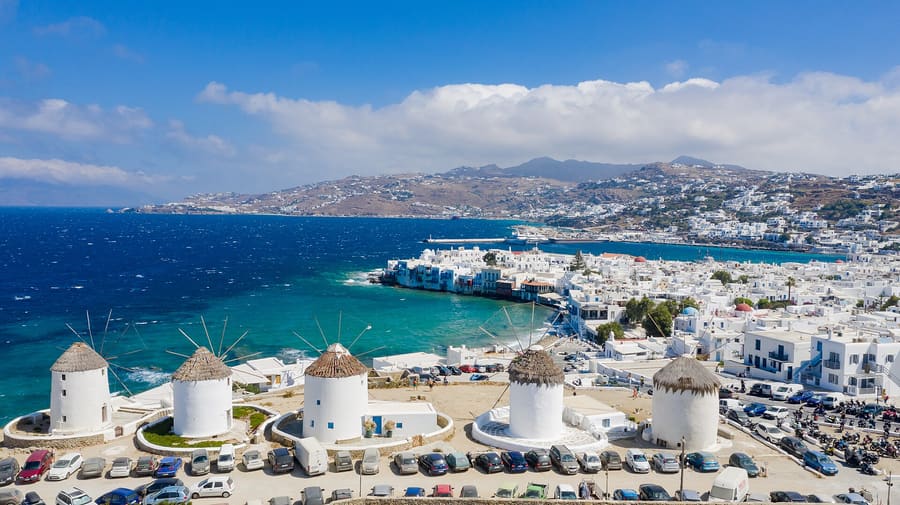
Kato Mili Windmills
16th-century grain mills perched above the sea. Visit at sunrise to beat the sunset selfie crowds.
Ask ParleyGreece
Granite, Aegean wind, and high-stakes Mediterranean glamour.
introduction
Mykonos operates on two distinct clocks: quiet morning labyrinth wanderings and late-night beach parties. The island trades rustic Cycladic isolation for heavy tourist infrastructure, premium prices, and sharp logistics. You move between a pedestrian capital of whitewashed stone and a coastline lined with world-class beach clubs. Plan your transit early, respect the north wind, and expect to pay for proximity.
Arrival trick
The SeaBus connects Tourlos New Port directly to Old Port Chora in 8 minutes for €2. It bypasses taxi queues completely.
UNESCO site nearby
Delos sits 30 minutes away by ferry. The uninhabited island holds extensive ancient ruins and served as Apollo's sacred sanctuary.
Bus terminal logic
Chora has two separate bus stations that do not connect. Fabrika serves south beaches; Old Port serves north and east routes.
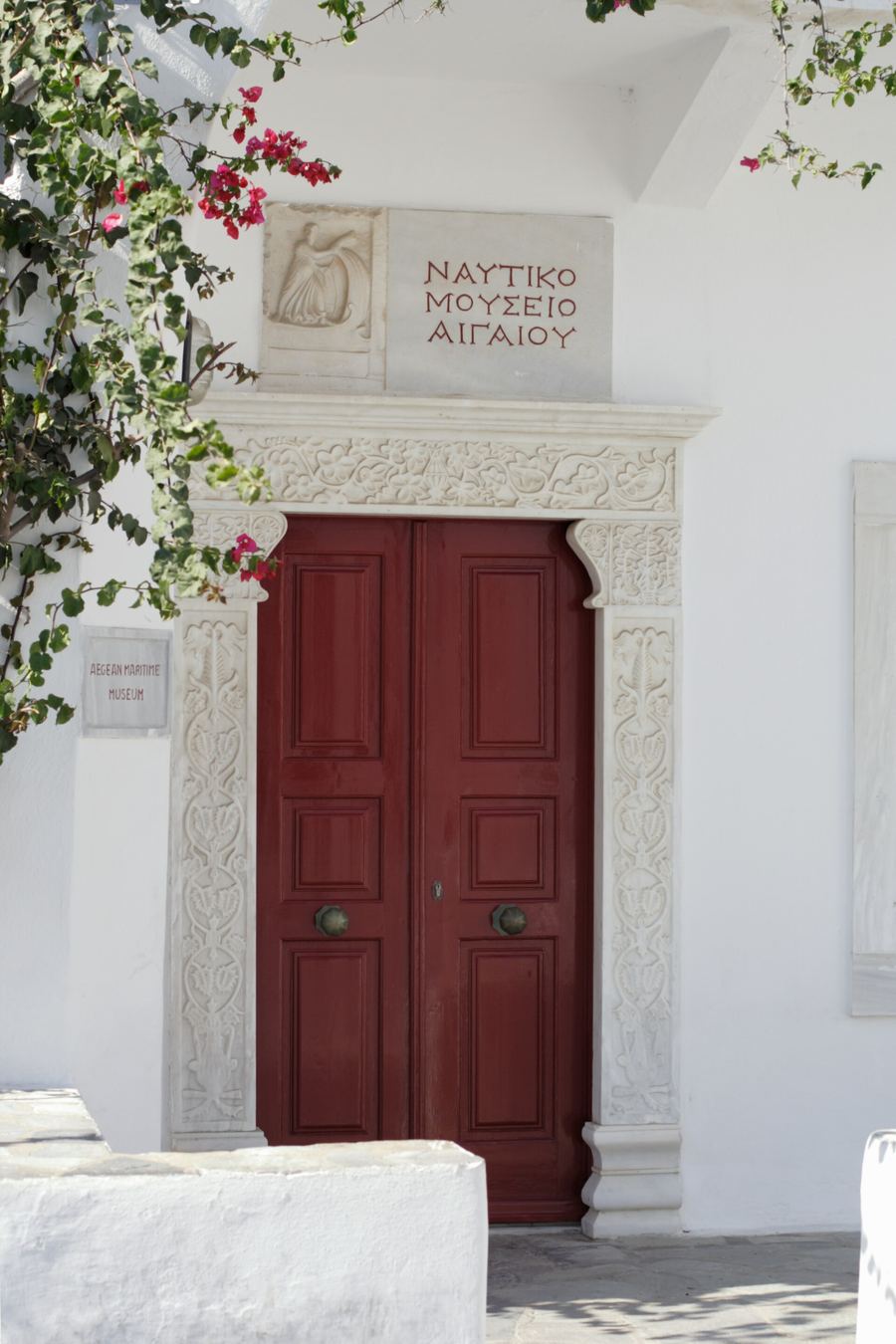
Mykonos
Zde · CC BY-SA 3.0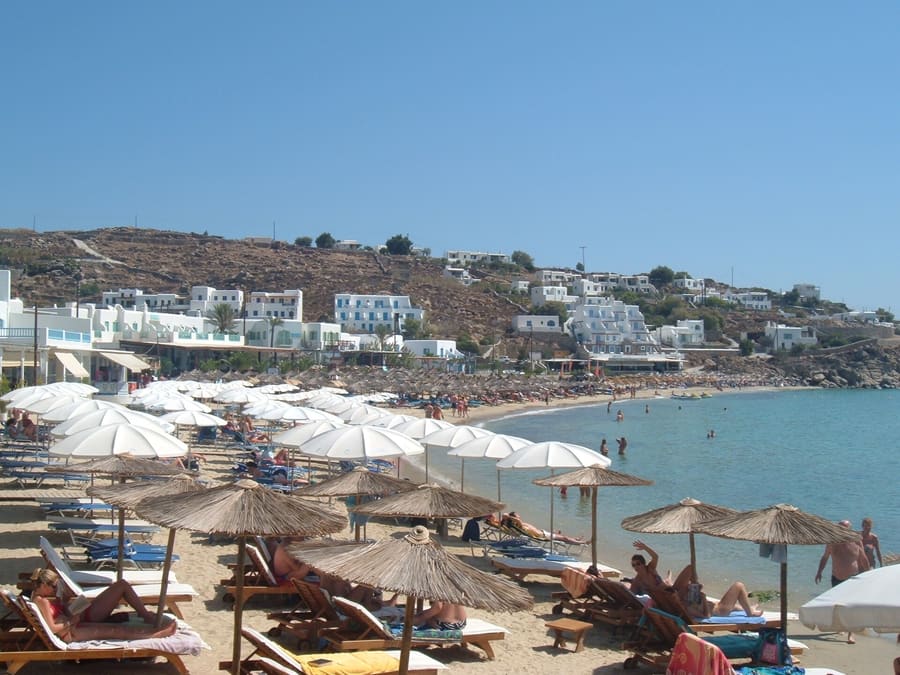
Platis Gialos — Resort-lined crescent beach serving as the main water taxi hub.
taeoakley · CC BY-SA 3.0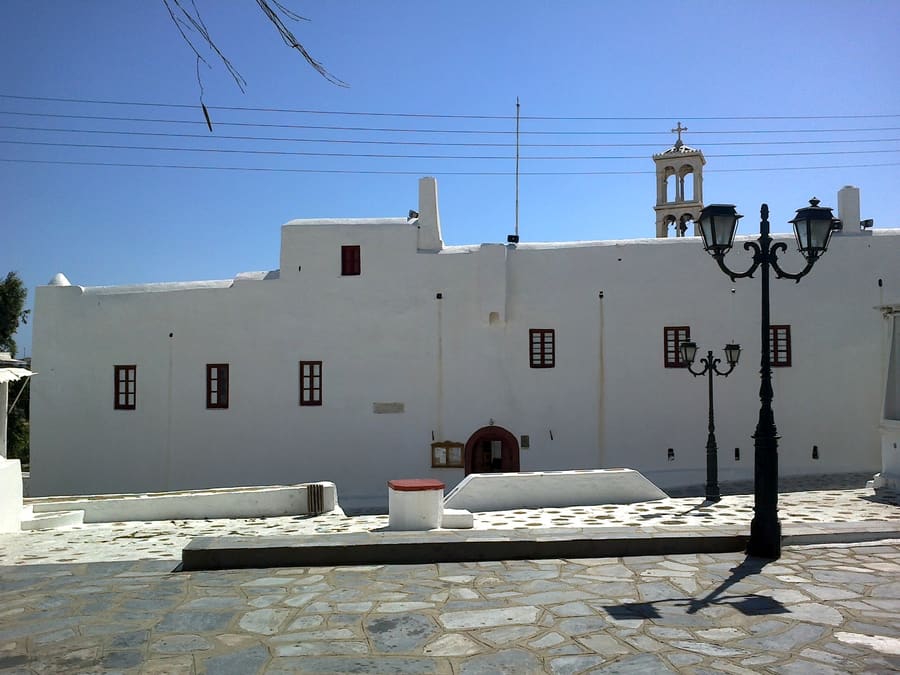
Ano Mera — Quiet inland village centered on a 16th-century monastery and local tavernas.
rene boulay · CC BY-SA 3.0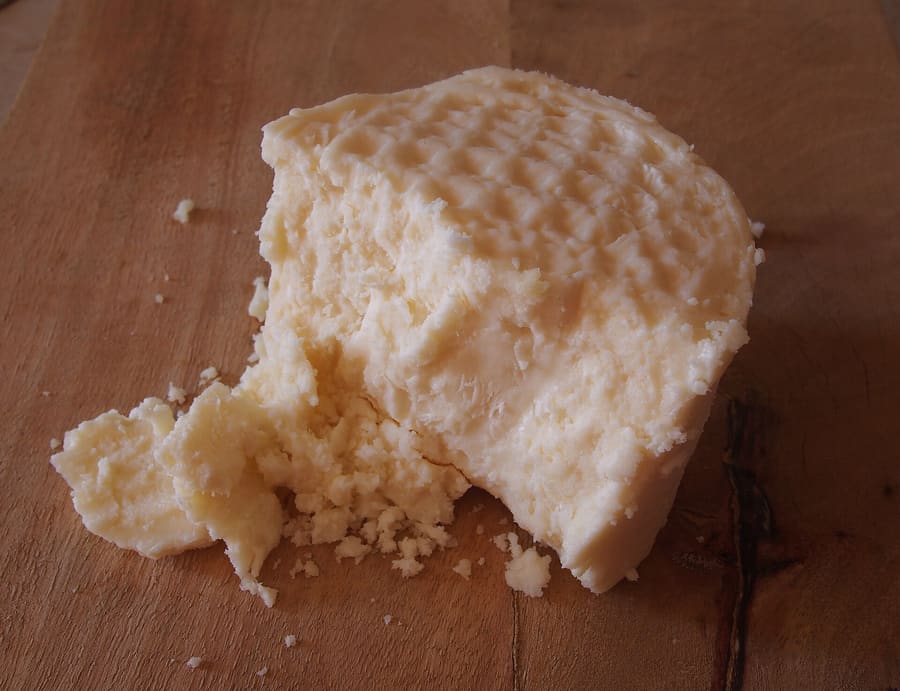
Mostra: barley rusk topped with spicy Kopanisti cheese, fresh tomato, and olive oil.
C messier · CC BY-SA 4.0highlights
landmark
16th-century grain mills perched above the sea. Visit at sunrise to beat the sunset selfie crowds.
Ask Parley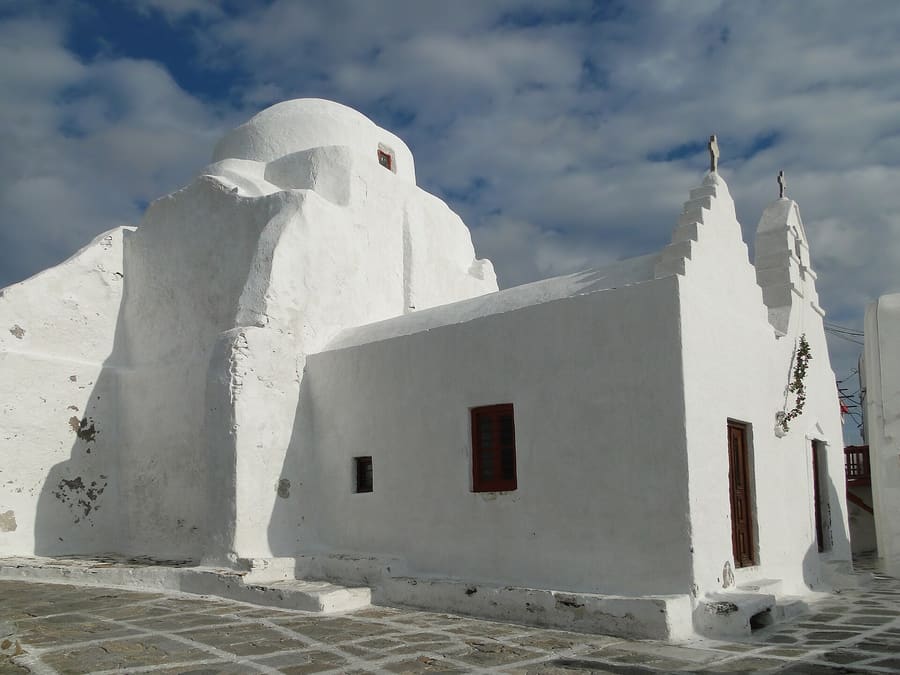
landmark
Asymmetrical structure merging five separate chapels. The stark white plaster coats 15th-century stone.
Ask Parley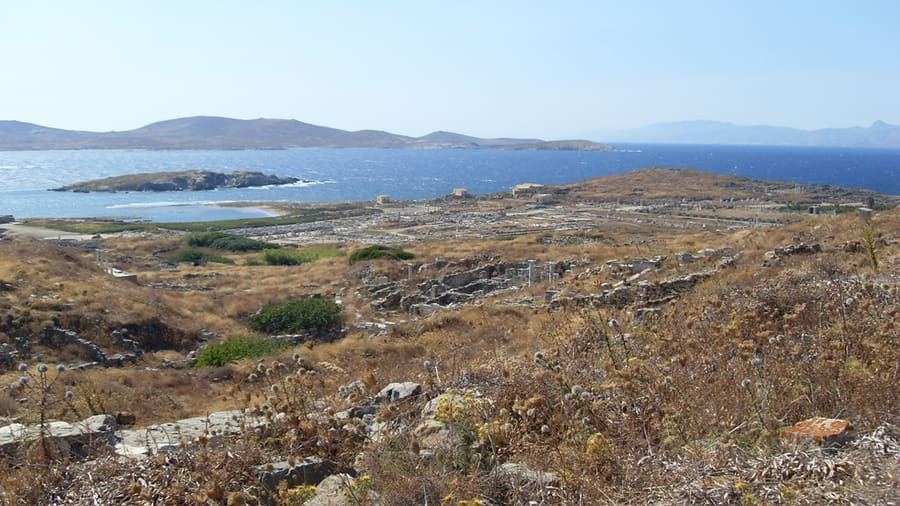
landmark
Uninhabited ancient island sacred to Apollo. Daily ferries run from the Old Port in Chora.
Ask Parley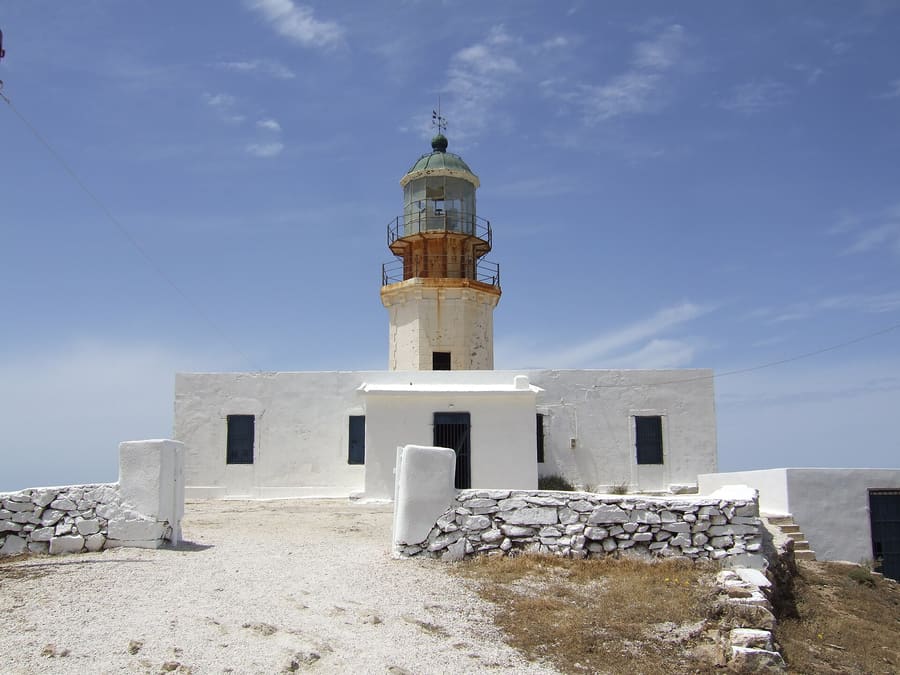
landmark
1891 lighthouse sitting on the northwestern tip. Provides sweeping views across the strait to Tinos.
Ask Parleyattractions
areas
Resort-lined crescent beach serving as the main water taxi hub.
NearbyPsarou, Paraga, Paradise Beach
Ask ParleyQuiet inland village centered on a 16th-century monastery and local tavernas.
NearbyKalia Livadi, Elia Beach, Panormos
Ask Parleyfood
Mykonos culinary traditions reflect dry island reality rather than resort glitz. Local cooking centers on preserved meats, aged sheep's milk cheeses, and wild sea herbs.Kopanisti Mykonou is the island's signature cheese. This protected designation of origin spread is intensely peppery, salted, and fermented for months in clay jars. Locals serve it over hard barley rusks dampened with water and olive oil, a combination known as Mostra.Louza is the local cured pork loin. Farmers marinate the meat in red wine, season it with savory, allspice, and black pepper, then dry it in the Aegean wind during winter months.
Mostra: barley rusk topped with spicy Kopanisti cheese, fresh tomato, and olive oil.
C messier · CC BY-SA 4.0Eat around the central square in Ano Mera for traditional roasted pork sausage and local Louza at non-resort prices.
Order Kopanisti at local mezedopoleia in Chora. Pair it with dry white Cycladic wine to balance the sharp spice.
history
For centuries, Mykonos lived in the shadow of neighboring Delos. Ancient residents supplied food and labor to the sacred sanctuary island.Poor soil made agriculture difficult, driving islanders toward maritime trade, fishing, and seafaring. Venetian rule in the 13th century reshaped the harbor, building defensible stone waterfront houses designed to deter pirate raids.In the 1950s, international archaeologists using Mykonos as a base to excavate Delos drew modern artists and aristocrats. By the late 1960s, celebrity visits converted the quiet fishing port into a global luxury destination.
Ottoman Rule
Barbarossa claims the island for the Ottoman Empire, though Mykonos retains self-governing maritime rights.
Greek War of Independence
Local heroine Manto Mavrogenous funds and leads privateer fleets to repel Ottoman warships.
Global Recognition
First major wave of high-profile international figures lands, launching modern tourism development.
where to stay
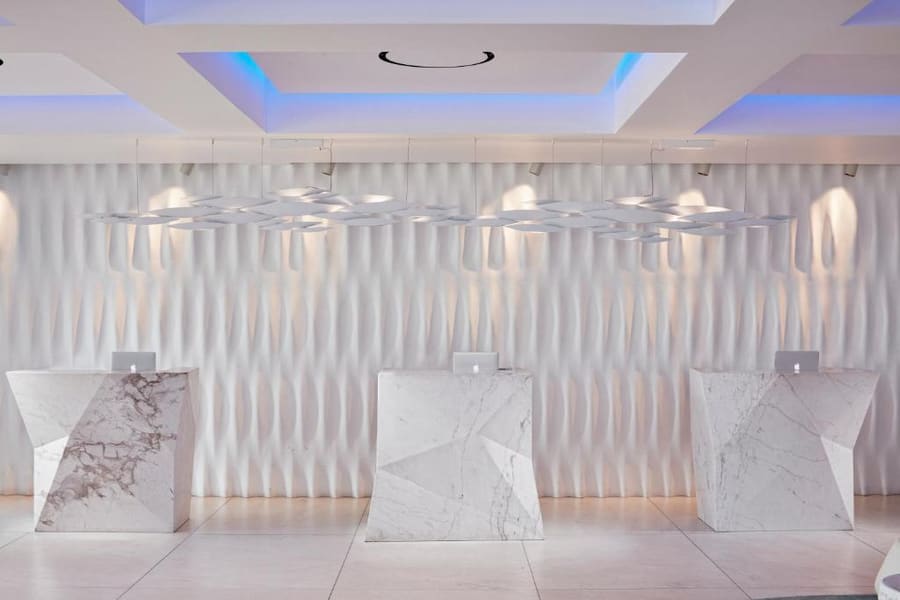
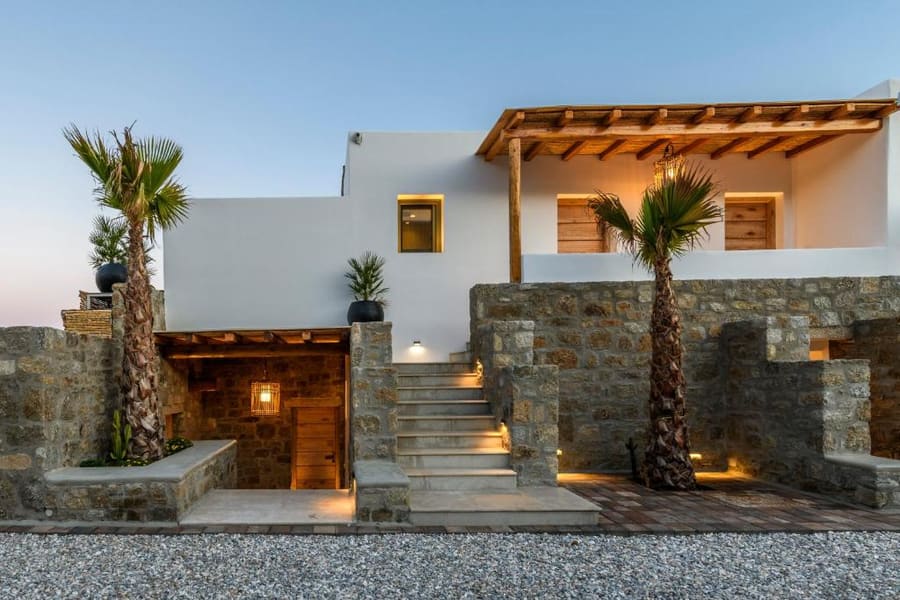
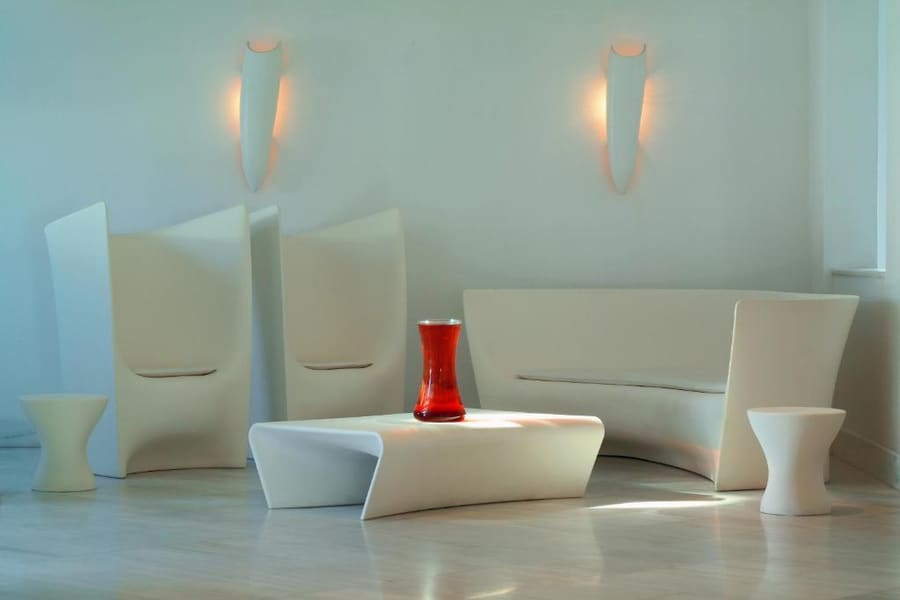
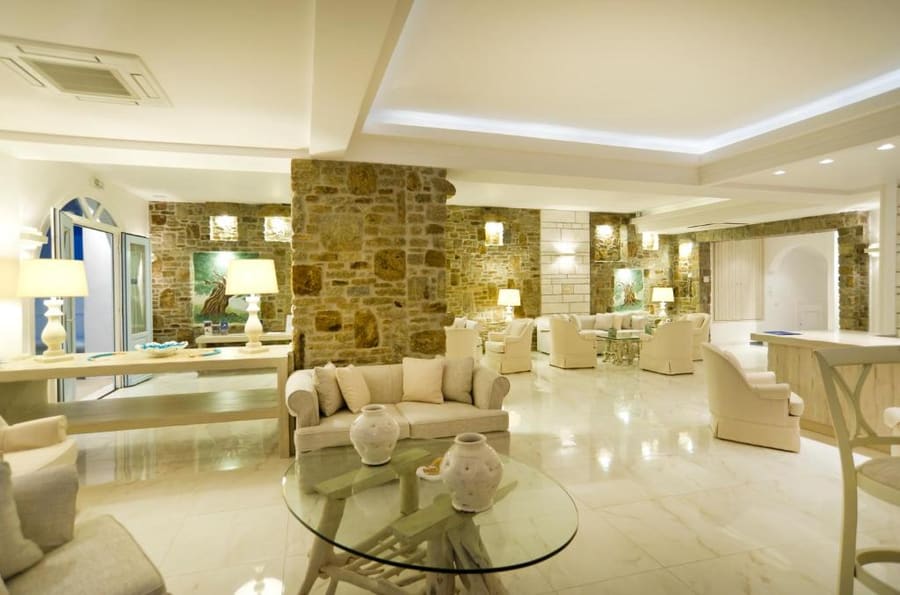
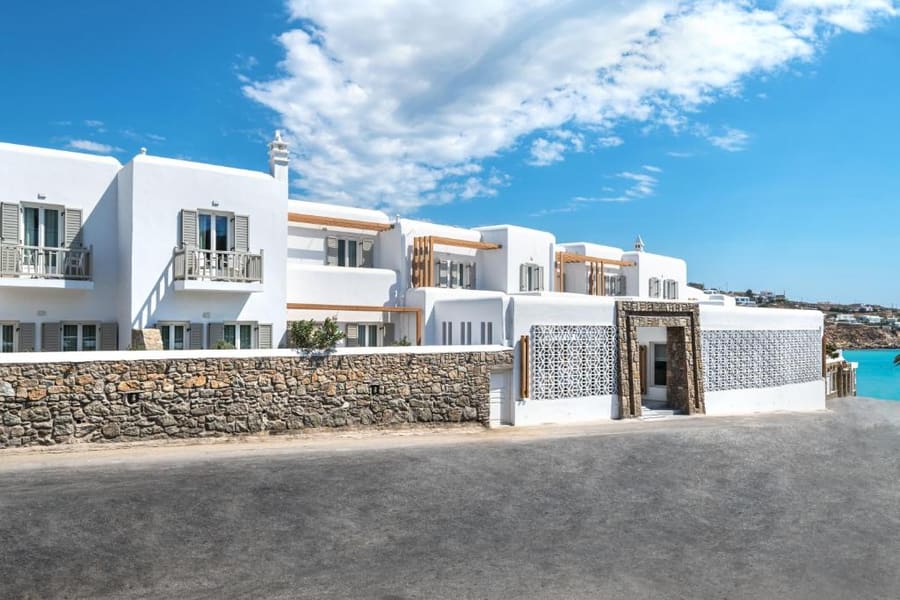
Choose your base by your intended sleep schedule and transport method. Staying inside pedestrian Chora eliminates taxi reliance for dinner and nightlife, but you trade away quiet mornings and beach access. Staying on the southern coast puts you steps from water sports and beach clubs, but requires late-night transport back from town.
Live rates, matched to the areas above.
transport
Chora is entirely pedestrian. Cars are banned from the historic center, making footwear choice critical. Moving between towns and beaches requires public KTEL buses, water taxis, or private rentals.
From Mykonos Island National Airport (JMK)
Buy tickets at kiosk before boarding. Drops at Fabrika or Old Port outside pedestrian Chora.
Only 34 taxis on island. Long rank waits common; vehicles stop at Chora pedestrian border.
Pre-booking strongly advised due to limited taxis. Driver meets you at arrivals.
Buses run frequently in peak season. Buy tickets at station kiosks before boarding to avoid driver surcharges.
Small boats link southern beaches (Platis Gialos, Paraga, Paradise, Super Paradise, Elia) continuously from 10:00 AM.
Only 34 licensed taxis operate across the entire island. Expect long waits at night ranks; pre-booked transfers are safer.
Connects Tourlos New Port to Chora's Old Port in 8 minutes for €2, running every 30 minutes in high season.
cost
Mykonos is one of the most expensive destinations in the Mediterranean. Prices surge dramatically between June and September, particularly for beachfront services and transport.
Daily rental for two chairs and an umbrella at south coast beach clubs. Front-row set prices scale higher.
One-way fare on KTEL routes depending on distance from Chora hubs.
Standard price for drinks along the waterfront strip at sunset hours.
Quick takeaway option in Chora town center for affordable lunches.
seasonality
APR – MAY
Cool water, quiet towns. Most beach clubs open mid-May. Lower hotel prices.
JUN – JUL
High heat, party season in full motion. Northern Meltemi wind peaks in July.
AUG
Peak crowds and maximum prices. Strongest winds affect north-facing beaches.
SEP – OCT
Warm sea, winds taper off. Nightlife winds down by mid-October as businesses close.
practicalities
July and August bring strong northern winds. Head to southern beaches (Ornos, Platis Gialos) for calm water.
Chora streets use uneven granite slabs with wide mortar joints. High heels risk injury.
Tap water is desalinated brackish water used for washing. Drink bottled water exclusively.
Restaurants fill up after 9:30 PM. Book sunset dining slots in Little Venice weeks ahead.
Standalone Euronet ATMs charge heavy transaction fees. Use official bank ATMs inside Chora.