
landmark
Zenko-ji Temple
Founded in the seventh century. Walk through the pitch-black underground passage under the main altar to touch the Key to Paradise.
Japan
An alpine temple town anchored by Zenko-ji and winter transit.
Nagano sits in a valley surrounded by the Japan Alps. Zenko-ji temple anchors the northern end of town, while the main Shinkansen station anchors the south. You can cross the central district on foot in thirty minutes, using public buses to reach mountain trailheads and hot spring valleys. Expect cold winters, hot summers, and precise transit connections.
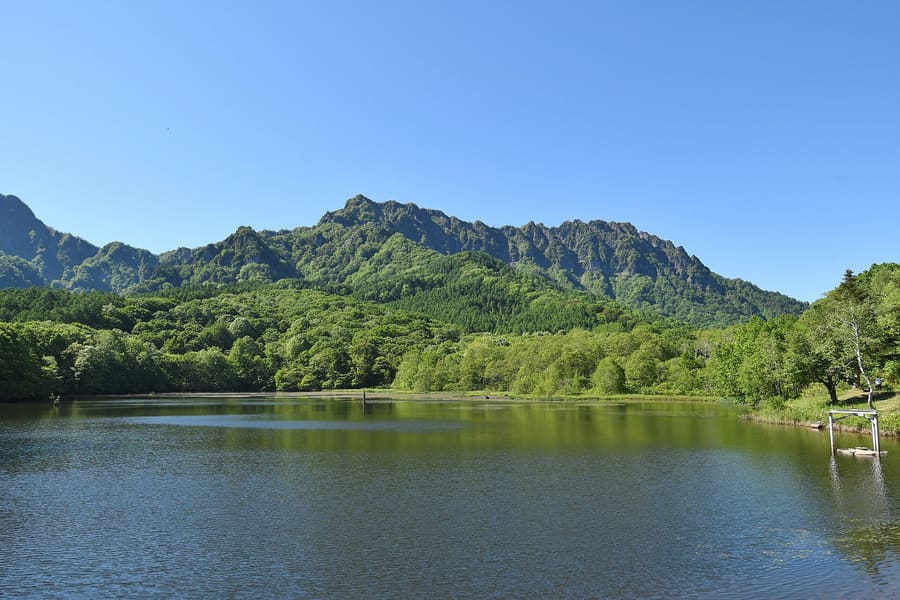
Togakushi — Dense mountain forest district packed with ancient Shinto shrines and handcrafted soba eateries.
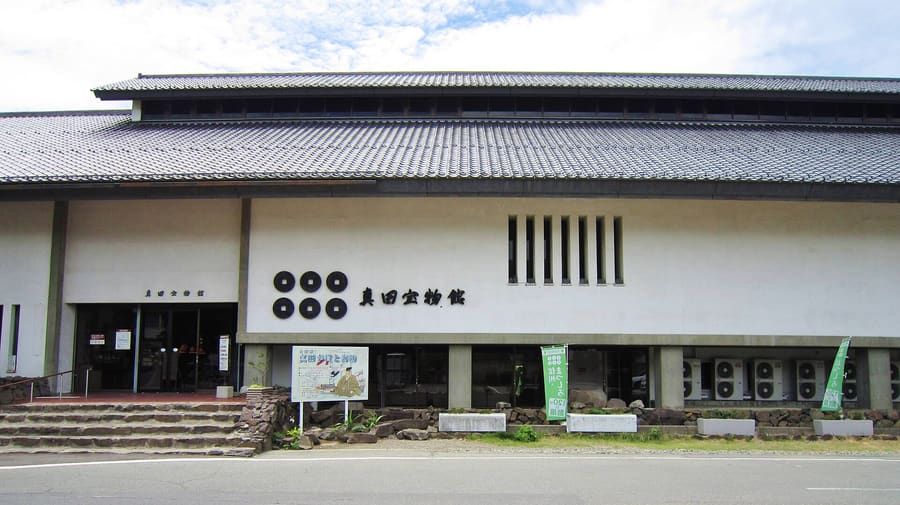
Matsushiro — Feudal castle town south of the river with preserved samurai residences and historic gardens.
Togakushi soba served in horseshoe-shaped coils on a round bamboo mat.
01
landmark
Founded in the seventh century. Walk through the pitch-black underground passage under the main altar to touch the Key to Paradise.
landmark
Wild Japanese macaques bathe in outdoor hot springs. The 1.6km forest walk to the park entrance requires sturdy footwear.
landmark
Adjacent to Zenko-ji in Joyama Park. Houses extensive works by landscape painter Kaii Higashiyama inside a sleek glass building.
02
03
Historic pilgrim corridor with renovated wooden storehouses, tea shops, and quiet alleyways.
NearbyZenko-ji Temple, Joyama Park, Art Museum
Ask ParleyDense mountain forest district packed with ancient Shinto shrines and handcrafted soba eateries.
NearbyTogakushi Okusha, Ninja Trick House
Ask ParleyFeudal castle town south of the river with preserved samurai residences and historic gardens.
NearbyMatsushiro Castle, Sanada Museum
Ask ParleyTransit hub with modern department stores, izakaya lanes, and straightforward business hotels.
NearbyMIDORI Shopping Mall, Alpico Bus Terminal
Ask Parley04
Nagano food relies on mountainous agricultural roots. Cold mountain water and volcanic soil produce high-grade buckwheat, making cold soba noodles the regional staple. Local snacks center on oyaki—flour dumplings stuffed with seasoned wild vegetables or sweet bean paste, traditionally cooked on iron griddles.
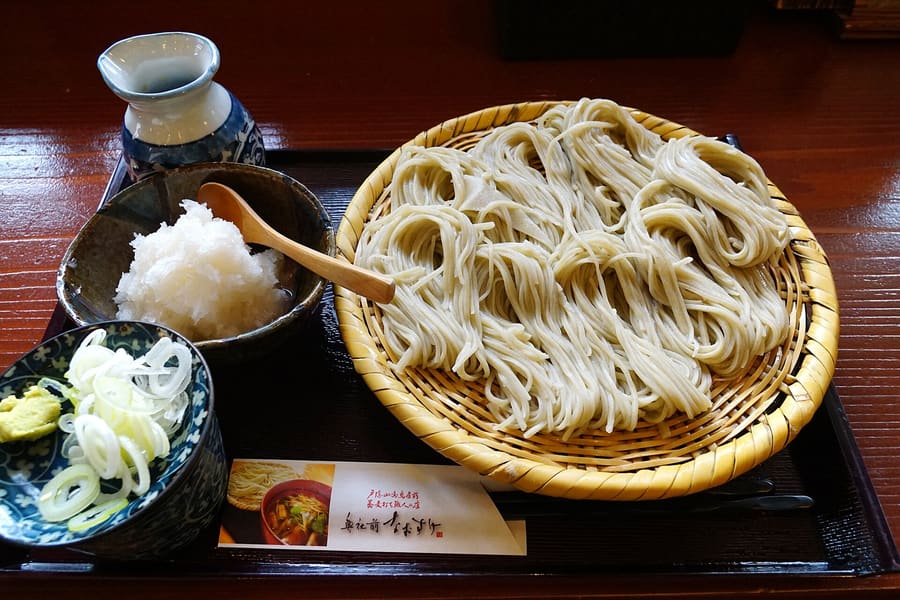
Togakushi soba served in horseshoe-shaped coils on a round bamboo mat.
Buy steamed or griddled oyaki stuffed with pickled mustard greens (nozawana) at Ogawa-no-Sho near Zenko-ji.
Yawataya Isogoro near Zenko-ji has blended seven-spice chili powders on the same spot since 1736. You can customize your own blend.
05
Nagano grew around Zenko-ji, established in 642 to house Japan's first Buddhist statue. The town developed as a major temple market and staging point on inland trade routes. Modern Nagano expanded after the 1998 Winter Olympics, which brought bullet train infrastructure connecting the valley directly to Tokyo.
Zenko-ji Founded
Priest Yoshimitsu enshrines the Ikko Sanzon Amida Nyorai image, forming the core of the settlement.
Battles of Kawanakajima
Warlords Takeda Shingen and Uesugi Kenshin fight five legendary battles south of modern Nagano.
Winter Olympics
Nagano hosts the XVIII Olympic Winter Games, triggering the construction of the Shinkansen rail link.
Shinkansen Extension
Hokuriku Shinkansen extends beyond Nagano to Kanazawa, turning the station into a regional transit hub.
06
Choose your stay based on your morning plans. Station hotels cater to early train departures and day trips into the Alps. Monzen temple lodgings (shukubo) put you steps from Zenko-ji's dawn ceremonies, though they strictly enforce early check-in and evening curfews.
Highly rated hotels in Nagano.
See more Nagano hotels07
Central Nagano is linear. A single main street, Chuo-dori, connects Nagano Station to over a 2km distance. You can walk it in 25 minutes or catch frequent local city buses. Regional transit relies on the Nagano Electric Railway and Alpico bus routes.
Nagano Electric Railway underground tracks run beneath Chuo-dori street, stopping at Zenkoji-shita Station.
Board local buses through the rear door. Take a paper ticket and pay exact cash at the front when exiting.
Purchase a 1-Day Zenko-ji pass at the station tourist office if making more than three bus journeys in a day.
08
Nagano is less expensive than Tokyo or Kyoto. Meals at traditional soba shops and local transportation offer good value, though winter peak rates apply near ski shuttle hubs.
Includes handmade buckwheat noodles, fresh vegetable tempura, and hot dipping broth.
Steamed wheat dough dumpling stuffed with local vegetables, bought warm from street vendors.
Grants access to the main hall, underground pitch-black passage, and Sanmon gate upper floor.
One-way fare from Nagano Station to Togakushi Okusha bus terminal.
09
DEC – FEB
Heavy snow in surrounding mountains. Cold conditions in town; snow monkey park visits are best now.
MAR – MAY
Cherry blossoms bloom at Joyama Park in mid-April. Pleasant temperatures for walking along Nakamise-dori.
JUN – AUG
Warm and humid in the city valley. Togakushi mountain trails offer cool forest relief.
SEP – NOV
Autumn foliage peaks in late October across Togakushi forest and surrounding valley peaks.
10
Zenko-ji's morning service starts at sunrise. High priest blessing occurs outside the main hall.
Remove footwear before walking onto tatami mats in Zenko-ji and historic residences. Wear easy shoes.
Paths at Togakushi and the Monkey Park ice over. Attach crampons or slip-on spikes to boots in winter.
Historic shops along Nakamise-dori accept credit cards, but rural soba stalls in Togakushi take cash only.
Coin lockers inside Nagano Station fill up quickly on winter mornings. Use the baggage delivery desk on 1F.
Contents
Your trip
Going to Nagano?
Tell Parley when you’re going and what you enjoy, and it plans the days around this guide.
Plan with Parley


