
landmark
Forte dos Reis Magos
Star-shaped 1598 stone fort marking the river mouth. Arrive early to avoid mid-day heat on the exposed footbridge.
Brazil
Sunlit dunes, Atlantic winds, and coastal speed.
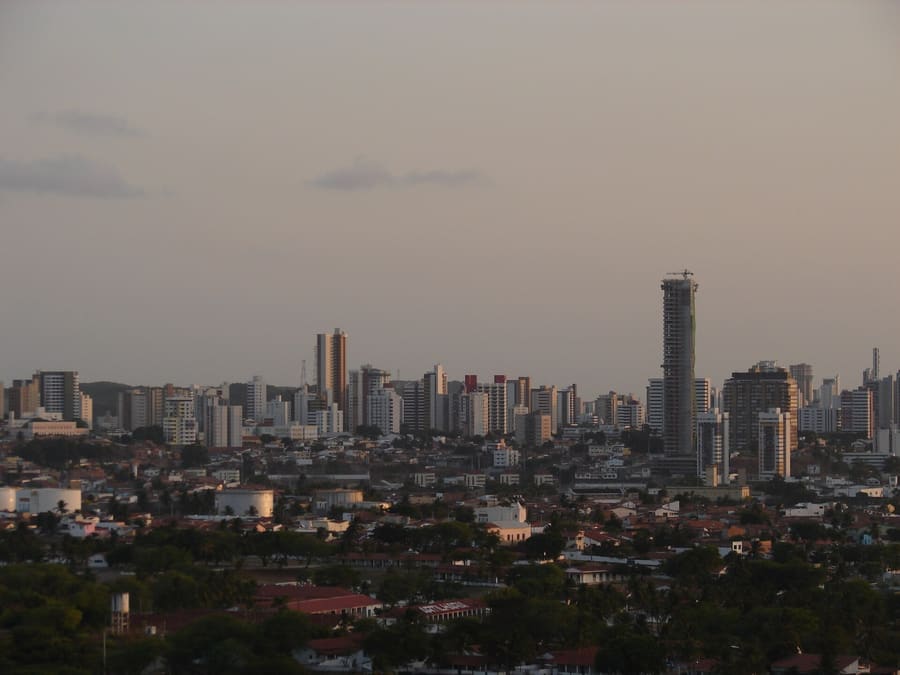
Natal spreads along Brazil's easternmost bulge, where Atlantic trade winds clear the air and shape urban sand dunes. The city balances resort infrastructure in Ponta Negra with a quieter historical core to the north. Rideshare cars and buggy drivers handle most transit across the steep coastal terrain.
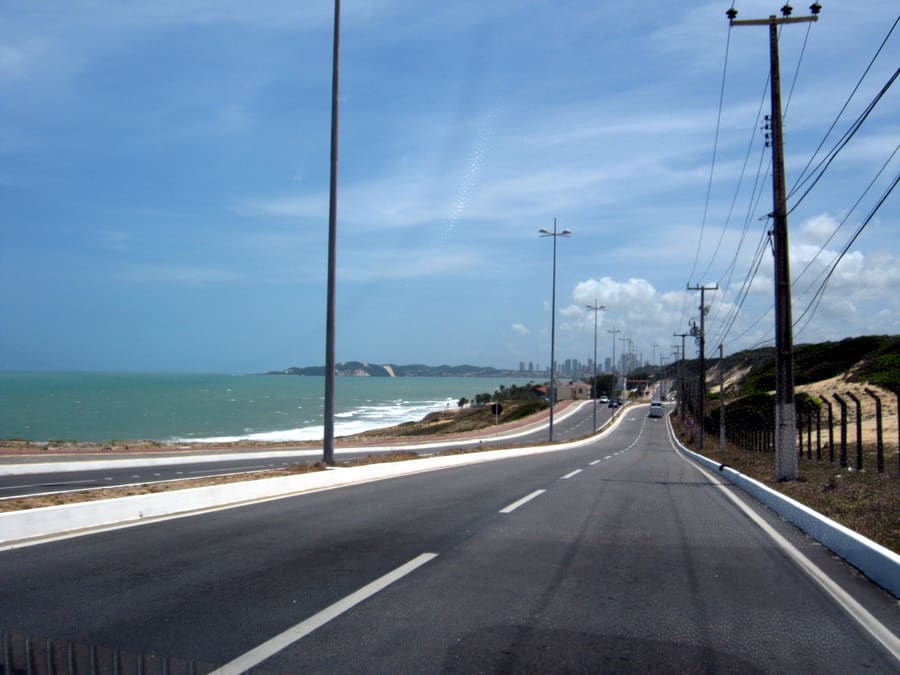
Via Costeira — Coastal highway lined with large beachfront resort properties and open views.
Petrópolis — Upscale residential neighbourhood with tree-lined streets and independent dining.
01
landmark
Star-shaped 1598 stone fort marking the river mouth. Arrive early to avoid mid-day heat on the exposed footbridge.
landmark
A 120-meter dune anchoring the southern end of Ponta Negra. Climbing is illegal to stop erosion, so enjoy it from the surf.
landmark
Preserved Atlantic forest dunes in the middle of the city. Guided hikes run Tuesday through Sunday for R$ 1 per visitor.

landmark
Rolling sand dunes north of the river for buggy excursions. Choose calm or thrilling driving styles before setting off.
landmark
A single cashew tree covering over 8,500 square meters. Visit between November and January to sample fresh cashew fruit.
landmark
A former 19th-century prison turned handicraft market. Wooden cells now host lace workers and regional art vendors.
02
03
High-density beach district packed with restaurants, pousadas, and night venues.
NearbyMorro do Careca, craft markets, coastal bars.
Ask ParleyCoastal highway lined with large beachfront resort properties and open views.
NearbyParque das Dunas, central beaches.
Ask ParleyUpscale residential neighbourhood with tree-lined streets and independent dining.
NearbyCentro de Turismo, Potengi riverfront.
Ask ParleyTraditional urban beachfront near the historic core, favored by local families.
NearbyForte dos Reis Magos, Newton Navarro Bridge.
Ask Parley04
Natal dining relies heavily on regional staples from the Rio Grande do Norte interior paired with fresh Atlantic catches. Carne de sol served with melted butter and cassava flour anchors traditional meals. The city claims ginga com tapioca — deep-fried local fish wrapped in warm tapioca crepe — as its signature street dish, born on Redinha beach.
Order ginga com tapioca directly at Mercado da Redinha. Vendors fry the small fish whole in oil and wrap them to order.
Try carne de sol at long-standing regional restaurants in Petrópolis. Plates arrive sized for two or three people to share.
Ponta Negra dining starts around 19:30. Booking is rarely needed except for weekend nights at popular seafood spots.
05
Founded on Christmas Day 1599, Natal spent centuries as a modest coastal outpost guarding the Potengi estuary. Its strategic location at the eastern apex of South America changed its trajectory during World War II, when the US military built a major airbase here. That wartime presence modernized local infrastructure and established the city as a strategic aviation hub.
City foundation
Portuguese colonizers establish Natal near the mouth of the Potengi River on December 25.
Dutch occupation
Dutch forces capture the stone fortress, renaming it Fort Keulen before Portuguese control returns in 1654.
Trampoline of victory
Parnamirim airfield becomes the largest US military base outside American territory during WWII.
Tourism expansion
Construction of Via Costeira highway opens Ponta Negra to national resort development.
06
Choose your base based on how you prefer to move around. Ponta Negra gives you walkable access to beach bars and dinner options. Via Costeira isolates you in self-contained oceanfront resorts midway between downtown and the south.
Highly rated hotels in Natal.


07
Natal is spread out across uneven coastal topography. Public buses cover main corridors, but visitors rely primarily on rideshare services or rental buggies and cars for daily travel.
From Natal International Airport (NAT)
Picks up right outside arrival gates; cheapest and easiest option to Ponta Negra.
Fixed-rate counters sit inside the terminal; good if arriving late at night.
Shared van service dropping off at major Ponta Negra hotels.
Uber operates reliably across Natal. Cars arrive within five minutes in Ponta Negra and Petrópolis.
Local city buses charge around R$ 4.50. You need exact cash or a local transit card to pay the conductor.
Book accredited drivers through official tourist agencies to ensure vehicle safety compliance.
08
Natal offers lower everyday costs than Rio de Janeiro or São Paulo. Eating local dishes and taking rideshares keeps daily spending moderate.
Fresh chilled green coconuts sold by vendors along Ponta Negra boardwalk.
Full-day Genipabu buggy ride seating up to four passengers, excluding ferry and park entry fees.
Generous platter with sides at traditional regional restaurants.
Standard trip between Ponta Negra and Petrópolis or downtown.
09
SEP – JAN
Dry season with constant sun and low rainfall. Peak summer crowds arrive around Christmas and January.
FEB – APR
Warm ocean temperatures with occasional afternoon showers. Carnival brings high domestic hotel rates.
MAY – JUL
Rainiest period of the year with overcast skies. Hotel rates hit their annual low.
AUG
Strong trade winds ideal for kitesurfing. Clear weather returns as precipitation drops.
10
Natal sits 5 degrees south of the equator. UV radiation remains intense year-round even on cloudy days.
Ponta Negra beach has strong undertows near . Swim in designated areas guarded by lifesavers.
Almost all restaurants and beach kiosks accept debit and credit cards via contactless terminals.
Due to Natal's eastern location, daylight starts around 05:00 and sunset occurs before 17:30 all year.
Natural reef pools near Maracajaú and Peroba are only accessible during low tides below 0.5 meters.
Contents
Your trip
Going to Natal?
Tell Parley when you’re going and what you enjoy, and it plans the days around this guide.
Plan with Parley


