
landmark
Jackson Square
The public square anchors the French Quarter. Street performers gather around the plaza every morning before crowds arrive.
United States
Architecture, brass bands, and deep culinary traditions.
New Orleans sits in a river bend below sea level, shaped by French, Spanish, and African histories. You navigate its grid by listening for street music and following the curve of the Mississippi River. Expect high humidity, loud nights, and distinct neighborhood borders that shift every few blocks.
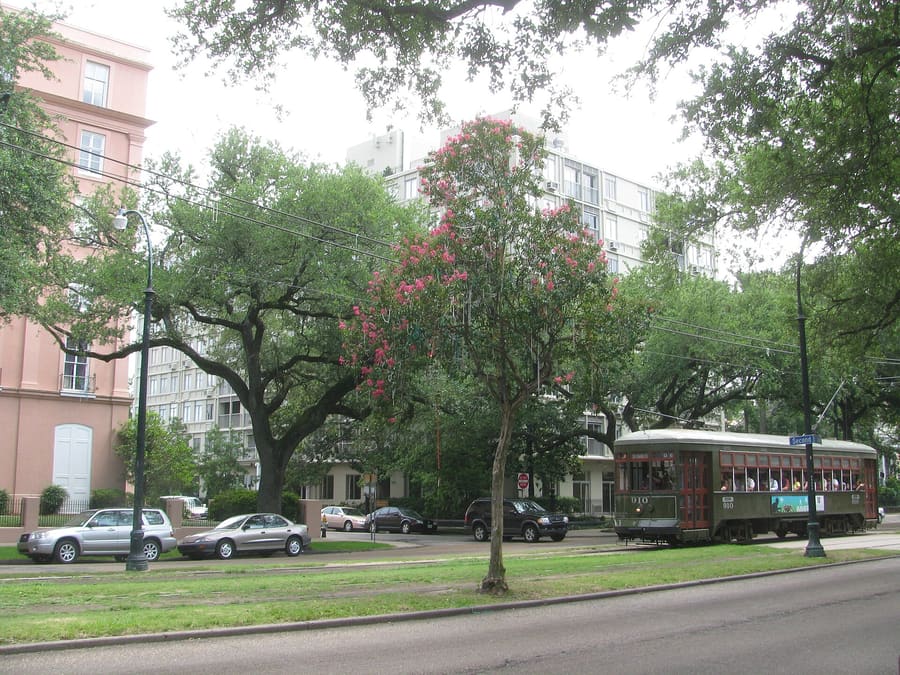
Garden District — Shaded avenues lined with Greek Revival mansions, historic cemeteries, and quiet residential streets.
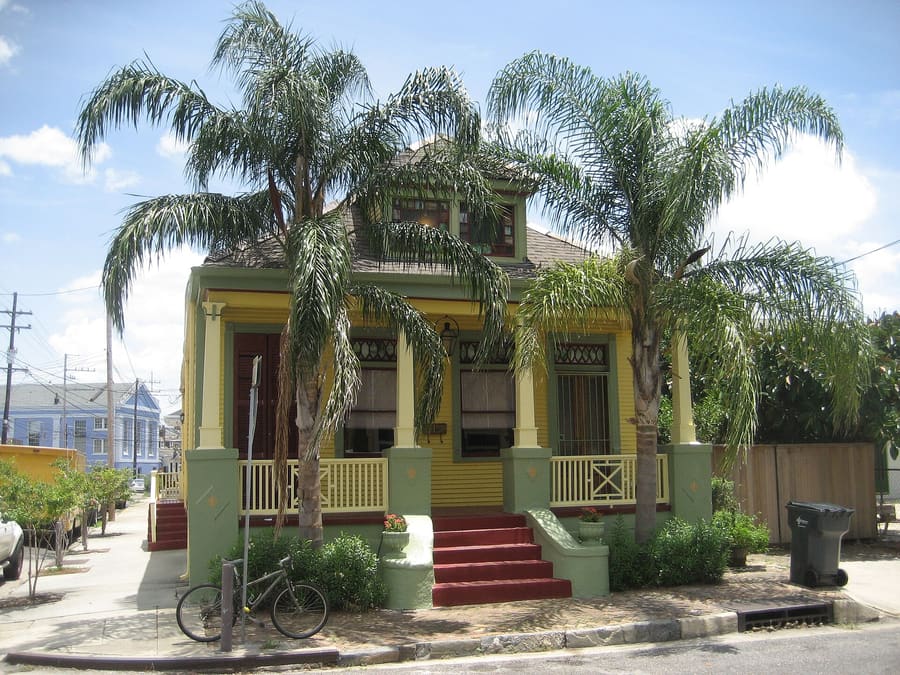
Marigny & Bywater — Colorful Creole cottages, neighborhood corner bars, local art markets, and nightly jazz on Frenchmen.
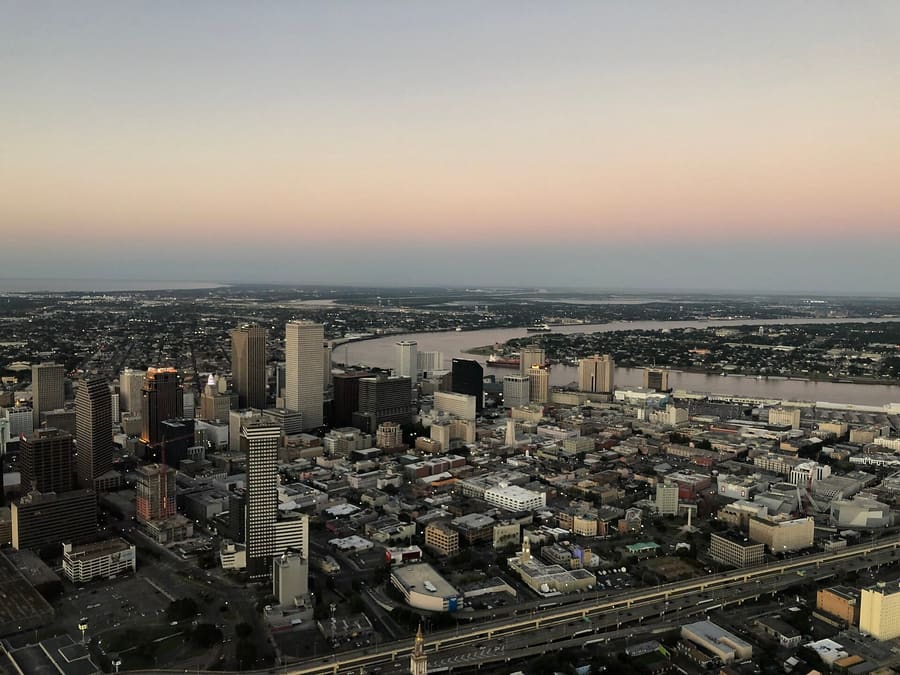
Central Business District — High-rise hotel towers, converted warehouse spaces, upscale dining, and proximity to major museums.
Fresh beignets with chicory coffee at a neighborhood counter.
01
landmark
The public square anchors the French Quarter. Street performers gather around the plaza every morning before crowds arrive.
landmark
The oldest continuously operating streetcar line in the world runs through the Garden District. Pay exact cash or use Le Pass.
landmark
A three-block stretch in Marigny packed with live music clubs. Skip Bourbon Street if you want working local musicians.
02
03
Dense 18th-century architecture, street brass bands, foot traffic, and late-night noise.
NearbyCentral Business District and the Mississippi River waterfront.
Ask ParleyShaded avenues lined with Greek Revival mansions, historic cemeteries, and quiet residential streets.
NearbyMagazine Street shopping corridor and Lower Garden District.
Ask ParleyColorful Creole cottages, neighborhood corner bars, local art markets, and nightly jazz on Frenchmen.
NearbyFrench Quarter eastern edge and Crescent Park.
Ask ParleyHigh-rise hotel towers, converted warehouse spaces, upscale dining, and proximity to major museums.
NearbyFrench Quarter and the Warehouse District museums.
Ask Parley04
New Orleans cuisine reflects French, Spanish, West African, and Choctaw influences. Creole cooking relies heavily on butter, rich roux sauces, and local shellfish, while Cajun traditions favor smoked meats and one-pot rice dishes. Ordering a po-boy requires knowing the local phrase 'dressed', which adds mayonnaise, lettuce, pickles, and tomatoes.
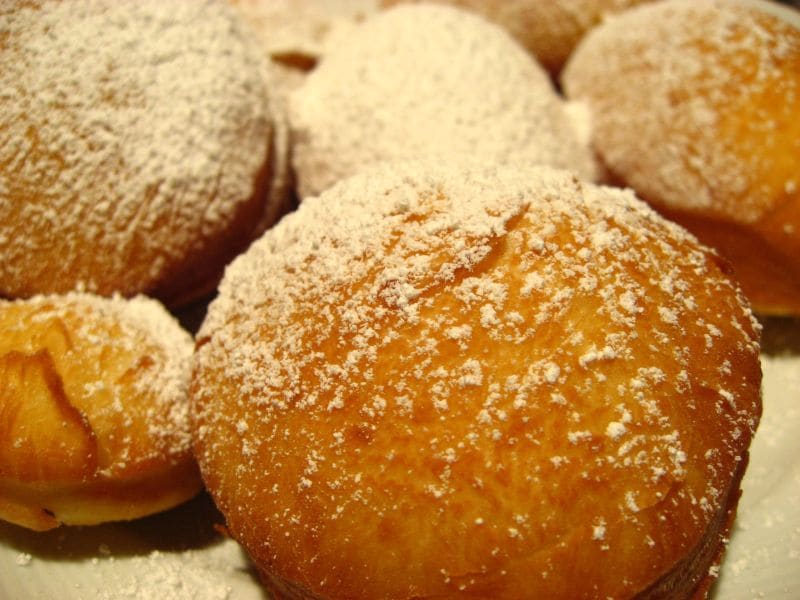
Fresh beignets with chicory coffee at a neighborhood counter.
Local restaurants serve red beans and rice on Mondays, a tradition stemming from old washday routines. Dooky Chase and Liuzza's by the Track serve classic versions.
A full po-boy on French bread usually measures 11 to 12 inches. Most counters allow you to split a single sandwich between two people.
Galatoire's on Bourbon Street does not take reservations for its downstairs dining room on Friday. Diners hire professional line-standers to secure main room tables.
05
Founded by the French in 1718, New Orleans passed to Spanish rule in 1762 before returning briefly to France and being sold to the United States in 1803. Its location near the mouth of the Mississippi River made it a premier commercial port and a central hub of the domestic slave trade. Enslaved Africans preserved musical traditions at Congo Square that ultimately gave birth to jazz.
French foundation
Jean-Baptiste Le Moyne de Bienville establishes the settlement on Indigenous land along the river bend.
Louisiana Purchase
The United States acquires New Orleans from France, doubling national territory and expanding Mississippi port commerce.
Battle of New Orleans
Andrew Jackson leads a mixed force to victory over British troops after the War of 1812 officially ends.
Hurricane Katrina
Federal levee failures inundate 80 percent of the city, causing widespread destruction and permanent demographic shifts.
06
Choose your base by your noise tolerance and daily schedule. The French Quarter puts you in the middle of late-night activity, while the Central Business District offers modern hotel standards a short walk away. The Garden District trades central proximity for quiet streets under oak canopy.
Highly rated hotels in New Orleans.


07
New Orleans is compact and flat, making walking ideal within individual neighborhoods. To cross between districts, use the RTA streetcar lines or rideshare services. Streetcars are reliable for north-south movement but operate on loose schedules during peak traffic.
From Louis Armstrong New Orleans International Airport (MSY)
Pickup is at the designated app rideshare curb outside baggage claim.
Flat rate for up to two passengers from airport to French Quarter or downtown.
Express Bus E2 leaves from the airport outer curb directly to downtown.
A single streetcar ride costs $1.25 in exact cash. Download the Le Pass app to buy a $3.00 unlimited 1-Day Jazzy Pass.
Passes cover both RTA streetcars and city buses. Multi-day passes ($9 for 3 days) must be activated on your phone before boarding.
Streetcar headways stretch to 30–45 minutes after 22:00. Use rideshares or taxis if traveling late across town.
Uneven brick paths and raised tree roots make sidewalks irregular. Wear flat shoes when walking through historic areas.
08
Prices reflect high tourism demand in spring and autumn, with lower lodging rates during the humid summer months. Budget extra for live music cover charges and tips for working street musicians.
Abita and Urban South brews cost around $7 at most neighborhood bars.
Standard order at Café du Monde includes three warm powdered beignets.
Clubs on charge low covers or enforce a one-drink minimum.
09
FEB – APR
Mardi Gras and spring festivals bring peak crowds. Book accommodations six months in advance.
MAY – JUN
Warm temperatures and rising humidity. Festival season winds down and hotel rates drop slightly.
JUL – SEP
High heat and daily afternoon rainstorms. Lowest hotel prices of the year, but outdoor walking is taxing.
OCT – JAN
Mild weather and active autumn events. Late fall brings pleasant walking conditions and high hotel demand.
10
Public drinking in plastic cups ('go-cups') is legal in the French Quarter. Glass containers on the street are strictly prohibited.
Humidity frequently exceeds 80 percent from June through September. Carry water when walking outdoors.
If you stop to watch or film a street band for more than a minute, drop money into their instrument case.
Classic Creole dining rooms like Galatoire's or Arnaud's enforce collared shirt dress codes and require early bookings.
Atlantic hurricane season runs June through November. Monitor local forecasts if traveling late in the summer.
Contents
Your trip
Going to New Orleans?
Tell Parley when you’re going and what you enjoy, and it plans the days around this guide.
Plan with Parley


