
landmark
Tyne Bridge
Dorman Long engineered this 1928 arch bridge. Walk the pedestrian deck for clear views down the gorge to Millennium Bridge.
United Kingdom
Industrial grit, neoclassicism, and a fierce river identity.
Newcastle presents two distinct faces to the traveller. Tyneside built its wealth on coal export, shipbuilding, and heavy engineering, leaving behind dramatic iron bridges and sweeping Victorian stone crescents. Today, the city operates as a compact university regional hub where grand neoclassical streets give way to repurposed industrial valleys within a ten-minute walk.
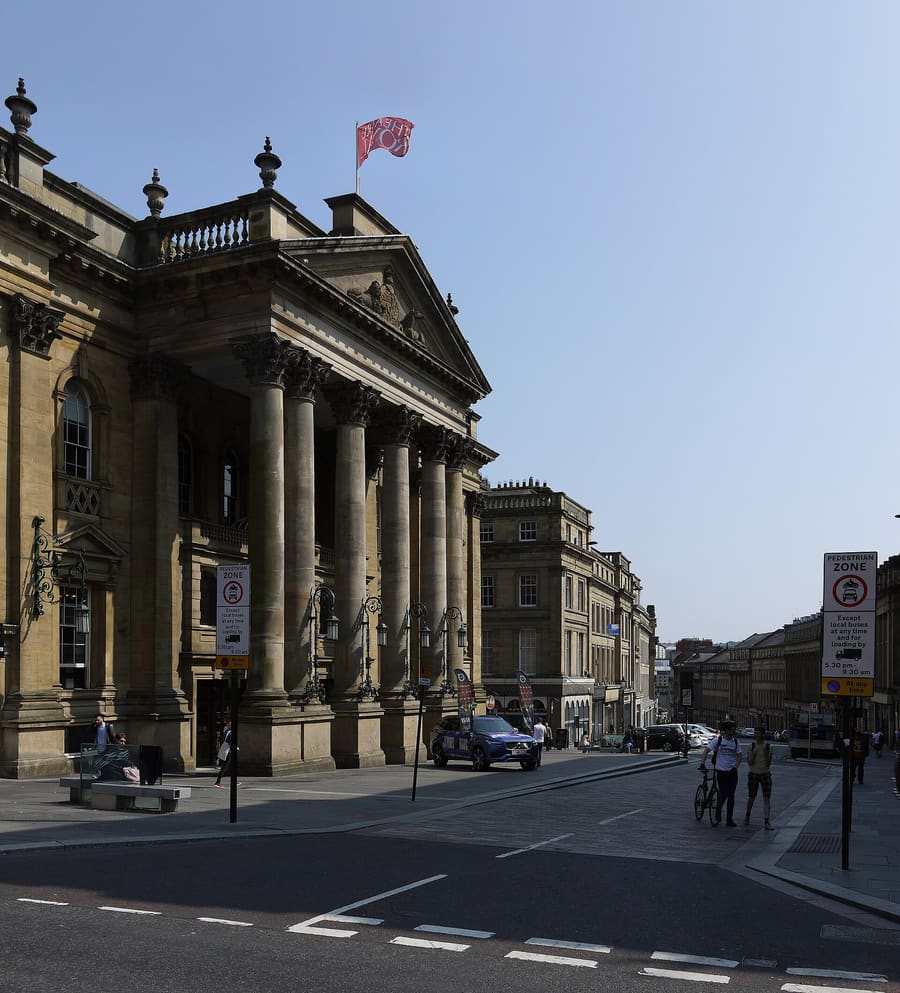
Grainger Town — Neoclassical 1830s sandstone streets, theatre halls, and central shopping arcades.
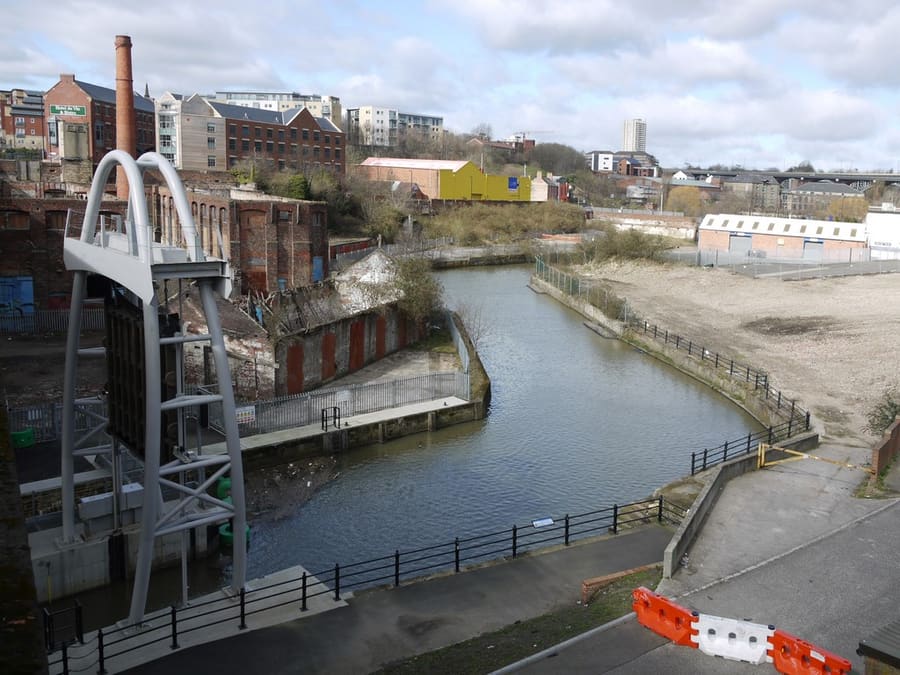
Ouseburn — Former industrial valley transformed into craft breweries, artist studios, and music pubs.
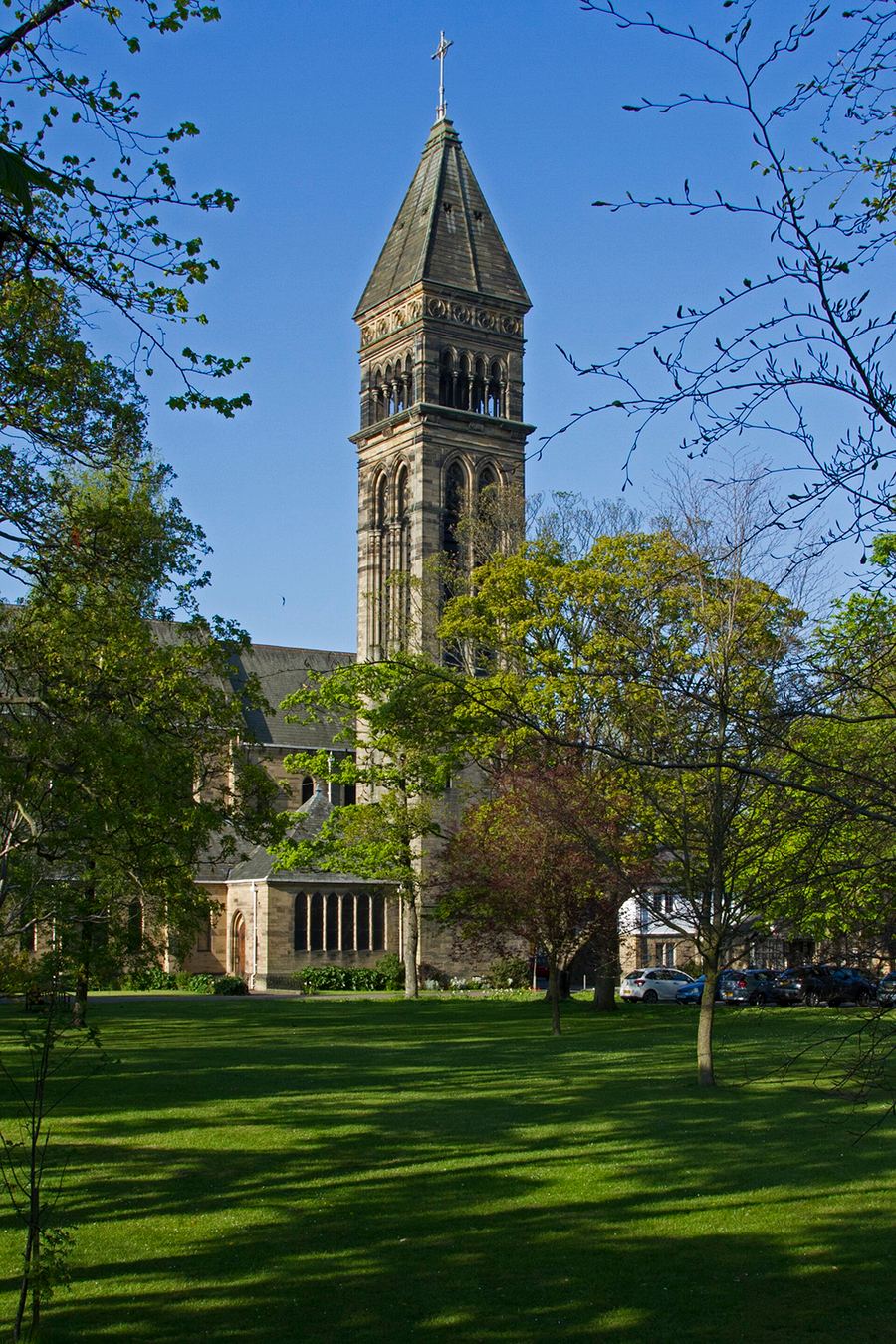
Jesmond — Leafy residential borough defined by Victorian terraces, student housing, and bistro dining.
A traditional stottie cake stuffed with ham and yellow pease pudding.
01
landmark
Dorman Long engineered this 1928 arch bridge. Walk the pedestrian deck for clear views down the gorge to Millennium Bridge.
landmark
An active 1835 covered trading hall. Home to original Marks & Spencer Penny Bazaar stalls alongside artisan bakeries.
landmark
A 52,000-seat stadium planted right in the city centre grid. Non-matchday tours access the highest cantilevered roof in Europe.
landmark
A 1950s flour mill turned free contemporary art institution. The top-floor viewing platform faces the full Newcastle skyline.
landmark
A 2.4-mile underground coal wagonway built in 1842. Guided tours walk the dark, preserved WWII air-raid shelter sections.
02
03
River promenade anchored by seven bridges, Sunday markets, and converted industrial warehouses.
NearbyBALTIC Centre, Tyne Bridge, Castle Keep
Ask ParleyNeoclassical 1830s sandstone streets, theatre halls, and central shopping arcades.
NearbyGrainger Market, Grey's Monument, Central Station
Ask ParleyFormer industrial valley transformed into craft breweries, artist studios, and music pubs.
NearbyVictoria Tunnel, Cluny venue, Seven Stories
Ask ParleyLeafy residential borough defined by Victorian terraces, student housing, and bistro dining.
NearbyJesmond Dene parkland, Osborne Road
Ask Parley04
Tyneside food culture relies heavily on baking traditions born in industrial worker kitchens. The local bread standard is the stottie cake, a heavy, flat, round loaf cooked on the bottom of the oven floor. Sandwich shops split it horizontally and fill it with warm pease pudding and boiled ham.Pease pudding is a yellow split-pea puree cooked with salt pork broth. It appears on butcher counter menus across the city alongside pork pies and sausage rolls. houses the highest concentration of independent food stalls in central Newcastle.High-end dining concentrates along the riverbank and surrounding Grainger Town streets. Local seafood comes straight from North Shields fish quay, six miles downriver.
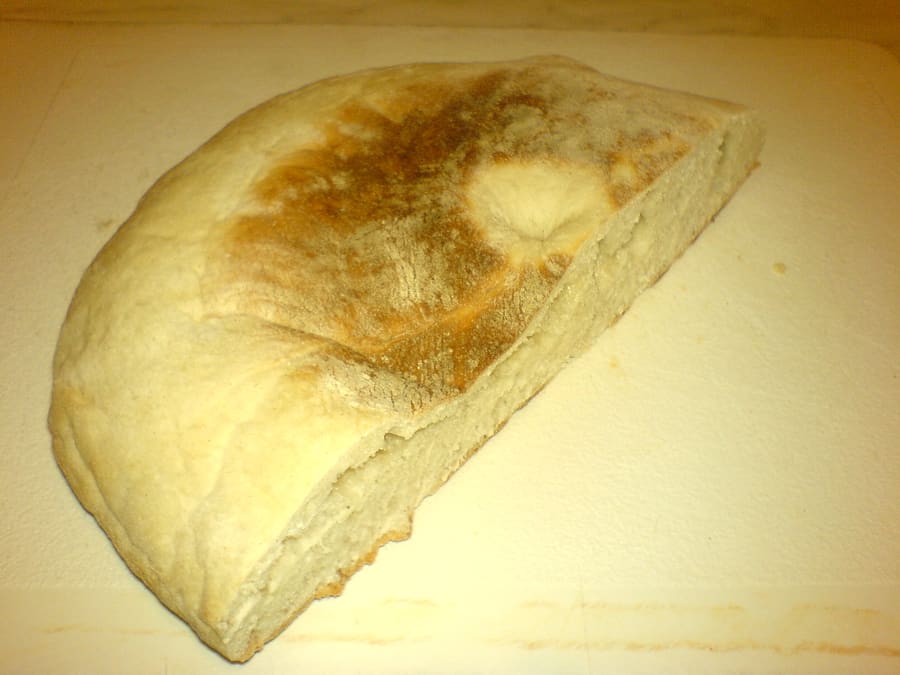
A traditional stottie cake stuffed with ham and yellow pease pudding.
Ask for a ham stottie at Dickson's butchers inside Grainger Market for an authentic lunch.
Stalls trade Monday to Saturday from 09:00 to 17:30. Most counters close completely on Sundays.
For fresh Tyneside fish and chips, take the Metro to North Shields and walk down to the working gut.
05
Newcastle began as Pons Aelius, a Roman fort guarding the bridge crossing of the River Tyne. In 1080, Robert Curthose, son of William the Conqueror, erected a timber castle on the site, establishing the settlement's medieval name. Coal trade expanded rapidly from the 13th century onward, granting Newcastle a royal monopoly over Tyne exports.The 19th century transformed the city's physical form. Builder Richard Grainger and architect John Dobson redesigned the urban centre into a grand neoclassical network of curved stone streets. Simultaneously, Lord Armstrong established massive engineering works along the river, making Newcastle a global pioneer in armaments, hydraulic power, and turbine shipbuilding.
Pons Aelius built
Emperor Hadrian orders a fort and river bridge built at the eastern end of the wall frontier.
The New Castle
Robert Curthose erects a wooden motte-and-bailey fort above the river gorge.
Grainger Town redevelopment
Richard Grainger begins constructing Grey Street, Central Exchange, and the covered markets.
Tyne Bridge opens
King George V opens the iconic steel arch, linking Newcastle and Gateshead heavy transport.
06
Select your base by your primary transit need. Grainger Town puts you within five minutes of Central Station and the main shopping avenues. Quayside hotels offer water views and immediate access to riverside restaurants, though you face a steep uphill walk to the Metro. Jesmond suits travellers seeking quiet residential streets and tree-lined parks away from weekend nightlife crowds.
Highly rated hotels in Newcastle upon Tyne.
See more Newcastle upon Tyne hotels07
Central Newcastle is small enough to cover on foot, though steep gradients lead up from the river gorge. The Tyne & Wear Metro system links the city centre with outer suburbs, Newcastle Airport, and coastal towns like Tynemouth. Metro station gates do not accept contactless bank cards or mobile payment devices directly for pay-as-you-go travel; pay-as-you-go smart capping is only available using a Pop Pay As You Go smartcard or Pop PAYG Android app.
From Newcastle Airport (NCL)
Board the Metro inside the terminal. Trains run direct to Monument and Central Station every 12 minutes.
Official airport taxis queue directly outside arrivals. Rideshares pick up in the short-stay car park.
Tap the same card on yellow validators when entering and exiting stations for automatic daily fare caps.
The yellow Q3 bus route connects Haymarket, Monument, and Quayside to skip the steep river climb.
Trains run from 05:30 until midnight. Frequency drops to every 15 minutes after 19:00.
08
Newcastle remains one of the most affordable major cities in the UK. Dining and drinking costs fall visibly below London standards, though premium Quayside establishments charge standard regional rates. Most venues run completely cashless operations, so carry a debit or contactless card.
Independent pubs in Ouseburn charge around £4.80 for locally brewed pale ales.
Available daily from butcher counters inside .
Covers unlimited travel across Newcastle, Gateshead, Sunderland, and the coast.
Two-hour guided historical tour underground. Advance online booking required.
09
MAR – MAY
Cool daylight hours with blooming parkland in Jesmond Dene. Bring windproof layers for river walks.
JUN – AUG
Warmest weather and long evening daylight. Quayside outdoor dining venues operate at peak capacity.
SEP – NOV
Great North Run in September brings 60,000 runners. Hotel prices spike significantly across the region.
DEC – FEB
Cold coastal winds and early darkness by 16:00. Christmas markets fill Grey Street throughout December.
10
Locals are referred to as Geordies. The river south bank is Gateshead, a separate borough across the Tyne.
Pubs, buses, and market traders expect contactless payment. Cash acceptance is becoming rare.
Major shops in Eldon Square open at 11:00 and close by 17:00 on Sundays due to national law.
The street elevation changes rapidly between Quayside and High Bridge. Choose footwear with traction.
When Newcastle United play at home, city centre pubs fill four hours before kick-off.
Contents
Your trip
Going to Newcastle upon Tyne?
Tell Parley when you’re going and what you enjoy, and it plans the days around this guide.
Plan with Parley


