landmark
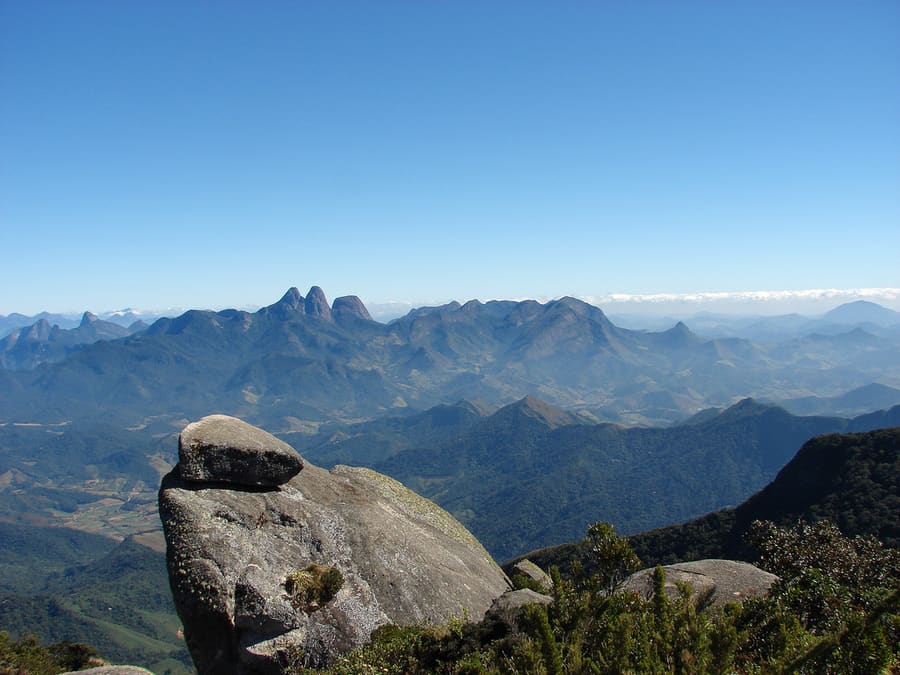
Pico da Caledônia
A 2,257-metre summit offering views over the entire range. Climb 600 concrete stairs past the security gate to reach the top.
Ask ParleyBrazil
Mountain air, Swiss origins, and Brazil's textile capital.
introduction
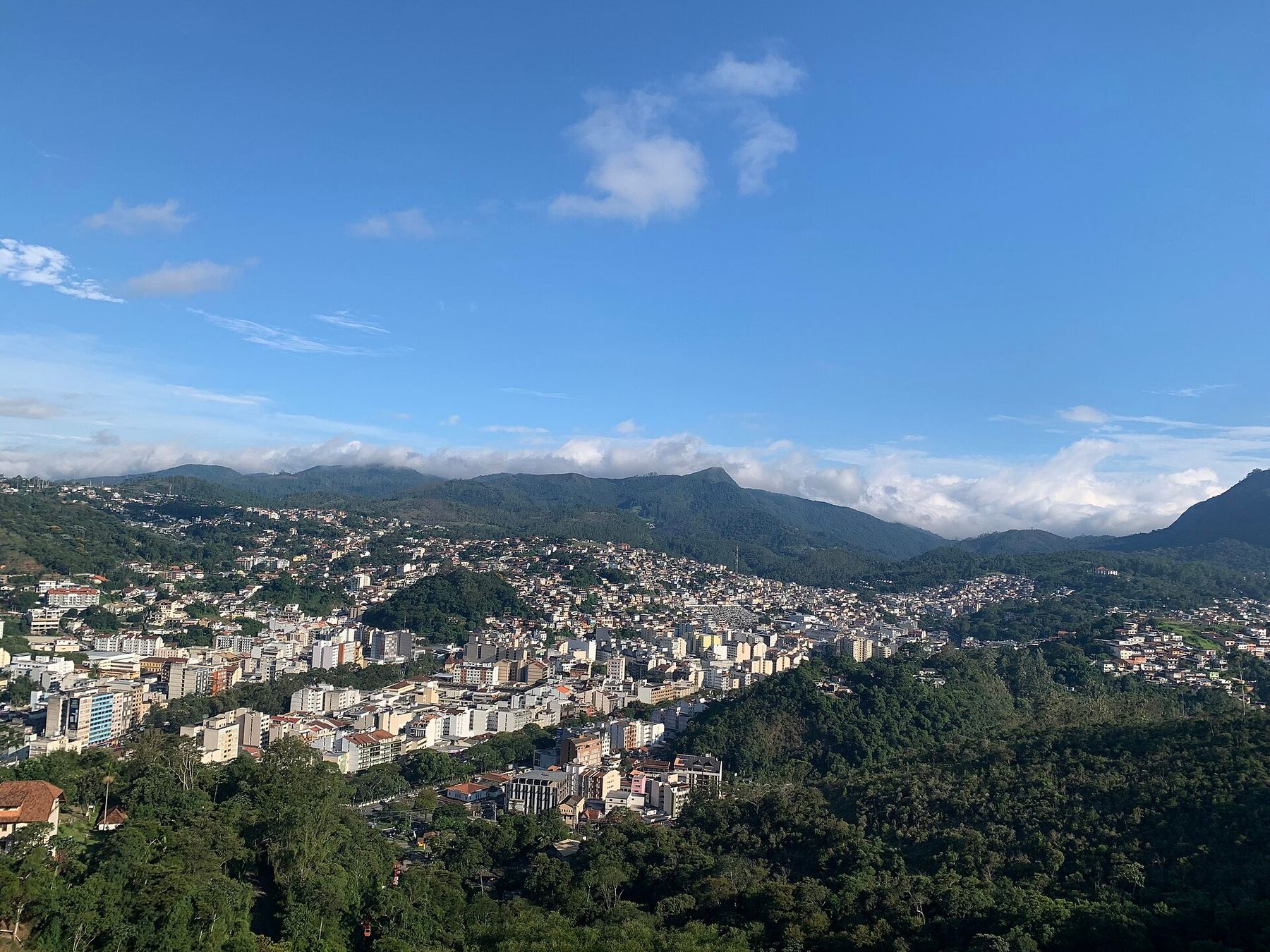
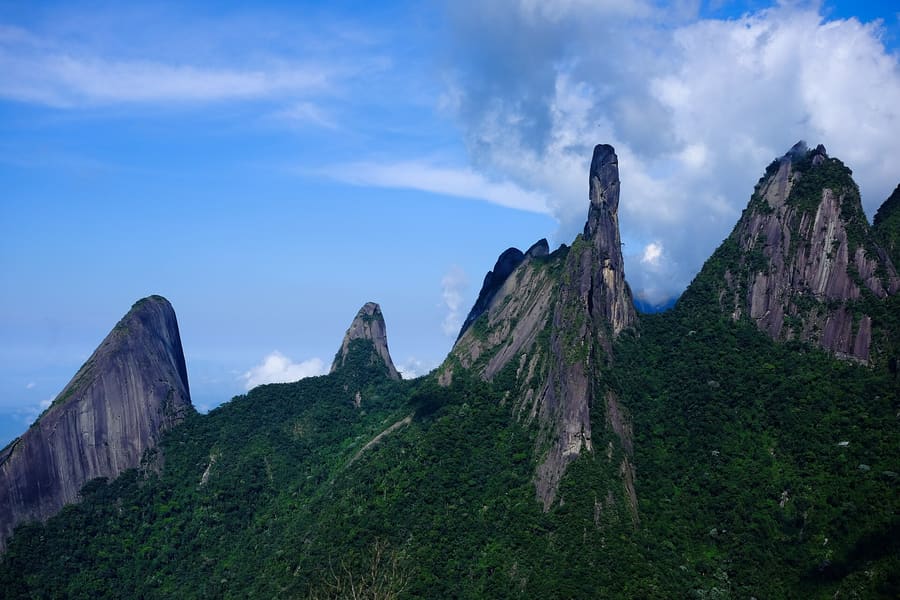
Set in the Serra Fluminense at 840 metres elevation, Nova Friburgo offers cool mountain air three hours inland from Rio de Janeiro. The layout follows a narrow valley floor anchored by Praça Getúlio Vargas, while steep granite peaks border every horizon. You come here for hiking Pico da Caledônia, buying locally manufactured textiles, and eating mountain trout rather than beach fare. Navigating requires private wheels for outer waterfalls or municipal buses along the central avenue corridor.
Arriving by road
Buses run directly from Rio de Janeiro to Nova Friburgo in three hours. Avoid Friday afternoon departures when weekend escape traffic doubles transit time.
High elevation weather
At 840 metres altitude, winter temperatures frequently drop below 10°C at night. Pack warm layers even if coastal Rio is sweltering.
Pico da Caledônia access
The peak path passes through a restricted military guard zone open only on select days. Confirm access hours locally before making the steep drive.
Nova Friburgo
Jorge Antonio de Oliveira Vicente · CC BY-SA 3.0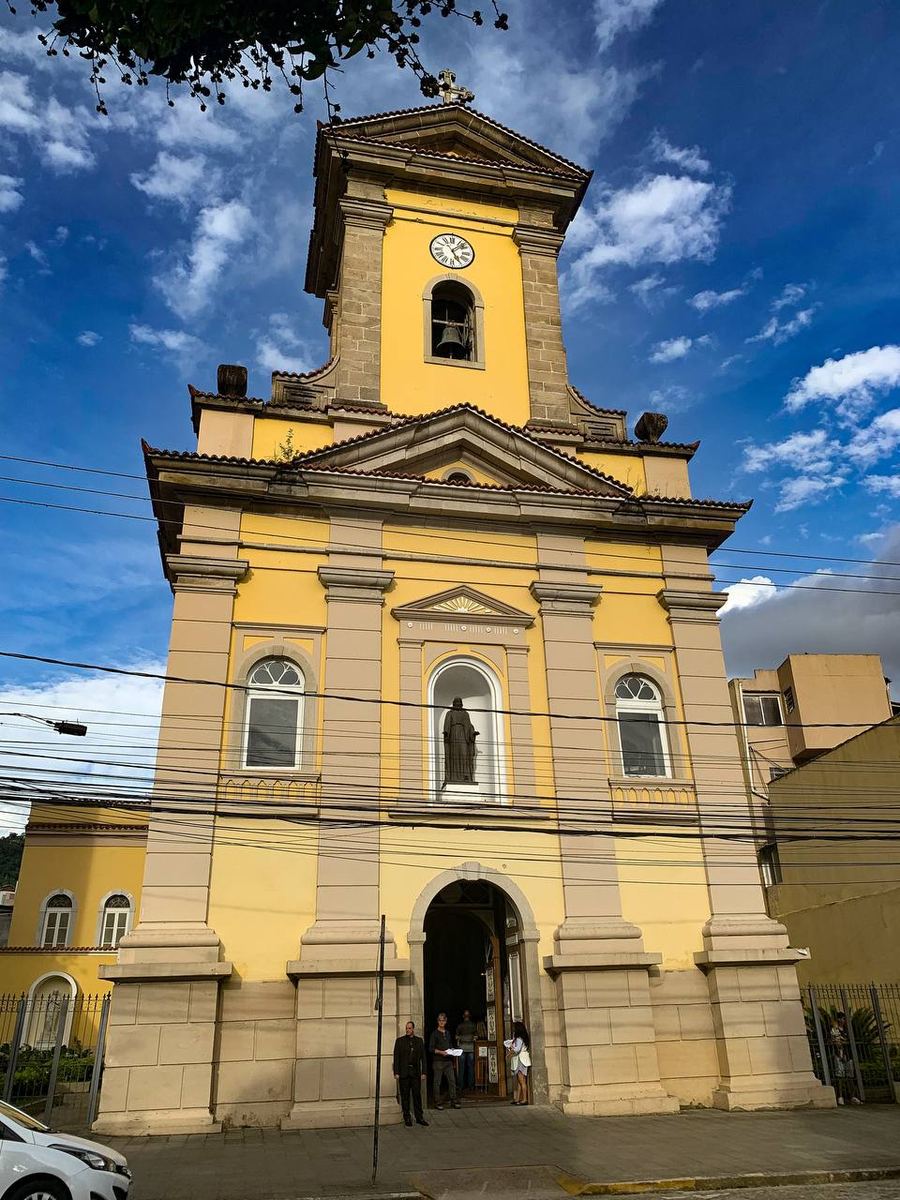
Centro — Urban core defined by banks, civic squares, and high-density commercial streets.
Vitorperrut555 · CC BY-SA 4.0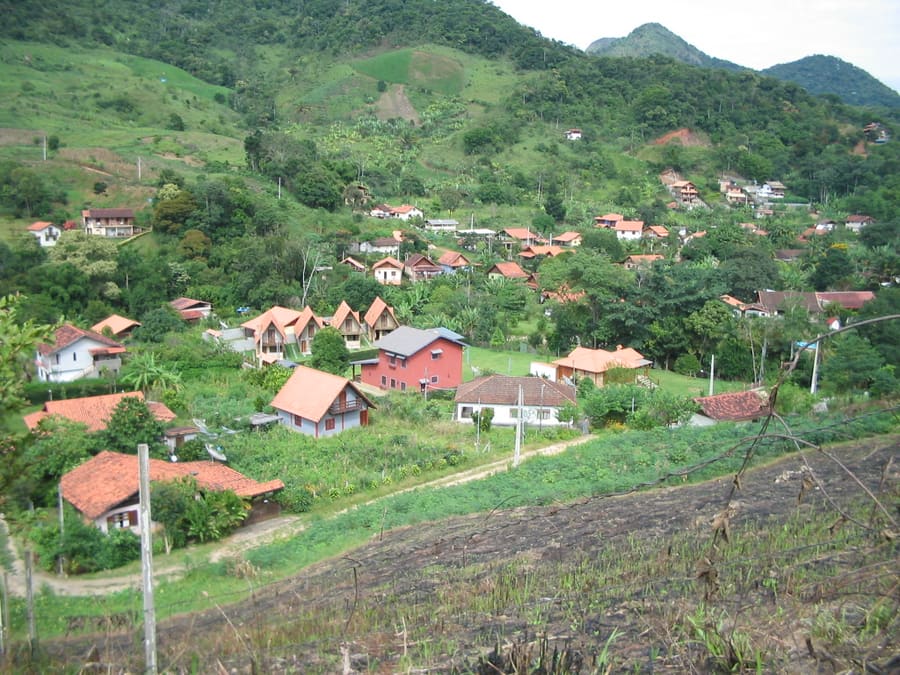
Lumiar — Rural mountain village set beside clear rivers, waterfalls, and dirt trails.
marcusrg on https://www.flickr.com/people/canoafurada/ · CC BY 2.0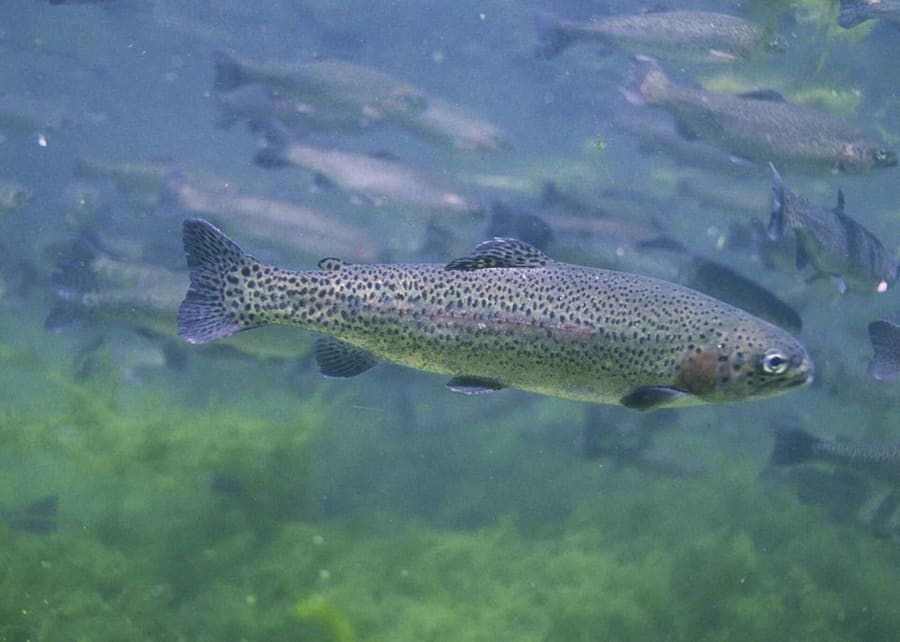
Pan-seared fresh trout from Macaé de Cima, served with herbs.
Engbretson Eric, U.S. Fish and Wildlife Service · Public domainhighlights
landmark
A 2,257-metre summit offering views over the entire range. Climb 600 concrete stairs past the security gate to reach the top.
Ask Parley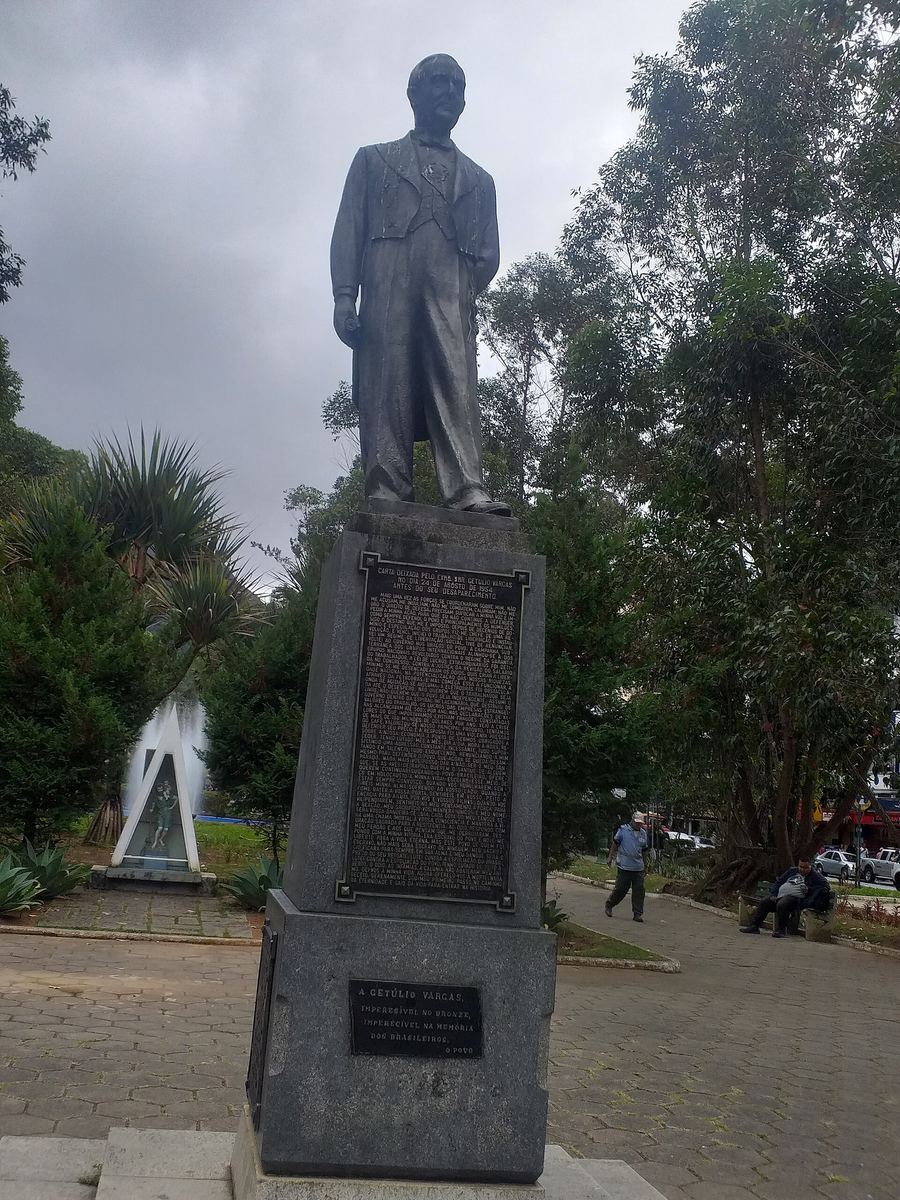
landmark
The city's central square, framed by century-old century eucalyptus trees planted by French landscape architect Auguste Glaziou.
Ask Parley
landmark
Former estate grounds designed in the 19th century. Pay the day-visitor fee to walk the manicured grounds and lakes.
Ask Parleylandmark
A mountain district 35 km east known for river rapids and waterfalls. Go mid-week to avoid day-tripper crowds from Rio.
Ask Parleyattractions
areas
Urban core defined by banks, civic squares, and high-density commercial streets.
NearbyPraça Getúlio Vargas and Teleférico
Ask ParleyRural mountain village set beside clear rivers, waterfalls, and dirt trails.
NearbyPoço Belo and Encontro dos Rios
Ask ParleyLeafy residential zone housing the city's finest restaurants and gastropubs.
NearbyVia Expressa and southern bypass routes
Ask ParleyWorking-class district dominated by garment outlets and textile workshops.
NearbyPresidente Costa e Silva Avenue
Ask Parleyfood
Nova Friburgo's culinary identity sits on two pillars: cold-water trout farming in the surrounding mountain valleys and European heritage dishes in the district of Mury. Cold river water allows local hatcheries in Macaé de Cima to supply fresh trout daily, usually pan-seared with almonds or capers.German and Swiss influences survive in specialized bakeries and fondue houses along the RJ-116 highway corridor. Craft breweries have also multiplied across Cônego, drawing on pure mountain water sources to produce German-style lagers and ales.
Pan-seared fresh trout from Macaé de Cima, served with herbs.
Engbretson Eric, U.S. Fish and Wildlife Service · Public domainOrder fresh trout in Mury or Macaé de Cima rather than downtown cafes to guarantee same-day catch quality.
Dining rooms in Cônego fill quickly with visitors driving up from Rio on Saturdays. Reserve tables by noon.
Virtually all established restaurants accept debit and credit, though small bakeries in Lumiar still prefer Pix transfer.
history
King John VI of Portugal established Nova Friburgo by royal decree in 1818 to promote European agricultural settlement in Brazil. The first 1,600 Swiss immigrants arrived from the canton of Fribourg in 1819, founding the settlement high in the coastal mountain range.German settlers joined the colony in 1824. When farming proved difficult in the rugged terrain, the local economy pivoted toward textile manufacturing in the early 20th century, eventually establishing the town as Brazil's intimate apparel capital.
Royal decree issued
King John VI authorizes Swiss settlement to populate the inland mountains.
Swiss founding
Settlers establish the municipality, naming it after their home canton.
German arrival
The first German immigrants arrive, diversifying the agricultural base.
Industrial shift
Textile mills open, replacing agriculture as the main employment engine.
where to stay
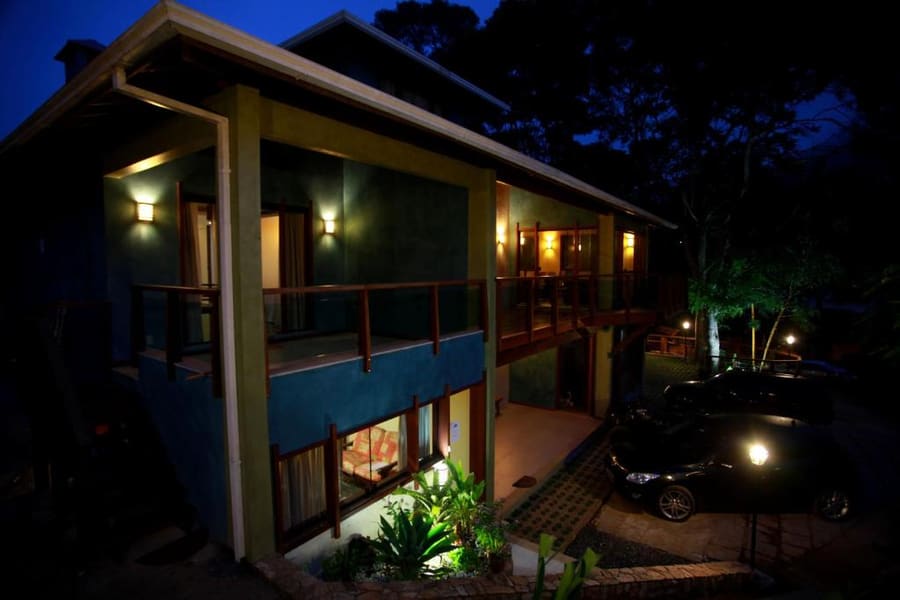
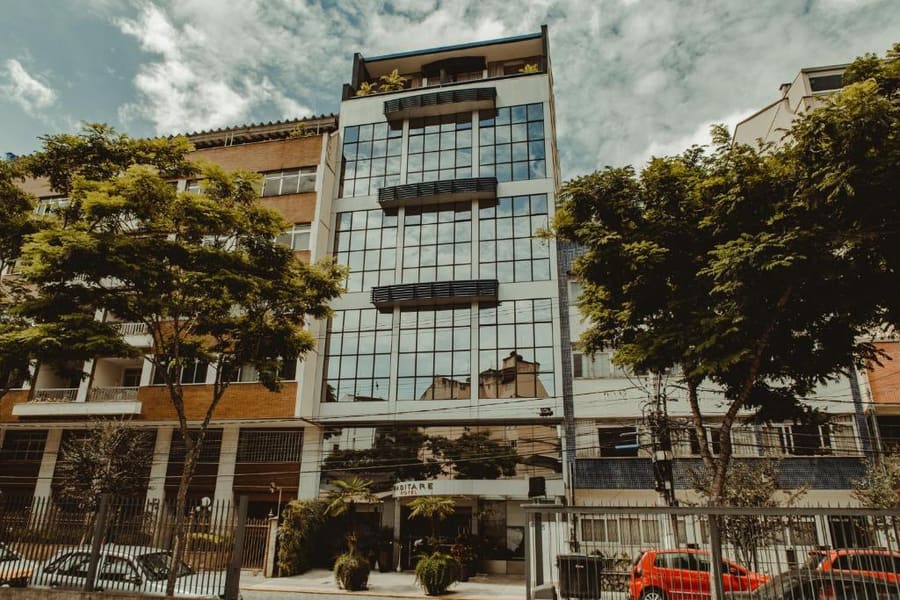
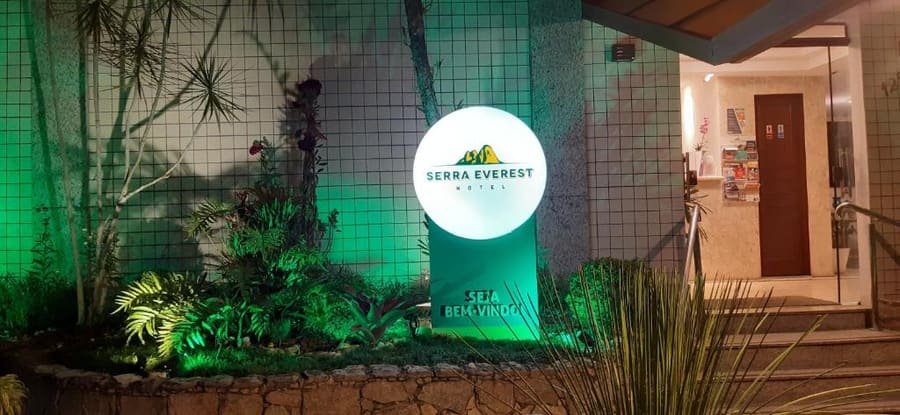
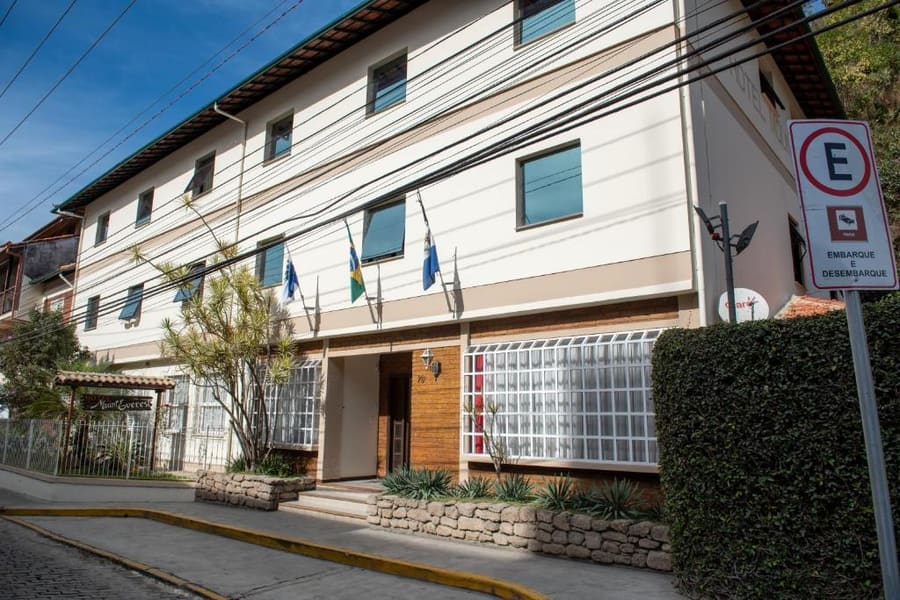
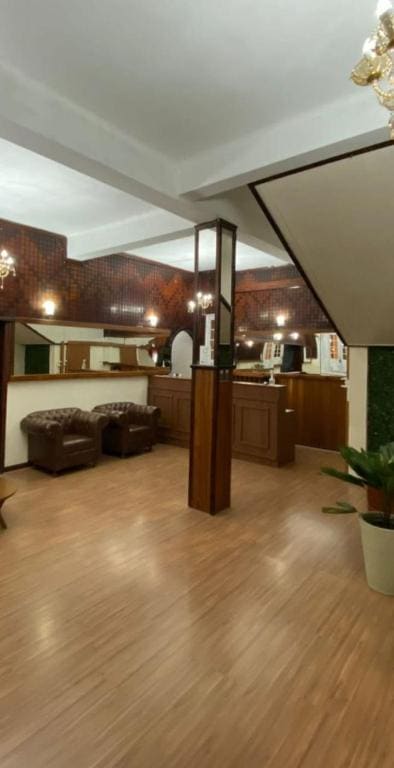
Base your decision on whether you require central transit connections or rural quiet. Centro provides walking access to commercial services, restaurants, and intercity bus stops. Choose Cônego or Mury for higher-end dining and mountain air, or opt for Lumiar if your priority is waterfall access and rural guesthouses.
Live rates, matched to the areas above.
transport
The main urban zone sits inside a long valley. Municipal buses operated by Faol run along the central north-south axis linking Centro, Olaria, and Cônego. Reaching rural districts like Lumiar or trailheads like Pico da Caledônia requires a personal vehicle, taxis, or scheduled rural bus routes.
From Rio de Janeiro Galeão Airport (GIG)
Pre-booked driver picks you up directly at airport arrivals.
Drivers may decline long intercity trips; confirm destination before departure.
Urban buses accept cash or the local transport card. Board via the front door in Nova Friburgo.
Buses from Centro to Lumiar run every 1–2 hours. Check schedules at the urban bus terminal before heading out.
Uber operates reliably within Centro and Cônego, but coverage drops off significantly in Lumiar and Mury.
Official taxi ranks operate at Praça Getúlio Vargas and the main bus terminal. Rates run on meters inside city limits.
cost
Nova Friburgo is generally more affordable than coastal Rio de Janeiro. Everyday transport and casual lunches offer good value, while upscale trout dining or specialized craft beer in Cônego matches capital price levels.
Main meal price at established trout restaurants in Mury or Cônego.
Standard single fare across urban routes operated by Faol.
Round trip cable car journey to Morro da Cruz.
Draft pour at local microbreweries in Cônego.
seasonality
DEC – FEB
Warm daytime temperatures with frequent afternoon rain showers. High river flow makes waterfalls lively.
MAR – MAY
Clear skies and moderate temperatures. Ideal conditions for hiking Pico da Caledônia.
JUN – AUG
Coldest months with crisp night air. Peak season for fondue dining and mountain winter festivals.
SEP – NOV
Mild spring weather with blooming hillsides. Rain risk increases slowly into late November.
practicalities
Garment shops in Olaria close by 18:00 on weekdays and early on Saturday afternoons.
The high elevation intensifies solar radiation even on overcast days. Sun protection is necessary.
Violent crime rates are much lower than in coastal Rio, though standard urban vigilance applies at night.
Granite rock faces on regional trails turn slick when wet. Wear shoes with deep rubber tread.
Coverage drops completely in mountain valleys between Mury, Lumiar, and Macaé de Cima.