
landmark
Otaru Canal
Walk the restored 1923 waterway at dusk when 63 gas lamps ignite. Summer boat tours fill early; reserve online to skip the pier line.
Japan
A herring-rush port turned glass town and sushi capital.
Otaru was once the financial hub of Hokkaido and the centre of Japan's herring trade. Today, late 19th-century stone warehouses line a narrow canal, housing craft breweries, glassworks, and seafood counters. The town fits into a single day from Sapporo, but staying overnight lets you walk empty streets after the tour buses clear out.
Fresh nigiri sushi featuring local Ishikari Bay catches on Sushiya-dori.
01
landmark
Walk the restored 1923 waterway at dusk when 63 gas lamps ignite. Summer boat tours fill early; reserve online to skip the pier line.
landmark
Browse preserved merchant storefronts selling blown glass and cheese tart sweets. Pedestrian crowds peak by 11:00.
landmark
Ride four minutes up Mt. Tengu for a panoramic view over Otaru Port. Late-afternoon passes cover sunset and evening lights.
landmark
A 1912 red-brick building housing thousands of custom music boxes. The steam clock outside chimes every 15 minutes.
landmark
Navigate a steep, narrow alley packed with fishmongers serving custom sea urchin and salmon roe bowls from 07:00.
02
03
Stone warehouses and illuminated water paths. Bustling by day, quiet after 19:00.
NearbyOtaru Canal, Financial District, Ironai Street
Ask ParleyHistoric merchant strip dominated by glass studios, sweets shops, and daytime visitors.
NearbyMusic Box Museum, Kitaichi Glass, LeTAO Main Store
Ask ParleyFunctional downtown quarter centred on transport links and dense sushi alleys.
NearbyOtaru Station, Sankaku Market, Sushiya-dori
Ask ParleyRugged coastal fishing hamlet home to historic herring mansions and steep ocean cliffs.
NearbyFormer Aoyama Villa, Otaru Aquarium, Shukutsu Panorama Deck
Ask Parley04
Otaru's culinary reputation rests on Sushiya-dori (Sushi Street) and the immediate freshness of local catches from Ishikari Bay. Sea urchin (uni) and salmon roe (ikura) served over rice at form the standard local breakfast. Away from the waterfront, Naruto Main Shop popularized hanmi-age, a deep-fried half chicken with salted crispy skin that remains Otaru's staple comfort food.
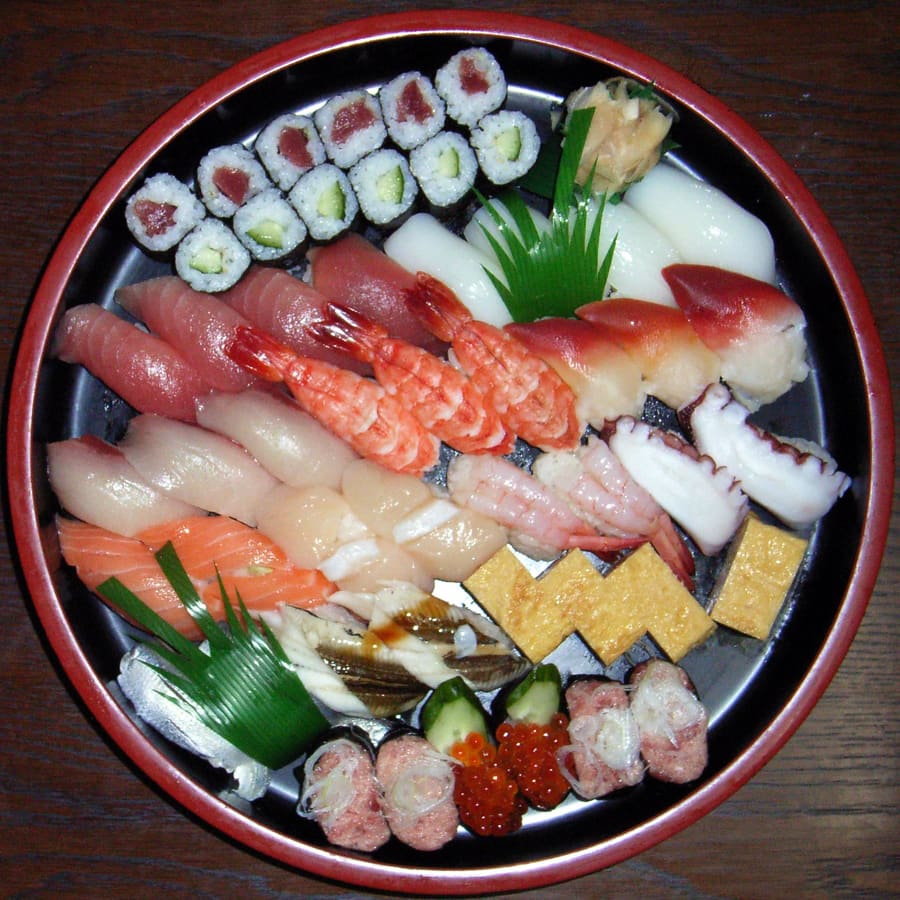
Fresh nigiri sushi featuring local Ishikari Bay catches on Sushiya-dori.
Shakotan Peninsula sea urchin season runs strictly from June through August. Outside these months, uni is often imported or defrosted.
Stalls inside Sankaku Market open at 07:00. Arrive by 07:30 to secure a counter seat without waiting an hour.
High-end counters like Masa-zushi require reservations weeks ahead for dinner. Lunch set menus accept walk-ins at 11:00.
05
Herring fishing transformed Otaru from a small coastal settlement into Hokkaido's primary trading port. During the late 19th century, immense wealth generated by the herring rush funded elaborate mansions and grand stone bank branches, earning Ironai Street the title 'Wall Street of the North'. As fish stocks collapsed in the mid-20th century, the city pivoted away from heavy shipping to preserve its historic canal and industrial architecture for culture and craft.
Port Designation
Otaru is declared an open international trade port, accelerating coal exports and coastal shipping.
Canal Construction
The Otaru Canal is completed to allow smaller barges to offload cargo directly into stone warehouses.
Herring Collapse
Overfishing causes the collapse of local herring stocks, shifting the city's focus to general freight and tourism.
Canal Restoration
After years of public debate over filling it in, the Otaru Canal is restored with walking paths and gas lamps.
06
Choose your hotel base by your evening priorities. Stay near Otaru Station for early transit access and morning market trips. Book along the if you want quiet waterside walks after day-trippers return to Sapporo.
Highly rated hotels in Otaru.
See more Otaru hotels07
Central Otaru is compact and walkable. The distance from Otaru Station down to the canal takes ten minutes on foot. Local buses run regularly to outlying attractions like Mount Tengu and Shukutsu.
Kitaca, Suica, and Pasmo work on JR trains between Sapporo and Otaru. Tap turnstiles without buying paper tickets.
Local Chuo buses link Otaru Station to Shukutsu and Mount Tengu. Pay cash or IC card upon alighting at the front door.
The last direct JR train from Otaru to Sapporo leaves around 23:00. Missing it forces an expensive taxi ride.
You can walk from Otaru Station to the canal in 10 minutes, then down in another 15 minutes.
08
Otaru pricing scales with seasonal seafood availability. Expect higher meal prices for sea urchin during summer months, while general transit and museum entry costs stay stable year-round.
Prices depend on sea urchin and crab toppings. Standard salmon roe bowls cost less than multi-topping options.
Includes half a deep-fried chicken, rice, and miso soup. A filling budget alternative to raw seafood.
Covers unlimited rides on Chuo buses within city limits, including routes to Tenguyama and Shukutsu.
Daytime cruises cost ¥1,800; night cruises cost ¥2,200 for a 40-minute guided trip along the canal.
09
MAR – MAY
Cool spring weather. Snow melts by late April, leaving wet streets and low crowd levels before summer.
JUN – AUG
Peak summer season and Shakotan uni season. Clear bay views draw heavy daytime tour groups to Sakaimachi.
SEP – NOV
Autumn foliage peaks on Mt. Tengu in October. Crisp temperatures bring seasonal autumn salmon to markets.
DEC – FEB
Heavy snowfall covers stone warehouses. The Otaru Snow Light Path festival lights gas lamps and ice lanterns in February.
10
Retail craft shops on Sakaimachi close around 18:00. Evening life centers on Sushiya-dori and canal bars.
Sidewalks freeze solid in winter. Buy rubber shoe spikes (crampons) sold at station convenience stores for ¥1,000.
stalls and small sushi bars frequently require cash payment. Convenient ATMs sit inside 7-Eleven stores.
Otaru rises sharply from the harbour toward the hills. Walking south from Otaru Station involves steep uphill steps.
Held every February for ten days. Volunteers place handcrafted ice lanterns along the canal and abandoned Temmiya railway line.
Contents
Your trip
Going to Otaru?
Tell Parley when you’re going and what you enjoy, and it plans the days around this guide.
Plan with Parley


