landmark
Plaza de Armas
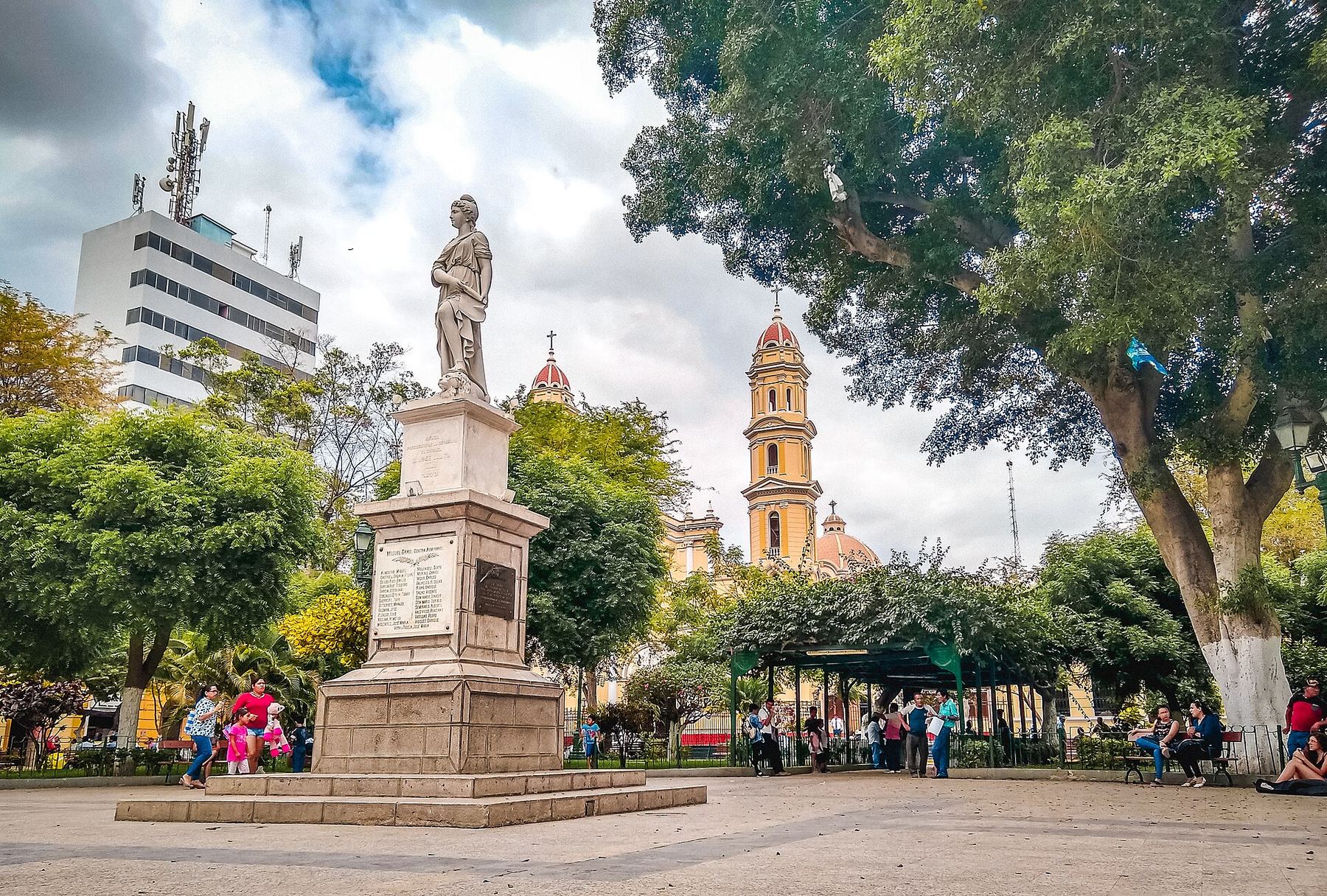
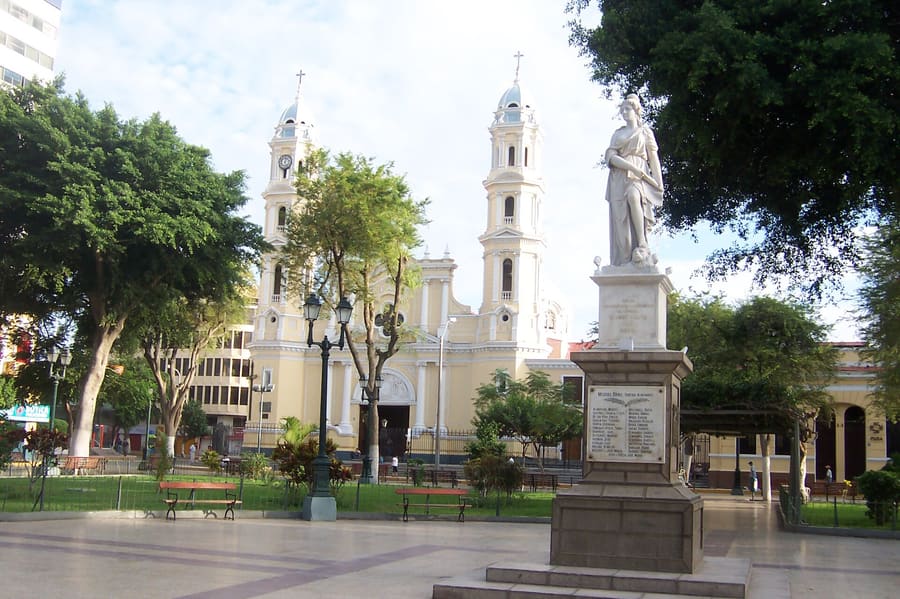
Tamarind trees shade the main square. The marble statue Pola stands at its center.
Ask ParleyPeru
Northern warmth, desert sun, and ancestral plantain stew.
introduction
Piura is Peru’s oldest Spanish city, anchored by riverbanks and desert heat. You navigate it between quiet mid-day lulls and breezy evenings along the Plaza de Armas. Taxis and mototaxis dominate transport across the Piura River bridge. Come for distinct northern flavors that match the equatorial sun.
Airport arrival speed
PIU airport sits just four kilometers from the city centre. Taxis charge around 15 to 20 soles to downtown hotels.
First Spanish settlement in Peru
Pizarro founded San Miguel de Piura in 1532. It remains the oldest permanent European city in Peru.
The chichería flag system
A white cloth flag outside a house means fresh chicha de jora is ready inside. Red flags signal hot meals.
Piura
Lunaprin 12 · CC BY-SA 4.0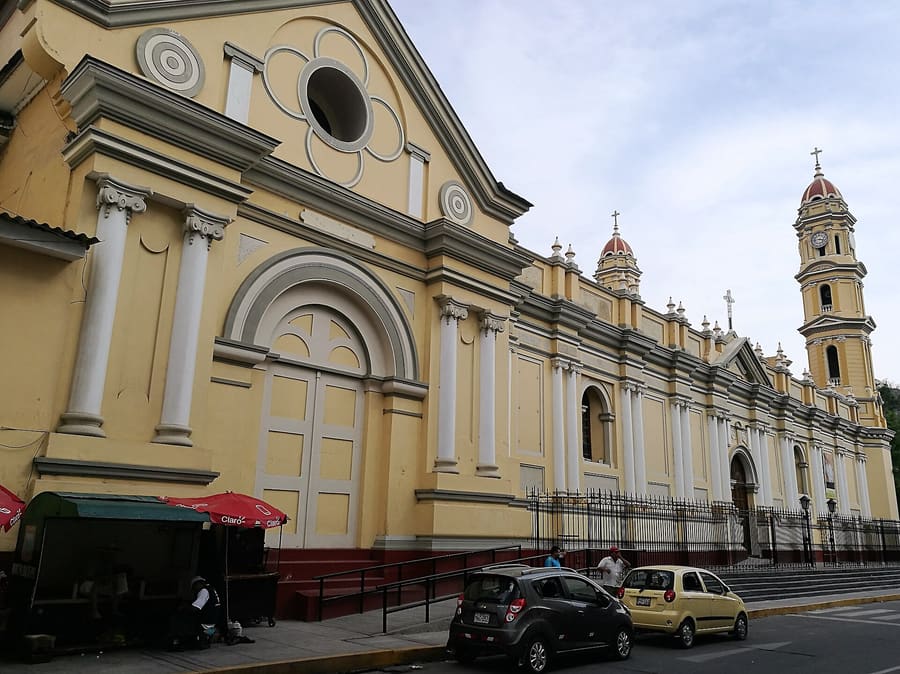
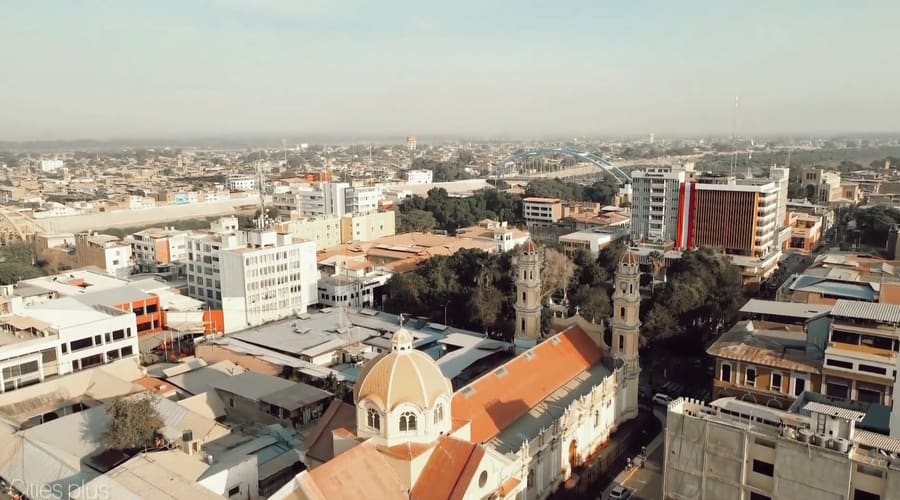
Centro Histórico — Grid streets around the cathedral, heavy mototaxis, colonial bank buildings, and shaded plazas.
Pitxiquin · CC BY-SA 4.0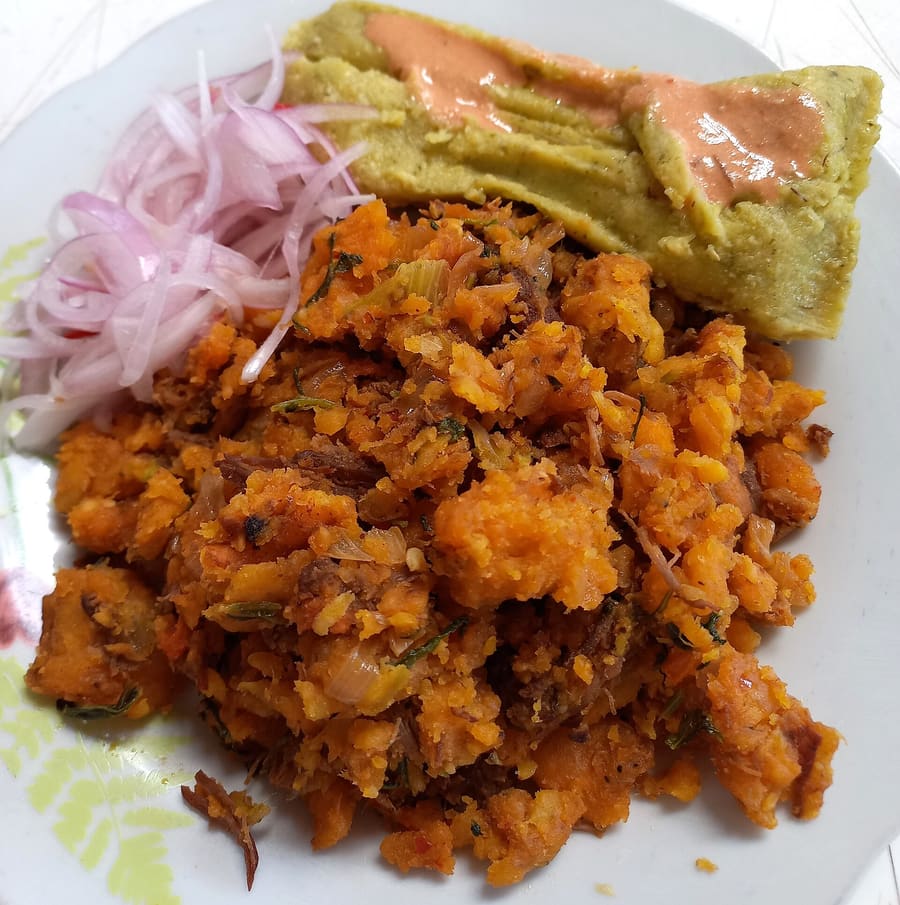
Seco de chavelo, a signature Piuran dish made from green plantains and Cecina.
Illary.2024 · CC BY-SA 4.0highlights
landmark
Tamarind trees shade the main square. The marble statue Pola stands at its center.
Ask Parley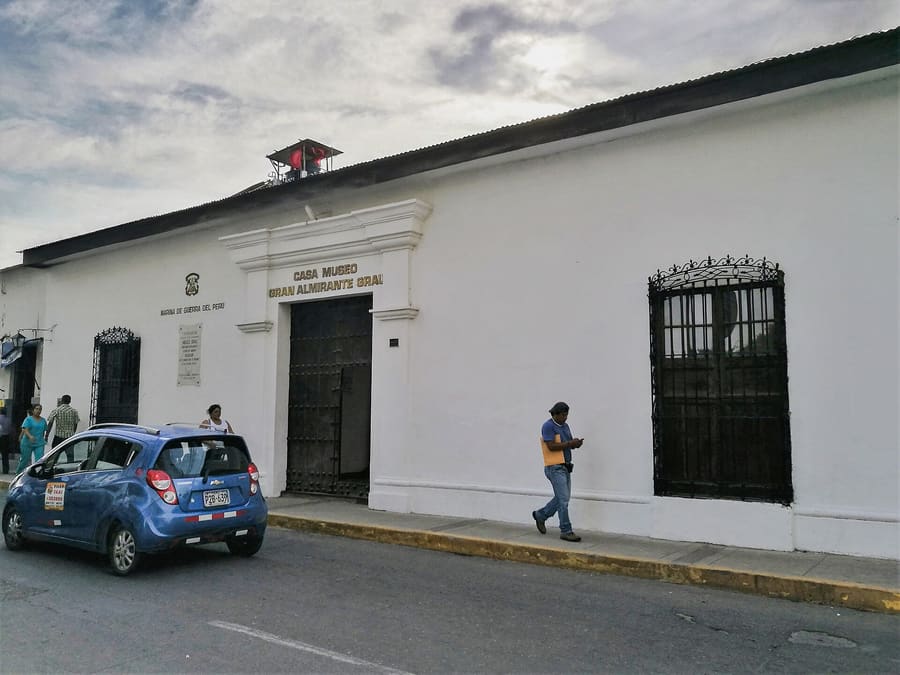
landmark
The birthplace of naval hero Miguel Grau. Preserves 19th-century domestic rooms and letters.
Ask Parley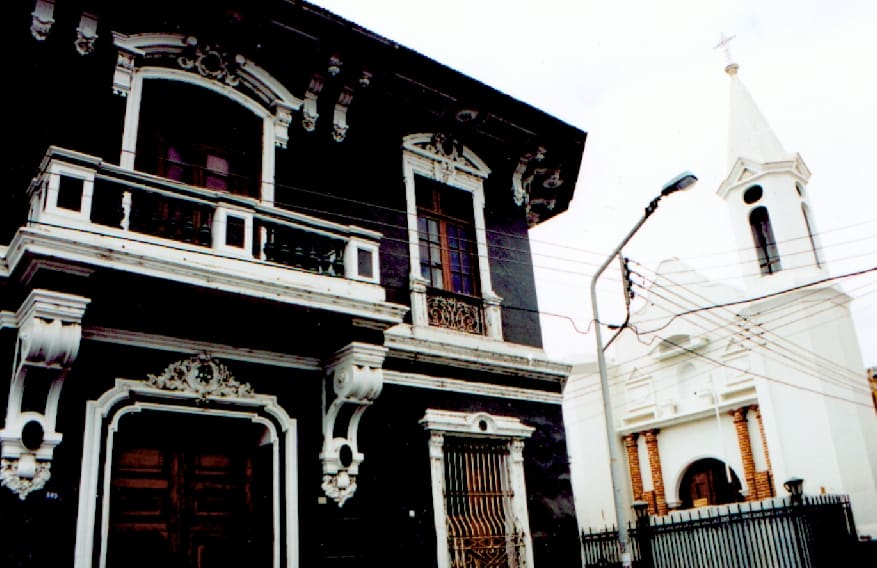
landmark
Built by Franciscans in the 18th century. Local independence was proclaimed here in 1821.
Ask Parley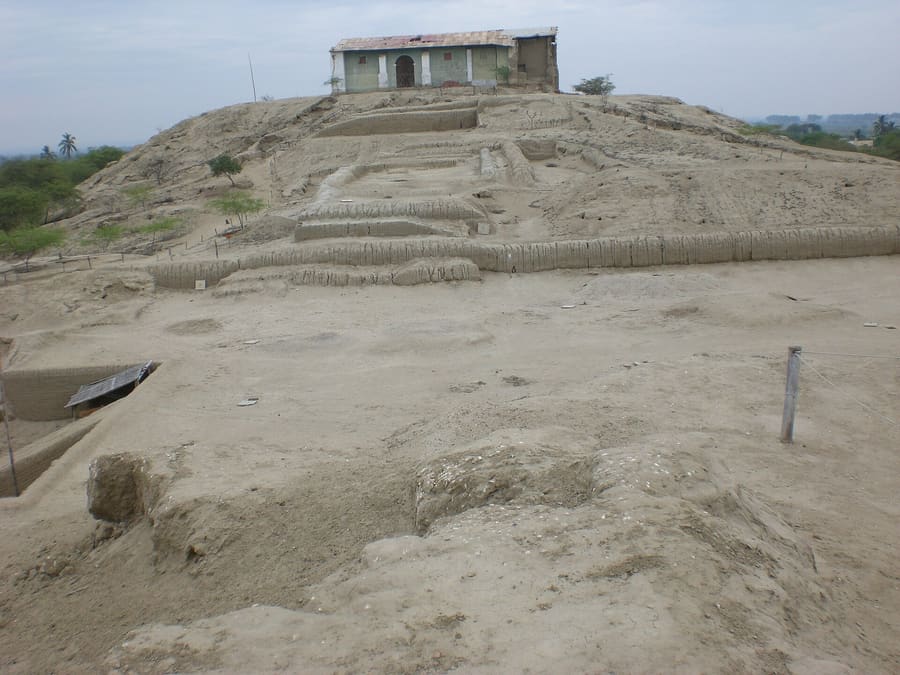
landmark
Adobe pyramid built by the Tallán culture. Located 14 kilometers south of downtown.
Ask Parleyattractions
areas
Grid streets around the cathedral, heavy mototaxis, colonial bank buildings, and shaded plazas.
NearbyPlaza de Armas and Casa Grau.
Ask ParleyQuiet residential quarter north of the center with tree-lined streets and modern cafes.
NearbyReal Plaza shopping center.
Ask ParleyArtisan satellite town famous for silver filigree, clay pots, and traditional picanterías.
NearbyCalle Comercio and Narihualá.
Ask ParleySemi-rural strip north along the river home to open-air restaurants and country estates.
NearbyCurumuy canal and country clubs.
Ask Parleyfood
Piura cooks with green plantains, dried beef, and carob syrup. Seco de chavelo blends shredded cured beef with fried green plantains beaten down by hand. Majado de yuca follows a similar path, pounding cassava with garlic and fried pork chicharrón. Local picanterías serve these dishes alongside cold chicha de jora poured from clay pitchers.
Seco de chavelo, a signature Piuran dish made from green plantains and Cecina.
Illary.2024 · CC BY-SA 4.0Traditional picanterías open by 11:00 and run out of daily specials by 15:00. Dinner is light or non-existent in traditional spots.
Chicha de jora is served in hollowed gourd vessels called potos. Ask for claro if you want the lighter, strained top layer.
During Lent and every Friday year-round, order malarrabia: mashed ripe plantain, goat cheese, fish, and seasoned rice.
history
Long before Spanish ships appeared, the Tallán civilization farmed this river valley and established trade networks along the coast. Francisco Pizarro founded San Miguel de Piura in 1532, moving the site three times before settling at the current riverbank due to malaria and water supply issues. Piura declared independence from Spain on January 4, 1821, after multiple towns including Supe, Lambayeque, and Trujillo had already proclaimed independence in late 1820.
Early independence
Piura declares independence from Spanish rule on January 4, preceding Lima by six months.
Grau's birth
Admiral Miguel Grau, Peru's national hero of the War of the Pacific, is born in central Piura.
El Niño flooding
Catastrophic El Niño rains flood the city center, restructuring the river defenses and bridges.
where to stay
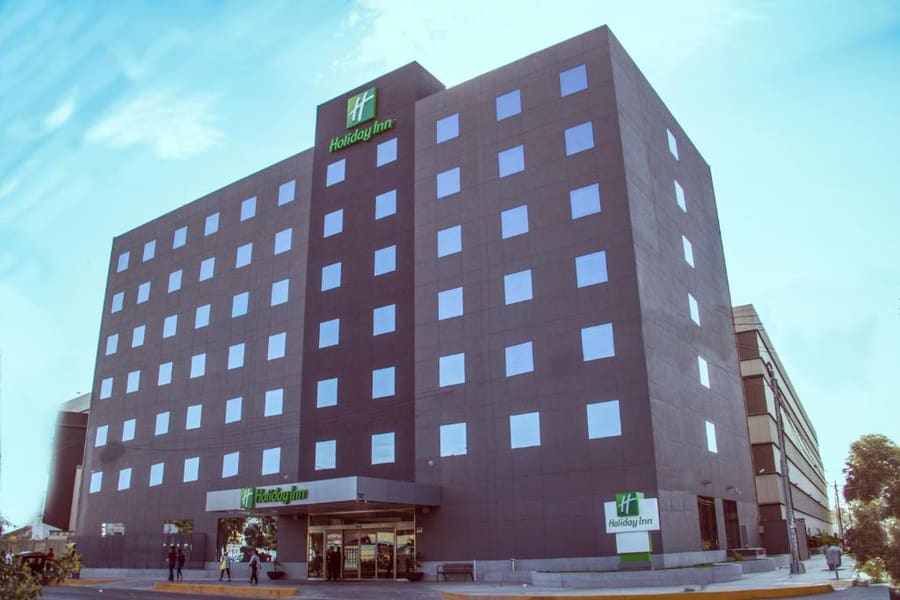
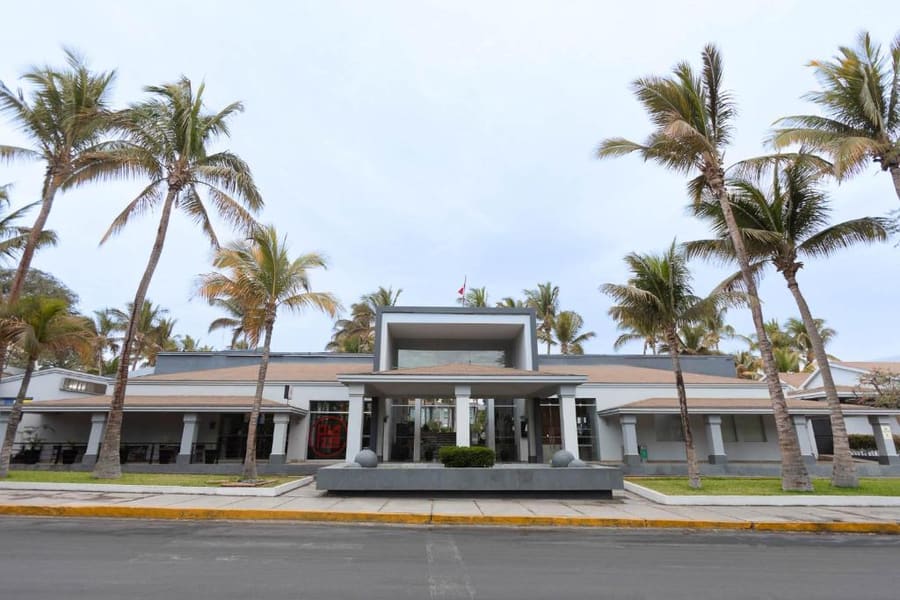
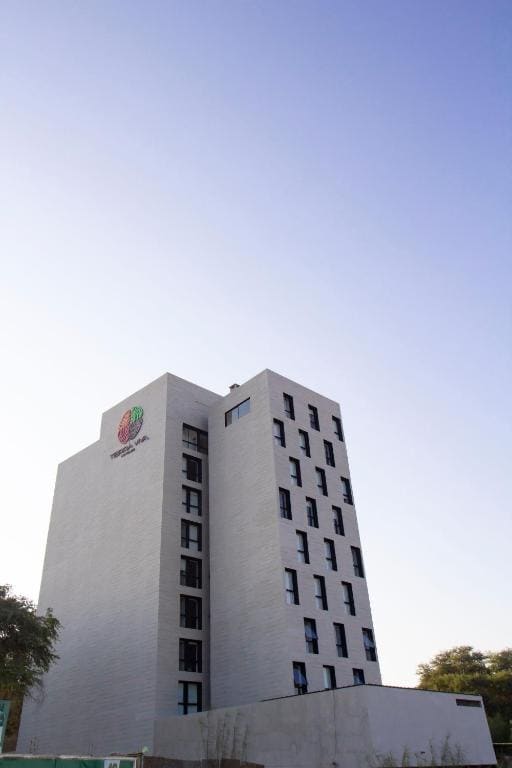
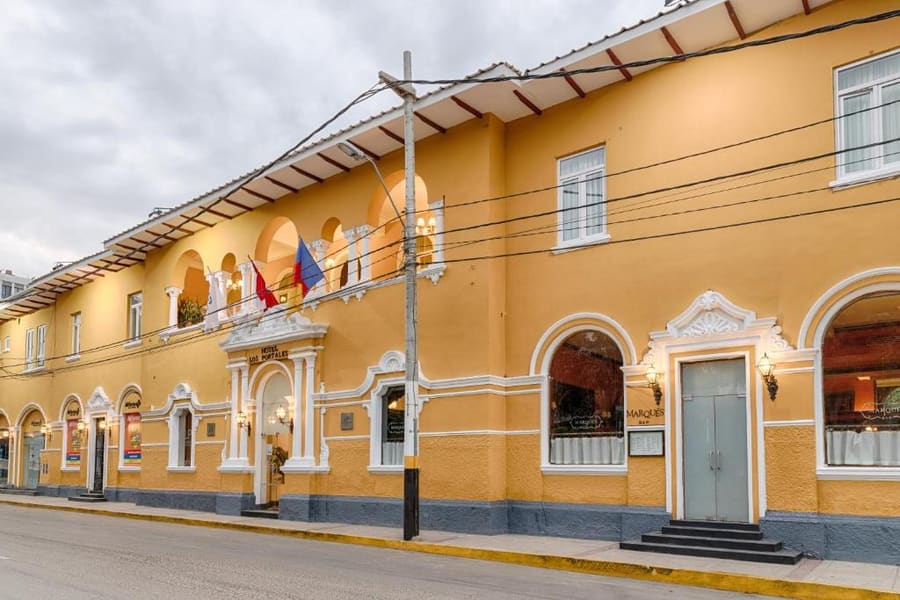
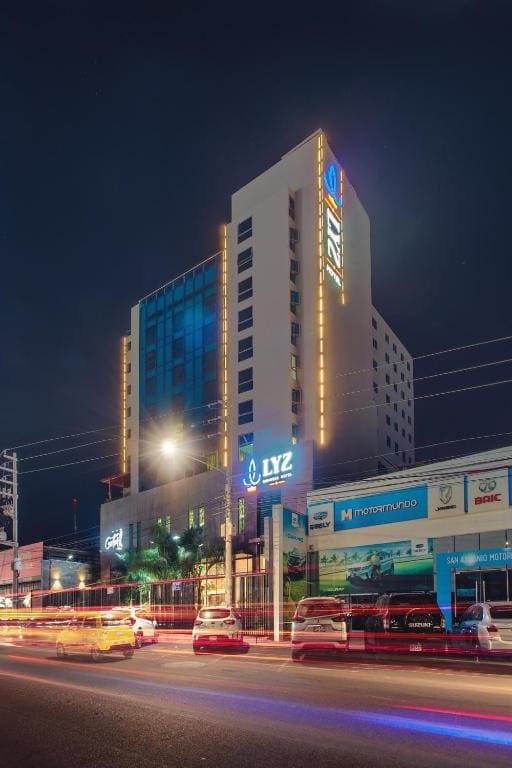
Choose your base depending on heat tolerance and evening plans. Centro Histórico keeps you within walking distance of colonial sites and banking hubs. Santa Isabel offers quieter residential streets with modern boutique stays. Los Ejidos suits long visits where pool access and large gardens compensate for taxi rides into town.
Live rates, matched to the areas above.
transport
Piura lacks a metro or public bus network with published routes. You rely on licensed street taxis and three-wheeled mototaxis. Mototaxis dominate short suburban journeys and town transport in Catacaos, but they cannot cross certain major bridges into central high-traffic zones.
From Capitán FAP Guillermo Concha Iberico International Airport (PIU)
Official airport taxis line up outside baggage claim. Confirm the fare before getting in.
Available outside the main airport gate. Not suitable for travelers with large hard suitcases.
Uber and InDrive operate locally. Pickup waits occur directly in front of terminal doors.
Mototaxi drivers do not accept credit cards. Keep S/2 and S/5 coins for local trips.
Taxis in Piura do not use meters. Negotiate your total fare before stepping inside.
Shared cars to Catacaos leave constantly from Avenida Sánchez Cerro for S/4 per seat.
Traffic across Puente Sánchez Cerro stalls between 13:00 and 14:00 during lunch hours.
cost
Piura remains far cheaper than Lima or Cusco. Food prices reflect strong agricultural surrounding valleys. Cash is essential for craft stalls, traditional picanterías, and local rides.
Generous portion of seco de chavelo or majado de yuca with a small jug of chicha.
Standard daytime rate anywhere within the central urban perimeter.
Freshly poured chicha de jora served in a traditional gourd vessel in Catacaos.
One-way seat in a shared taxi departing from central Piura.
seasonality
JAN – MAR
Peak summer heat exceeding 34°C. Highest rainfall chance and humid afternoons.
APR – JUN
Temperatures drop slightly. Excellent weather for exploring Catacaos craft markets.
JUL – SEP
Cooler dry winds, clear skies, and daytime averages around 26°C.
OCT – DEC
Warmth returns steadily. Low rainfall and dry sunny conditions throughout.
practicalities
Ultraviolet index remains extreme year-round. Carry a hat and sunblock even on overcast mornings.
Small shops close between 13:00 and 16:00 during maximum desert heat.
BCP and Interbank ATMs sit on Calle Grau off the main square for reliable cash withdrawals.
Apply insect repellent in early evening along the river and green areas in Los Ejidos.
Buses to Máncora and El Ñuro depart frequently from Gechisa terminal on Avenida Sánchez Cerro.