landmark
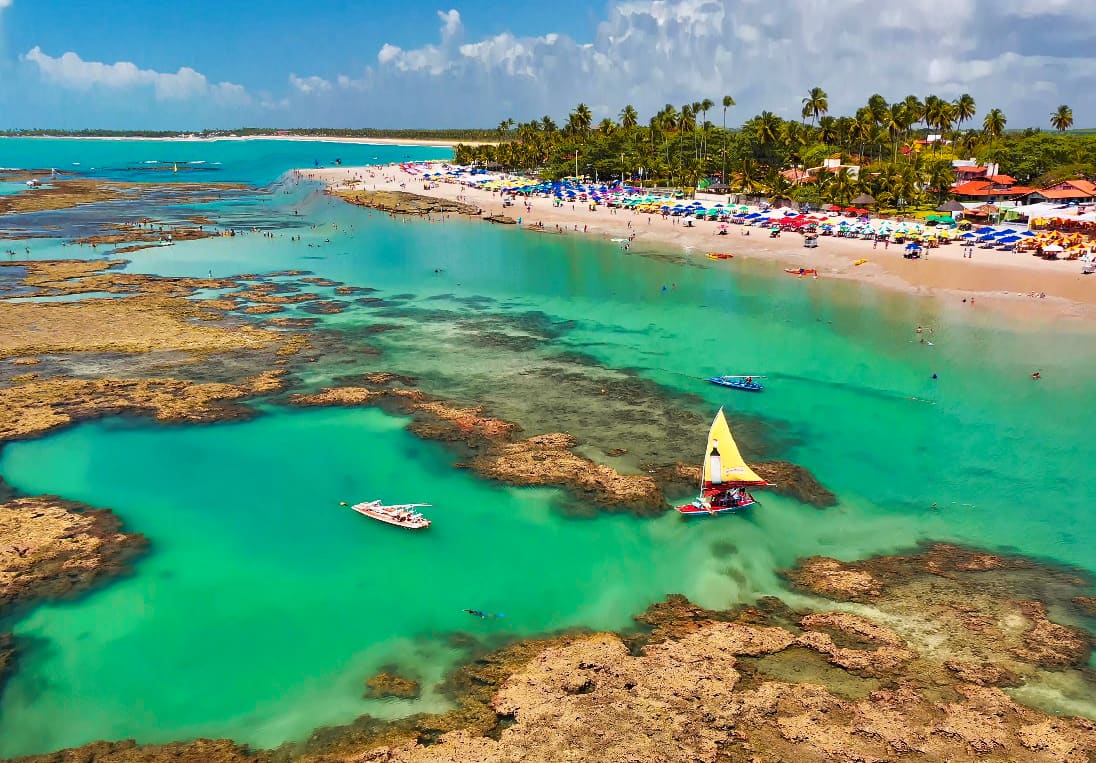
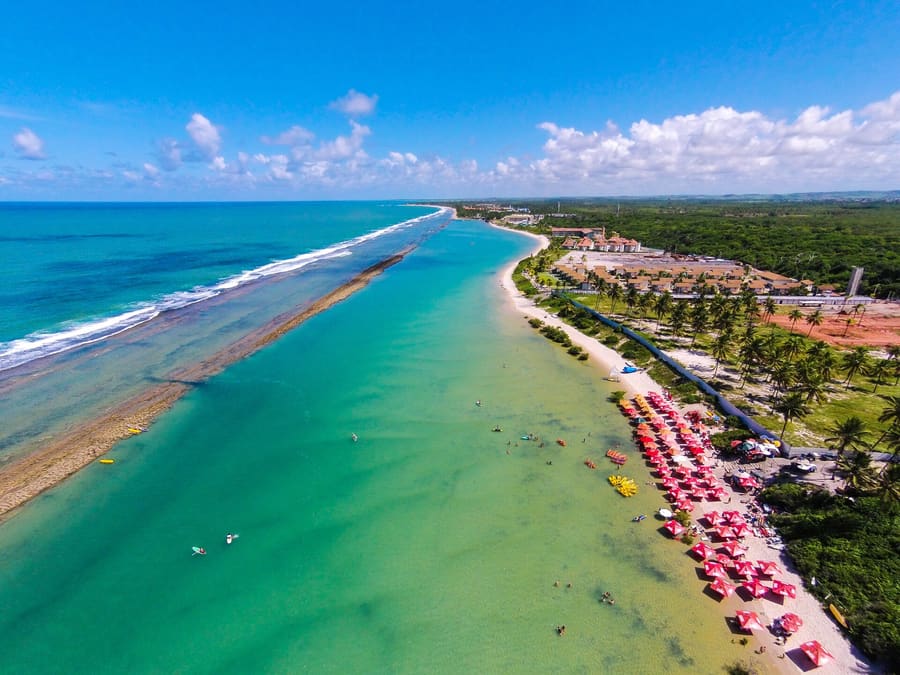
Praia de Muro Alto
A three-kilometer natural reef wall turns this bay into a giant calm lagoon. Ideal for stand-up paddleboarding and young children.
Ask ParleyBrazil
Tide-dependent reef pools and surf beaches south of Recife.
introduction
Porto De Galinhas revolves around the low-tide window when the offshore reef forms calm natural pools. The village center is compact and pedestrianized, while long stretches of resort beach extend north and south. You travel along the coastal corridor via buggies, local minibuses, or on foot along the sand. Expect warm waters year-round, high humidity, and prices that scale with the tide schedule and holiday calendar.
Airport transfers
Bus line 195 runs directly from Recife Airport (REC) to the village in two hours for under R$ 20. Taxis take 50 minutes and charge around R$ 160.
Tidal timing
The reef pools are accessible only during low tide below 0.5 meters. Check local tide tables daily before booking a jangada sailboat ride.
Cash for reef access
Buggies and raft operators on the beach rarely accept credit cards. Keep at least R$ 100 in cash for daily beach transport and reef tickets.
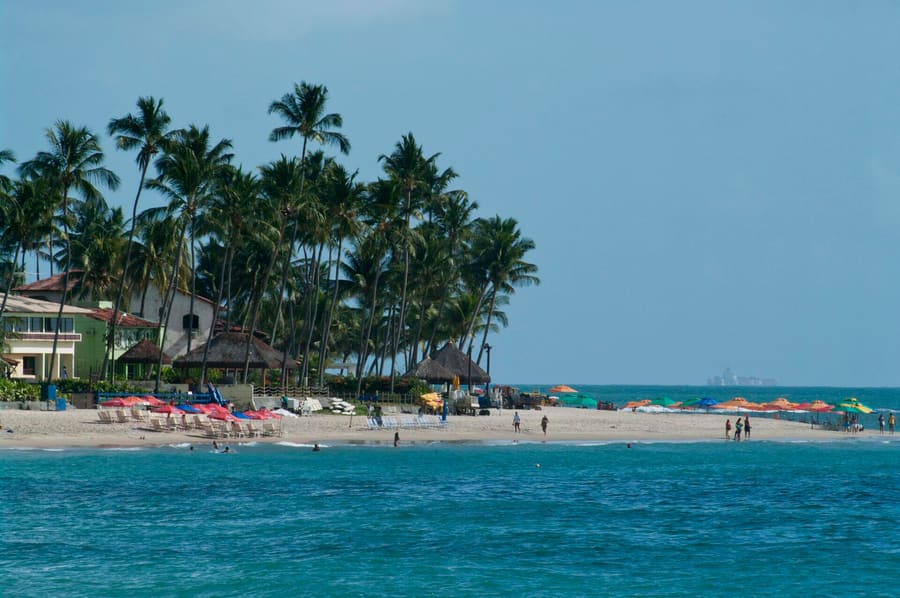
Porto De Galinhas
deltafrut · CC BY 2.0highlights
landmark
A three-kilometer natural reef wall turns this bay into a giant calm lagoon. Ideal for stand-up paddleboarding and young children.
Ask Parley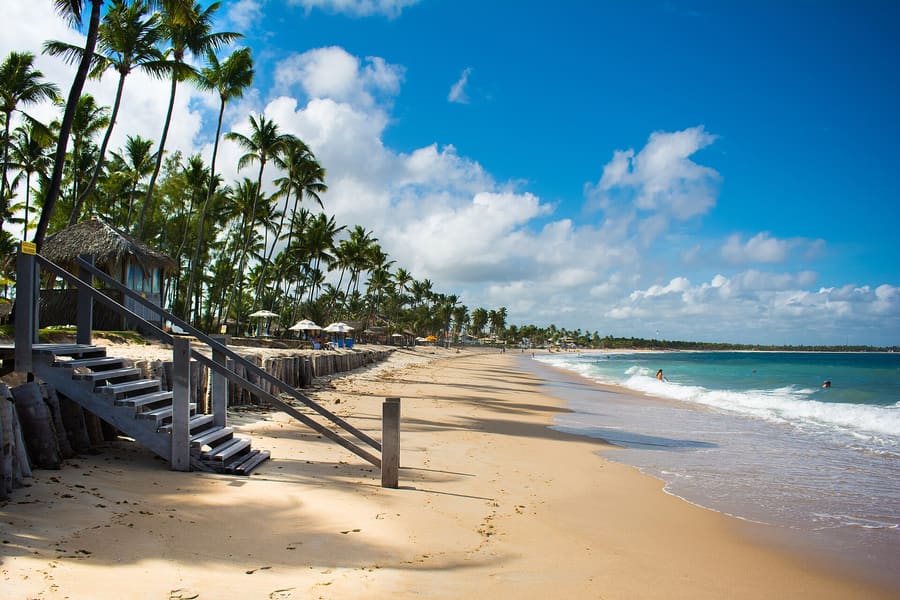
landmark
Strong Atlantic swells make this beach the local hub for surfers. Currents are powerful, so swim with caution near the flag markers.
Ask Parley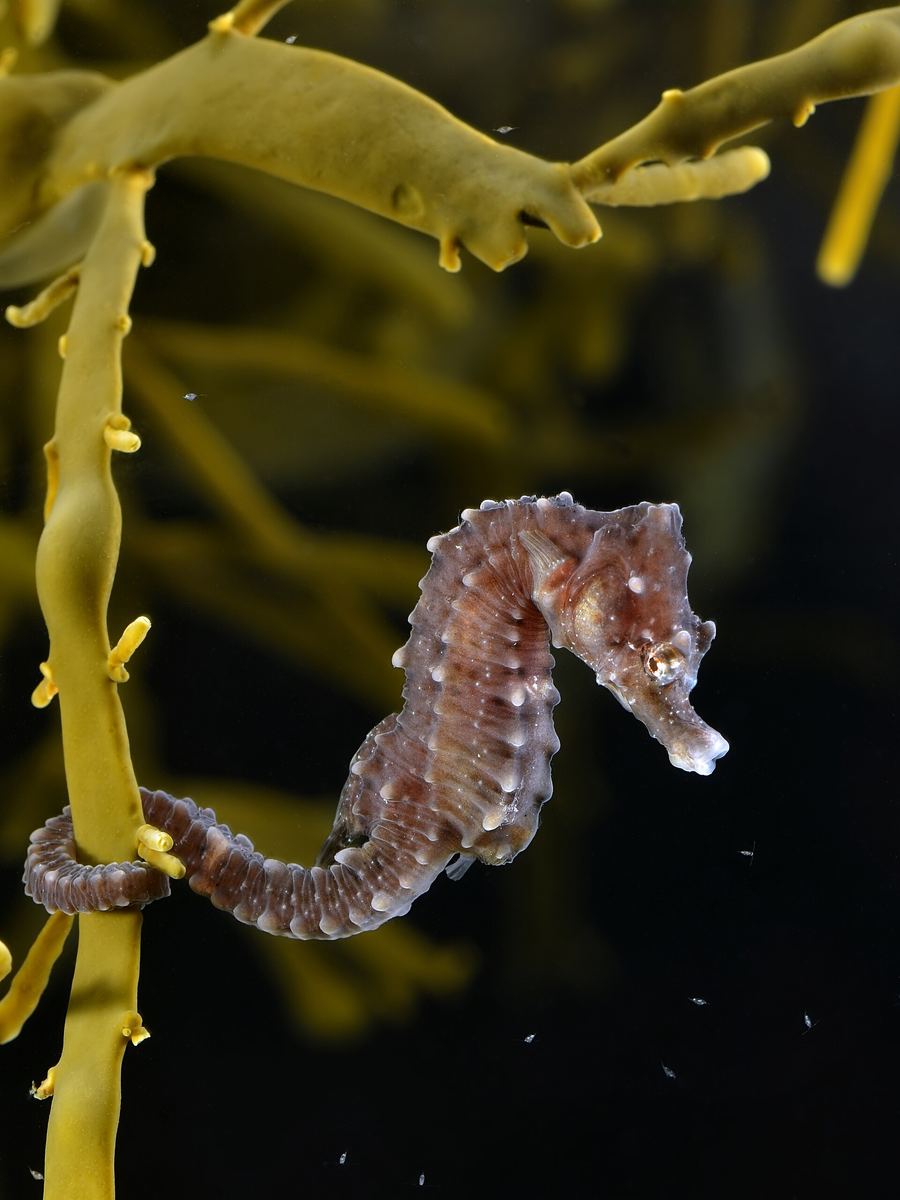
landmark
Where the Maracaípe river meets the ocean. Board a flat-bottom boat through the mangroves to observe native wild seahorses.
Ask Parley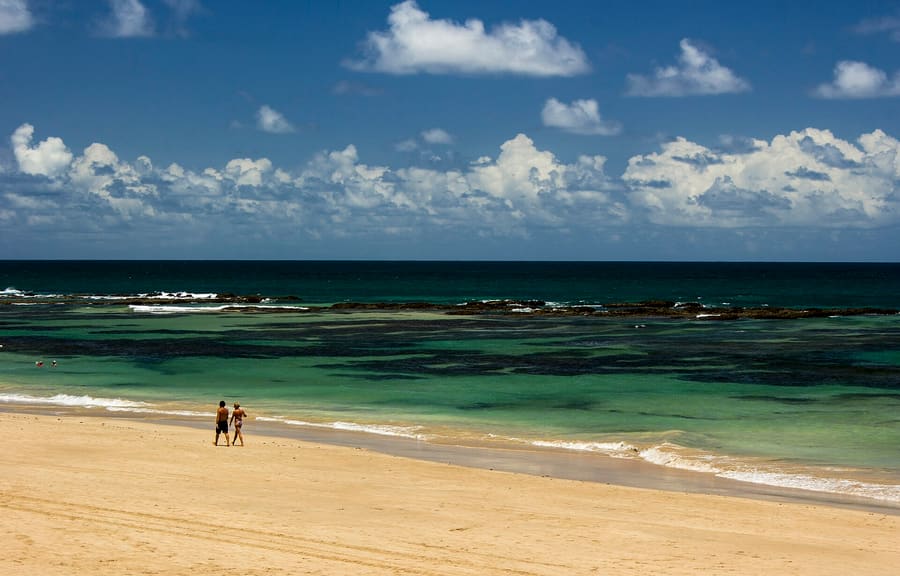
landmark
A long stretch of open ocean beach between Muro Alto and the village. Rough waves dominate except at Pontal do Cupe on the northern end.
Ask Parleyattractions
areas
Walkable central core packed with restaurants, bars, and direct access to the main reef pools.
NearbyCentral beach and jangada departure point.
Ask ParleySelf-contained luxury resort strip bordering a calm, reef-protected ocean lagoon.
NearbyMuro Alto lagoon and water sports hubs.
Ask ParleyLaid-back surf village with rustic pousadas and mangrove river tours.
NearbyPontal de Maracaípe seahorse estuary.
Ask ParleyMid-tier beachfront hotels along an open stretch of coast north of the village.
NearbyPontal do Cupe natural tide pools.
Ask Parleyfood
Dining in Porto De Galinhas draws heavily on Pernambuco's coastal and sertão culinary traditions. Fresh lobster, crab, and red snapper are prepared at beachside barracas, often served with farofa, vinaigrette, and fried cassava. In town, traditional eateries pair stewed carne de sol with melted butter cheese (queijo coalho). For dessert, the local staple is Cartola: grilled banana topped with melted cheese, sugar, and cinnamon.
Sit down at beach chairs owned by barracas for free if you order food and drink. Clarify menu prices before settling in for the afternoon.
Order arrumadinho, a Pernambucan dish of chopped carne de sol, black-eyed peas, vinaigrette, and toasted cassava flour.
Restaurants in the Vila get busy around 20:00. Arrive by 19:00 to avoid queues at popular seafood houses.
history
Porto De Galinhas was originally called Porto do Suape. During the 19th-century illegal slave trade following official abolition, enslaved Africans were smuggled ashore hidden under crates of guinea fowl ('galinhas'). Smugglers alerted buyers with the code phrase 'there are new chickens in the port.' The name stuck. In the late 20th century, this small fishing settlement transformed into a major coastal destination as roads connected it to Recife.
Name Origin
Illegal slave trade ships use 'chickens in the port' as a code phrase to bypass British naval blockades.
Fishing Village Era
The area remains an isolated coastal community accessible only by dirt tracks from Recife.
Tourism Boom
Paved access roads open, launching rapid hotel development along Cupe and Muro Alto beaches.
Environmental Protection
Local regulations restrict motorboats and limit visitor numbers on sensitive coral reefs.
where to stay
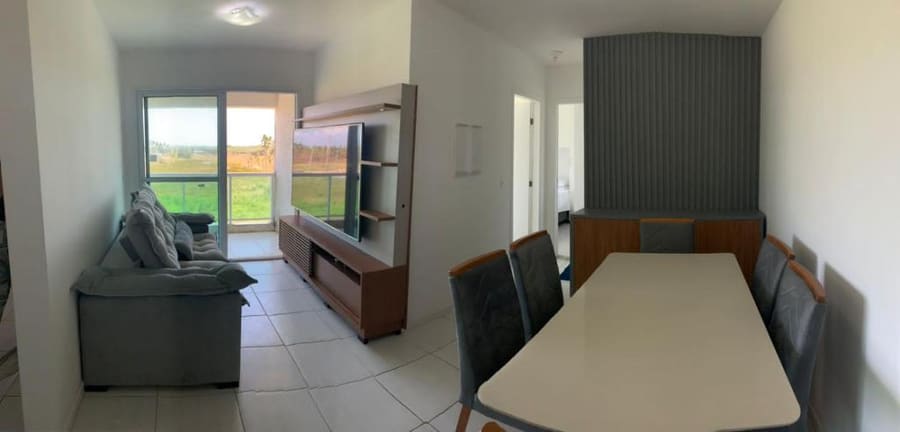
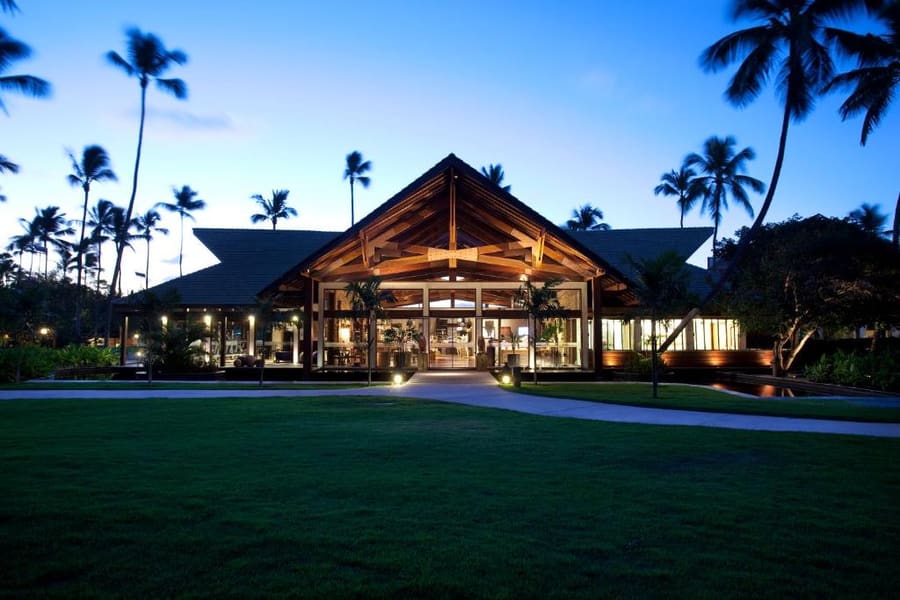
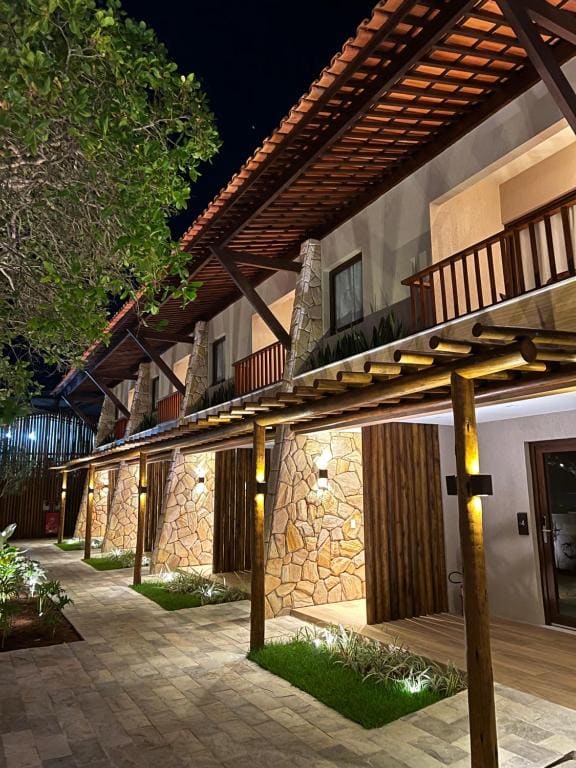
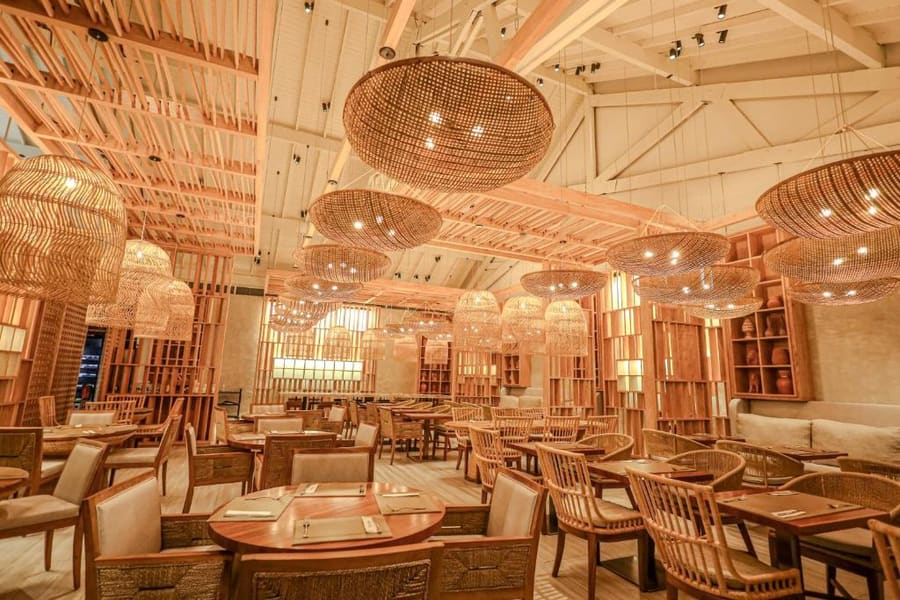
Choose your accommodation based on how you plan to spend your days and how mobile you want to be. The Vila offers small pousadas within walking distance of nightlife and dining, but space is limited and street noise persists. Muro Alto features large self-contained resorts with calm sea access, best for families who prefer staying in one spot. Cupe offers a middle ground of medium-sized beachfront properties, while Maracaípe attracts surfers and travellers seeking quieter pousadas.
Live rates, matched to the areas above.
transport
Getting around Porto De Galinhas is straightforward due to its linear coastal layout. Within the Vila, walking is the only practical option as key streets are closed to cars. To move between beaches, hire beach buggies or ride the municipal minibuses that connect Maracaípe to Muro Alto along the main access road.
From Recife/Guararapes–Gilberto Freyre International Airport (REC)
Line 195 (executivo with AC) and Line 191 (conventional) run frequently outside Recife airport arrivals.
Official airport taxis operate on fixed fare tables displayed at the terminal counter.
Uber operates reliably between Recife Airport and Porto De Galinhas, though return pickups can lag.
Pre-booked door-to-door vans pick up directly from arrivals; recommended for families with heavy luggage.
Buggy drivers operate under regulated fixed fares for standard beach tours (Ponta a Ponta). Book through official stands.
Local vans and minibuses run continuously up and down PE-009, connecting the Vila to Cupe, Muro Alto, and Maracaípe for under R$ 6.
Weekend afternoon traffic leaving Porto De Galinhas toward Recife slows significantly on single-lane stretches. Plan extra airport buffer time.
Buggy drivers often request cash or Pix transfers. Confirm payment methods before starting a trip.
cost
Prices in Porto De Galinhas reflect its status as Pernambuco's premier beach enclave. Meals and transport are pricier than in Recife. Dining off the main tourist thoroughfares saves money, as does buying bottled water and snacks at local supermarkets rather than beach stalls.
Standard per-person fare for a 45-minute sailboat trip out to the natural pools.
Flat rate per buggy (up to 4 passengers) covering all major beaches from Muro Alto to Pontal.
Usually free if you meet a minimum spend (around R$ 50-80) on food and drinks at a beach barraca.
Cost for a main seafood dish for one person at standard village restaurants.
seasonality
SEP – NOV
Dry weather, clear ocean visibility, and moderate crowds. The best overall window for visiting.
DEC – FEB
Peak Brazilian summer holidays. Ocean conditions are ideal, but accommodation prices and beach crowds peak.
MAR – MAY
Transition period. Rains increase gradually towards May, but ocean temperatures remain high and rates drop.
JUN – AUG
Heavy rainfall window. Water visibility declines, and some boat operators suspend trips on stormy days.
practicalities
Natural pools are only visible two hours before and after peak low tide. Plan your entire day around the daily tide chart.
Walking directly on live coral is strictly prohibited and fineable. Stick to designated sandy walking paths in the reef area.
Ocean beaches like Cupe and Maracaípe have strong undertows. Always swim near guarded flag zones.
Most restaurants and shops take credit cards, but beach vendors and raft captains often require cash or local Pix transfers.
The tropical equator sun is relentless. Reef-safe sunscreen, hats, and UV shirts are essential for long buggy tours.