
landmark
Charles Bridge
Fourteenth-century stone bridge spanning the Vltava. Cross before 08:00 to avoid heavy pedestrian crowds.
Czechia
Gothic spires, steep hills, and beer that is no longer cheaper than water due to legal requirements to offer cheaper…
Prague spreads across nine hills divided by the Vltava River. You navigate the medieval core on foot, using trams to cross the river and climb the ridge. High tourist density concentrates on the royal route between Old Town and the castle. Stepping two streets off that path reveals an efficient, quiet European capital.
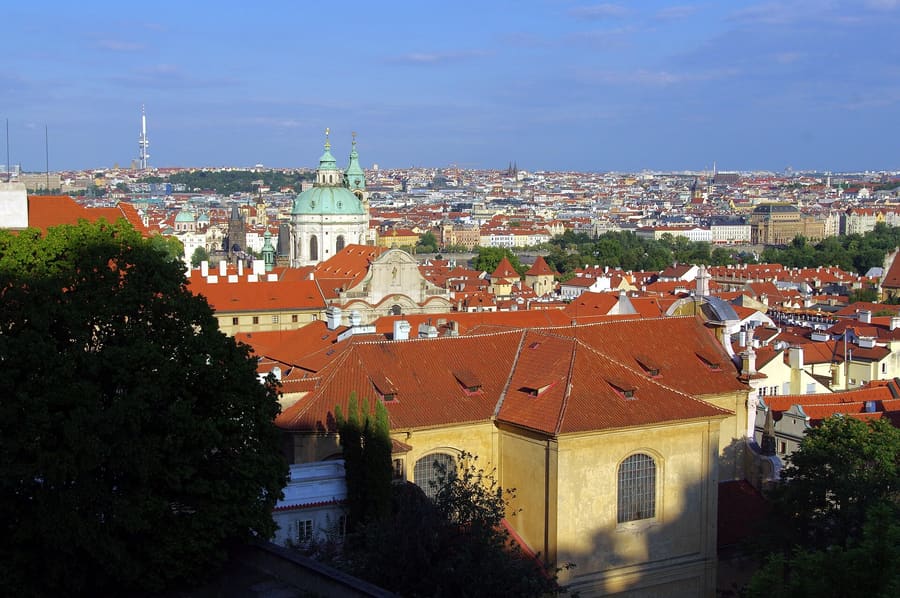
Malá Strana — Baroque alleyways tucked under the castle hill with quiet walled gardens.
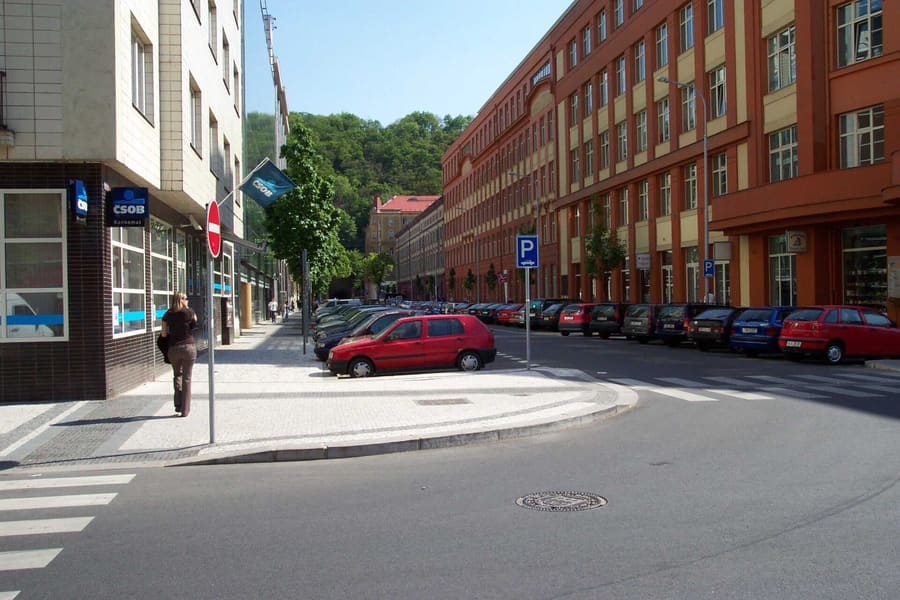
Vinohrady — Nineteenth-century residential district filled with leafy squares and local cafes.
Karlín — Former industrial neighbourhood converted into a modern culinary quarter.
Obložené chlebíčky: Czech open-faced sandwiches sold in traditional lahůdkářství deli shops.
01
landmark
Fourteenth-century stone bridge spanning the Vltava. Cross before 08:00 to avoid heavy pedestrian crowds.
landmark
Historic plaza featuring the 600-year-old Astronomical Clock. Watch the hourly chime from ground level for free.
landmark
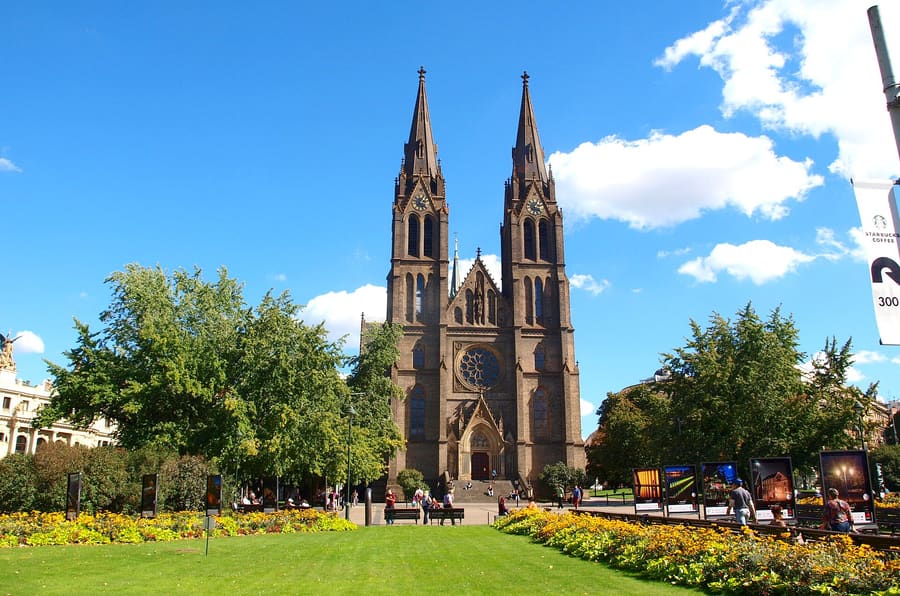
Gothic cathedral inside the castle grounds. The front section of the nave is free to enter.
landmark
Historic Jewish quarter containing six preserved synagogues and cemetery. Sites close on Saturdays.
landmark
Tenth-century fort set on a rocky promontory. Quiet park grounds offer broad river views with few crowds.
02
03
Dense medieval streets with heavy foot traffic and historic sights.
NearbyCharles Bridge and Josefov
Ask ParleyBaroque alleyways tucked under the castle hill with quiet walled gardens.
NearbyPrague Castle and Petřín Hill
Ask ParleyNineteenth-century residential district filled with leafy squares and local cafes.
NearbyRiegrovy Sady beer garden
Ask ParleyFormer industrial neighbourhood converted into a modern culinary quarter.
NearbyVítkov Hill and Florenc station
Ask Parley04
Prague eating centres on the pub, or hospoda. High-volume pubs serve fresh Pilsner Urquell poured directly from copper tanks alongside heavy meat dishes. Traditional lunch menus run from 11:00 to 14:00 at reduced fixed prices.
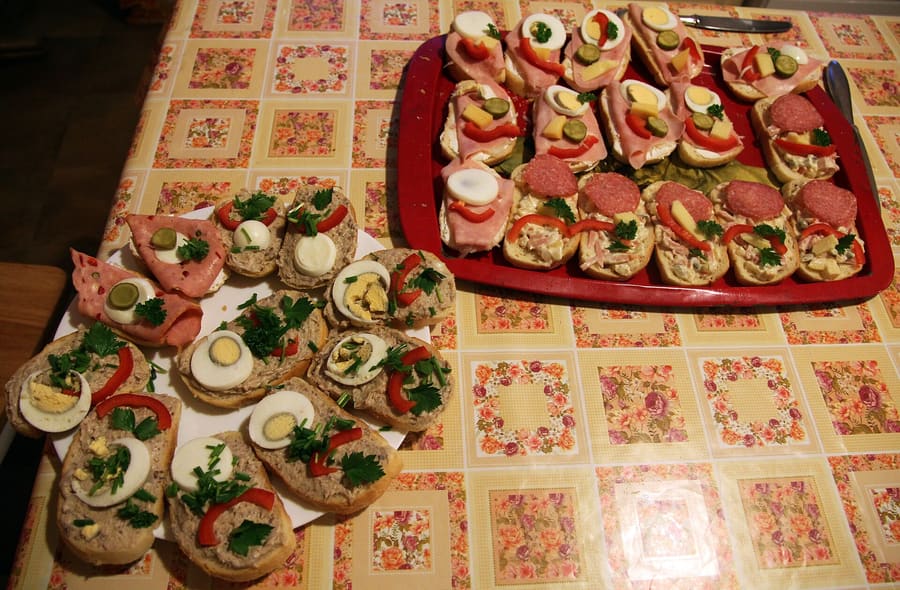
Obložené chlebíčky: Czech open-faced sandwiches sold in traditional lahůdkářství deli shops.
Coasters placed on your table signal you want beer. Servers replace empty glasses automatically until you place your coaster on top of your glass.
Look for daily menus called denní nabídka posted outside pubs between 11:00 and 14:00. Main dishes cost roughly 160 CZK to 220 CZK.
Visit a traditional lahůdkářství for chlebíčky. These open-faced sandwiches topped with potato salad and ham cost around 40–70 CZK each.
05
Prague grew as the capital of the Kingdom of Bohemia and the Holy Roman Empire. The city survived both World Wars with its medieval architectural core intact.
Charles IV expands the city
Emperor Charles IV founded New Town and Charles University, establishing Prague as an imperial capital.
Defenestration of Prague
Protestant nobles threw Catholic regents from Castle windows, triggering the Thirty Years' War.
Prague Spring
Soviet-led Warsaw Pact troops invaded Prague to crush political liberalisation experiments.
Velvet Revolution
Non-violent mass demonstrations collapsed the communist regime, bringing Václav Havel to power.
06
Choose your base by terrain and walking comfort. Stay in Staré Město if you want instant access to main sights, or pick Vinohrady and Karlín for local dining without tourist crowds.
07
Prague has an efficient transit network operated by DPP, consisting of three metro lines, extensive tram routes, and urban buses. Tickets are valid across all modes by time duration.
From Václav Havel Airport (PRG)
Take trolleybus 59 to Nádraží Veleslavín metro station. Ticket covers onward metro trip.
Airport Express (AE) bus runs non-stop to Prague Main Train Station.
Official airport taxis operate with metered rates or fixed kiosk pricing.
Uber and Bolt operate legally from designated pickup zones outside terminals.
Timestamp paper tickets in yellow validator machines before entering metro platforms or upon entering trams.
All modern trams contain contactless payment terminals in orange. Touch your card to buy a 30-minute or 90-minute ticket.
A 24-hour pass costs 120 CZK and pays off if you take more than three transit trips in a single day.
Night trams (numbers 91 to 99) run every 30 minutes after midnight when the metro shuts down.
08
Prague remains cheaper than major Western European capitals, though prices in tourist zones carry markups. Card payment is widespread, but keeping small cash coins helps for public toilets.
Prices vary sharply by location; a pub in Vinohrady charges 55 CZK while charges up to 120 CZK.
Weekday lunch menus offer a main dish and soup at lower fixed pricing.
Covers unlimited transfers across metro, trams, and buses within Prague central zones.
Includes two main courses, side dishes, and two beers at a neighbourhood restaurant.
09
MAR – MAY
Mild temperatures and blooming parks in Petřín. Crowds grow significantly by May holidays.
JUN – AUG
Warm weather and long daylight hours. Old Town foot traffic peaks; book accommodation early.
SEP – OCT
Crisp autumn air and wine festivals. Excellent walking weather with declining crowd numbers.
NOV – FEB
Freezing weather with occasional snow. December Christmas markets bring high tourist surges.
10
Never exchange money on the street. Use official bank ATMs or card payments to avoid predatory fees.
Metro stations and public toilets charge 10 to 20 CZK. Keep small coins handy.
Many state-run galleries and museum sites close on Mondays. Check opening calendars in advance.
Tap water throughout Prague is clean, safe, and soft. Request tap water in restaurants.
Historic districts feature uneven basalt cobblestones. Wear sturdy flat shoes to avoid ankle strain.
Contents
Your trip
Going to Prague?
Tell Parley when you’re going and what you enjoy, and it plans the days around this guide.
Plan with Parley


