landmark
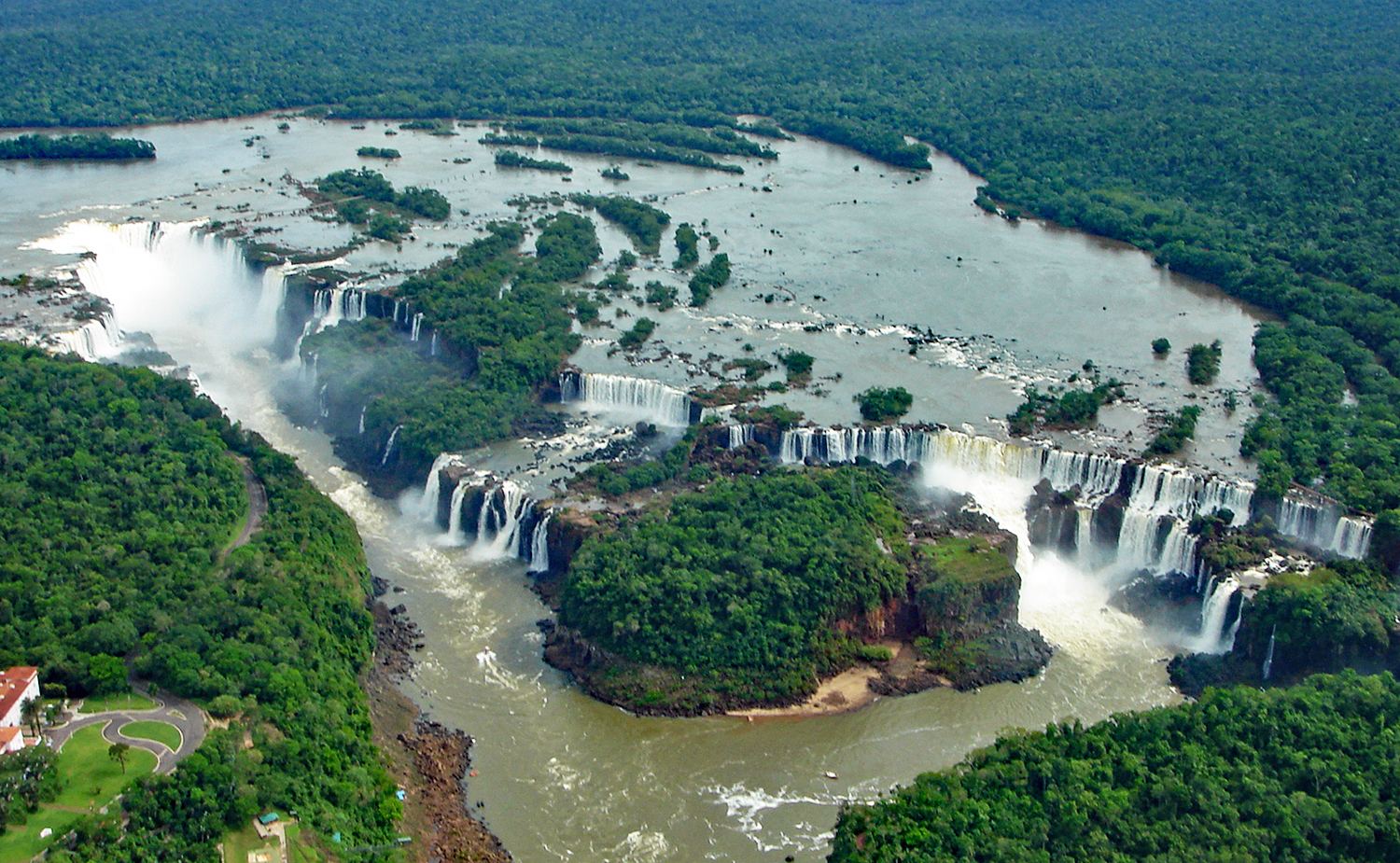
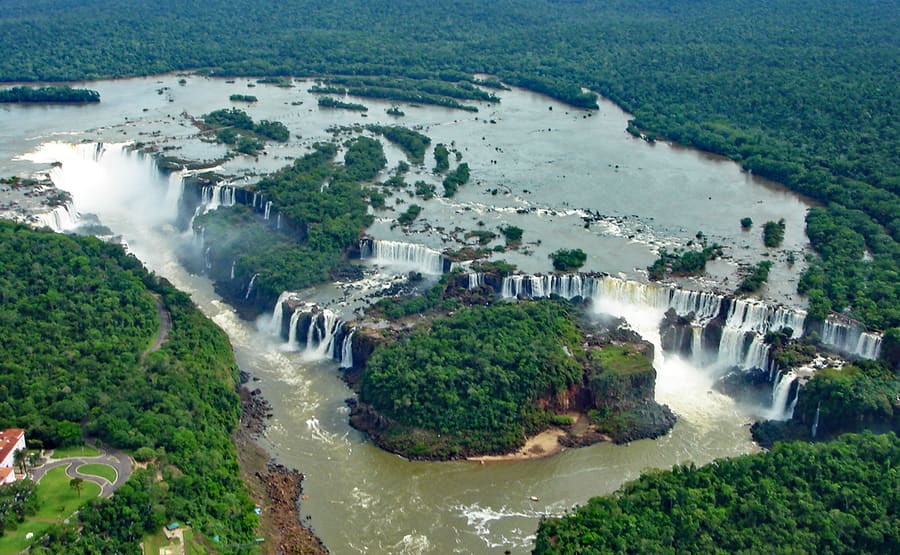
Garganta del Diablo
The largest drop in the park. Take the morning train from the visitor center before crowd bottlenecks form on the metal catwalk.
Ask ParleyArgentina
The quiet gateway to South America's roaring waters
introduction
Puerto Iguazú is a low-rise border town built around national park logistics rather than urban flash. You move between downtown and the rainforest via Highway 12, relying on city buses, taxis, or foot. Expect tropical humidity, red mud paths, and an early-to-bed rhythm tied to park opening times.
Arrival transfer options
IGR airport lies 20 km east of downtown. Scheduled minibuses meet all domestic flights, or you can book an official airport taxi at the arrivals counter.
UNESCO site status
Iguazú National Park earned UNESCO World Heritage status in 1984 for its massive cataract system and pristine Atlantic forest habitat.
Park ticket strategy
Buy Argentine national park tickets online in advance to skip ticket counter queues. Bring your passport, as staff verify identity at the turnstiles.
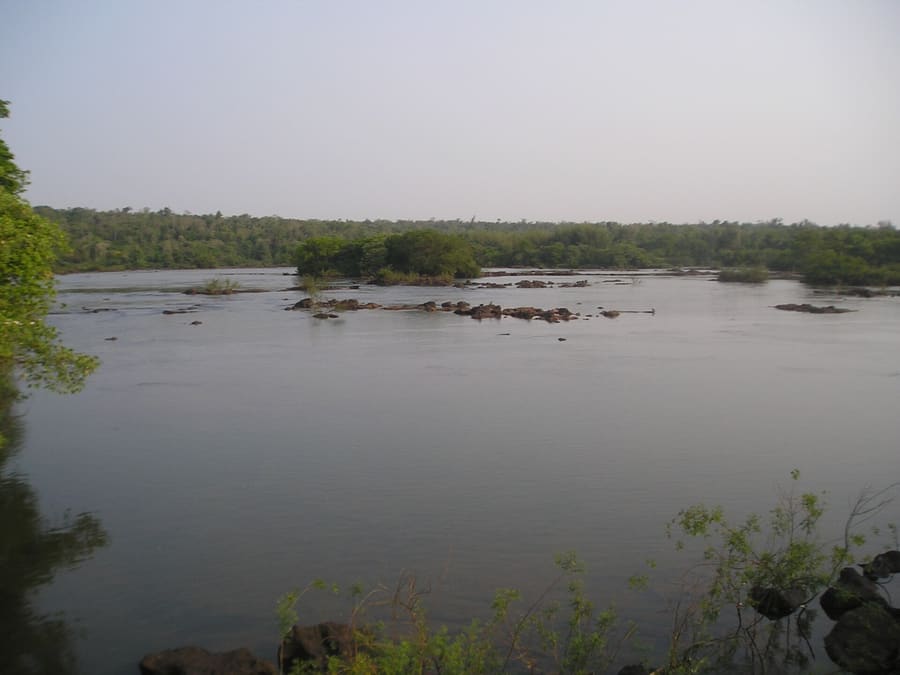
Puerto Iguazú
Heretiq · CC BY-SA 3.0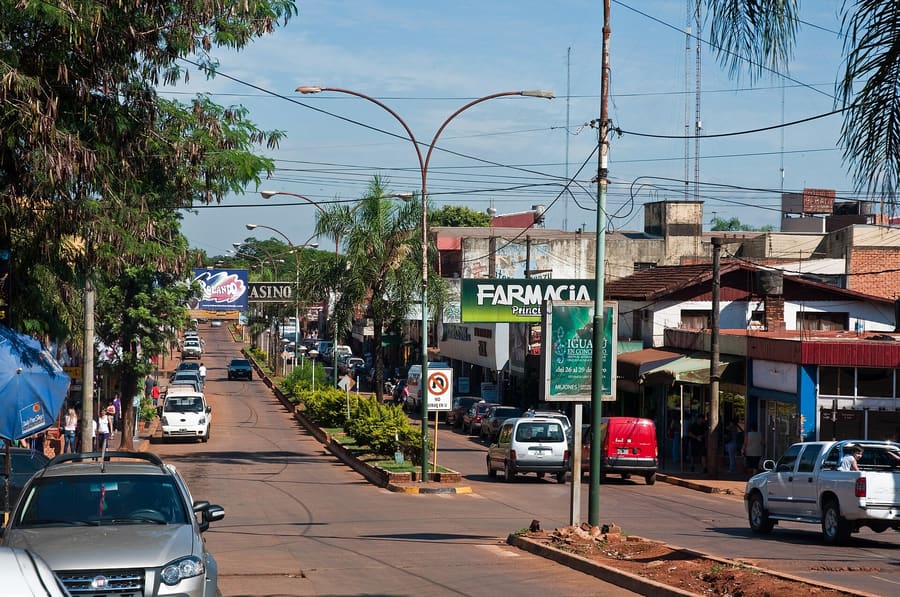
Centro — Walkable grid of banks, bakeries, tour agencies, and casual late-night eateries.
Phillip Capper from Wellington, New Zealand · CC BY 2.0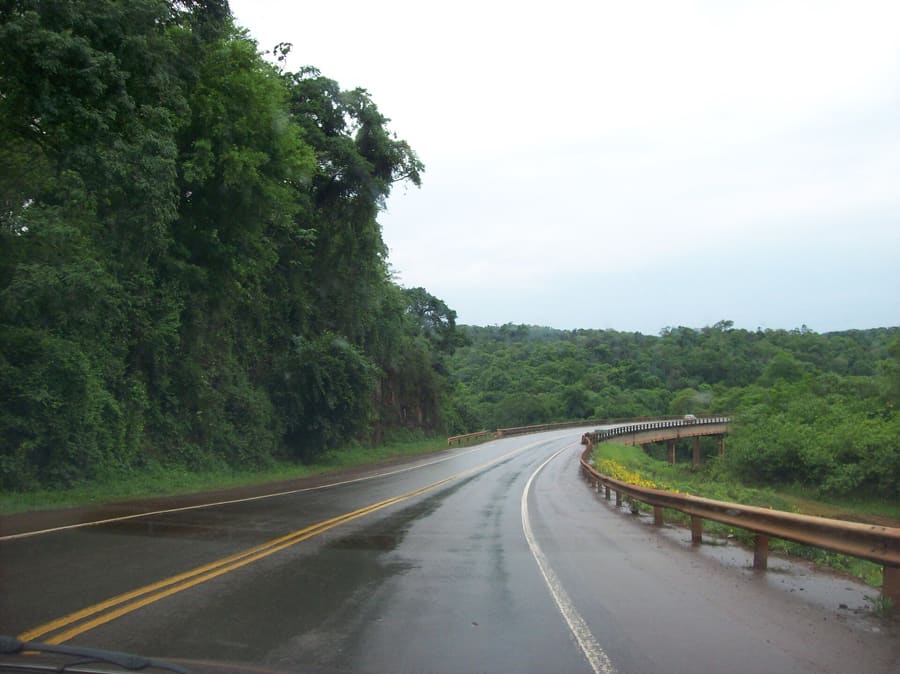
Ruta 12 Corridor — Linear strip lined with wildlife sanctuaries, eco-attractions, and highway lodges.
Dario Alpern · CC BY-SA 3.0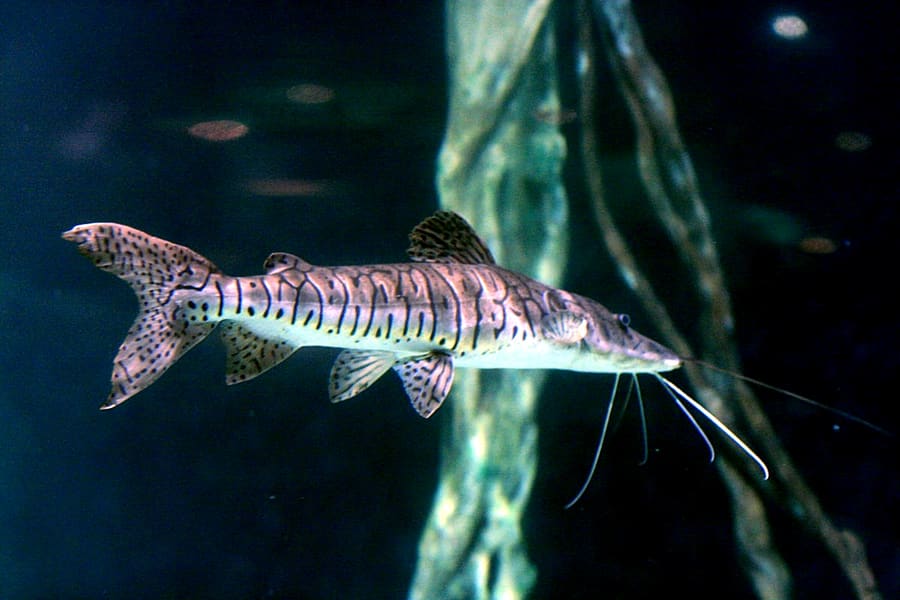
Surubí fillet, a staple freshwater fish served across Misiones province.
Lerdsuwa · CC BY-SA 3.0highlights
landmark
The largest drop in the park. Take the morning train from the visitor center before crowd bottlenecks form on the metal catwalk.
Ask Parley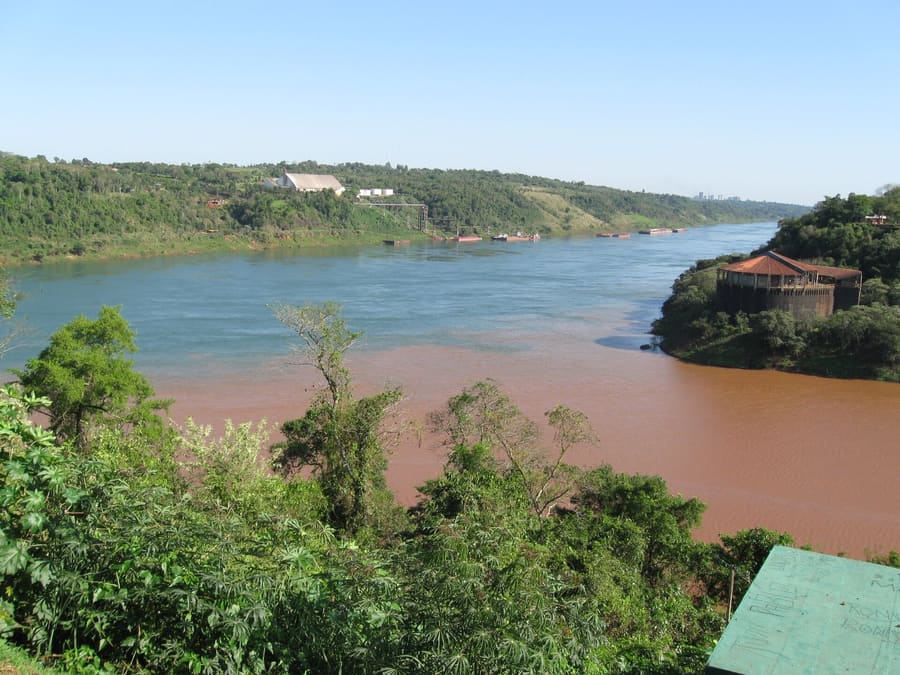
landmark
Lookout point where Argentina, Brazil, and Paraguay meet. Go at dusk to watch river light shows across the water.
Ask Parley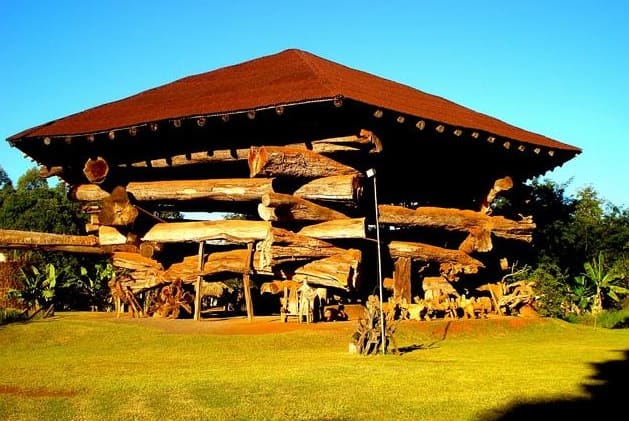
landmark
A massive wooden structure built from trunk timber. Sample local yerba mate ice cream at the site cafe.
Ask Parley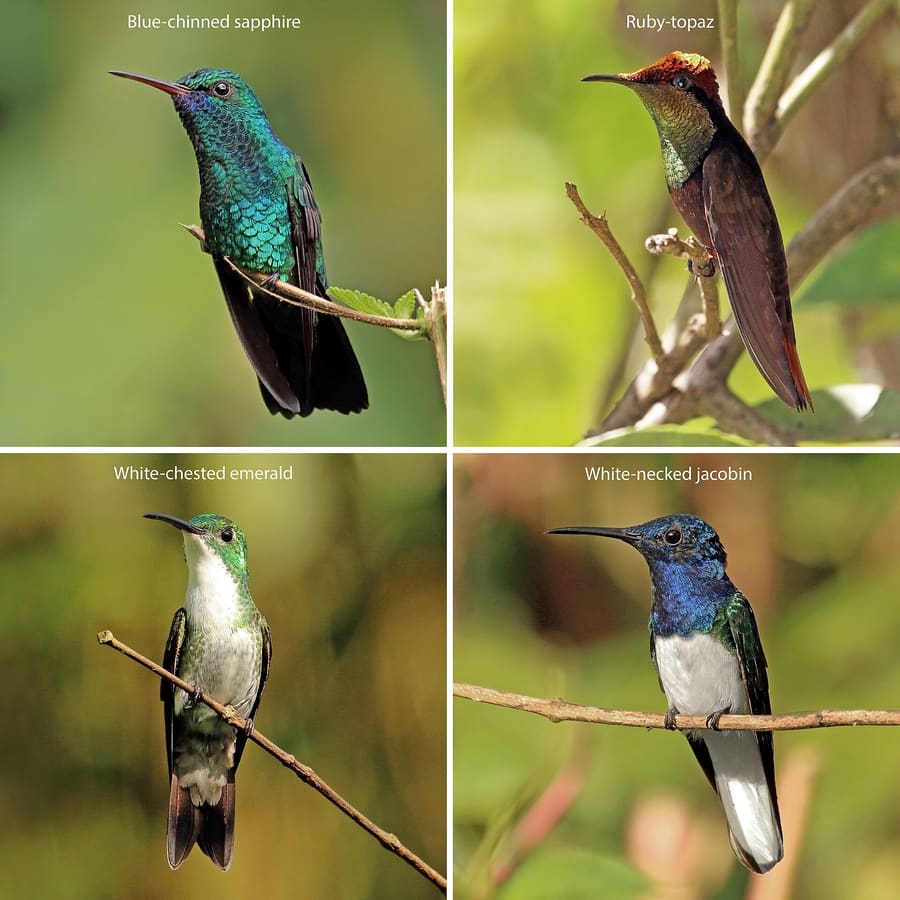
landmark
Private residential garden filled with wild hummingbirds. Quiet seating lets you watch dozens of birds feed up close.
Ask Parleyattractions
areas
Walkable grid of banks, bakeries, tour agencies, and casual late-night eateries.
NearbyBus terminal and Jardín de los Picaflores
Ask ParleyLinear strip lined with wildlife sanctuaries, eco-attractions, and highway lodges.
NearbyGüiráOga and La Aripuca
Ask ParleyQuiet river promenade with sunset views across to Brazil and Paraguay.
NearbyHito Tres Fronteras
Ask ParleyProtected forest reserve containing resort lodges connected by unpaved dirt tracks.
NearbyIguazú National Park access road
Ask Parleyfood
Dining in Puerto Iguazú centers around fresh freshwater catches from the Paraná and Iguazú rivers. Regional menus feature surubí and pacú, served grilled or baked in earthenware dishes with creamy cheese sauces. You will also find Paraguayan influence in cassava-based sides like chipá bread.For informal evening meals, head straight to the Feirinha market stalls. Vendors serve cold draft beer alongside boards of picanha steak, marinated olives, and local cheese blocks. It provides a grounded alternative to tourist steak houses in town.
Surubí fillet, a staple freshwater fish served across Misiones province.
Lerdsuwa · CC BY-SA 3.0Try pacú at riverside restaurants. This oily freshwater fish has rich flavor that outshines standard border steak cuts.
Market stalls open around 18:00 and stay lively past midnight. Go after 20:00 for the fullest food choices.
Stall owners at the Feirinha accept Argentine pesos and Brazilian reais, but rare ones take credit cards.
history
Long before national borders were drawn, the region was inhabited by the indigenous Guaraní people, who named the cascading waters Iguazú, meaning big water. Spanish explorer Álvar Núñez Cabeza de Vaca became the first European to record the falls in 1541.The modern settlement took shape in the early 20th century as timber extractions gave way to eco-tourism. The creation of national parks on both sides of the border turned a remote outpost into an international transit point.
European Sighting
Álvar Núñez Cabeza de Vaca encounters the falls while trekking overland from Santa Catarina to Asunción.
First Tourists
Victoria Aguirre donates funds to cut the first road from the river port to the waterfall cascades.
National Park Established
Argentina officially creates Iguazú National Park to protect the surrounding rainforest ecosystem.
UNESCO Inscription
UNESCO designates the Argentine park a World Heritage Site for its natural scale and biodiversity.
where to stay
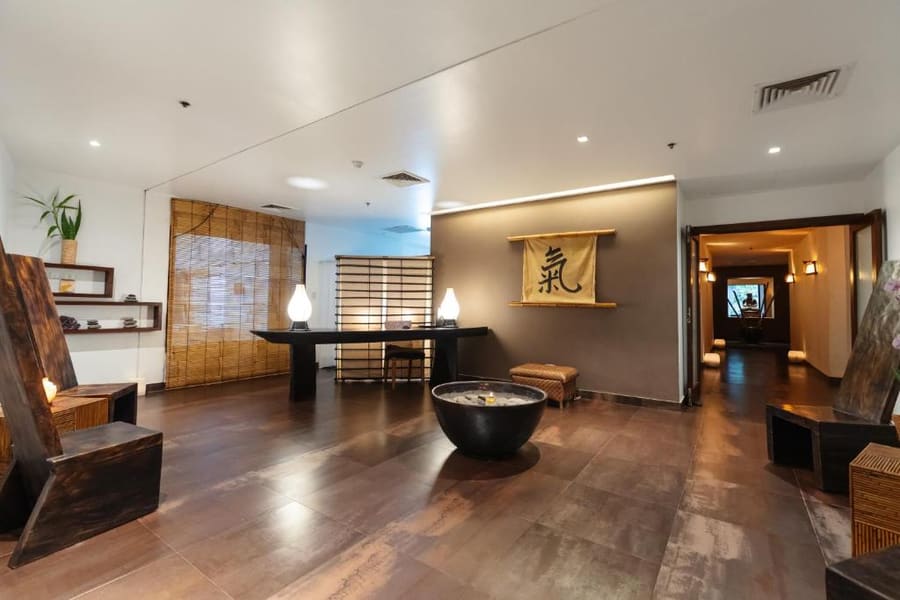
Choose your base by deciding how much independence you want from taxis. Staying in Centro puts restaurants and public buses at your doorstep. Staying in Selva Iriapú trades convenience for forest soundscapes and resort pools.
Live rates, matched to the areas above.




transport
Puerto Iguazú is small enough to navigate easily, but reaching the national park requires transport. Public buses operate frequent direct routes between the main terminal in Centro and the park entrance.
From Cataratas del Iguazú International Airport (IGR)
Shared minibuses ticketed inside the terminal. Drop-offs run directly to downtown hotels.
Fixed rates displayed at the airport counter. Pay before boarding.
Rio Uruguay public bus stops right outside the main exit.
Buses operated by Rio Uruguay depart every 20 minutes from the central terminal to the Argentine park gates.
Local park buses take cash or paper tickets purchased at the terminal counter rather than Buenos Aires SUBE cards.
Taxis to the Brazilian side face unpredictable immigration lines. Allow up to two extra hours during peak morning trips.
Book remís private cars through hotel desks for fixed-rate day excursions across the region.
cost
Prices in Puerto Iguazú reflect its status as a top tourist node. Park entries and official taxis carry set charges, while market food and local buses remain affordable.
Standard adult admission rate for foreign visitors entering Iguazú National Park.
Direct terminal-to-park bus ticket on Rio Uruguay services.
Main dish of grilled pacú or surubí at a sit-down restaurant.
Platter of picanha meat, cheeses, and olives for sharing at market stalls.
seasonality
DEC – FEB
Extreme heat and high humidity. Water volumes are heavy, but summer holiday crowds line the catwalks.
MAR – MAY
Warm temperatures with lighter rainfall. Catwalks are easier to walk and park crowds clear out.
JUN – AUG
Cooler days requiring a light jacket. Lower water levels can reveal more rocky ledges along the falls.
SEP – NOV
Pleasant spring heat and active wildlife. Spring rains increase water flow before summer peak arrives.
practicalities
Apply insect repellent before entering forest trails. Jungle mosquitoes are persistent near water features.
Do not feed or touch ring-tailed coatis in the park. They bite aggressively if they spot open food bags.
Carry paper cash for market stalls and park snacks. ATM machines in town frequently run out of bills.
Validate your national park ticket at the exit booth on day one to get 50% off entry on the consecutive day.
Pack dry bags for electronics if taking the lower circuit boat ride. Spray from the falls will soak you completely.