landmark
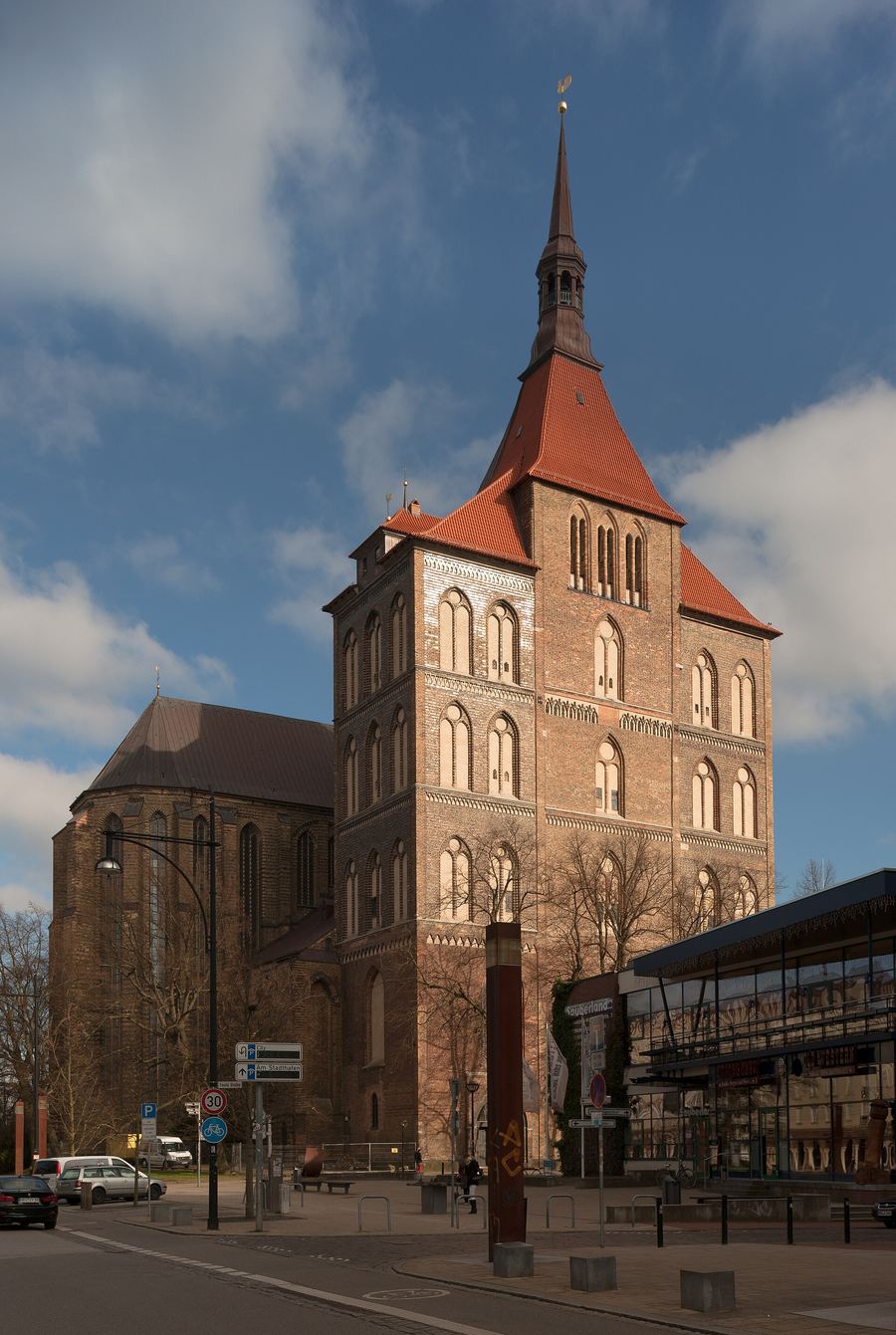
St. Mary's Church
Built in Brick Gothic style, it houses a 1472 astronomical clock. Visit at noon to watch the mechanical apostles parade.
Ask ParleyGermany
Hanseatic brick architecture meets open Baltic sea air.
introduction
Rostock sits where the Warnow River meets the Baltic Sea, divided into an inland brick-Gothic core and the seaside outpost of Warnemünde. Efficient S-Bahn trains link the medieval Old Town to the wide sandy beach in 22 minutes. You move between port history, maritime industry, and sea salt in a single day. Expect stark coastal winds, Baltic herring, and practical northern self-reliance.
Transit connection
S-Bahn S1 connects Rostock Hauptbahnhof to Warnemünde in 22 minutes. Trains run every 7.5 to 15 minutes during peak daytime hours.
Rostock
Michael Paul Gollmer (Mipago) · CC BY-SA 3.0
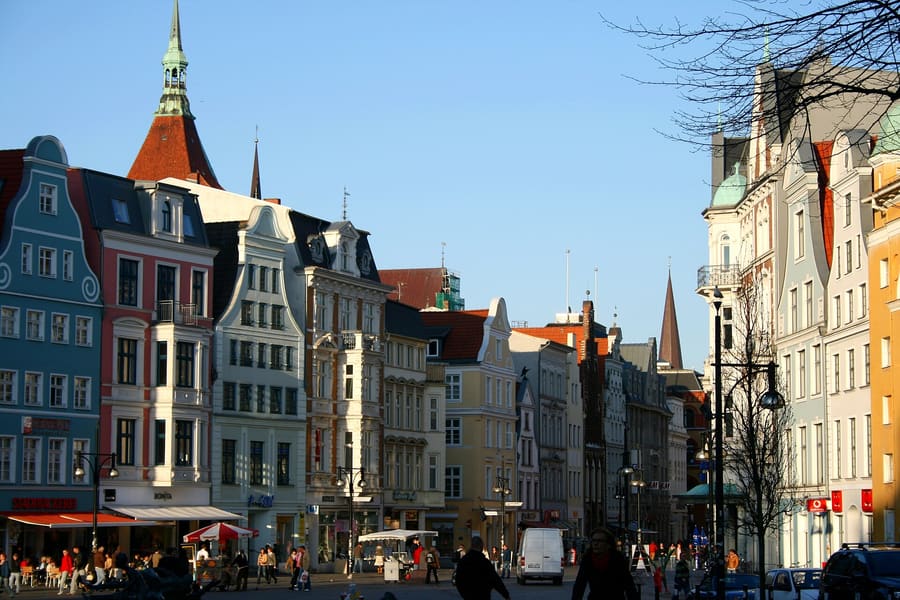
Stadtmitte — Gabled townhouses, pedestrian cobbled streets, and brick churches within historic wall limits.
User:Digr · CC BY 3.0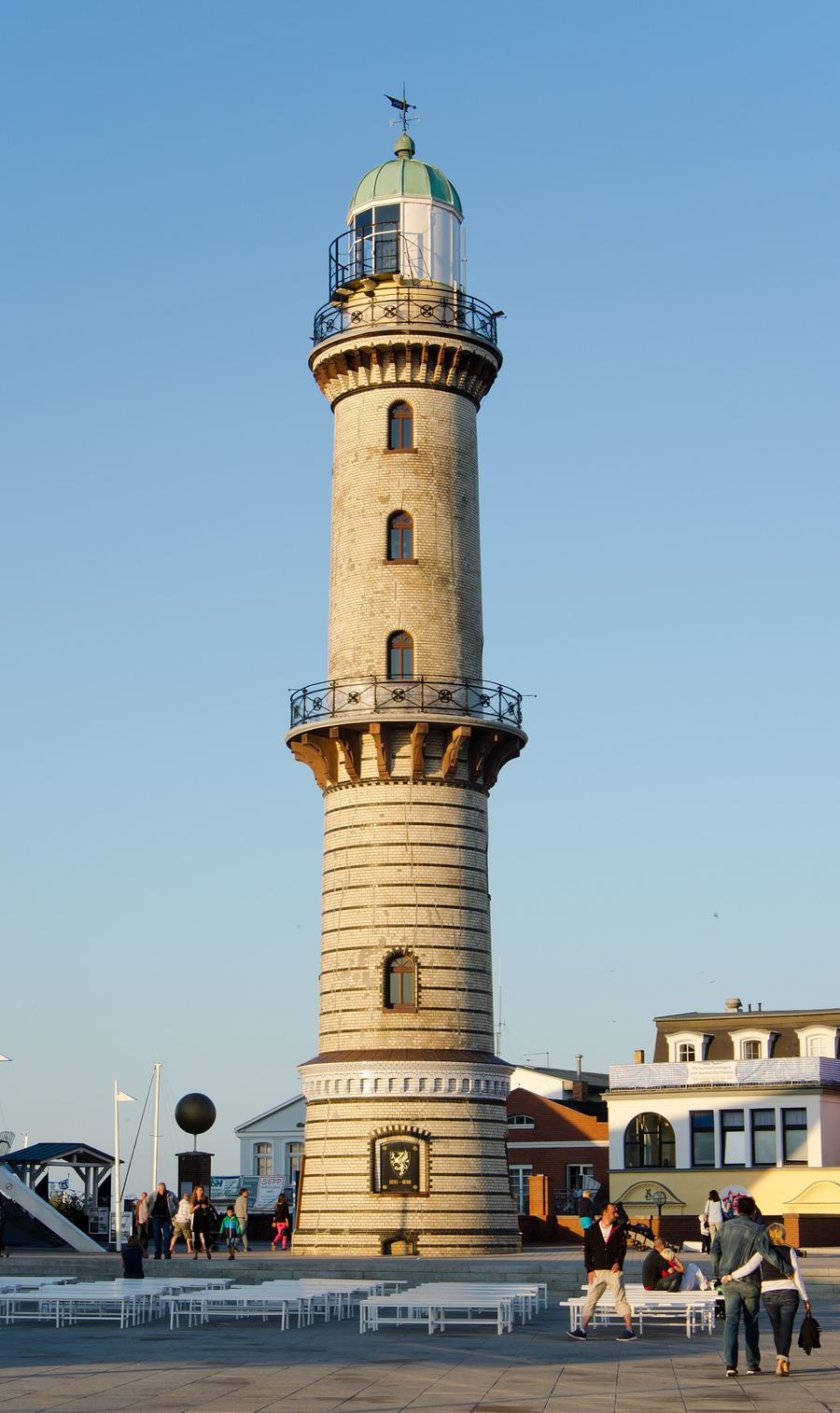
Warnemünde — Seaside resort culture centered on a wide sand beach, sea air, and active fish market moorings.
An-d · CC BY-SA 3.0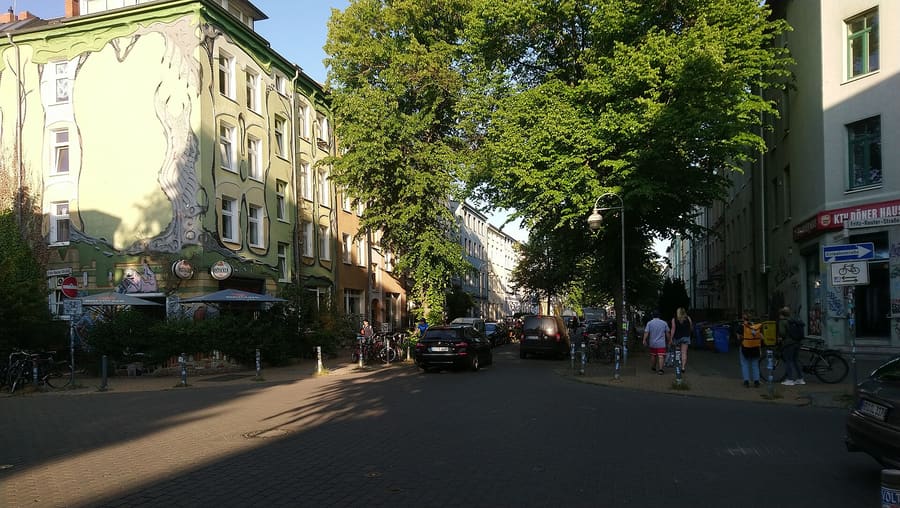
Kröpeliner Tor Vorstadt — Student enclave west of the old gate, filled with corner bars, independent cafes, and street murals.
MyRobotron · CC BY-SA 3.0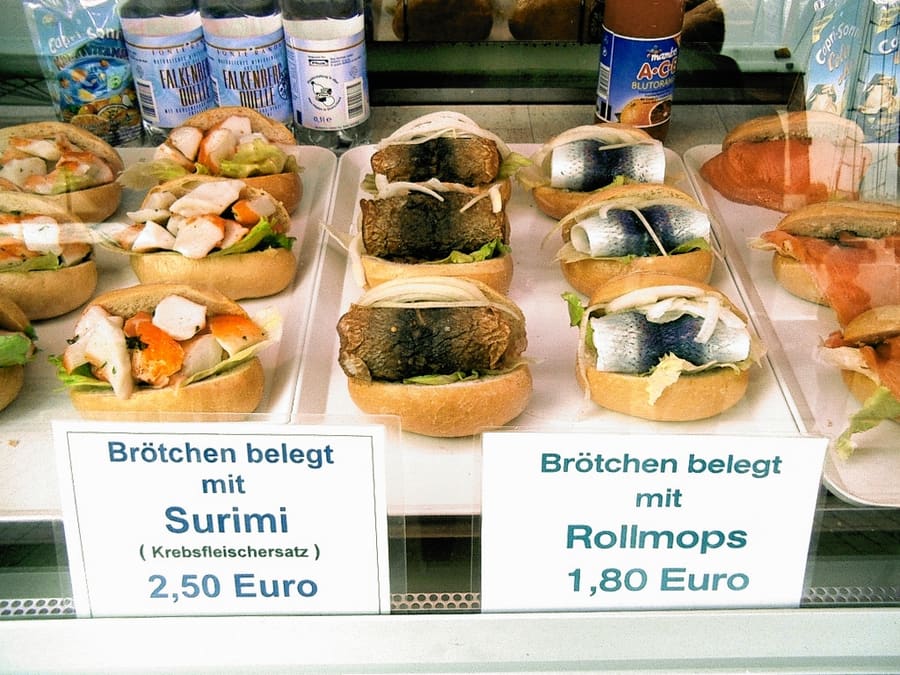
A pickled herring roll purchased directly from a cutter boat on Warnemünde harbour.
selbst fotographiert von User:Geoz · Public domainhighlights
landmark
Built in Brick Gothic style, it houses a 1472 astronomical clock. Visit at noon to watch the mechanical apostles parade.
Ask Parley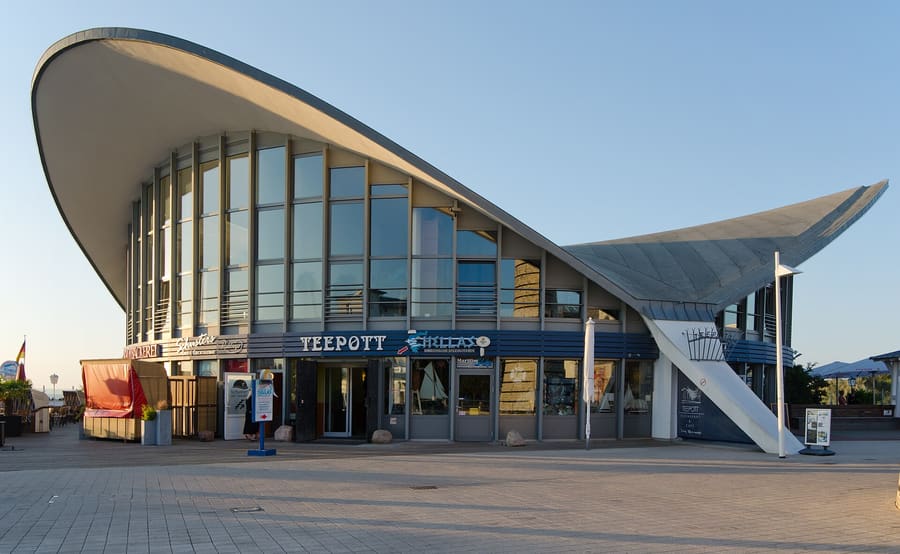
landmark
Concrete shell architecture meets an 1897 lighthouse. Climb 135 steps up the tower for views over the harbor mouth.
Ask Parley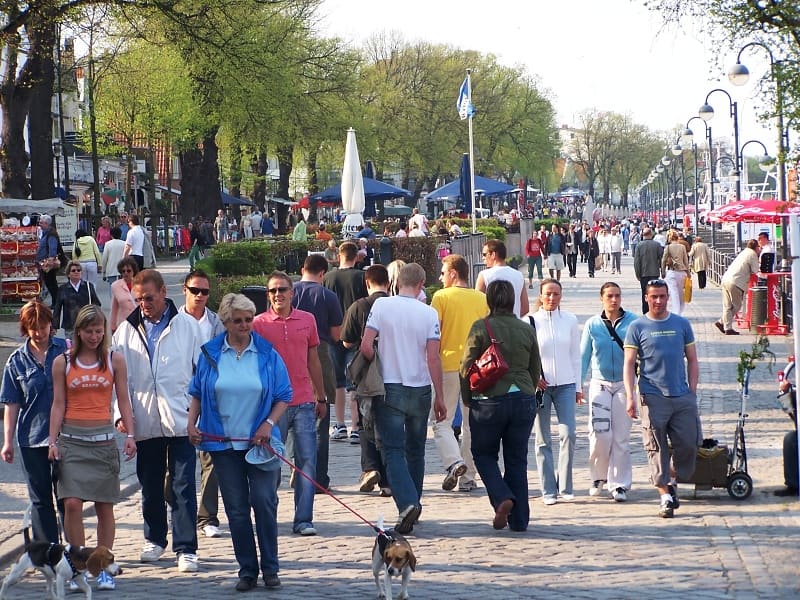
landmark
The historic Warnemünde harbor channel lined with old cottages. Buy freshly smoked fish straight from docked cutters.
Ask Parley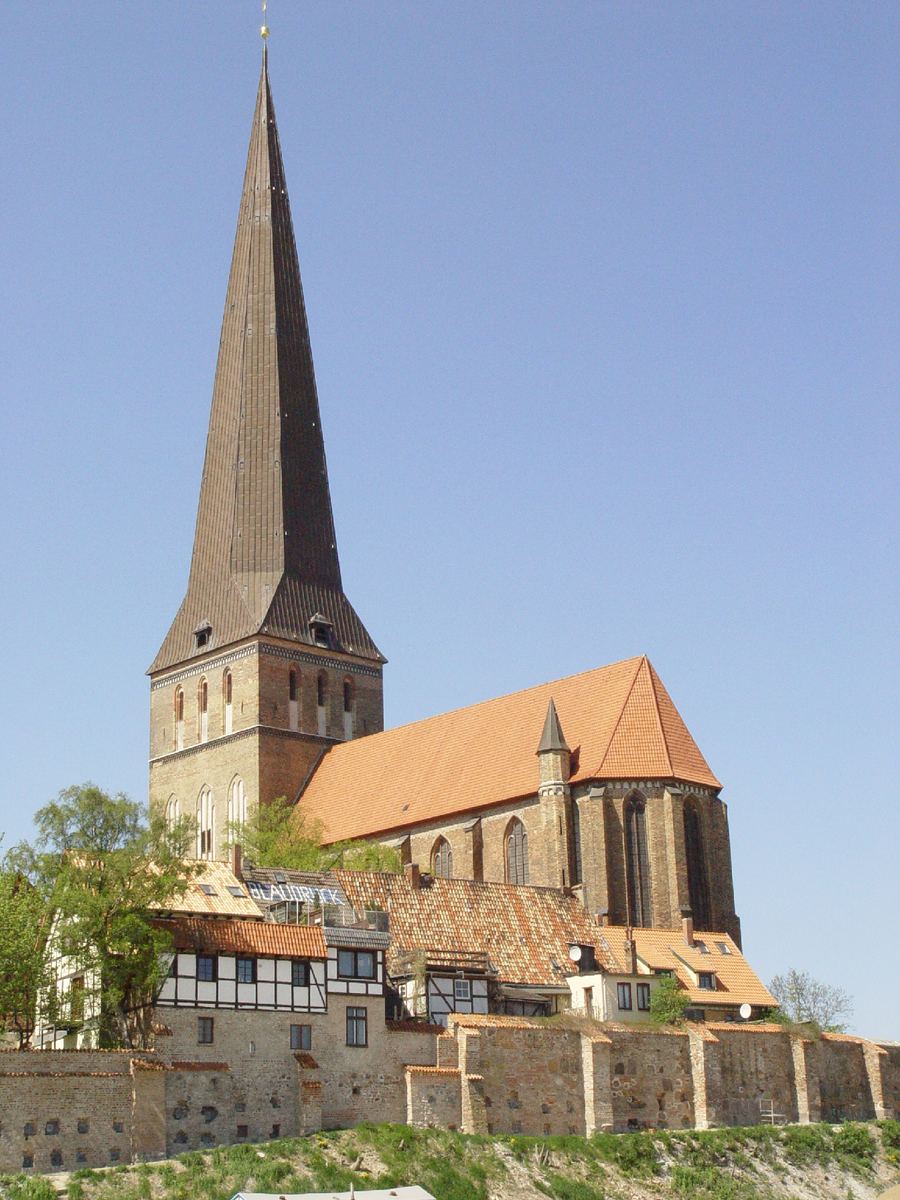
landmark
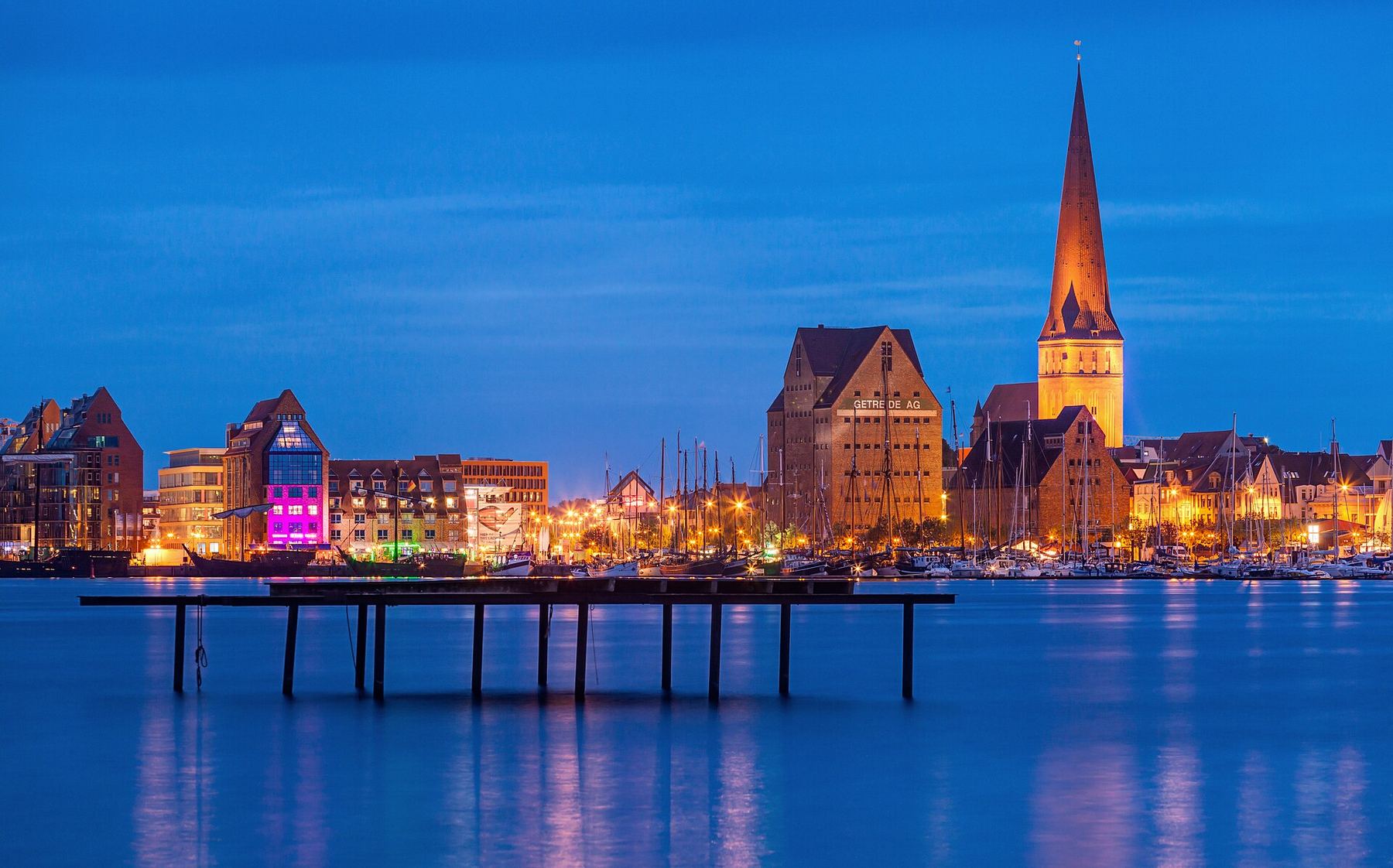
The city's oldest church spire once guided sailors home. An elevator ascends to the 45-meter observation platform.
Ask Parley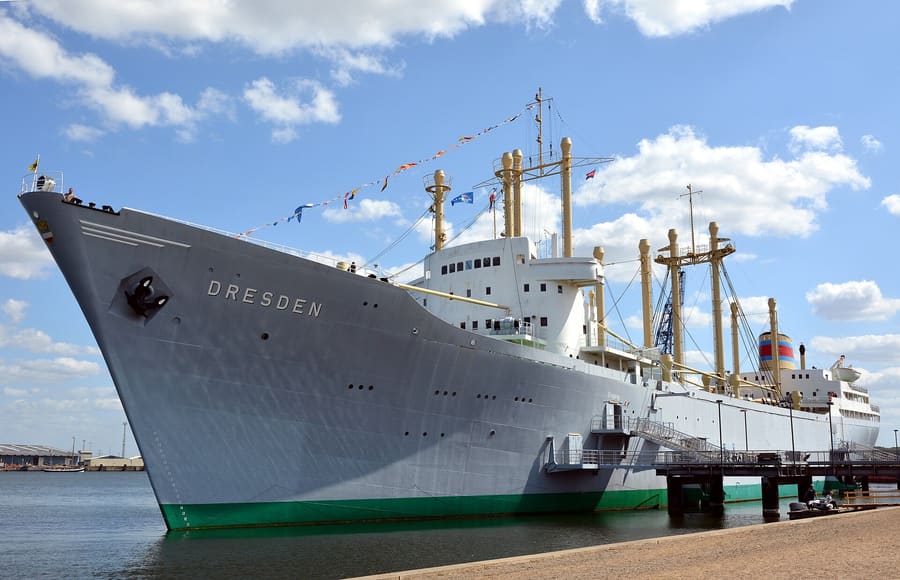
landmark
A 10,000-ton freighter docked in Schmarl operating as a museum. Walk through the preserved engine room and bridge.
Ask Parleyattractions
areas
Gabled townhouses, pedestrian cobbled streets, and brick churches within historic wall limits.
NearbyRostock Hauptbahnhof and Wallanlagen park strip.
Ask ParleySeaside resort culture centered on a wide sand beach, sea air, and active fish market moorings.
NearbyAlter Strom and the international cruise terminal.
Ask ParleyStudent enclave west of the old gate, filled with corner bars, independent cafes, and street murals.
NearbyKröpeliner Tor gate and Barnstorfer Wald forest.
Ask ParleyQuiet residential district sitting across the Warnow with uninterrupted views of the city skyline.
NearbyWarnow passenger ferry dock and local yacht clubs.
Ask Parleyfood
Rostock dining centers on Baltic catches and regional Mecklenburg produce. Cutter boats docked along Warnemünde's Alter Strom serve hot-smoked mackerel and Bismarck herring stuffed into crusty bread rolls. Main courses in historic taverns pair Baltic cod or zander with mustard sauces, boiled potatoes, and tart sea buckthorn side jams.
A pickled herring roll purchased directly from a cutter boat on Warnemünde harbour.
selbst fotographiert von User:Geoz · Public domainOrder sea buckthorn cake or liqueur at coastal cafes. The sharp orange berry grows wild along regional dunes.
Traditional kitchens close between 14:30 and 17:30. Plan hot meals around midday or book dinner seats after 18:00.
history
Rostock joined the Hanseatic League in 1283, building wealth through Baltic grain transport and commercial brewing. World War II bombing destroyed large portions of the historic center, followed by decades under East German socialist city planning. Modern Rostock balances restored Hanseatic brickwork with heavy naval shipyard production and seaside tourism.
Town charter
Rostock receives Lübeck law status, triggering rapid growth into an important Baltic merchant hub.
University opens
Rostock University opens as the oldest university across northern Europe and the Baltic rim.
Wartime destruction
Air attacks flatten over forty percent of the historic timber and brick structures in the city center.
Reunification era
Port facilities modernize while Warnemünde converts into Germany's active Baltic cruise harbor.
where to stay
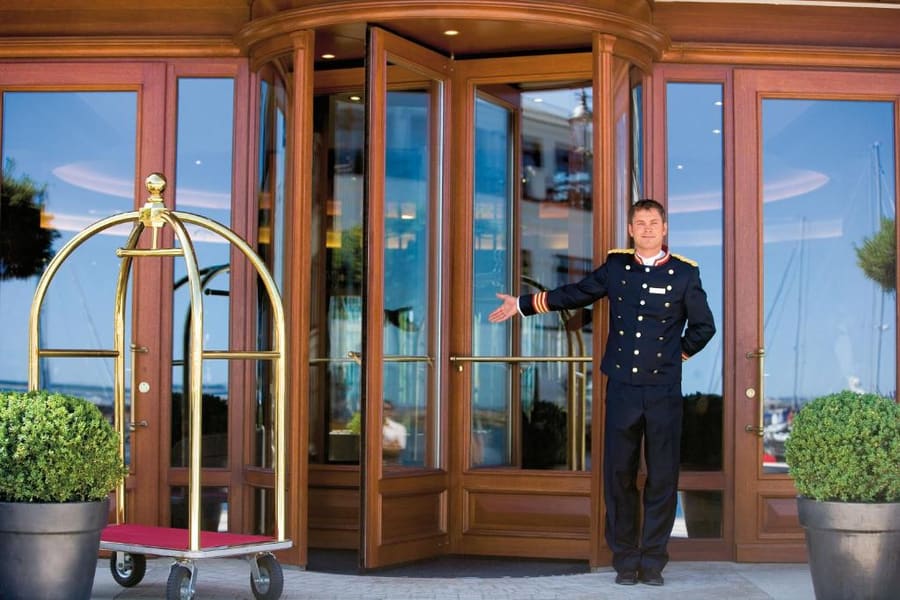
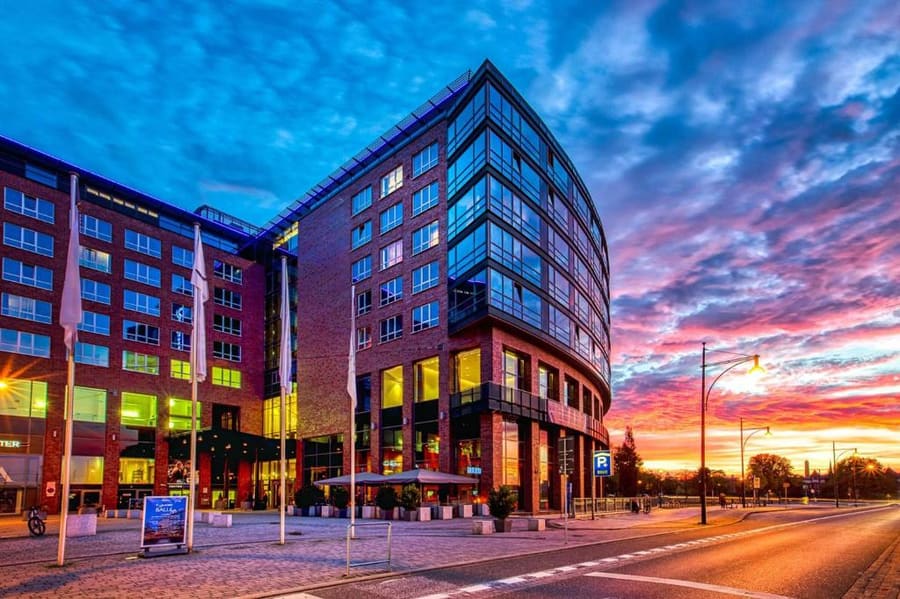
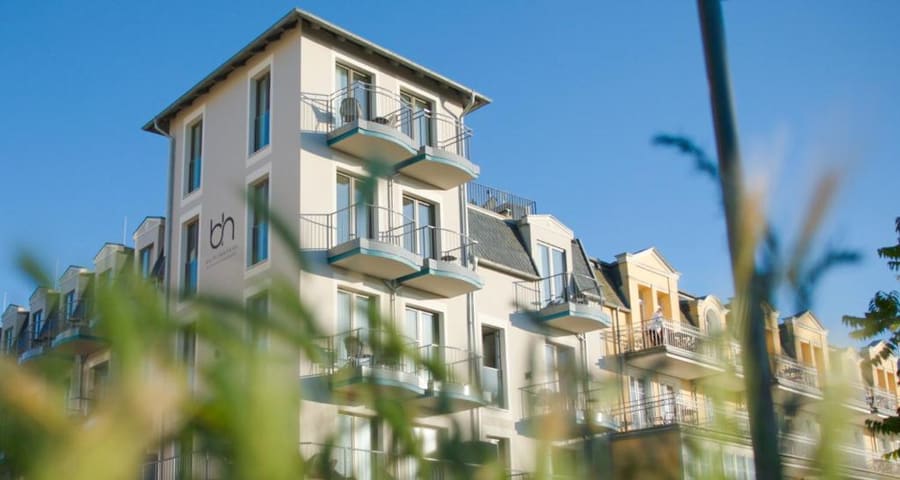
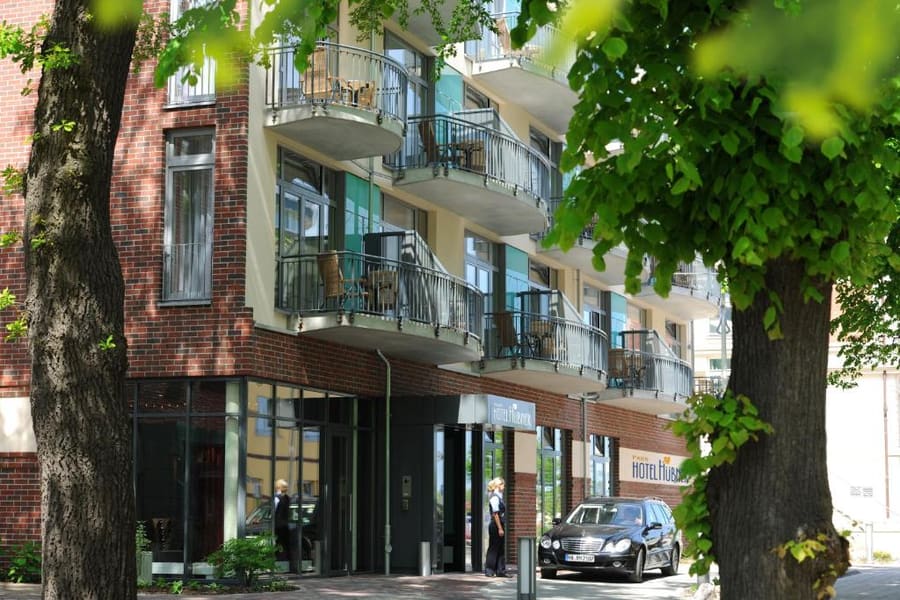
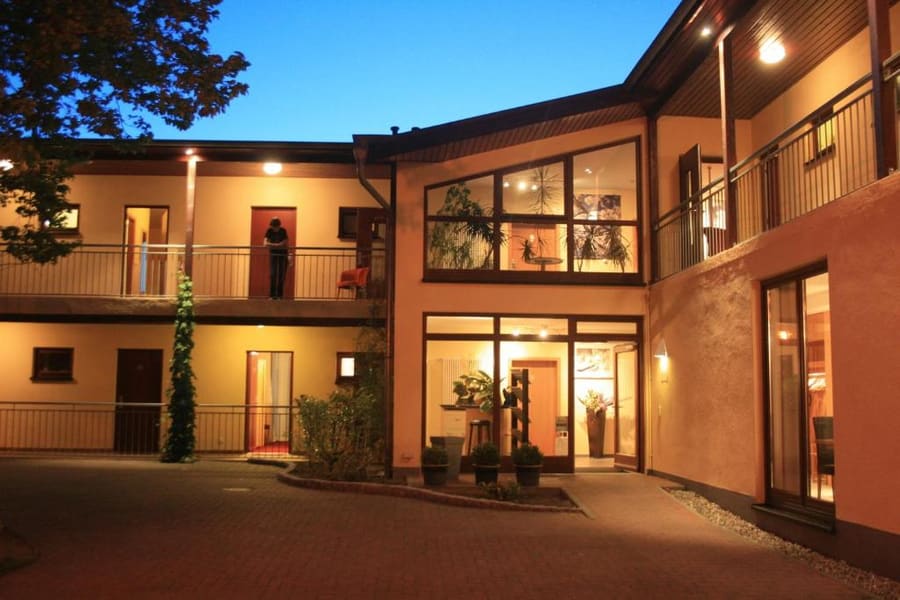
Base yourself according to whether you prioritize coastal air or night activity. Warnemünde commands premium hotel rates but offers immediate beach access. Staying in Stadtmitte or KTV reduces accommodation costs and provides direct public transit connections.
Live rates, matched to the areas above.
transport
Rostock relies on an integrated transit network operated by RSAG and VVW. S-Bahn line S1 runs north-south along the Warnow River, forming the main spine between the central train station and the sea.
Single transit tickets permit transfers within a 60-minute limit. Stamping is mandatory before stepping onto trains.
Platform machines take credit cards, but ticket inspectors expect a physical printout or digital app barcode.
S-Bahn S1 trains run continuously through Friday and Saturday nights between the central station and the coast.
Use line F1 across the river near Gehlsdorf for scenic views of the city wall line.
cost
Prices in central Rostock sit near national averages, though Warnemünde hotel and dining rates climb higher during summer. Cash remains necessary for fish stalls along the harbor.
Pickled herring or smoked mackerel served in a crusty roll along Alter Strom.
Rostocker Pilsner served in KTV corner pubs and harbor taverns.
seasonality
MAR – MAY
Crisp coastal winds and bright sun. Beach crowds remain thin and hotel prices stay low.
JUN – AUG
Peak beach weather with Baltic water around 18°C. Hanse Sail in August brings tall ships and dense crowds.
SEP – OCT
Clear light and calmer harbor promenades. Pack windproof jackets for coastal walks.
NOV – FEB
Freezing Baltic breezes and early sunsets. Old Town hosts northern Germany's largest Christmas market in December.
practicalities
Rent a hooded wicker beach chair on Warnemünde beach for roughly €12 per day at coastal stations.
Keep food covered while walking along Alter Strom. Seagulls routinely dive to snatch fish rolls from open hands.
Supermarkets and retail stores close completely on Sundays in the city core, except inside Hauptbahnhof.
Warnemünde overnight stays require a daily tourist tax card that grants beach access and local discounts.
Board the passenger ferry behind Warnemünde station for a quick crossing to the Hohe Düne marina spit.