
landmark
Saga Castle History Museum
Japan's largest reconstructed wooden building. Admission is donation-based, and tatami corridors run hundreds of meters long.
Japan
Hot springs, flat canal paths, and plainland beef.
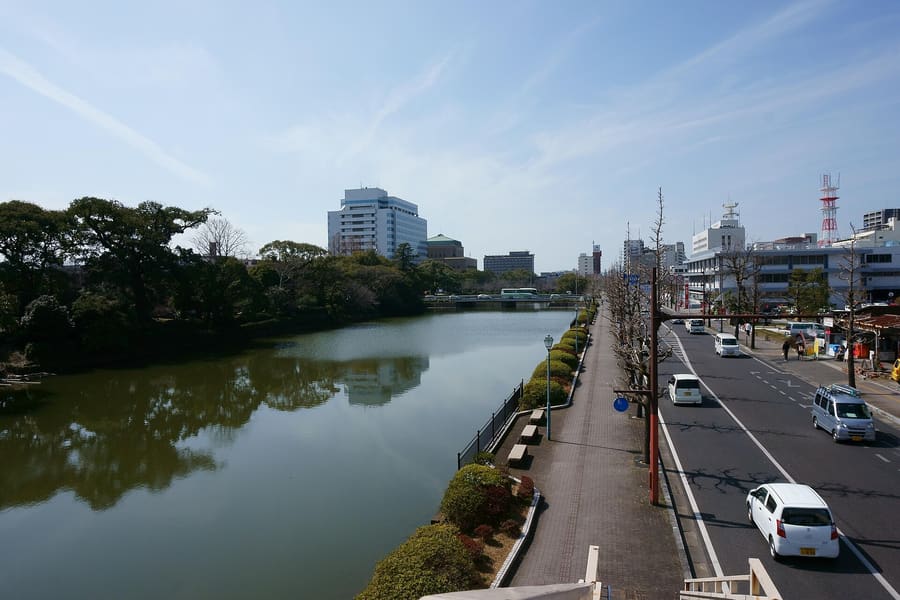
Saga sits flat on the Ariake plain, quieted by canals that once protected its feudal castle. Trains link you directly to Fukuoka in forty minutes, making it an easy day trip or quiet base. You navigate the town center on foot or bicycle, following straight avenues laid out around castle moats. Expect low-rise streets, modest crowds, and straightforward local dining.
Saga Castle Quarter — Quiet green district framed by wide moats, museum grounds, and traditional samurai street layouts.
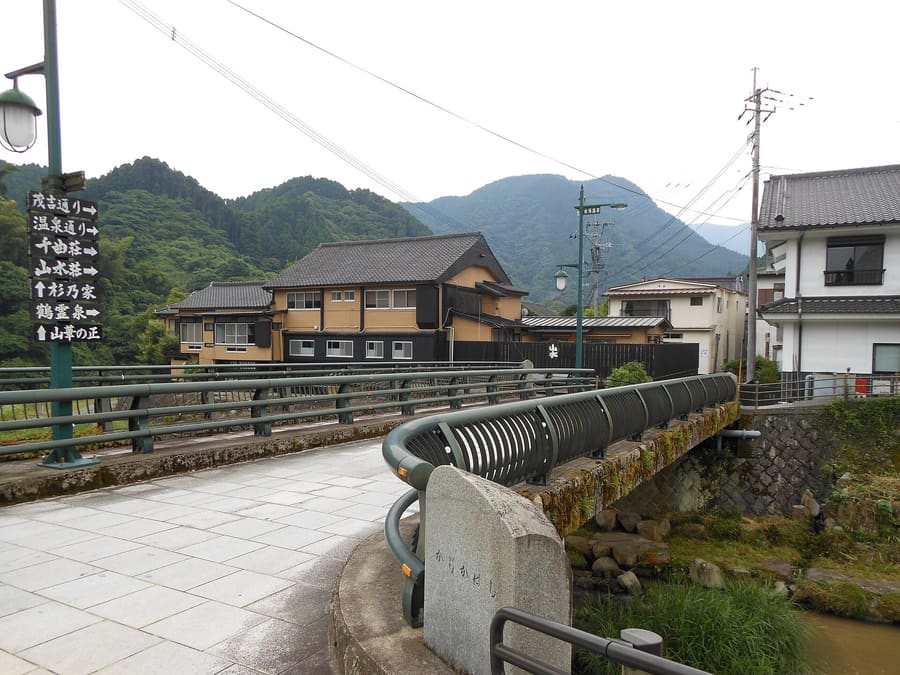
Furuyu Onsen Village — Secluded riverside hot spring retreat tucked into northern mountains with thermal ryokan.
Yoshinogari District — Rural plain featuring sprawling ancient parkland, open skies, and agricultural plots.
Saga Wagyu is renowned for tender, highly marbled beef cuts.
01
landmark
Japan's largest reconstructed wooden building. Admission is donation-based, and tatami corridors run hundreds of meters long.
landmark
Massive excavated Yayoi-period moat village. Entry costs 470 yen, requiring two hours to walk the watchtowers and earthen mounds.
landmark
Host venue for Asia's largest hot air balloon gathering every autumn. Accessible via a temporary train station on the Nagasaki Line.
landmark
Showcases local natural history and regional crafts in a sleek 1970 Brutalist structure. Free entry to permanent exhibitions.
landmark
A lukewarm thermal bath village 30 kilometers north. Local buses run hourly from Saga Station for 870 yen one way.
02
03
Transport hub with izakaya alleys, modern business hotels, and bike rentals.
NearbyJR Line platforms, local bus terminal
Ask ParleyQuiet green district framed by wide moats, museum grounds, and traditional samurai street layouts.
NearbySaga Castle History Museum, Saga Prefectural Museum
Ask ParleySecluded riverside hot spring retreat tucked into northern mountains with thermal ryokan.
NearbyKase River upper streams, mountain hiking trails
Ask ParleyRural plain featuring sprawling ancient parkland, open skies, and agricultural plots.
NearbyYoshinogari Historical Park, Yoshinogari-Koen Station
Ask Parley04
Saga Wagyu competes directly with Kobe beef, offering heavy marbling at lower regional price points. Local restaurants serve it as teppanyaki or simple steak sets near Saga Station. Off the coast, the Ariake Sea supplies peculiar mudflat delicacies like mutsugoro (mudskippers) and seasonal razor clams.For casual dining, Saga created Sicilian Rice in the 1970s. The dish layers warm rice, seasoned grilled beef, raw lettuce, and tomatoes, topped with mayonnaise. It remains a staple in downtown cafes along the canal streets.
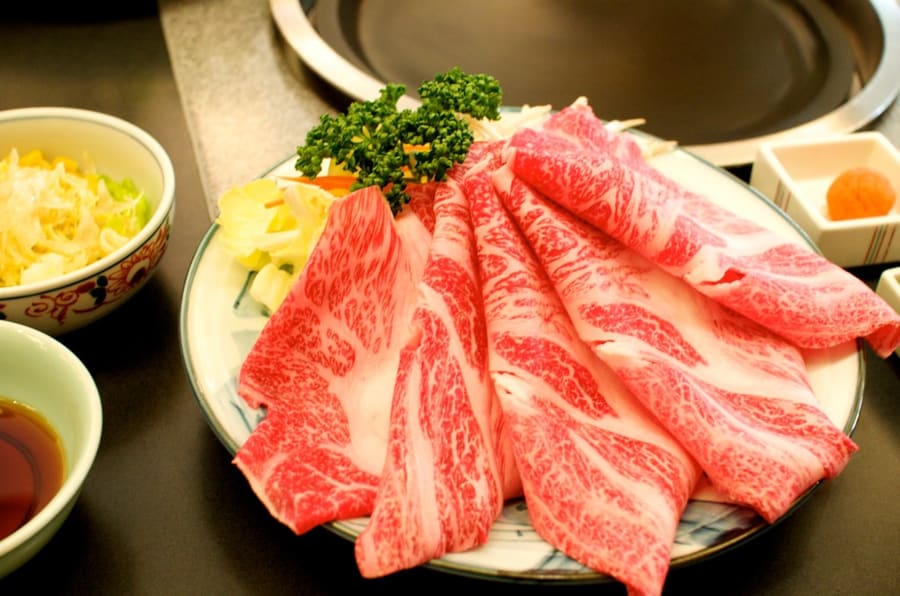
Saga Wagyu is renowned for tender, highly marbled beef cuts.
Order this regional comfort dish at local cafes near Saga Station for under 1,000 yen.
Lunch sets at Kira Saga cost roughly half of dinner prices for identical beef grades.
Mutsugoro and local Ariake shellfish appear in izakaya menus primarily from late spring to summer.
05
Saga developed as a castle town under the Nabeshima clan during the Edo period. The domain pioneered modern Japanese artillery and steam technology in the 19th century, contributing heavily to Japan's industrial modernization.
Nabeshima Clan
Nabeshima Naoshige establishes dominance over Saga domain, expanding castle fortifications.
Industrial Metallurgy
Saga domain builds Japan's first modern reverberatory furnace to cast iron cannons.
Saga Rebellion
The Saga Rebellion erupts against the Meiji government, damaging much of the original castle structure.
Palace Reconstruction
Saga Castle History Museum completes its authentic wooden reconstruction of the main palace.
06
Choose by your transit needs. Stay near Saga Station if taking day trips across Kyushu. Choose for overnight thermal bathhouse stays in the hills.
Highly rated hotels in Saga.


07
Saga is flat and straightforward to navigate. The primary rail gateway is Saga Station, which handles express links to Hakata and Nagasaki.
From Saga Airport (HSG) or Saga Station (JR)
Airport shuttle bus synced directly with domestic arrival flights to Saga Station.
Fixed-rate or metered taxis from Saga Airport to downtown Saga.
Tap Sugoca or IC cards at Saga Station, but carry cash for local buses into .
Rent city bicycles inside Saga Station at the tourist information center for around 500 yen per day.
Buses running north to Furuyu Onsen depart once per hour; check timetable boards before setting out.
Saga Castle lies two kilometers south of Saga Station, an easy 25-minute flat walk along Chuo-dori.
08
Saga is significantly cheaper than neighbouring Fukuoka. Local transport and dining provide excellent value, though high-end Saga beef requires a planned budget.
Midday set menus at specialized steak houses reduce evening dinner pricing by almost half.
Short trips around the central castle district cost standard local bus fares.
Covers full entry to all excavated areas, replica buildings, and the park museum.
Public bathhouses in Furuyu welcome day visitors without requiring overnight ryokan stays.
09
MAR – MAY
Pleasant mild weather for walking along castle moats and exploring Yoshinogari Park.
JUN – AUG
Hot and humid summer with frequent rain. Good season for cool baths in Furuyu Onsen.
SEP – NOV
Peak season. Early November brings the Saga International Balloon Fiesta along Kase River.
DEC – FEB
Chilly and quiet plainland winters. Low hotel rates and empty attraction sites.
10
Except near Saga Station, many dining spots close by 20:00. Plan evening meals accordingly.
Small eateries and rural bathhouses in Saga require cash in Japanese Yen.
Saga is one of Japan's flattest cities; renting a bike is the most efficient way to navigate.
The flat plain offers little shade outside the castle park, so wear sun protection.
Expect quiet streets compared to nearby Fukuoka, even in central commercial lanes.
Contents
Your trip
Going to Saga?
Tell Parley when you’re going and what you enjoy, and it plans the days around this guide.
Plan with Parley


