
landmark
Omiya Bonsai Art Museum
Contains over 120 historic bonsai specimens. Closed Thursdays; photography is restricted to designated outdoor viewing balconies.
Japan
Tokyo's northern transit hub of bonsai, railways, and arena concerts.
Saitama sits directly north of Tokyo, functioning as a major transit node and residential center for the capital region. You navigate the city primarily along the JR Keihin-Tohoku and Takasaki rail lines, which connect its distinct hubs of Omiya and Urawa. Expect functional concrete architecture, deep rail heritage, and concentrated pockets of traditional crafts like bonsai. High-speed train lines converge here, making it an efficient base for northern travel.
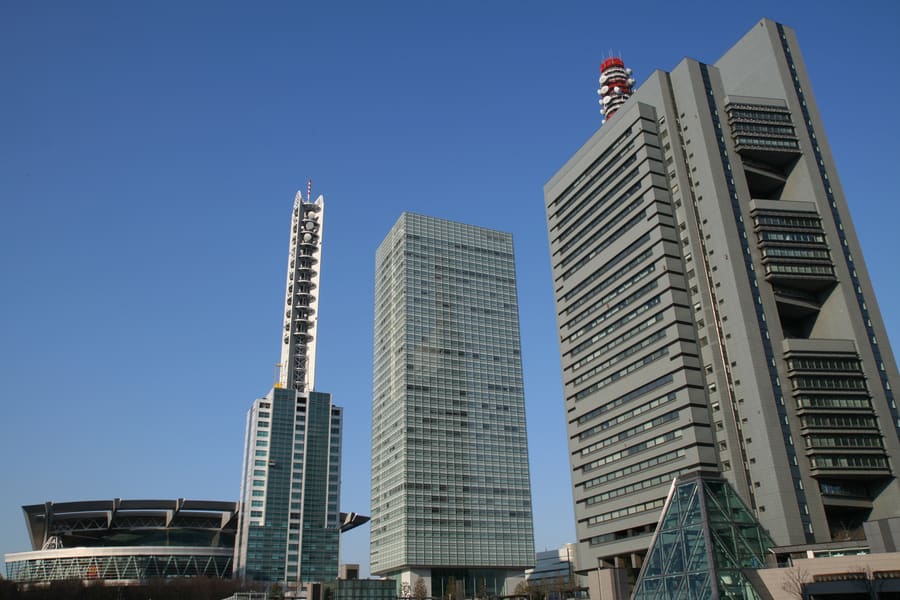
Saitama-Shintoshin — A high-rise commercial district centered around government office towers and event venues.
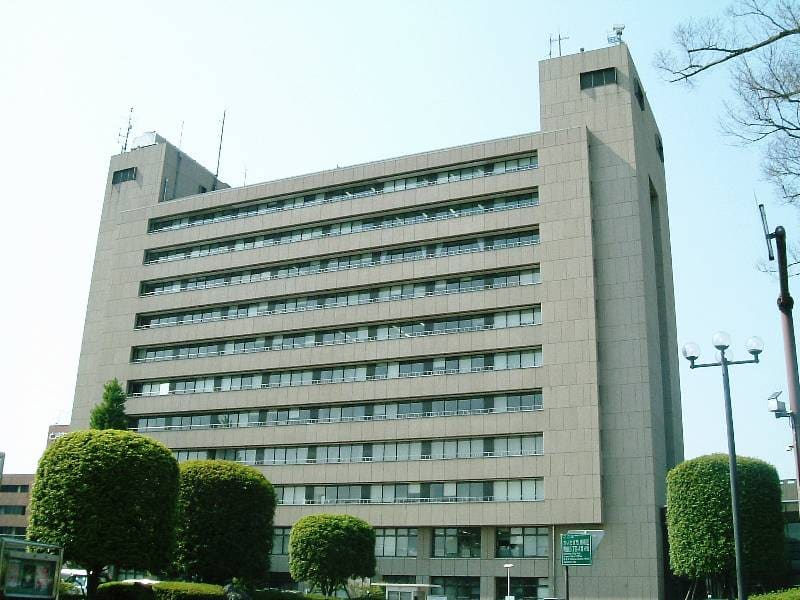
Urawa — An administrative center known for traditional eel dining and quiet residential side streets.
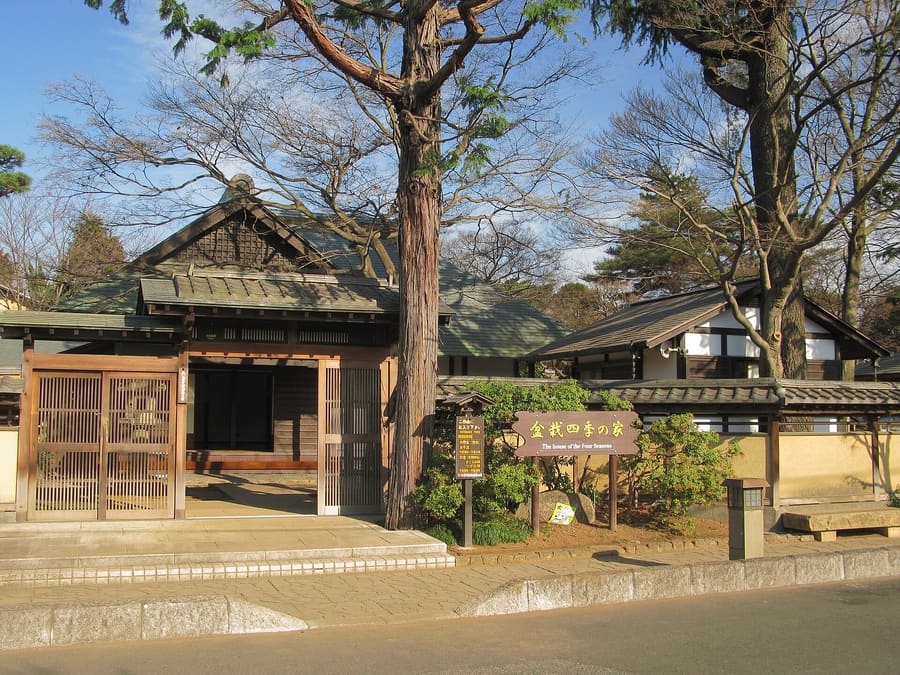
Bonsai-cho — A quiet residential area created by master gardeners fleeing Tokyo after the 1923 earthquake.
Grilled unagi served over rice at a traditional Urawa restaurant.
01
landmark
Contains over 120 historic bonsai specimens. Closed Thursdays; photography is restricted to designated outdoor viewing balconies.
landmark
Traces Japanese rail history with 36 real train cars and interactive simulators. Reserve timed tickets online beforehand.
landmark
The head shrine of over 200 regional branches, accessed via a two-kilometer tree-lined path. Early mornings offer quiet grounds.
landmark
A flexible indoor stadium hosting concerts, martial arts, and trade expos. The plaza fills with food trucks on event days.
landmark
A spacious public park featuring a small free zoo and hundreds of cherry trees. Expect dense crowds during April bloom.
landmark
A shrine dedicated to the moon where stone rabbits replace traditional guardian lions. Located ten minutes on foot from Urawa Station.
02
03
The commercial transport hub packed with izakayas, department stores, and rail platforms.
NearbyThe Railway Museum and Hikawa Shrine
Ask ParleyA high-rise commercial district centered around government office towers and event venues.
NearbySaitama Super Arena and Cocoon City mall
Ask ParleyAn administrative center known for traditional eel dining and quiet residential side streets.
NearbyTsuki Shrine and Urawa Art Museum
Ask ParleyA quiet residential area created by master gardeners fleeing Tokyo after the 1923 earthquake.
NearbyOmiya Bonsai Art Museum
Ask Parley04
Freshwater eel (unagi) is Urawa's defining culinary staple, originating from fishermen catching wild eel in local rivers during the Edo period. Local specialty restaurants steam and broil the fish with a soy glaze before serving it over rice. In contrast, Omiya favors Stamina Ramen, a local soup dish featuring thick noodles topped with garlic, chives, and a thick spicy chili sauce base.
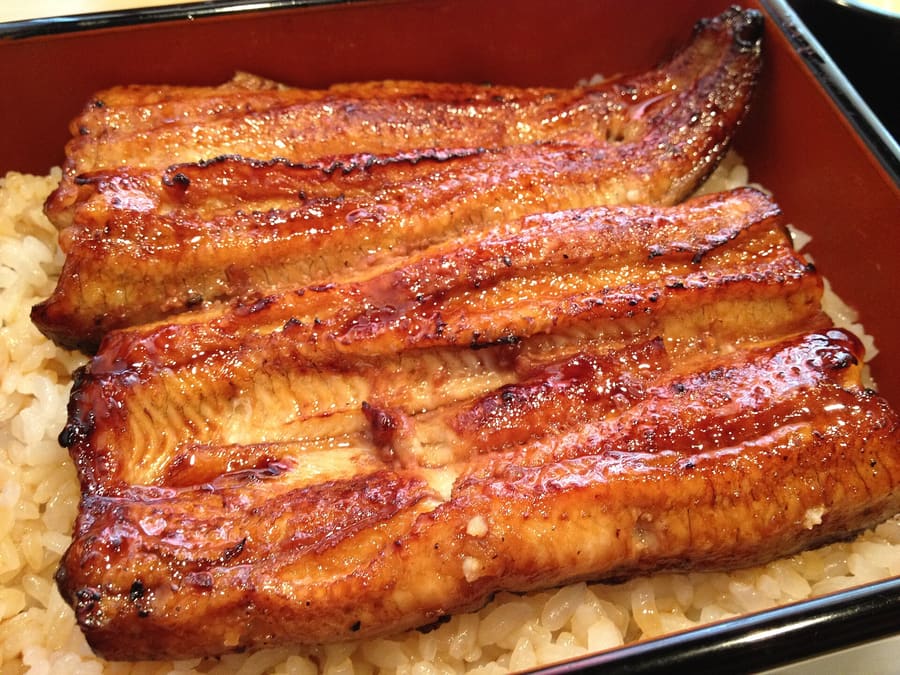
Grilled unagi served over rice at a traditional Urawa restaurant.
Order grilled eel set lunches at established specialty shops near Urawa Station. Expect to pay between ¥3,000 and ¥5,000 per person.
Try Omiya Napolitan, a pan-fried ketchup noodle meal served at coffee shops near Omiya Station's east exit.
Purchase sweet potato cakes and confectionery produced in nearby Kawagoe at Omiya Station transit gift shops.
05
Saitama grew around and the Nakasendo highway connecting Edo to Kyoto. The opening of Omiya Station in 1885 turned the municipality into a major regional rail depot. In 2001, the neighboring cities of Urawa, Omiya, and Yono merged to establish modern Saitama City, creating a consolidated administrative center for the capital's northern commuter region.
Bonsai Village Founded
Tokyo garden craftsmen relocate to Bonsai-cho following the 1923 Great Kanto Earthquake.
Super Arena Opens
Saitama Super Arena opens in the newly designed Saitama New Urban Center district.
Saitama City Formed
Urawa, Omiya, and Yono merge to create the modern municipal city of Saitama.
06
Select your hotel base using your transit needs. Omiya provides direct access to bullet trains and airport buses. Saitama-Shintoshin suits travelers attending events at the arena.
Highly rated hotels in Saitama.


07
Saitama functions on passenger rail lines. The JR Keihin-Tohoku Line handles local transit between Urawa, Saitama-Shintoshin, and Omiya, while the rubber-tired New Shuttle line links Omiya to the northern museum districts.
The Saitama New Shuttle elevated line connects Omiya Station directly to Tetsudo-Hakubutsukan Station for the Railway Museum.
Standard Japanese IC transit cards are accepted on all local train lines, city buses, and the New Shuttle.
Omiya Station serves as the junction for Tohoku, Joetsu, and Hokuriku Shinkansen high-speed lines heading north.
Southbound trains running toward Tokyo fill past capacity between 07:30 and 08:30 on weekdays.
08
Everyday costs in Saitama sit slightly lower than in central Tokyo. Food, museum admissions, and short transit trips represent excellent value for day visitors.
Includes access to the main indoor gallery and the outdoor bonsai display garden.
Covers a traditional grilled eel rice box with soup and pickles in Urawa.
One-way transit ticket from Omiya Station to the Railway Museum stop.
Standard flat fare on Tobu and Kokusai Kogyo bus routes operating in the city.
09
MAR – MAY
Pleasant temperatures with spring blooms in Omiya Park. Book hotels early for Golden Week in early May.
JUN – AUG
Hot, humid conditions with occasional heavy rains. Indoor museums and arena events provide climate-controlled shelter.
SEP – NOV
Clear skies and moderate temperatures suitable for garden walks. Autumn leaves in local parks peak in mid-November.
DEC – FEB
Cold, dry weather with reliable sunshine. Shorter winter daylight hours mean bonsai nurseries close by 16:00.
10
Smaller private bonsai nurseries in Bonsai-cho prefer cash payments for small craft purchases.
Saitama-Shintoshin Station crowds swell rapidly immediately after 37,000-person arena events end.
The two-kilometer tree path leading to Hikawa Shrine remains quiet and shaded before 09:00.
Omiya Station offers large coin locker banks along its second-floor central transit concourse.
Contents
Your trip
Going to Saitama?
Tell Parley when you’re going and what you enjoy, and it plans the days around this guide.
Plan with Parley


