
landmark
Plaza 9 de Julio
The main square retains colonial arcades and orange trees. Morning coffee under the porticos lets you skip mid-day tourist crowds.
Argentina
Andean traditions, adobe squares, and late-night peñas.
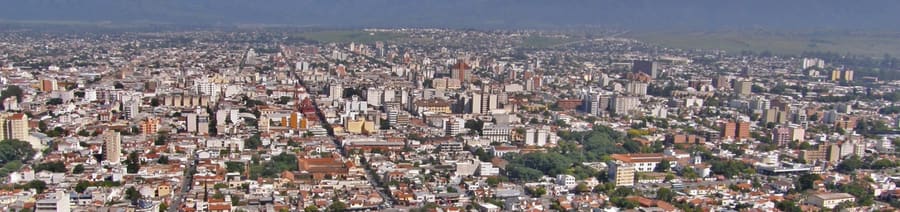
Salta sits in the Lerma Valley surrounded by dry Andean mountains. The compact city center revolves around grid streets and preserved colonial plazas. You can explore central sights on foot, but accessing the surrounding valleys requires a vehicle or regional bus. Prepare for late dinners, as traditional restaurants and music halls rarely open before 21:00.
Balcarce — Nightlife corridor lined with folk peñas, craft markets, and late-night bars.
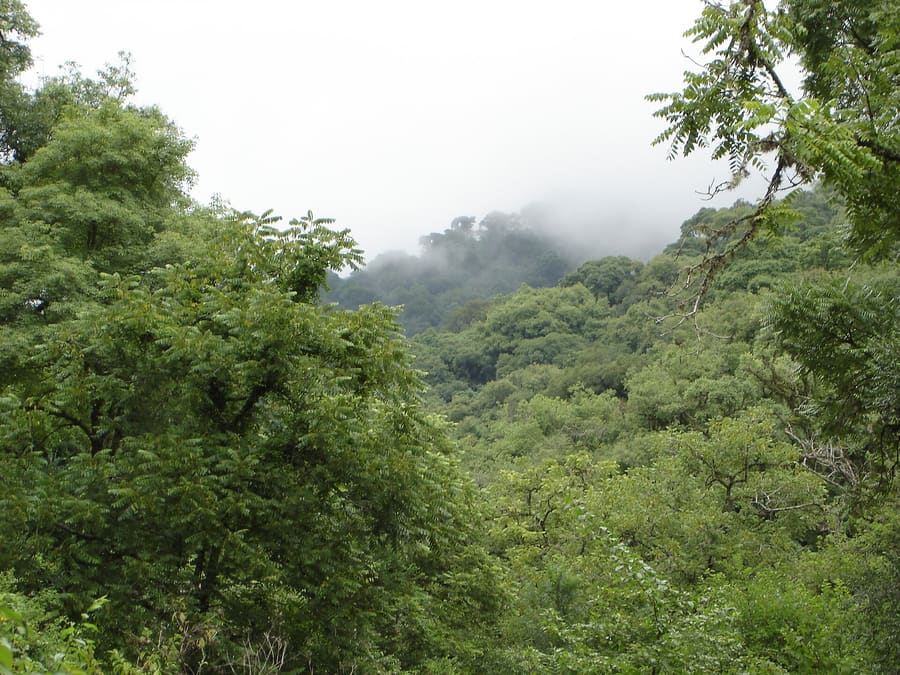
San Lorenzo — Lush wooded suburb 12 km west of the center with mountain stream walks.
Baked empanadas salteñas served with red pepper salsa.
01
landmark
The main square retains colonial arcades and orange trees. Morning coffee under the porticos lets you skip mid-day tourist crowds.
landmark
Displays high-altitude Inca artifacts and frozen child mummies. Book online during peak winter months to skip hour-long lines.
landmark
A terracotta facade featuring South America's tallest church tower. Visit after sunset when lighting highlights the ornate stucco.
02
03
Colonial arcades, pedestrian plazas, and dense foot traffic near major museums.
NearbyMAAM, Catedral de Salta, Cabildo
Ask ParleyNightlife corridor lined with folk peñas, craft markets, and late-night bars.
NearbyTrain station, Balcarce peña strip
Ask ParleyLush wooded suburb 12 km west of the center with mountain stream walks.
NearbyQuebrada de San Lorenzo reserve
Ask ParleyQuiet residential hillside district with modern houses and wide valley views.
NearbyCerro San Bernardo trailheads
Ask Parley04
Salta cuisine centers on Andean corn, knife-cut beef, and lard pastry baked in wood-fired clay ovens. Empanadas salteñas are smaller and juicier than Buenos Aires versions. You eat them by tilting forward so the hot broth drips onto your plate rather than your shirt.Regional specialties like humita and locro dominate cold-weather menus. Humita combines ground fresh corn, goat cheese, and paprika steamed inside a corn husk. Locro is a thick stew made from white corn, squash, pork trotters, and chorizo colorado.Dry white wine made from Torrontés grapes comes from the nearby Calchaquí Valleys. The high altitude gives the wine an aromatic nose with a dry finish. Pair it with spicy empanadas topped with spooned red pepper sauce.
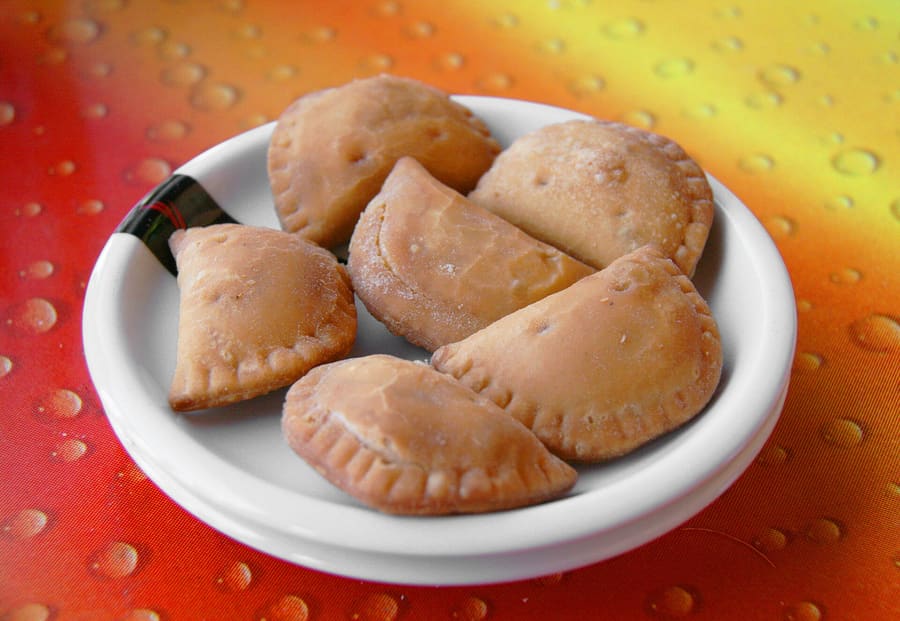
Baked empanadas salteñas served with red pepper salsa.
Kitchens open at 20:30, but traditional dining rooms stay empty until 21:30.
Authentic empanadas use hand-cut beef loin, hard-boiled egg, and potato cubes.
Neighborhood eateries often offer a 10% discount when paying cash over card.
05
Salta grew as a trade stop on the Spanish royal road between Buenos Aires and the silver mines of Potosí. Spanish founder Hernando de Lerma established the city in 1582 to protect trade routes from indigenous Diaguita resistance.During the War of Independence, General Martín Miguel de Güemes organized local Gaucho guerillas to defend the northern border. His forces repelled seven royalist invasions, securing Argentina's independence from Spanish colonial rule.
Foundation
Hernando de Lerma founds the city in the Lerma Valley as a staging ground for mule trade to Bolivia.
Battle of Salta
General Manuel Belgrano defeats royalist armies outside the city, solidifying northern revolutionary territory.
Inca discovery
Archeologists recover three frozen Inca child mummies near the summit of Mount Llullaillaco.
06
Choose your location based on how you handle night noise and transit. Stay in Centro Histórico if you want to walk to museums and historic sites. Choose Balcarce if late night peñas and bars are your evening focus. Opt for San Lorenzo if you prefer cool mountain air over immediate access to city streets.
Highly rated hotels in Salta.


07
Salta's central grid is best navigated on foot. For destinations outside the core, local SAETA buses require a smart card loaded with credit before boarding. Taxis and remis private cars are widely available and inexpensive compared to Buenos Aires.
City buses take no cash. Purchase cards at official red SAETA booths downtown.
Remis agencies charge predetermined fees calculated by distance rather than meters.
Taxi availability drops between 13:30 and 17:00 when drivers break for lunch.
The famous tourist train departs Salta by bus, transferring to rail in San Antonio de los Cobres.
08
Salta is significantly cheaper than Buenos Aires or Patagonia. cash payments in pesos often yield discounts at independent restaurants and crafts shops.
09
DEC – FEB
Heavy rains cause mountain mudslides that can block unpaved pass roads.
MAR – MAY
Clear dry days and moderate temperatures. Ideal window for mountain road trips.
JUN – AUG
Sunny cold dry days with freezing night temperatures. High season for domestic tourists.
SEP – NOV
Warm spring weather with blooming lapacho trees and light tourist traffic.
10
Shops close between 13:00 and 17:00 daily outside the primary tourist plaza.
At 1,200 meters elevation sun exposure is severe even on mild afternoon days.
Leaves sold legally in markets help mitigate altitude sickness on mountain passes.
Towns outside Salta city frequently lose internet connections for card processing.
Passes to Cachi or San Antonio de los Cobres rise above 3,500 meters altitude.
Contents
Your trip
Going to Salta?
Tell Parley when you’re going and what you enjoy, and it plans the days around this guide.
Plan with Parley


