
landmark
Johnny Cay
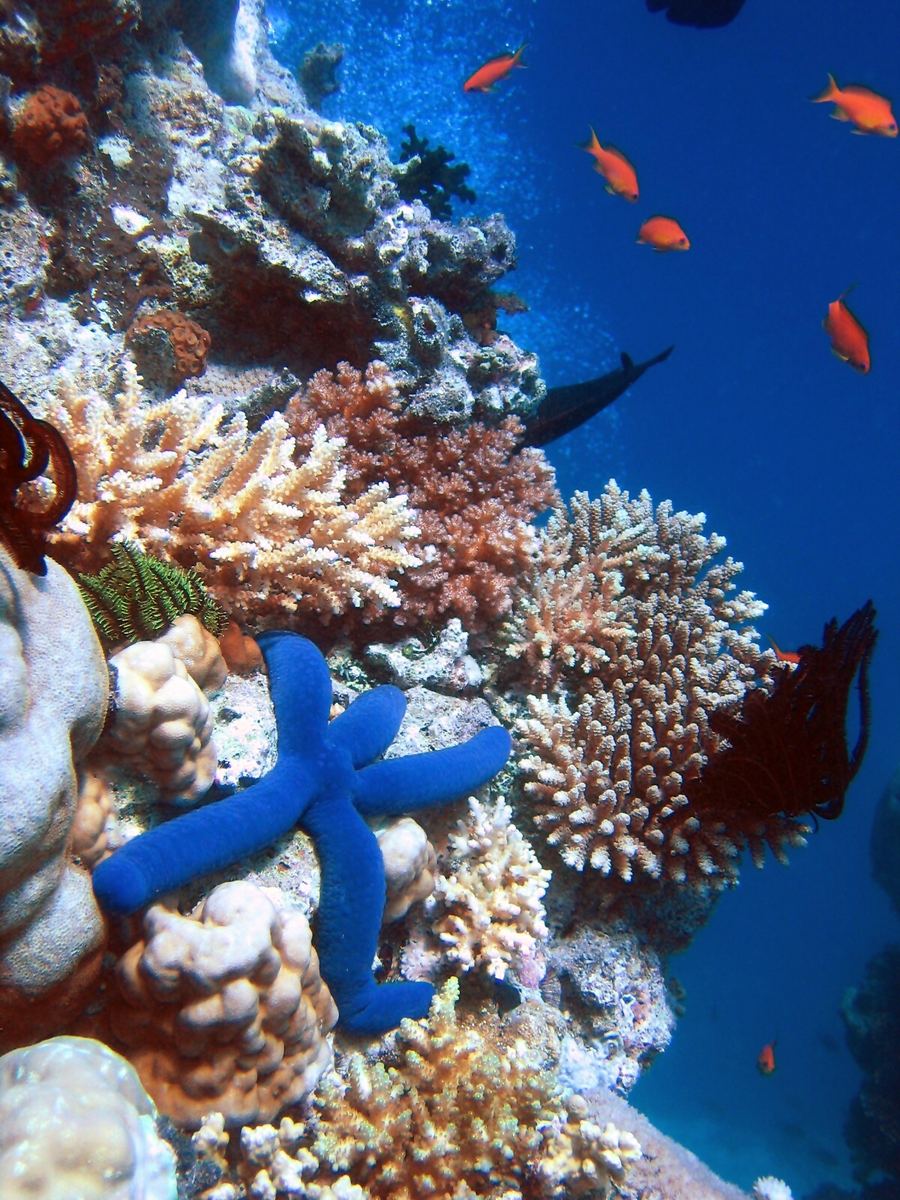
A coral islet fifteen minutes by boat from North End. Book morning boats at Portofino Pier to beat wind closures.
Colombia
A Creole Caribbean outpost wrapped in a multi-hued reef.
San Andrés sits 750 kilometers off the mainland coast of Colombia, geographically closer to Nicaragua than Bogota. English-based Creole and Raizal identity shape daily life alongside Spanish customs. You navigate the island by golf cart along a single coastal perimeter highway that links duty-free northern shops to limestone coves in the south. High-volume resort tourism coexists with quiet fishing hamlets across twenty-six square kilometers.
Cove & West Side — Rocky limestone western shore ideal for deep-water swimming and sunset views.
Rondón, the traditional Raizal slow-cooked stew of fish, snail, breadfruit, and yucca in coconut broth.
01
landmark
A coral islet fifteen minutes by boat from North End. Book morning boats at Portofino Pier to beat wind closures.
landmark
A natural blowhole shooting sea spray through coral limestone. High tide and strong southern winds create the highest blasts.
landmark
A drop-off point with diving boards and ladders directly into deep fish-filled water. Arrive before 10:00 to avoid cruise crowds.
landmark
A deep water-filled limestone cave linked to pirate Henry Morgan. The entry ticket includes access to coconut and pirate museums.
landmark
Two adjacent islets connected by waist-deep water. Walk between them in water shoes to spot stingrays and parrotfish.
landmark
An eight-hectare forest reserve run by Colombia's National University. Climb the wooden observation tower for island canopy views.
02
03
High-density commercial core with pedestrian arcades, banks, and urban beach access.
NearbySpratt Bight beach and Portofino boat pier.
Ask ParleyRelaxed east-coast district featuring traditional wooden architecture and quiet beaches.
NearbyCocoplum Bay and Sound Bay beach.
Ask ParleyRocky limestone western shore ideal for deep-water swimming and sunset views.
NearbyWest View snorkel park and Cove Seaside bay.
Ask ParleyElevated interior island settlement preserving Raizal customs and cool hillside breezes.
NearbyFirst Baptist Church and Island Botanical Garden.
Ask Parley04
San Andrés cooking balances Afro-Caribbean traditions with Colombian mainland influences. The foundation of local cuisine rests on coconut milk, hot peppers, fish, and root crops grown in central island gardens. Restaurants in El Centro lean toward commercial seafood platters, while beach stalls in San Luis serve traditional family recipes cooked over open wood fires.
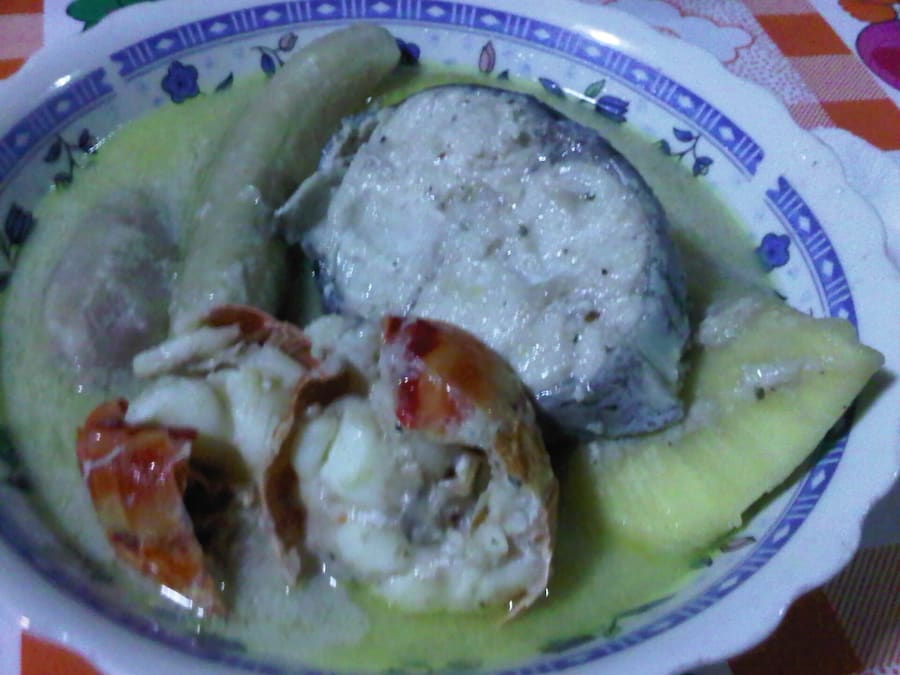
Rondón, the traditional Raizal slow-cooked stew of fish, snail, breadfruit, and yucca in coconut broth.
This traditional stew takes hours to simmer. Local spots in San Luis require advance notification or lunch orders placed by 10:30.
Look for street vendors in La Loma selling baked or fried pastry pockets stuffed with spiced black crab meat.
Independent Raizal eateries outside El Centro close on Sundays for church services and family gatherings.
05
English Puritans settled San Andrés in 1631, establishing plantations staffed by enslaved West Africans. Spain gained control in 1785, but allowed English speech and Protestant worship to remain. Colombia asserted sovereignty in 1822 following independence. Mid-twentieth-century free port designation brought heavy migration from mainland Colombia, shifting the island's language and culture.
Puritan settlement
English settlers arrive on Providence and San Andrés, establishing cotton plantations worked by enslaved Africans.
Colombian flag raised
Local leaders declare adherence to the new Republic of Gran Colombia after Spanish rule collapses.
Free port declaration
President Rojas Pinilla declares San Andrés a duty-free port, triggering rapid commercial growth and migration.
ICJ maritime ruling
The International Court of Justice redefines sea boundaries around the archipelago, impacting fishing grounds.
06
Choose your base by your need for quiet versus convenience. Staying in El Centro puts you within walking distance of boat docks, duty-free shopping, and nightlife. San Luis offers traditional guesthouses right on the sand, though you rely on taxis or rentals after dark. The western coast suits divers who want direct rocky access to deep water.
Highly rated hotels in San Andrés.


07
San Andrés covers small ground, but heat makes walking far inefficient. A single ring road circles the entire coast in roughly twenty-eight kilometers. Gasoline or electric golf carts serve as the primary independent transport for visitors. Local buses cover main roads during daylight hours at flat low fares.
From Gustavo Rojas Pinilla International Airport (ADZ)
Standard fixed rates apply between airport and El Centro hotels.
Board outside terminal gate on main road toward El Centro.
Standard four-passenger golf carts rent for around 180,000 to 250,000 COP per day. Return them with full tank fuel.
Public buses marked 'San Luis' or 'Circular' run along coastal roads every twenty minutes until 20:30.
Taxis lack meters. Confirm the fixed rate with your driver before placing bags in the trunk.
Check tires, brakes, and headlights before driving away from rental offices in El Centro.
08
San Andrés prices run higher than mainland Colombia due to island freight costs, though duty-free status keeps imported spirits cheap. Cash remains essential outside major El Centro hotels and supermarkets. ATMs line Avenida Colombia in El Centro, but frequently run out of bills on holiday weekends.
Mandatory state tax paid at mainland airport prior to departure.
Covers daily rental from 08:00 to 18:00 across island roads.
Full portion served at beachfront informal restaurants in San Luis.
Round-trip water shuttle fee excluding island environmental tax.
09
DEC – APR
Dry season bringing high trade winds, optimal ocean clarity, and peak visitor numbers.
MAY – JUN
Transition months featuring lower hotel rates and intermittent brief afternoon rain showers.
JUL – AUG
Mid-year Colombian school vacation period resulting in crowded northern beaches.
SEP – NOV
Peak Caribbean rainy season with storm risks that can cancel offshore boat shuttle trips.
10
Local marine regulations prohibit non-biodegradable sunscreen in Biosphere reserves.
Limestone rocks and sharp sea urchins line popular swimming spots at and Acuario.
Small beach stalls, cart rentals, and boatmen outside El Centro do not accept card payments.
Bottled or filtered water is necessary everywhere on the island, including for brushing teeth.
Locals speak English-based Creole among themselves and Spanish with mainland arrivals.
Contents
Your trip
Going to San Andrés?
Tell Parley when you’re going and what you enjoy, and it plans the days around this guide.
Plan with Parley


