landmark
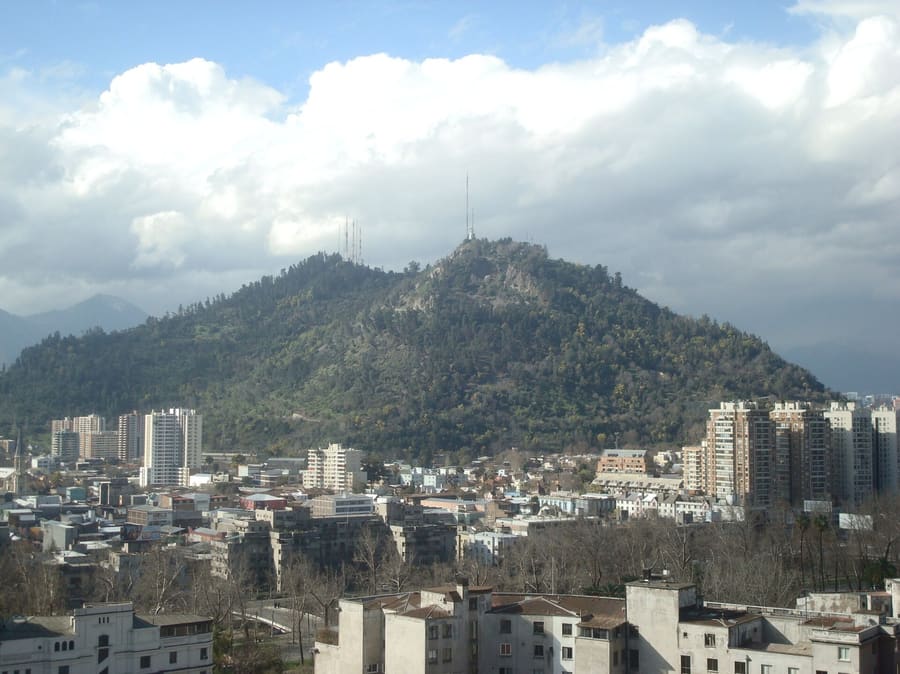
Cerro San Cristóbal
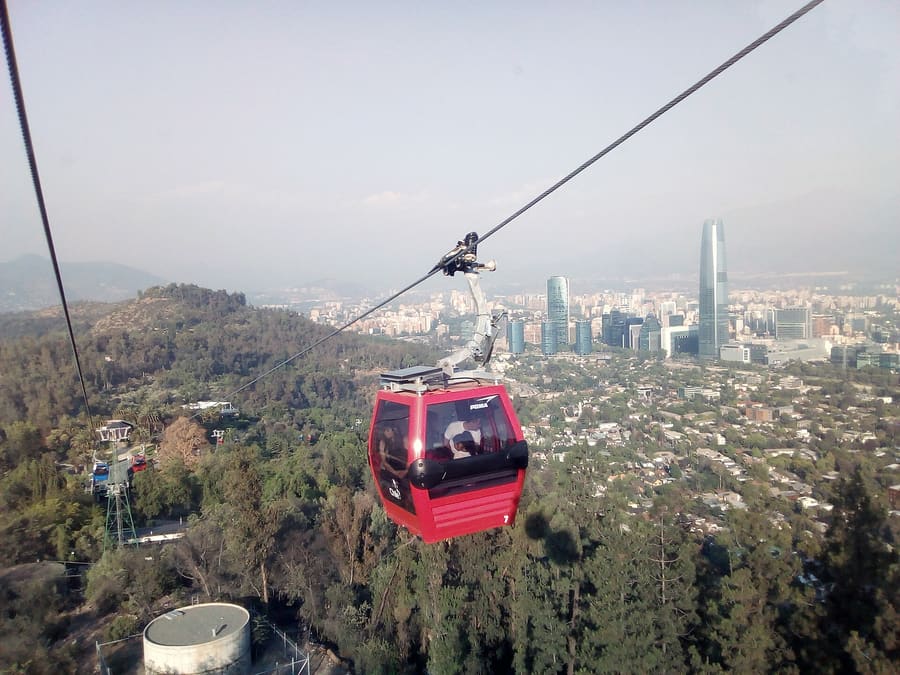
A 860-metre hill with sweeping city views. Take the funicular from Pio Nono or ride the teleférico from Providencia.
Ask ParleyChile
Grid streets beneath snowpeaks, driven by Metro Line 1.
introduction
Santiago spreads flat across a basin under the wall of the Andes. You navigate it along Metro Line 1, which runs west to east from the old historic core to high-rise financial districts. Smog traps heat in summer, while winter brings clear air after rain and white mountain peaks. The city trades postcard charm for clean infrastructure, swift transit, and neighbourhood dining.
Airport transit strategy
Official taxis at SCL airport operate from fixed-rate counters inside the baggage hall. Never accept rides from drivers soliciting in the arrival terminal.
Historic core design
The historic centre retains its 1541 grid laid out by Pedro de Valdivia. Metro construction systematically reveals colonial foundations.
Bip! transit card
Buy a Bip! card at any Metro station before riding. The card allows up to two free transfers between Metro and Red buses within two hours.
Santiago
Sfs90 · CC BY-SA 4.0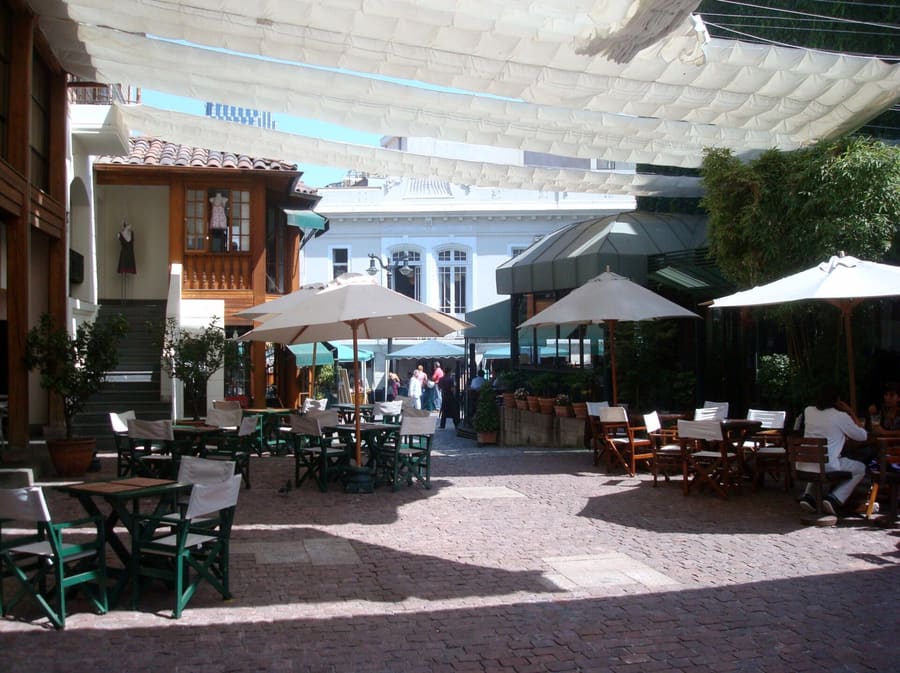
Lastarria — Tree-lined pedestrian alleys filled with bookstalls, cafes, and European architecture.
Carlos yo · CC BY-SA 4.0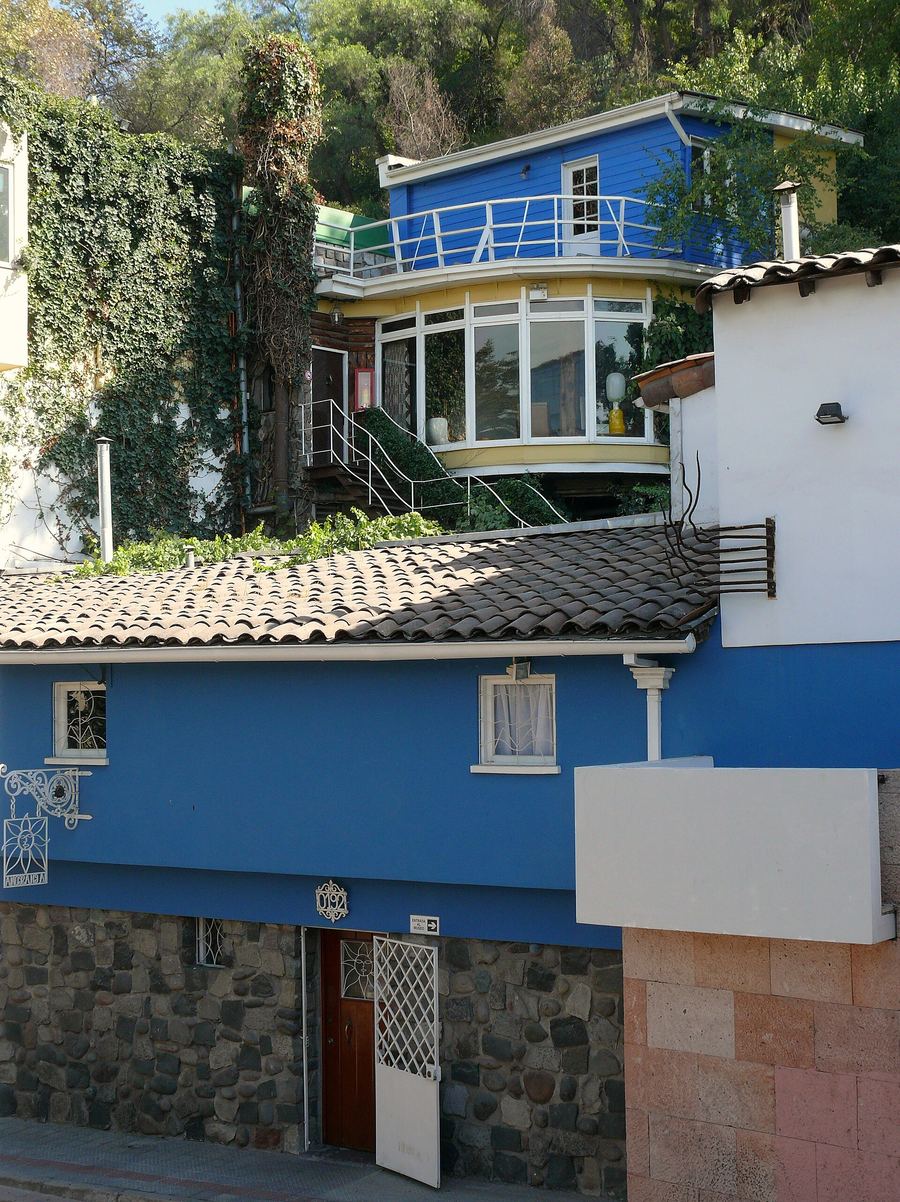
Bellavista — Bohemian quarter with painted murals, night venues, and Pablo Neruda's former home.
Marcelo Ois Lagarde · CC BY-SA 3.0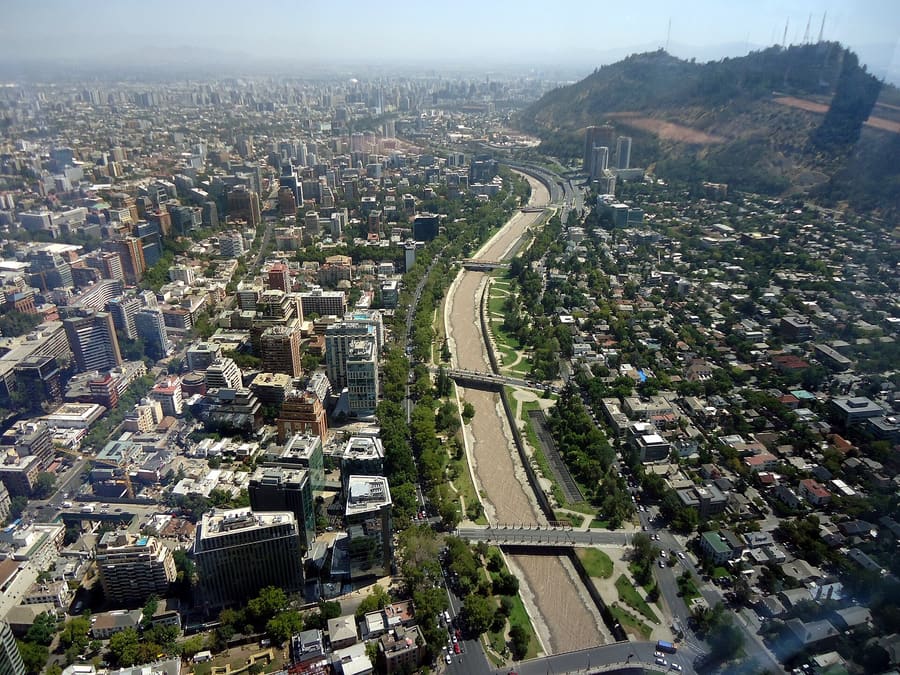
Providencia — Broad commercial avenues, quiet residential side streets, and efficient transit links.
Alvareznelson · CC BY-SA 4.0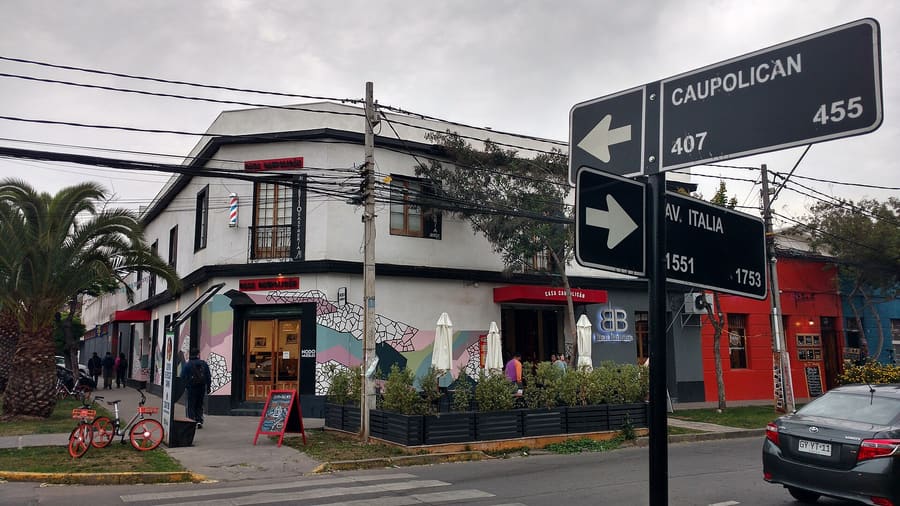
Barrio Italia — Low-rise neighborhood of converted Italian worker houses now housing design shops and cafes.
Janitoalevic · CC BY-SA 4.0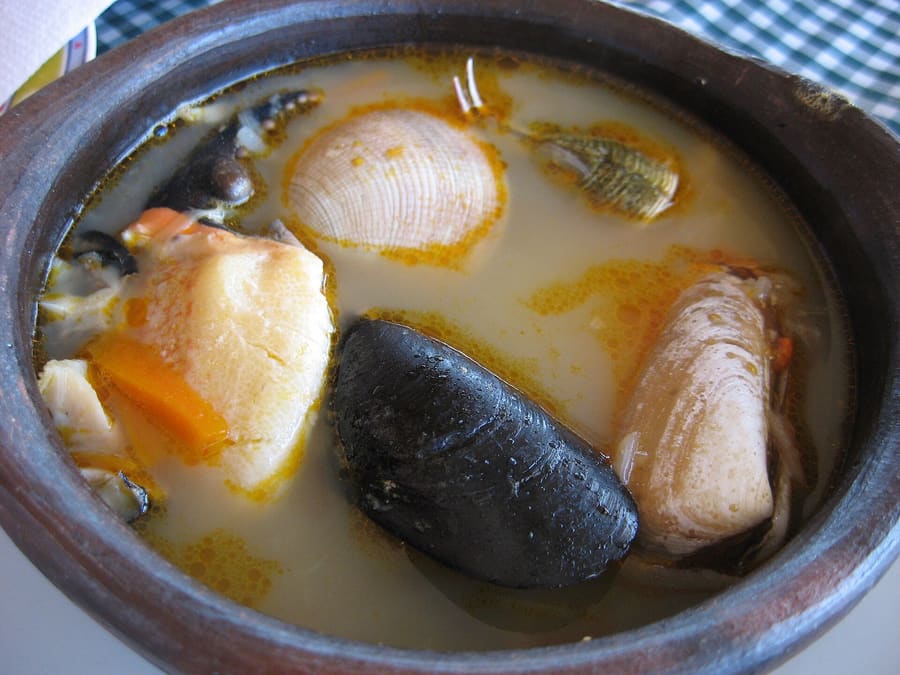
Fresh paila marina seafood soup served in a traditional clay bowl.
Astroguato · Public domainhighlights
landmark
A 860-metre hill with sweeping city views. Take the funicular from Pio Nono or ride the teleférico from Providencia.
Ask Parley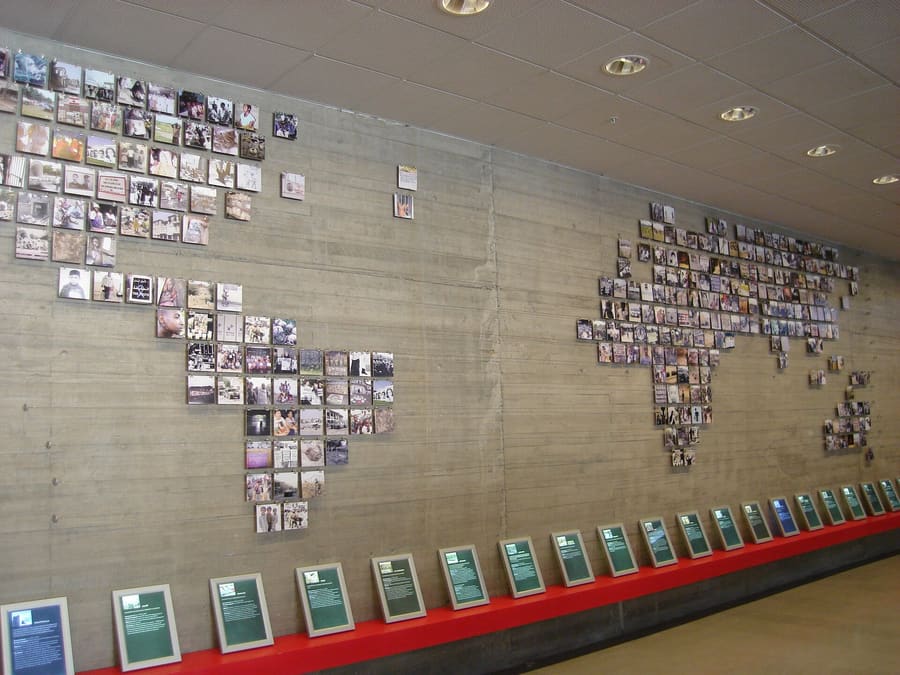
landmark
Documents human rights violations under Pinochet's dictatorship from 1973 to 1990. Entry is free; rent the audio guide at the desk.
Ask Parley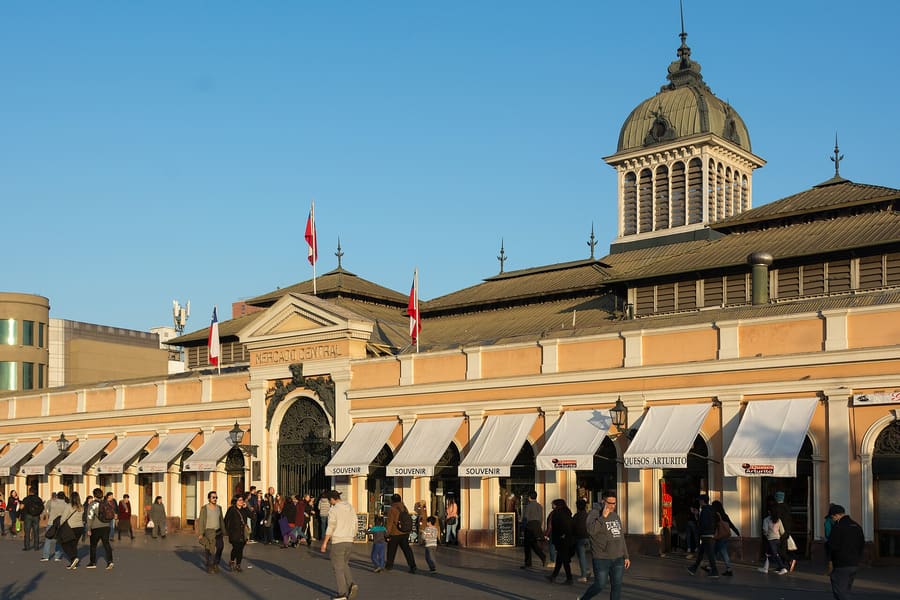
landmark
Cast-iron 1872 market hall built for fishmongers. Eat at small outer counters rather than expensive inner restaurants.
Ask Parley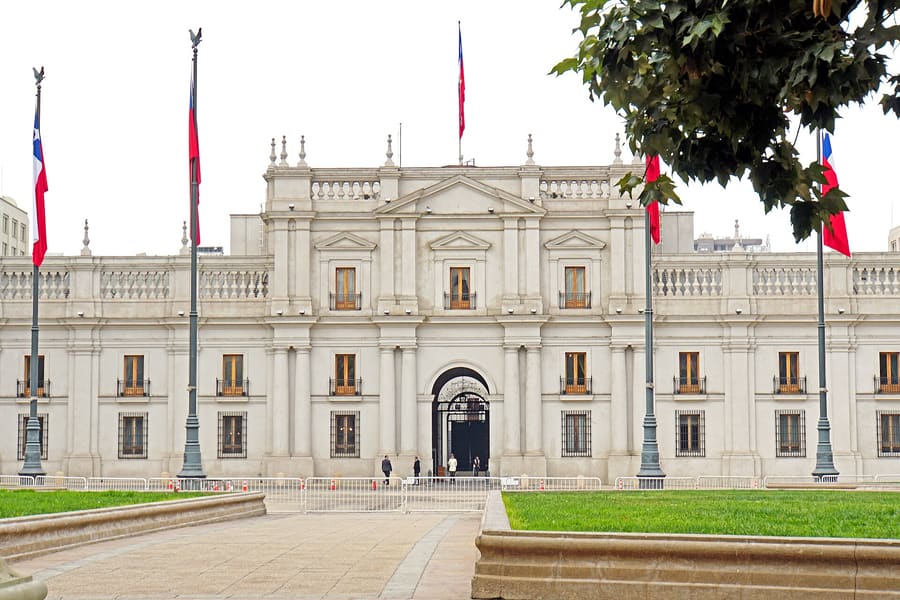
landmark
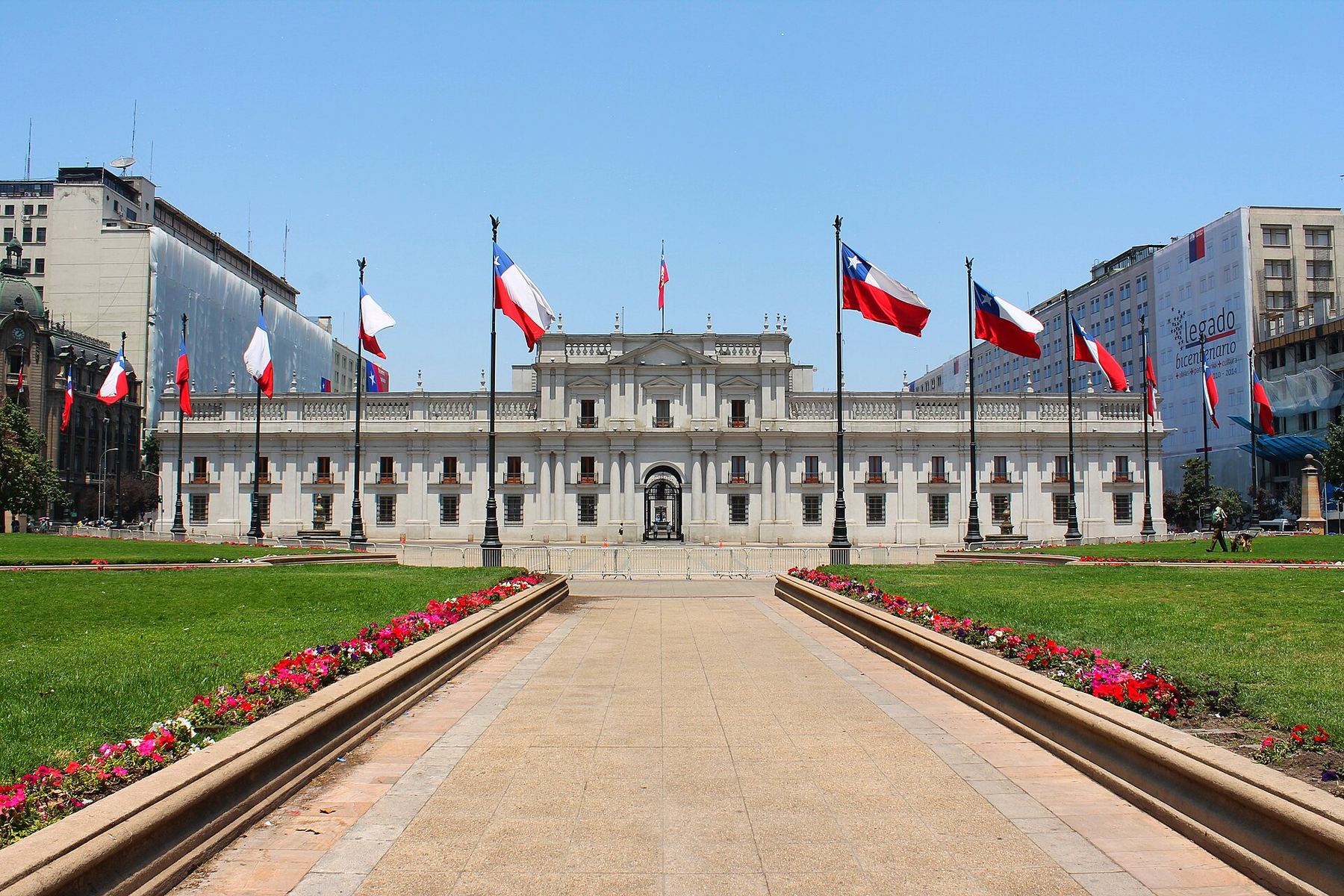
The presidential palace where Allende died in 1973. Book subterranean cultural center tours online 48 hours ahead.
Ask Parley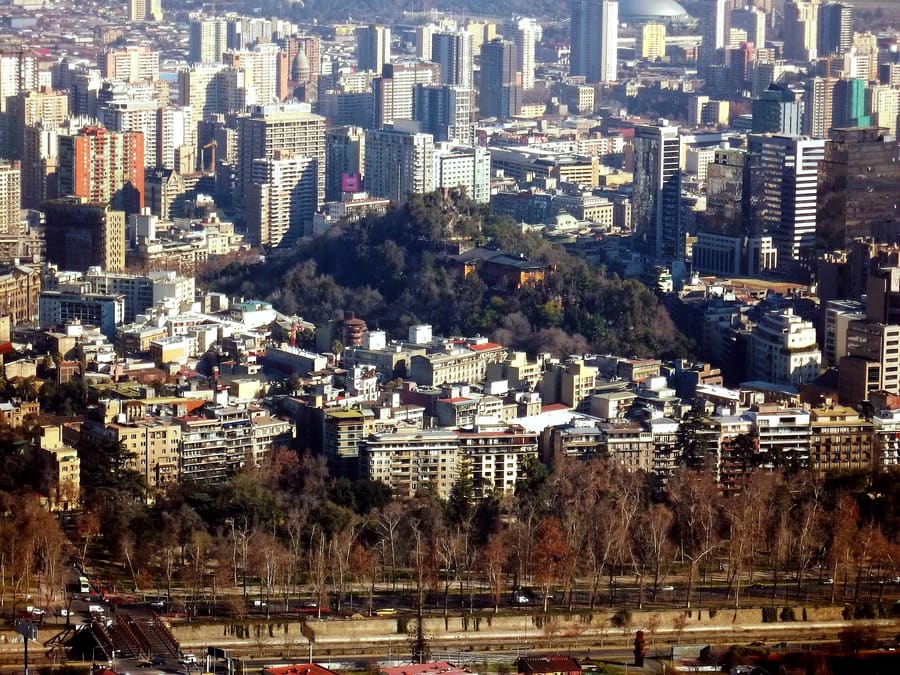
landmark
A rocky hilltop converted into a 19th-century park. Climb the stone steps to Hidalgo Castle for sunset views.
Ask Parley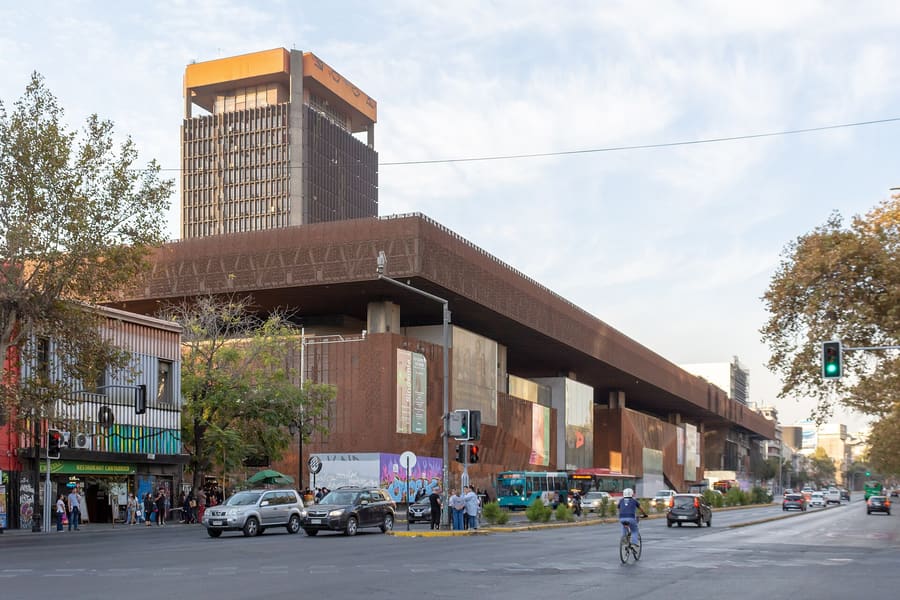
landmark
Modernist cultural hub built under Allende. Dancers practice beneath its copper overhangs daily.
Ask Parleyattractions
areas
Tree-lined pedestrian alleys filled with bookstalls, cafes, and European architecture.
NearbyCerro Santa Lucía and Parque Forestal
Ask ParleyBohemian quarter with painted murals, night venues, and Pablo Neruda's former home.
NearbyCerro San Cristóbal funicular
Ask ParleyBroad commercial avenues, quiet residential side streets, and efficient transit links.
NearbyCostanera Center and Tobalaba Metro
Ask ParleyLow-rise neighborhood of converted Italian worker houses now housing design shops and cafes.
NearbyAvenida Santa Isabel
Ask Parleyfood
Santiago eats on a schedule set by work shifts and transit routes. Sandwich shops like Fuente Alemana serve massive pork loin lomitos dripping with mashed avocado and garlic mayonnaise. At midday, traditional lunch counters serve pastel de choclo, a baked corn casserole over shredded chicken and beef. Evening meals skew lighter, often replaced by 'once', a late-afternoon tea with bread, avocado, and cheese.
Fresh paila marina seafood soup served in a traditional clay bowl.
Astroguato · Public domainOrder a 'completo italiano' for a hot dog topped with chopped tomato, avocado, and mayonnaise matching the Italian flag colors.
Chileans eat 'once' between 18:00 and 20:00. Traditional cafes shift from coffee to tea and fresh hallulla bread at this hour.
In classic spots like Dominó, pay the cashier first to receive a paper ticket, then present it to the counter cook.
history
Pedro de Valdivia founded Santiago in 1541 on Mapuche land, using a chessboard grid focused on the Mapocho River. Earthquakes destroyed early colonial structures repeatedly, forcing constant rebuilding in stone and masonry. In September 1973, a military coup overthrew President Salvador Allende, initiating 17 years of dictatorship under Augusto Pinochet. Modern Santiago remains defined by this spatial and political division, visible between working-class western districts and wealthy eastern communes.
City foundation
Pedro de Valdivia establishes Santiago at the base of Cerro Santa Lucía.
Chilean independence
The Battle of Maipú secures independence from Spanish rule, making Santiago national capital.
Military coup
Air force jets bomb Palacio de La Moneda, launching Augusto Pinochet's regime.
Democratic return
Patricio Aylwin takes office as president, ending seventeen years of military dictatorship.
Social outburst
Metro fare increases spark nation-wide protests centered at Plaza Baquedano.
where to stay
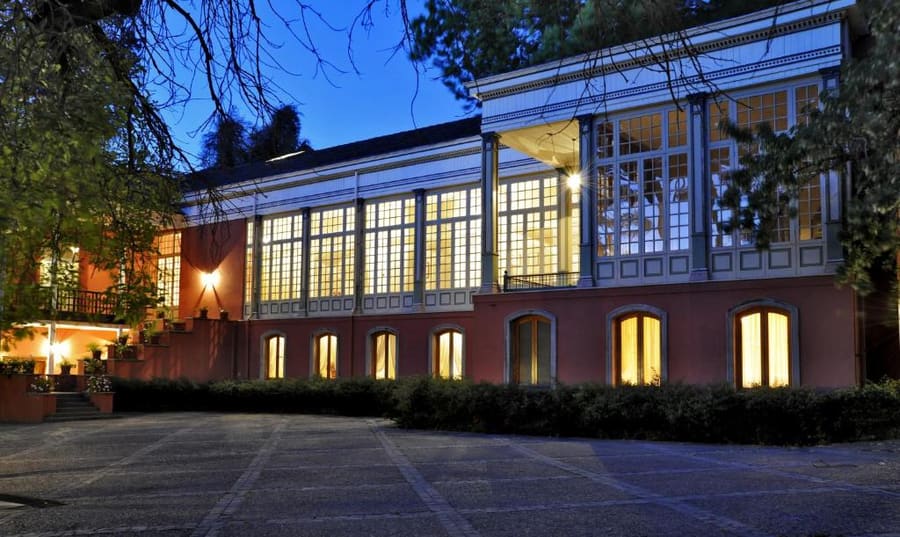
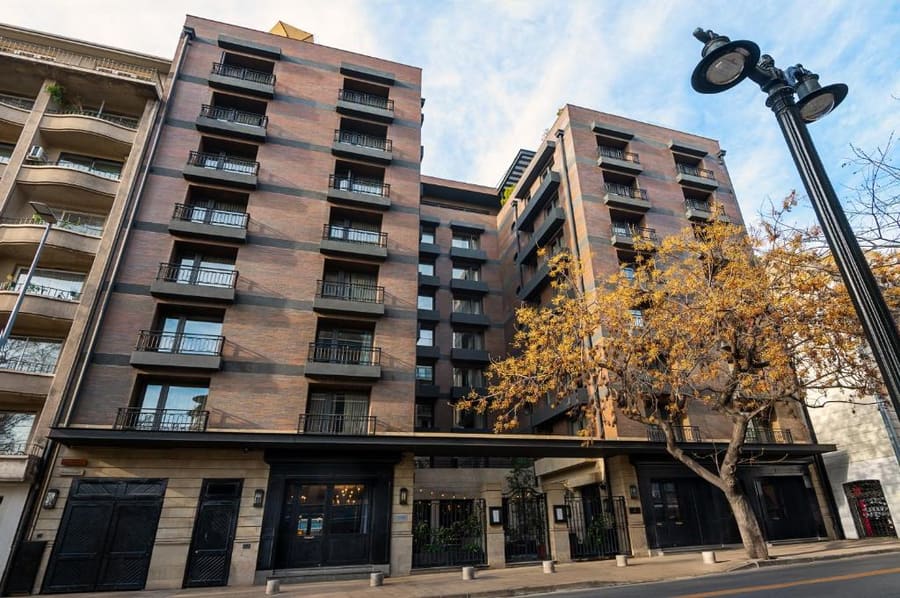
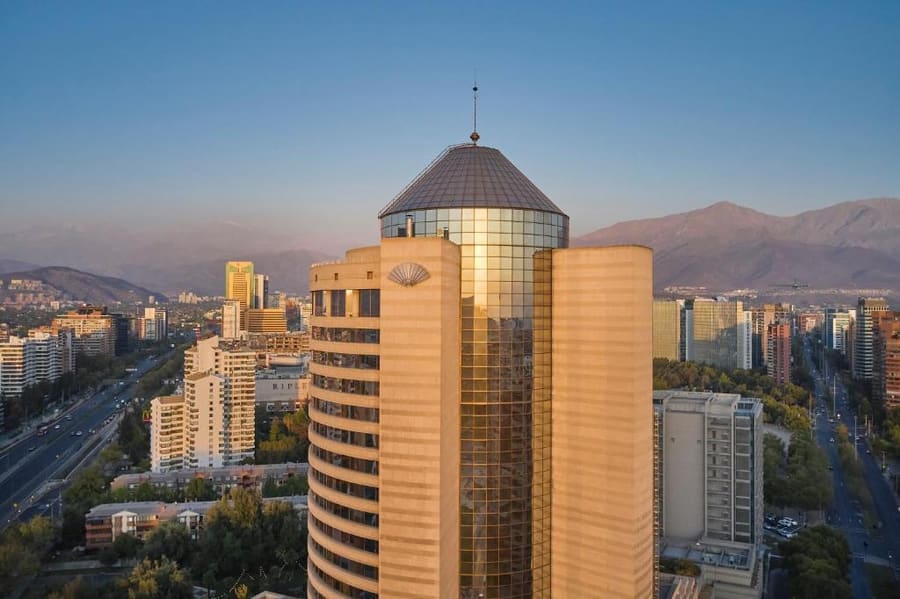
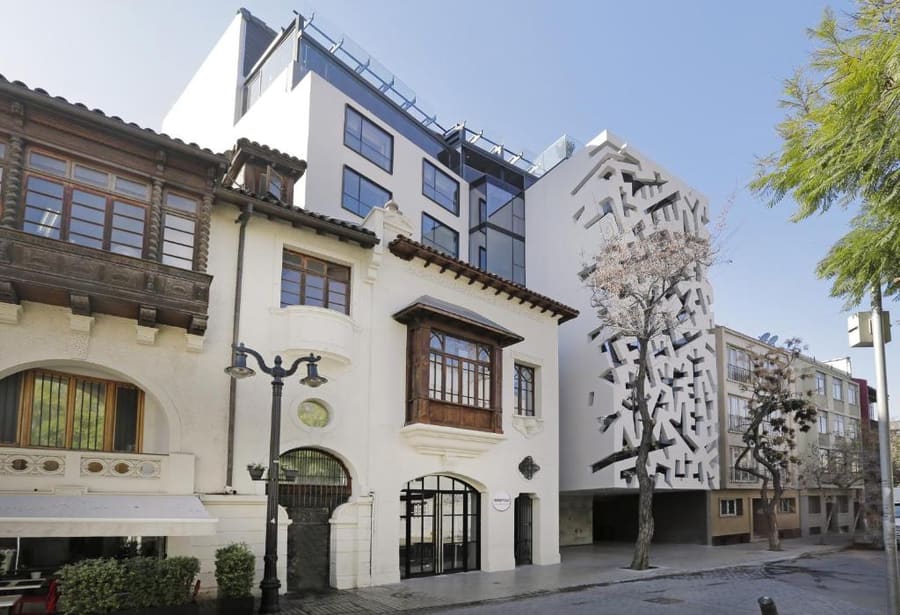
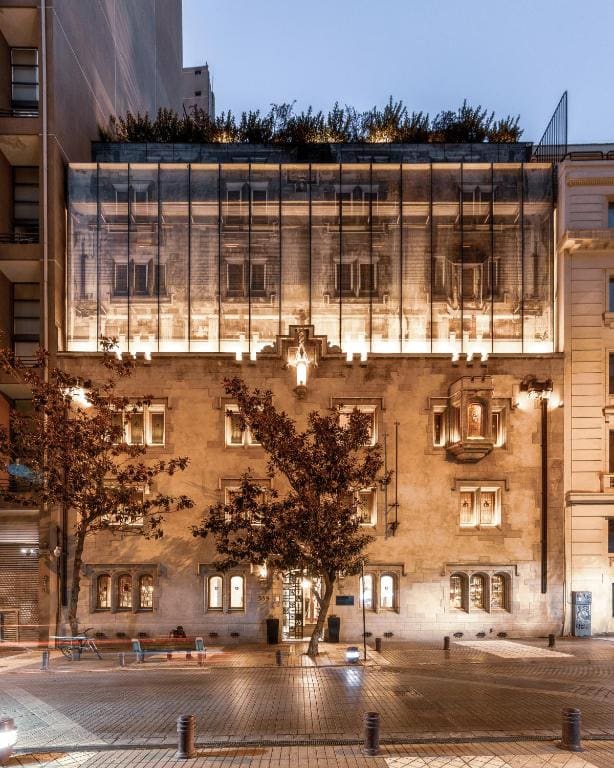
Choose your neighborhood by your tolerance for noise and evening transit preference. Lastarria offers walkable dining right next to historic sights. Providencia gives you modern hotels, safer night walking, and direct Metro Line 1 links.
Live rates, matched to the areas above.
transport
Santiago possesses South America's most efficient urban transit network. The Metro runs cleanly and punctually, while Red buses cover remaining road routes. Avoid road taxis during rush hour when gridlock halts central avenues.
From Arturo Merino Benítez International Airport (SCL)
Centropuerto and TurBus run every 10–15 min to Pajaritos Metro Station.
Uber and Cabify pick up on the upper departure level.
Pay official counter inside baggage hall before exiting.
Metro Line 1 experiences extreme crowding weekdays 07:30–09:00 and 18:00–19:30. Fares vary by time band.
During peak hours, Metro trains skip stations using Red or Green routes. Check destination platform maps before boarding.
Metro shuts down around 23:00. Night bus lines (marked with 'N') take over main corridors along Av. Providencia.
cost
Santiago is the most expensive city in South America alongside Montevideo. Card payments work almost everywhere, from street sandwich shops to Metro stations.
Quick lunchtime meal at traditional fountain counters across the historic center.
Two-course weekday lunch with drink served in business districts between 12:30 and 15:00.
Fare depends on off-peak, normal, or peak rush hour windows.
Three courses with Chilean wine in Lastarria or Providencia.
seasonality
DEC – FEB
Hot dry weather reaching 33°C. City empties in February as locals take summer holidays.
MAR – MAY
Mild autumn temperature with clear skies and wine harvest festivals in nearby valleys.
JUN – AUG
Cold winter with rain that clears air pollution, opening ski seasons in the nearby Andes.
SEP – NOV
Spring brings blooming trees and patriotic Fiestas Patrias celebrations around September 18.
practicalities
Santiago sits under intense UV radiation year-round due to altitude and mountain reflection. Apply sunscreen even on cloudy days.
Chilean building codes are among the strictest globally. If tremors hit, stay indoors away from window glass.
Motorcycle snatches happen along Avenida Alameda. Keep your phone inside your bag when standing near road curbings.
Contactless card payments operate everywhere down to small kiosks. Keep small cash only for tipping bathroom attendants.
Shops and many independent restaurants close early on Sunday afternoons, especially in the historic center.