landmark
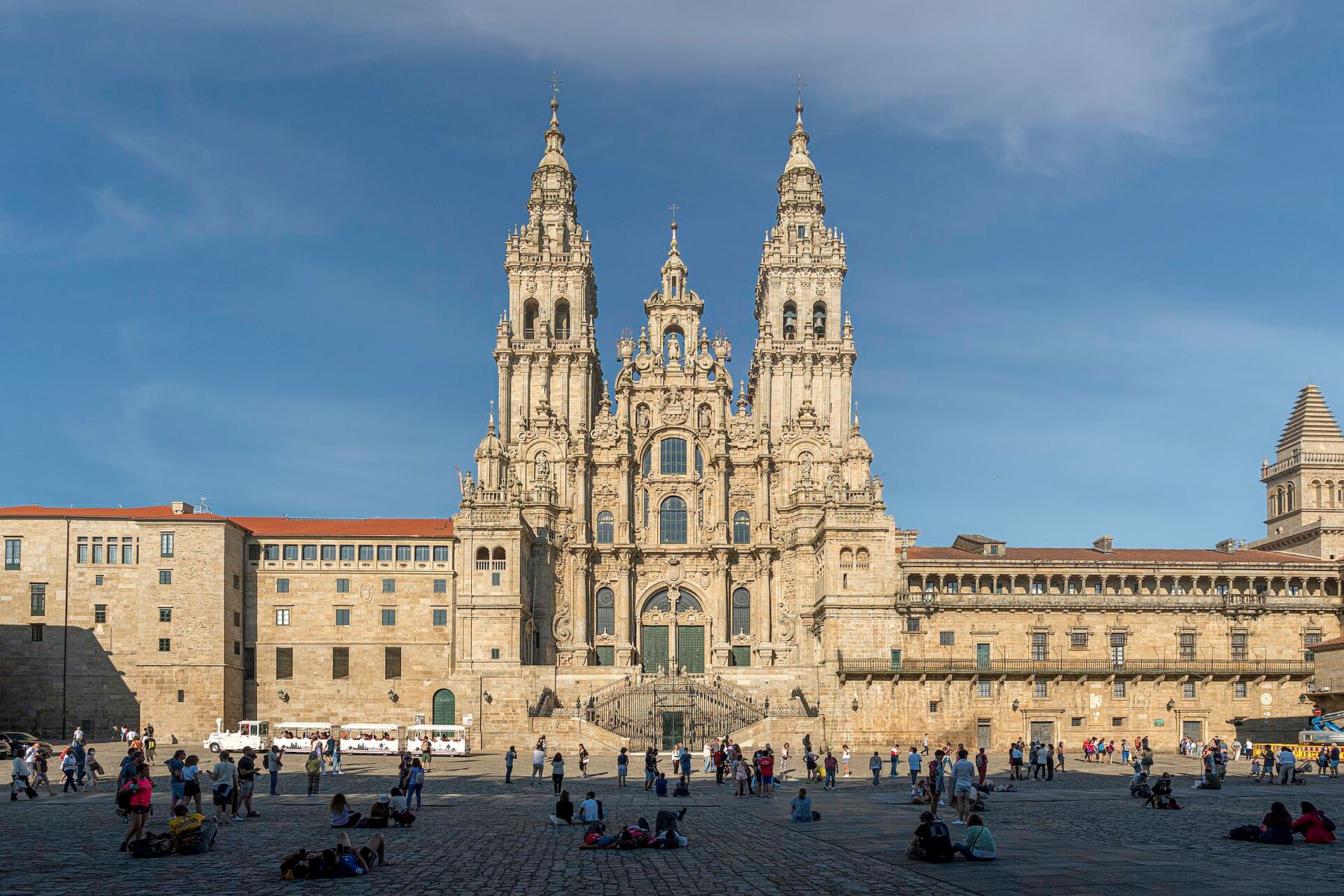
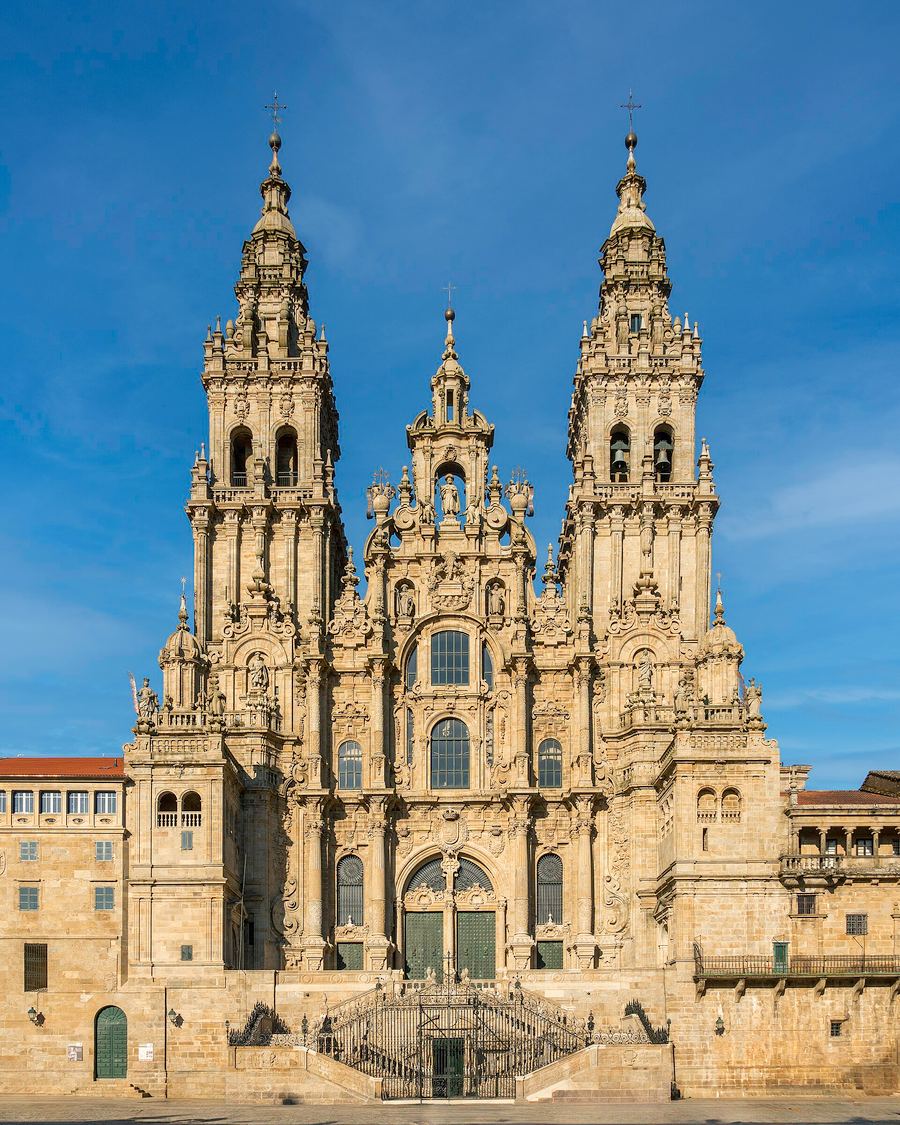
Santiago Cathedral
The end point of the Camino de Santiago. Enter early to see the Botafumeiro swing during major liturgical feast days without entry fees.
Ask ParleySpain
Granite arcades, rain-slicked plazas, and Galician seafood.
introduction
Santiago de Compostela is Galicia's granite capital, built around a medieval cathedral that marks the end of the Camino de Santiago. You move through the historic core almost entirely on foot along stone arcades designed to handle heavy Atlantic rainfall. Pilgrims gather daily in Praza do Obradoiro, while taverns along Rúa do Franco serve fresh octopus and crisp white wine in small ceramic cups. Expect damp weather, late-night dining, and an urban layout where 530-year-old university halls sit steps away from quiet oak parks.
Airport transit line 6A
Bus 6A connects Santiago Airport to the intermodal station every 30 minutes for €1. Let taxis wait unless you travel with heavy luggage.
UNESCO World Heritage site
The entire Old Town became a UNESCO site in 1985. Medieval granite streets form a walkable core where motorized traffic remains strictly limited.
Pilgrim arrival timing
Crowds peak in Praza do Obradoiro around noon as daily walking groups finish their journey. Visit the cathedral before 10:00 to avoid long lines.
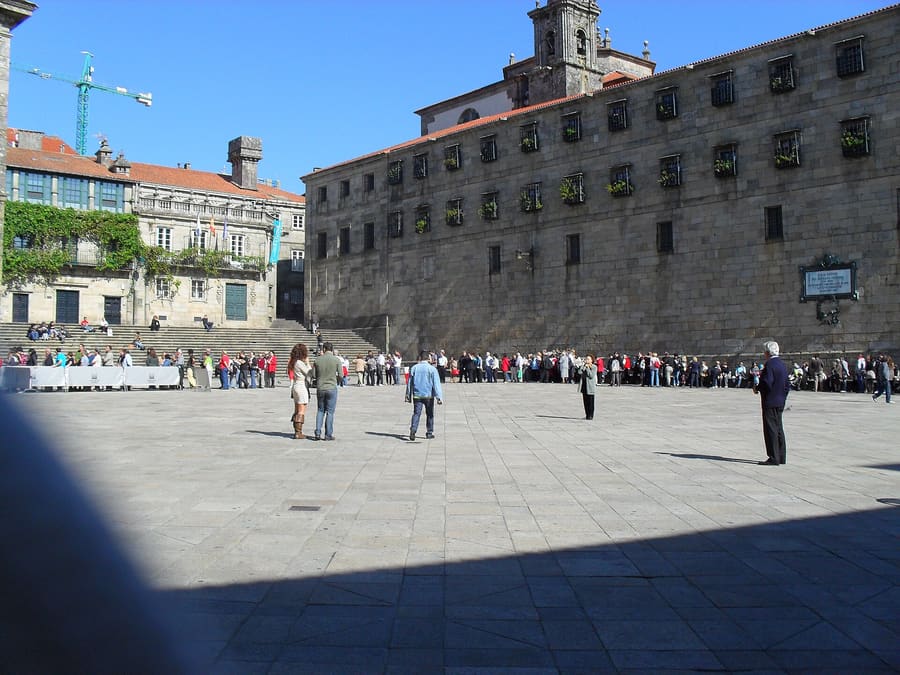
Santiago de Compostela
Gerardo nuñez · CC BY 3.0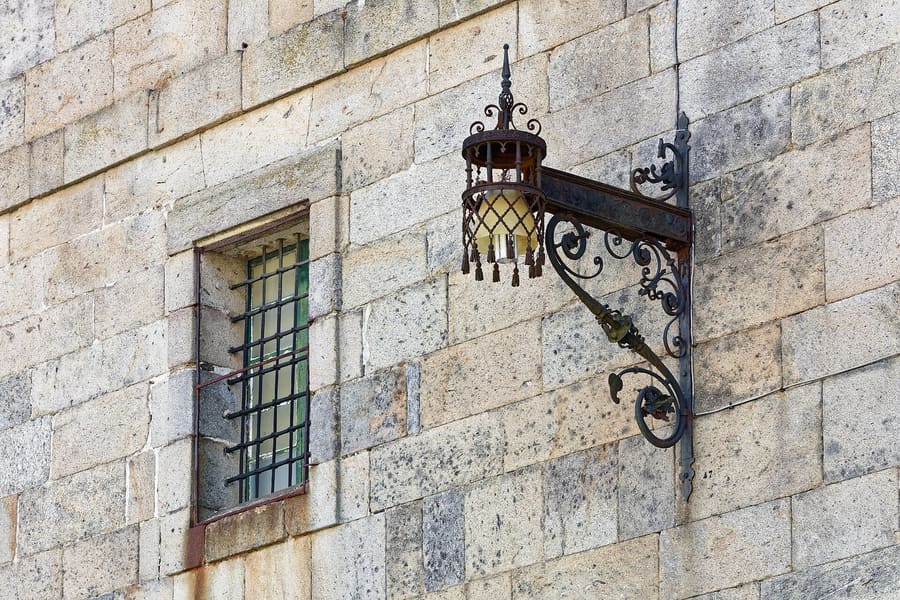
Zona Vella — Pedestrian granite alleys, rain-slick arcades, stone fountains, and ancient university halls.
Luis Miguel Bugallo Sánchez · CC BY-SA 4.0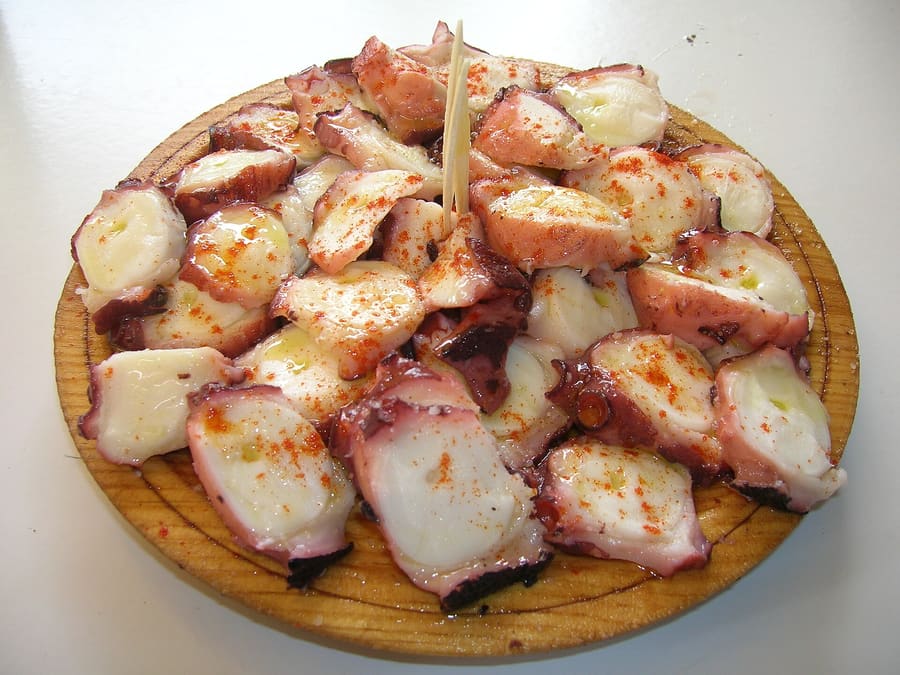
Polbo á feira served on a traditional round wooden platter with paprika, coarse salt, and olive oil.
Freecat (José Antonio Gil Martínez) from Vigo, Galicia · CC BY 2.0highlights
landmark
The end point of the Camino de Santiago. Enter early to see the Botafumeiro swing during major liturgical feast days without entry fees.
Ask Parley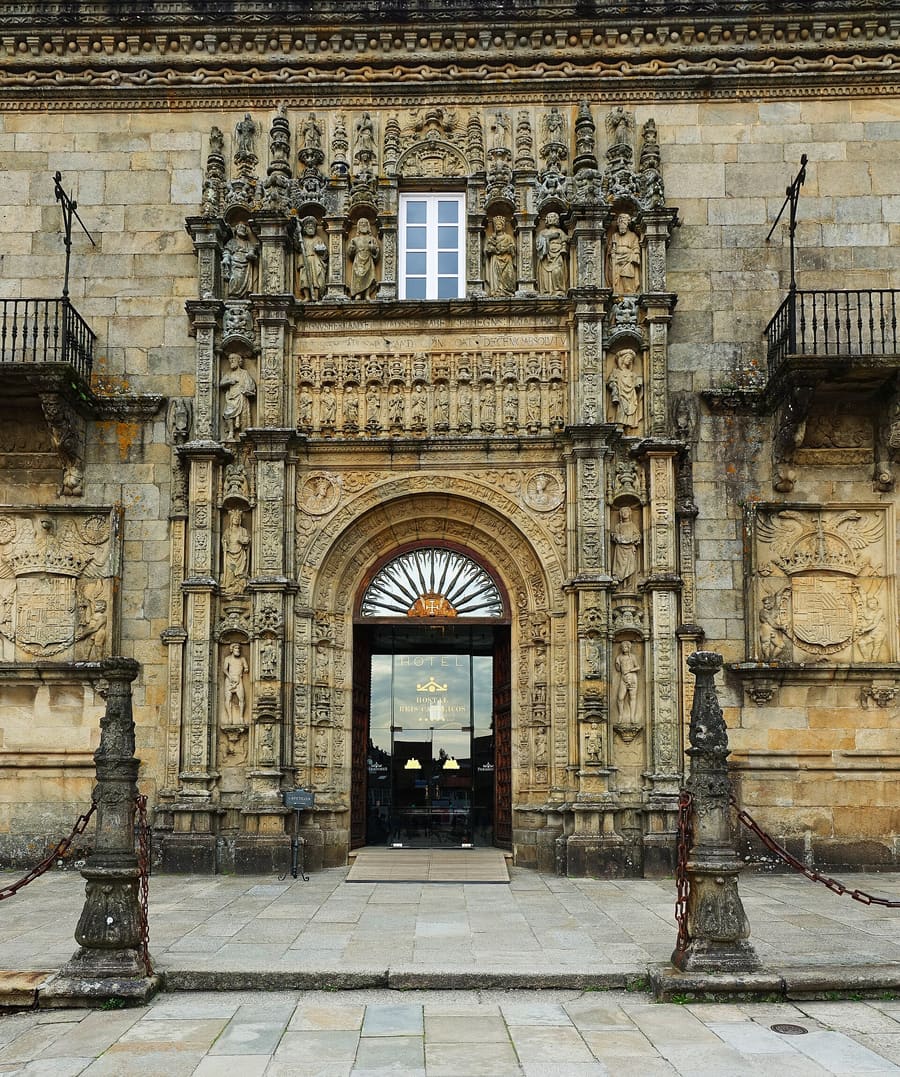
landmark
Built in 1499 as a royal hospital for pilgrims. Non-guests can visit the courtyards or book a meal in the former infirmary halls.
Ask Parley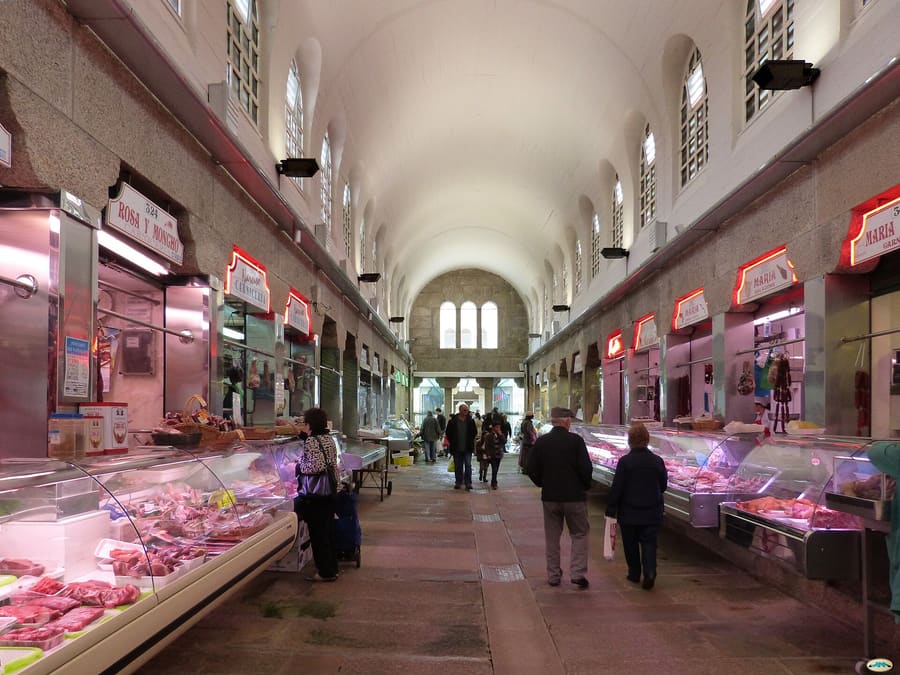
landmark
Galicia’s second most visited site after the cathedral. Buy fresh seafood at stall counters and have nearby taverns cook it for a small fee.
Ask Parley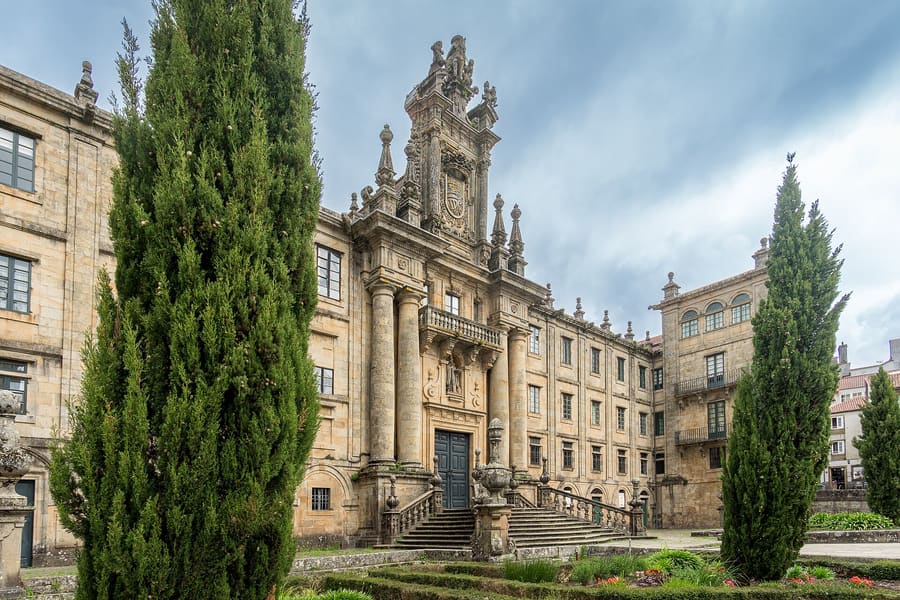
landmark
Spain’s second largest monastery by surface area. The Baroque plateresque choir stalls and quiet cloister cost far less to enter than the cathedral museum.
Ask Parley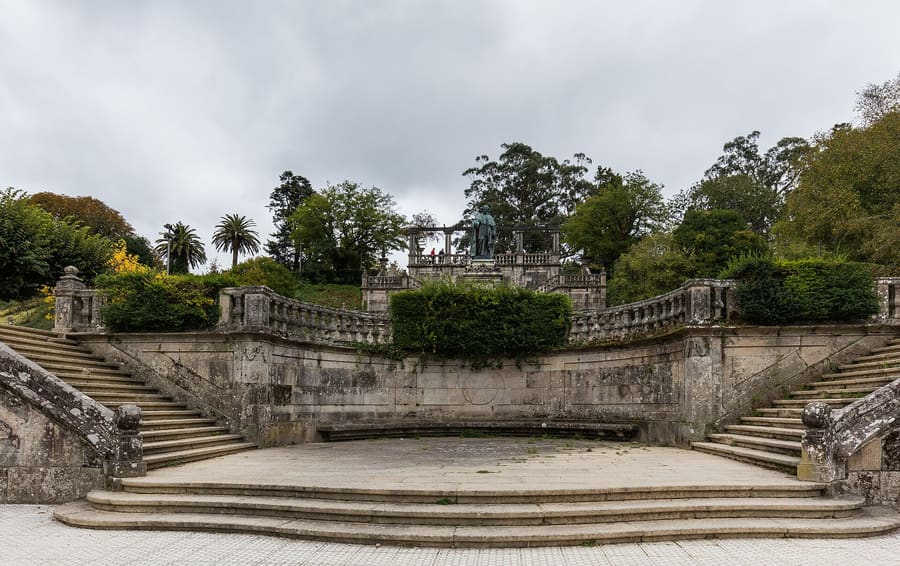
landmark
Nineteenth-century gardens offering the classic postcard view of cathedral towers framed by oak trees. Local students gather here at sunset.
Ask Parley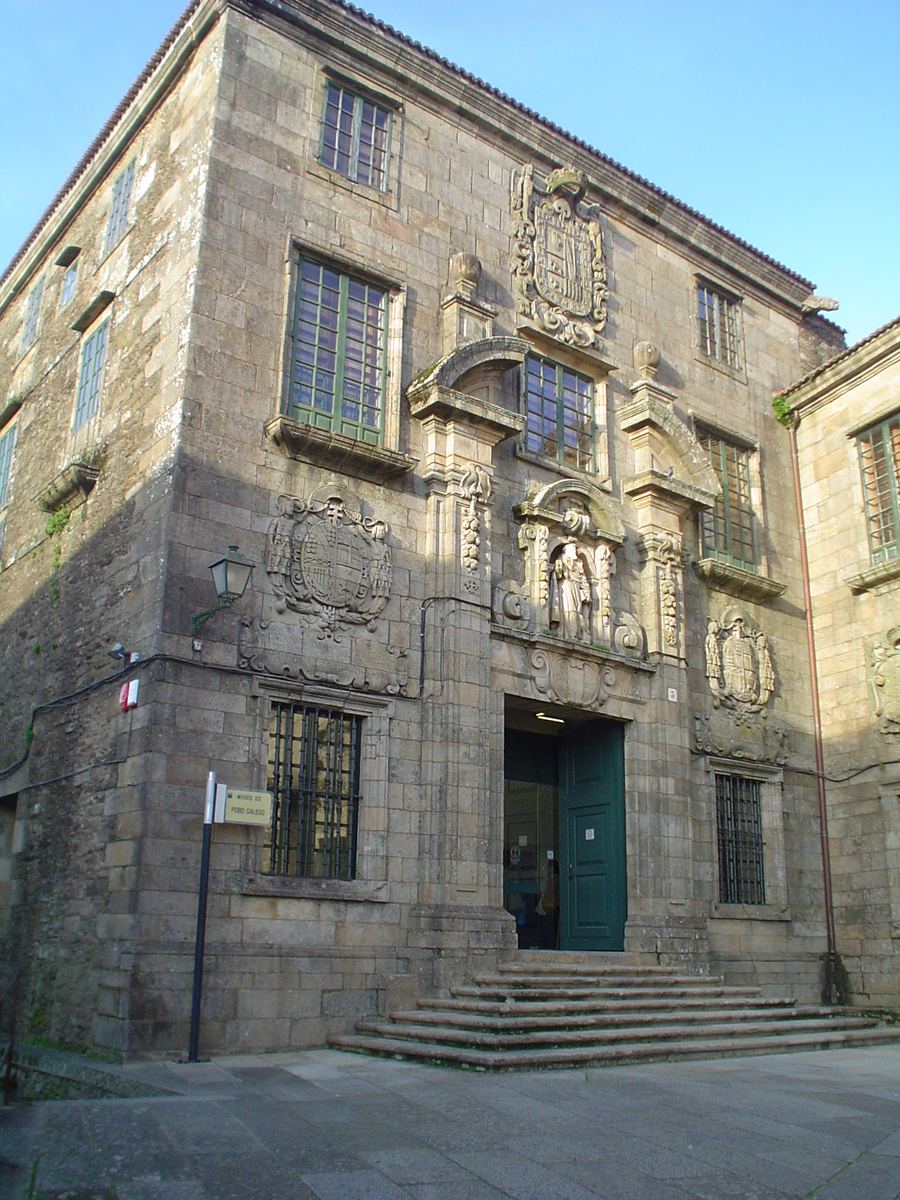
landmark
Housed in the former Santo Domingo de Bonaval convent. Famous for its triple helical stone staircase where three flights stack without touching.
Ask Parleyattractions
areas
Pedestrian granite alleys, rain-slick arcades, stone fountains, and ancient university halls.
NearbyCathedral, Mercado de Abastos, Quintana Square
Ask ParleyGrid layout built from the 1960s onward with modern shops, practical services, and local residential life.
NearbyIntermodal train and bus station, Plaza Roxa
Ask ParleyGreen northern enclave housing university departments, contemporary research centers, and serene parks.
NearbyParque de Vista Alegre, Museo do Pobo Galego
Ask Parleyfood
Santiago de Compostela sits in Galicia, where Atlantic coastal waters and green pastureland supply the city's food culture. Tapas dining here revolves around Rúa do Franco and Rúa da Raíña, two narrow stone streets south of the cathedral. When you order a drink in traditional taverns along these routes, small plates of warm tetilla cheese, roasted Padron peppers, or simmered pork shoulder arrive automatically without an extra charge.Seafood remains the primary local craft. At the Mercado de Abastos, fishmongers lay out goose barnacles, spider crabs, razor clams, and octopus every morning. You can purchase raw seafood directly from hall stalls and carry it to preparation counters inside the market, where cooks prepare your catch over hot plates for a fixed fee per dish. Pair your meal with chilled Albariño or Ribeiro white wine, traditionally served in short ceramic bowls known as cuncas.
Polbo á feira served on a traditional round wooden platter with paprika, coarse salt, and olive oil.
Freecat (José Antonio Gil Martínez) from Vigo, Galicia · CC BY 2.0Barhop down Rúa do Franco where ordering a draft beer or cunca of wine yields a free tapa of pork loin or steamed mussels.
Buy fresh goose barnacles or razor clams at Mercado de Abastos, then walk across the aisle to Marisquería Bar Mariscomanía to have them cooked to order.
Authentic Santiago cake carries a PGI seal and contains 100% almond flour without wheat flour. Test bakeries like Delicias de Antaño near Praza de Cervantes.
history
Santiago de Compostela's origin traces to the early ninth century when a local hermit reported a miraculous light guiding him to a Roman-era tomb. Bishop Theodemar declared the remains to be those of Saint James the Apostle. King Alfonso II of Asturias ordered a chapel built on the site, establishing the foundation for what quickly became Western Europe's most significant Christian pilgrimage route after Rome and Jerusalem.During the Middle Ages, millions of pilgrims walked the Camino de Santiago, driving rapid expansion around the stone basilica. Master Mateo completed the cathedral's Romanesque Portico da Gloria in 1188, creating a masterpiece of medieval stone sculpture. Over the following centuries, the city resisted military raids, expanded its university founded in 1495, and enclosed its medieval footprint within a distinctive network of granite plazas and arcaded streets that endure today.
Discovery of the Tomb
A hermit named Pelagius reports star-guided lights over a Roman burial ground, launching Santiago as a major Christian pilgrimage destination.
Cathedral Consecration
Archbishop Pedro Muñiz consecrates the Romanesque cathedral basilica after more than a century of stone construction.
Royal Hospital Founded
Monarchs Ferdinand and Isabella order the construction of the Hostal dos Reis Católicos to treat weary pilgrims completing the Camino.
UNESCO Designation
The Old Town receives UNESCO World Heritage status, establishing strict heritage protections over medieval granite architecture.
where to stay
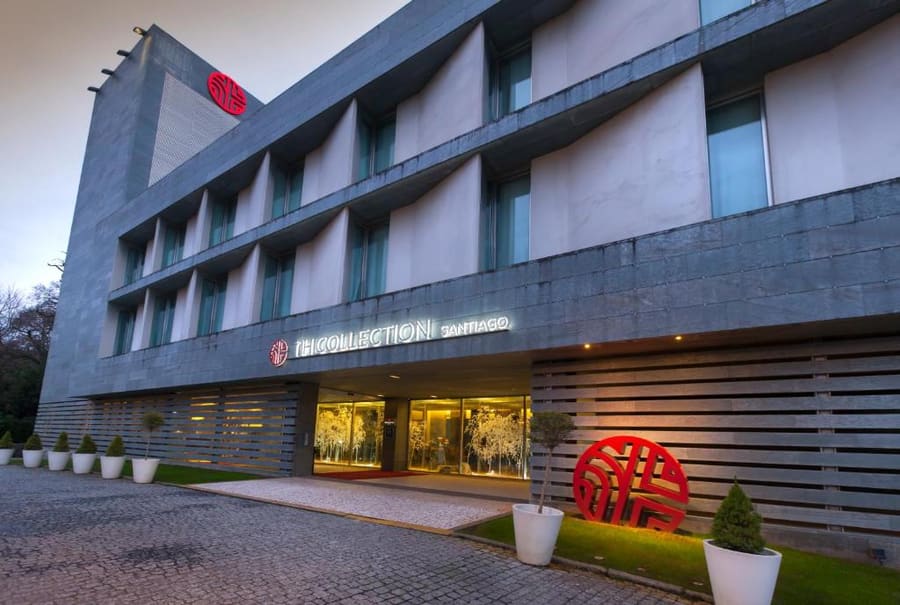
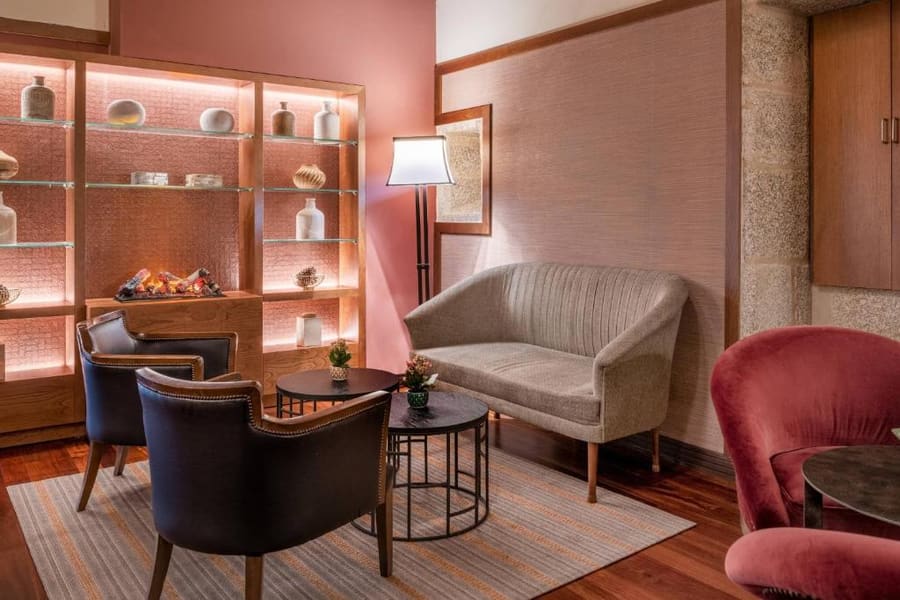
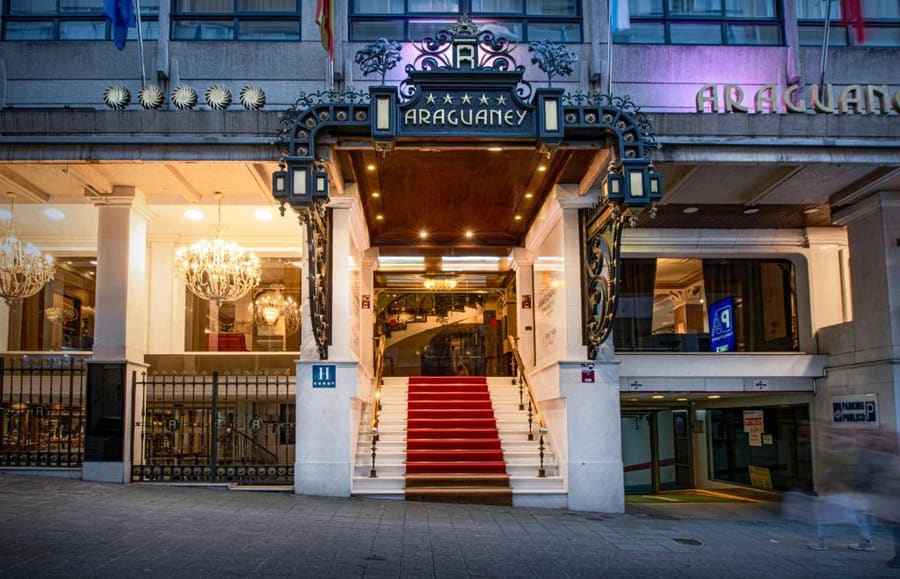
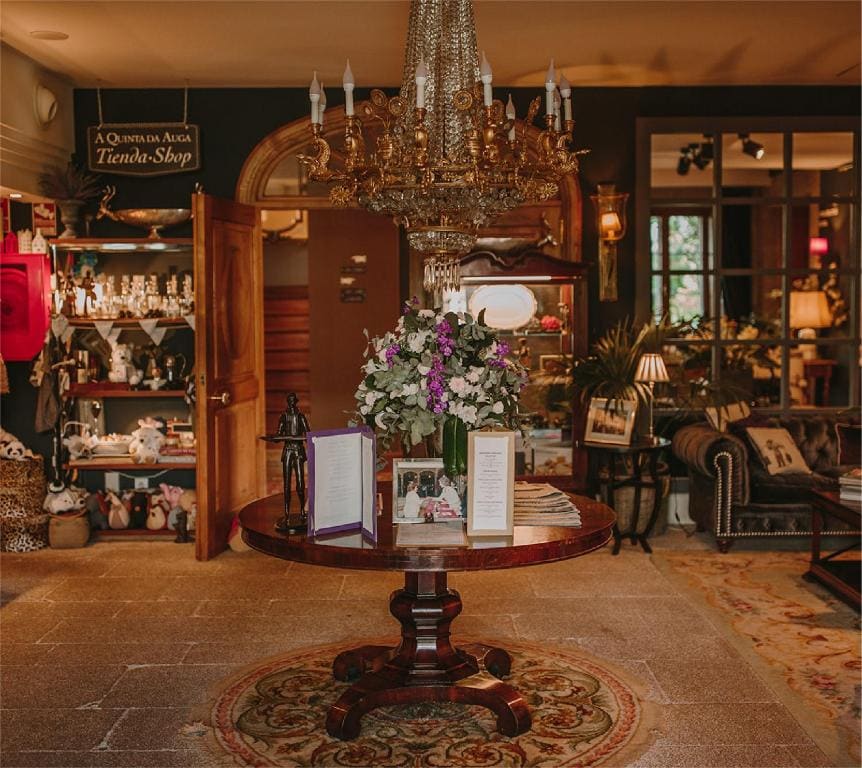
Choose your location based on walkability and street activity. Zona Vella puts you directly among historic monuments and tapas alleys, though delivery trucks and early cathedral bells mean lighter sleepers should pick upper-floor rooms or quieter side streets. Ensanche offers air-conditioned, modern hotel chains near the railway station at lower price points, situated a ten-minute uphill walk from the historic center.
Live rates, matched to the areas above.
transport
Santiago de Compostela's historic center is fully pedestrianized. You will do almost all your inner-city travel on foot across flat or gently sloped stone arcades. Outside the historic core, municipal Tussa city buses handle longer journeys, connecting the intermodal transport hub with surrounding residential districts and regional suburbs.
From Santiago de Compostela Airport (SCQ)
Monbus line 6A runs to the Intermodal Station every 30 minutes.
Flat rate applies for all taxi trips between airport and city centre.
Must be reserved in advance; driver meets in the arrival hall.
Line 6A connects Santiago Intermodal station directly to SCQ airport for €1 per ride. Buses accept cash or local transport cards.
Santiago's upgraded Intermodal station brings high-speed AVE trains from Madrid-Chamartín in three hours and 15 minutes.
Buying a Tarxeta Metropolitana reduces urban bus fares from €1.00 down to €0.38 per trip.
Taxi drop-offs inside Zona Vella are restricted to specific bollard checkpoints near Plaza de Galicia and Praza de San Martiño.
cost
Santiago offers reasonable prices compared to Barcelona or Madrid. Seafood and quality Galician beef carry premium prices at top-tier restaurants, but tavern counter dining and daily fixed lunch menus (menú del día) keep daily expenses low for independent travelers.
Three-course lunch menu including bread, wine, and coffee at taverns along Rúa San Pedro.
Preparation charge per portion at Mercado de Abastos stalls when bringing fresh fish purchased at market counters.
Guided access to the rooftop stone terraces offering panoramas across Galicia's countryside.
One-way Avant train fare connecting Santiago to A Coruña in 28 minutes.
seasonality
MAR – MAY
Spring brings frequent Atlantic rain showers but spring blooms along the Sar river. Pilgrim numbers build steadily.
JUN – AUG
Warmest, driest weather of the year. Peak pilgrim arrivals, especially during the Feast of Saint James on July 25.
SEP – OCT
Mild daytime temperatures and thinning crowds make early autumn ideal for walking the historic center.
NOV – FEB
Heavy Galician rainfall and short daylight hours. Many pilgrim hostels close, but city hotel prices drop significantly.
practicalities
Galicia averages over 140 rainy days annually. Granite pavements get slick; wear shoes with strong grip rather than smooth leather soles.
Pilgrims line up at Rúa das Carretas 33 for the official certificate. Pre-register online through the Pilgrim Office portal to save hours.
Most retail shops and Mercado de Abastos close on Sunday. Plan grocery or souvenir shopping for Friday or Saturday.
Street signs use Galego rather than Castilian Spanish. Rúa means street, praza means square, and polbo means octopus.