landmark
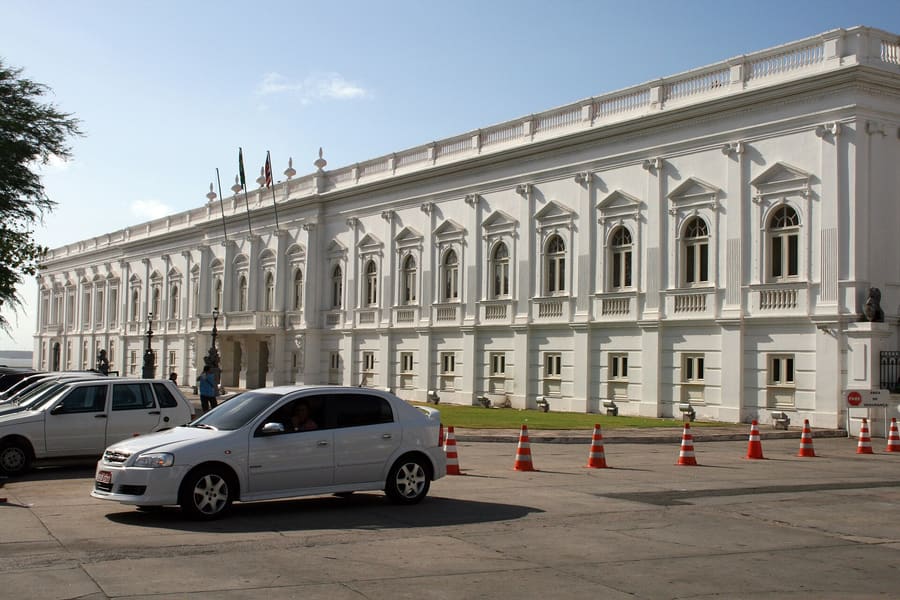
Palácio dos Leões
The state governor's office sits on a 17th-century French fort site. Guided tours require passport identification at the entrance gate.
Ask ParleyBrazil
Tile-clad Portuguese history meets Atlantic reggae rhythm.
introduction
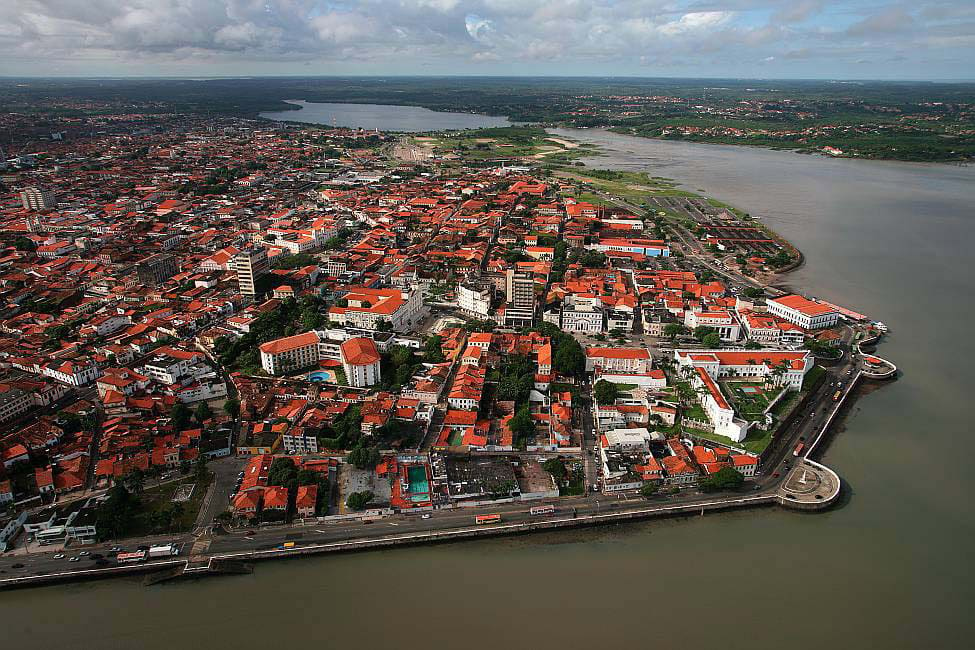
São Luís is the only Brazilian state capital founded by the French before turning Portuguese and absorbing strong Afro-Caribbean roots. Colonial mansions lined with blue-and-white azulejos dominate the historic core, though humidity and decay are constant companions. You navigate this island city between two clear zones: the crumbling 18th-century UNESCO center and the modern high-rise beach districts along the northern shore. Expect tropical heat, distinct local rhythms like roots reggae, and a kitchen anchored by cuchá leaves and fresh shellfish.
Airport transport
Marechal Cunha Machado Airport sits 15 km south of Centro. Official airport taxis use fixed zone rates, while rideshares pick up outside the main terminal gate.
UNESCO status
The Historic Centre received UNESCO status in 1997 for its grid pattern and Portuguese tile facades built to reflect tropical heat.
Festival booking
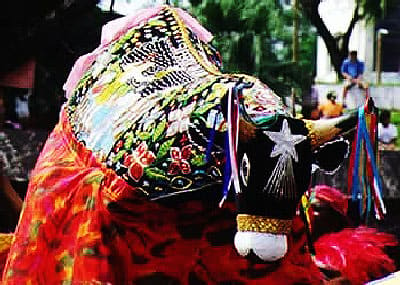
The Bumba Meu Boi festival peaks in late June. Pousadas in Centro fill months ahead, raising rates up to triple standard prices.
São Luís
CDI Europe · CC BY-SA 2.0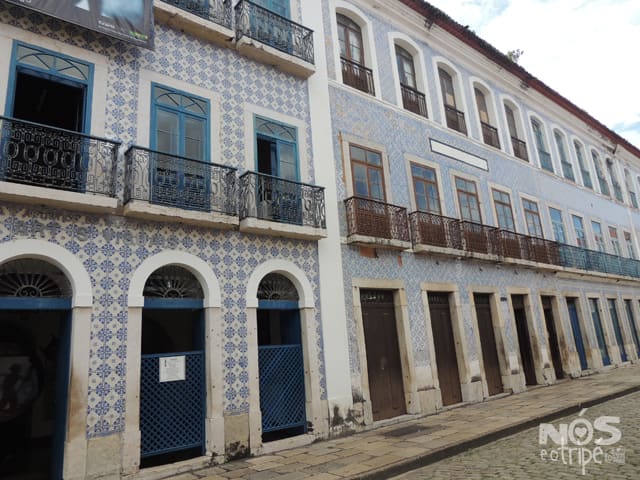
Centro Histórico — Dense colonial core rich with Portuguese tiles, cobblestones, and steep pedestrian alleys.
Andradewallace · CC BY-SA 4.0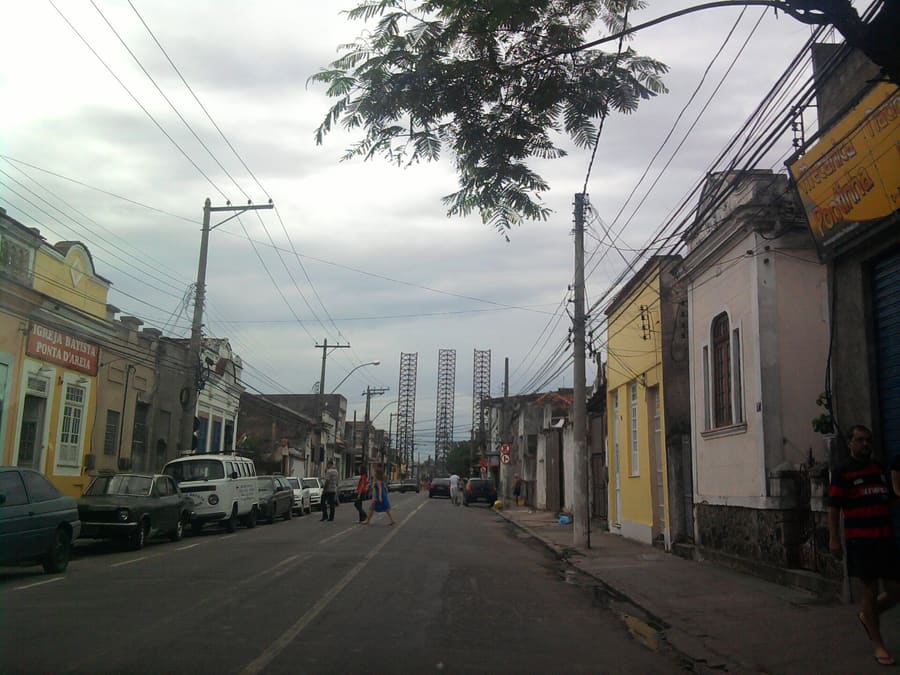
Ponta d'Areia — Waterfront district with modern high-rises, lagoon views, and casual beach bars.
Mircezar · CC BY-SA 3.0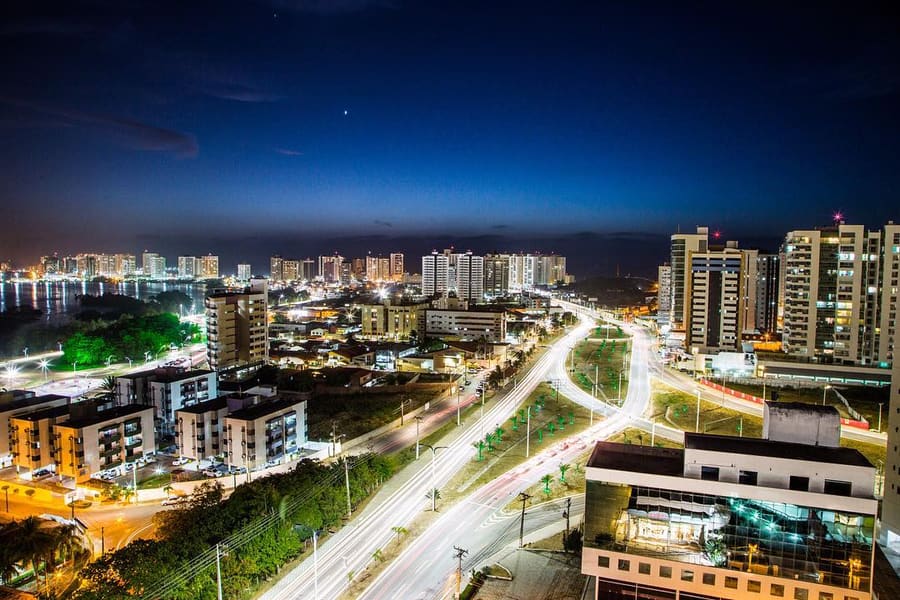
Calhau — Upscale coastal strip with beachfront promenade, seafood restaurants, and newer hotels.
Miguel Oliverr · CC BY-SA 4.0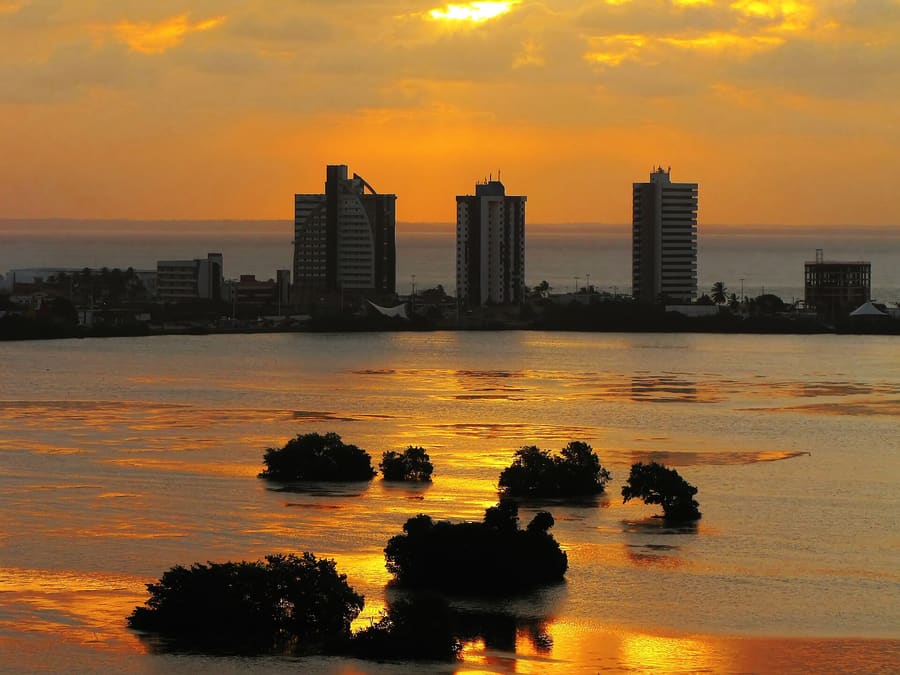
Renascença — Commercial center packed with shopping malls, banks, business hotels, and modern cafes.
Lyssuel Calvet from São Luis, Brasil · CC BY 2.0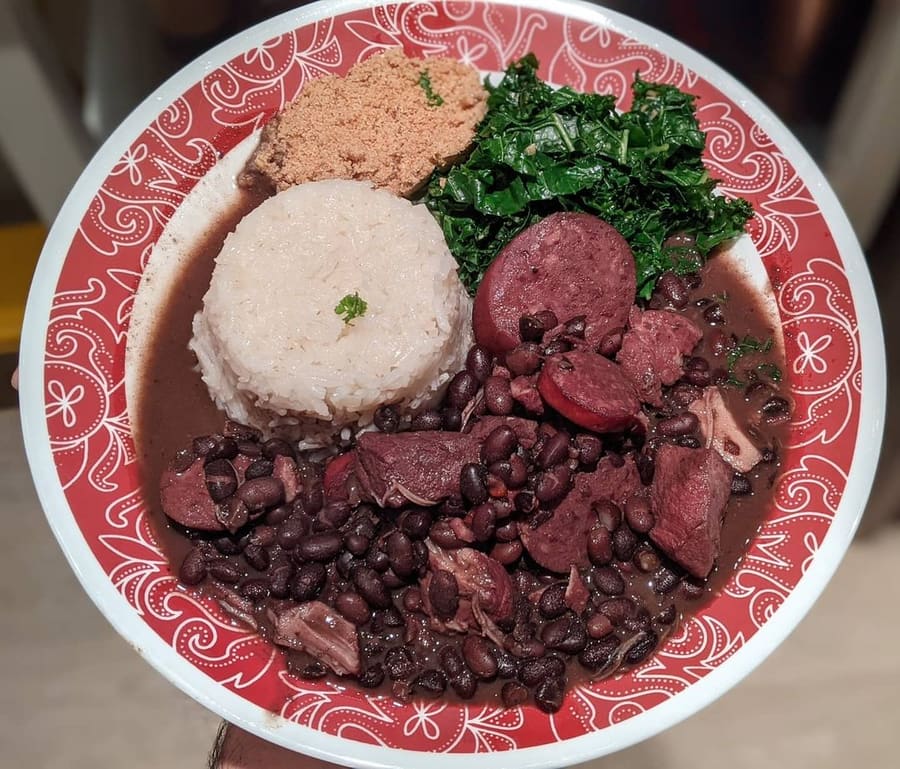
Arroz de Cuchá served alongside fried fish at a restaurant in Centro Histórico.
Bradleyzm · CC BY-SA 4.0highlights
landmark
The state governor's office sits on a 17th-century French fort site. Guided tours require passport identification at the entrance gate.
Ask Parley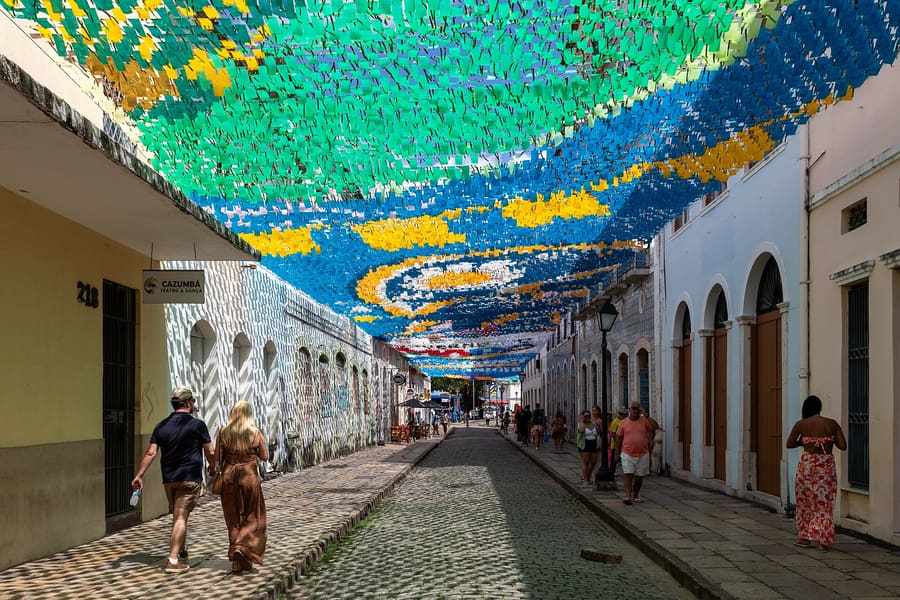
landmark
Dense collection of 18th-century glazed tiles imported from Lisbon. Visit in daylight; evening streets turn quiet and dimly lit.
Ask Parley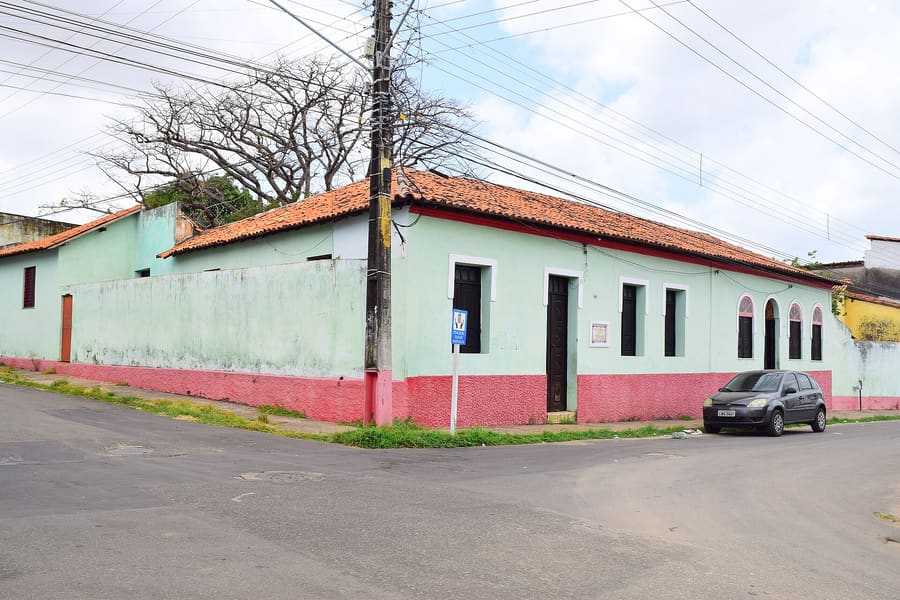
landmark
Founded in the 1840s, this is one of Brazil's oldest Tambor de Mina terreiros. Check scheduled visiting hours before walking over.
Ask Parleyattractions
areas
Dense colonial core rich with Portuguese tiles, cobblestones, and steep pedestrian alleys.
NearbyPalácio dos Leões and Museu do Reggae.
Ask ParleyWaterfront district with modern high-rises, lagoon views, and casual beach bars.
NearbyLagoa da Jansen and Avenida Litorânea.
Ask ParleyUpscale coastal strip with beachfront promenade, seafood restaurants, and newer hotels.
NearbyPraia do Calhau and Avenida Litorânea.
Ask ParleyCommercial center packed with shopping malls, banks, business hotels, and modern cafes.
NearbyTropical Shopping and Jansen Lagoon park.
Ask Parleyfood
Maranhão cuisine stands apart from the rest of Northeastern Brazil. The signature dish is Arroz de Cuchá, rice cooked with vinagreira leaves, dried shrimp, sesame seeds, and manioc flour. The leaf gives the rice a distinct tartness and green hue, typically served alongside pan-fried snappers or fried mariscada shellfish.For beverages, local meals end with Guaraná Jesus, a bright pink soda flavoured with clove and cinnamon that was invented in São Luís in 1927. Adults also sample Tiquira, an artisanal spirit distilled from manioc root that carries an intense proof and traditional violet dye.
Arroz de Cuchá served alongside fried fish at a restaurant in Centro Histórico.
Bradleyzm · CC BY-SA 4.0Order it as a side dish (guarnições) alongside fried local fish like pescadinha or pescada amarela.
Beachside food kiosks along Avenida Litorânea serve lunch from 11:30 to 16:00; kitchens close early on weekdays.
Buy canned Guaraná Jesus at standard bakeries and supermarkets rather than inflated tourist souvenir shops.
history
São Luís began in 1612 as Équinoctial France, founded by Daniel de La Touche and named after King Louis XIII. The French presence lasted three years before Portuguese forces expelled them and established permanent fortresses. Dutch forces briefly occupied the port in 1641 to secure sugarcane trade routes before Portuguese rule resumed.In the 18th century, cotton exports brought immense wealth to local plantation owners. Merchants imported thousands of Portuguese ceramic tiles to protect building walls from tropical downpours and insulate interiors. This boom also brought enslaved Africans whose spiritual traditions shaped Afro-Brazilian rituals like Tambor de Mina and unique musical genres.
French foundation
Daniel de La Touche builds Fort Saint-Louis, establishing the settlement.
Portuguese takeover
Portuguese forces capture the fort and expand Atlantic shipping routes.
Cotton & tile boom
Export wealth funds the construction of tile-fronted mansions in Centro.
UNESCO designation
The Historic Centre achieves World Heritage protection for its architecture.
where to stay
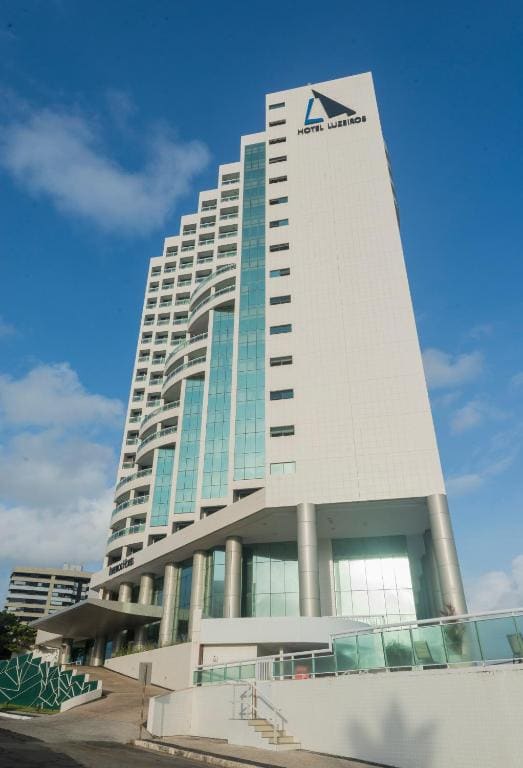
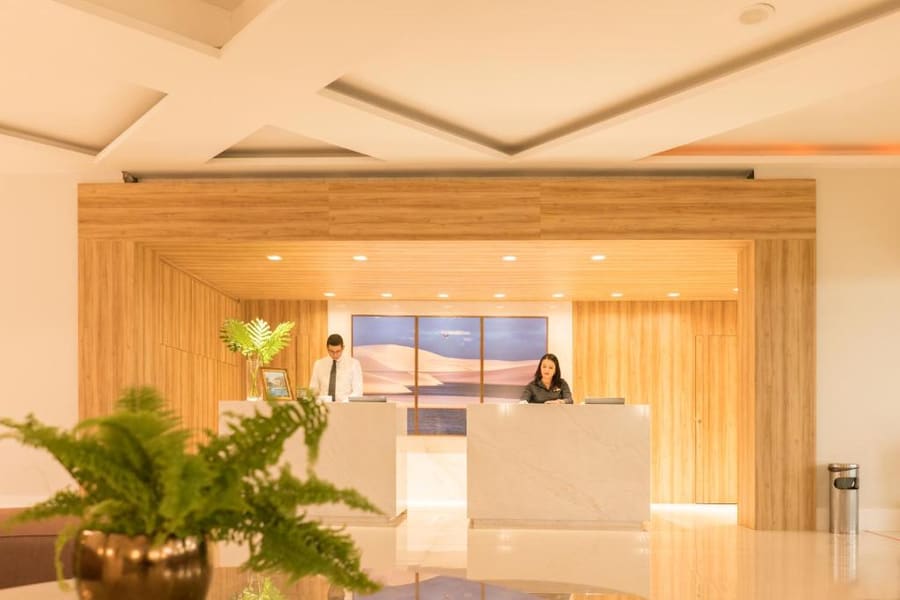
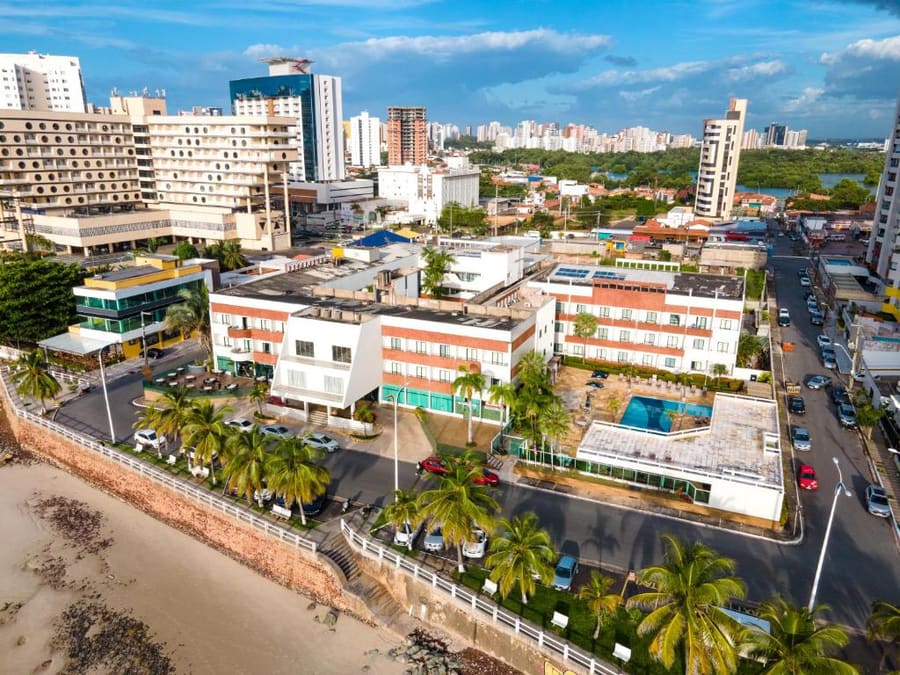
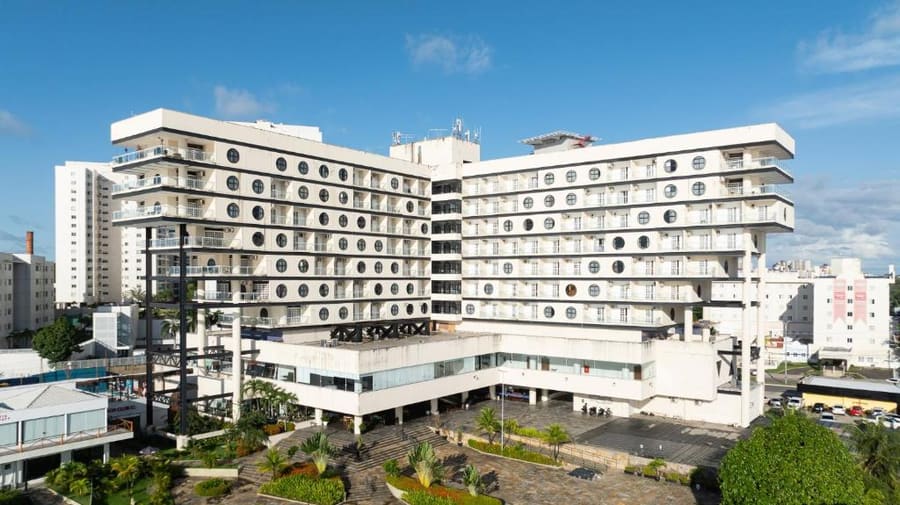
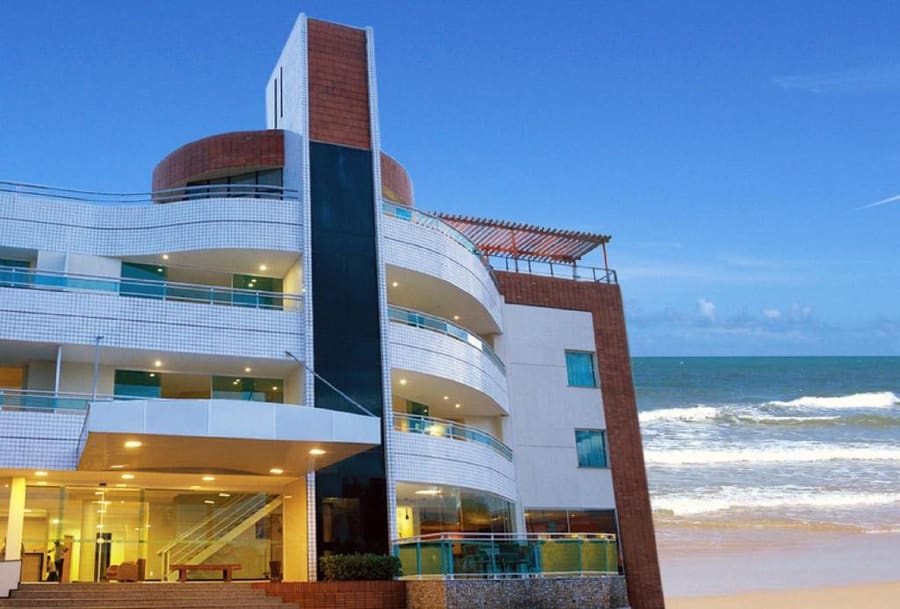
Choose your hotel location based on your safety preferences and daily itinerary. Stay in Centro Histórico if you want boutique pousadas inside restored colonial mansions within walking distance of museums. Pick Calhau or Ponta d'Areia if you prefer full-service oceanfront hotels with swimming pools, secure parking, and evening dining options nearby.
Live rates, matched to the areas above.
transport
São Luís is a spread-out island city. While Centro Histórico must be explored on foot due to steep steps and narrow alleys, reaching beach zones requires vehicles. Rideshares operate efficiently and cost significantly less than flagged street taxis.
From Marechal Cunha Machado International Airport (SLZ)
Pick-up point is outside the arrivals gate curb.
Fixed desk rates available inside the baggage area.
Line 901 connects airport terminal to Terminal de Integração Praia Grande.
Uber and 99 apps operate reliably between Centro, Renascença, and beach districts.
Urban buses accept cash or the local bilhete único card at turnstiles.
Avoid walking between Centro Histórico streets alone after 20:00; use rideshare cars directly from door to door.
Terminal de Integração Praia Grande acts as the main bus exchange point right next to the historic district.
cost
São Luís offers lower prices for accommodation and dining compared to southern Brazilian capitals like Rio de Janeiro or São Paulo. Cash remains useful for market vendors and small street food stalls, while credit cards are widely accepted elsewhere.
Generous lunch portion served with fried fish at local restaurants.
State-run museums in Centro Histórico are often free or charge minimal fees.
Average cost for a 5km trip between Ponta d'Areia and Renascença.
Chilled coconut water purchased from beach kiosks along Calhau.
seasonality
JAN – APR
Heavy tropical rains fall daily. High humidity, but hotel rates drop and crowds vanish.
MAY – JUN
Rains decrease and Bumba Meu Boi festival peaks in late June. Book accommodation far in advance.
JUL – SEP
Dry sunny weather with steady sea breezes. Ideal conditions for exploring city streets and nearby lagoons.
OCT – DEC
Hot, dry conditions continue. Strong ocean winds attract kitesurfers along Calhau beach.
practicalities
Humidity levels regularly exceed 80%. Carry water and schedule outdoor walking tours for early mornings.
Most state museums and public historic buildings close on Mondays for maintenance.
Visa and Mastercard are accepted at almost all shops and restaurants; bring cash for street markets.
Stick to main lit thoroughfares in Centro; avoid carrying visible expensive camera gear on side streets.
São Luís experiences extreme tidal ranges up to nearly seven meters. Ocean water recedes far out at low tide.