landmark
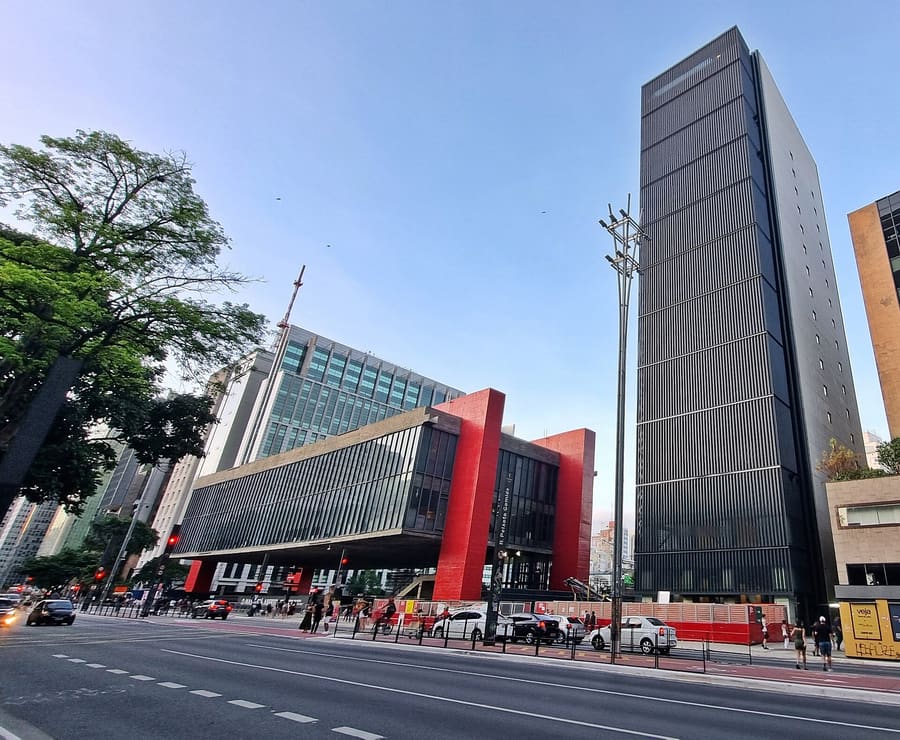
MASP
Lina Bo Bardi's brutalist glass box suspends art on clear crystal easels. Reserve time slots online to skip entry queues.
Ask ParleyBrazil
South America's concrete megacity driven by food and hustle.
introduction
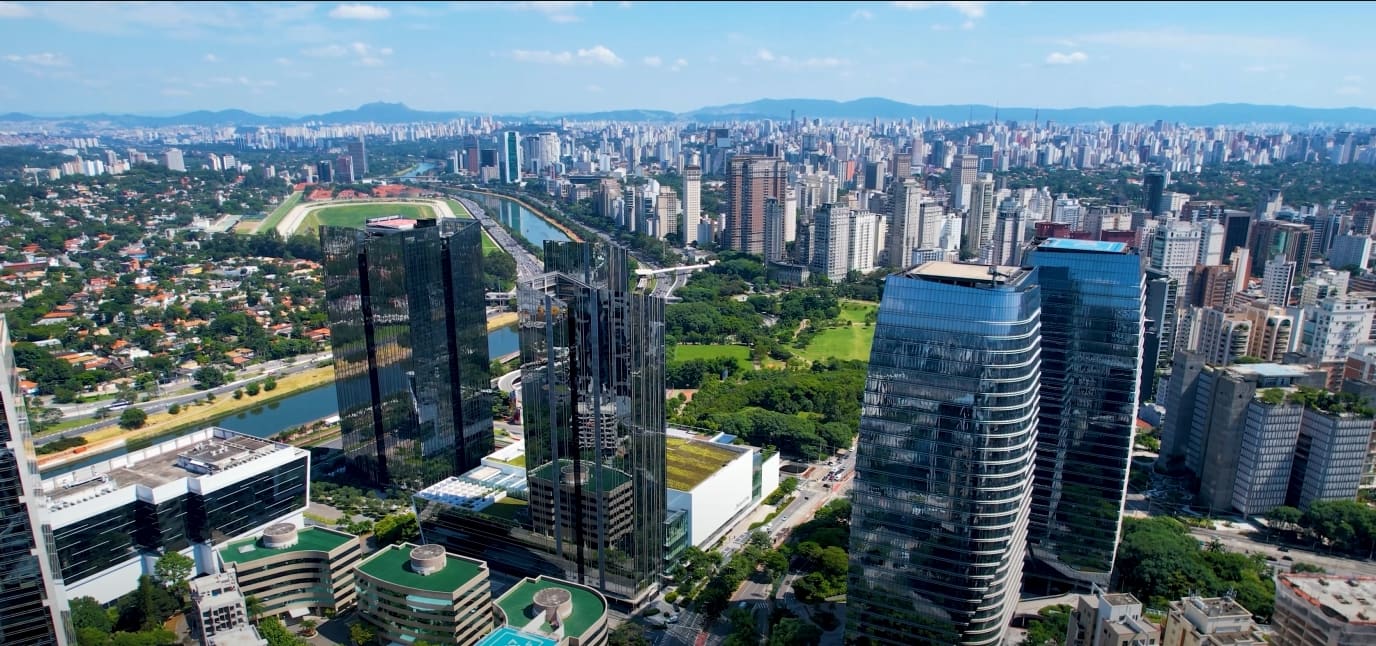
Sao Paulo trades beaches for sheer scale and relentless momentum. It is a city of distinct enclaves linked by helicopter routes and crowded subways. You navigate it neighbourhood by neighbourhood, eating extraordinarily well at every budget level. High security awareness and traffic planning are required to unlock its best features.
Arrival trick
The CPTM Line 13 airport train connects Guarulhos Airport directly to Luz station for R$5. Avoid peak-hour taxis that stall on the Dutra highway for hours.
Culinary capital
The city holds over twelve thousand restaurants and hosts the largest Japanese community outside Japan. Dining dictates the rhythm of local social life.
Sao Paulo
Pablo Trincado · CC BY 2.0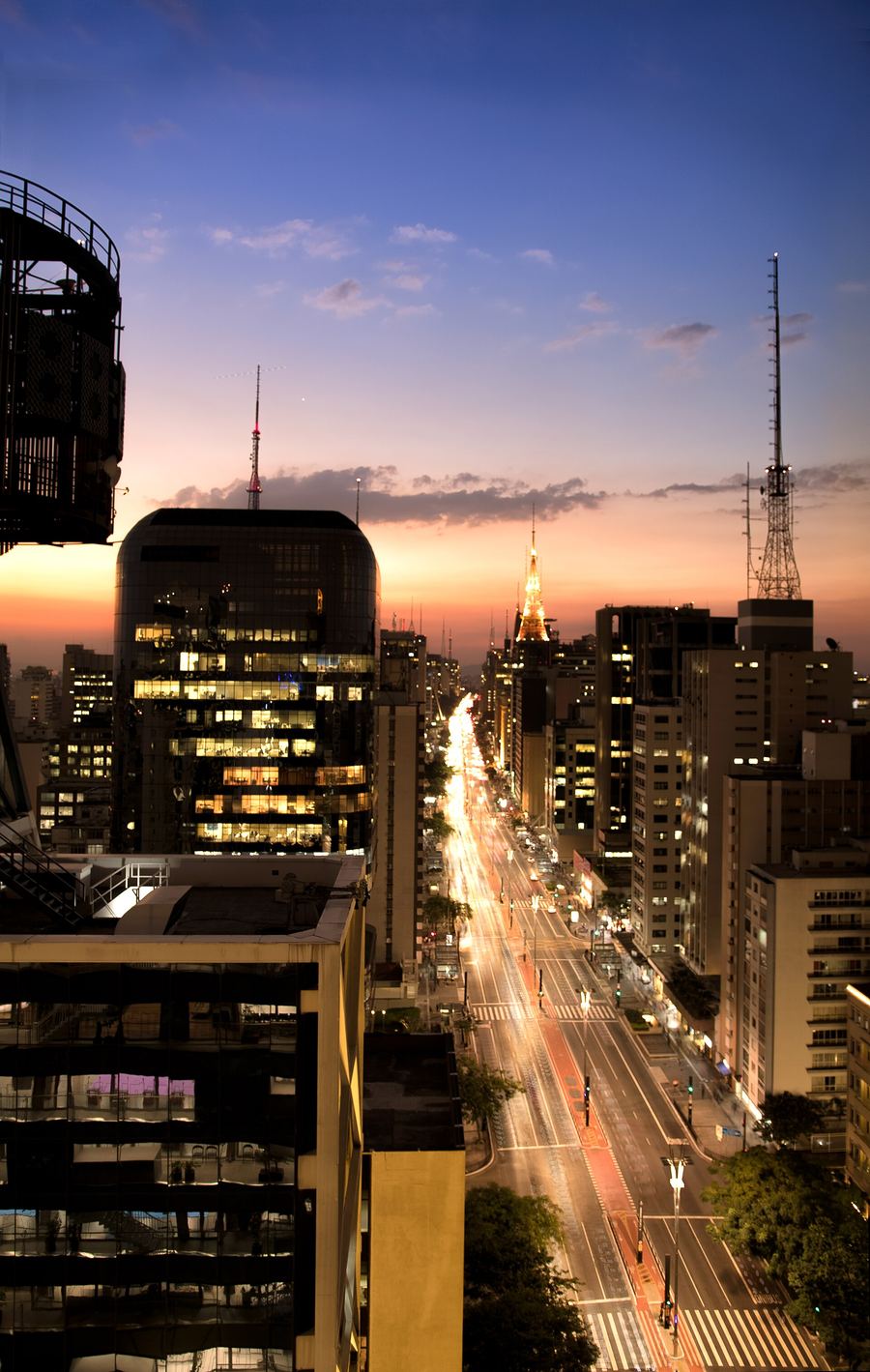
Paulista & Bela Vista — High-density cultural corridor filled with museums, concrete towers, and Italian cantinas.
Rodrigo Tetsuo Argenton · CC BY-SA 4.0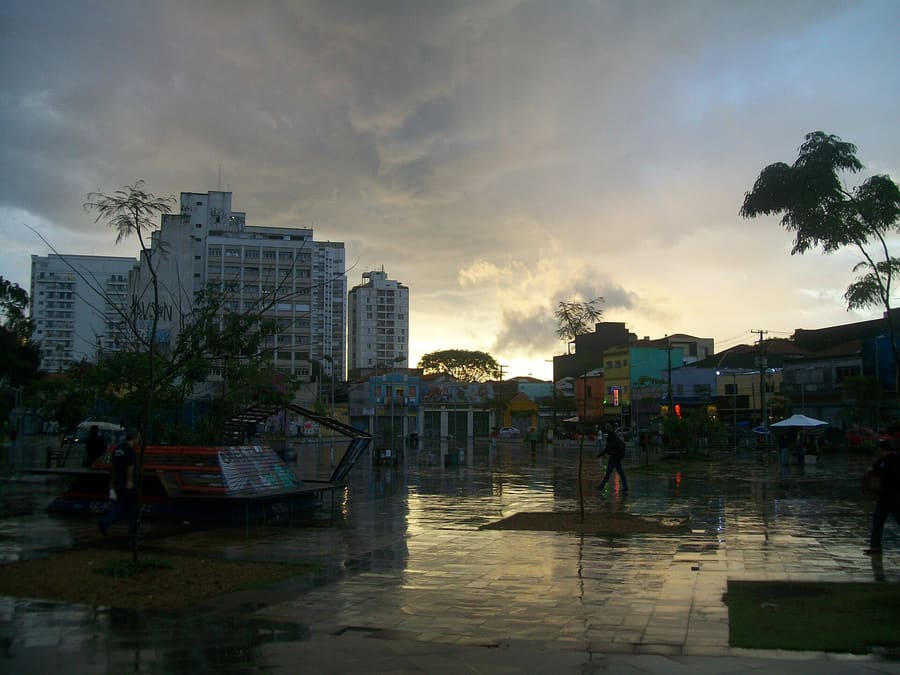
Pinheiros & Vila Madalena — Low-rise neighborhood featuring independent coffee shops, cocktail bars, and art studios.
Guilherme B Alves · CC BY-SA 4.0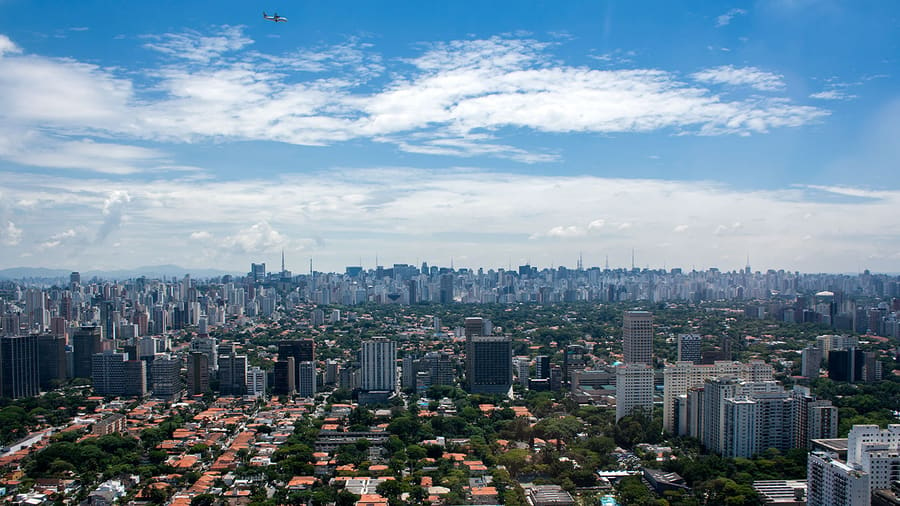
Jardins — Quiet leafy streets lined with high-end boutiques and acclaimed fine-dining venues.
Fernando Stankuns · CC BY-SA 4.0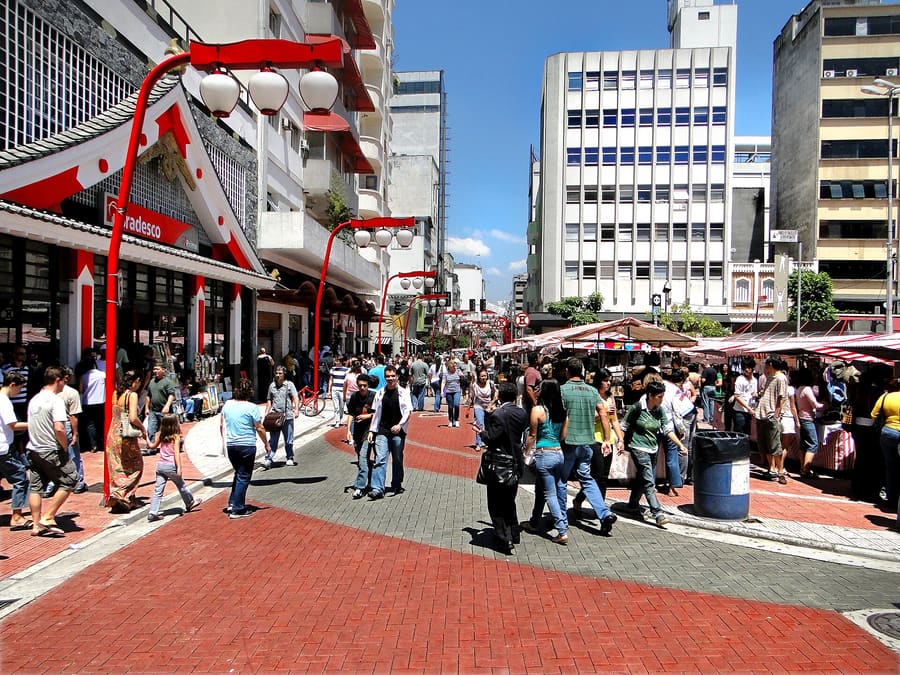
Liberdade — East Asian enclave marked by red lantern posts, ramen counters, and grocery markets.
Ricardo Migliani · CC BY 3.0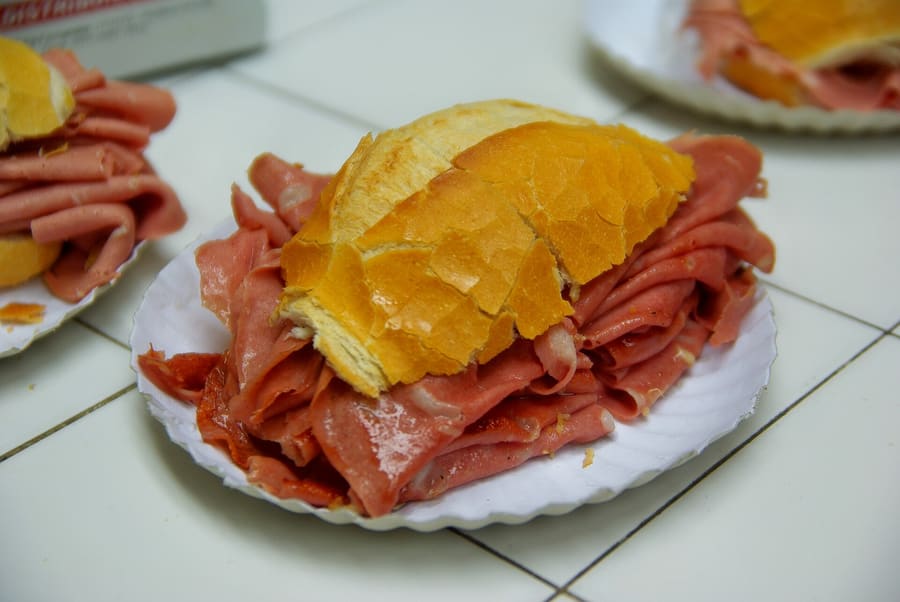
The half-pound mortadella sandwich at Bar do Mané in Mercado Municipal.
Otávio Nogueira from Fortaleza, BR · CC BY 2.0highlights
landmark
Lina Bo Bardi's brutalist glass box suspends art on clear crystal easels. Reserve time slots online to skip entry queues.
Ask Parley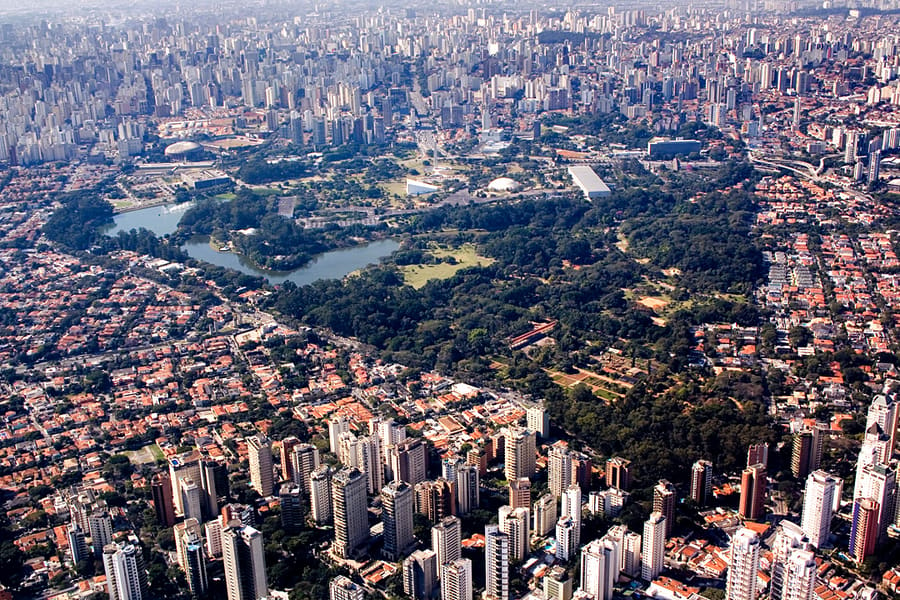
landmark
Oscar Niemeyer canopy meets expansive green lawns. Rent a city bike near Gate 3 for fast navigation across the grounds.
Ask Parley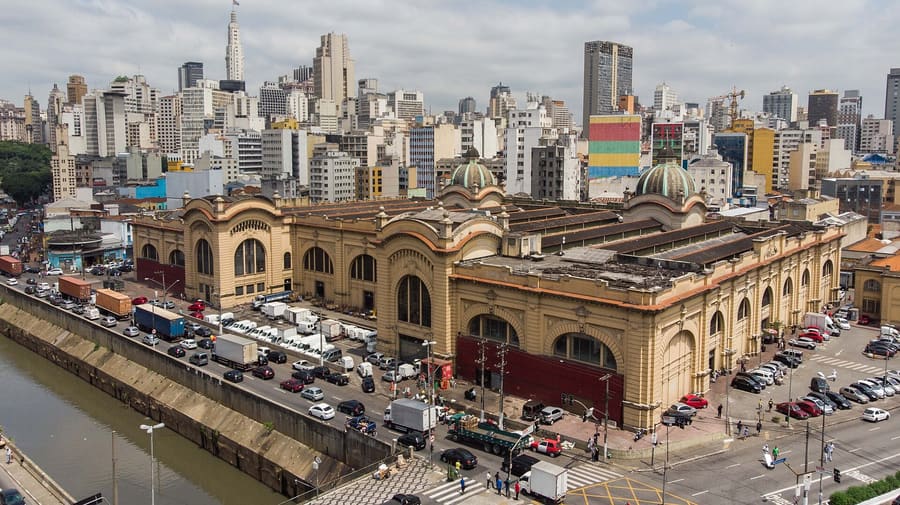
landmark
A stained-glass food hall famous for towering mortadella sandwiches. Eat upstairs to escape floor level congestion.
Ask Parley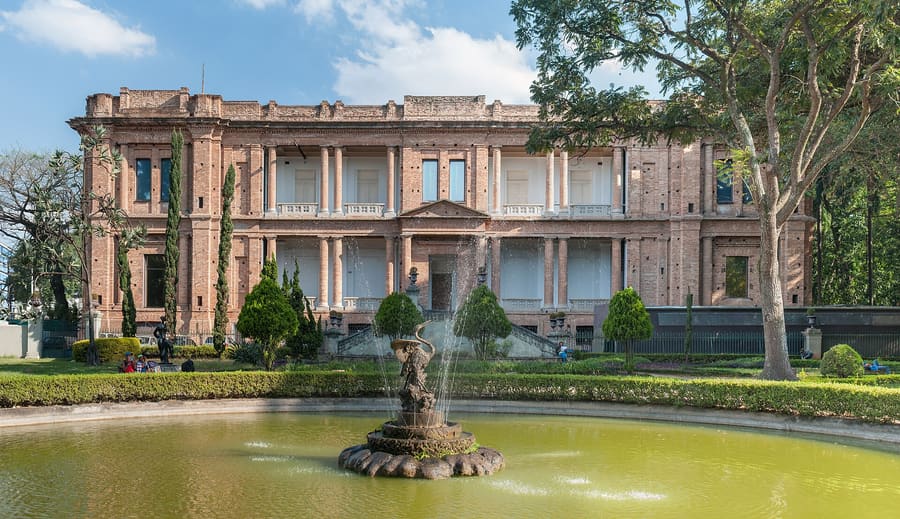
landmark
Brazil's oldest art museum occupies a restored 19th-century brick structure. Combine your visit with the adjacent Luz park.
Ask Parley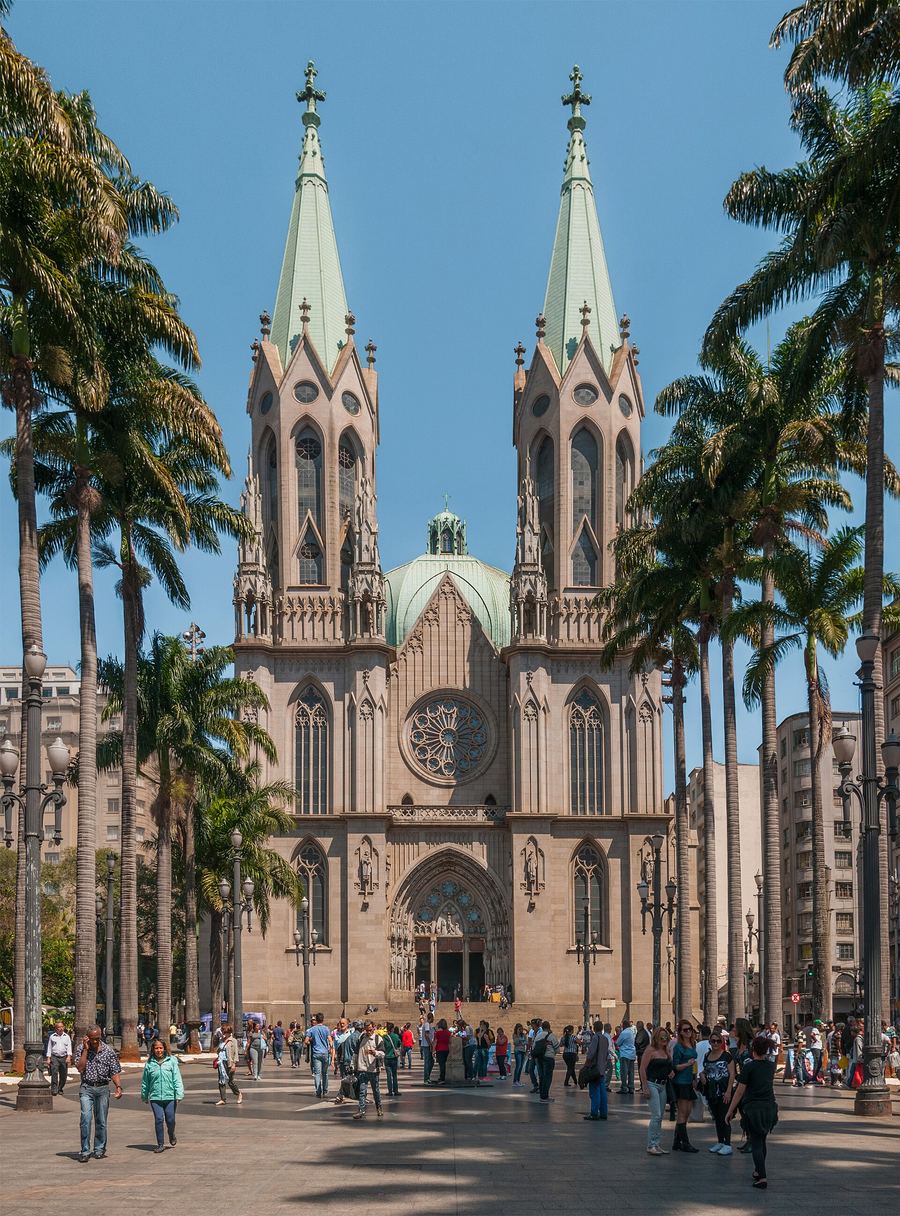
landmark
A massive neo-Gothic cathedral housing a crypt beneath its main altar. Stay alert on the surrounding plaza.
Ask Parley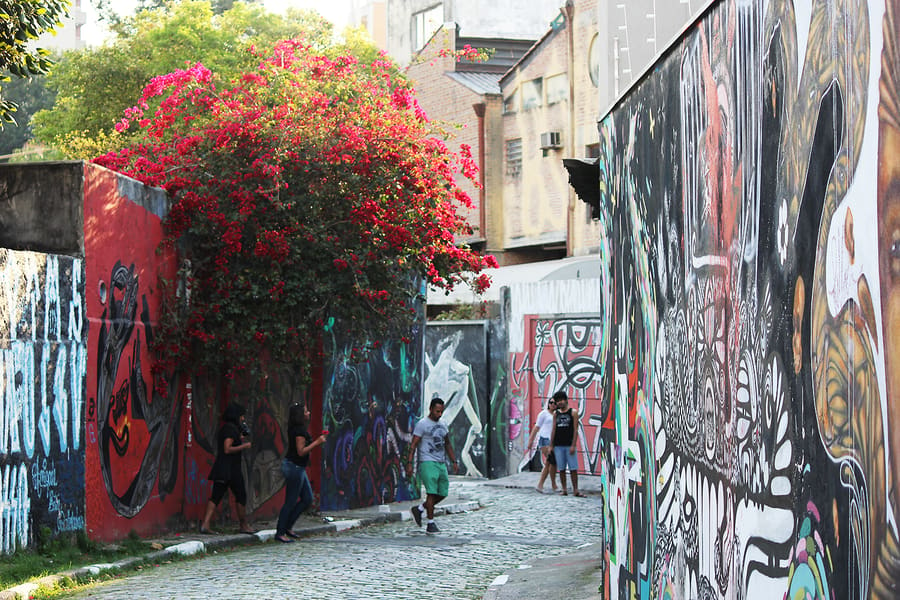
landmark
An open-air gallery of rotating street murals in Vila Madalena. Visit on weekday mornings for clear photograph angles.
Ask Parleyattractions
areas
High-density cultural corridor filled with museums, concrete towers, and Italian cantinas.
NearbyMASP and Japan House
Ask ParleyLow-rise neighborhood featuring independent coffee shops, cocktail bars, and art studios.
NearbyBeco do Batman and Largo da Batata
Ask ParleyQuiet leafy streets lined with high-end boutiques and acclaimed fine-dining venues.
NearbyRua Oscar Freire and D.O.M.
Ask ParleyEast Asian enclave marked by red lantern posts, ramen counters, and grocery markets.
NearbyPraça da Liberdade and Metro Station
Ask Parleyfood
Dining in Sao Paulo reflects distinct immigrant waves. Sunday pizza nights in Bixiga honor Italian heritage with thin or medium crusts. Liberdade serves authentic tonkotsu ramen and fresh izakaya small plates along Rua Thomaz Gonzaga. Casual corners rely on padarias (bakery-diners) for a pão na chapa toasted with butter and a shot of hot espresso.
The half-pound mortadella sandwich at Bar do Mané in Mercado Municipal.
Otávio Nogueira from Fortaleza, BR · CC BY 2.0Order a pingado (coffee with milk in a small glass) and pão na chapa at any neighborhood counter before 10:00.
Paulistanos eat pizza almost exclusively at night. Pizzerias in Bixiga open after 18:00 and expect reservations.
Traditional restaurants serve feijoada (black bean and pork stew) on Wednesdays and Saturdays alongside orange slices and farofa.
history
Founded as a Jesuit mission post in 1554, Sao Paulo remained a sleepy outpost for three centuries. Coffee production transformed the region in the late 1800s, fueling rail lines and attracting millions of Italian, Japanese, and Middle Eastern immigrants. By the mid-20th century, rapid industrialization reshaped the horizon with concrete towers, turning a regional trade hub into South America's financial anchor.
Jesuit founding
Missionaries establish Pátio do Colégio on a plateau above the Tamanduateí river.
Coffee boom
Export revenues fund regional railways and trigger wave of European migration.
Japanese arrival
The ship Kasato Maru docks, introducing Japanese workers to local plantations and urban trades.
MASP opens
Lina Bo Bardi completes the iconic museum structure along Avenida Paulista.
where to stay
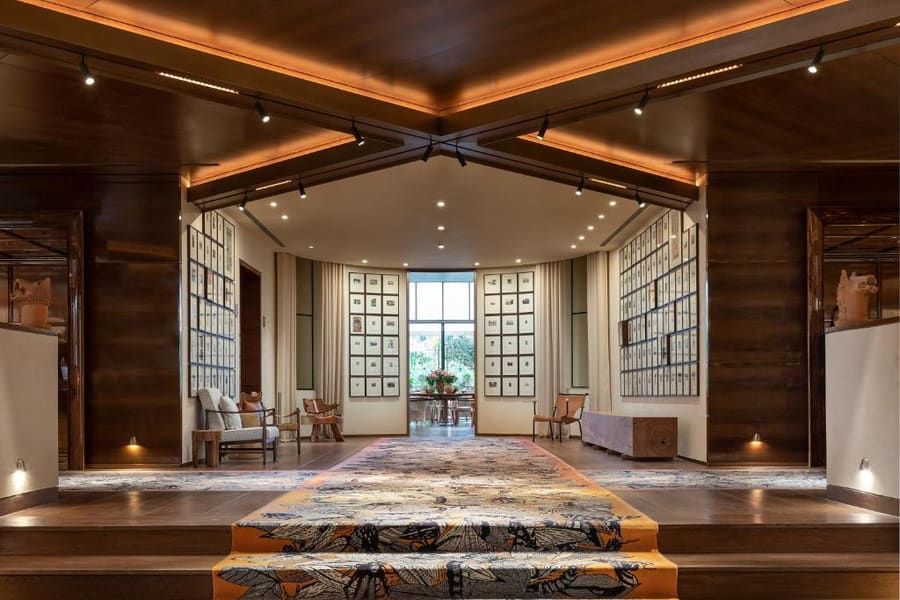
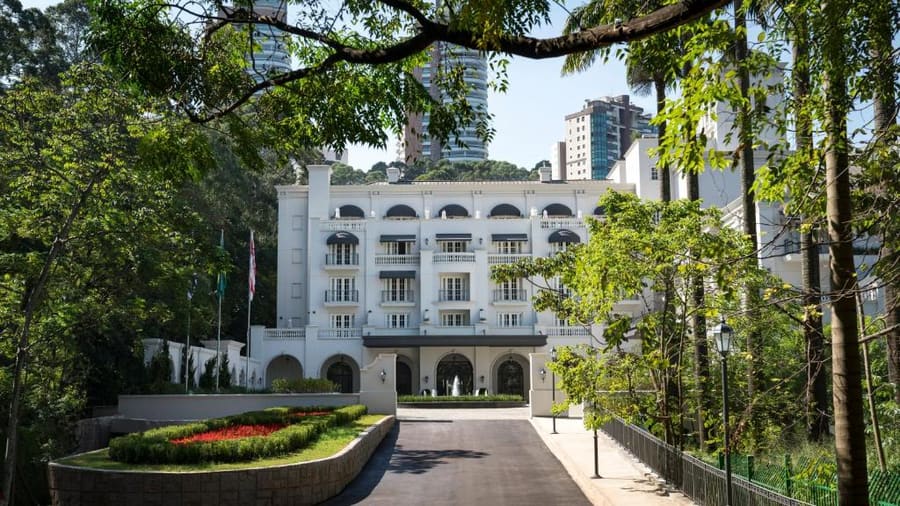
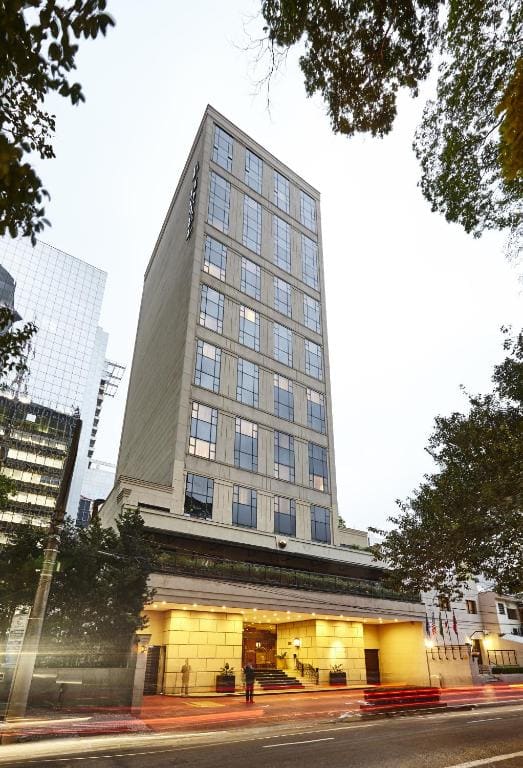
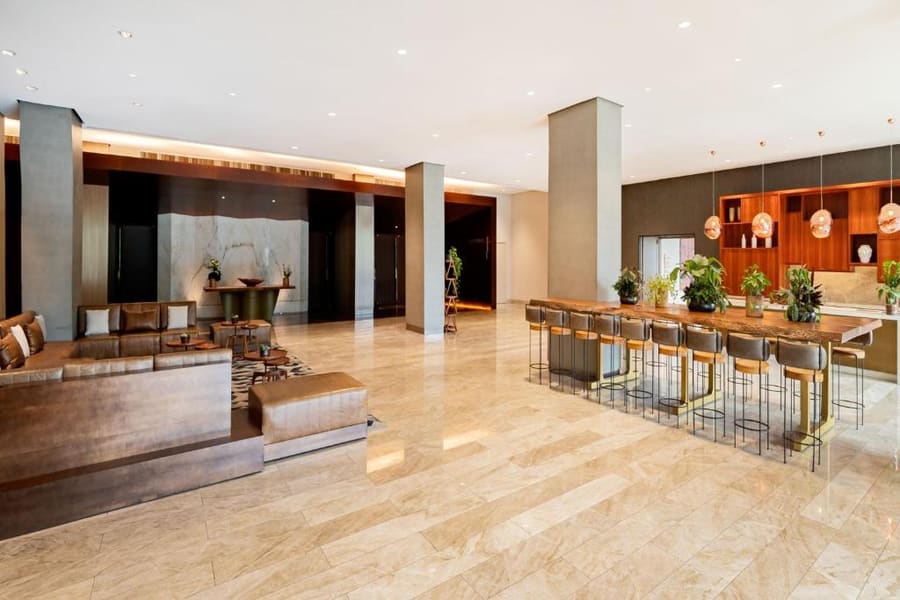
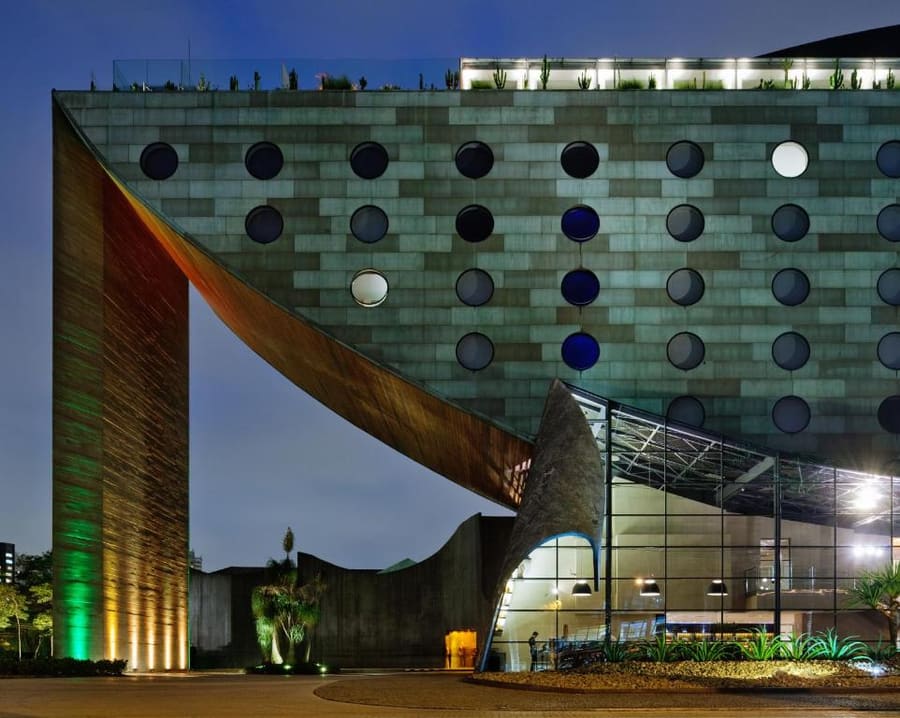
Choose your base by transit access and evening street level safety. Pinheiros puts you steps from bars and coffee shops. Jardins offers quiet nights and luxury amenities at a higher cost. Paulista provides central metro connections to Lines 1, 2, and 4.
Live rates, matched to the areas above.
transport
Sao Paulo's traffic ranks among the heaviest in Latin America. Use the metro system during daytime peak hours. The modern Yellow Line (Linha 4-Amarela) links Pinheiros, Paulista, and downtown reliably.
From Guarulhos Airport (GRU)
CPTM Line 13 Express Connect runs directly to Luz Station at scheduled hourly departures.
Fares surge during rush hours; pick-up point is clearly signed outside Terminal 2 and 3.
Airport Bus Service connects terminals to Avenida Paulista and Congonhas Airport.
This driverless subway line runs cleanly between Luz and Vila Sônia, serving Paulista and Pinheiros directly.
Surface traffic locks completely on Marginal Pinheiros and Marginal Tietê during evening commute hours.
Domestic flights land at Congonhas near the city center; take a short rideshare directly to Jardins or Moema.
cost
Sao Paulo operates largely as a cashless society. Contactless card payment is accepted at almost every venue, from street vendors in Liberdade to upscale cocktail bars in Jardins.
A espresso glass and toasted butter roll at a neighborhood bakery counter.
A main dish and drink in Pinheiros or Vila Madalena.
Valid across all Metrô and CPTM urban train lines.
Standard cocktail bar price in Pinheiros or Jardins.
seasonality
DEC – FEB
Hot and humid with heavy late-afternoon downpours. Summer humidity makes street walking demanding.
MAR – MAY
Mild temperatures and declining rainfall. Ideal conditions for exploring outdoor street markets and parks.
JUN – AUG
Cool, dry winter days with chilly nights. Bring light jackets for late evening dining outdoors.
SEP – NOV
Warm spring weather with occasional light rain. Cultural festivals and outdoor events restart.
practicalities
Do not text or hold smartphones near busy street intersections or open car windows to avoid snatch-and-grab thefts.
Card terminals are ubiquitous; carrying large sums of physical cash is neither necessary nor advisable.
Avenida Paulista closes to motor vehicles every Sunday from 08:00 to 16:00 for cyclists and pedestrians.
Brazil uses Type N plugs and standard 127V grid power in Sao Paulo. Carry a multi-region adapter.
Tap water is safe for brushing teeth, but locals drink filtered or bottled water in homes and restaurants.